Fluid dynamic bearings (FDB) are widely used in small and medium fans, especially in electronics cooling and compact HVAC equipment, because they offer low noise and good life compared with simple sleeve bearings. When people ask how long fluid dynamic bearings last, the answer is typically expressed in operating hours. Under favourable conditions, FDB-equipped fans can reach tens of thousands of hours of service life, but real-world results depend strongly on temperature, load and cleanliness.
In many data sheets, small FDB fans are rated for 50,000–100,000 hours of life at a defined ambient temperature, often around 25–40 °C, with continuous operation. These values correspond to roughly 6–11 years of running 24 hours per day. However, these are theoretical figures based on accelerated tests and assumptions about operating conditions. Higher temperatures, dust, vibration and repeated start-stop cycles can significantly shorten bearing life.
FDBs work by maintaining a thin fluid film (usually oil) between the shaft and the bearing surfaces. Under rotation, hydrodynamic pressure in this film keeps metal surfaces separated, reducing wear and noise. If the lubricant degrades, leaks or becomes contaminated, the bearing can wear more quickly, leading to increased noise, vibration and eventual failure. Fans that run near their speed and temperature limits, or in very dusty environments, are at greater risk.
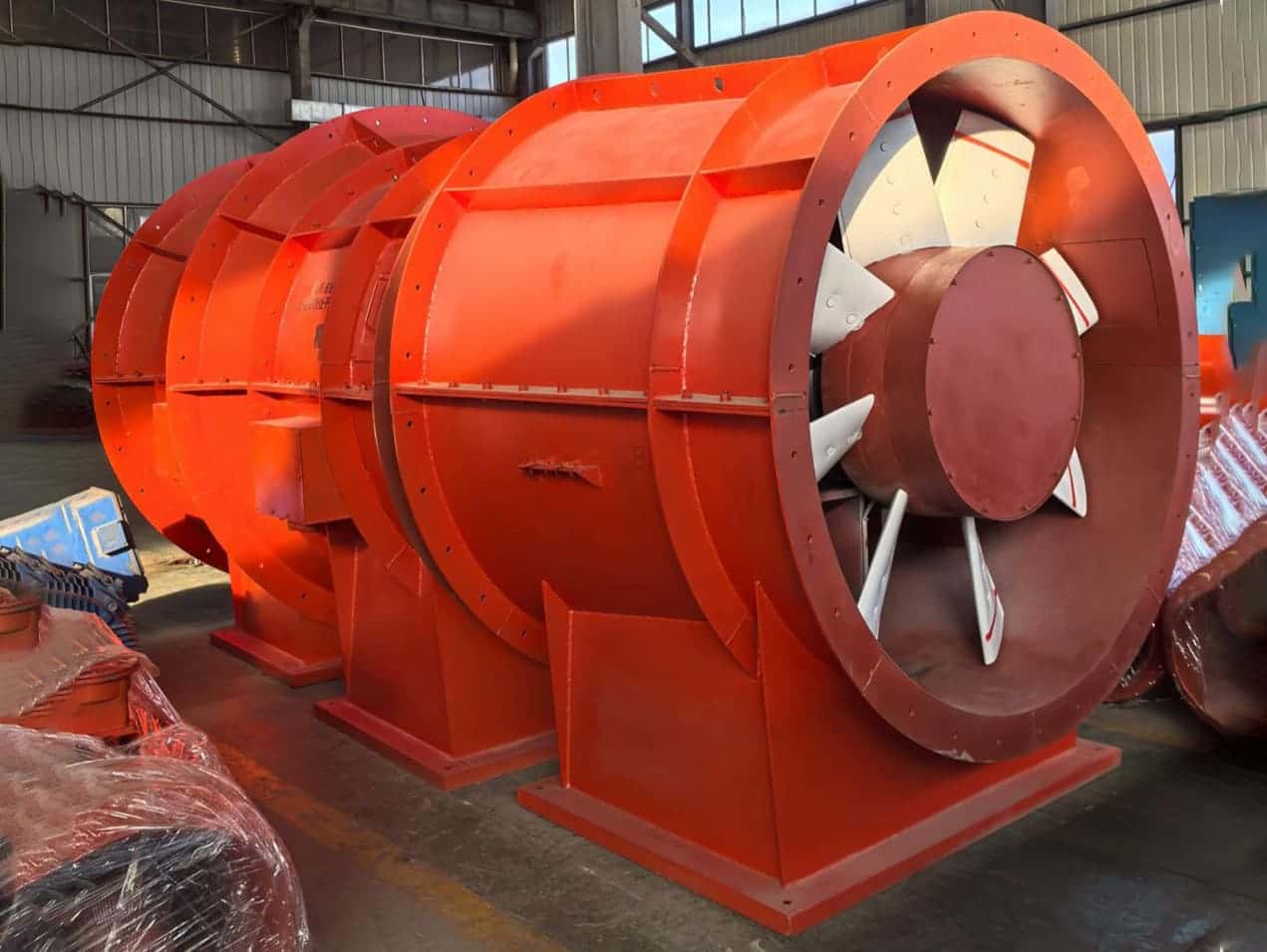
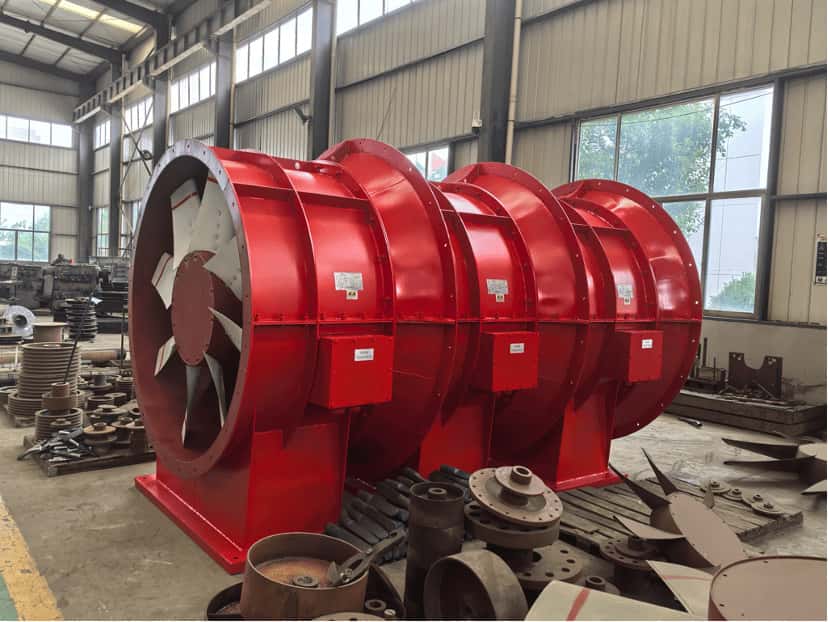
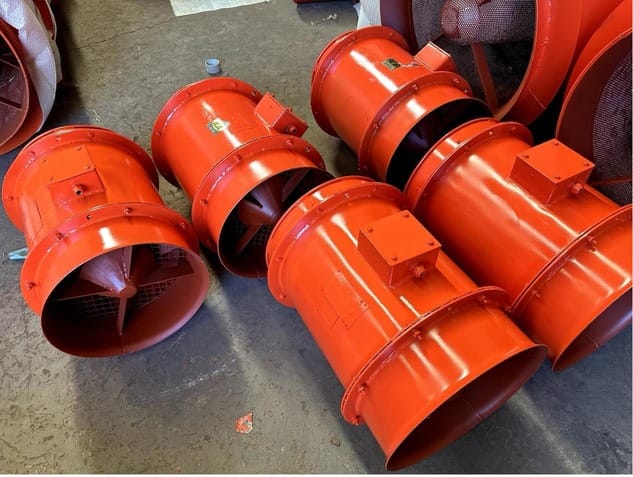
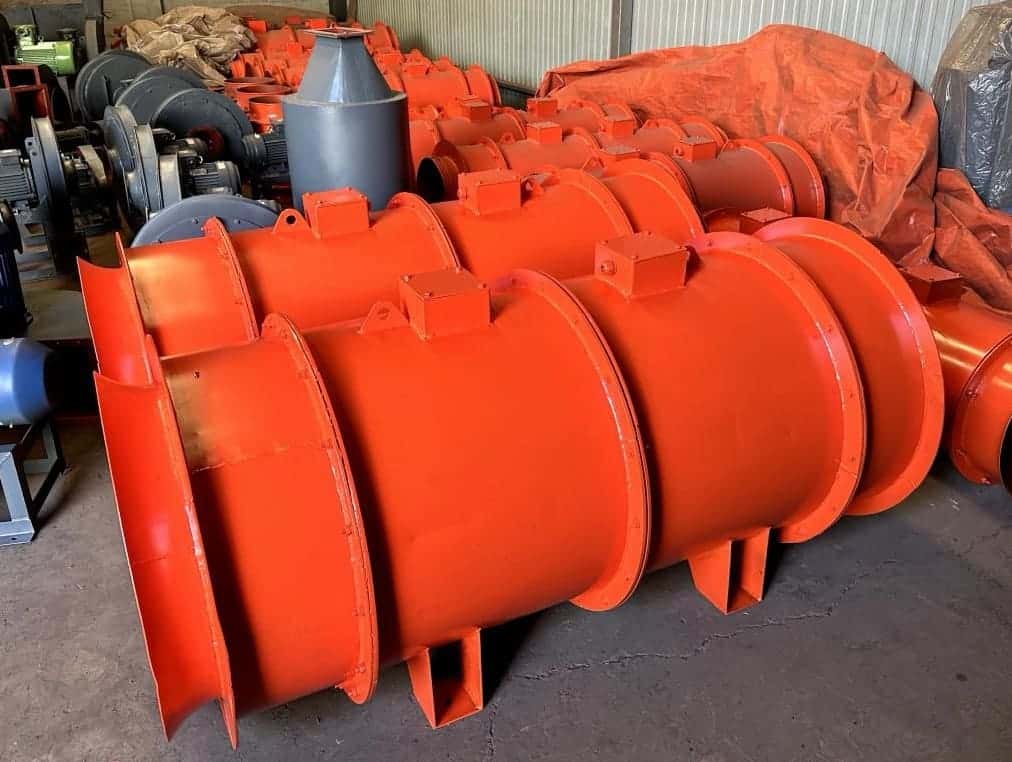
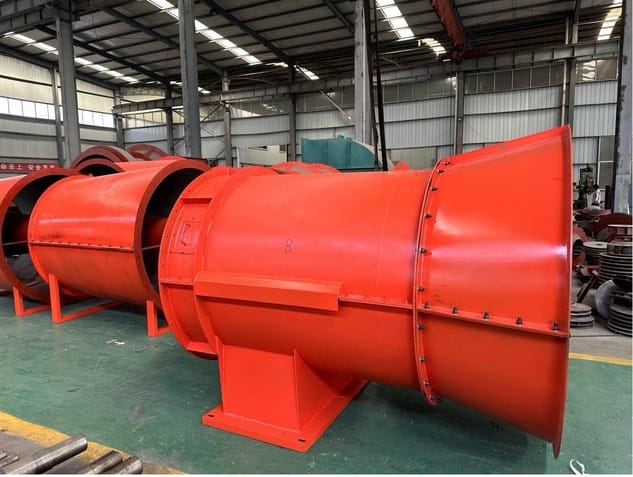
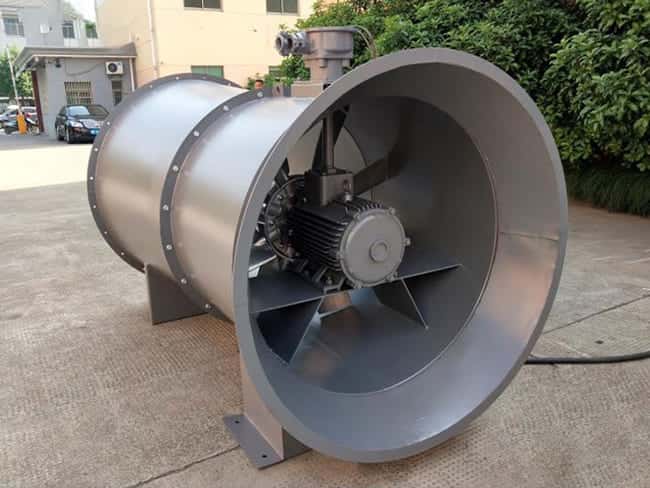
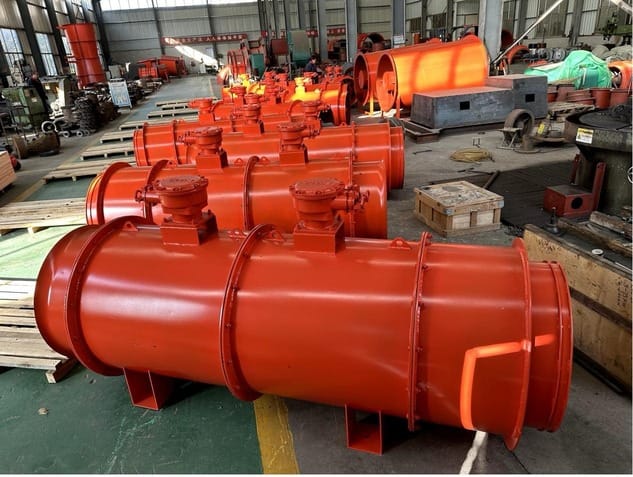
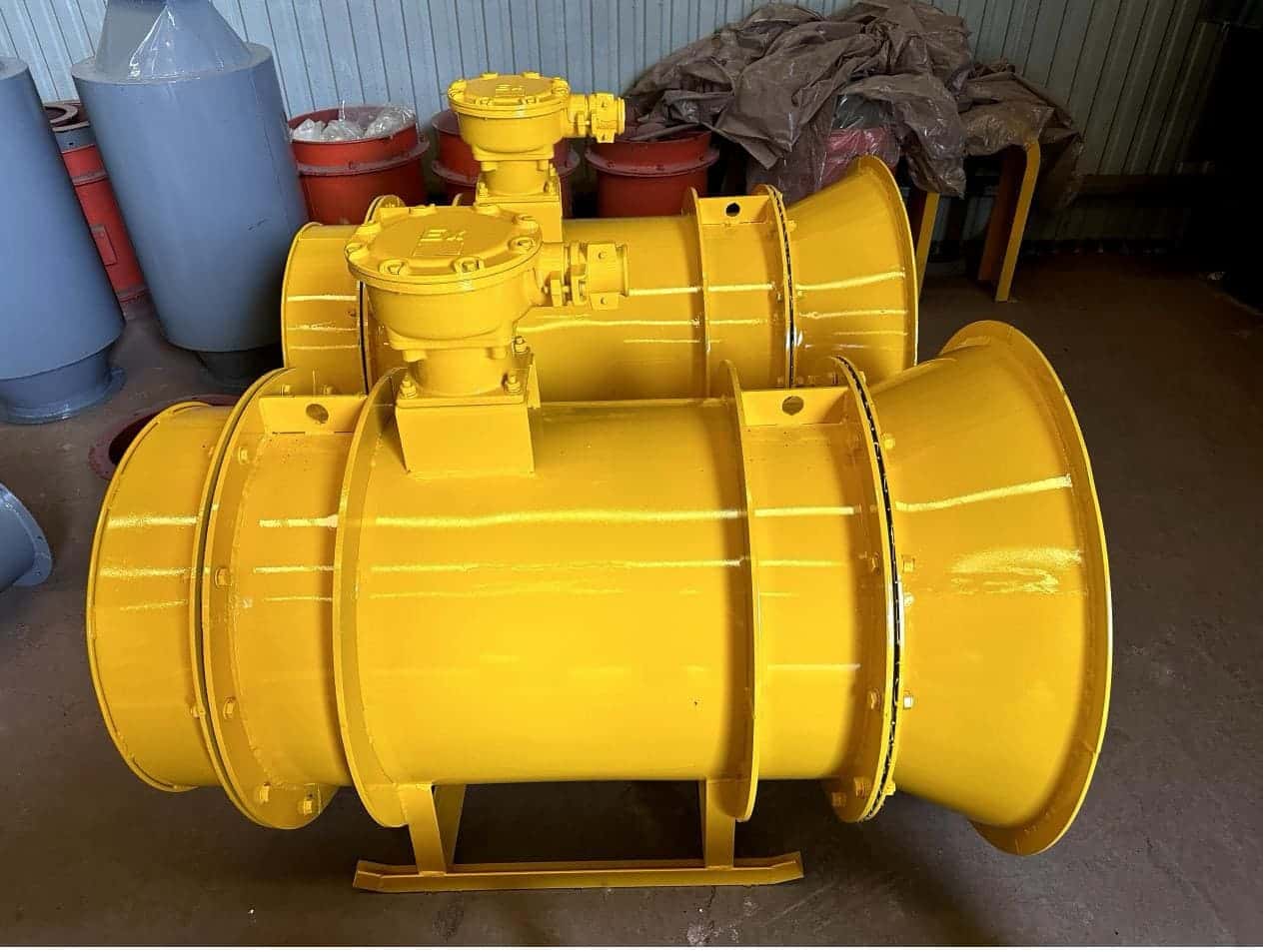
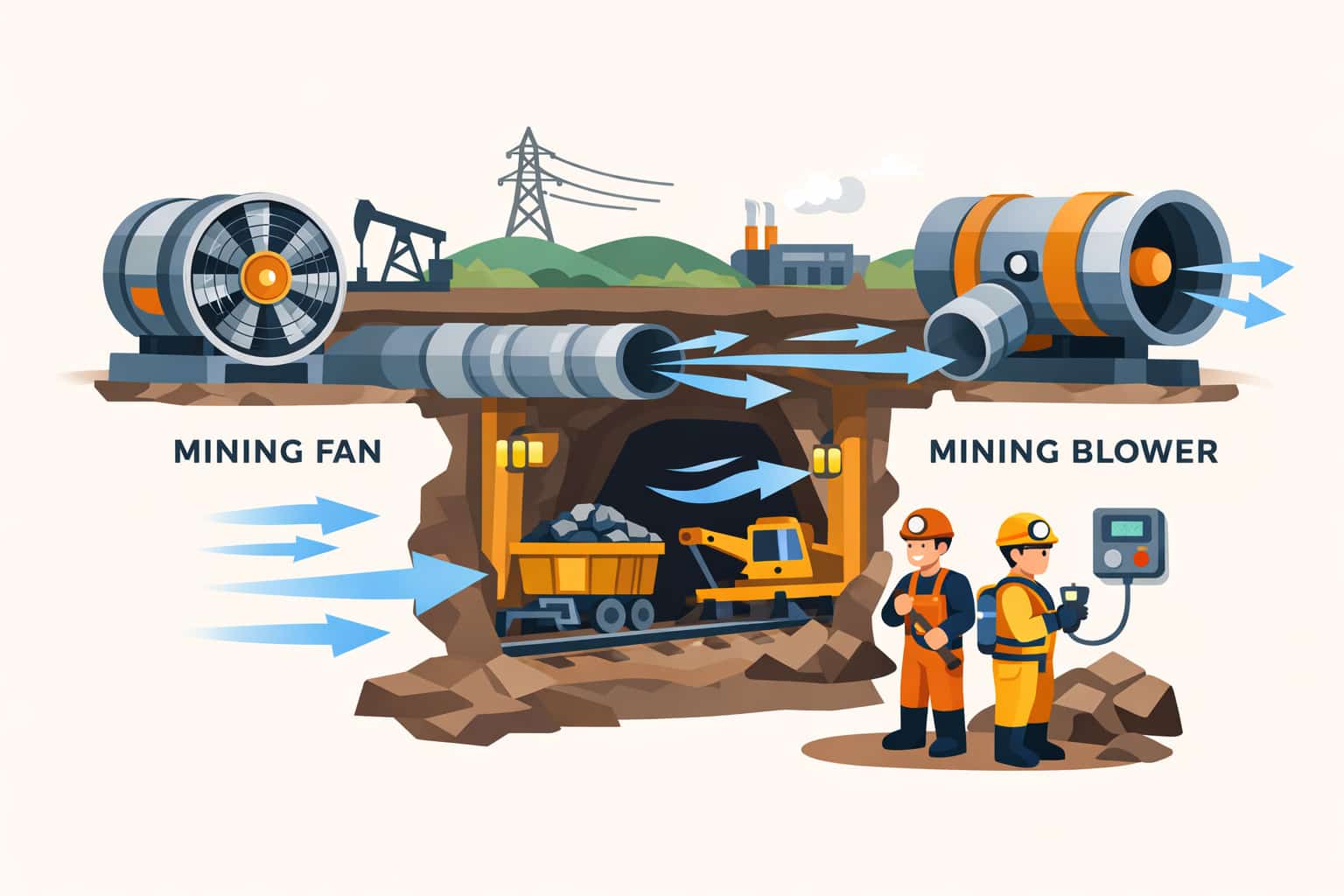
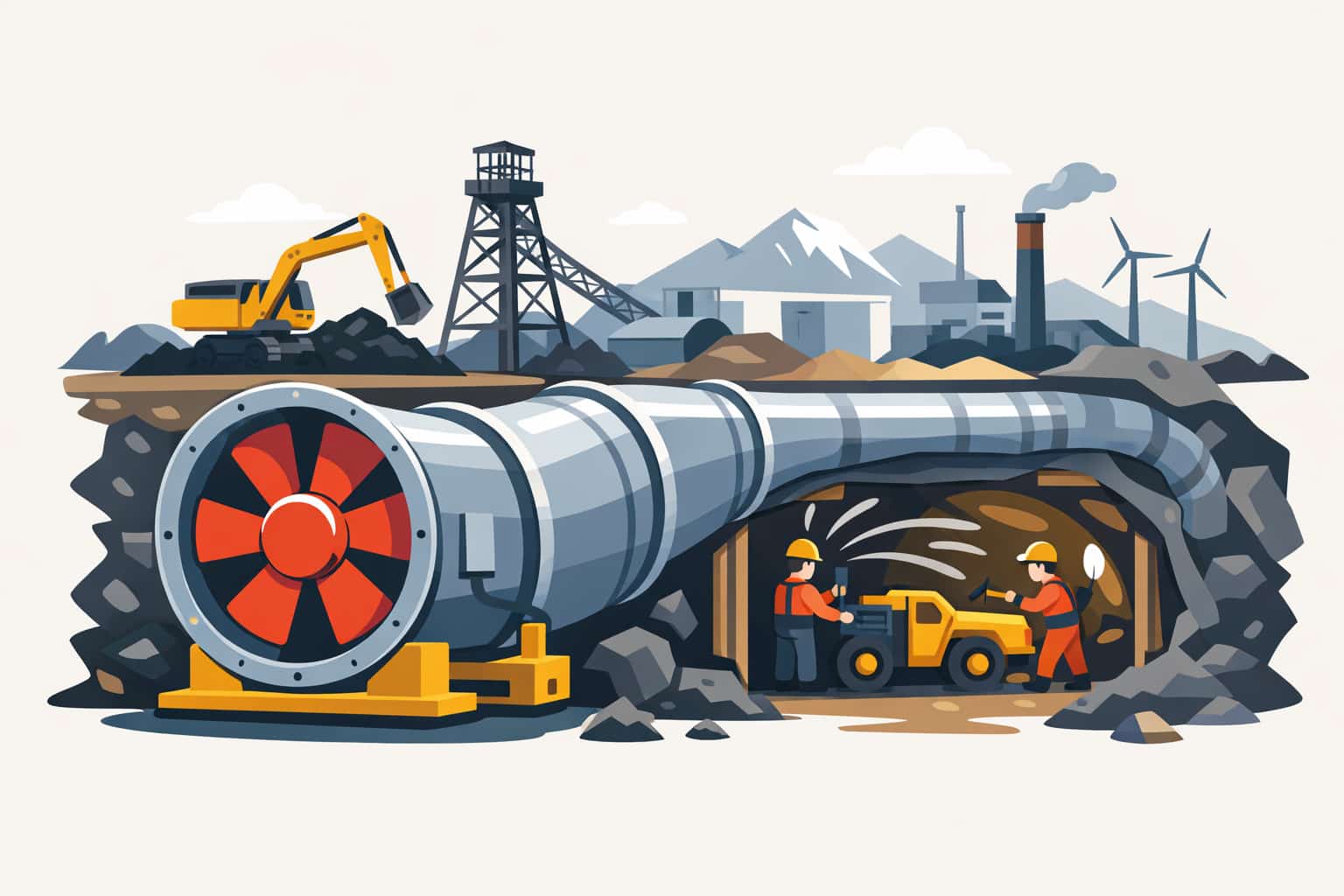
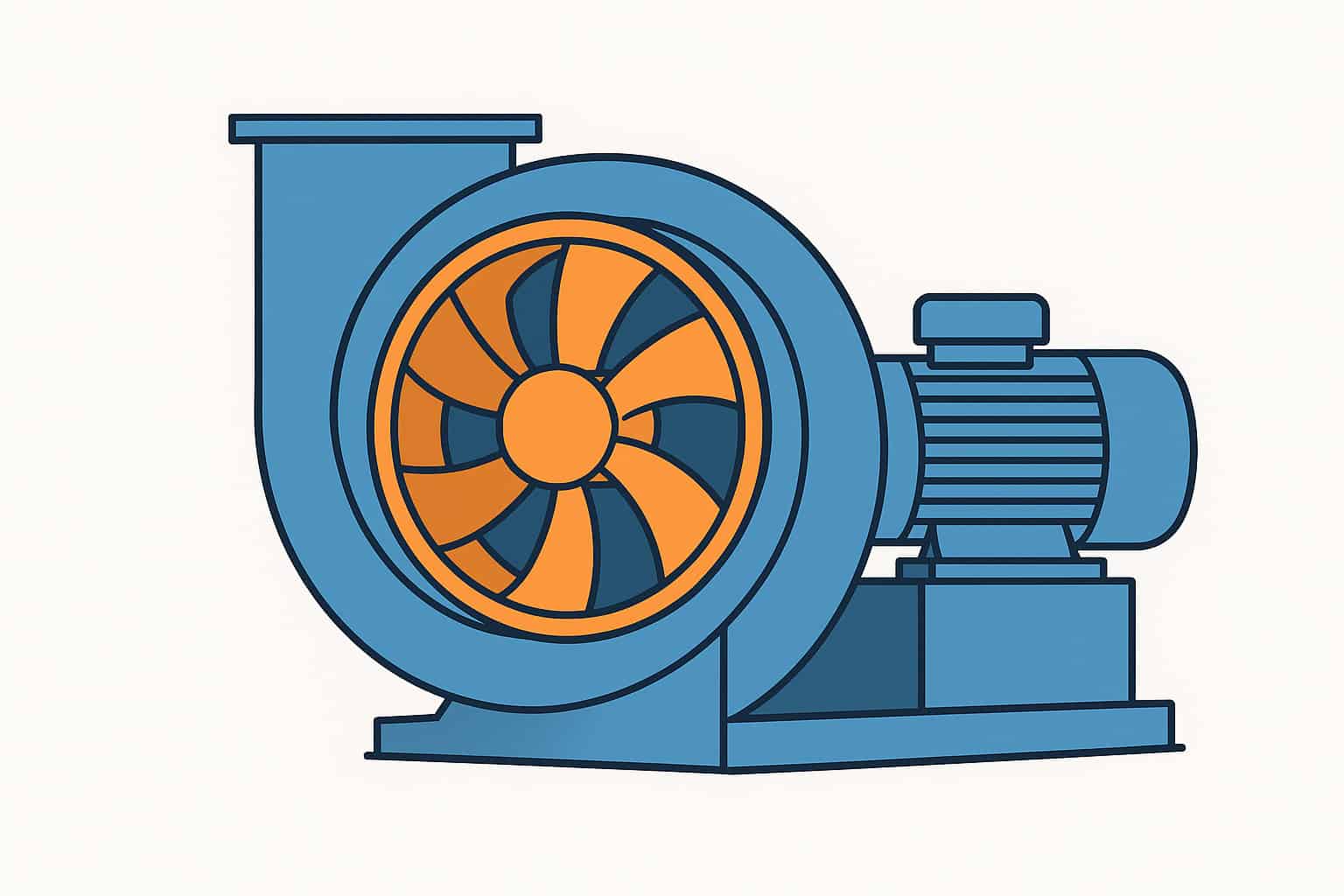
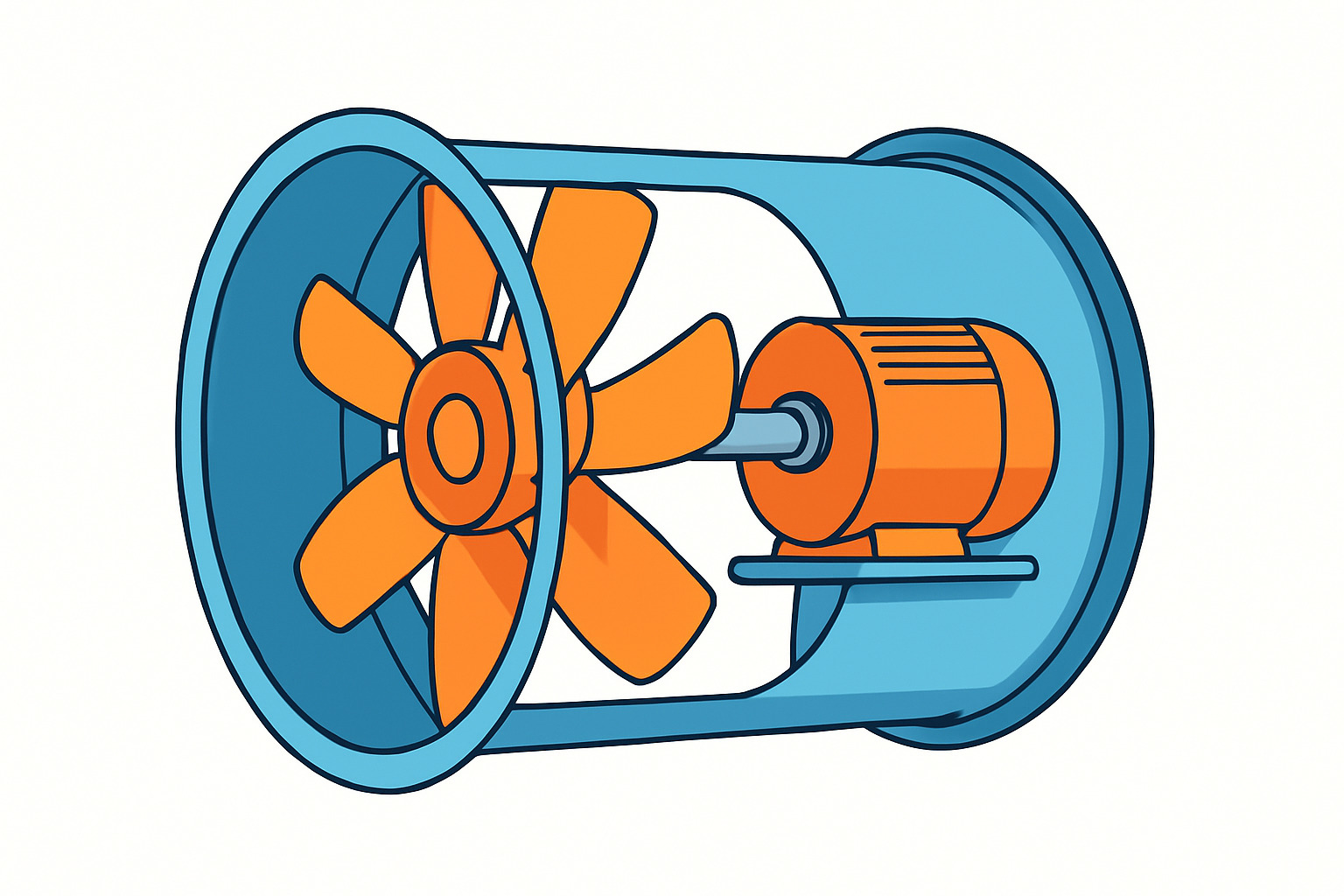
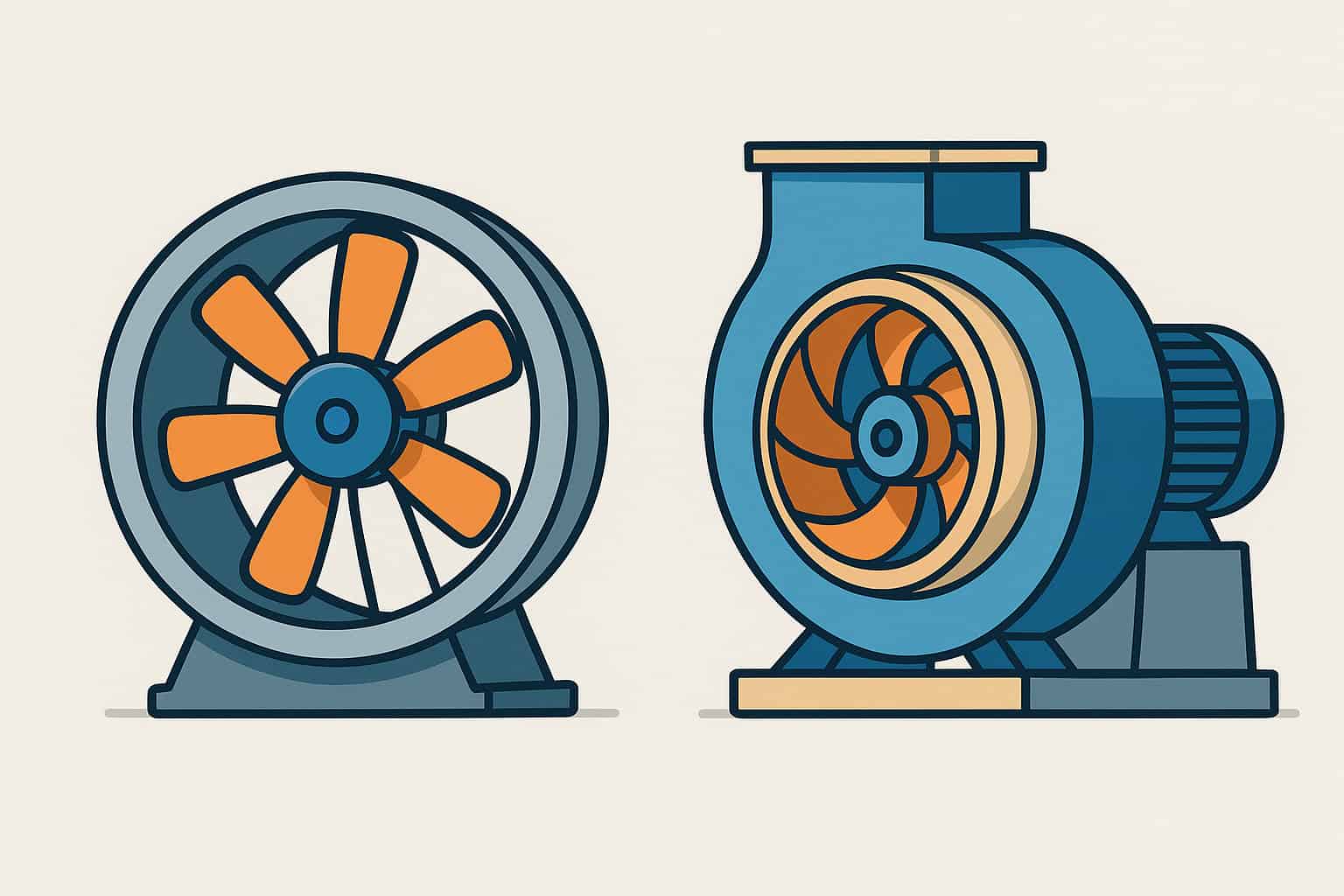
In heavy industrial and mining ventilation, large centrifugal and axial fans usually do not use fluid dynamic bearings; instead they rely on robust rolling-element bearings designed for high loads and long service intervals. FDBs are more common in small auxiliary equipment, electronics enclosures and compact ventilation units. In these applications, the combination of low noise and long rated life makes them attractive compared with simple sleeve bearings.
To approach the advertised lifespan of FDB fans in practice, it is important to control operating conditions. Keep ambient temperatures within the specified range, ensure adequate airflow around the fan motor to prevent overheating and minimise dust ingress with filters or appropriate enclosures. Avoid unnecessary start-stop cycling, since frequent acceleration and deceleration can stress both bearings and electronics.
In summary, fluid dynamic bearings in fans are often rated for 50,000 hours or more, and many will run reliably for several years of continuous service if operated within their design limits. Actual life depends on temperature, cleanliness, load and duty cycle. For large industrial and mining fans, designers typically choose heavy-duty rolling-element bearings instead, while FDB technology remains most useful in smaller, low-noise fan applications.