
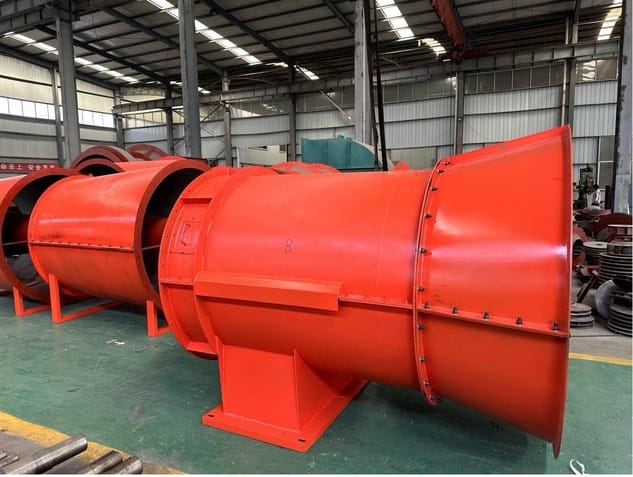
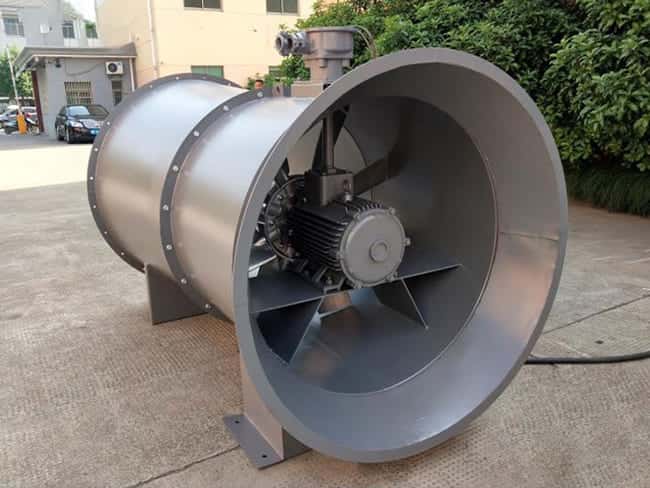
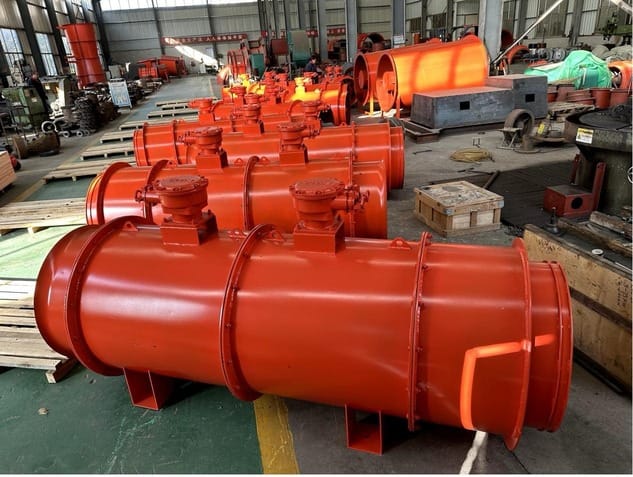
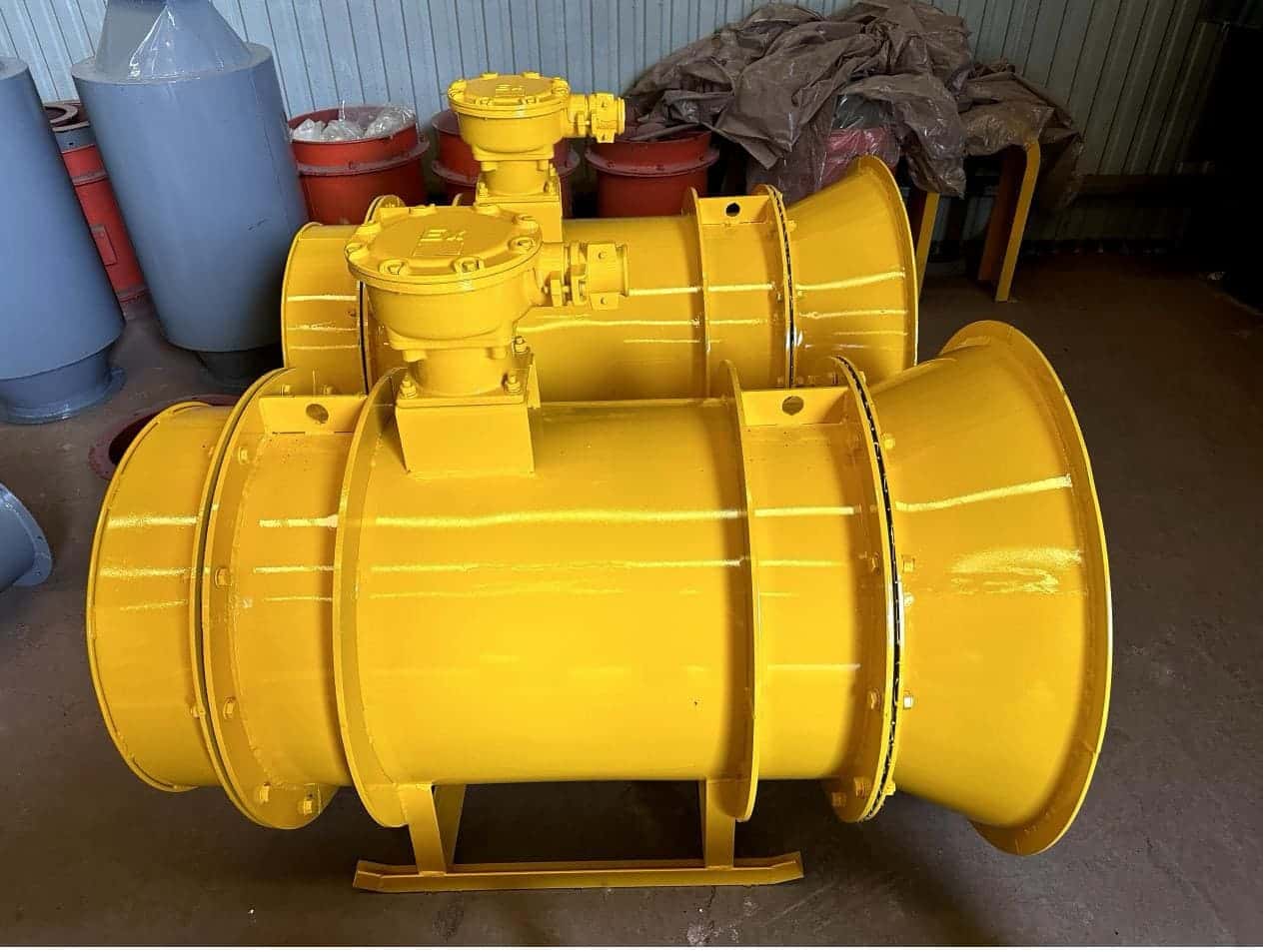
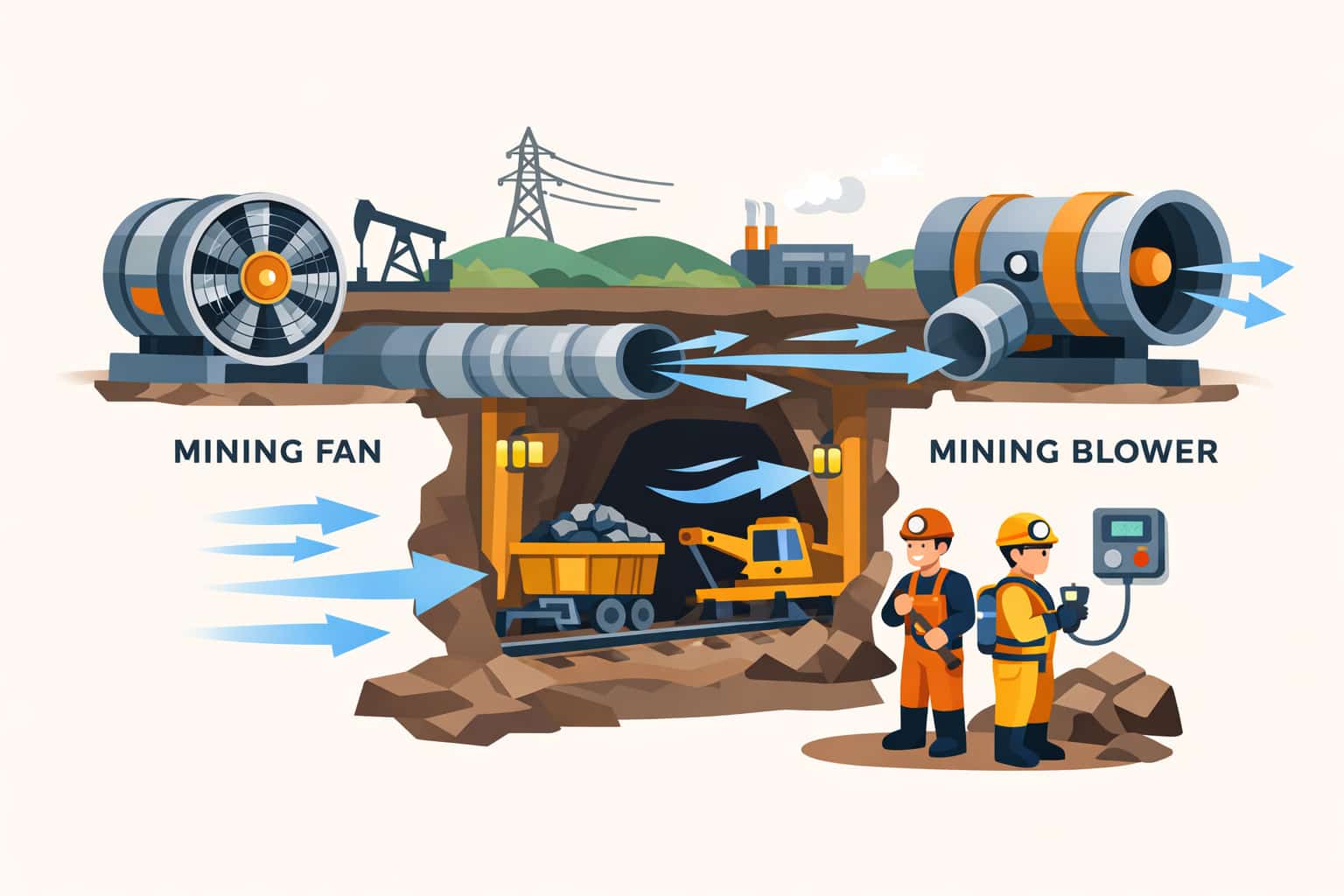
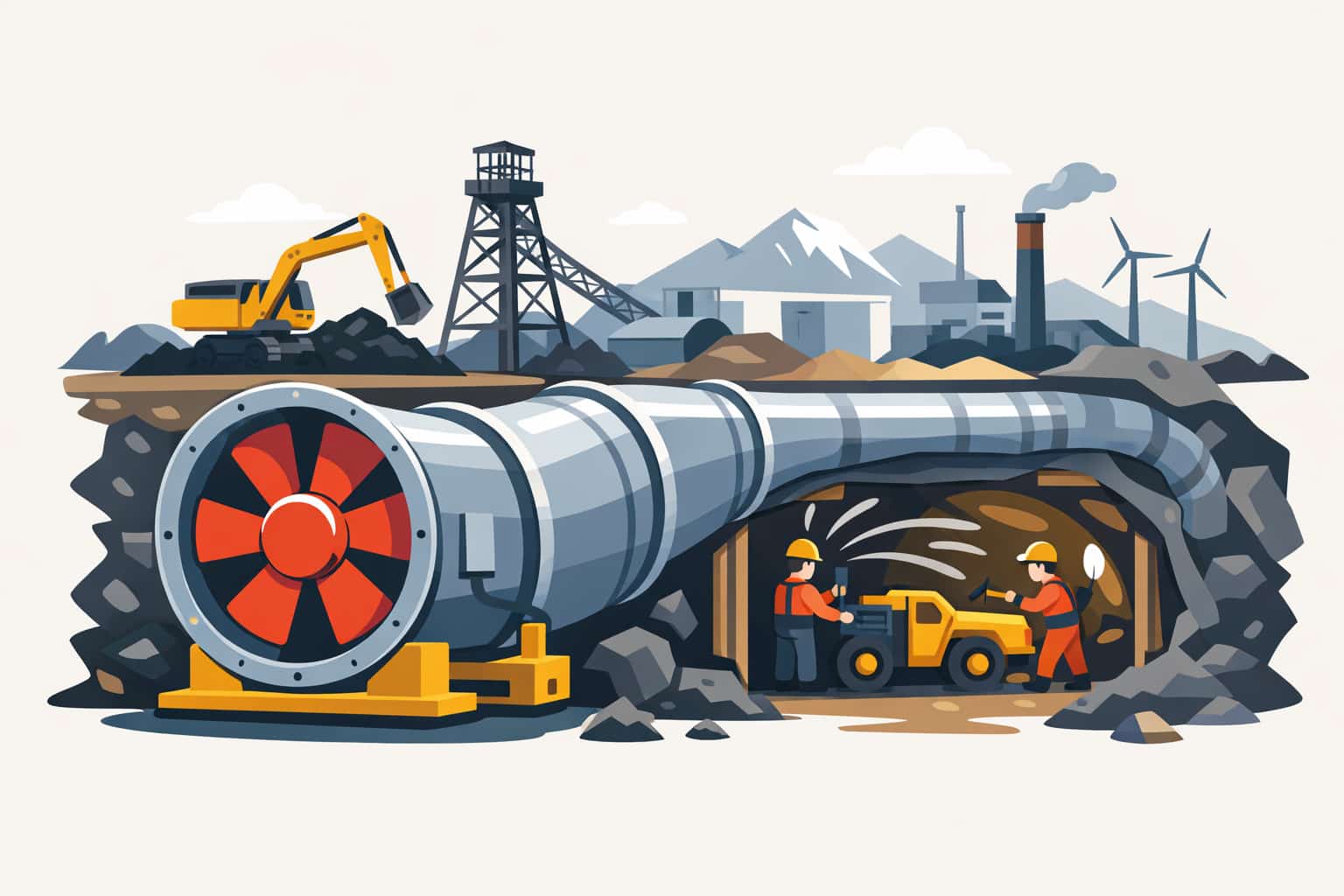
Ventilation systems can have very long service lives, often measured in decades, but the actual lifetime depends on design quality, operating conditions and maintenance practices. A well-engineered system in a clean environment may run with limited changes for 20–30 years or more, while equipment in harsh, dusty or corrosive conditions may need refurbishment or replacement sooner. It is helpful to think of a ventilation system as several subsystems—fans, motors, ducts, controls and structures—each with its own expected life.
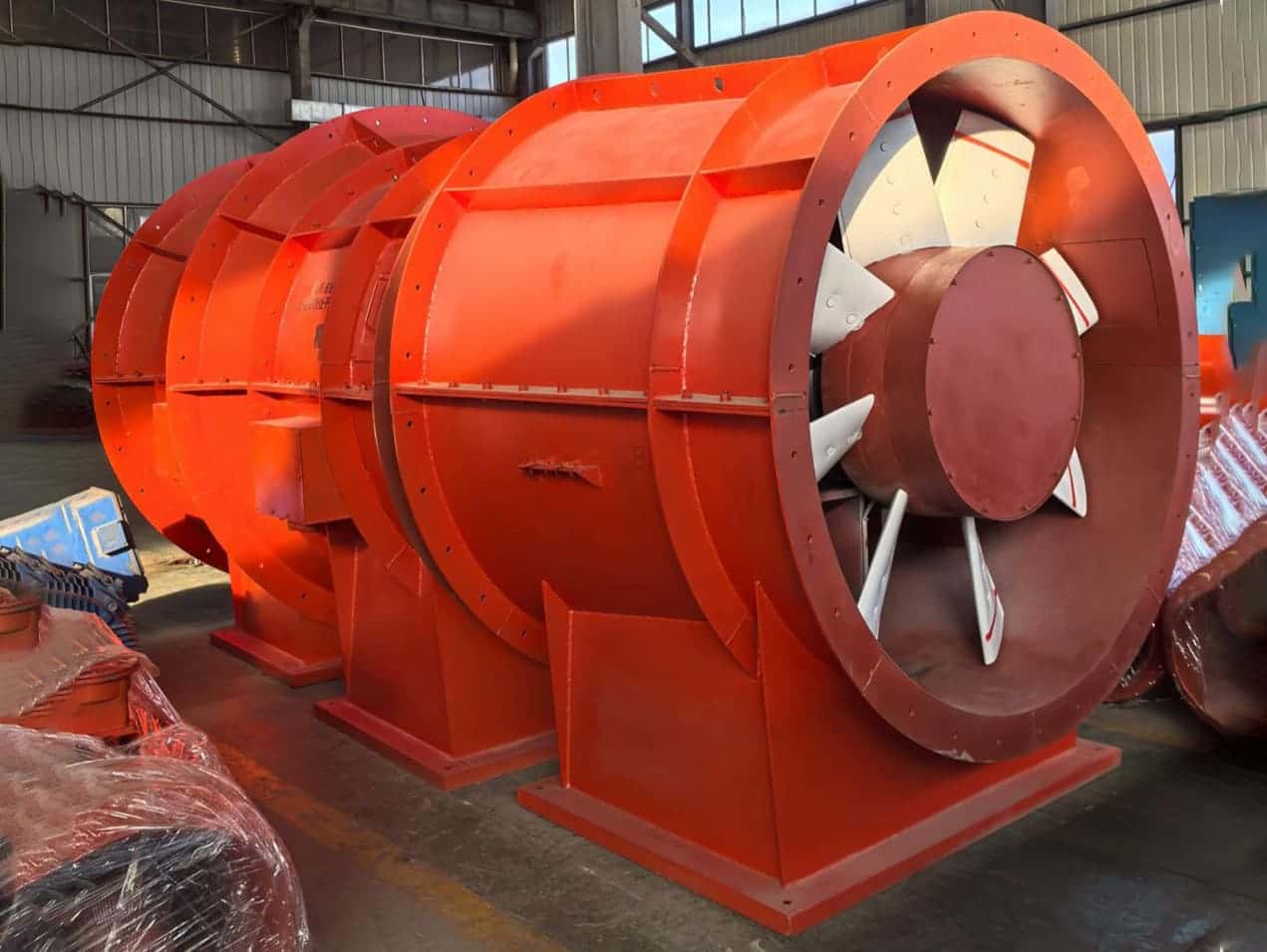
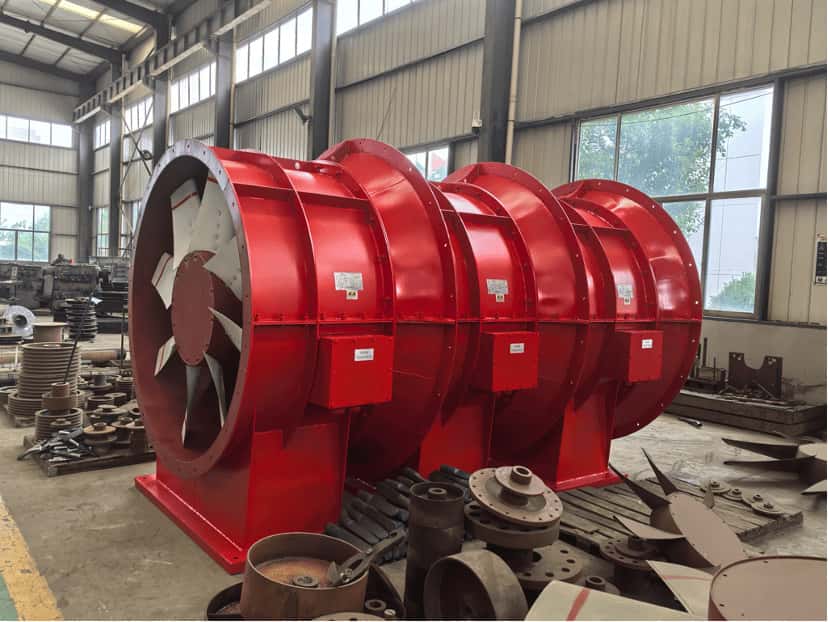
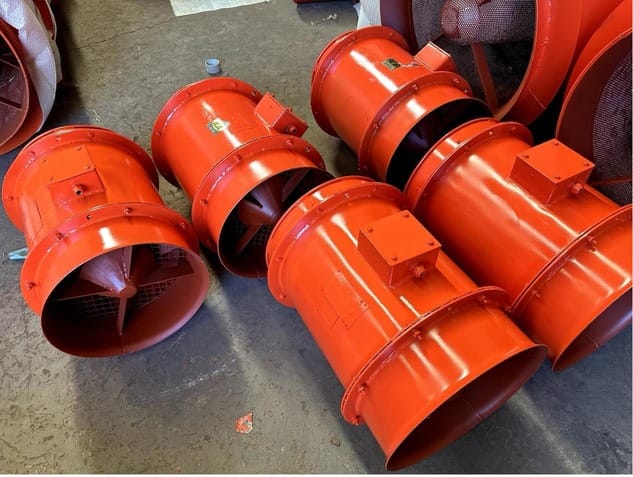
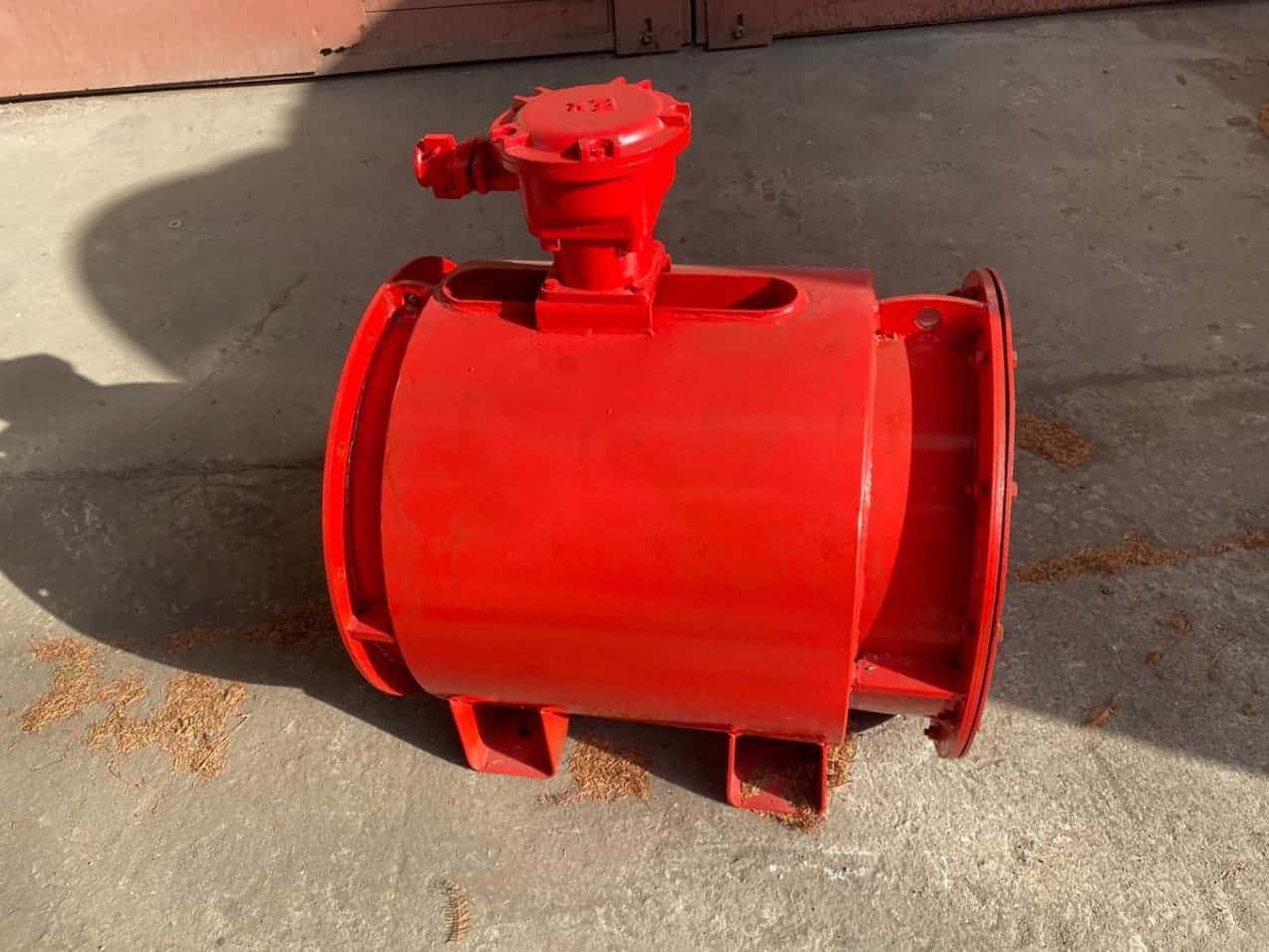
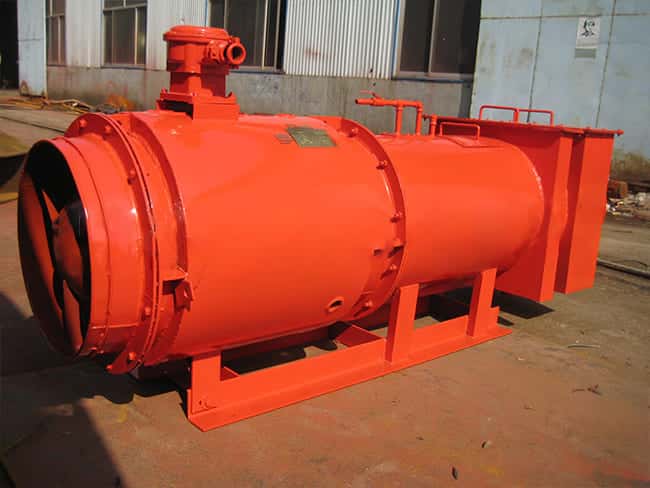
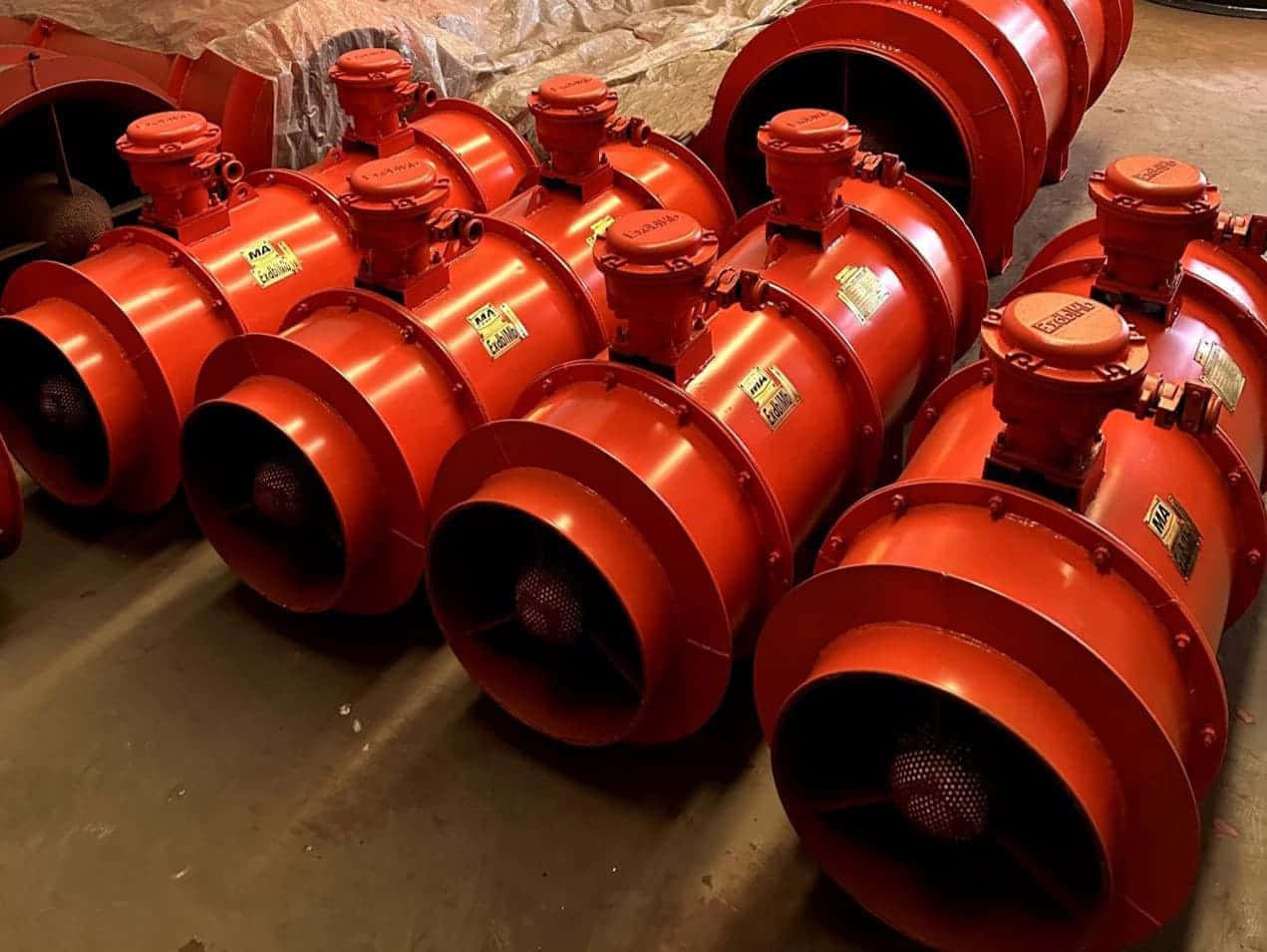
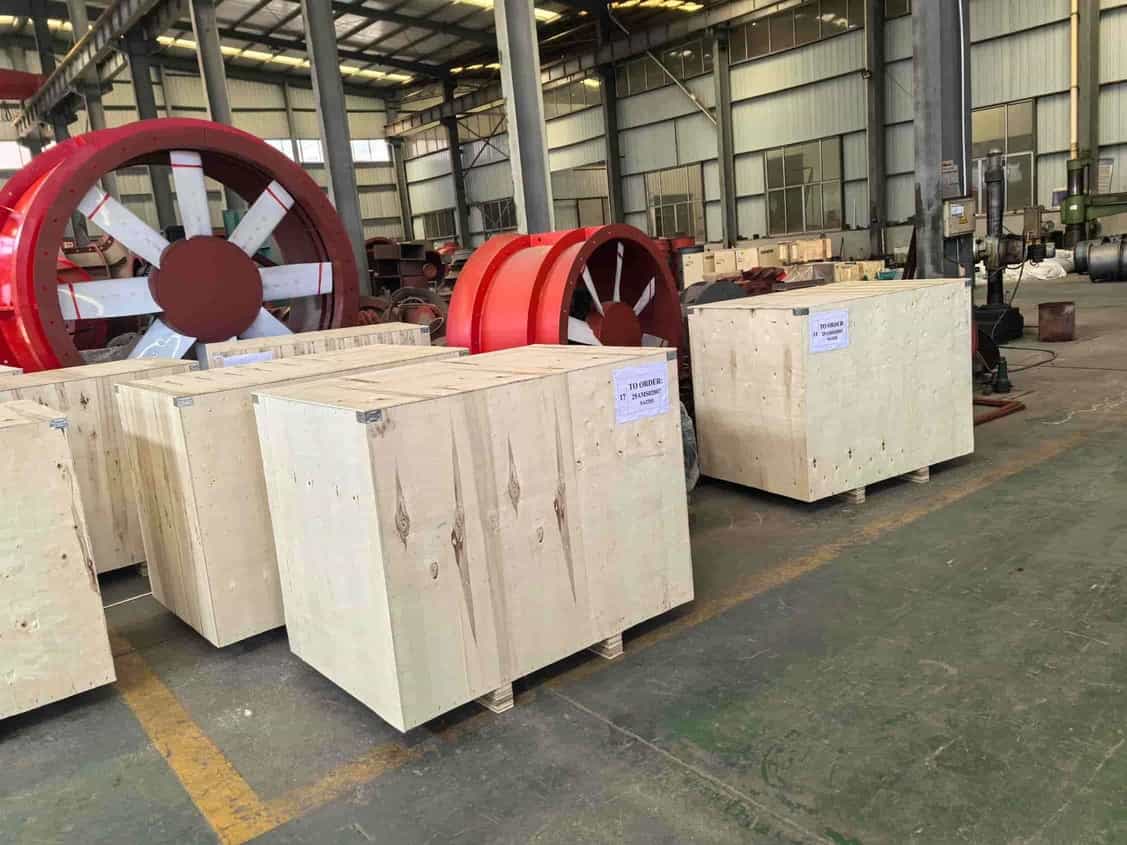
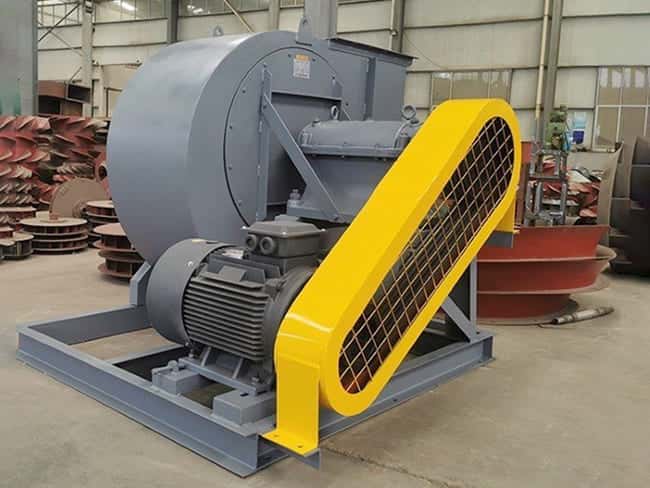
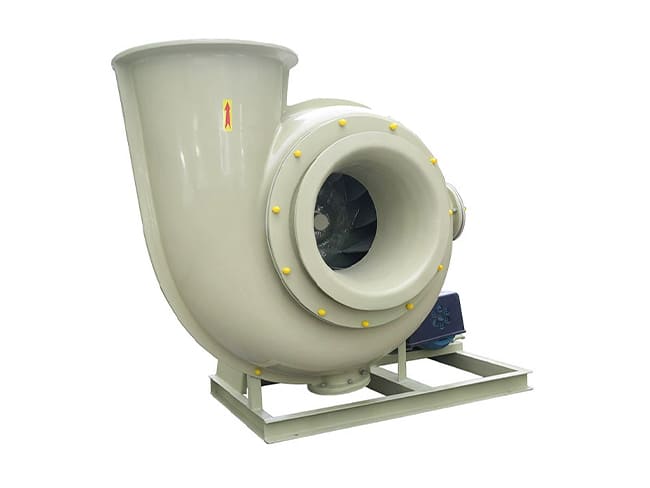
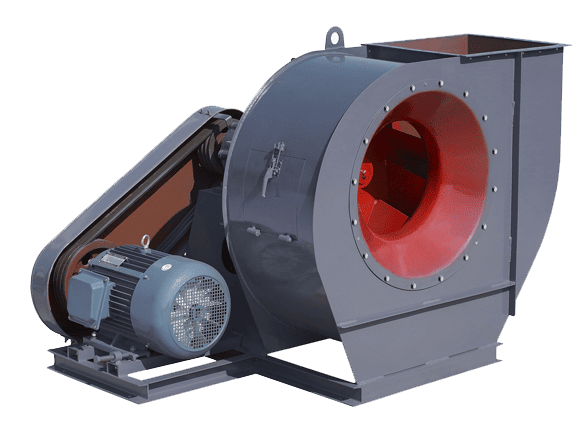
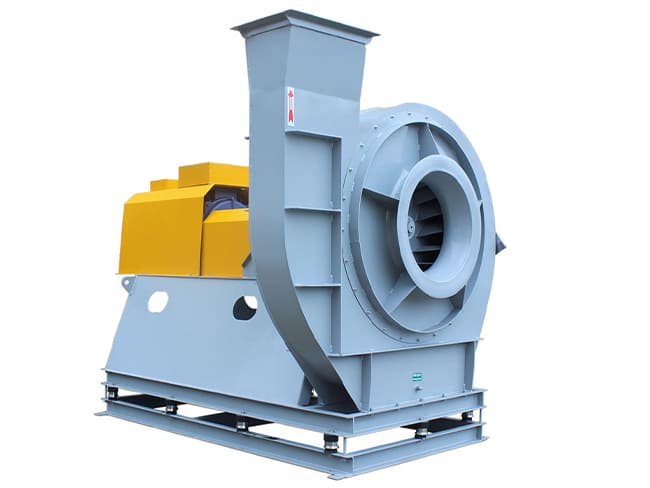
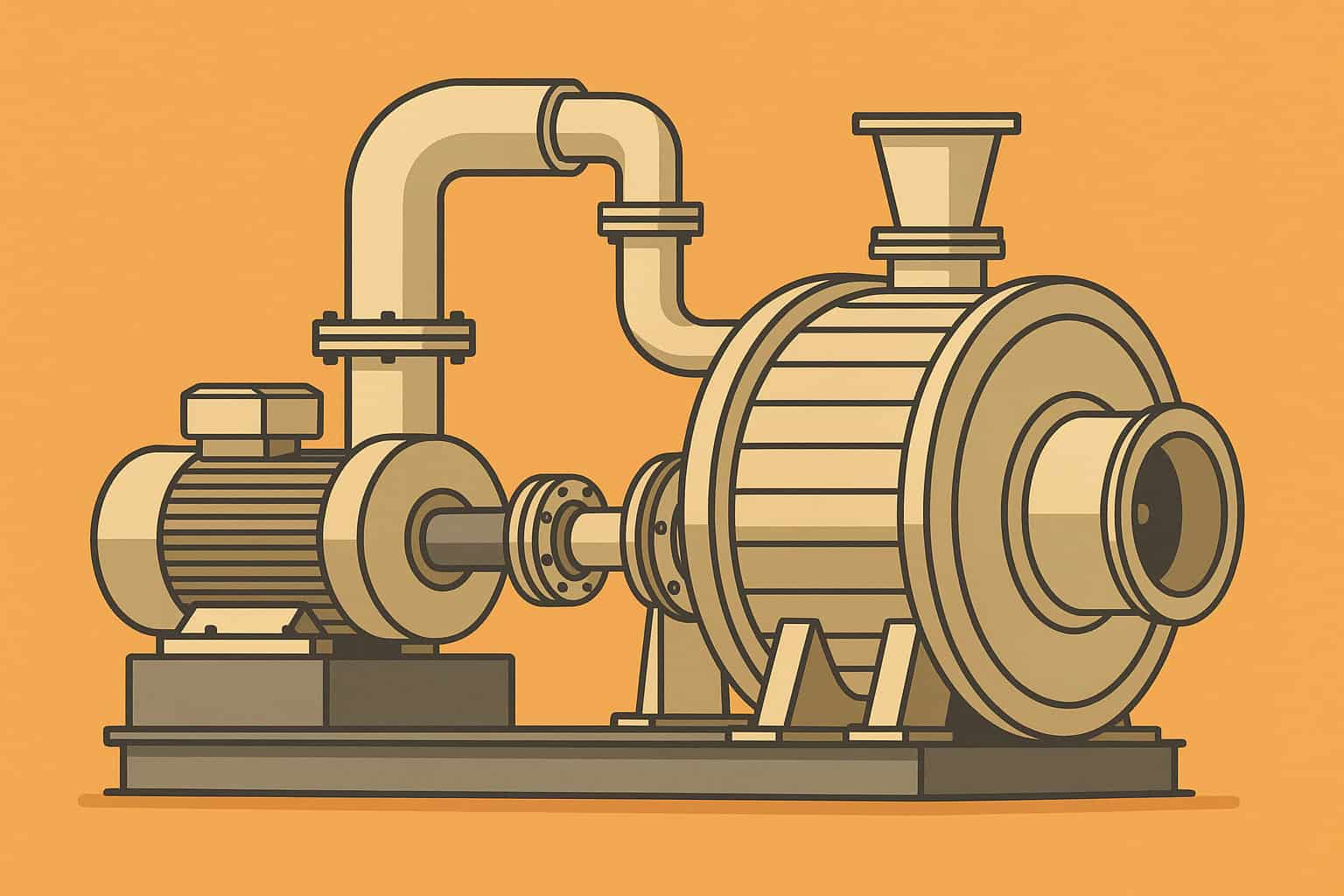
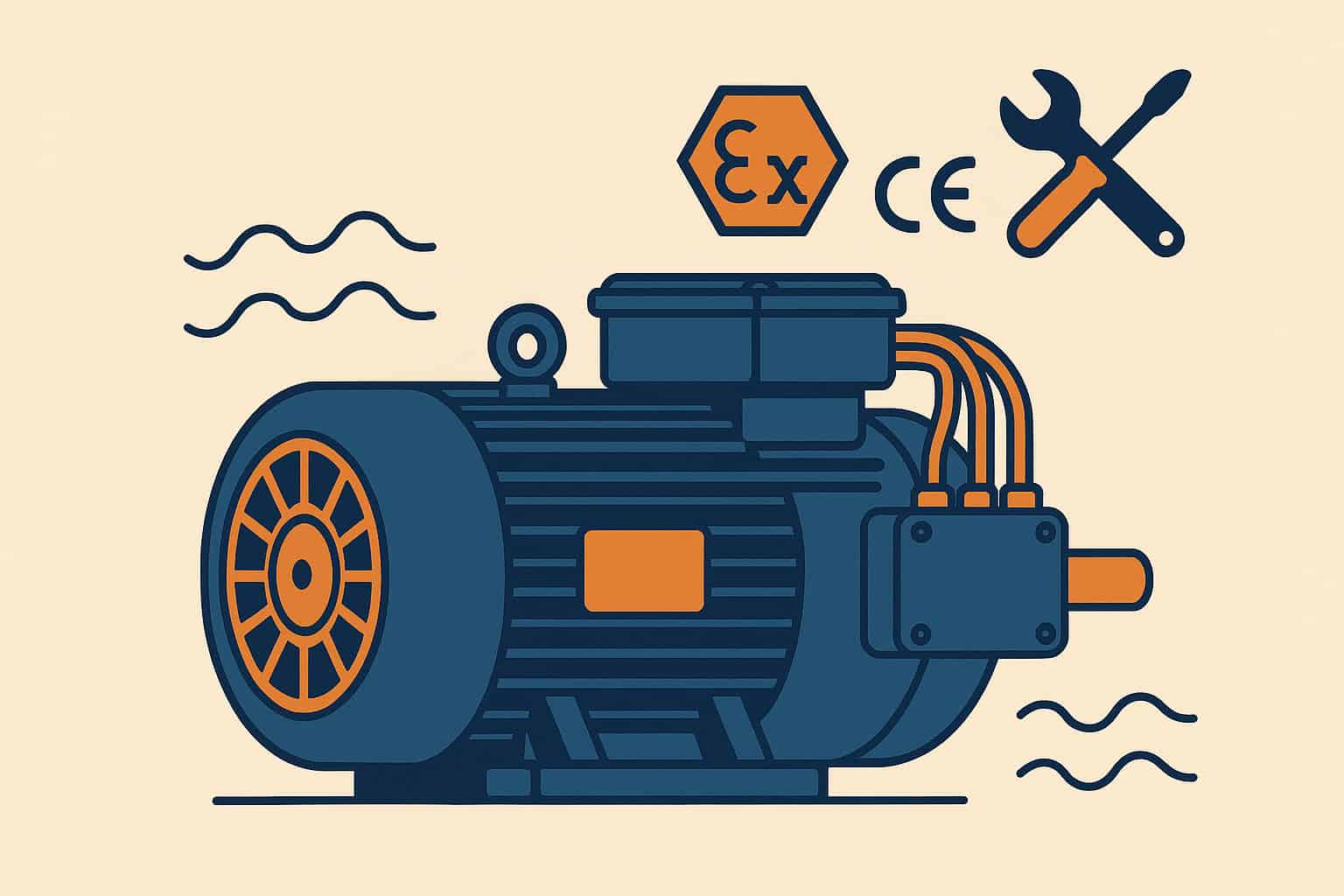
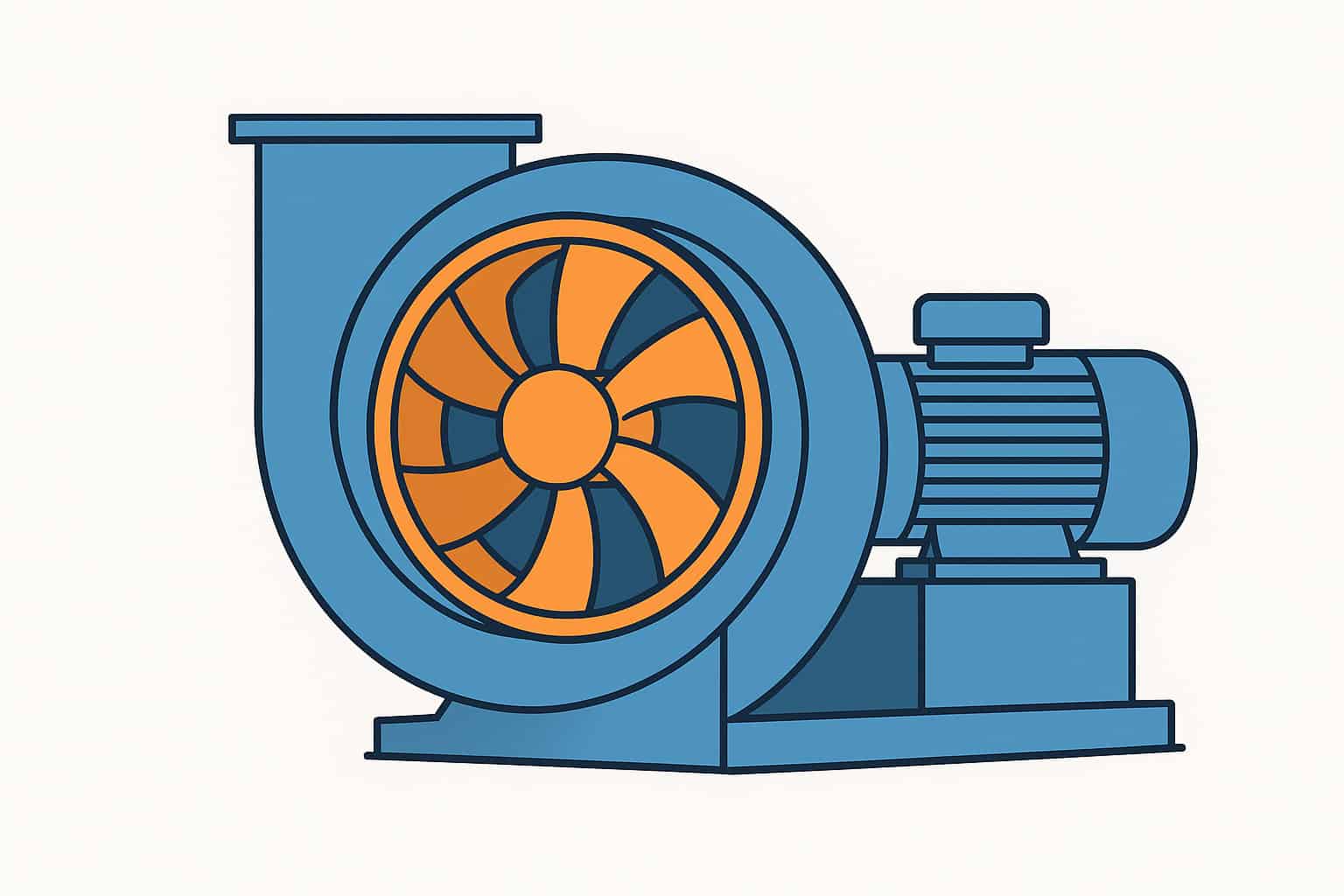
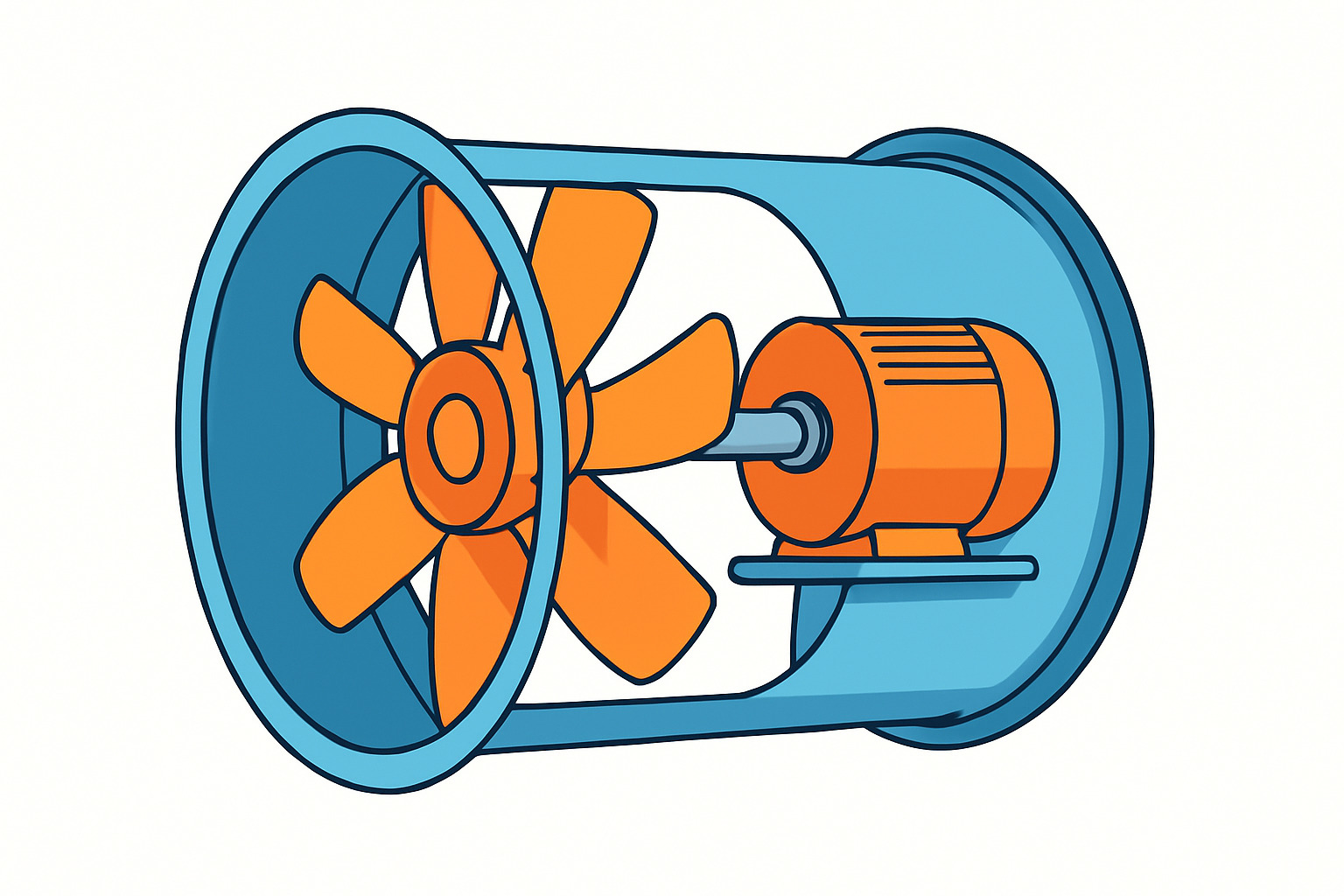
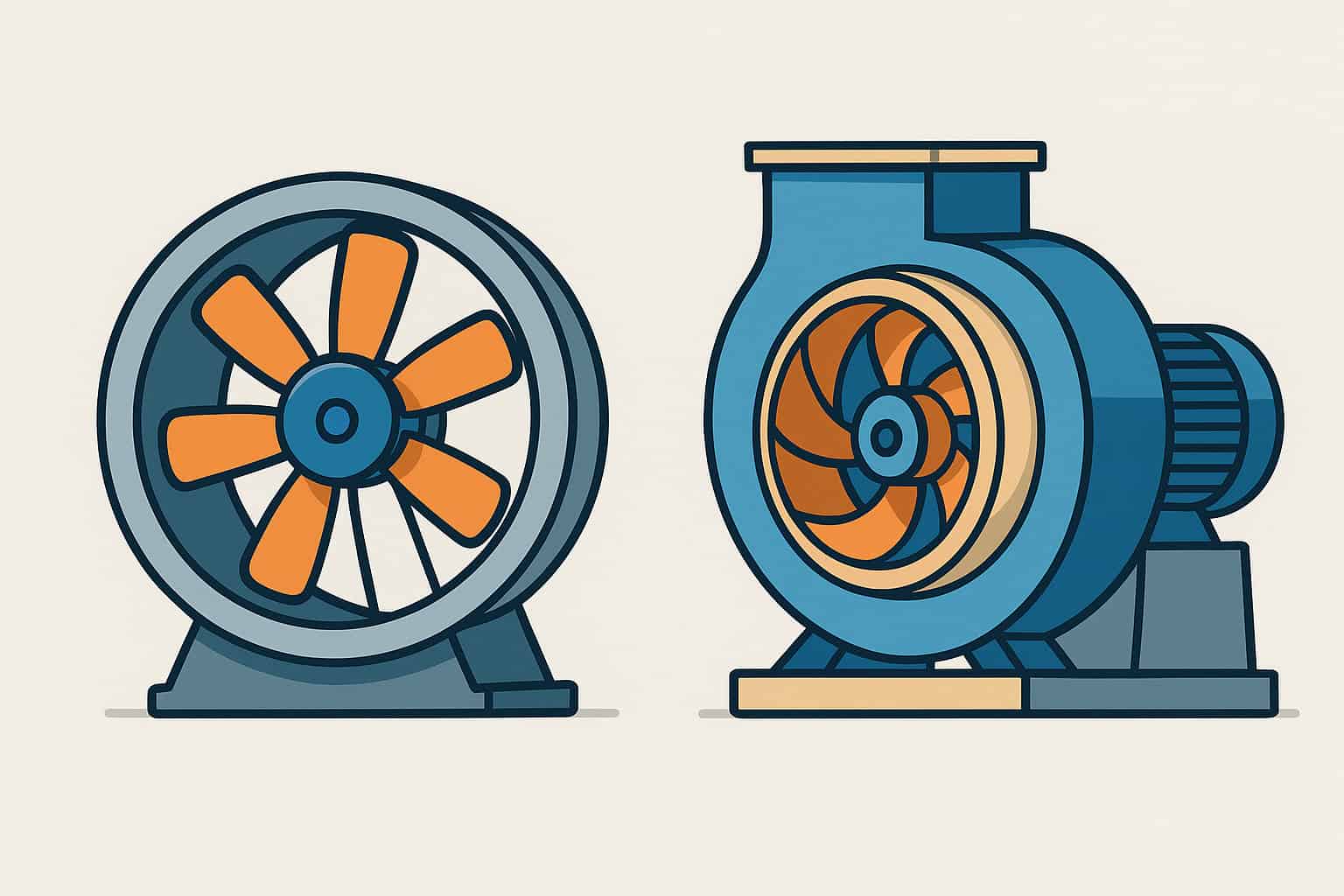
Fans and motors are at the heart of any ventilation system. Heavy-duty axial and centrifugal fans used in industrial plants and mines are typically designed for long-term operation. With proper lubrication, vibration monitoring, balancing and bearing replacement, these fans can remain in service for many years. Motors in clean, moderate-temperature environments often last 10–20 years before major overhaul, while motors in hot, dusty locations may need attention sooner. Using high-quality bearings, seals and insulation increases life, and condition monitoring helps detect problems early.
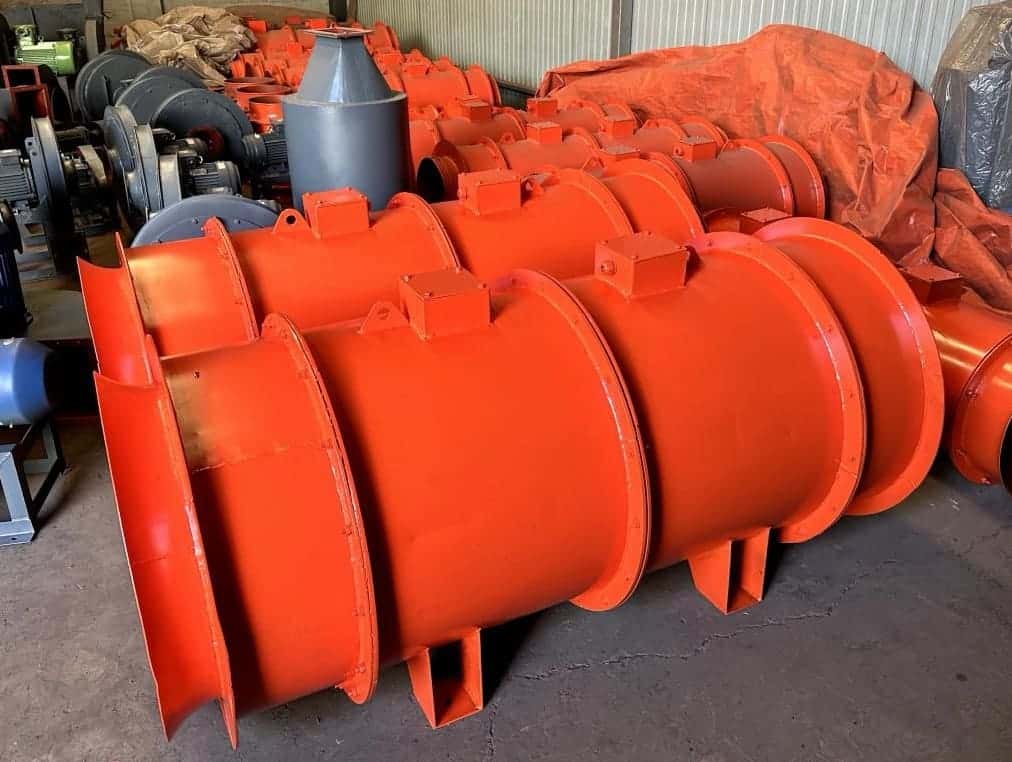
Ductwork and airways have a different life profile. Steel ducts in dry, clean air can last for decades with minimal attention, aside from occasional cleaning and checking supports. In corrosive or humid environments, coatings or stainless steel may be needed to achieve similar life. Underground mine airways—shafts, raises and drifts—are long-lived structures, but stoppings, doors and regulators may require periodic repair or replacement as ground conditions and ventilation demands change. Flexible ducts used for temporary auxiliary ventilation have much shorter lifetimes and are considered consumables.
Controls, instrumentation and automation typically have shorter lifecycles than fans and ducts. Variable speed drives, PLCs, sensors and communication systems may need upgrading after 10–15 years as technology advances, spare parts become scarce or reliability declines. Regular calibration of gas sensors, pressure gauges and airflow monitors is essential for safety, and replacement should be planned before devices reach the end of their reliable life.
Maintenance practices strongly influence how long a ventilation system lasts. Scheduled inspections, cleaning, lubrication, belt checks (if present), corrosion control and timely repairs extend the life of all components. Ignoring vibration, noise, corrosion or performance changes tends to shorten life and lead to surprise failures. In mines and major industrial plants, it is common to plan periodic overhauls of main fans and key ventilation components during shutdowns to keep the system reliable for the long term.
In summary, a ventilation system as a whole can serve a facility for many decades. Fans and airways may last 20–30 years or more, while motors, flexible ducts, controls and instruments will need periodic renewal. Good design, suitable materials for the environment and consistent maintenance are the main factors that determine how long a ventilation system will last.