
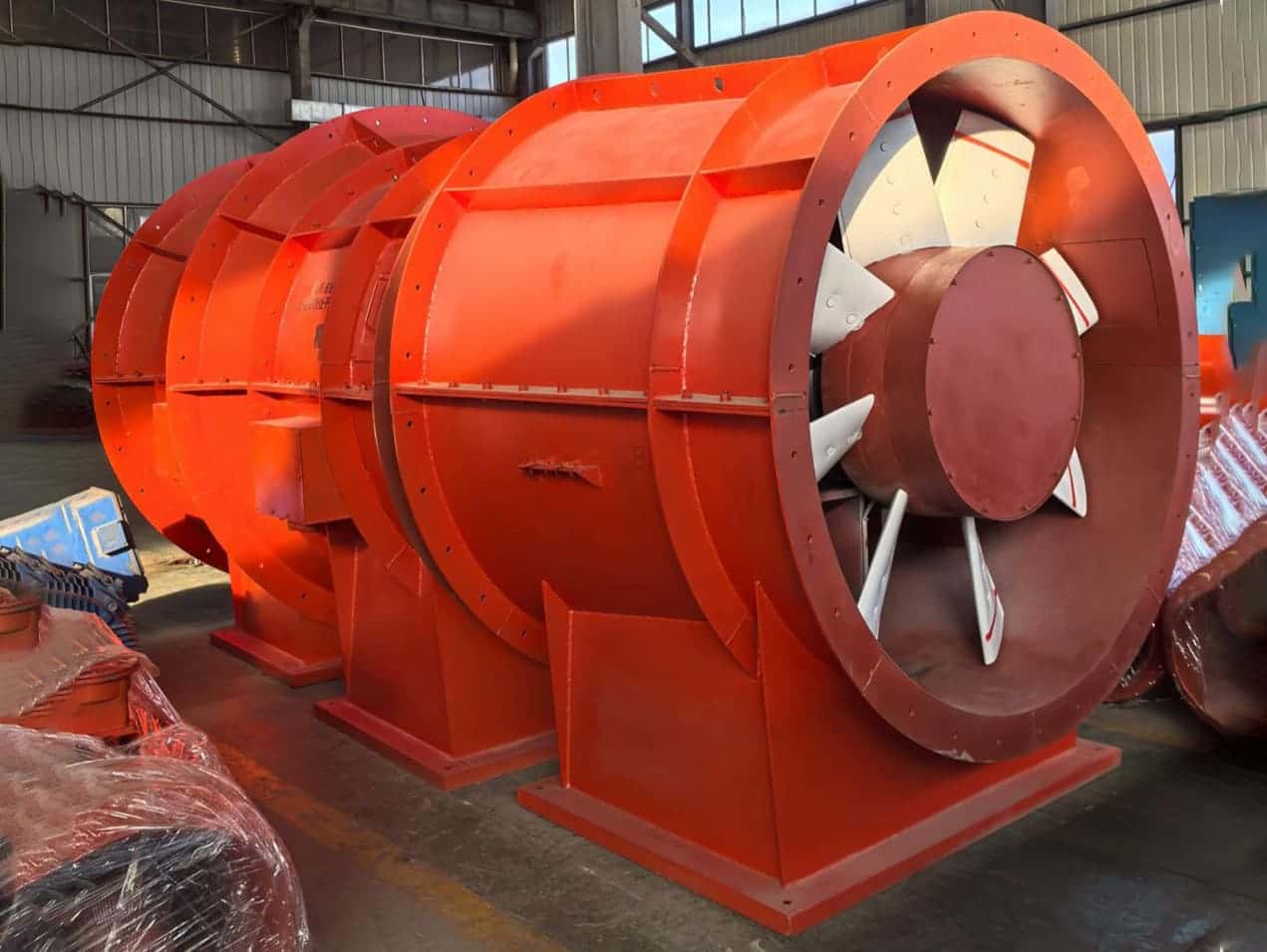
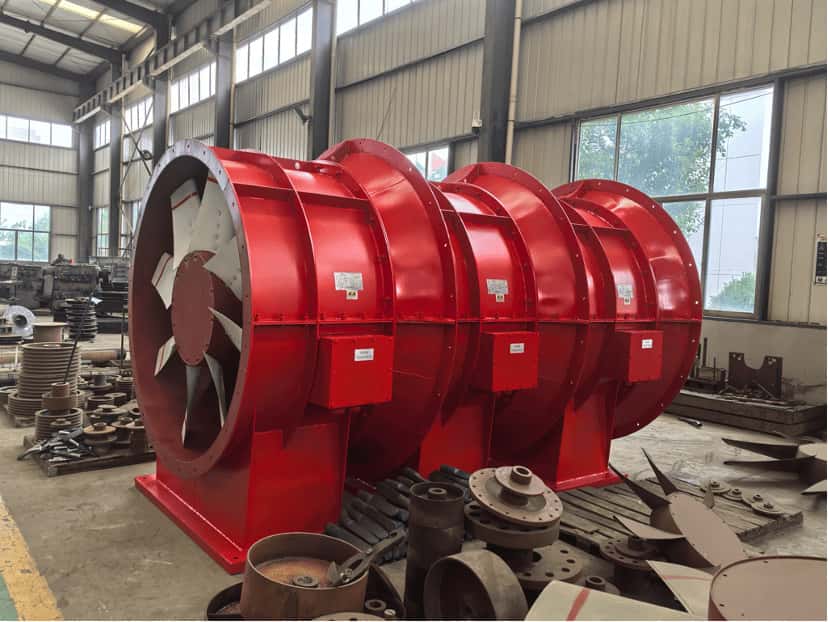
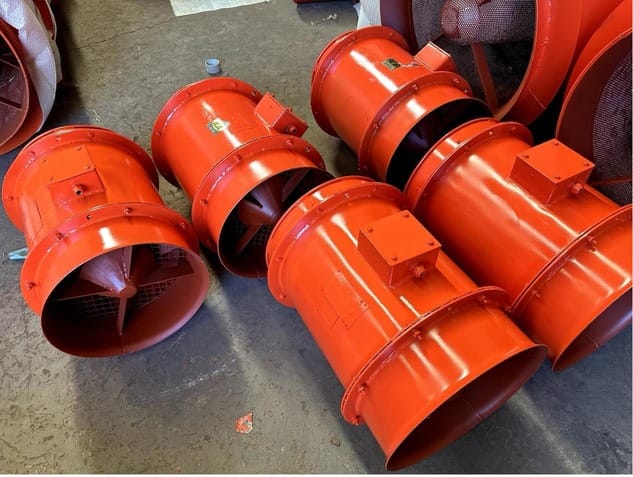
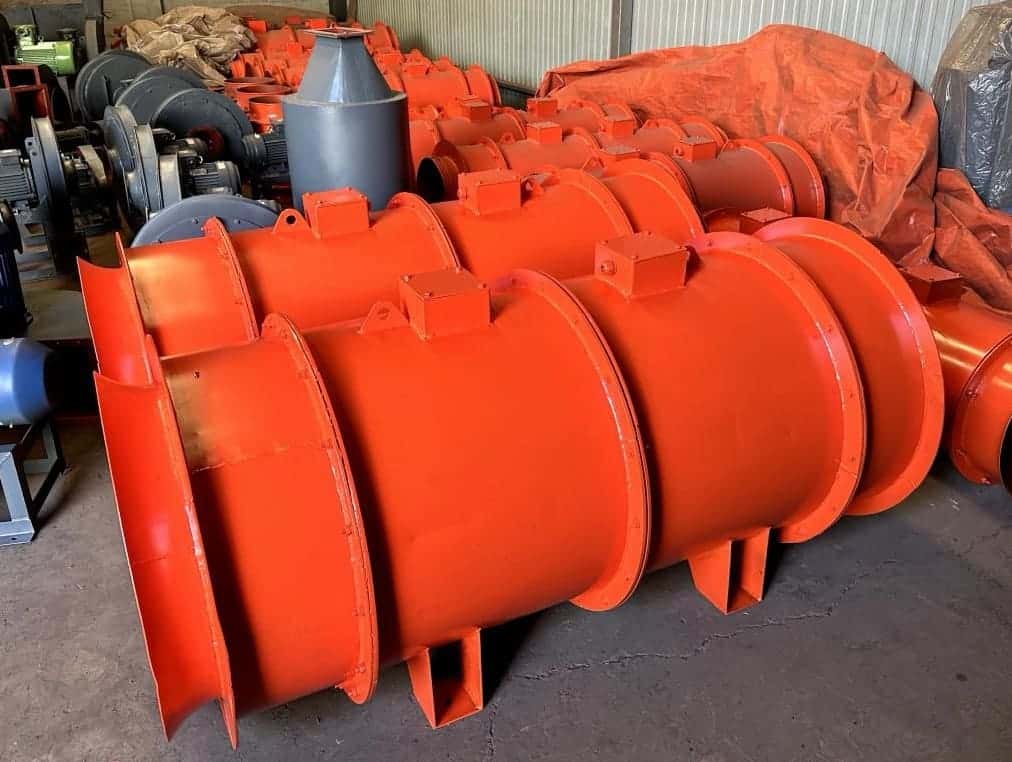
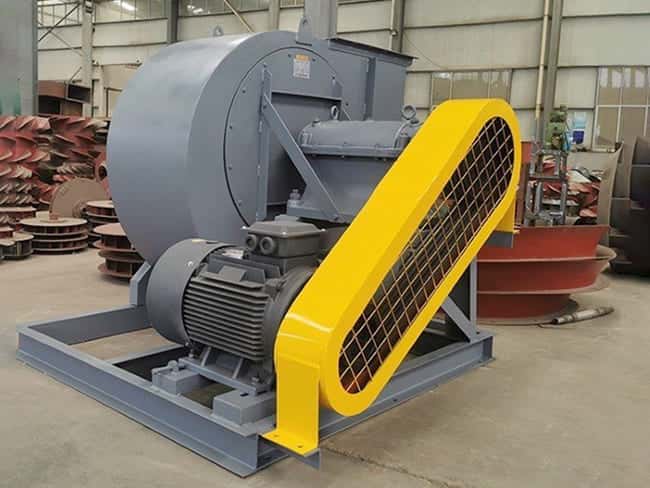
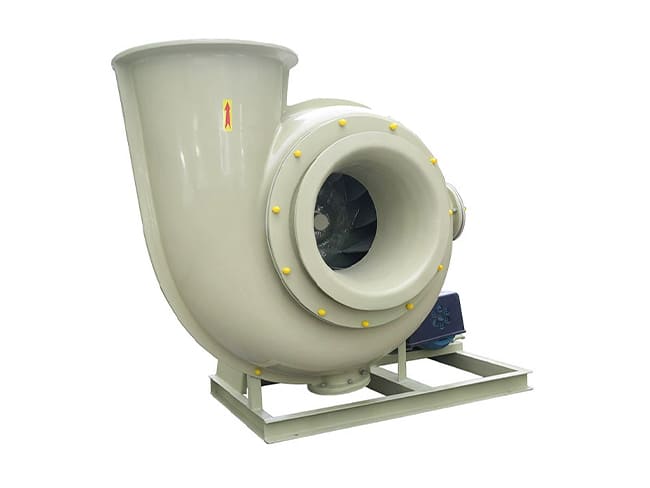
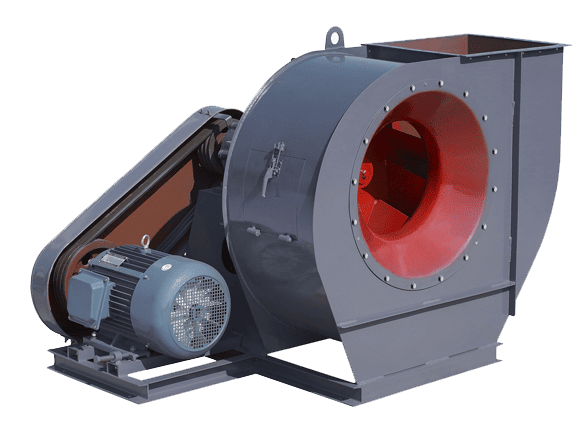
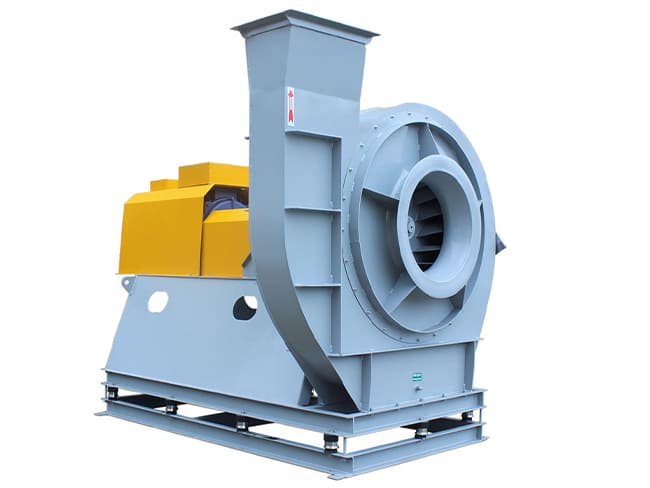
A duct booster fan typically lasts around 5 to 10 years in normal residential or light industrial use, although actual life can be shorter or longer depending on quality, operating time and maintenance. Compared with large industrial fans, booster fans are usually smaller, lighter and less expensive, and their expected service life reflects this.
The first influence is product quality and design. Higher-quality booster fans with better motors, bearings and housings generally run longer than low-cost models. Fans that use ball bearings and properly designed housings usually last longer than those with basic sleeve bearings, especially when installed in warm or hard-to-reach spaces such as ceilings and roof cavities.
Run time and duty cycle are equally important. A booster fan that runs only during peak heating or cooling periods, for a few hours a day, will accumulate far fewer operating hours per year than a fan that is left on continuously. A fan running nearly 24/7 may reach the end of its practical life in less than 5 years, while the same model running intermittently could last more than a decade.
Air quality in the duct system affects wear. Dust, lint and moisture can build up on the impeller and motor, causing imbalance, higher operating temperatures and corrosion. If filters upstream of the booster fan are not maintained, the fan may be forced to work harder against a blocked system, increasing load and reducing lifespan. In light industrial systems handling fumes or fine dust, using appropriate filtration and selecting a fan rated for the contaminants is essential for longevity.
Installation quality also matters. A booster fan that is properly supported, aligned and wired will experience less vibration and electrical stress than a fan hung from weak supports or installed in a twisted section of duct. Poorly sealed joints can cause air leakage, which wastes energy and may draw in dust from surrounding spaces.
Regular inspection and cleaning extend the useful life of duct booster fans. Periodically checking for unusual noise, excessive heat, vibration and dirt buildup allows problems to be corrected early. Cleaning the impeller and housing, verifying that the fan spins freely and ensuring that nearby filters are not blocked will reduce strain on the motor and bearings.
In summary, a duct booster fan usually lasts about 5–10 years under typical conditions, with higher-quality units, clean air, proper installation and sensible run times reaching the upper end of that range. In demanding or neglected systems, lifespan can be much shorter. Good selection and basic maintenance are the keys to getting reliable service from duct booster fans.