
The lifespan of a ventilation system depends on many factors, but a well-designed and maintained system in a commercial or industrial building will often last 15–25 years or more. Some components, such as ducts and structural supports, can last much longer, while others, such as fans, motors and controls, may need repair or replacement earlier, especially in harsh industrial or mining environments.
In typical HVAC installations, metal ductwork can remain serviceable for several decades if it is protected from corrosion, mechanical damage and severe contamination. As long as ducts stay dry, clean and structurally sound, they rarely need full replacement. However, insulation, flexible connections and seals may degrade over time and require renewal to maintain airtightness and energy efficiency.
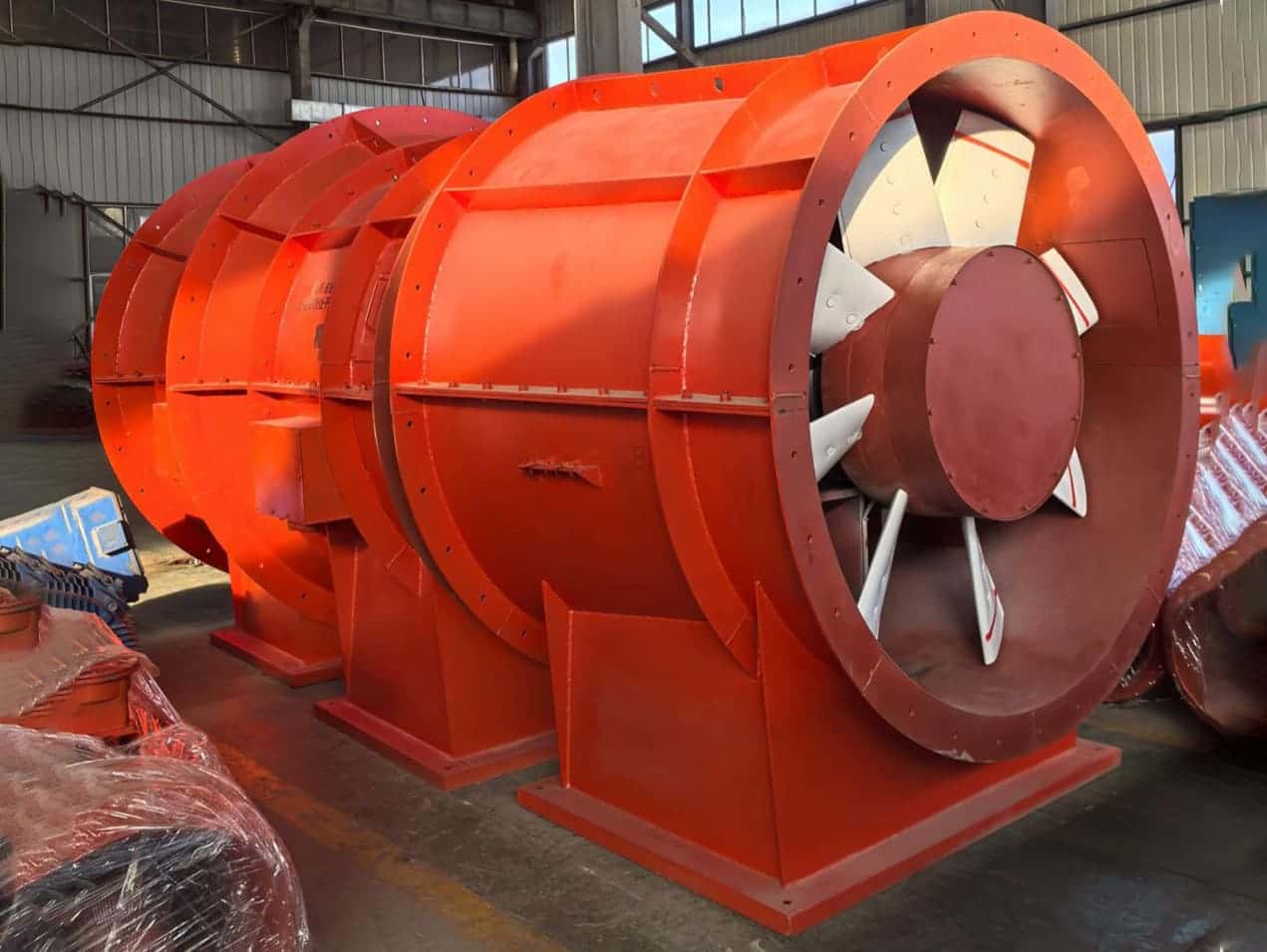
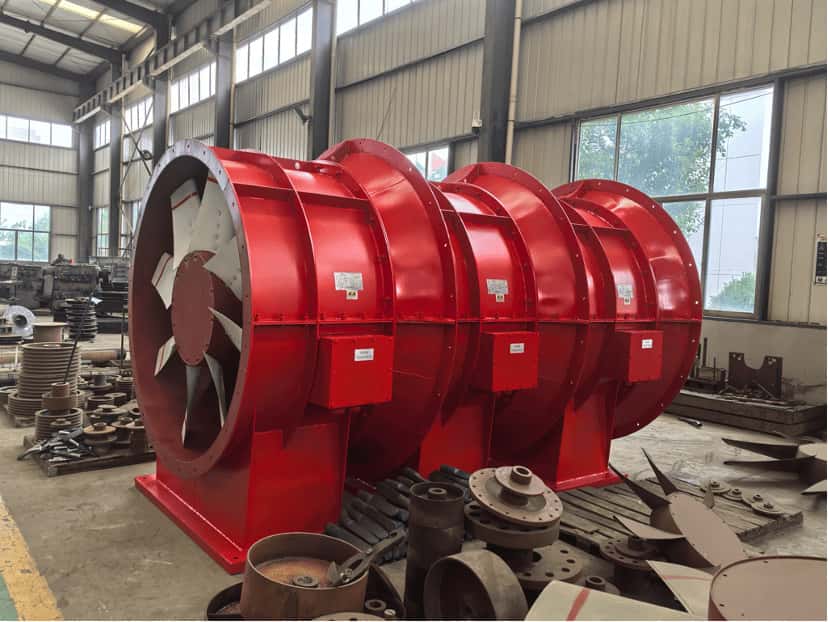
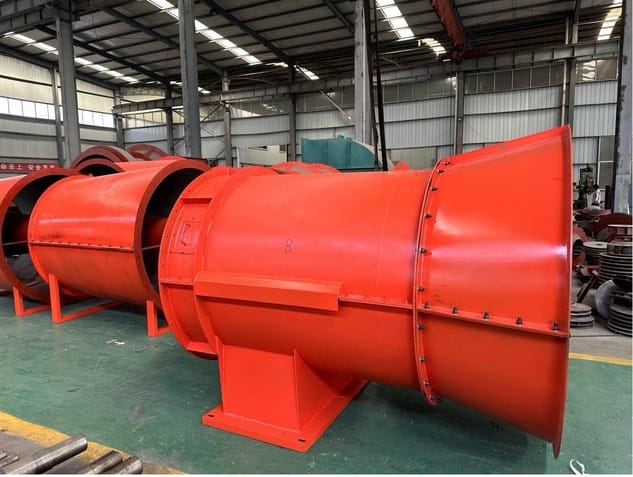
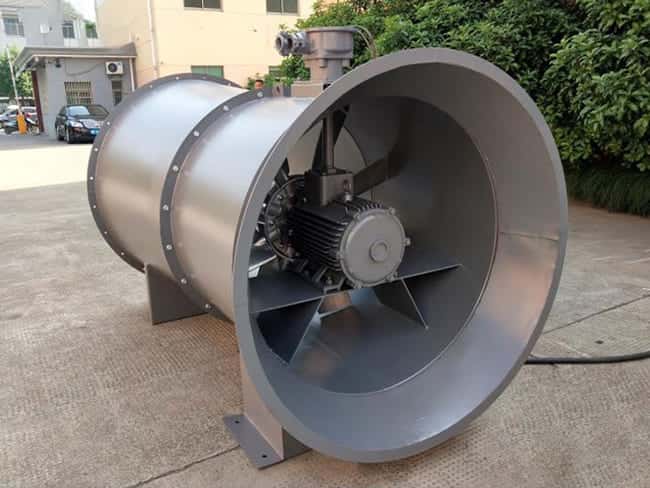
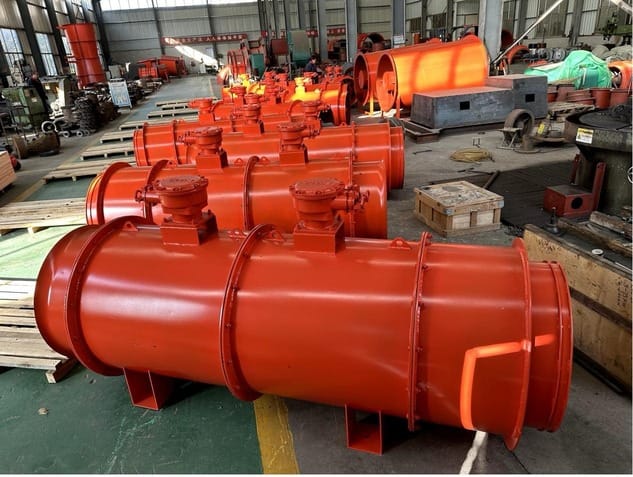
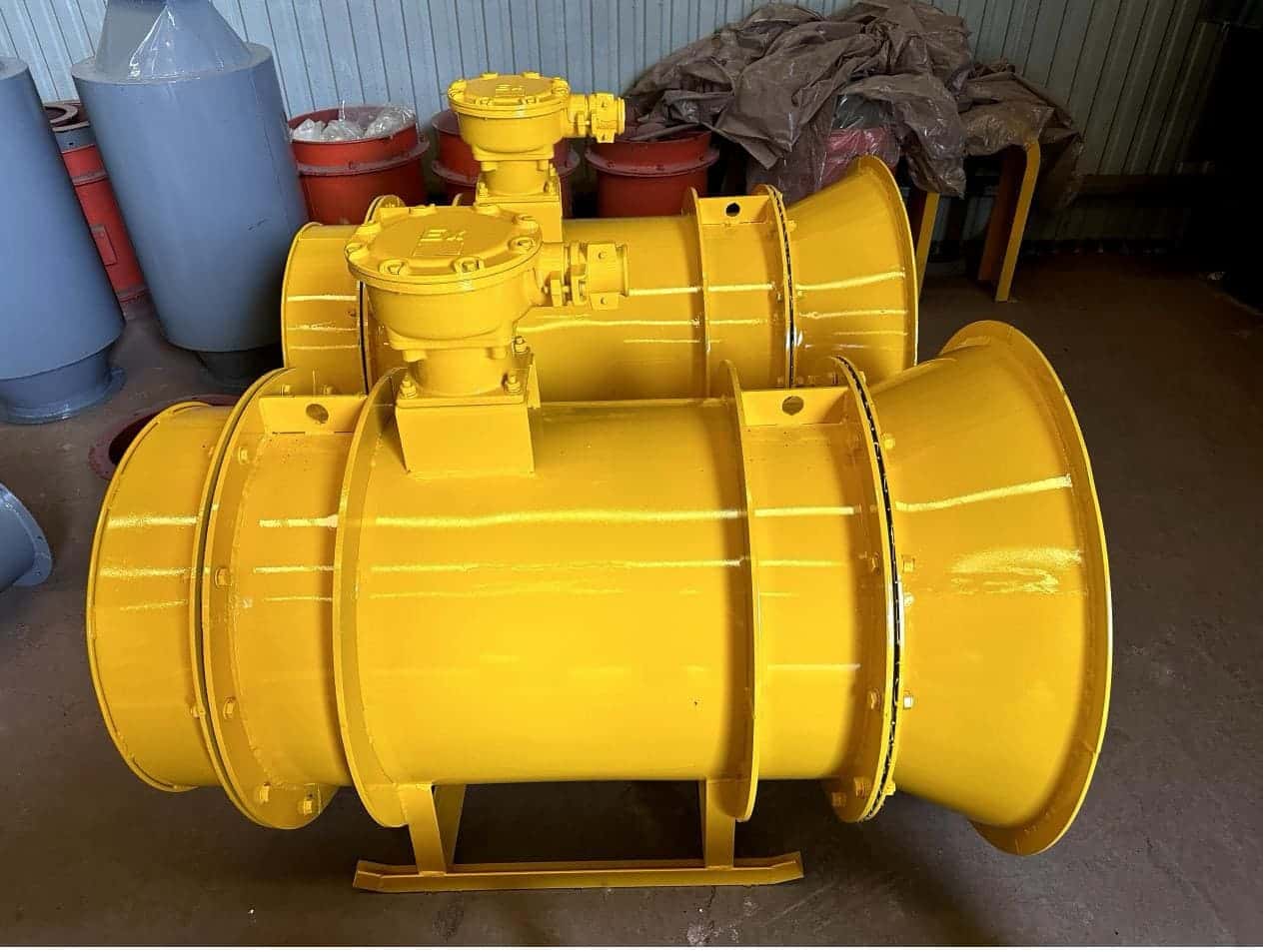
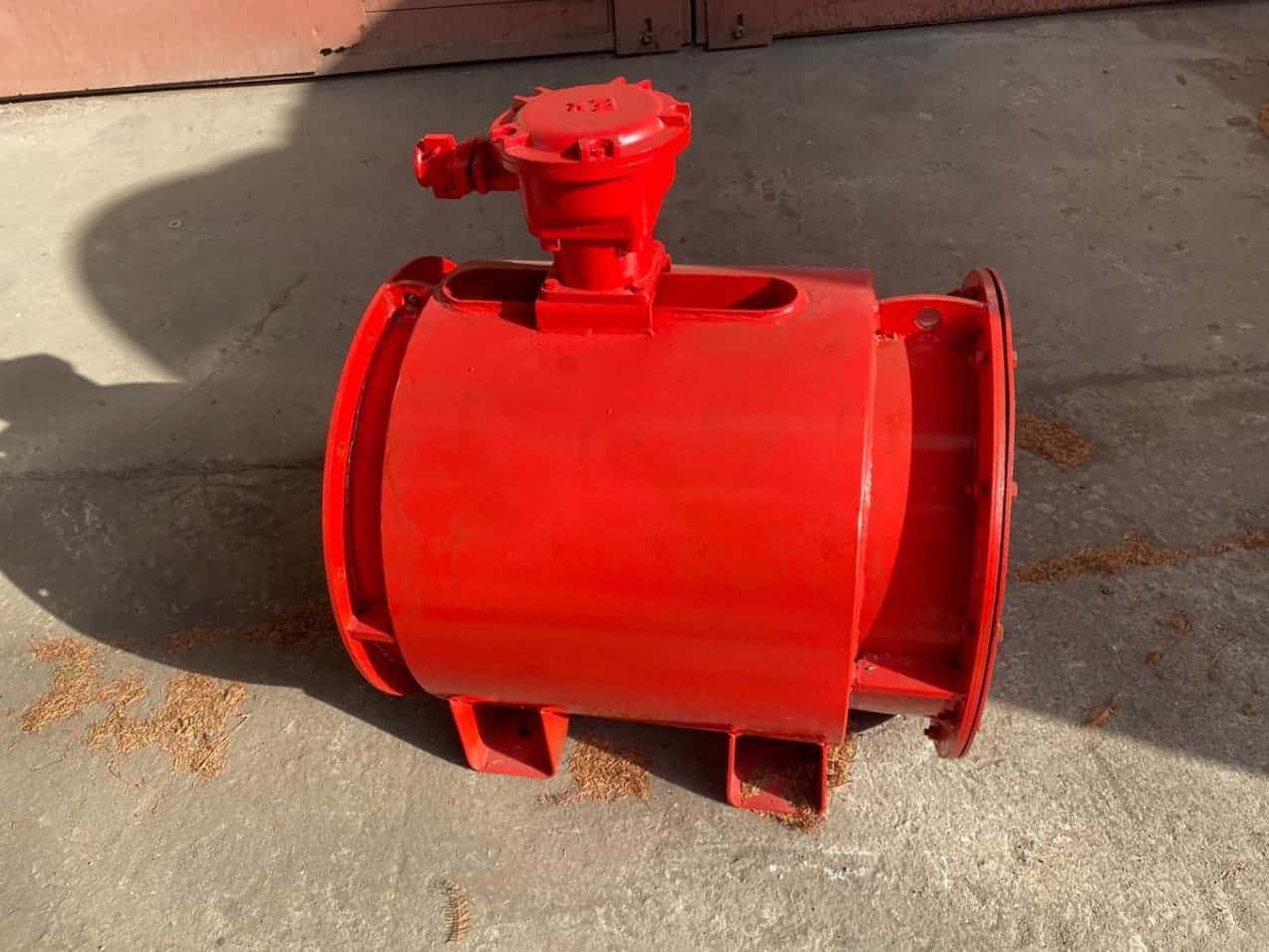
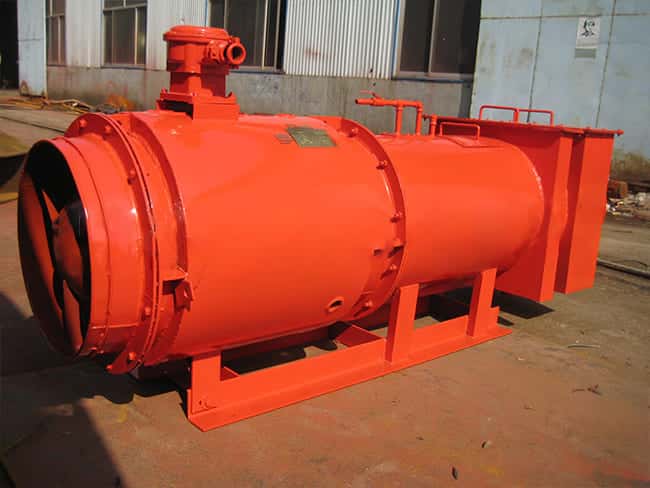
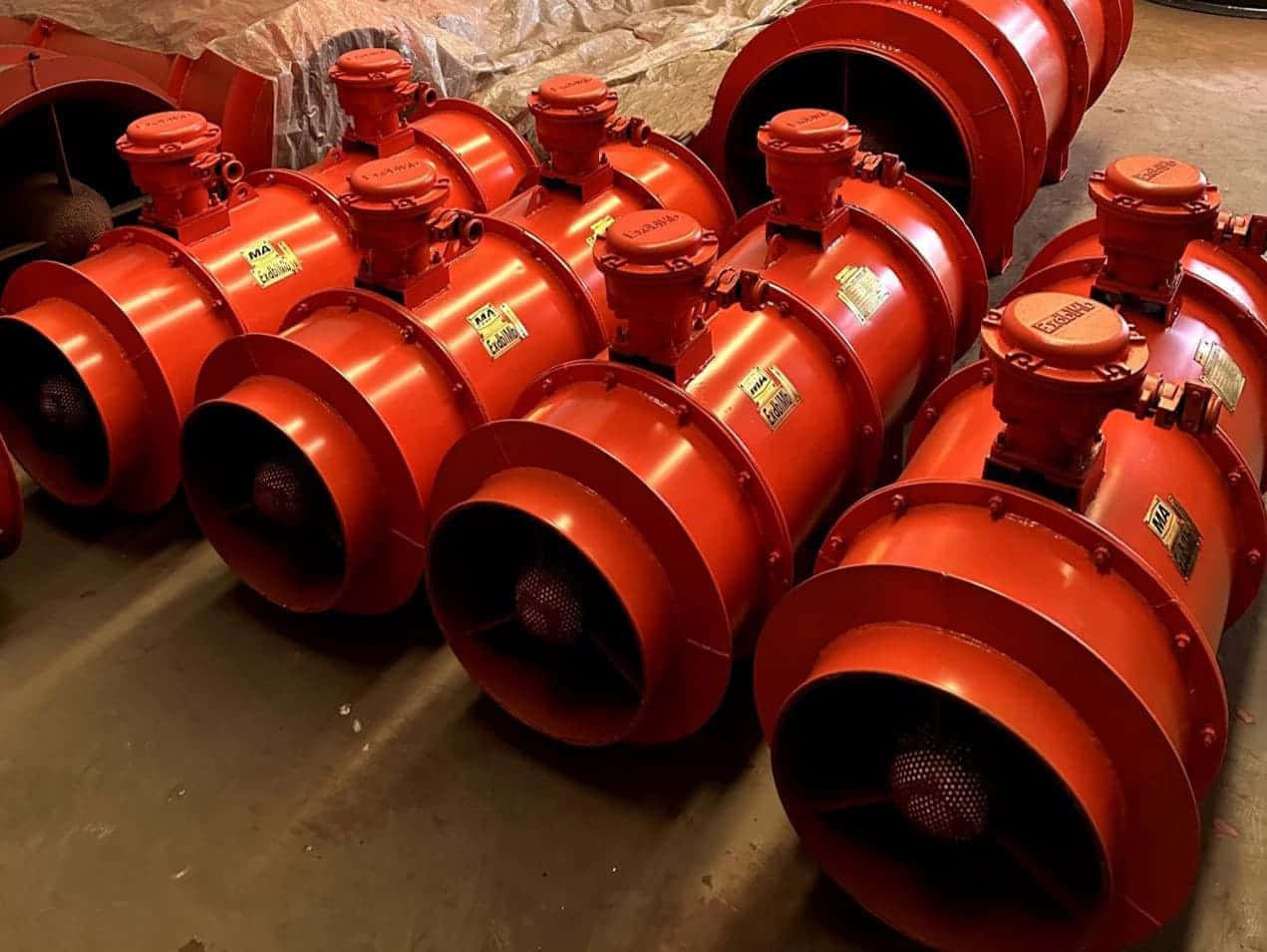
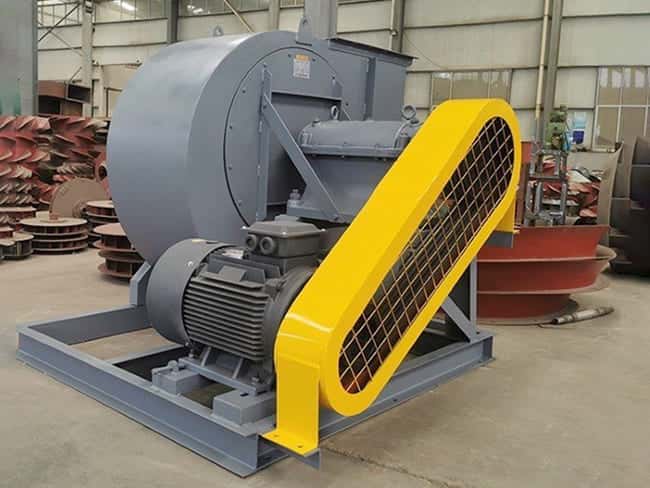
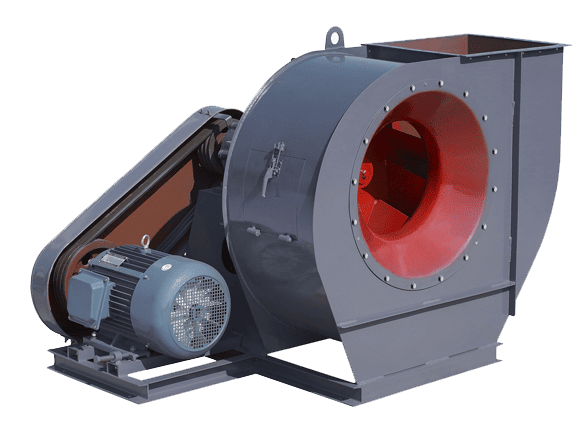
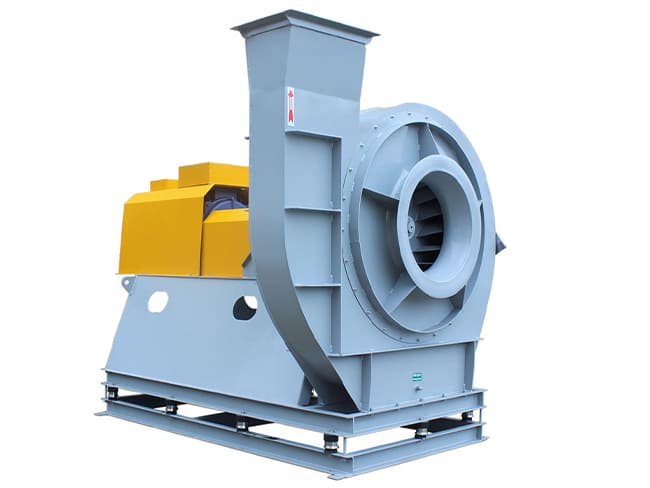
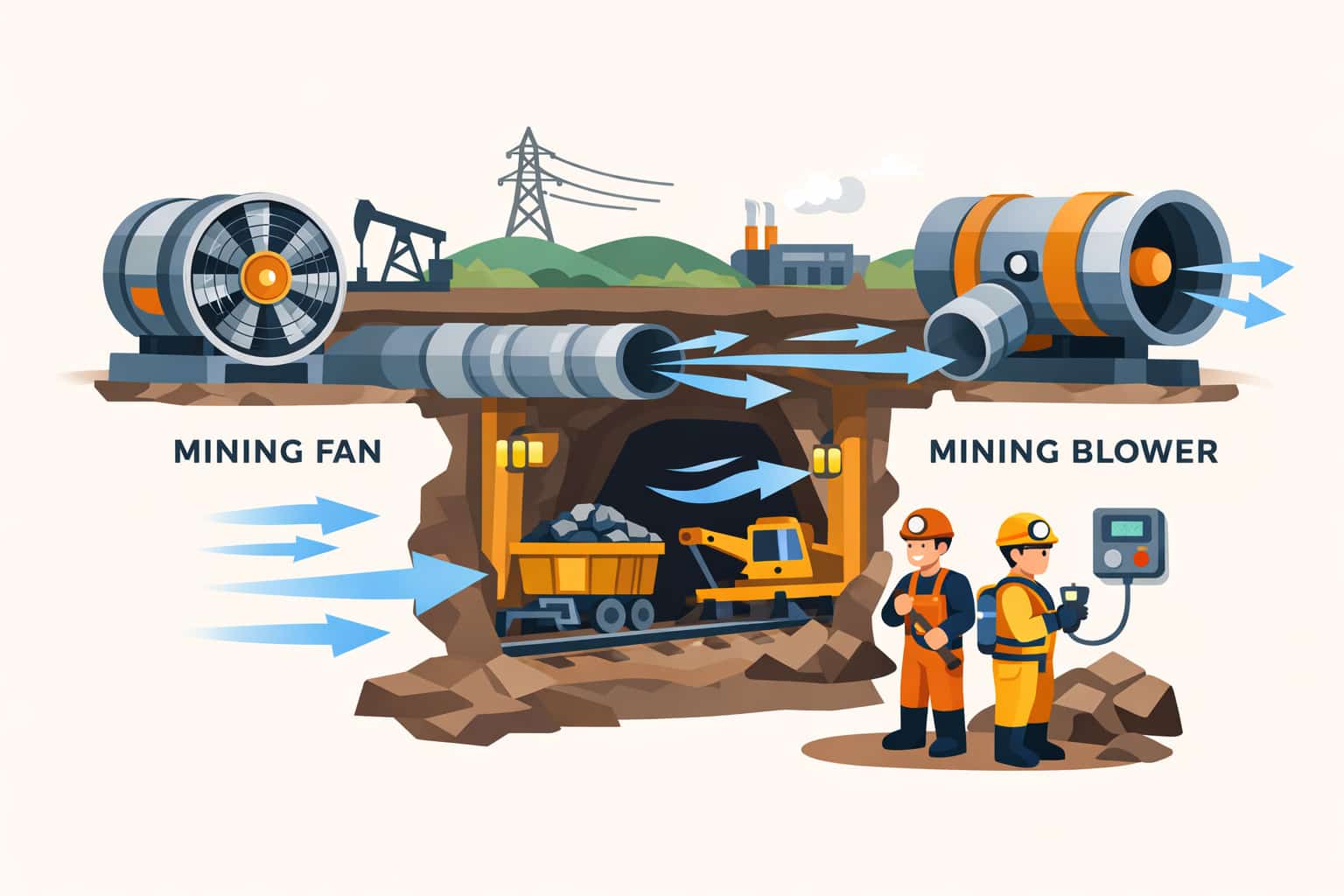
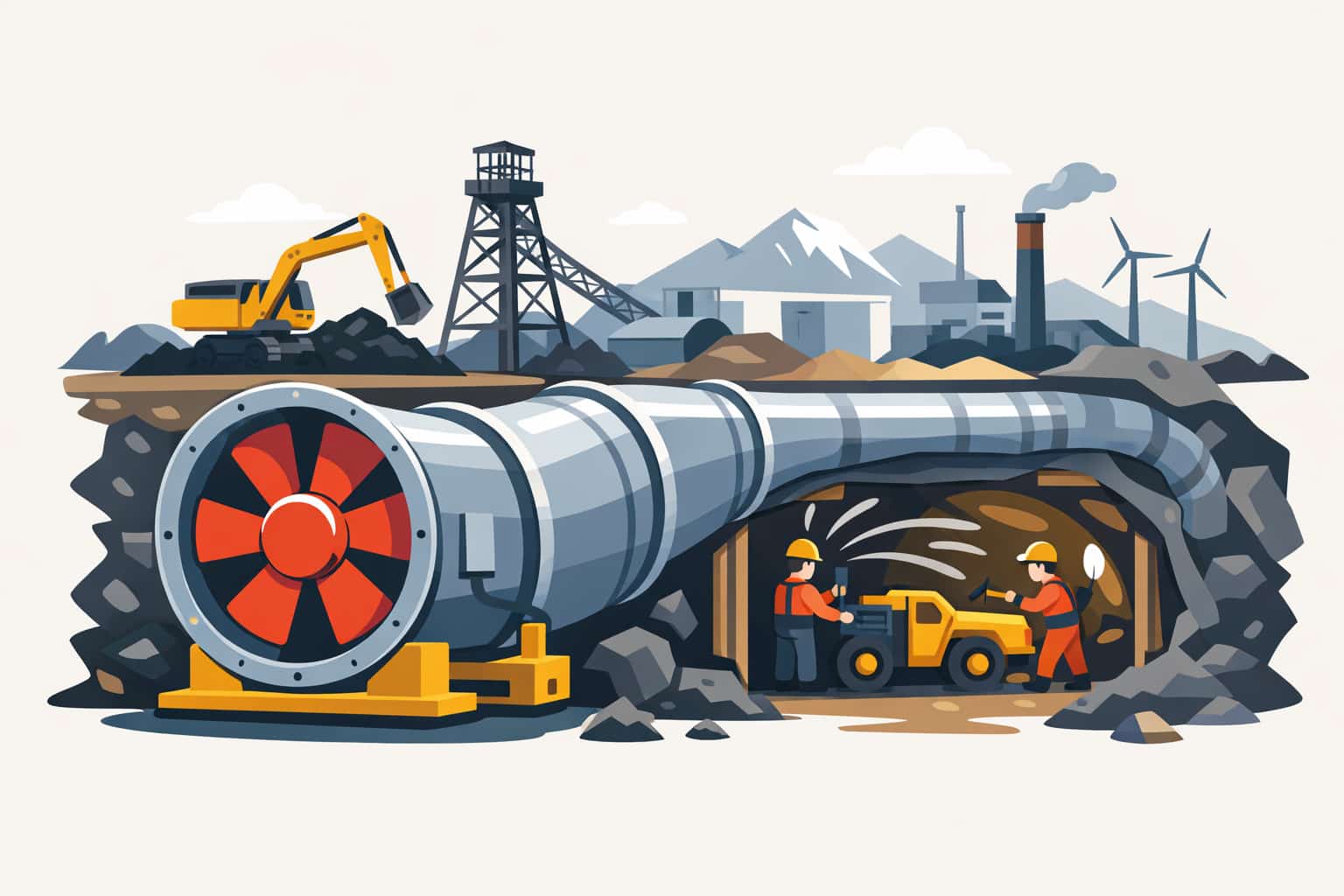
Fans and motors usually have a shorter life than ducts. For building ventilation, many fans operate reliably for 10–20 years if they are correctly sized, run within design limits and receive regular maintenance such as bearing lubrication, belt replacement, alignment checks and cleaning. In heavy industry and underground mines, main fans are designed for long service but are exposed to dust, vibration and sometimes corrosive gases, so planned overhauls and component replacements are built into the life-cycle plan.
Other parts of the system, such as filters, dampers, silencers and control equipment, have their own life expectancies. Filters are consumables and may be changed monthly or quarterly. Actuators, sensors and variable-frequency drives can typically last many years but will eventually need replacement as electronics age or as technology advances. Control systems are often upgraded before the mechanical parts wear out, to improve energy efficiency and monitoring.
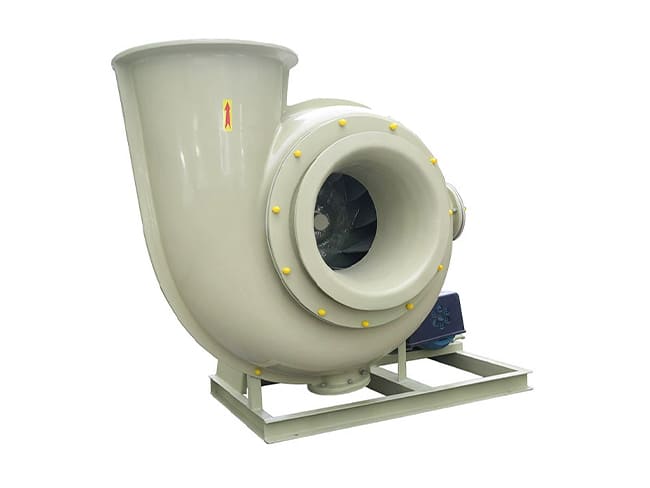
Operating conditions strongly influence how long a ventilation system lasts. Systems that handle dust, corrosive fumes, high moisture or high temperatures will age faster than those moving clean, conditioned air. In mines and process plants, abrasive dust can erode fan blades and ducts, moisture can promote corrosion, and chemical vapours can attack coatings and seals. Designing for these conditions—using suitable materials and protective coatings—extends system life significantly.
Maintenance practices may be the single biggest factor. A ventilation system that is regularly inspected, cleaned and serviced can easily exceed its nominal design life, while one that is neglected may suffer early failures, high energy use and poor air quality. Vibration monitoring of large fans, periodic duct inspections, cleaning of heat exchangers and timely replacement of worn parts all contribute to a longer, more reliable service life.
In summary, there is no single number for how long a ventilation system lasts, but many building and industrial systems deliver reliable service for 15–25 years or more. The actual life depends on design quality, component selection, environmental conditions and, above all, consistent maintenance.