
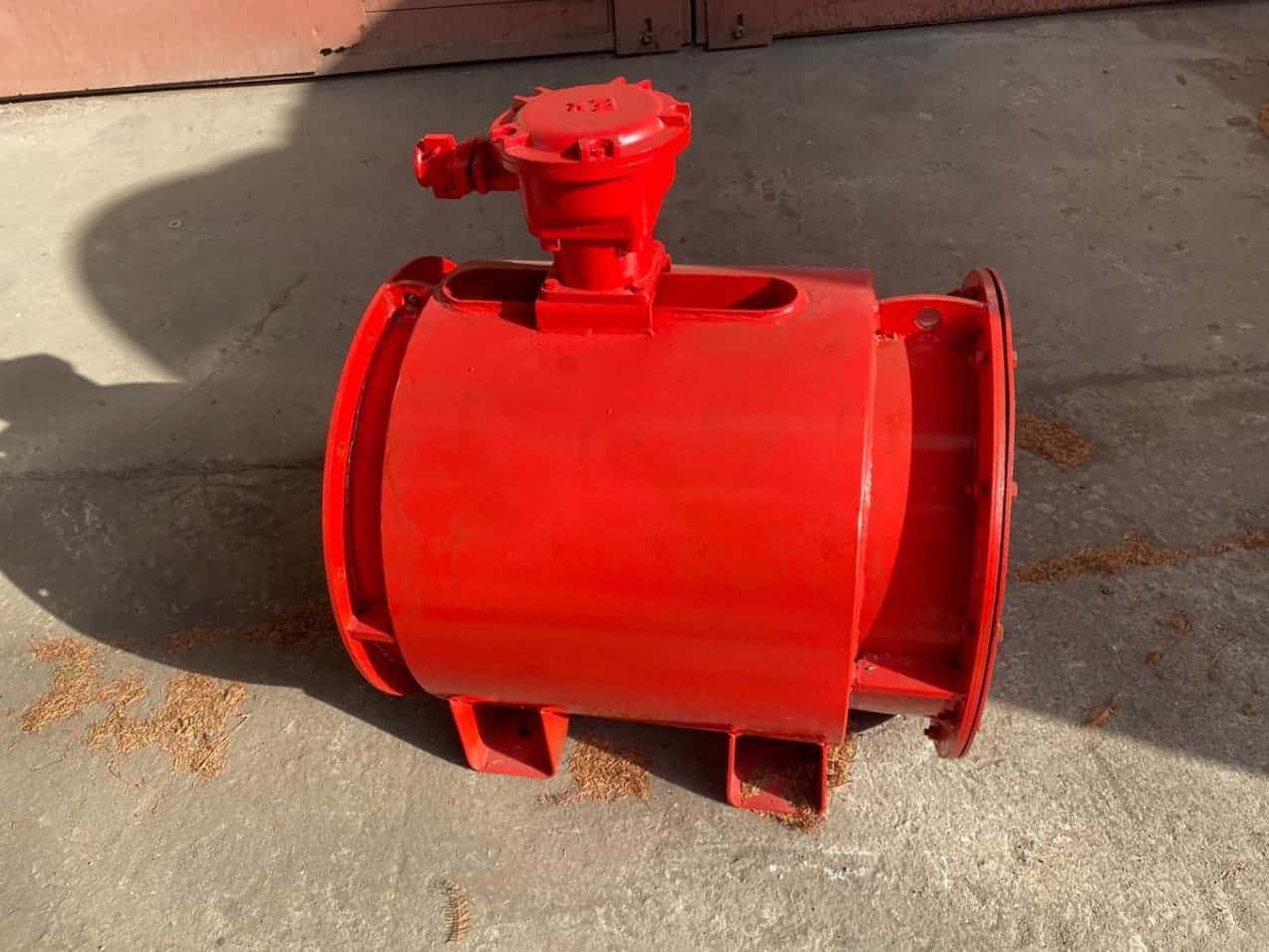
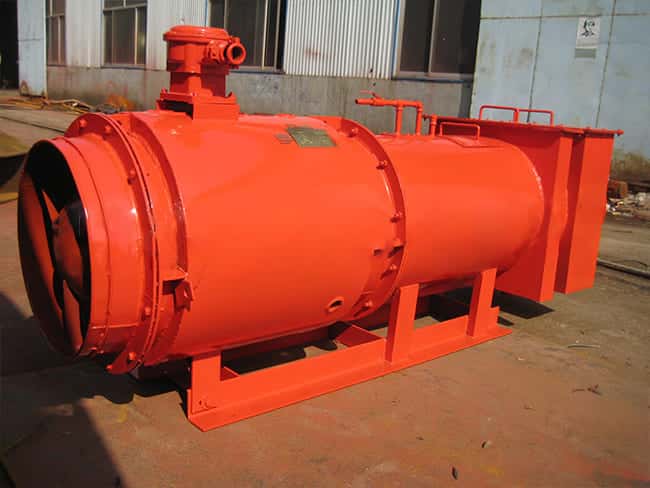
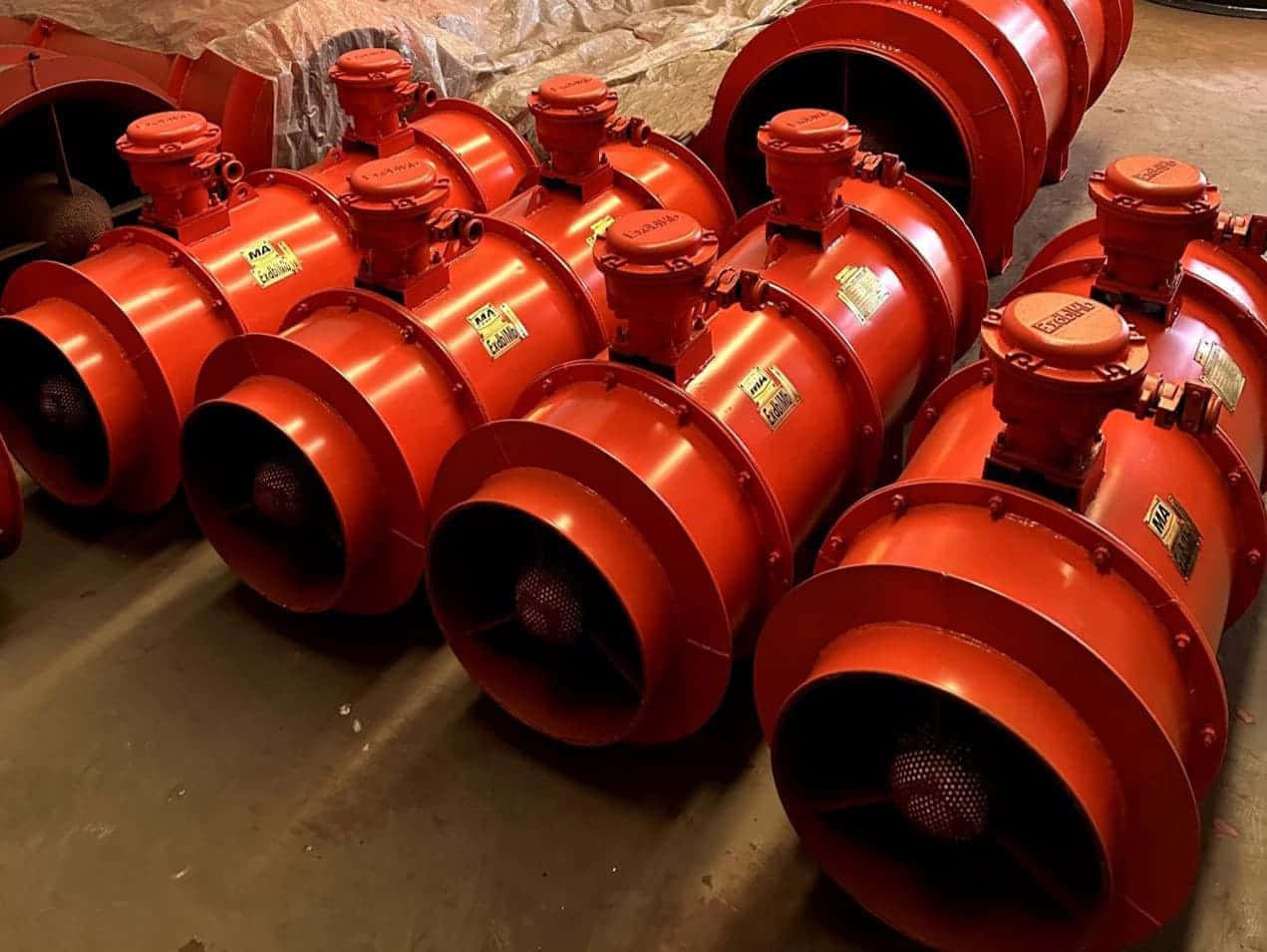
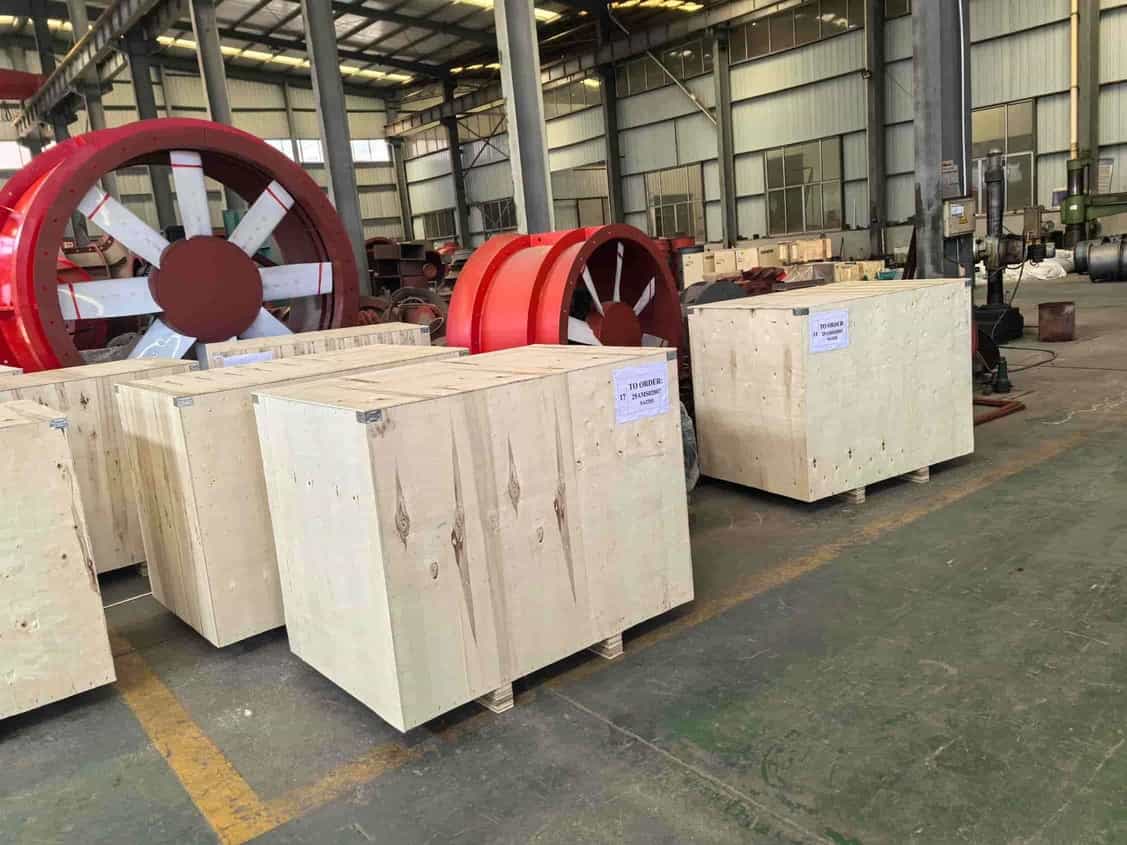
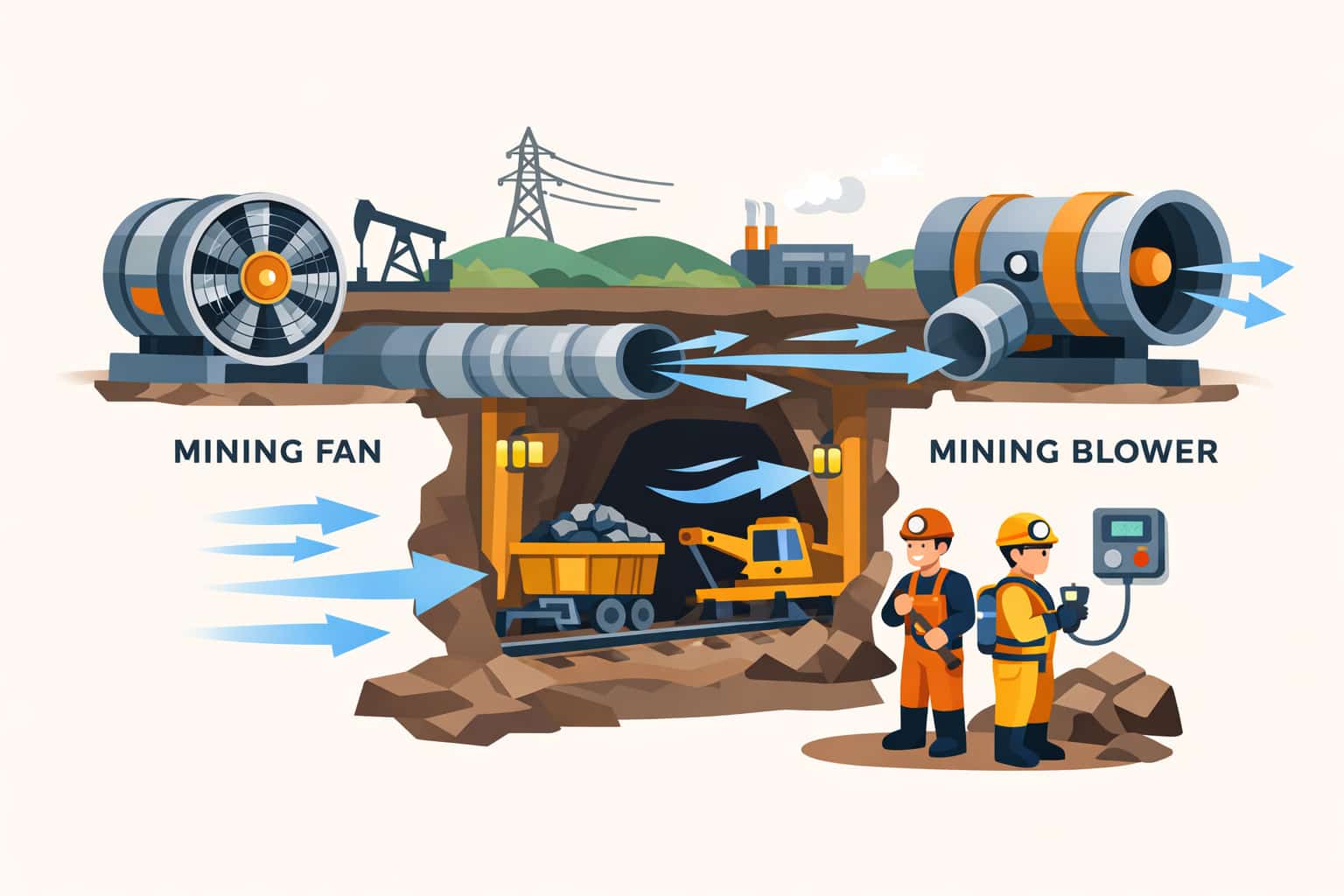
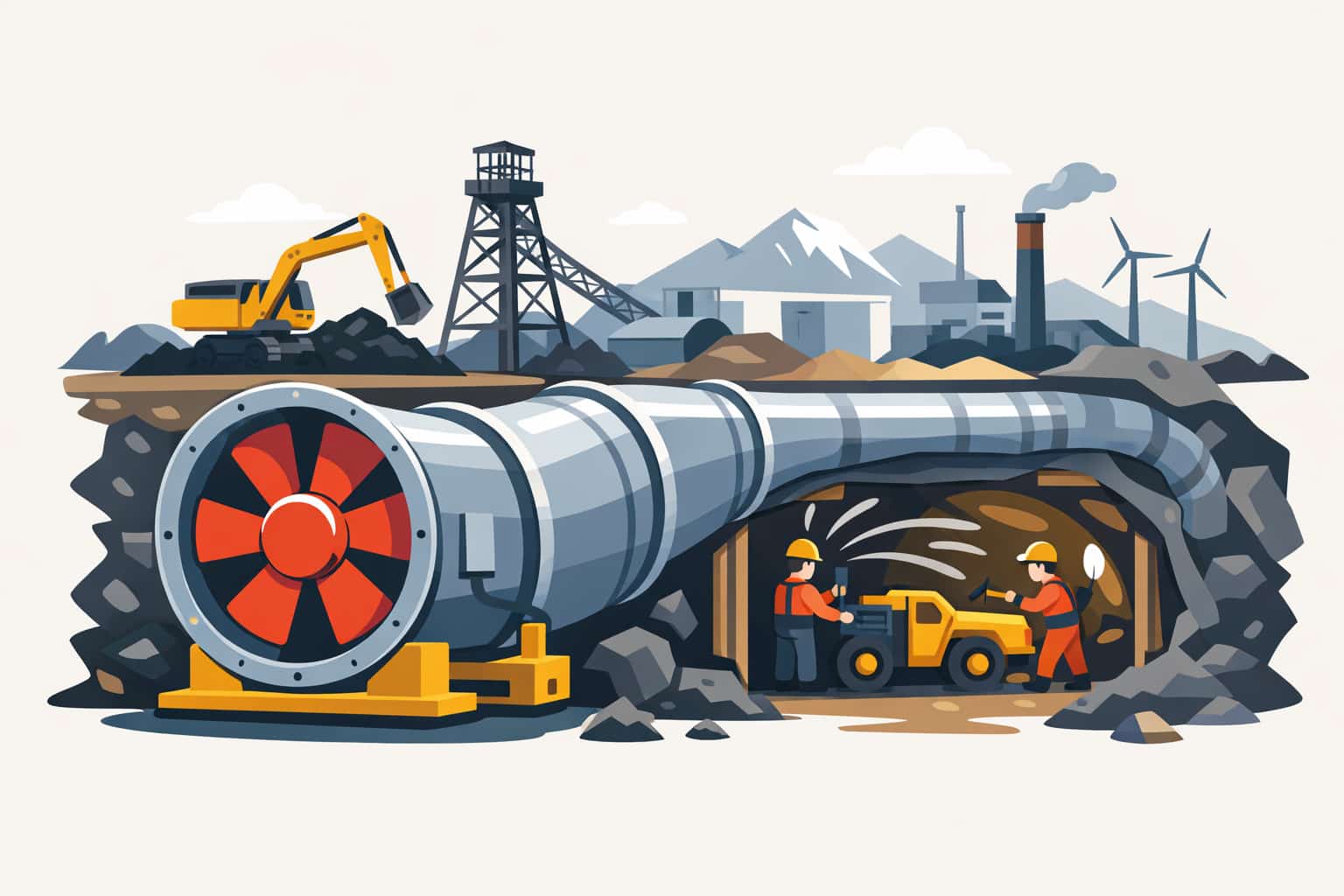
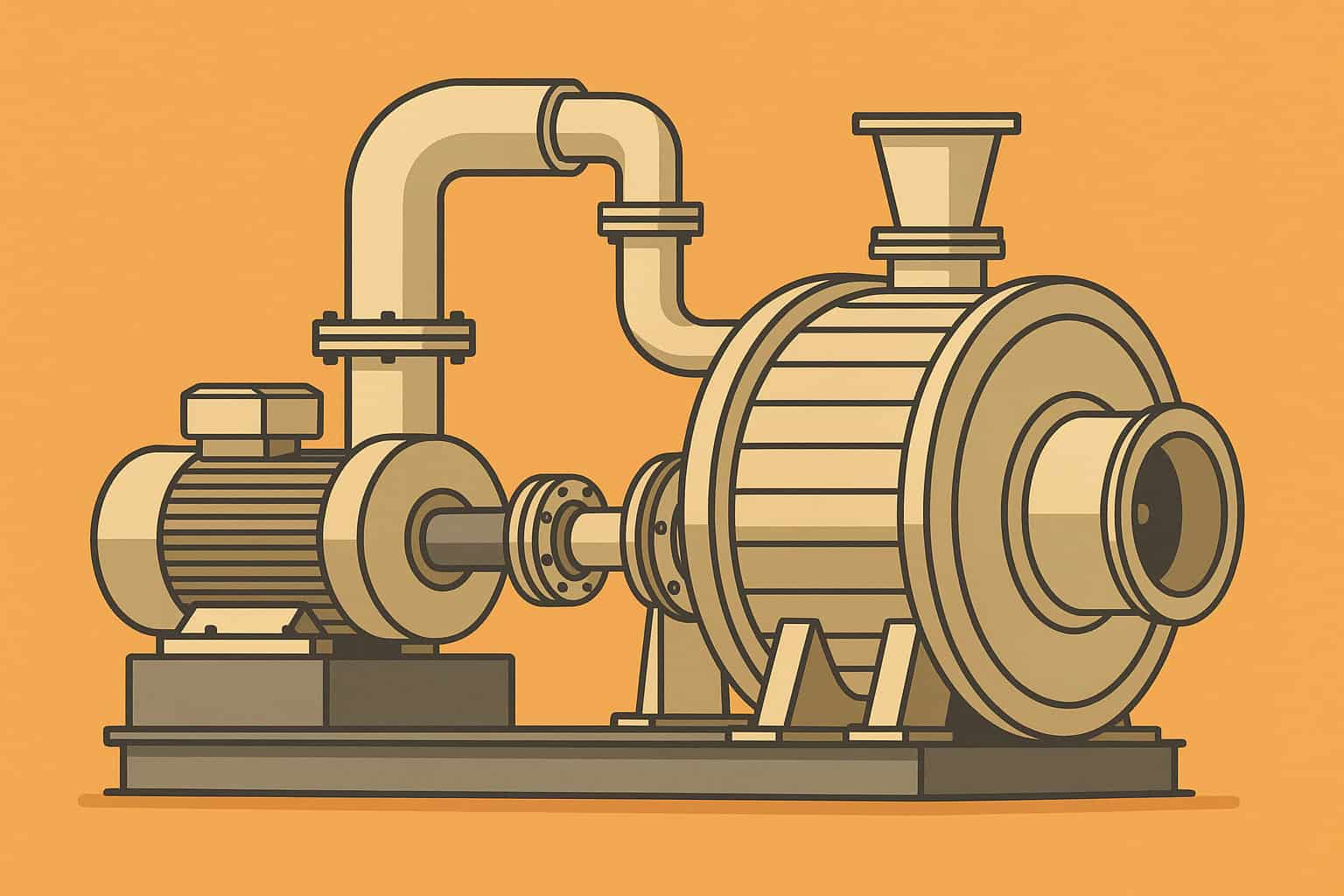

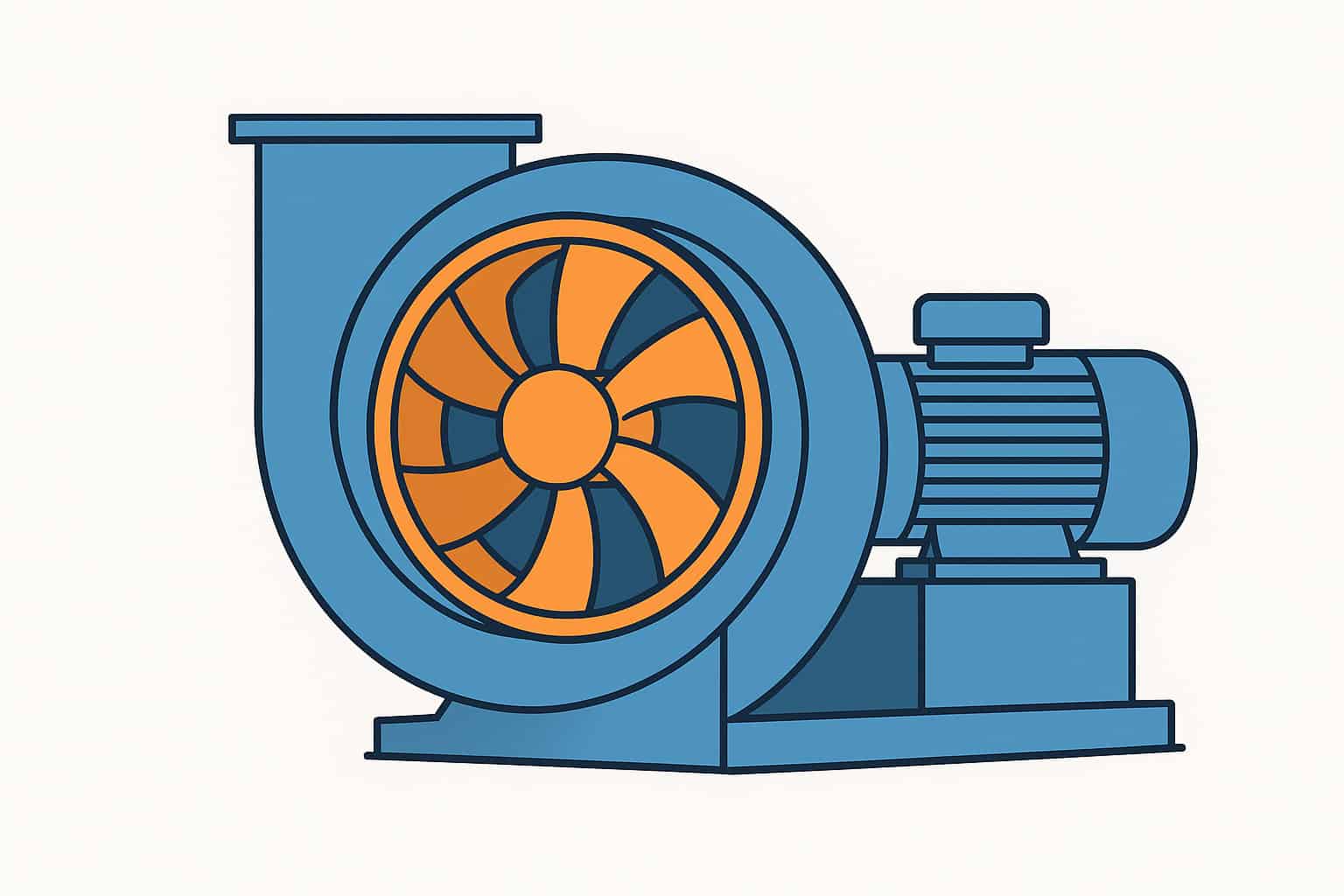
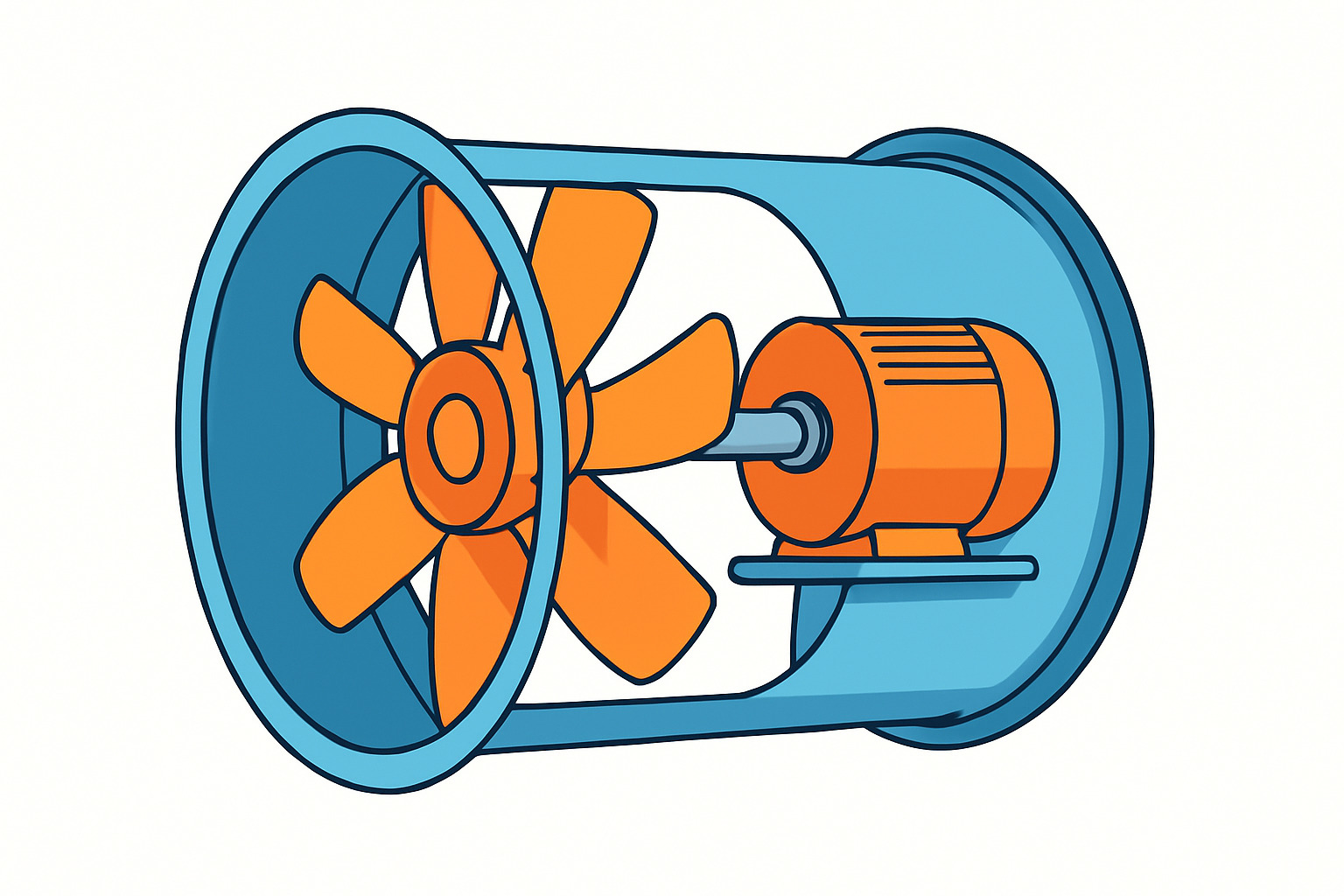
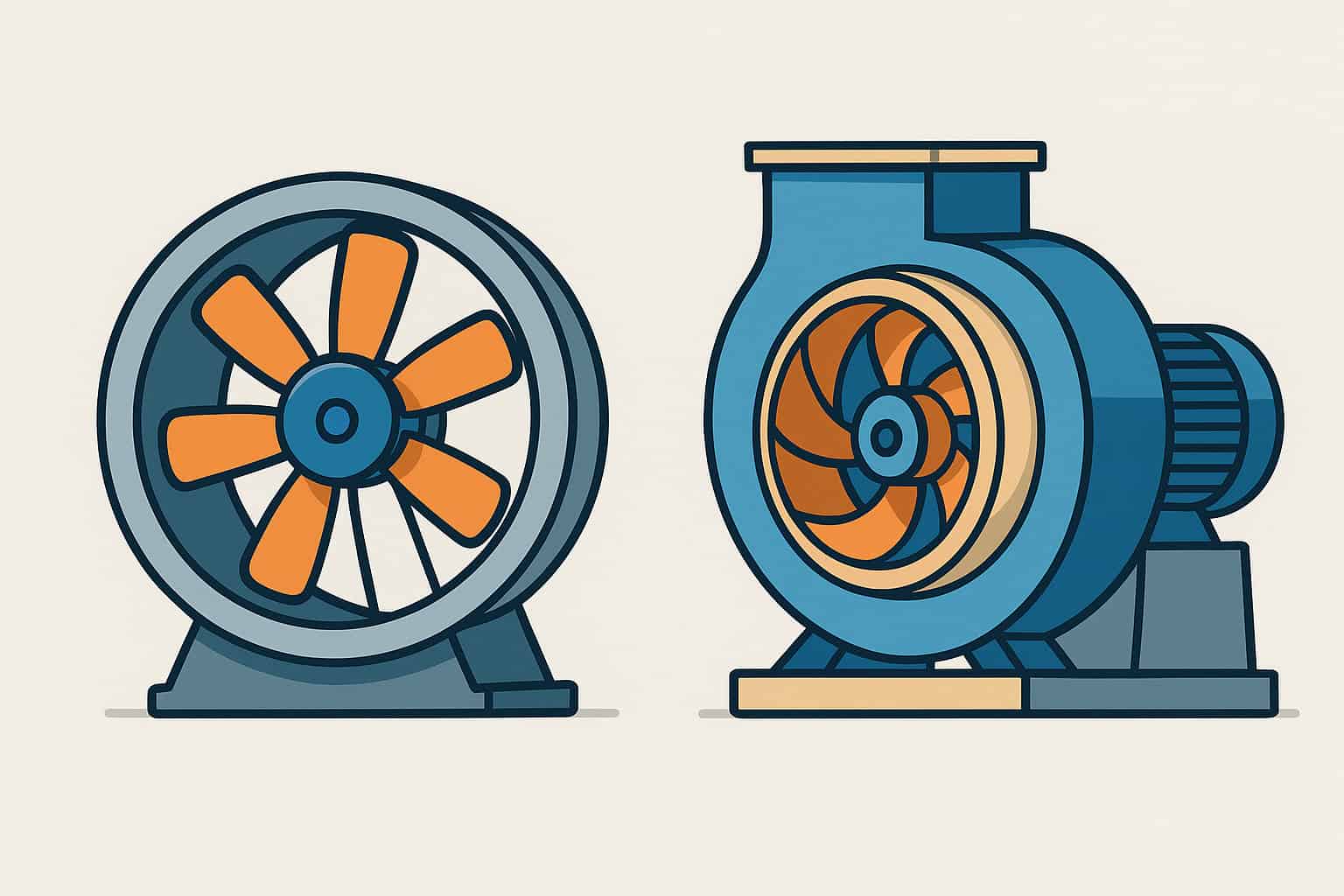
From an engineering point of view, there are countless kinds of fans, but most mining and industrial applications can be described using a structured set of fan families and subtypes. At the highest level, almost every fan used in industrial and mining ventilation is either an axial fan or a centrifugal fan, with a smaller number of mixed-flow fans that combine characteristics of both. Within these families, there are many specific designs tailored to different environments and performance requirements.
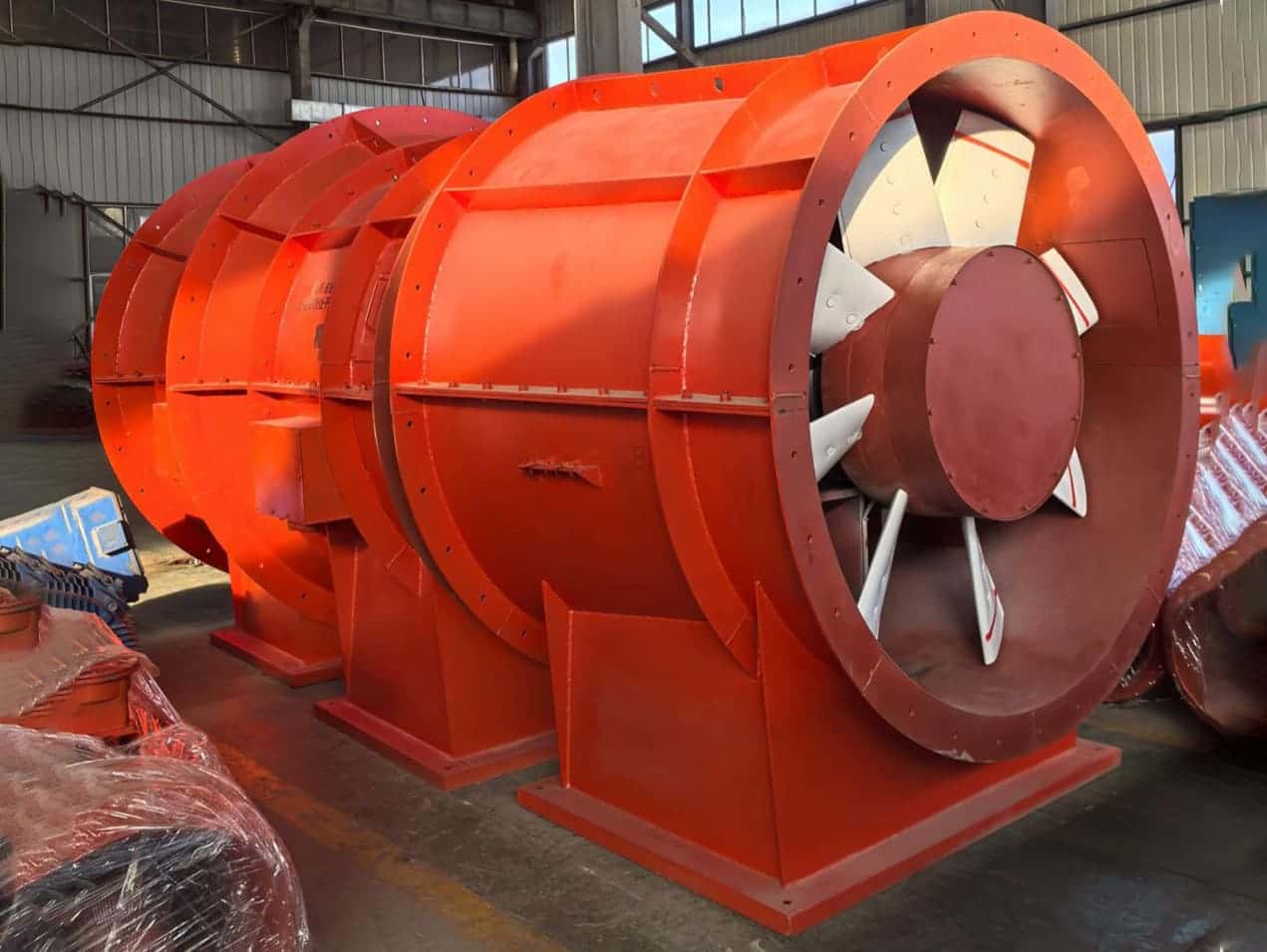
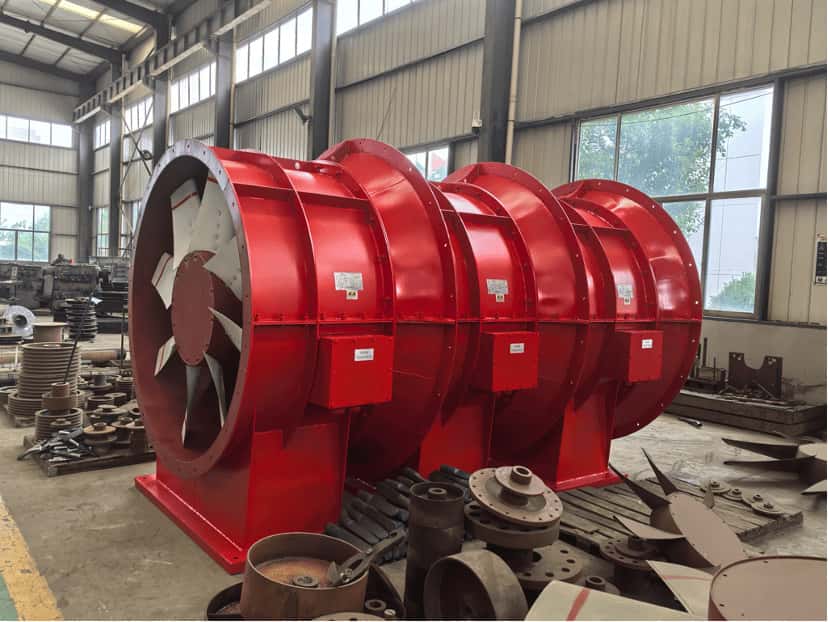
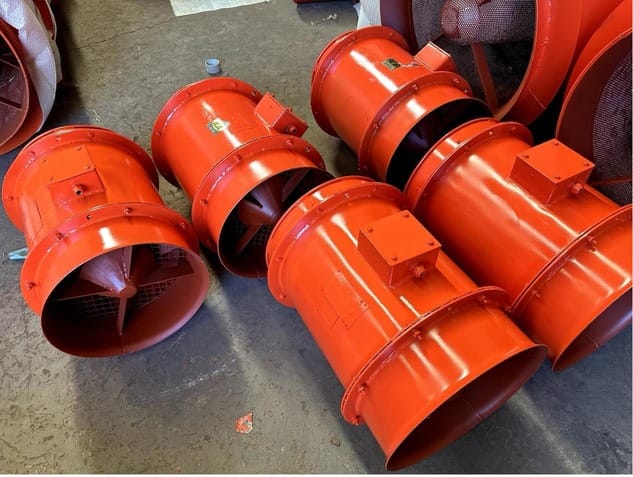
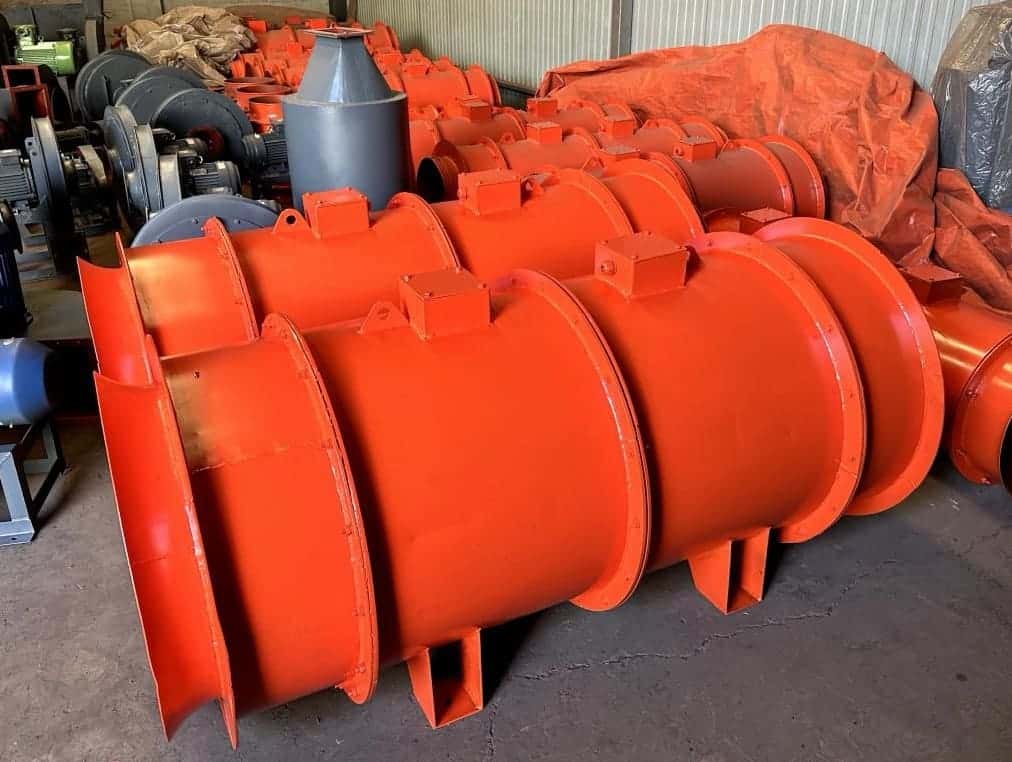
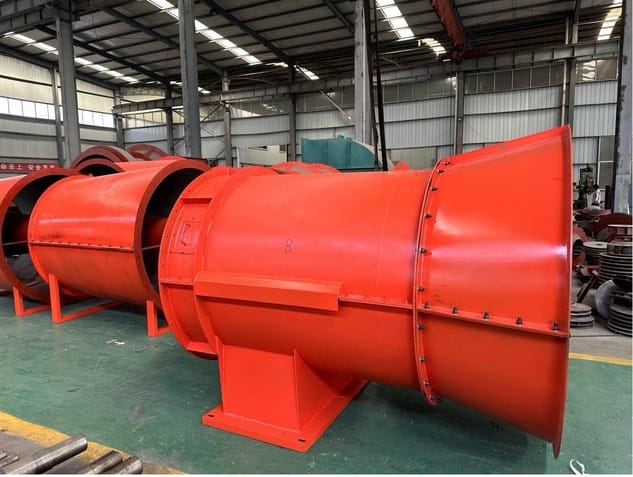
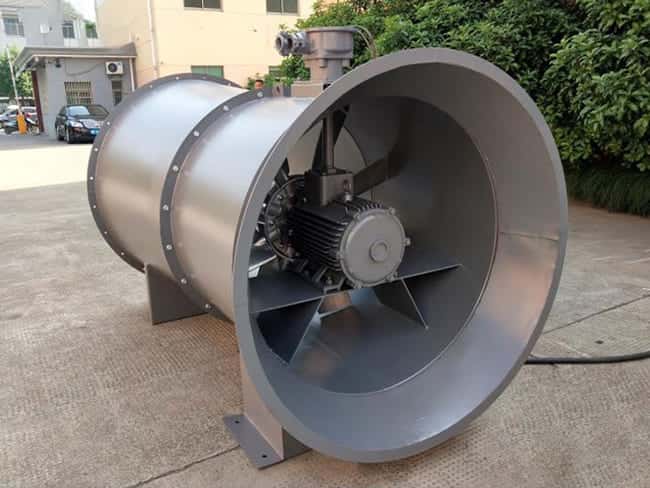
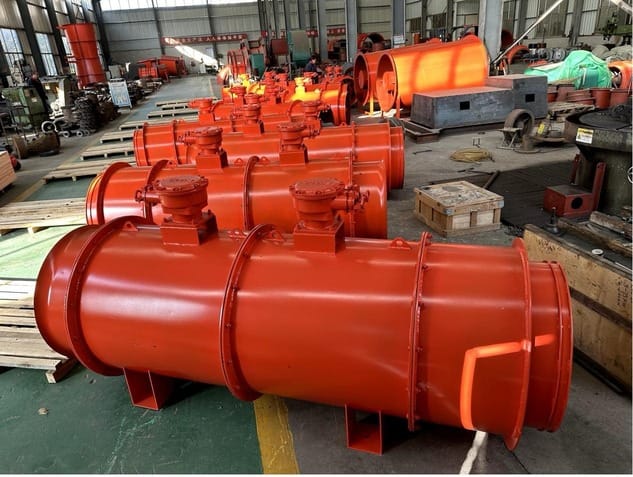
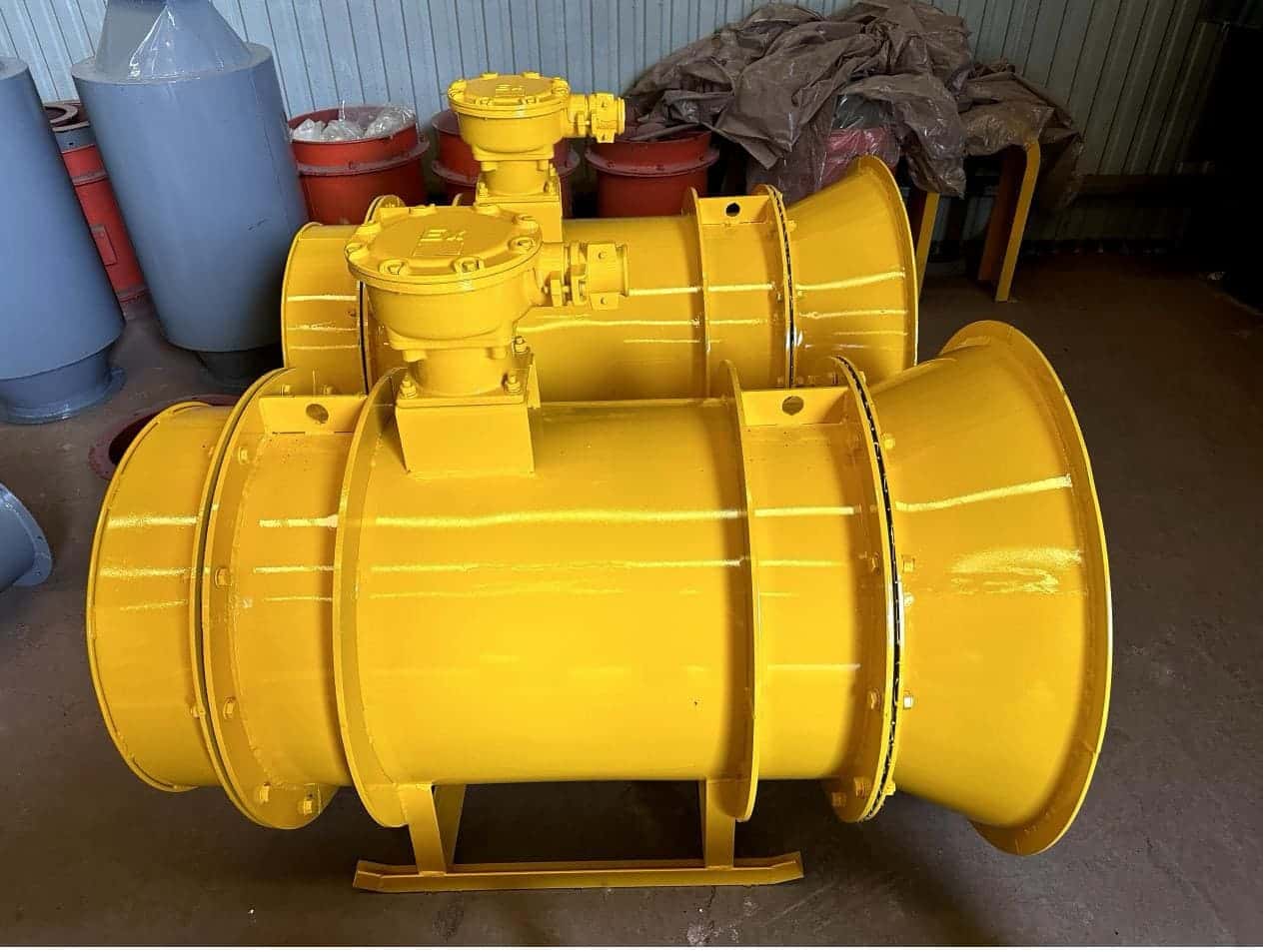
Among axial fans, common kinds include propeller fans, tube-axial fans and vane-axial fans. Propeller fans are simple and suited to low-pressure, high-volume duties such as general building ventilation. Tube-axial fans place the impeller in a cylindrical casing and are widely used as auxiliary fans with ducting in underground mines. Vane-axial fans add guide vanes to improve efficiency and pressure capability and are often used as main or booster mining ventilation fans and as tunnel jet fans.
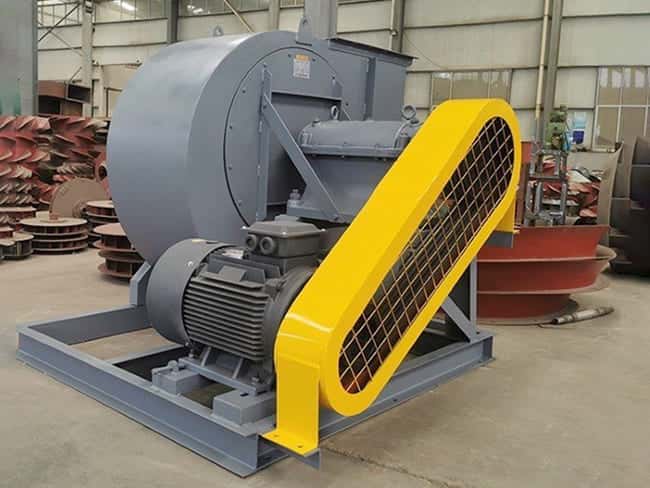
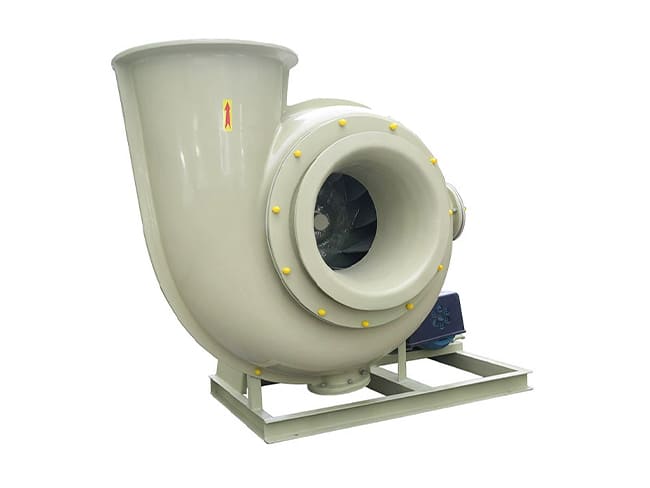
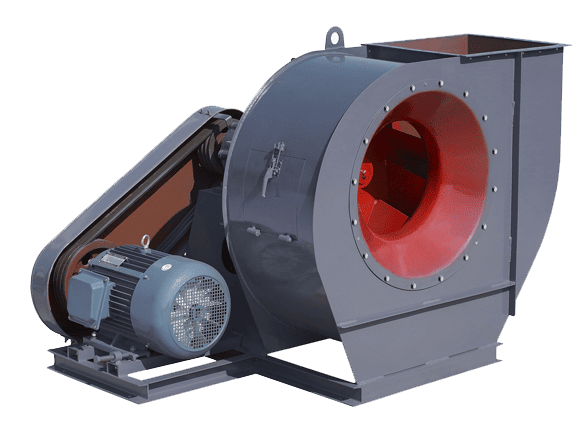
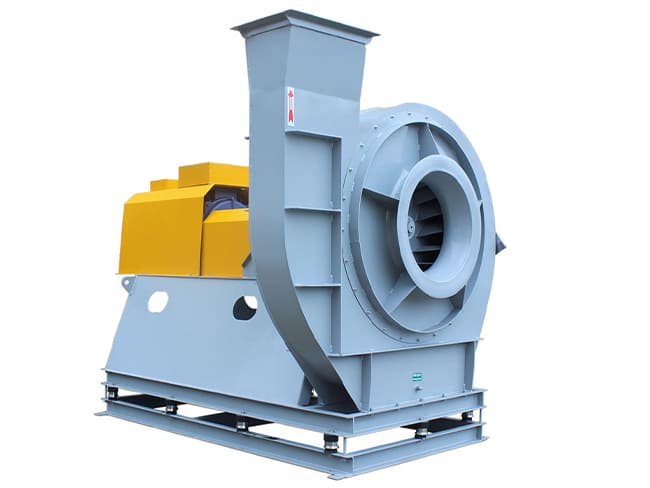
Within the centrifugal fan family, there are forward-curved, backward-curved, backward-inclined, radial-blade and airfoil-blade designs. Each kind has a characteristic pressure–flow curve and efficiency range. For example, backward-curved and airfoil-blade centrifugal fans are commonly used for high-efficiency industrial ventilation, while radial-blade fans are selected for abrasive or heavily dust-laden gas streams, such as certain mining and mineral processing duties.
If we classify fans by application in mining ventilation, we can identify several kinds: main surface fans on shafts, booster fans in long or deep circuits, auxiliary fans connected to flexible ducting for development headings, local exhaust fans for loading stations, refuge chamber fans, and fans associated with refrigeration and bulk air cooling systems. Each kind is engineered and certified to meet specific safety and performance requirements, often including explosion-proof or flameproof construction.
In tunnel and transport ventilation, further fan types appear, such as jet fans mounted in road tunnels, large axial fans with silencers and dampers for rail tunnels and emergency smoke-extraction fans. In factories and plants, other kinds include roof exhaust fans, wall-mounted propeller fans, process exhaust fans, cooling-tower fans and clean-room supply fans.
Therefore, while it is impossible to list every individual model, it is accurate to say that there are many kinds of fans grouped into axial, centrifugal and mixed-flow families, and then further divided into specialised mining, tunnel and industrial ventilation fan types such as main, booster, auxiliary and jet fans. Understanding this structure helps designers select the right fan for each ventilation duty.