

When people ask how many types of fans are available, they are usually surprised by how many variations exist beyond simple household fans. In engineering practice, especially for industrial and mining ventilation, fans are usually grouped into a few main aerodynamic types, then further divided into sub-types based on construction, application and safety rating.
The most basic classification recognises three principal fan types:
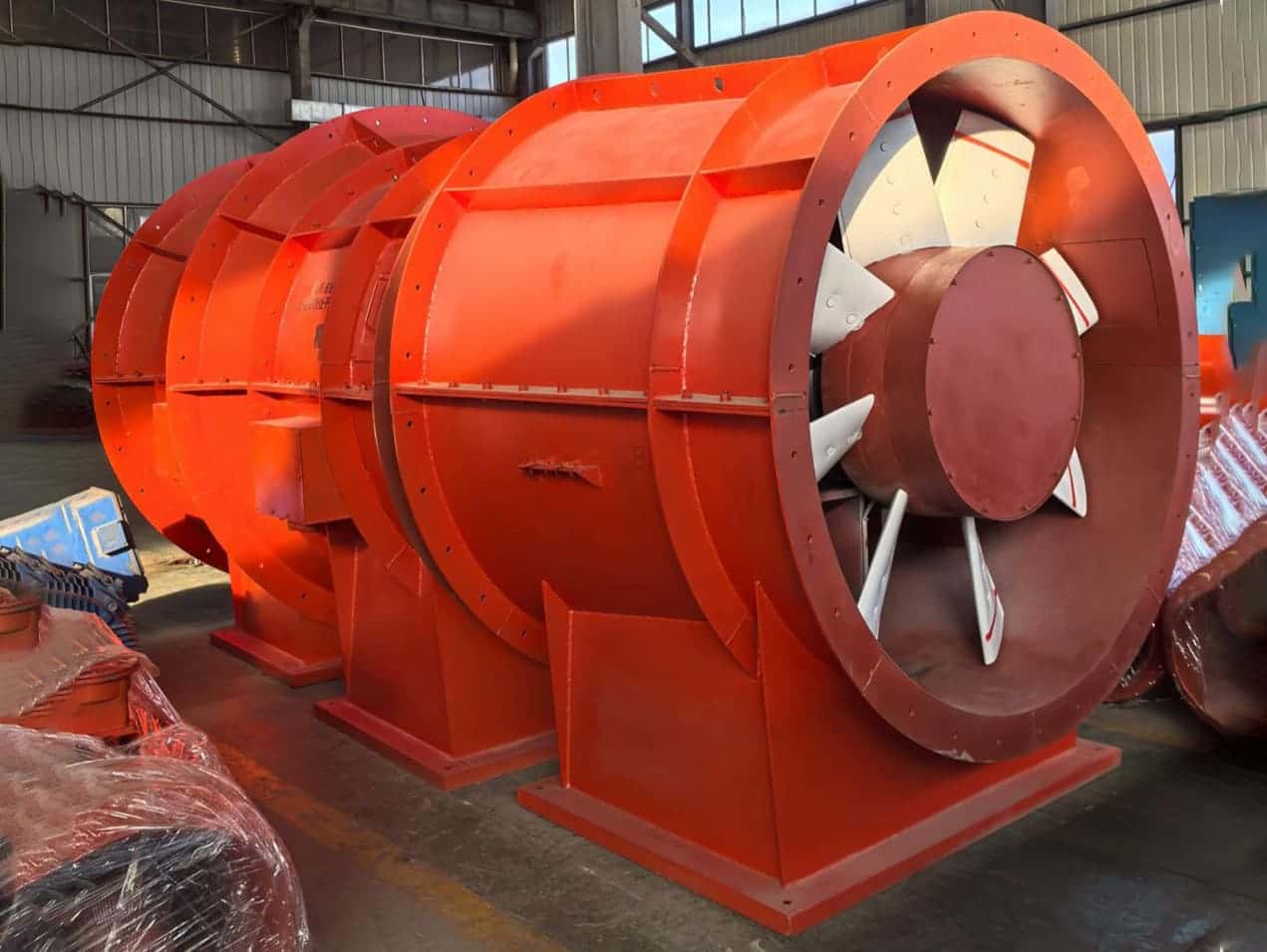
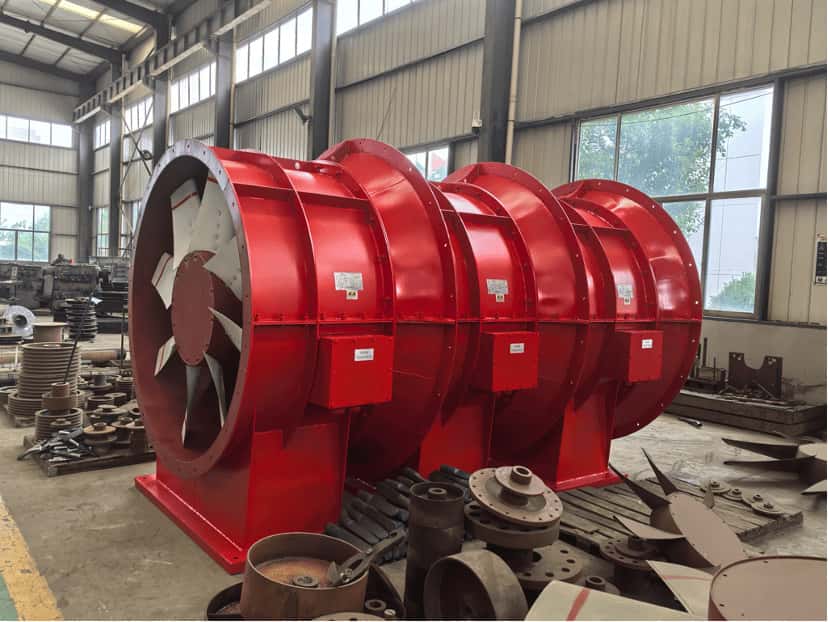
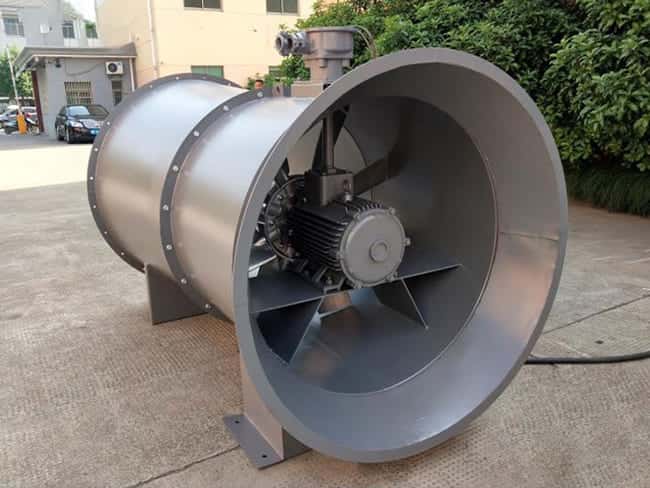
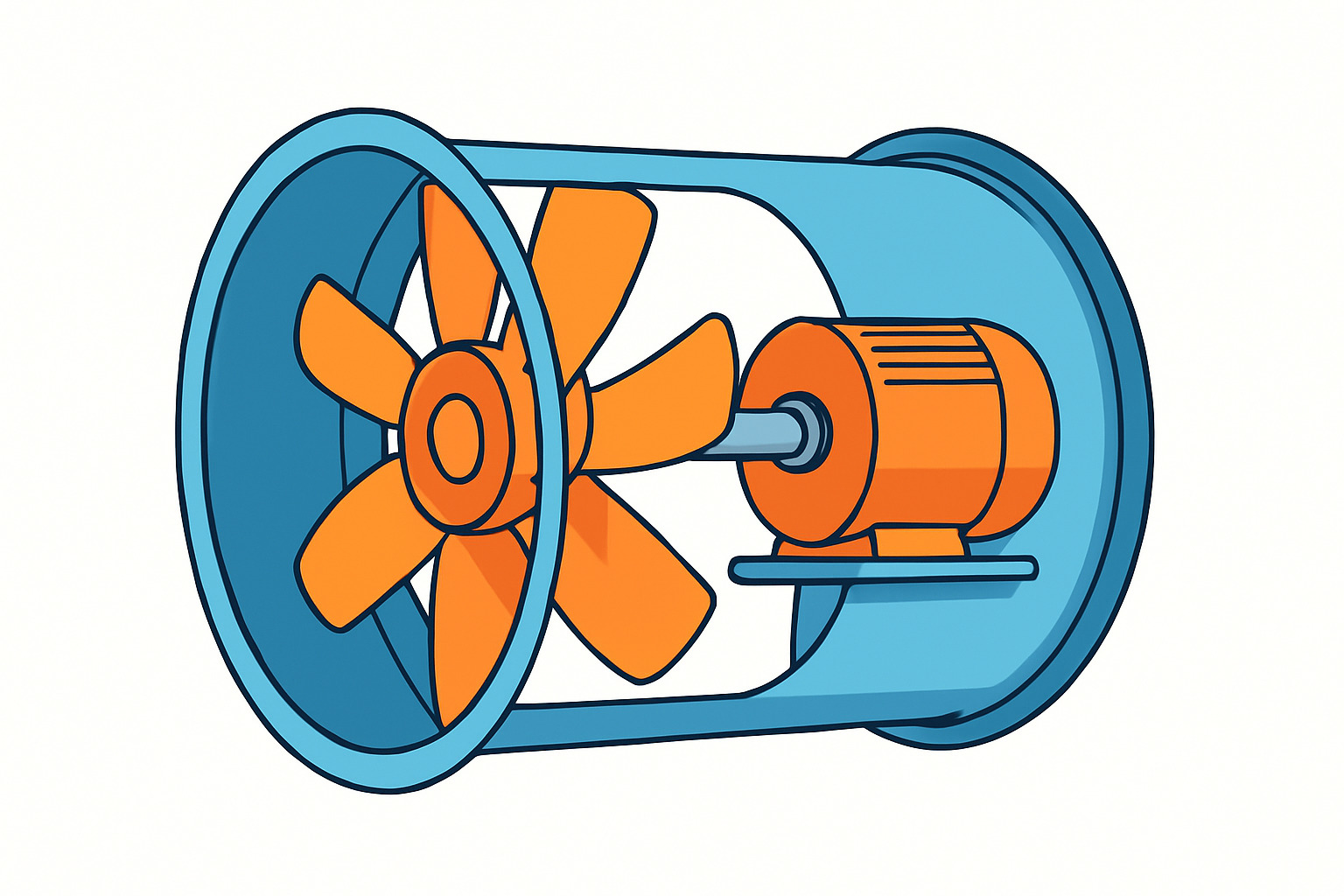
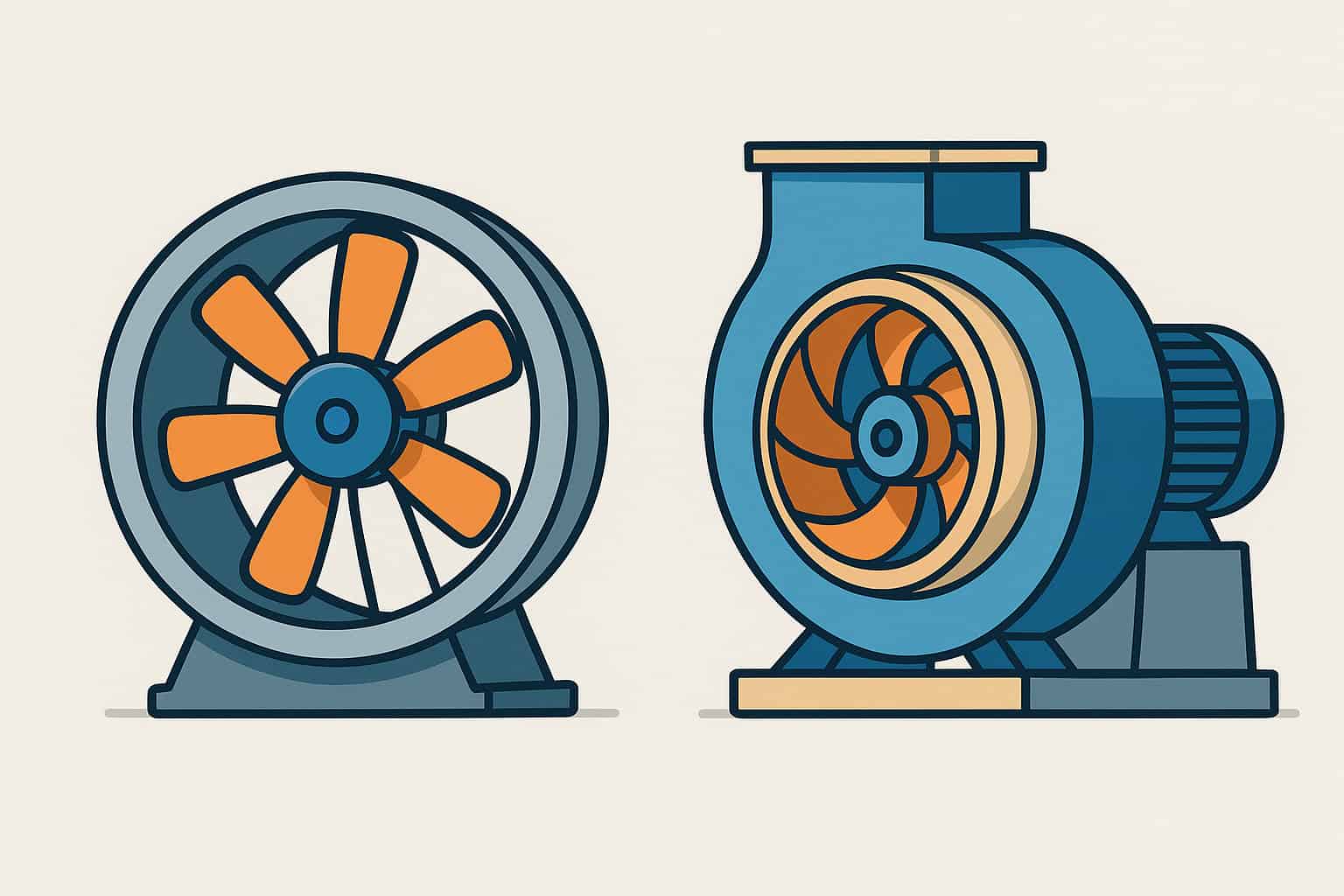
- Axial fans – air flows parallel to the shaft, like a propeller.
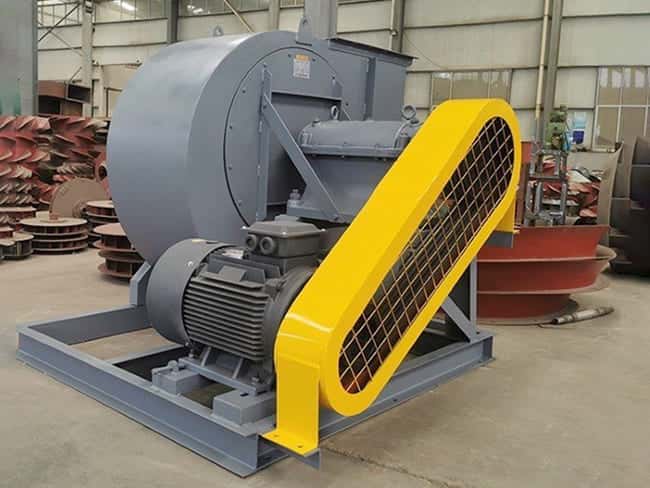
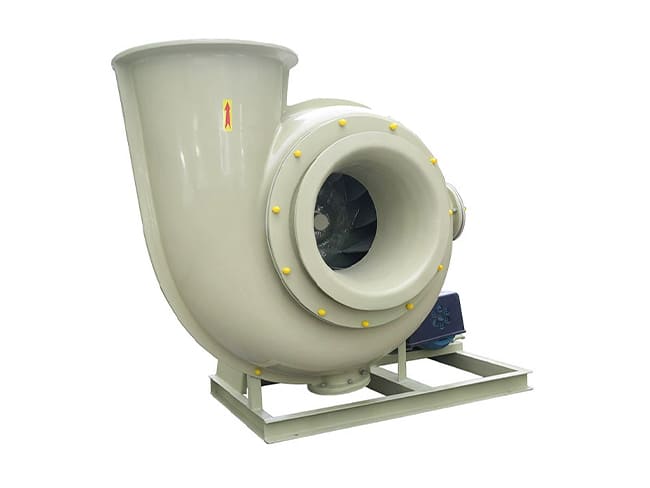
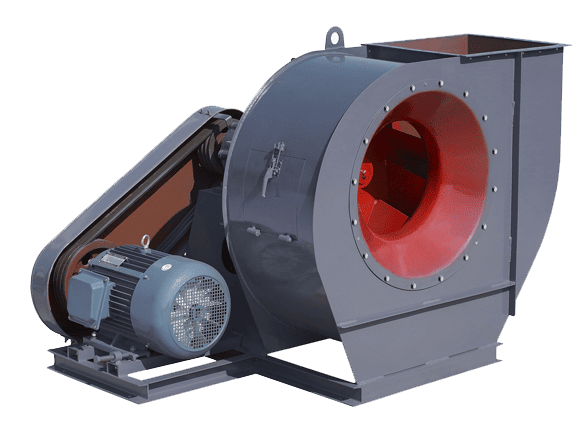
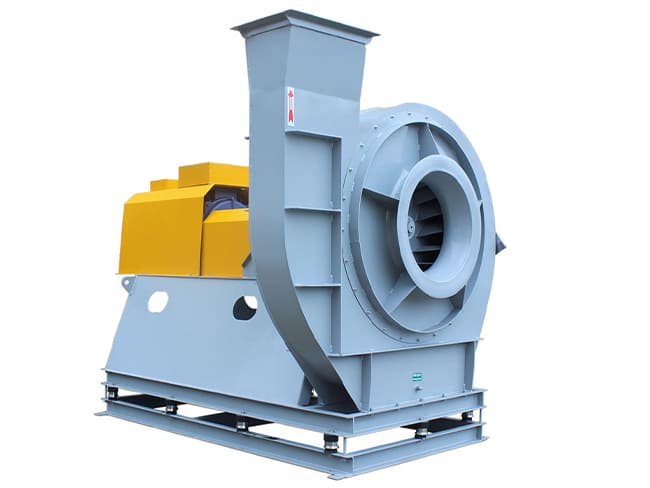
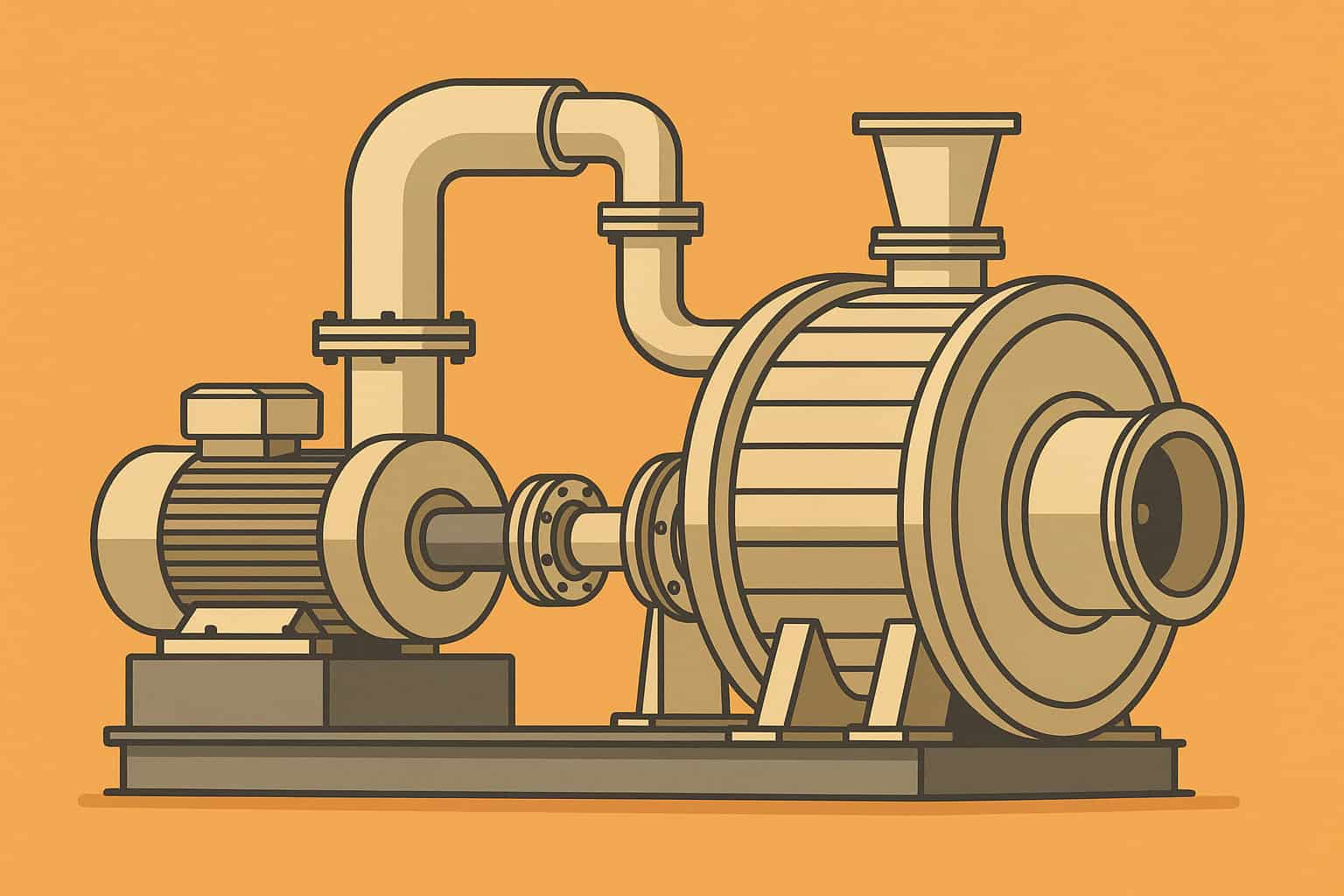
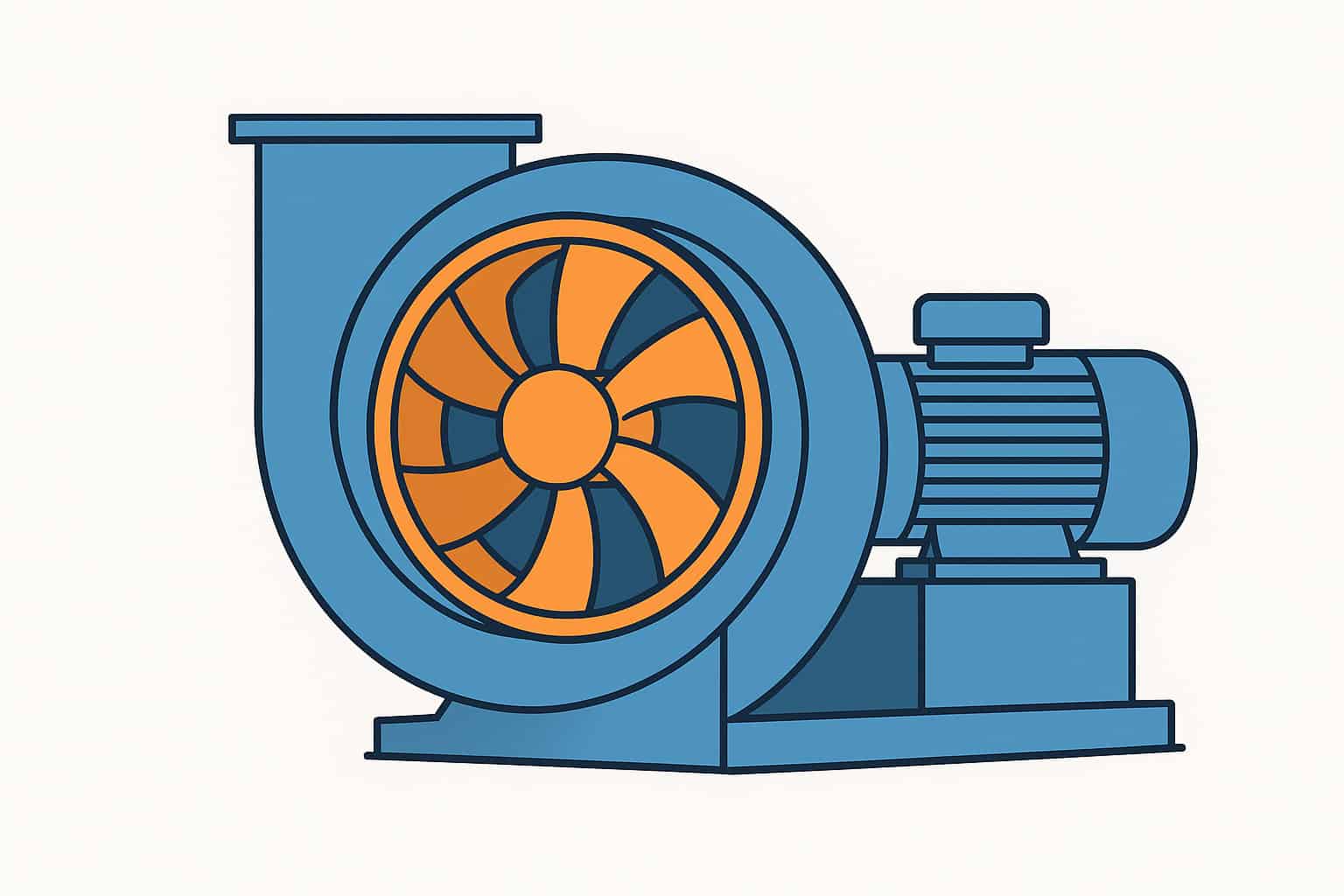
- Centrifugal fans – air enters axially and leaves radially into a scroll casing.
- Mixed flow fans – a hybrid with both axial and radial components of flow.
Within axial fans, there are several common sub-types:
- Propeller fans – simple blades, often used in wall fans and small exhaust units.
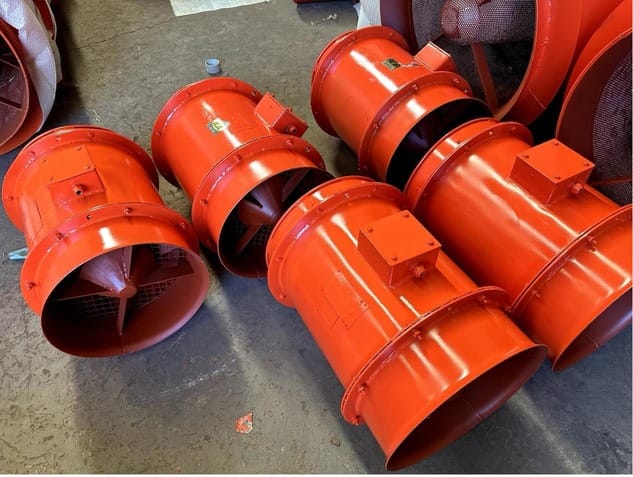
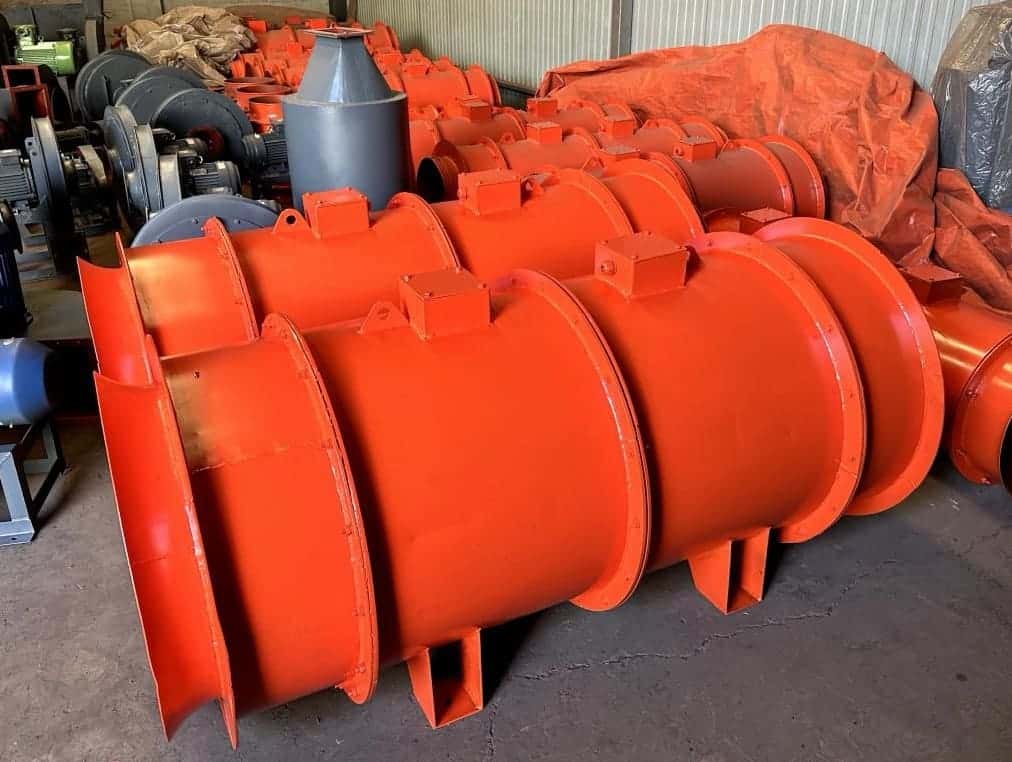
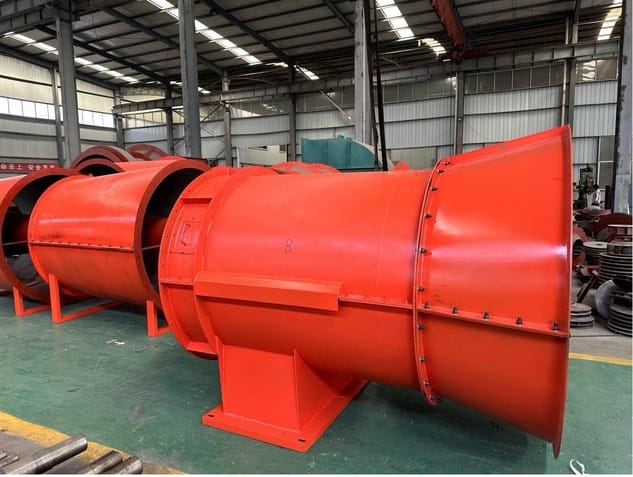
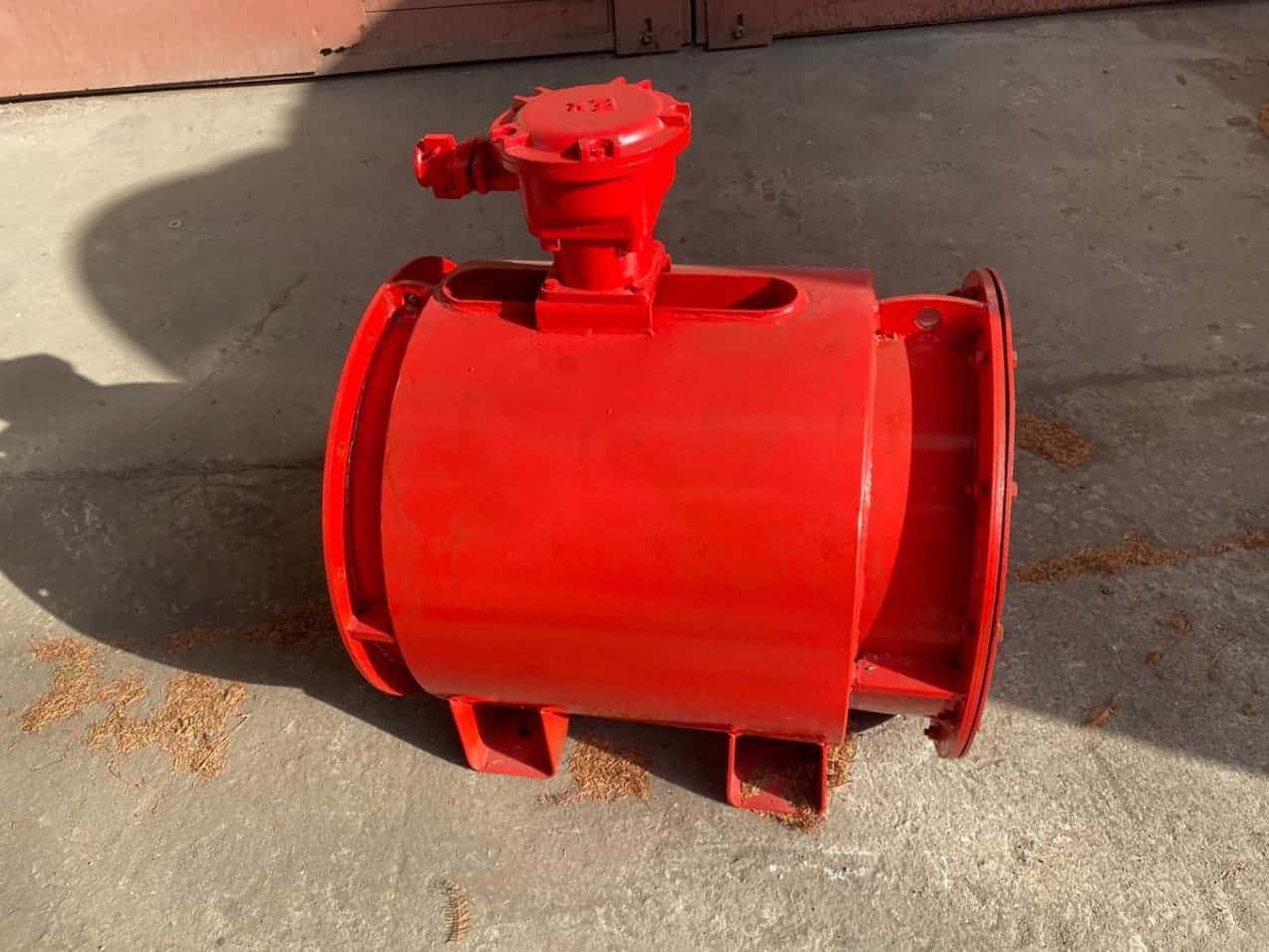
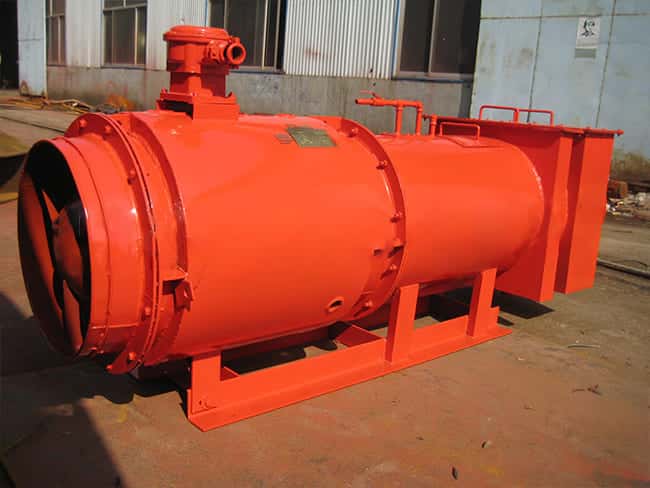
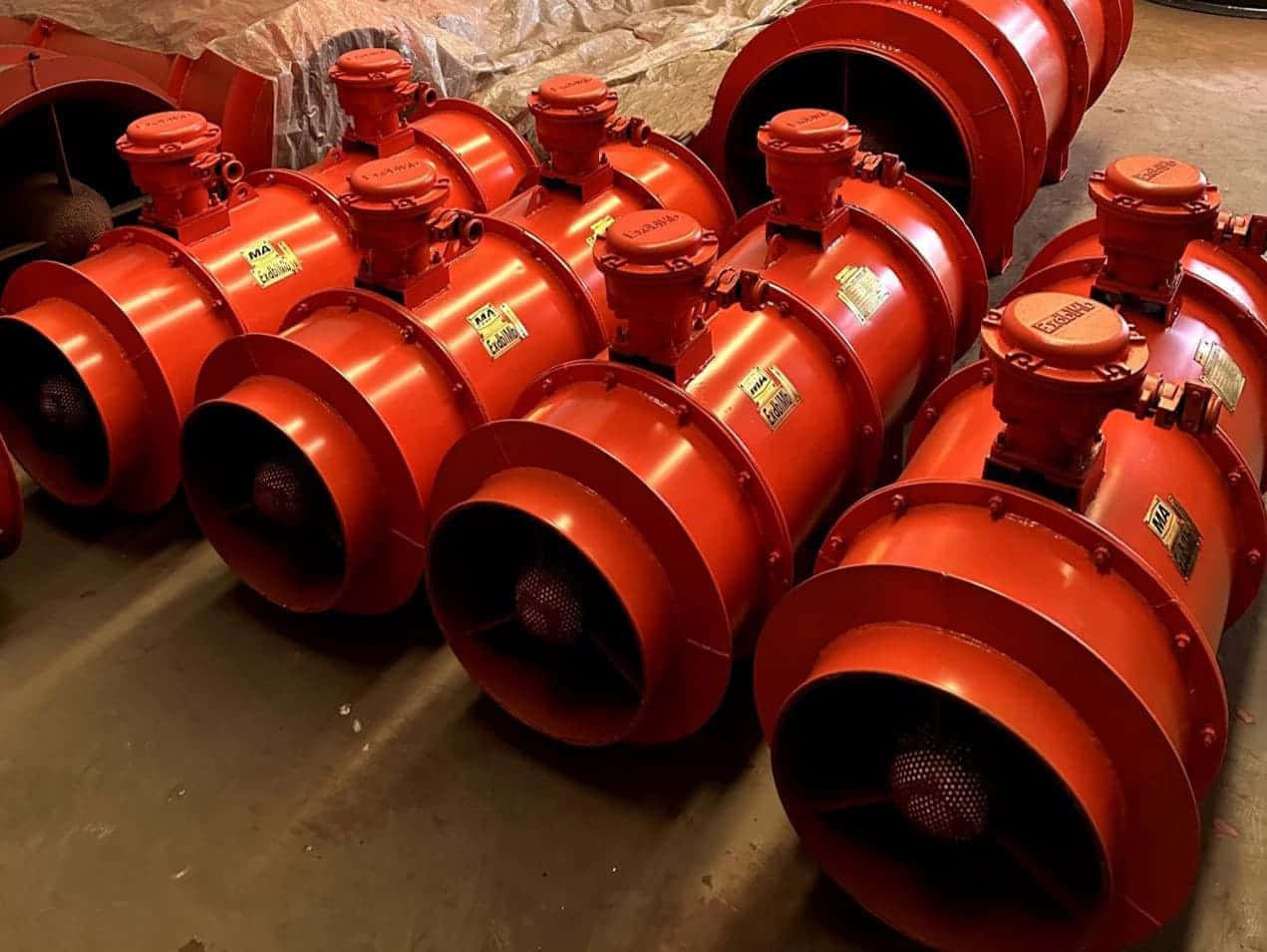
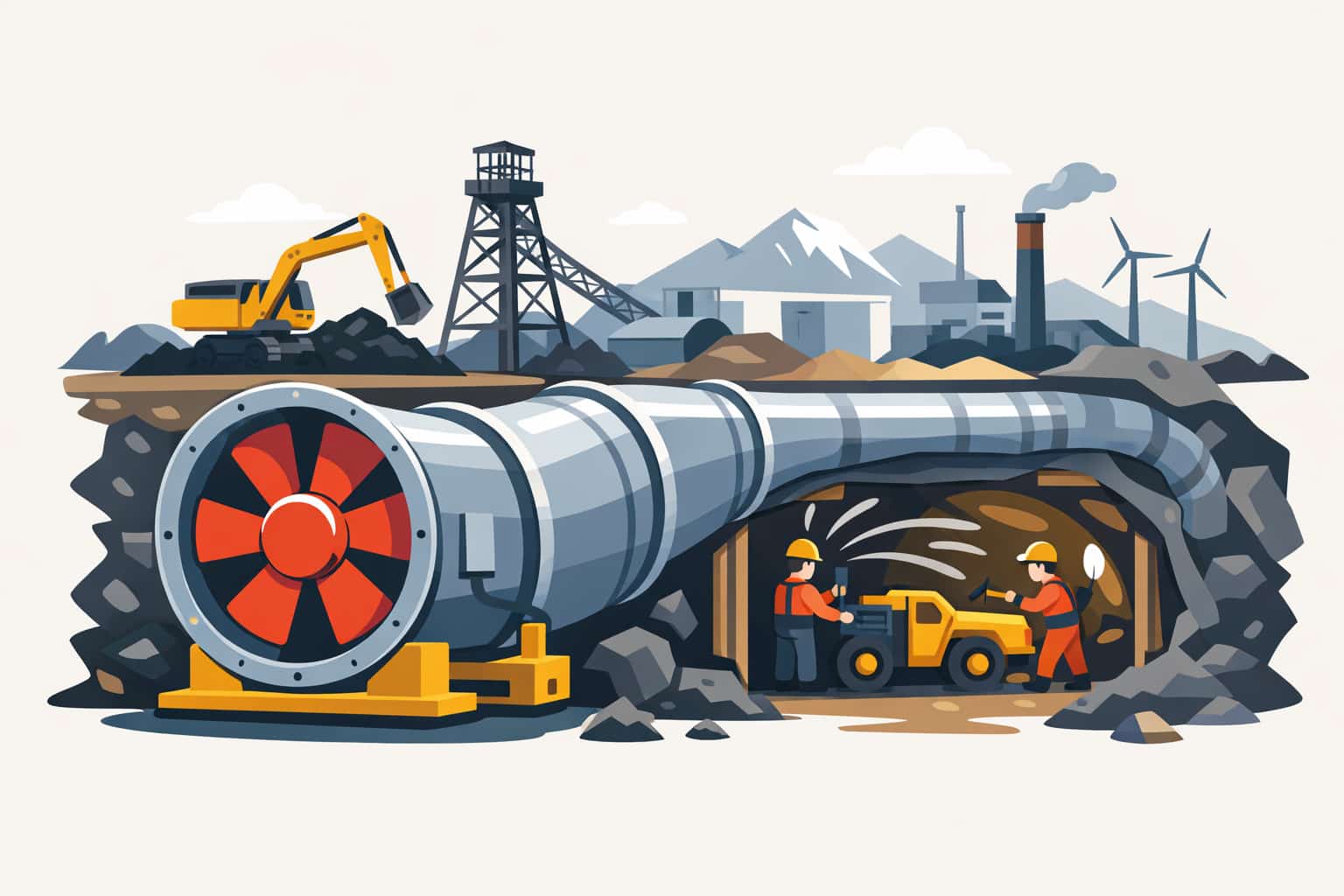
- Tube axial fans – impeller inside a cylindrical casing, widely used in ducts and tunnels.
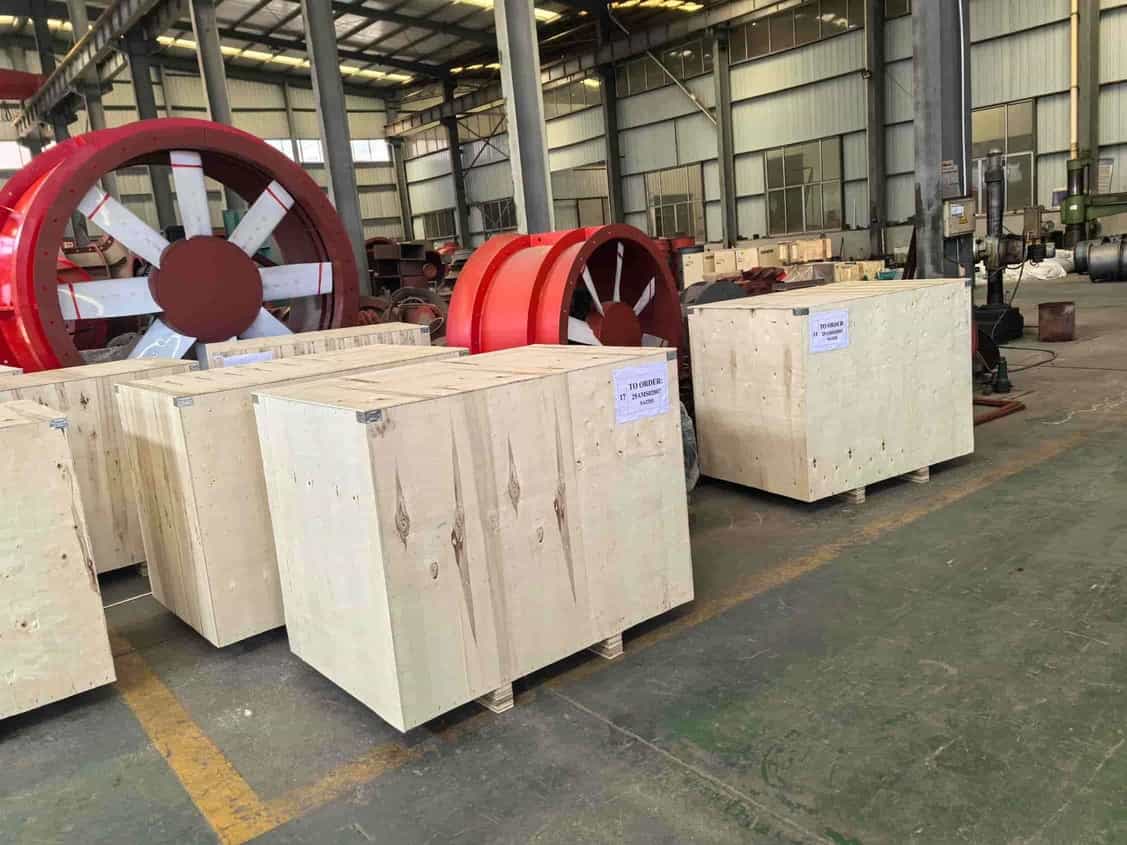
- Vane axial fans – axial fans with guide vanes for higher pressure and efficiency.
- HVLS fans – high-volume, low-speed ceiling fans used in warehouses and workshops.
Centrifugal fans are commonly grouped by blade shape:
- Forward-curved (squirrel-cage) fans for compact HVAC units at low to medium pressure.
- Backward-curved or backward-inclined fans for efficient medium to high pressure duties.
- Radial (straight blade) fans for tough, dusty or erosive industrial and mining services.
Mixed flow fans combine features of axial and centrifugal designs, offering higher pressure than simple axial fans but shorter length than comparable centrifugals. They are used where space is limited but higher pressure is required, such as in some building shafts and process systems.
In real projects, fans are also classified by their role and construction:
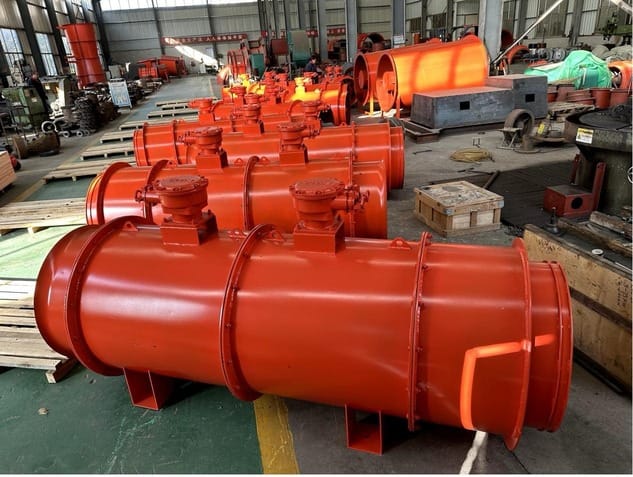
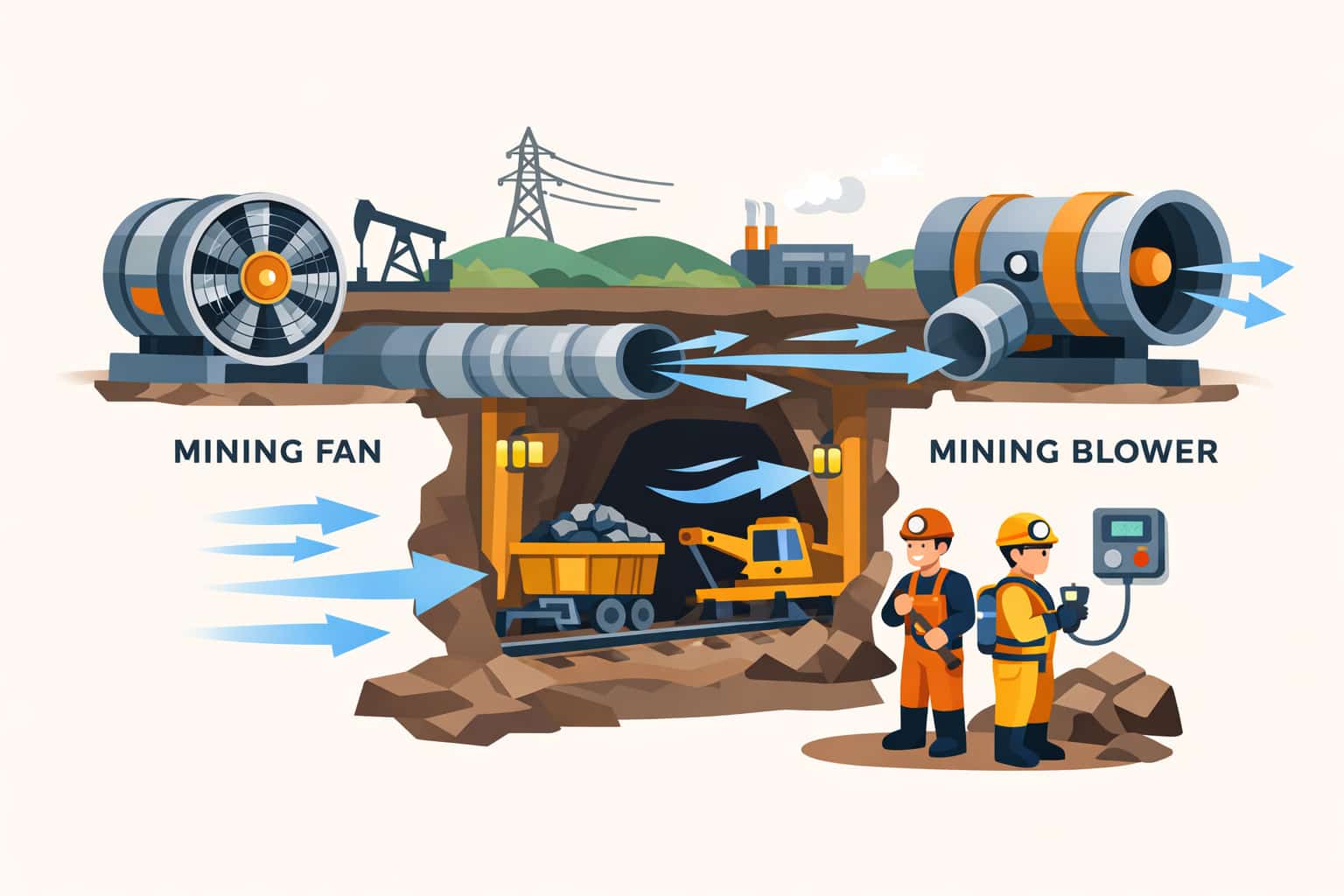
- Main fans, booster fans and auxiliary fans in mining ventilation systems.
- Exhaust, supply and recirculation fans in HVAC and industrial plants.
- Roof fans, wall fans, in-line duct fans and plug fans based on mounting style.
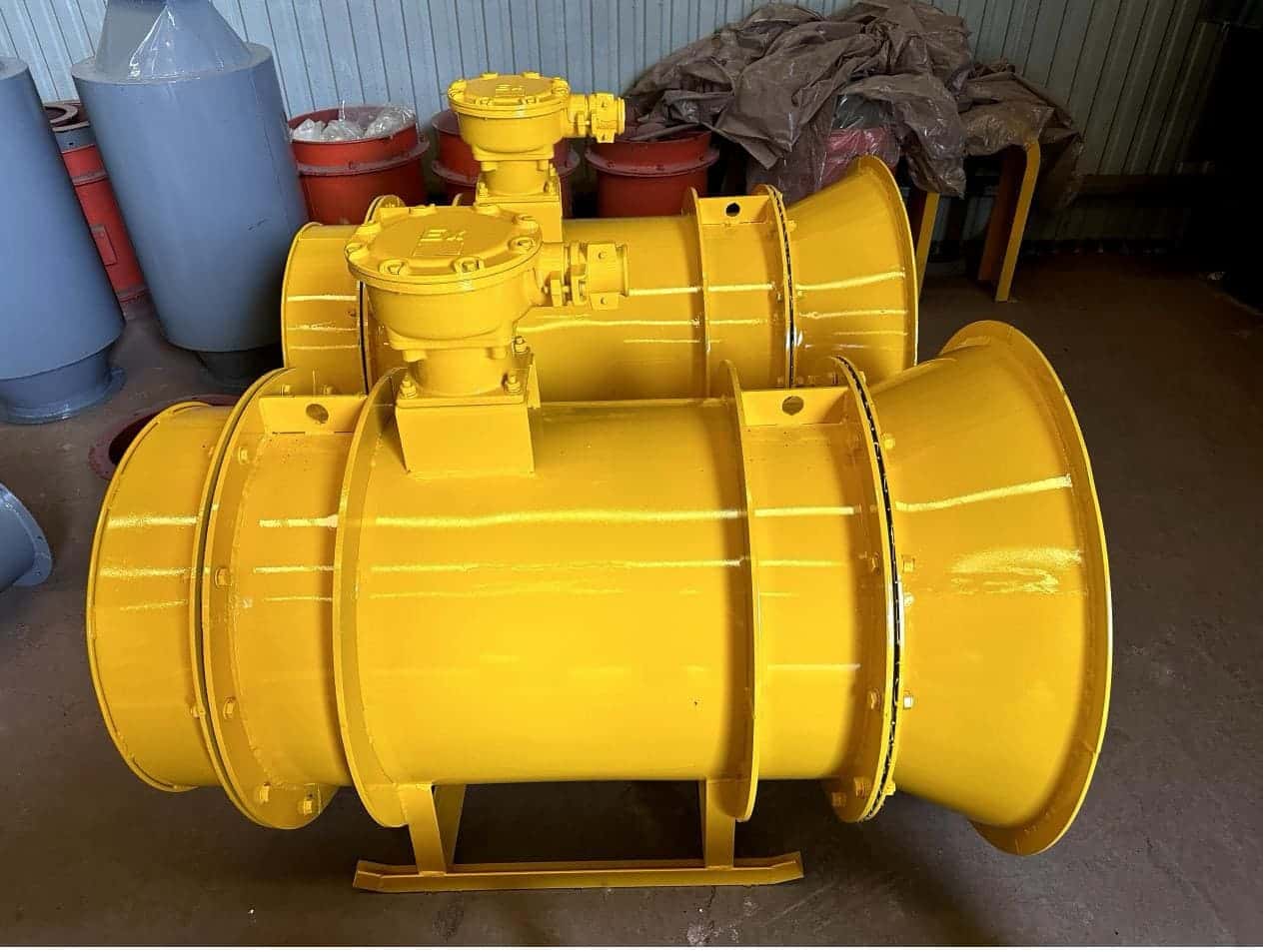
- Explosion-proof, flameproof and corrosion-resistant fans for hazardous or aggressive environments.
So instead of a fixed number, it is more accurate to say that fans fall into a small number of aerodynamic families, but within those families there are dozens of standard configurations and many custom designs. For mining and heavy industry, engineers typically begin by choosing between axial, centrifugal and mixed flow designs, then refine the selection according to pressure, airflow, gas composition, dust loading, safety requirements and space constraints.
In summary, there are three main aerodynamic types of fans—axial, centrifugal and mixed flow—supported by many sub-types and construction styles. The best choice depends on the required airflow, pressure, environment and layout of the ventilation system.