


There is no single fixed list of vent types, but in ventilation practice vents are usually grouped into several main categories based on function and location. Instead of counting an exact number, it is more useful to understand how vents are classified: intake versus exhaust, natural versus mechanical, and general building versus specialised industrial or mining vents.
From a basic functional standpoint, the first distinction is between intake vents and exhaust vents. Intake vents allow fresh outdoor air to enter a building, duct or mine airway. These include wall louvers, soffit vents, intake grilles in air handling units and mine intake shaft openings. Exhaust vents allow warm, dusty or contaminated air to leave the system. Roof vents, ridge vents, wall exhaust grilles and mine return shafts are common examples. Every balanced ventilation system uses some combination of intake and exhaust vents sized to match fan airflow.
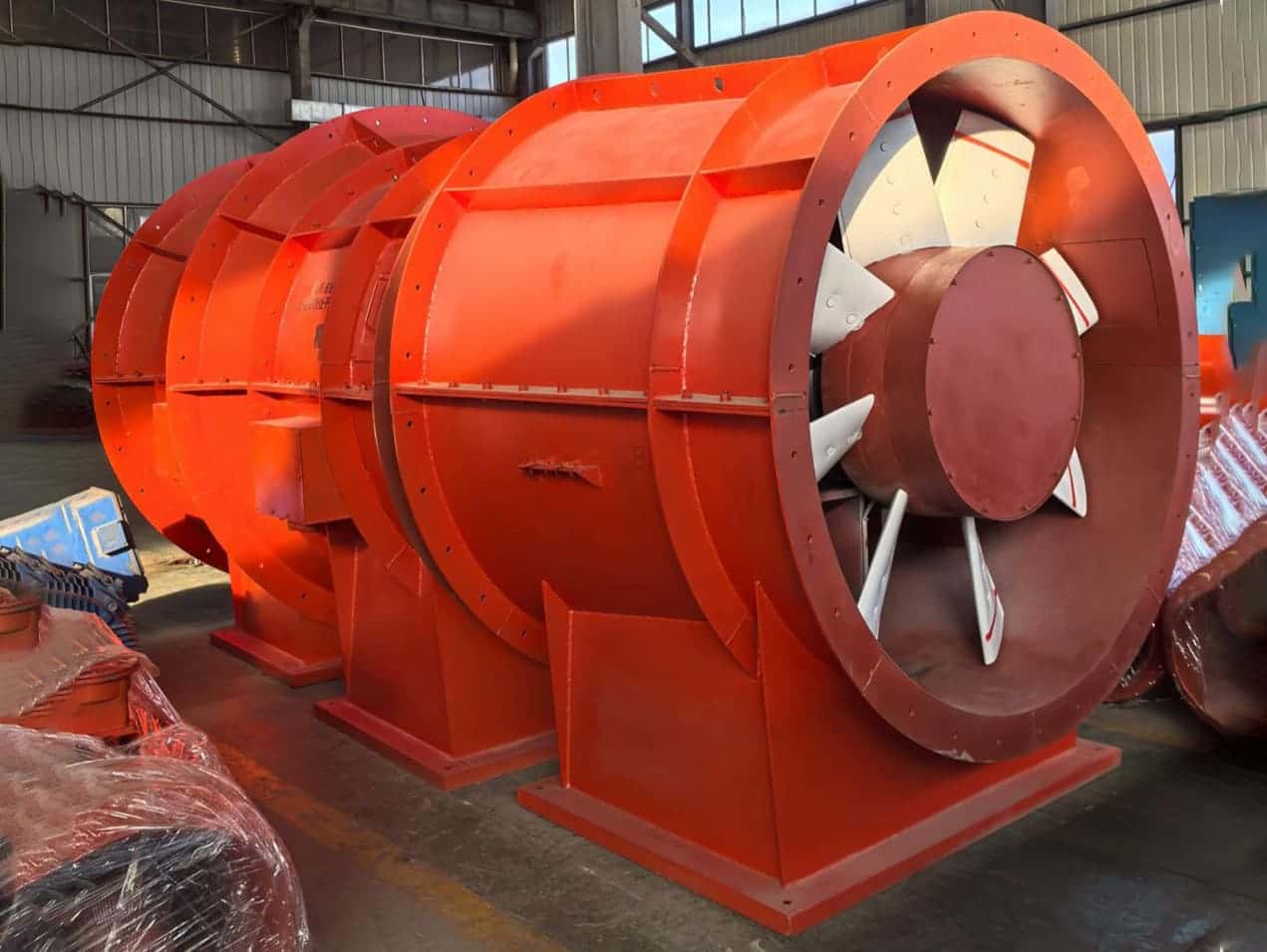
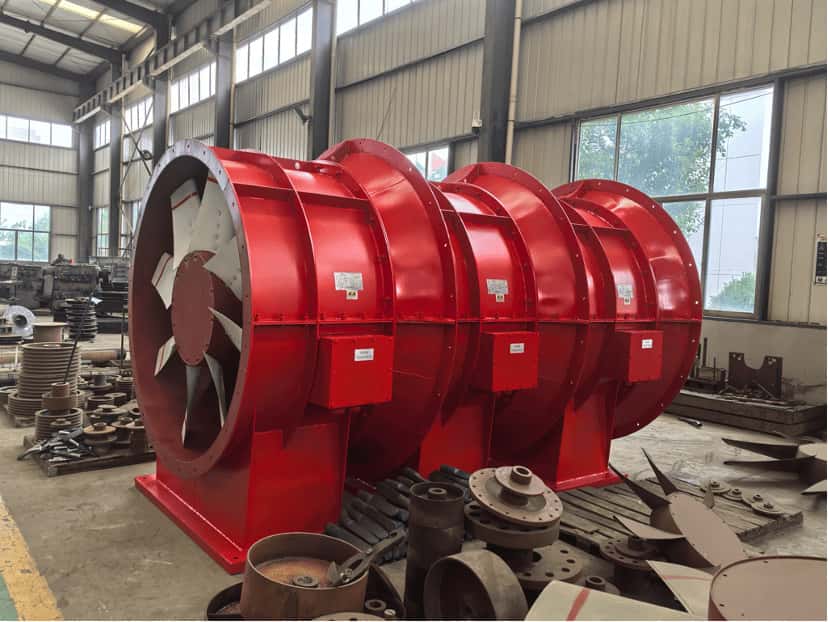
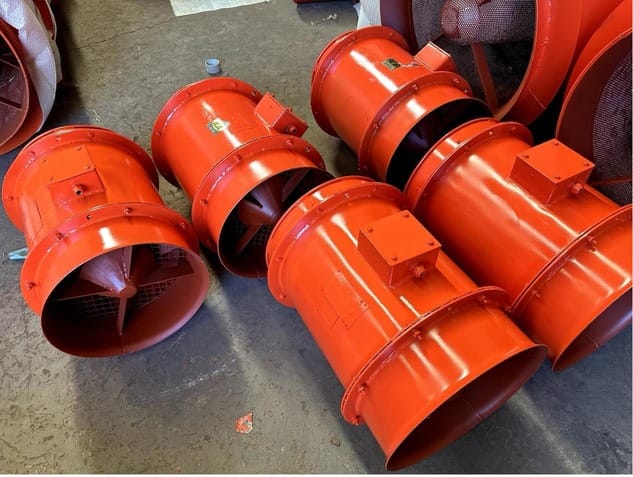
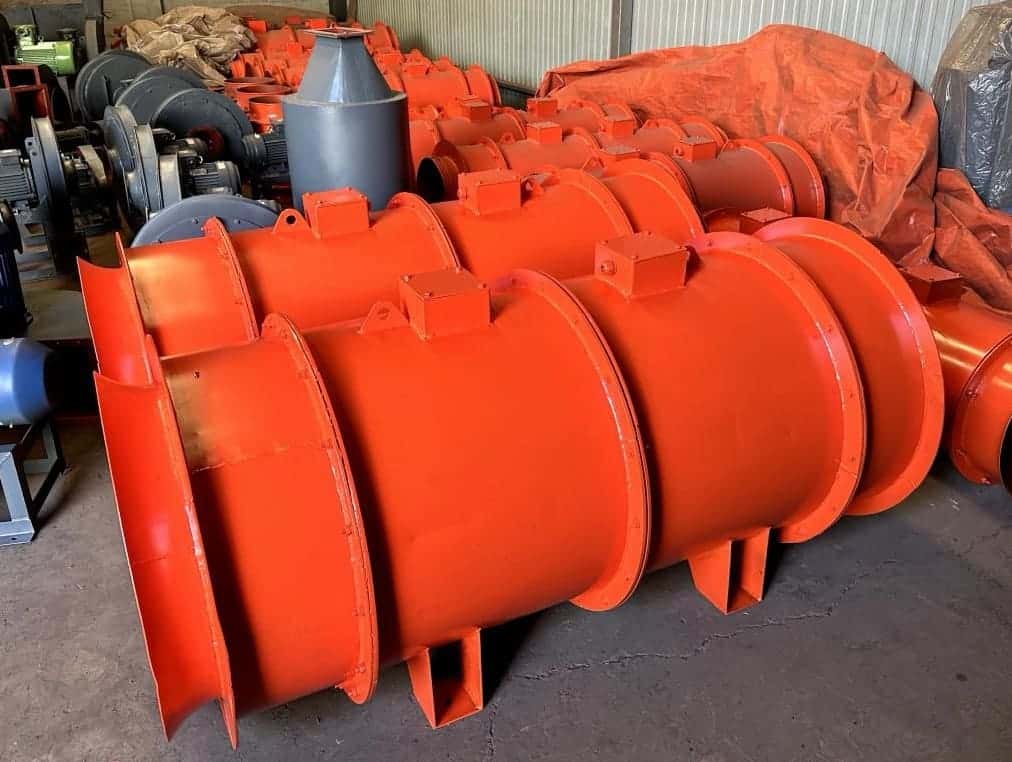
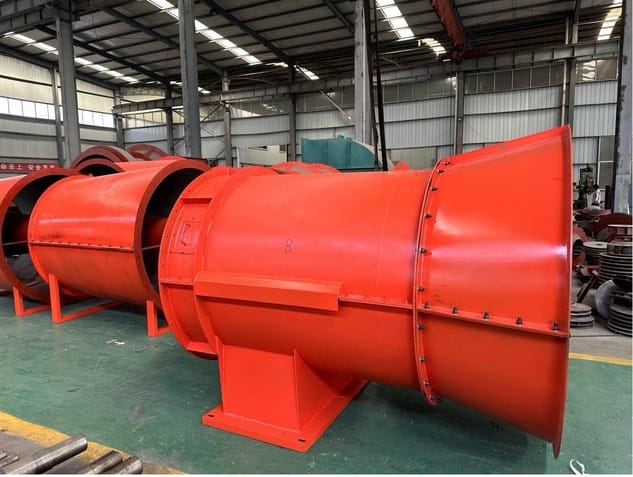
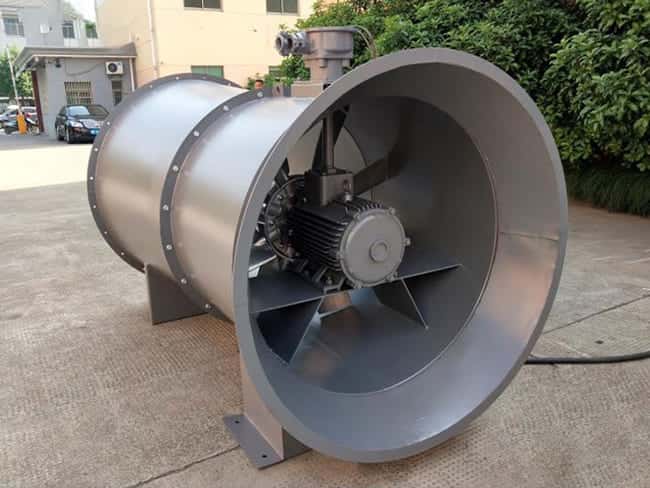
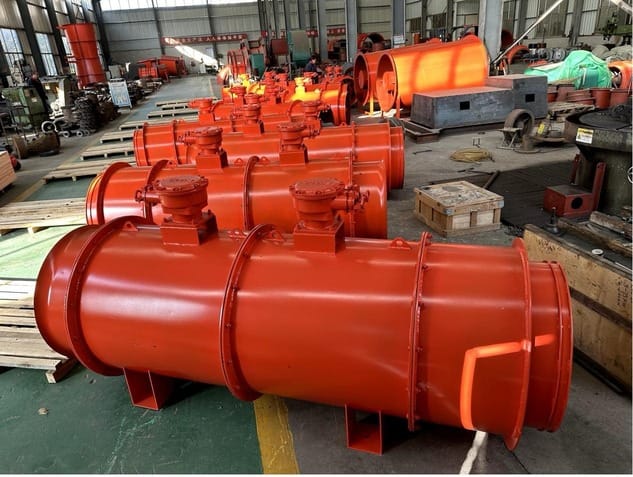
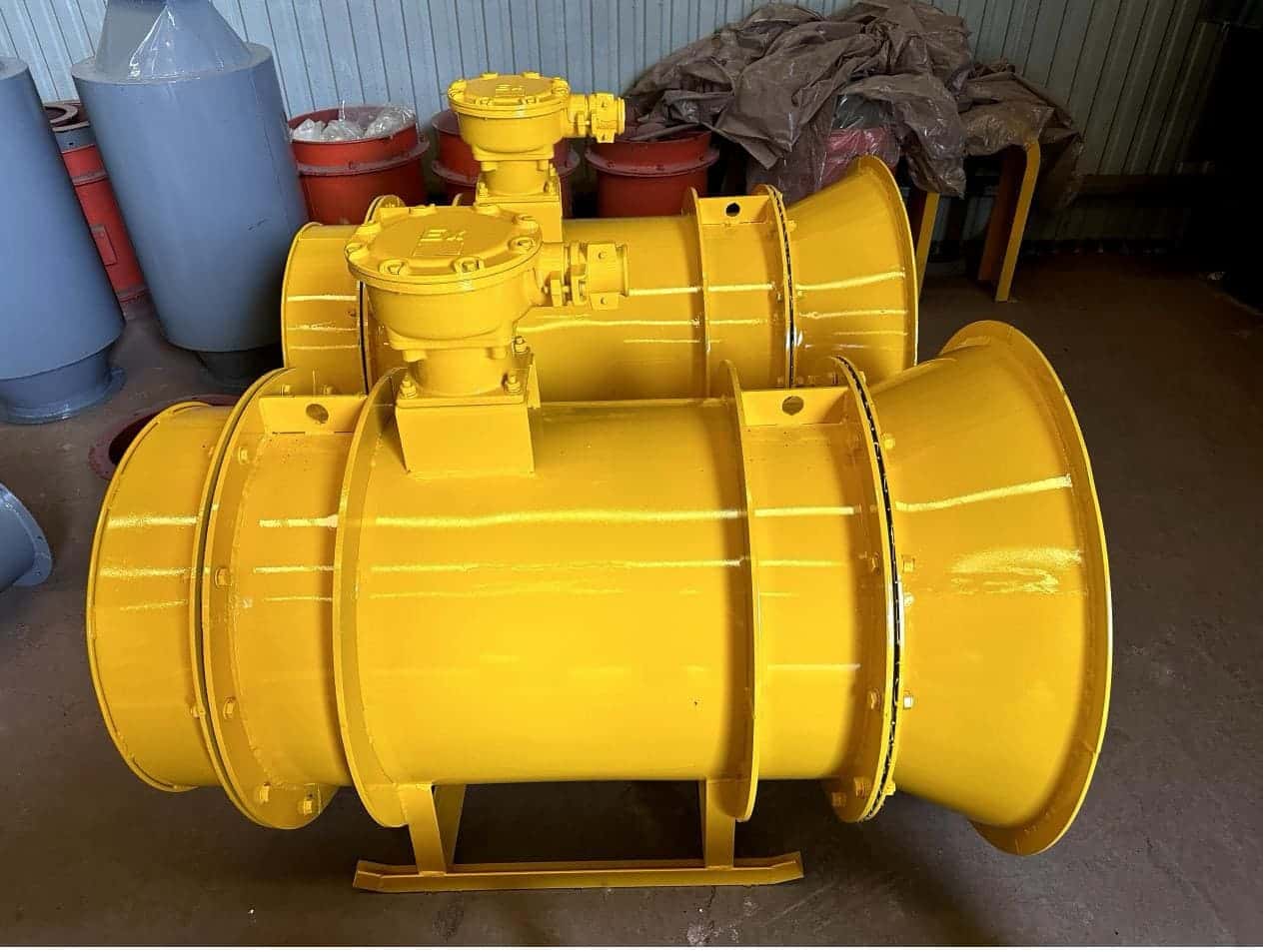
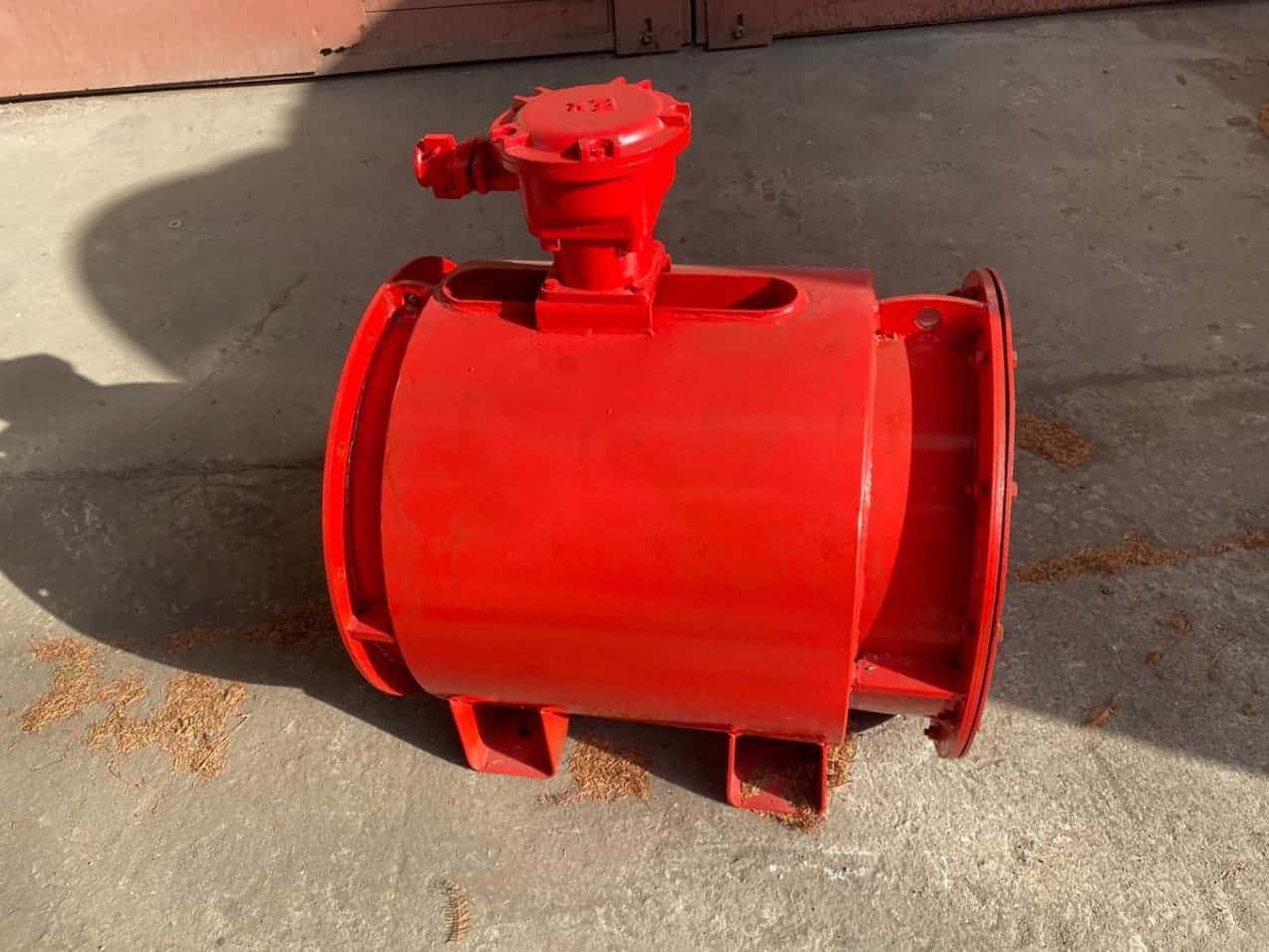
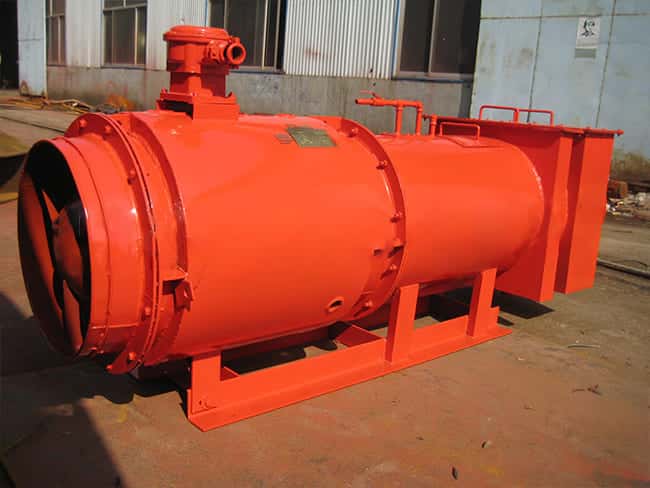
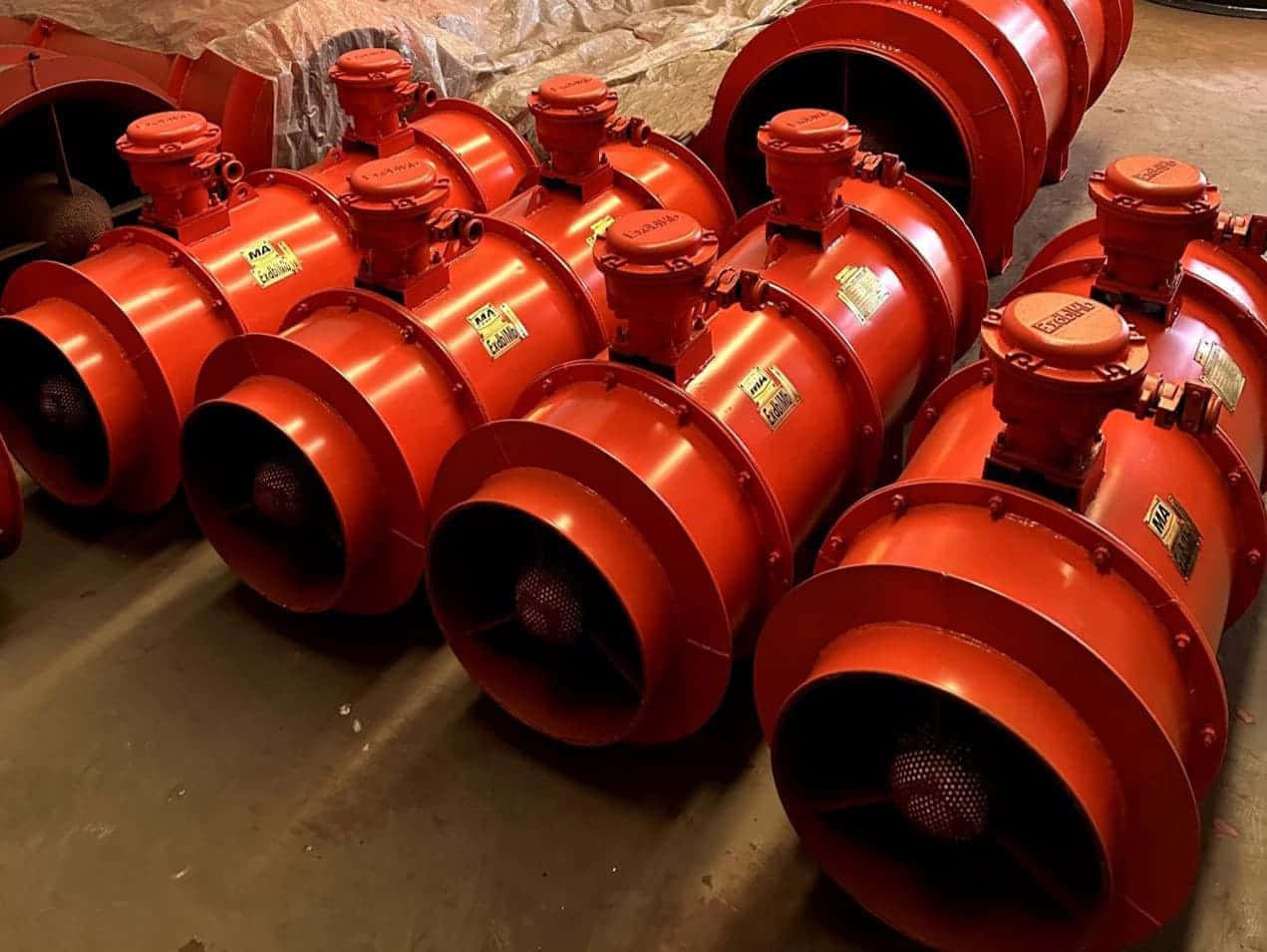
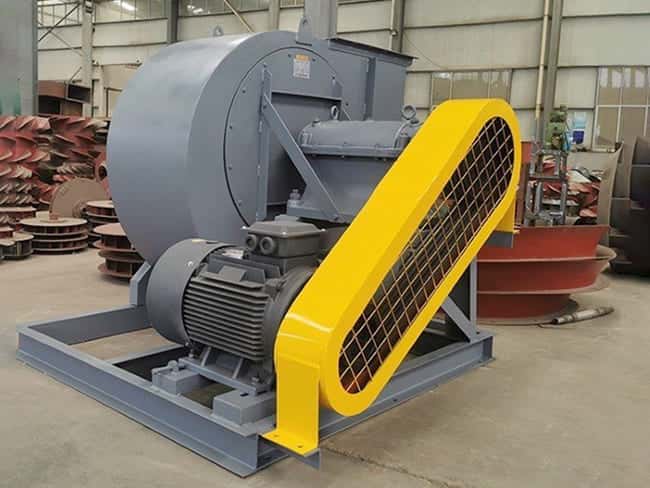
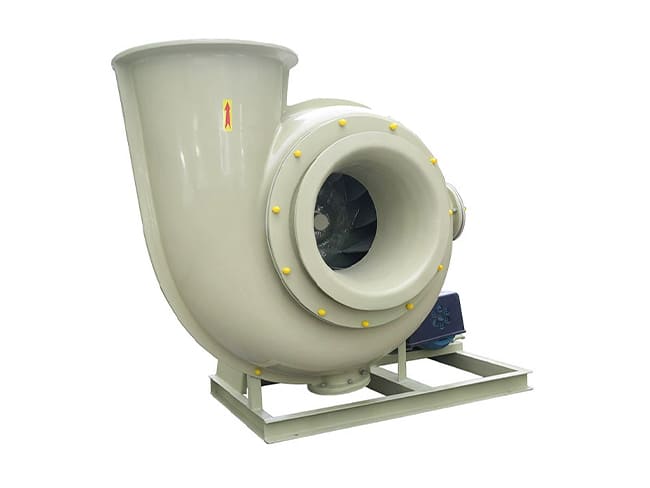
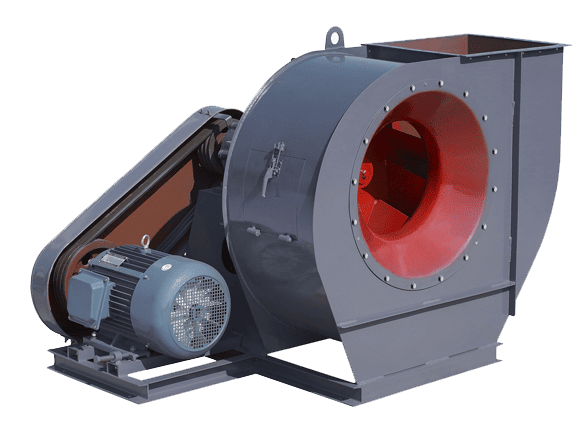
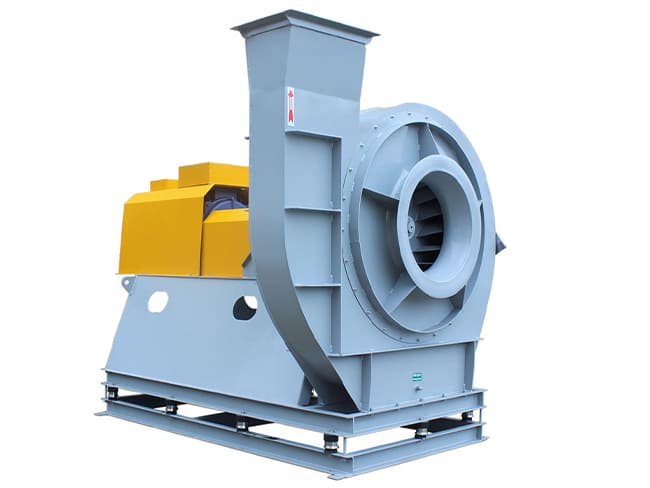
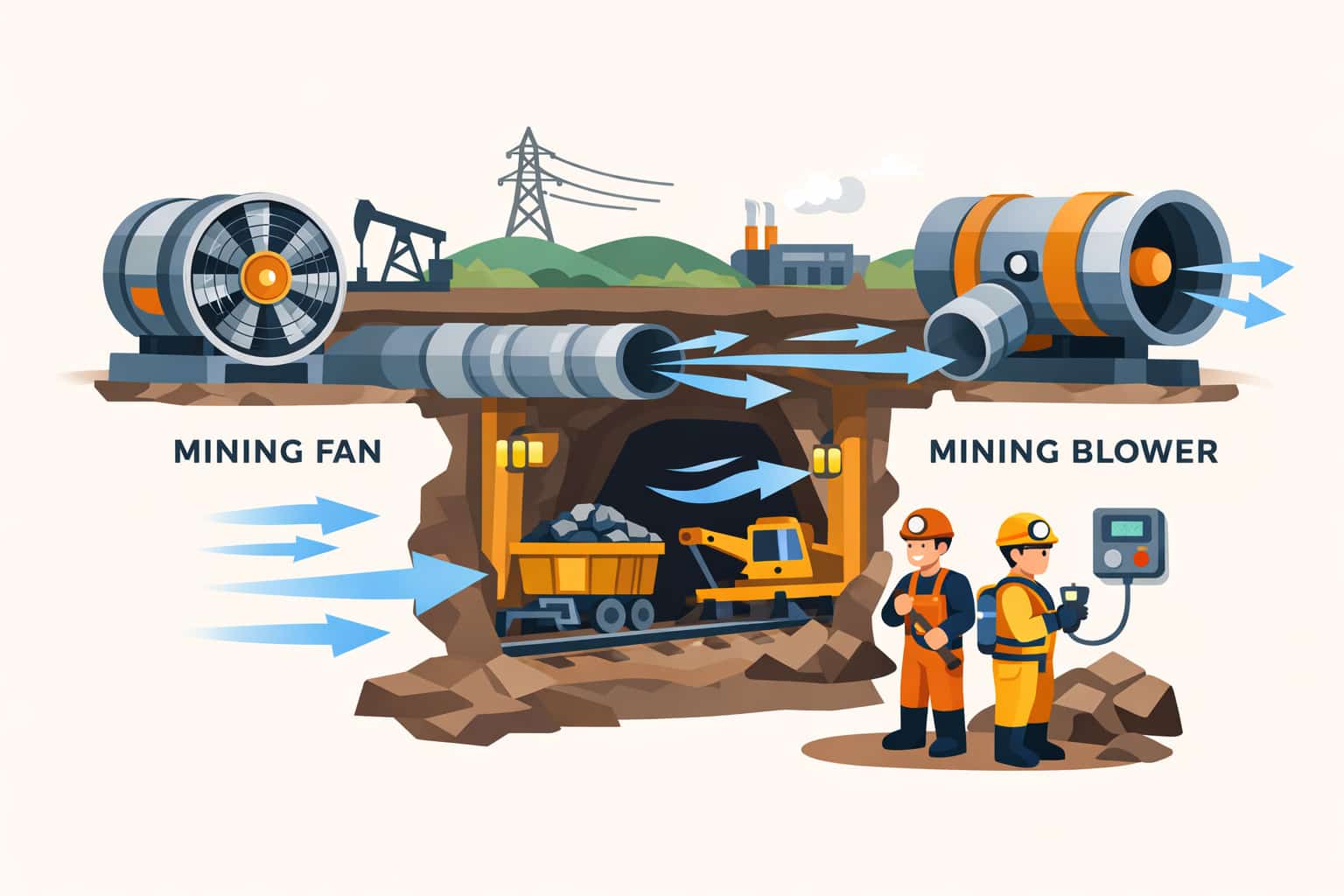
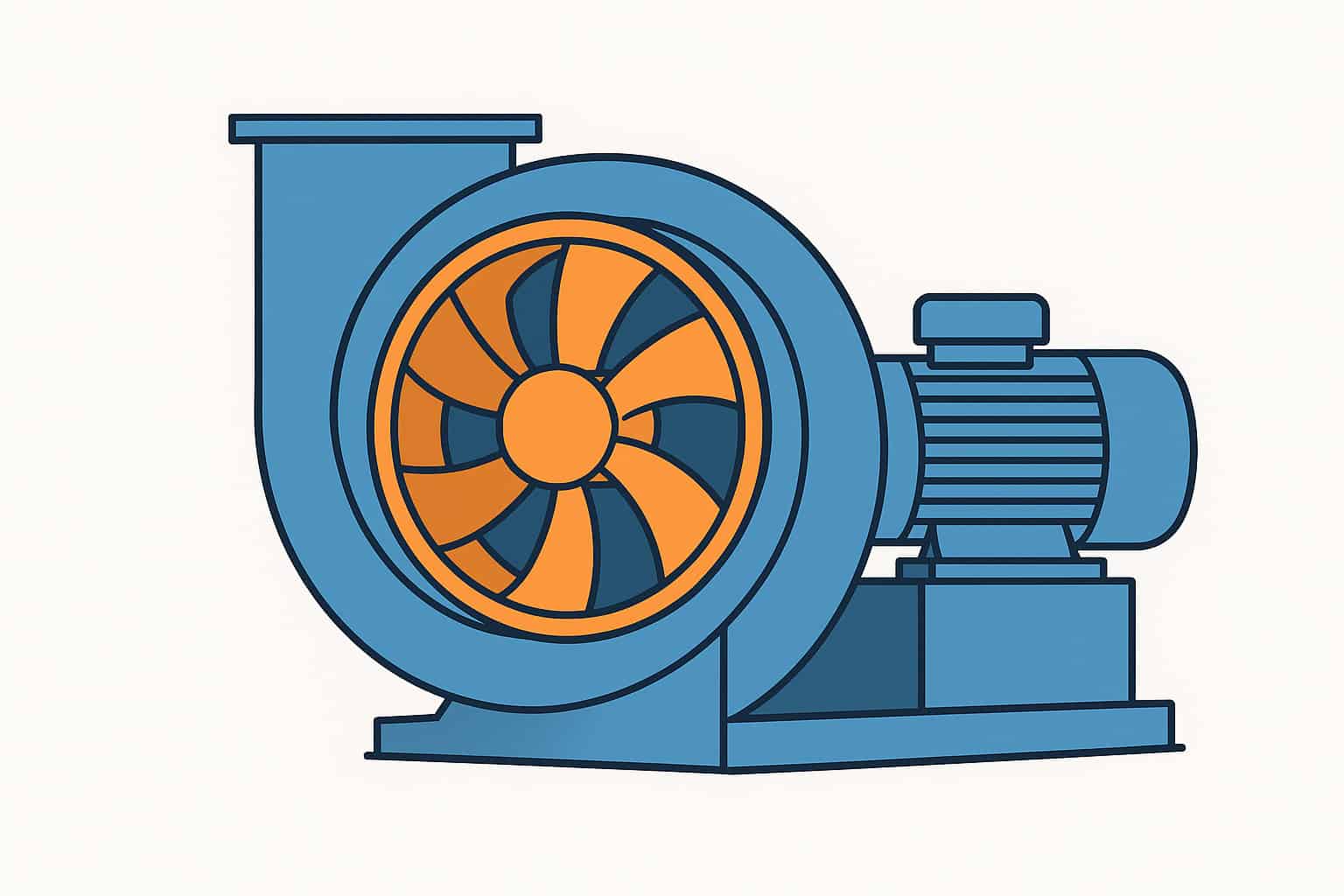
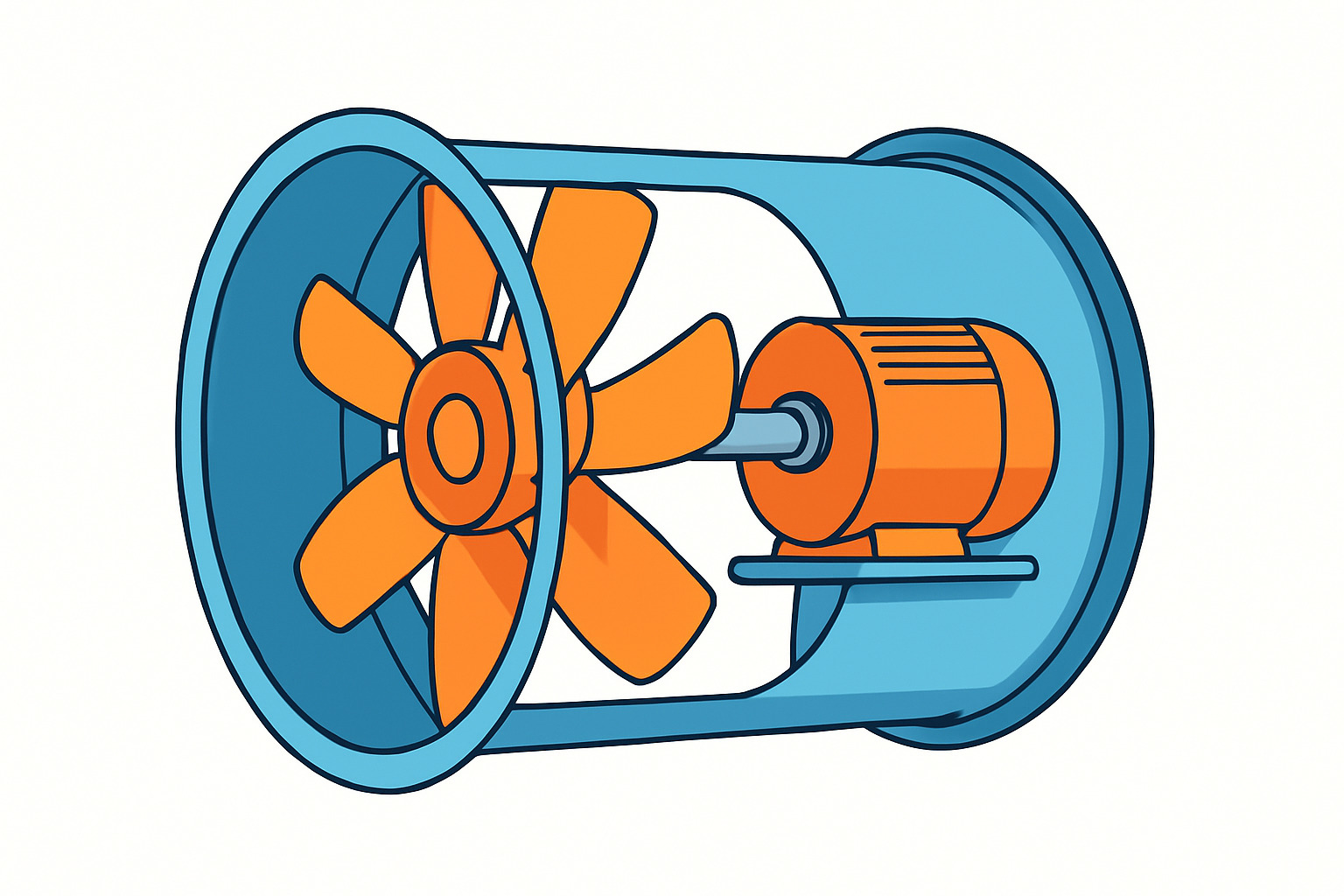
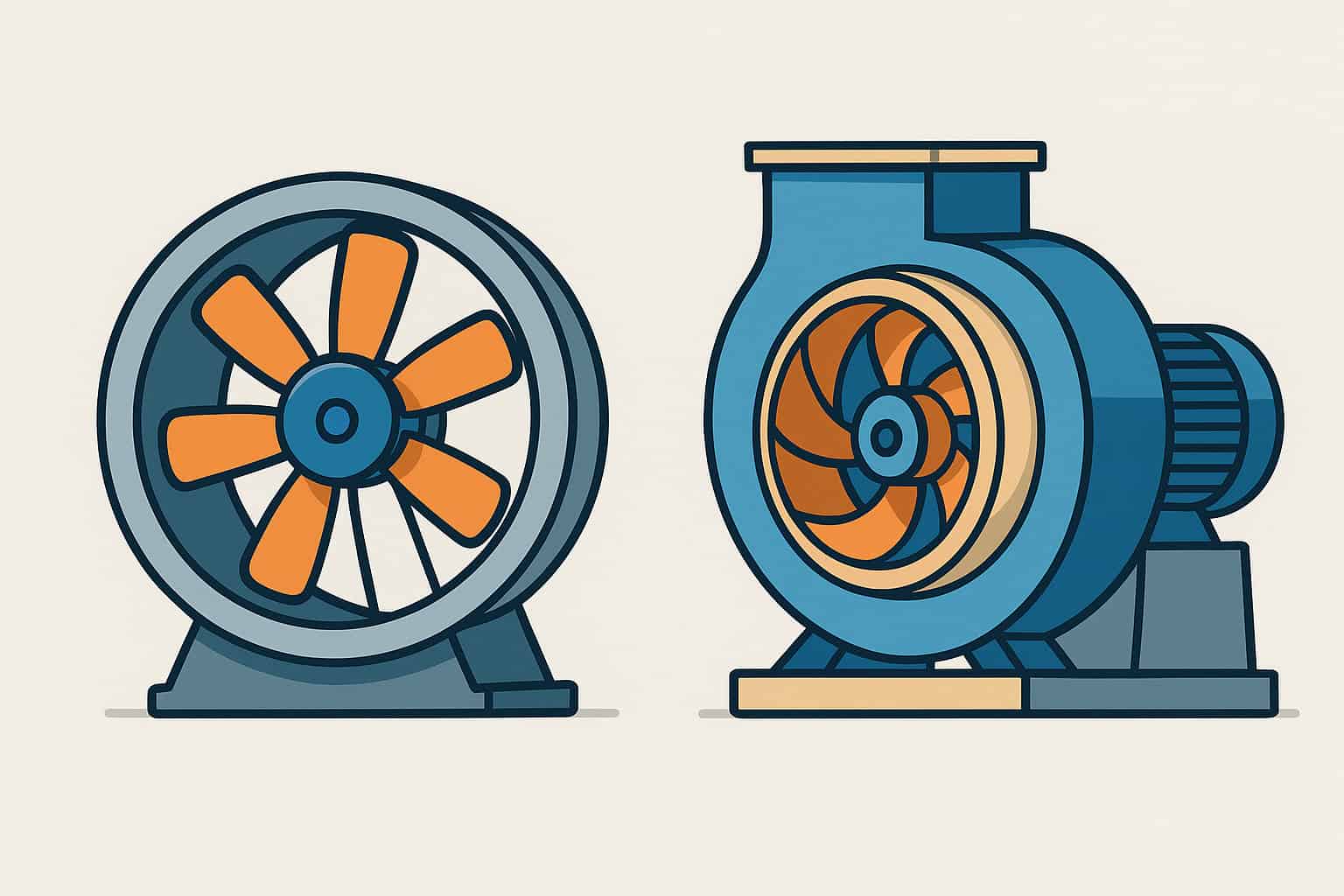
Another way to classify vents is by driving force. Natural vents rely on wind or stack effect, such as ridge vents on roofs, gravity roof ventilators and high-level louvers in hot industrial buildings. Mechanical vents are connected to fans; they include duct terminals, jet nozzles and powered wall or roof units. In mining and heavy industry, most critical ventilation is mechanical, so vents are designed to work with axial or centrifugal fans that generate predictable pressures and flows.
Vent types are also named by location and geometry. In buildings, you will encounter ridge vents, gable vents, soffit vents, roof turbines, mushroom vents, wall louvers, floor grilles and underfloor vents. In industrial plants, there are process exhaust vents, dust collector outlets, boiler and furnace flues, battery room vents and high-level heat relief vents in steel or glass factories. In underground mines, the language shifts to intake and return airways, raises, regulators, brattice openings and bulkhead doors, but these are effectively specialised vents in the overall air circuit.
Finally, there are safety and pressure relief vents such as explosion vents on dust collectors and silos, emergency relief vents on tanks and gas vents on pressure reducing systems. These are sized for peak pressure and gas flow during abnormal events and are distinct from everyday ventilation grilles, even though they are sometimes referred to simply as “vents”.
In summary, rather than trying to memorise a fixed number of vent types, it is more practical to understand the main groups: intake and exhaust, natural and mechanical, general building vents and specialised industrial or mining vents, plus safety-related pressure relief vents. Selecting the right type for a project depends on airflow, pressure, environment and safety requirements.
