
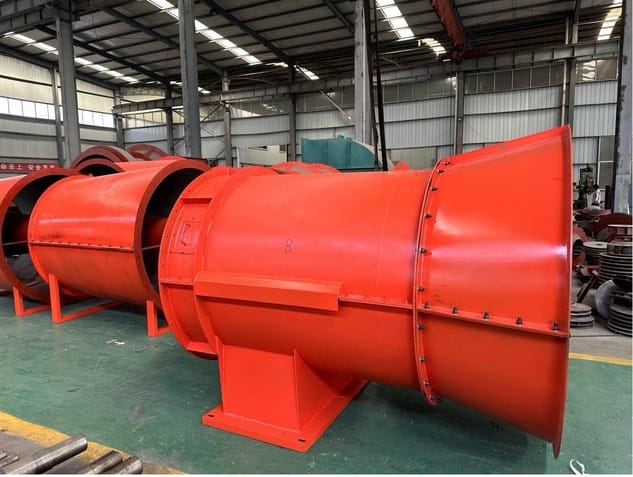
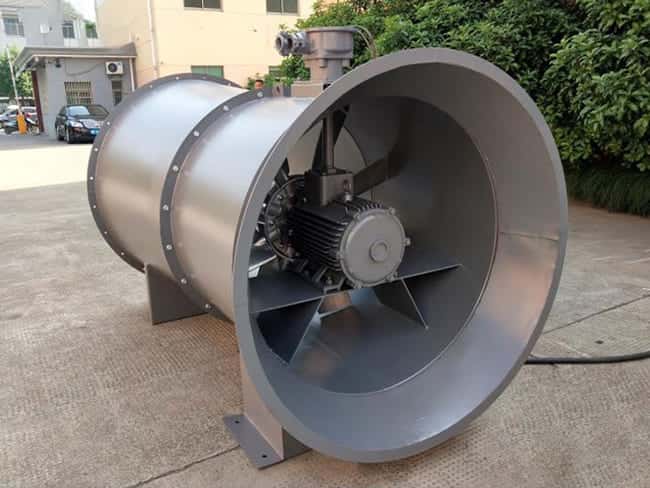
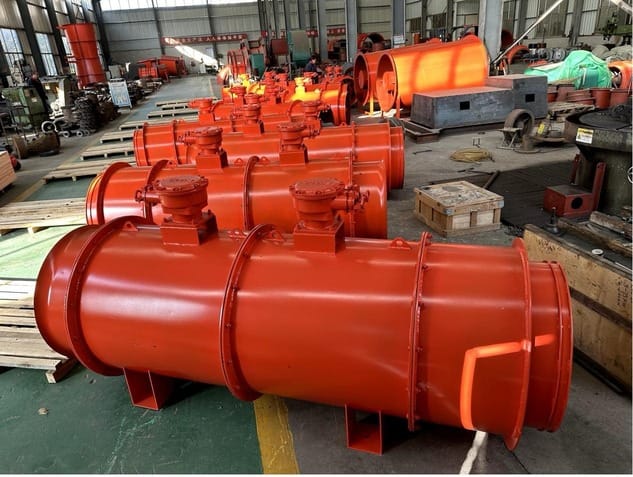
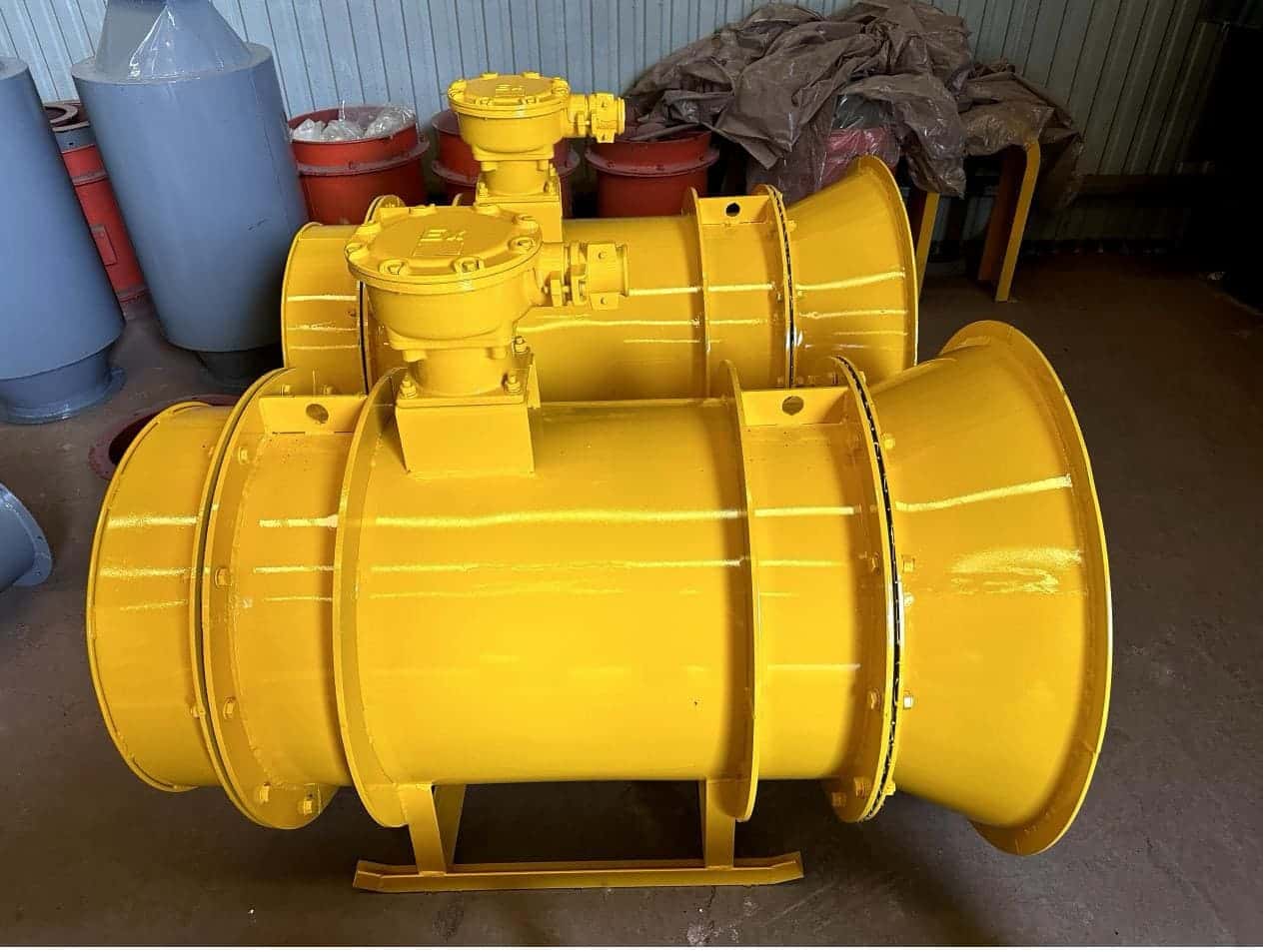
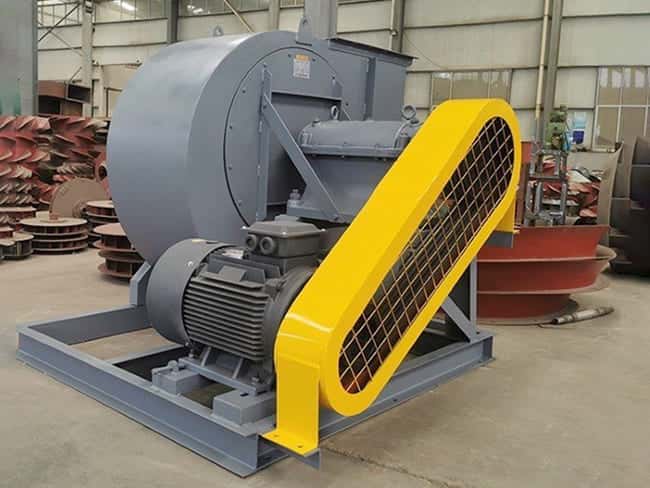
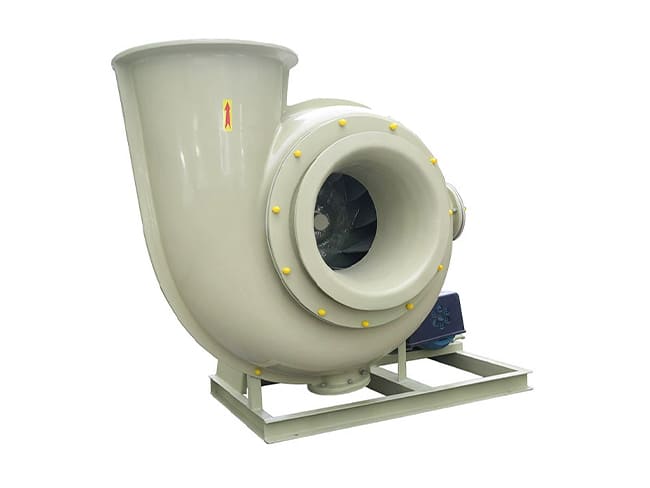
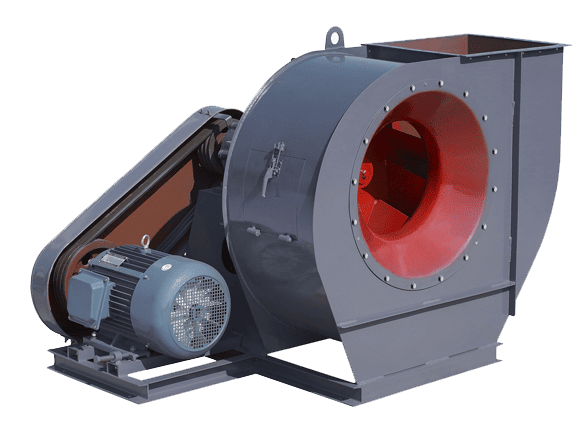
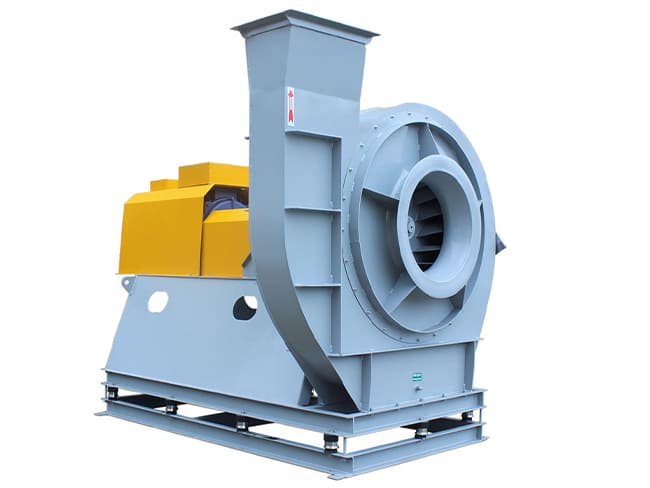
When people ask how many years a fan lasts, they are really asking about the expected service life of a ventilation asset that runs many hours every day. For small domestic fans, life might be a few years, but in industrial and mining ventilation the expectations are much higher. With proper selection, installation and maintenance, a high-quality industrial or mining fan can often operate reliably for 10–20 years or more.
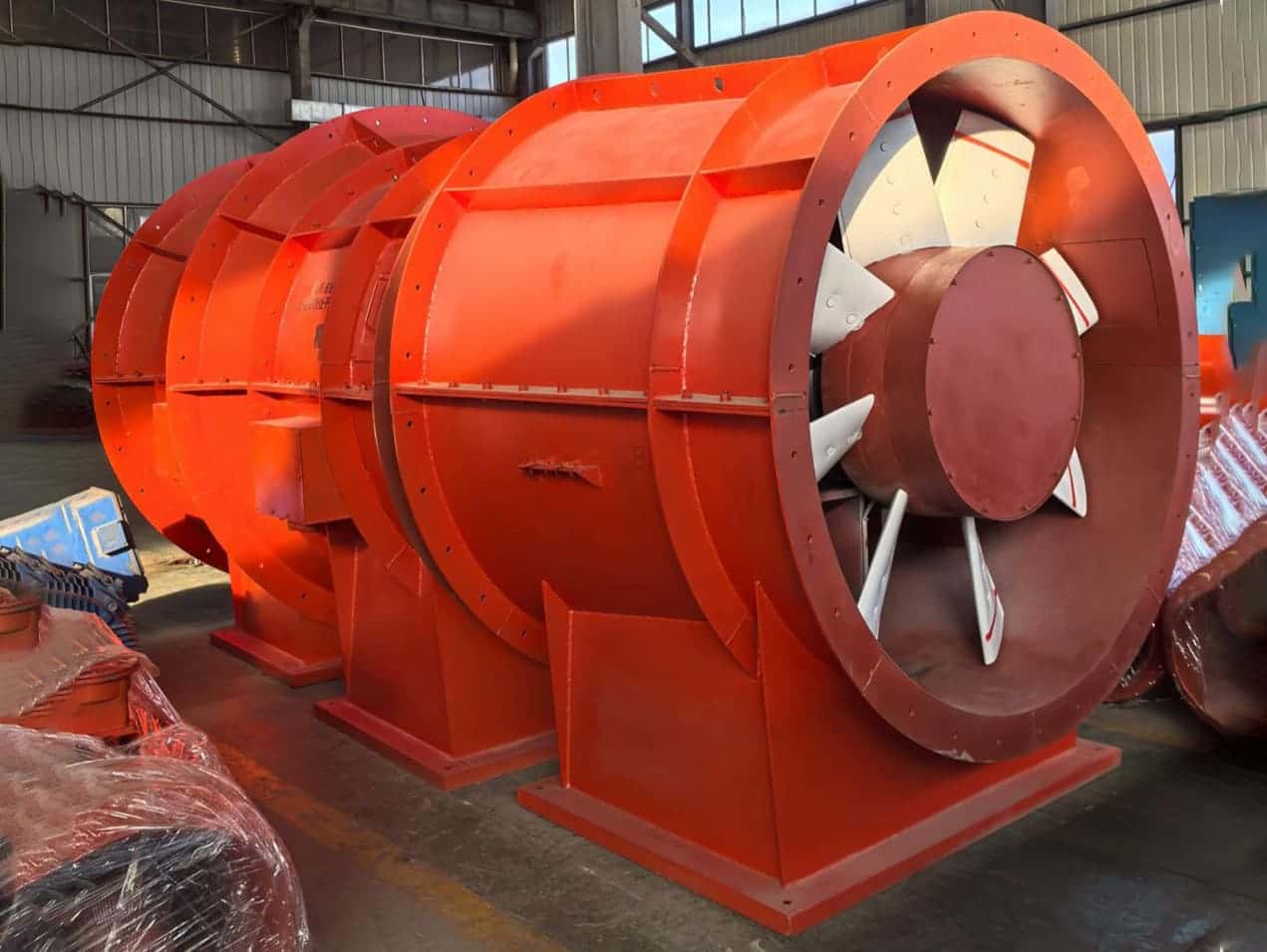
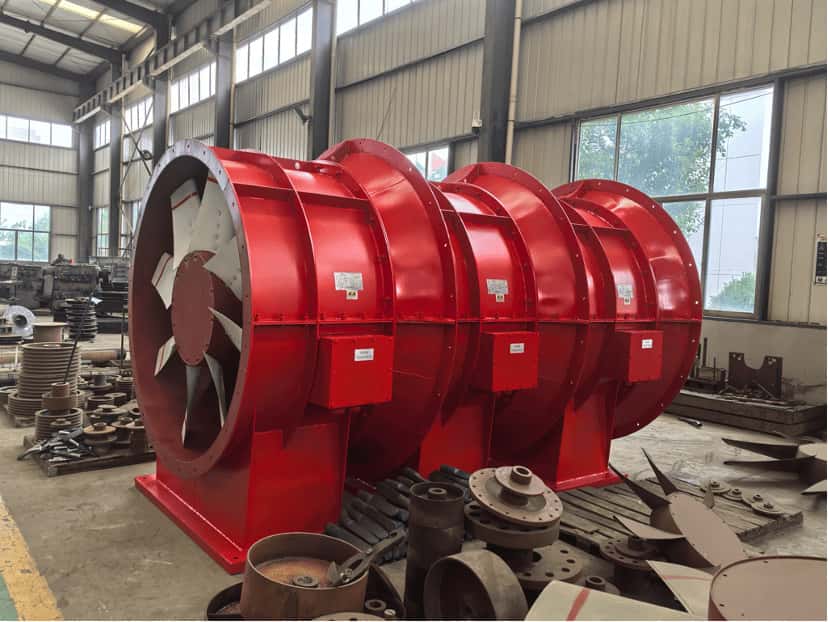
Several factors determine the real lifespan. The first is fan quality and design. Fans built with robust casings, well-dimensioned impellers, high-grade steel, and correctly sized shafts and bearings are more likely to achieve long service life. Cheap, lightly built fans may work at first but can fatigue or deform when exposed to continuous duty, pressure pulsations or high temperatures. When a fan is selected for main mine ventilation or critical process exhaust, a heavy-duty design is usually preferred specifically to maximise life.
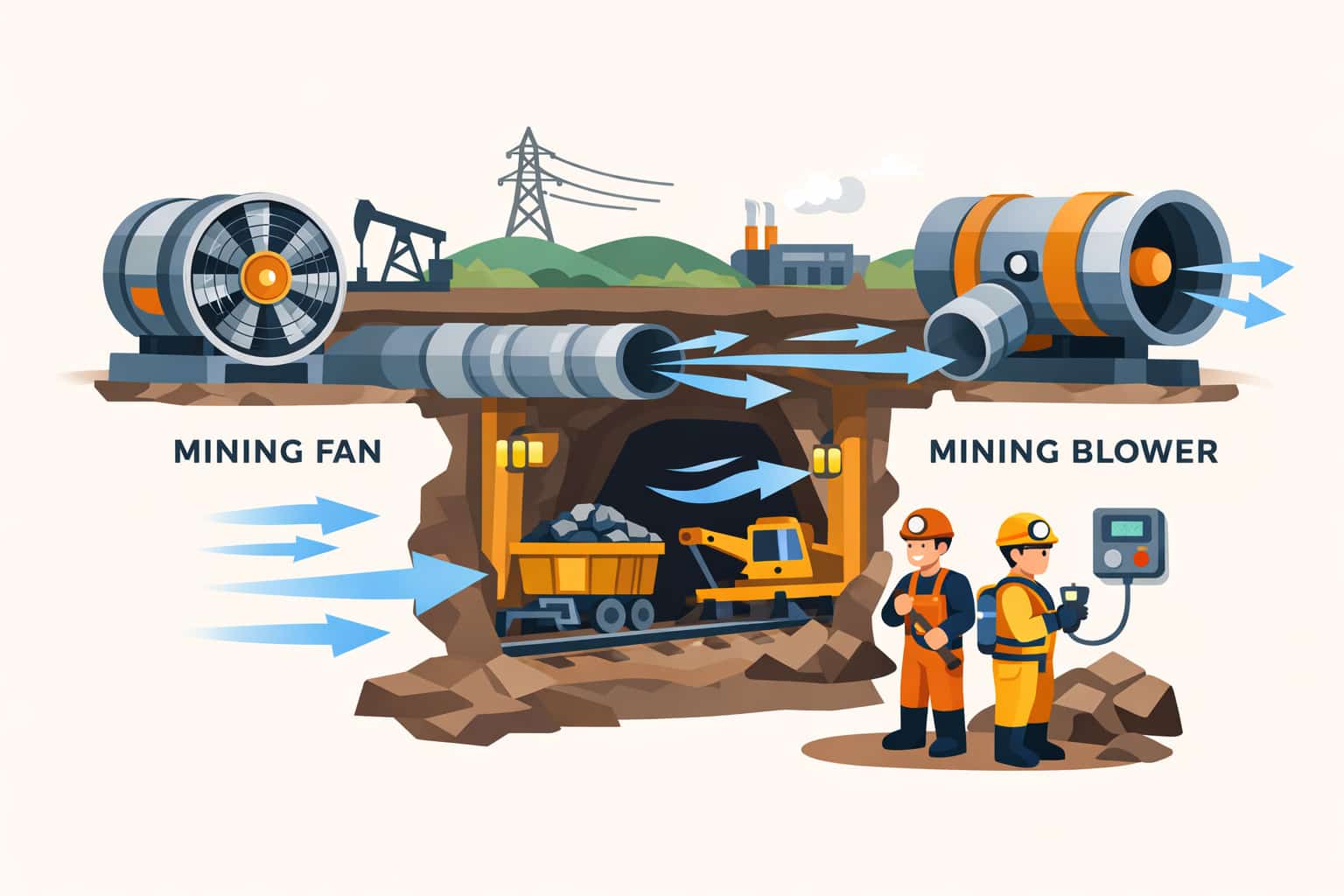
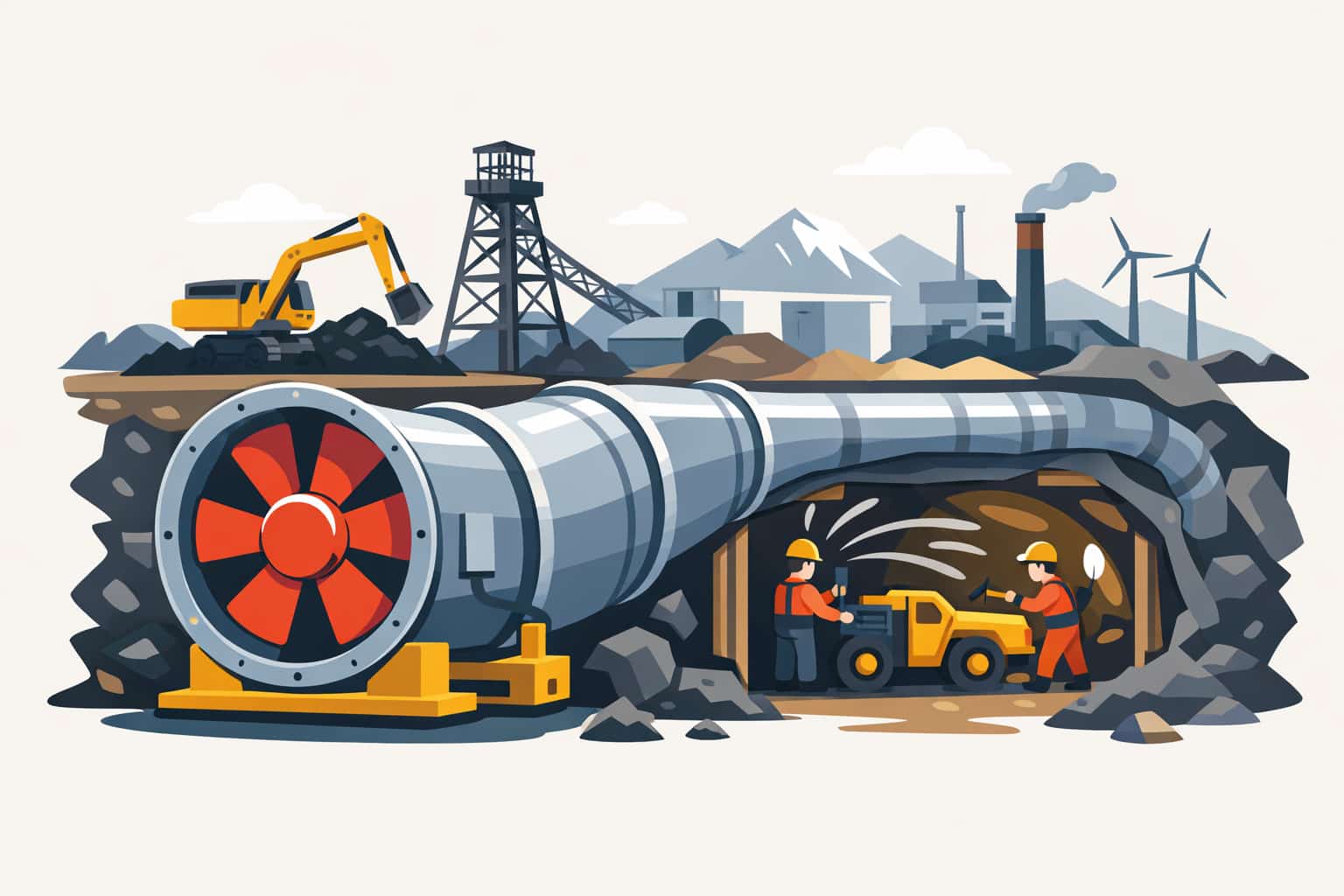
The second factor is the operating environment. Fans working in clean, moderate-temperature air will generally last longer than fans exposed to dust, moisture, corrosive fumes or abrasive particles. Underground mining presents particular challenges: humid, dusty air and possible chemical contaminants accelerate corrosion and erosion of impeller blades and casings. Choosing appropriate materials, coatings and protection systems is essential if you want a fan to last many years in harsh conditions.
Third, the actual duty and loading strongly affect lifespan. Fans that run continuously at or near their design point, without frequent on–off cycling and without overload, typically last longer than fans that are oversized, undersized or frequently operated outside their best efficiency region. Overspeed, operation in stall, high vibration and excessive temperatures all stress the fan mechanically and thermally. Good system design, correct fan curves and proper speed control help avoid these damaging conditions.
Maintenance practices are equally important. Regular inspection, cleaning and balancing of the impeller, correct lubrication of bearings, alignment checks and vibration monitoring all contribute to long life. Many large industrial and mining fans are included in predictive maintenance programs where vibration and temperature trends are monitored. Early detection of bearing wear, unbalance or misalignment allows corrective action before a failure occurs, extending the usable life of the fan.
In practice, some main mine fans and large process fans run for several decades with periodic overhauls and component replacement. Others fail after only a few years because they were poorly selected, badly installed or inadequately maintained. There is no single guaranteed number of years, but for a correctly engineered ventilation system you can reasonably expect 10–20 years of service life from the main fans, with smaller auxiliary and process fans often lasting many years as well when cared for properly.
In summary, a fan’s lifespan in mining and industrial applications is determined by design quality, environment, duty and maintenance. With the right approach, fans are long-term assets rather than short-lived consumables.