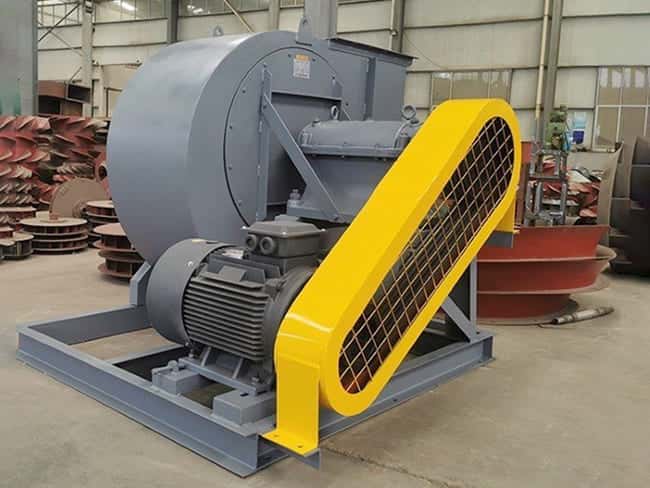
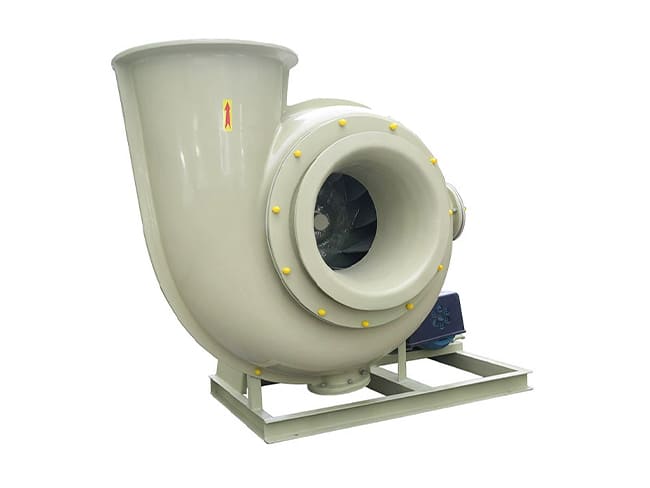
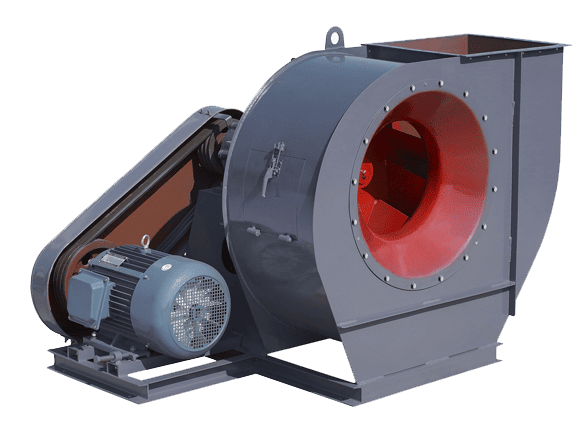
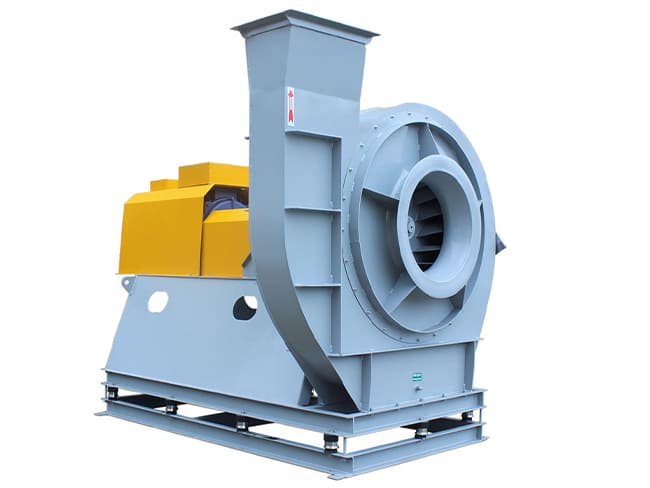
The short answer to “How much does a ventilation fan cost?” is that it depends strongly on the size, duty and environment. A small light-duty unit for a workshop may cost only a modest amount, while a heavy-duty explosion-proof main fan for an underground mine or large industrial plant can represent a major investment. Instead of looking for one fixed price, it is better to understand the key cost drivers for ventilation fans and systems.
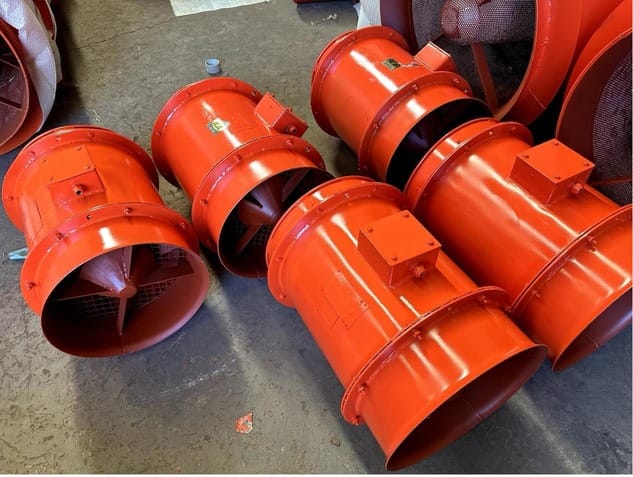
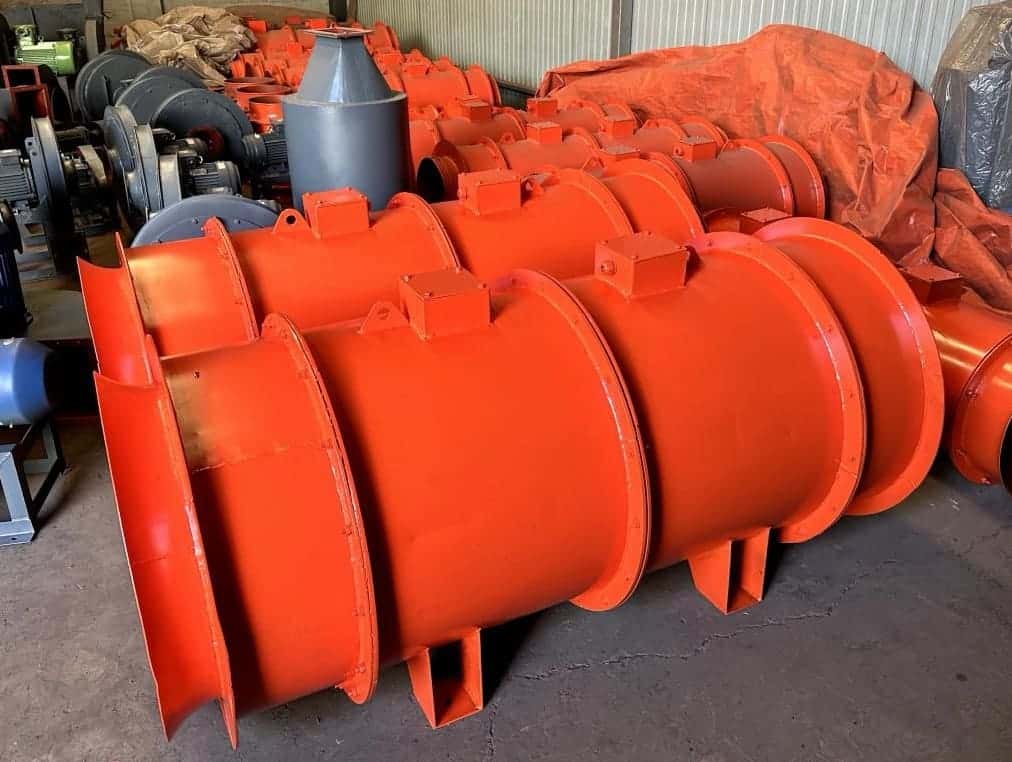
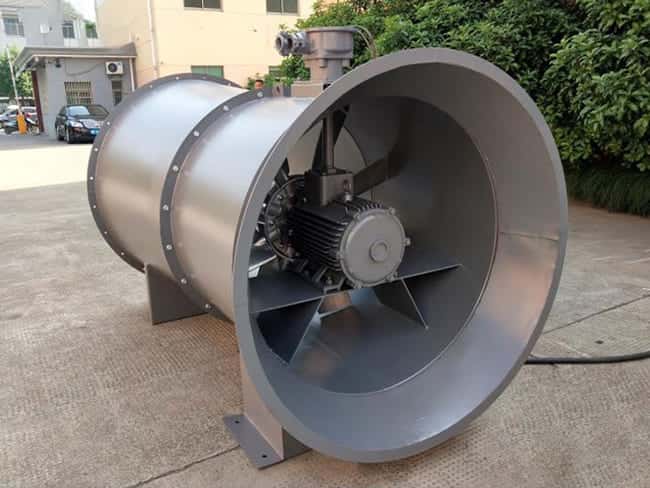
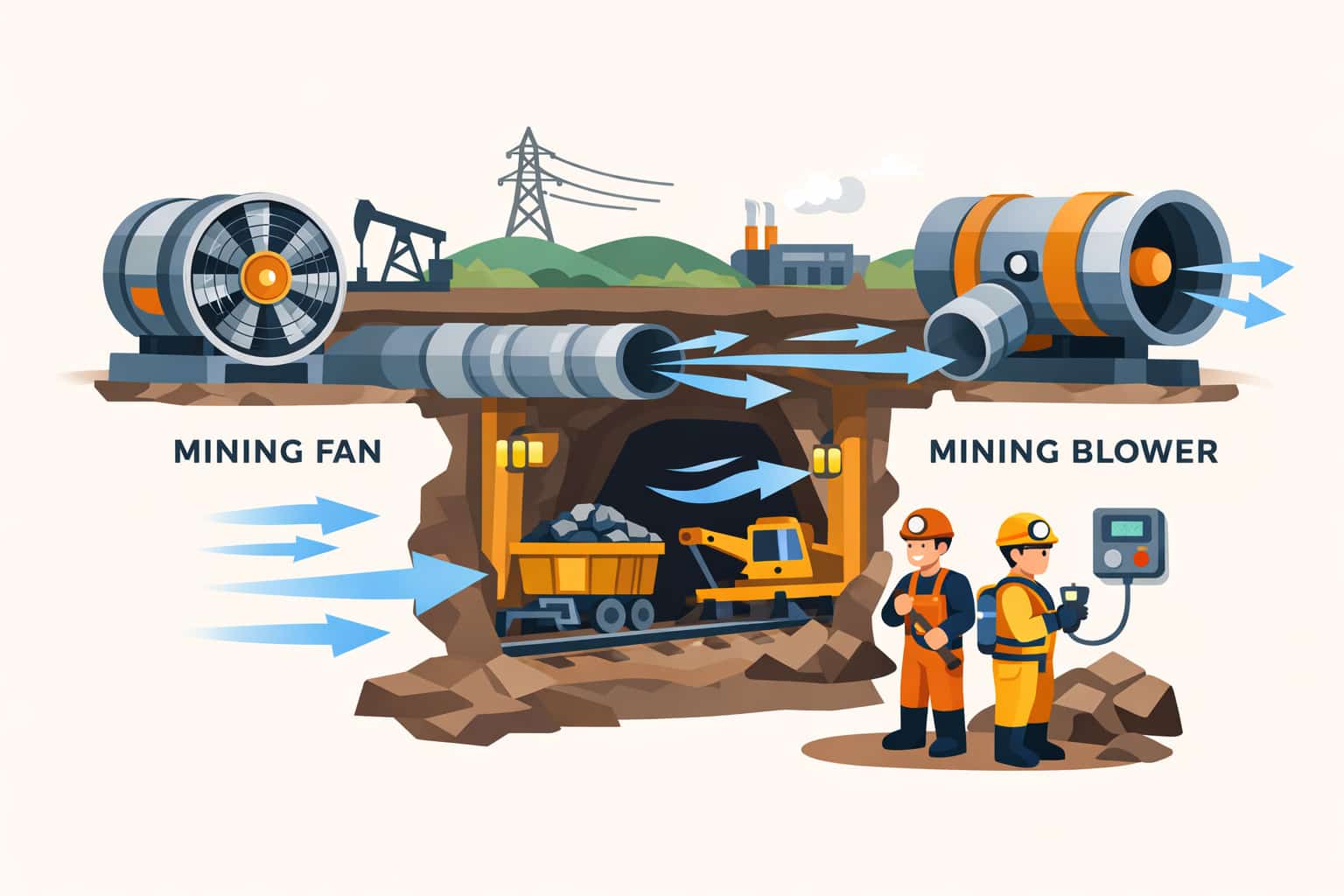
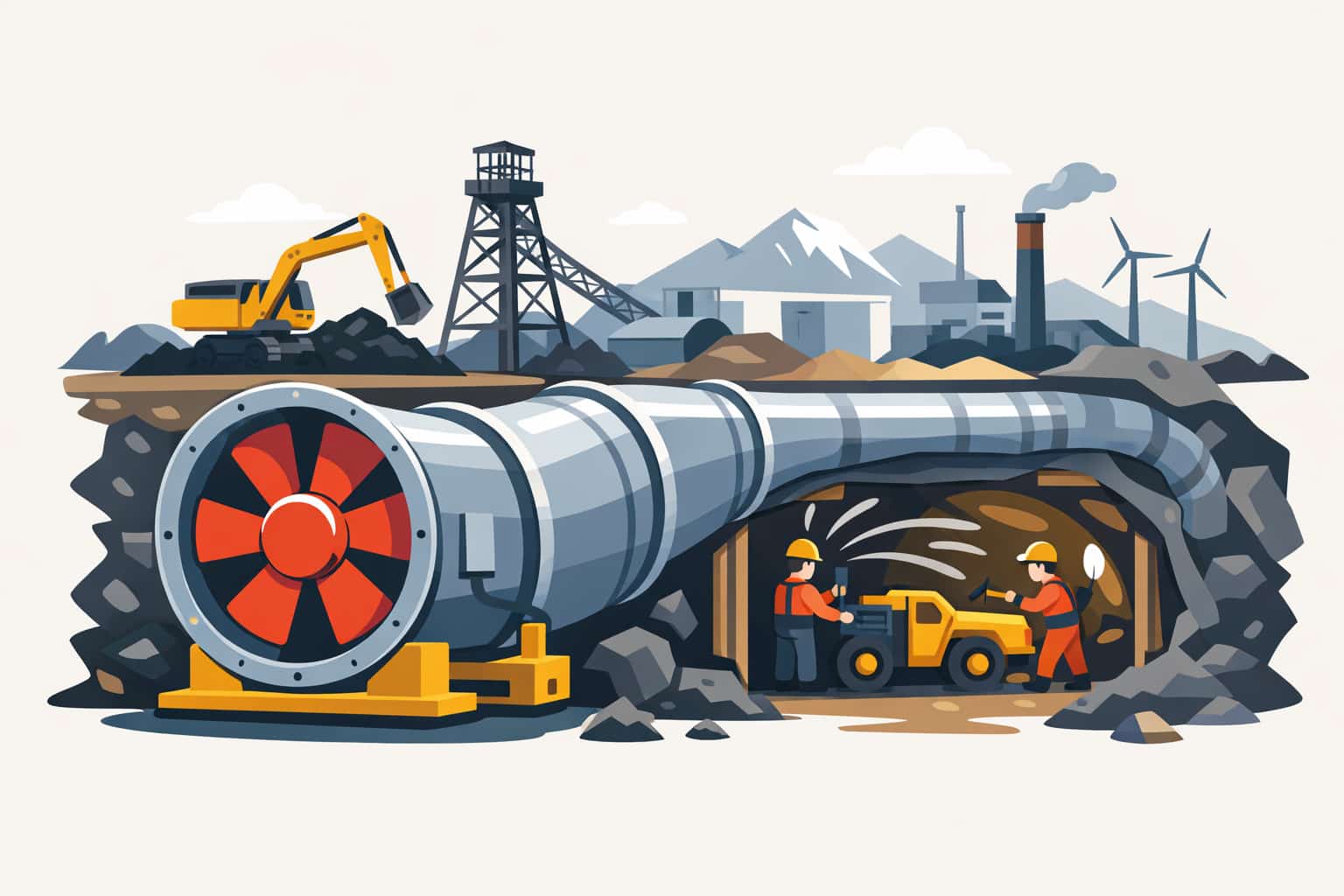
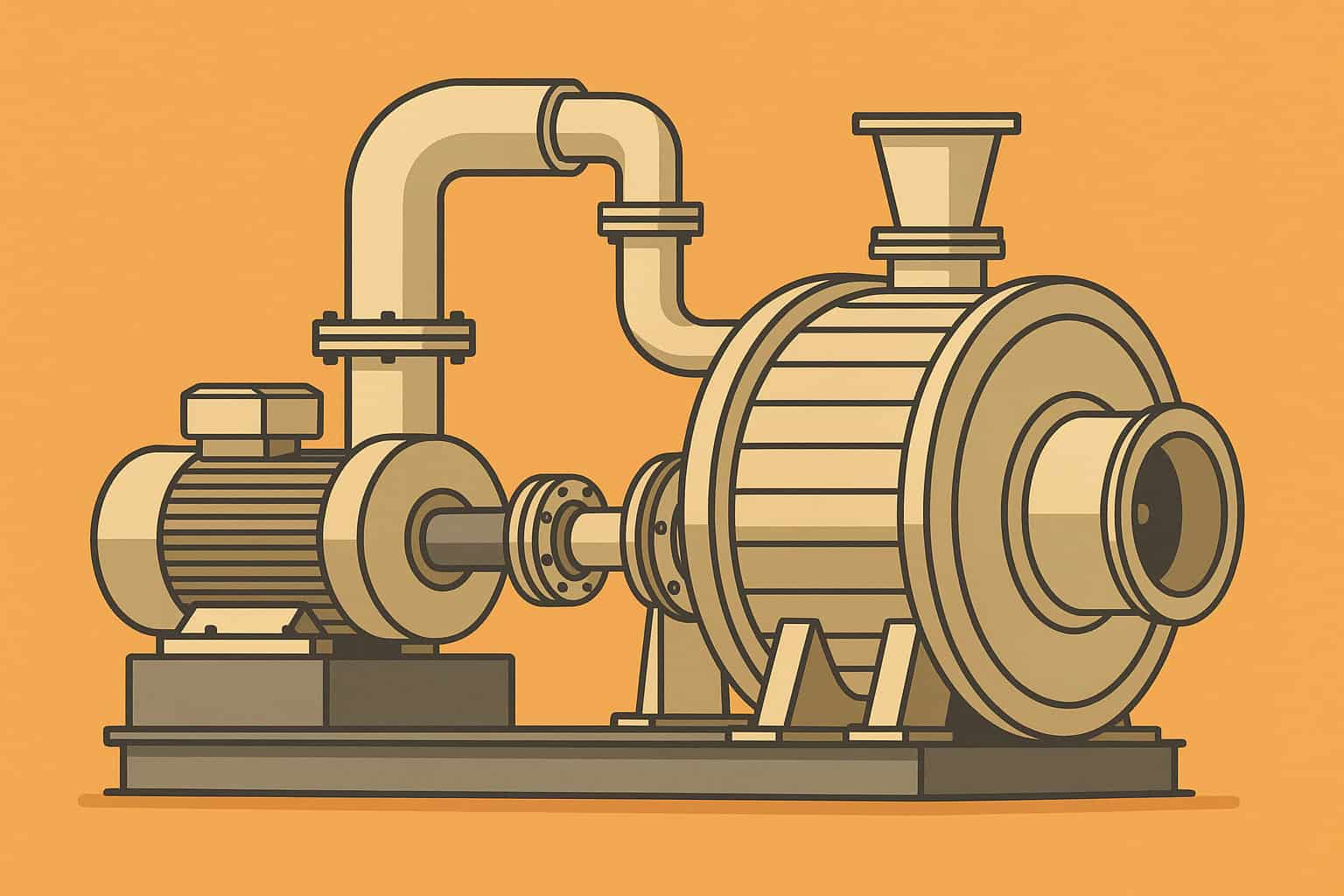
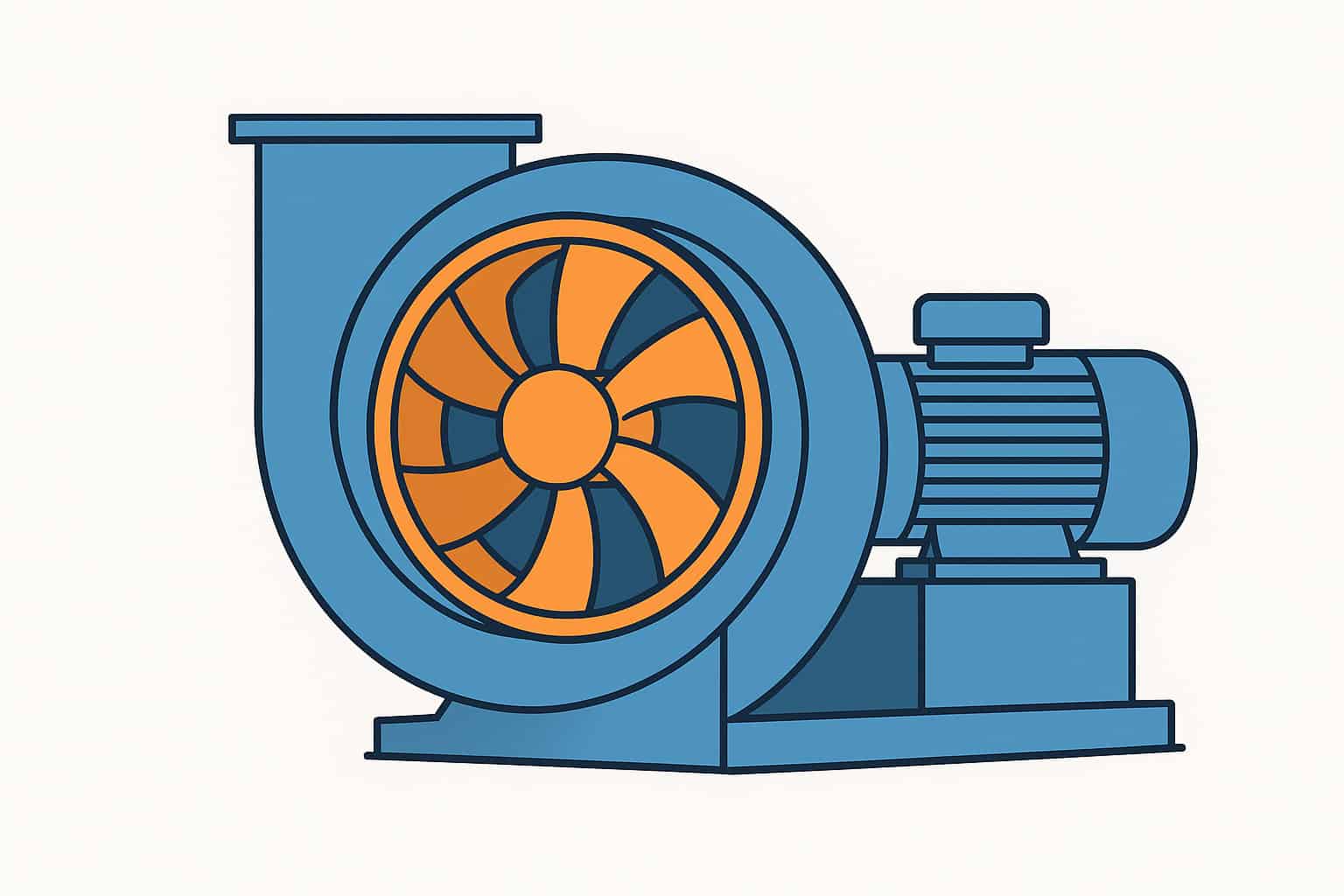
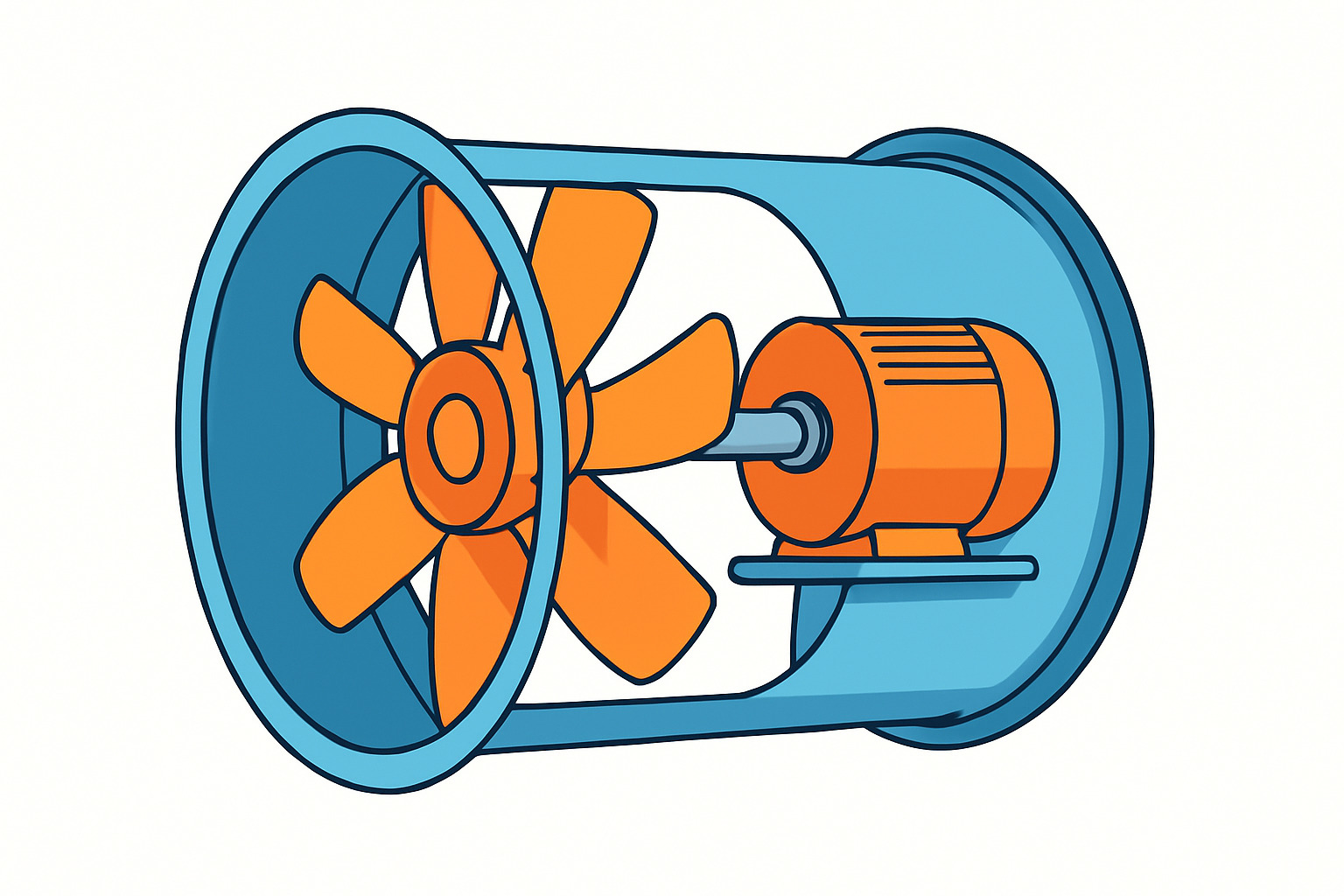
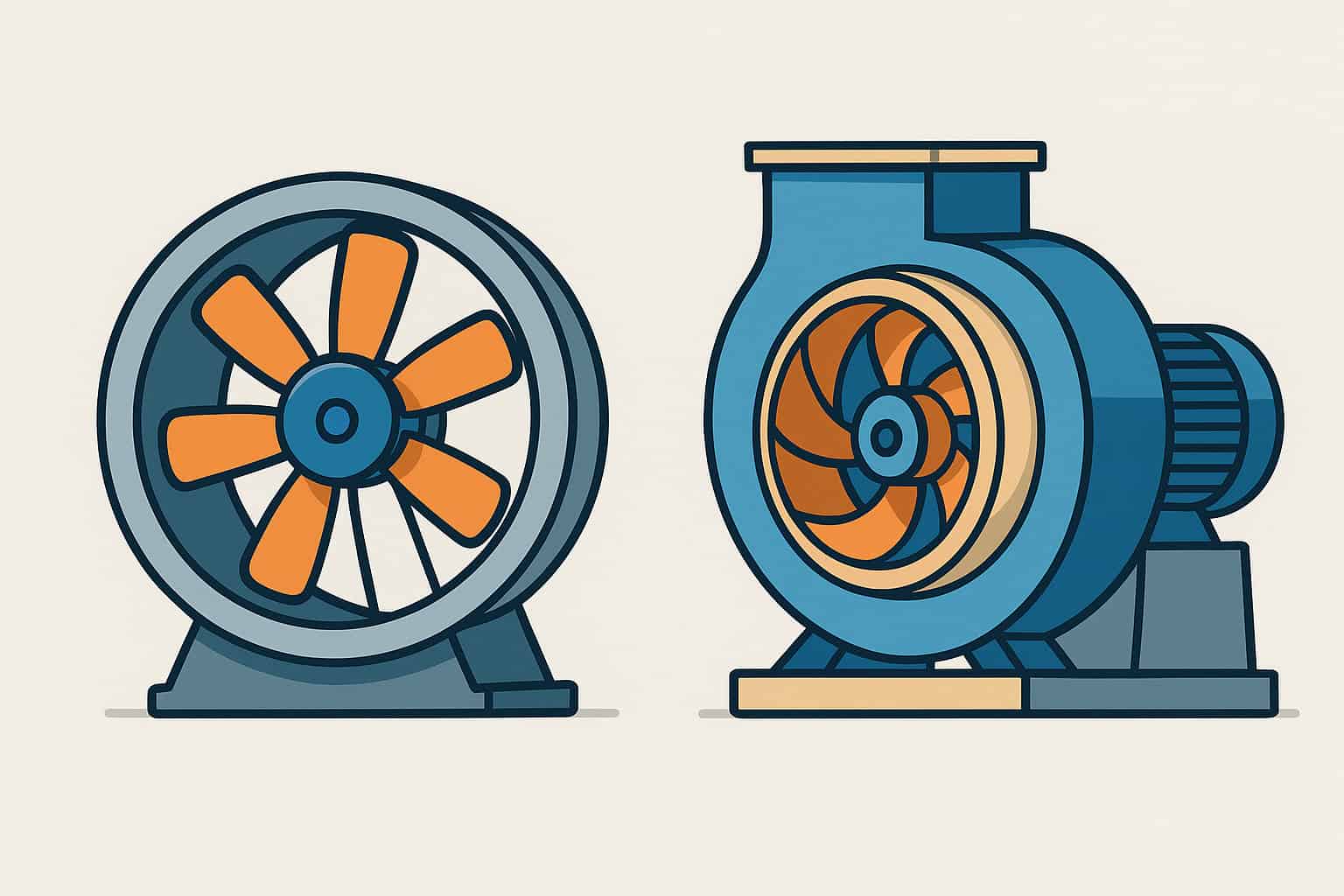
The first factor is airflow and pressure. Fans are selected to deliver a certain volume of air at a defined pressure against system resistance. Higher airflow and higher static pressure require a larger impeller, a more powerful motor and stronger construction. A compact wall-mounted axial fan with a few hundred cubic metres per hour of flow is naturally cheaper than a multi-kilowatt axial or centrifugal fan designed to push air through long ducts, filters and underground roadways.
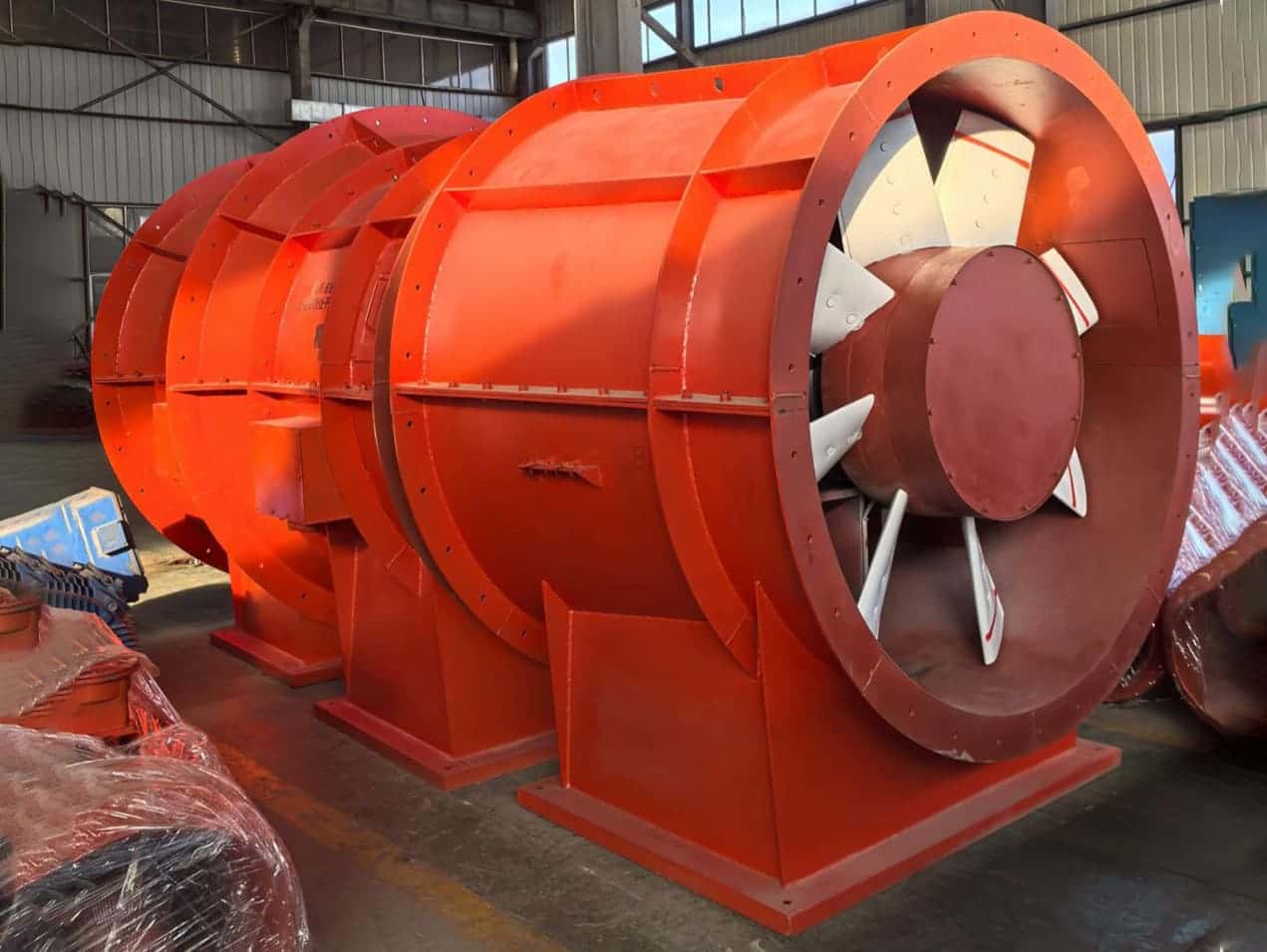
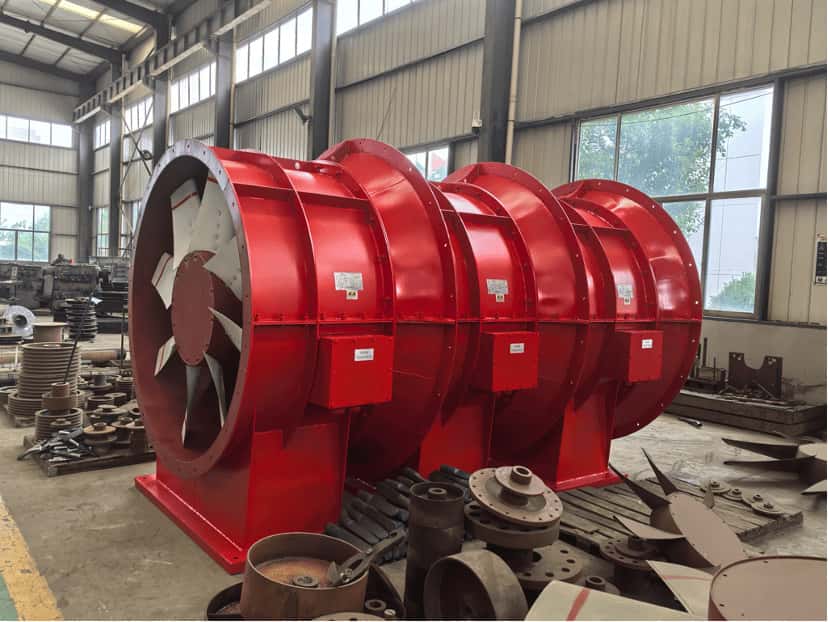
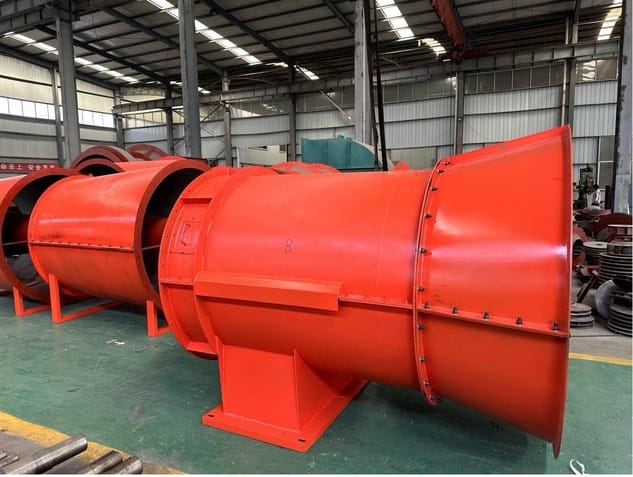
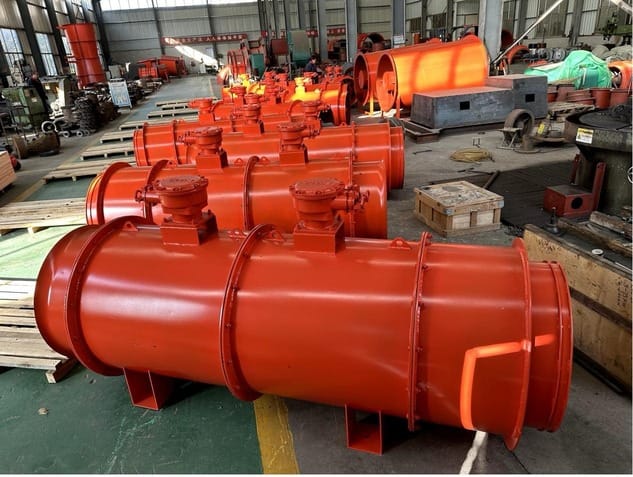
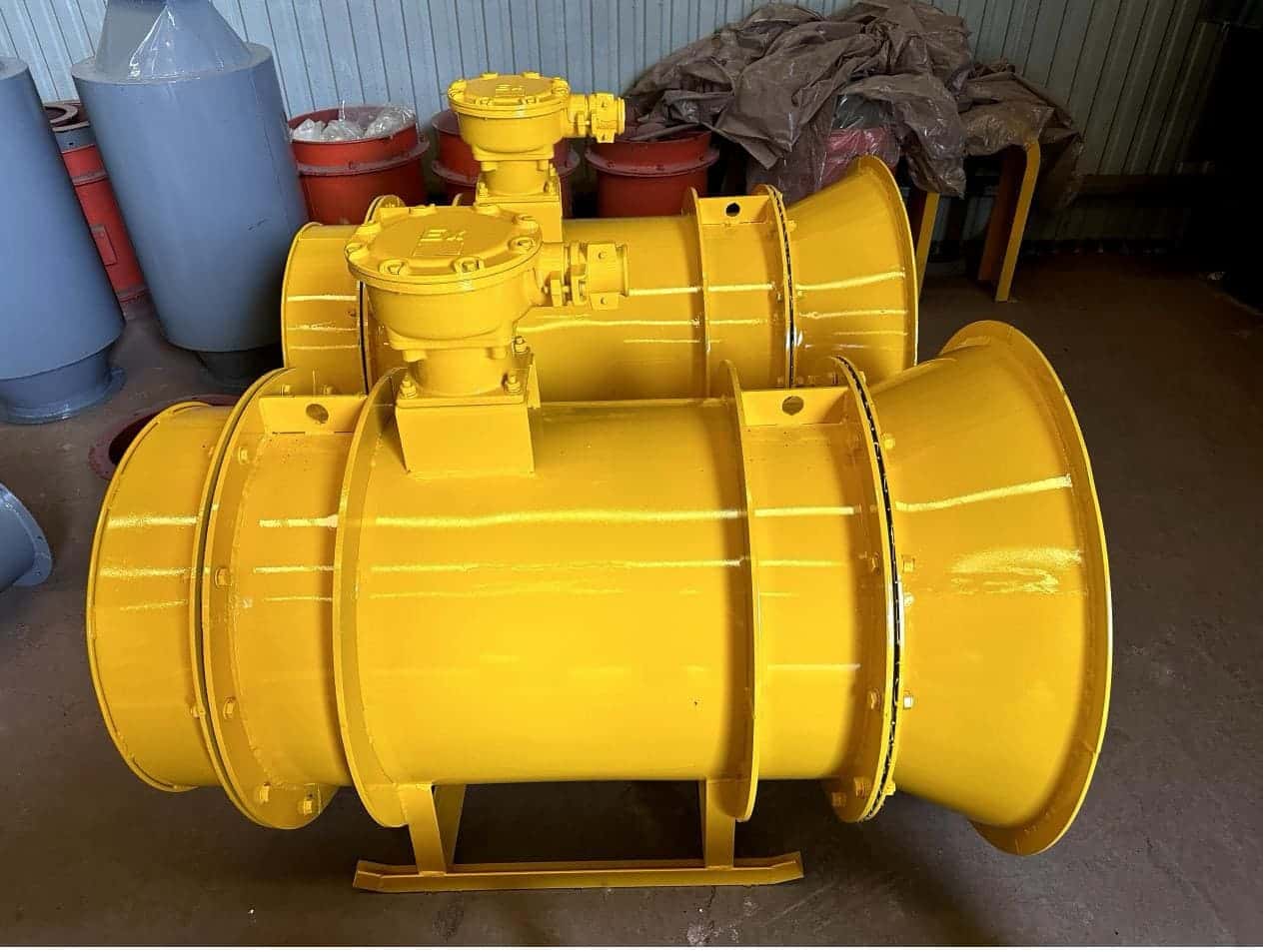
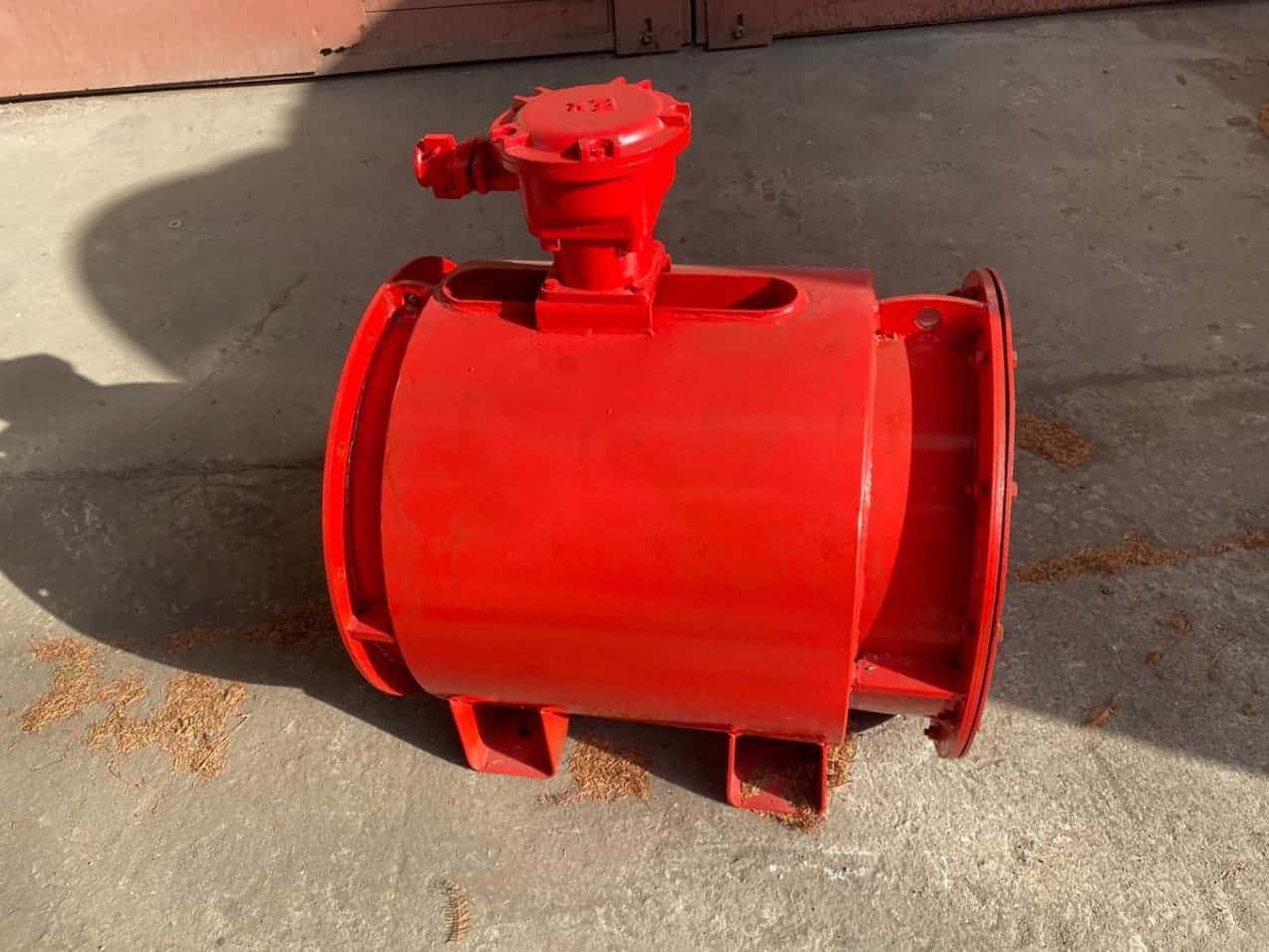
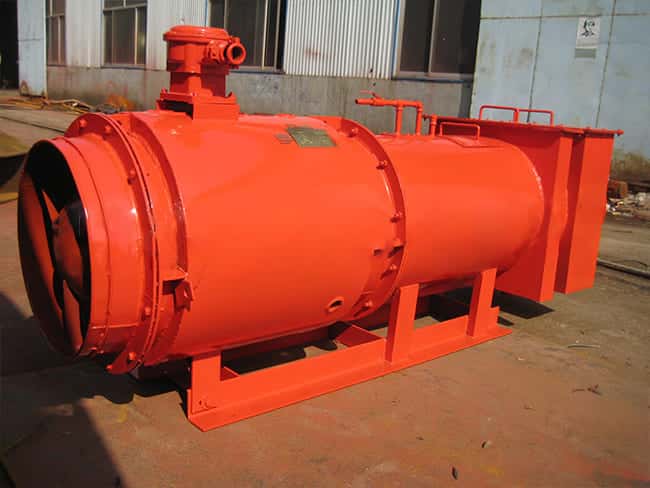
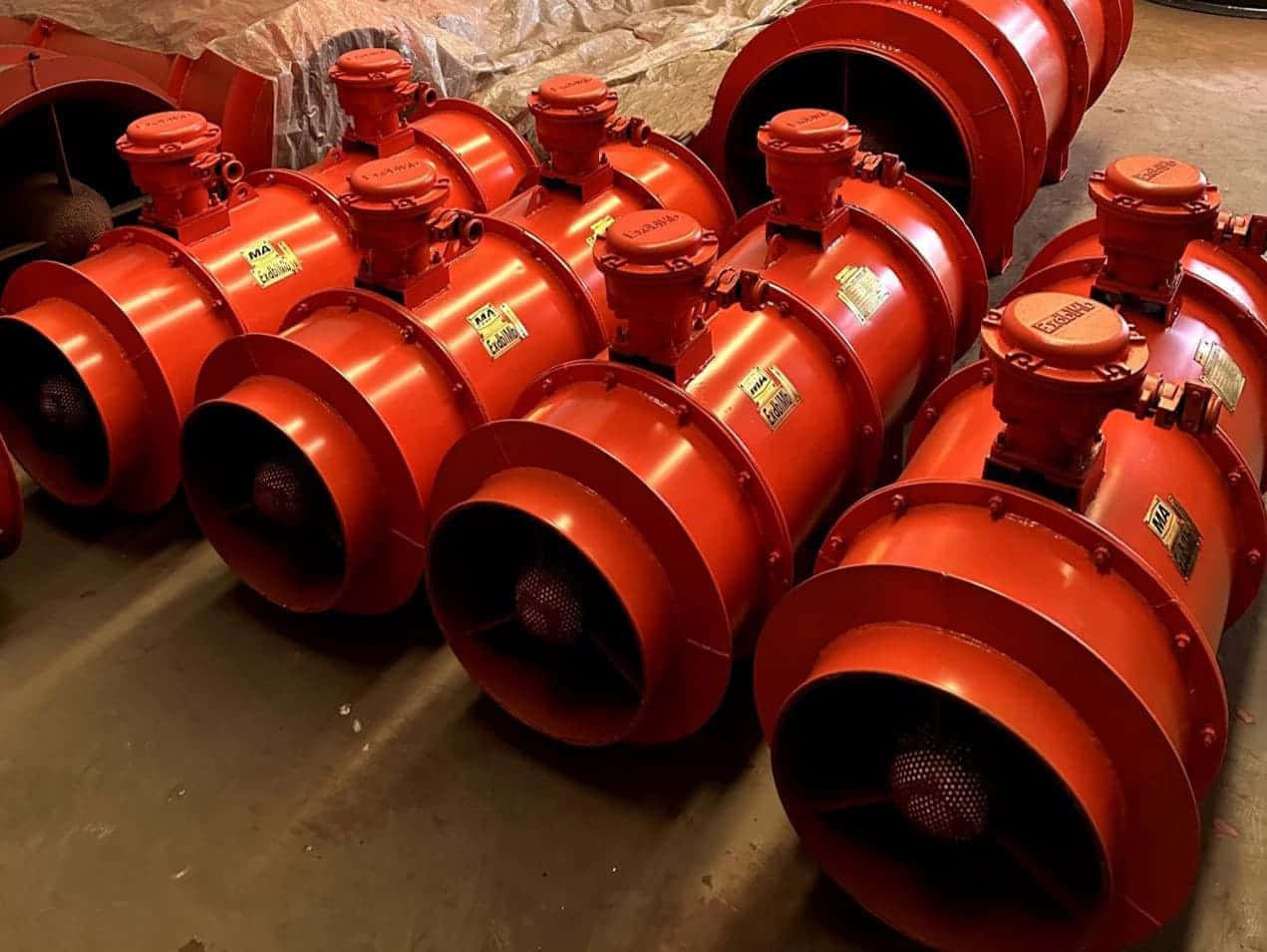
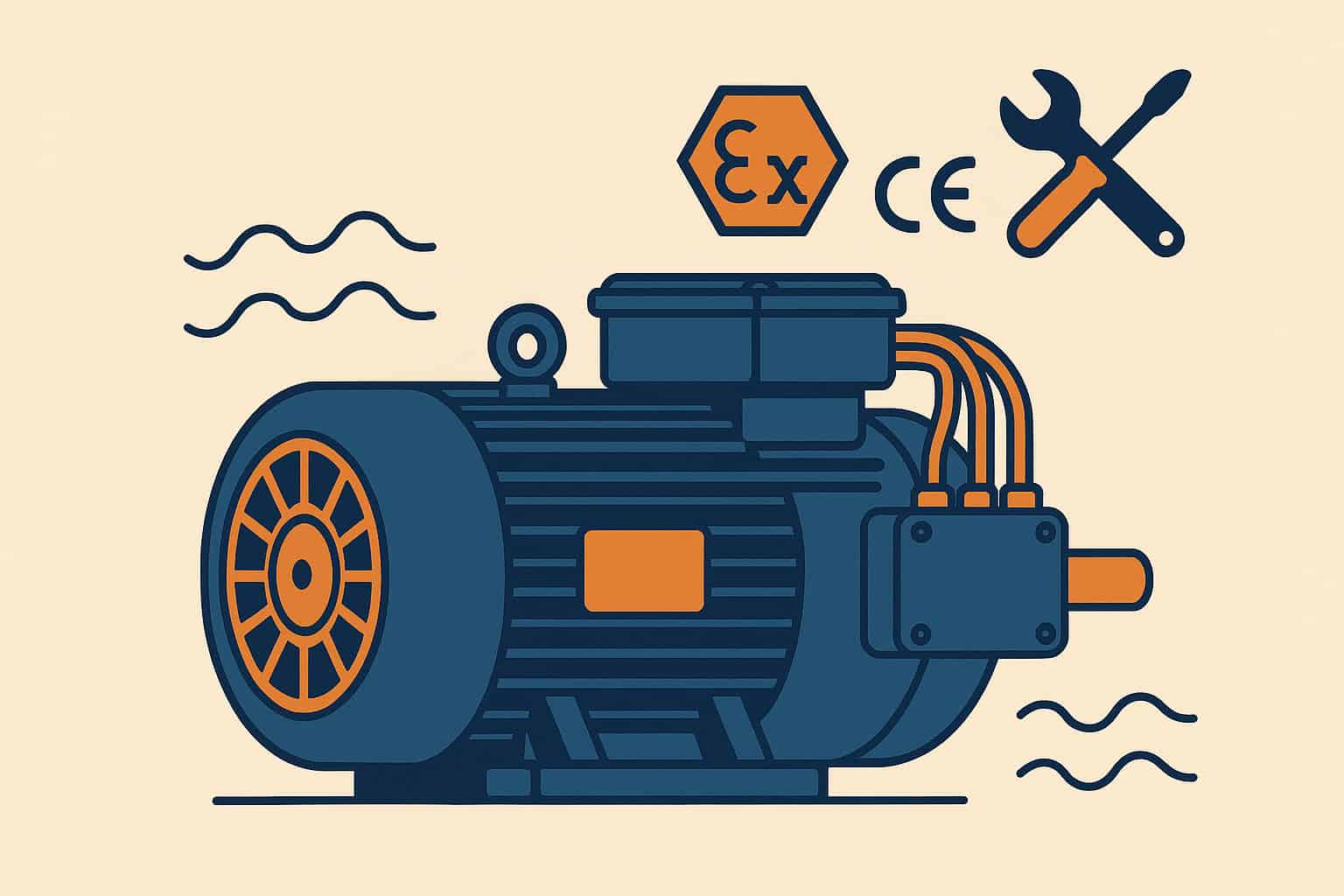
The second major factor is design type and materials. Simple sheet-metal axial fans for clean air are cheaper to manufacture than heavy-gauge steel mining fans with thick casings, high-strength shafts and precision-machined hubs. If the fan must handle abrasive dust, corrosive gases or high temperatures, special alloys, coatings or wear liners increase the price. For underground coal mines or hazardous process plants, explosion-proof motors and certified flameproof or spark-resistant designs add further cost but are essential for safety.
Third, the cost is influenced by motor technology and controls. A fixed-speed induction motor with a simple starter is relatively inexpensive. When variable speed drives, soft starters, EC motors or advanced automation are specified, the price of the drive system rises but long-term energy savings can be significant. In modern mines and large industrial plants, ventilation-on-demand strategies often justify higher initial fan and control costs because they reduce power consumption over many years.
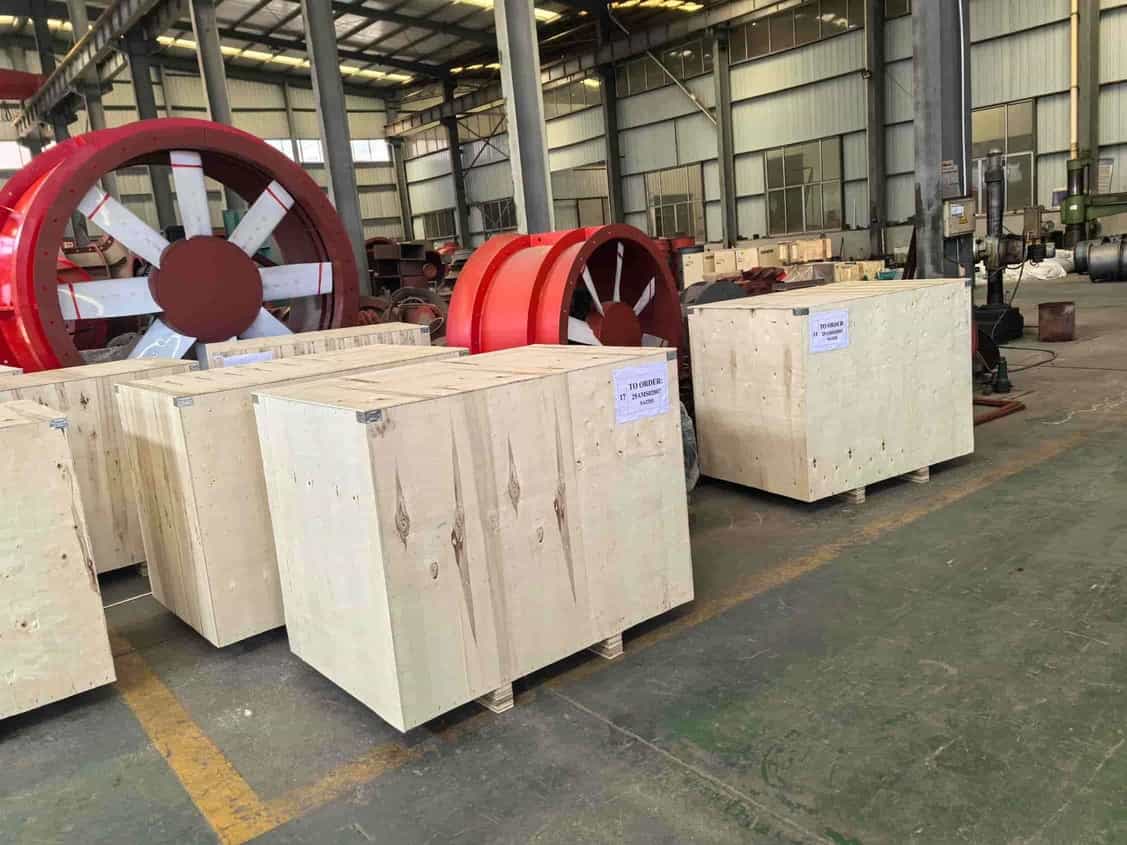
Finally, you must consider total installed cost, not only the purchase price of the fan itself. Foundations, silencers, inlet boxes, diffusers, dampers, ducts, electrical cabling, installation labour and commissioning all contribute to the budget. In an underground mine, building shafts, raises, stoppings and regulators is often far more expensive than the fan hardware, but the fan must still be correctly sized to make that infrastructure effective.
In summary, the cost of a ventilation fan ranges from low for small light-duty units to very high for large mining and industrial fans. The final price depends on airflow and pressure requirements, construction materials, explosion-proof rating, motor and control choices and all associated installation work. A proper engineering study is the best way to estimate a realistic budget for your ventilation fan and system.