
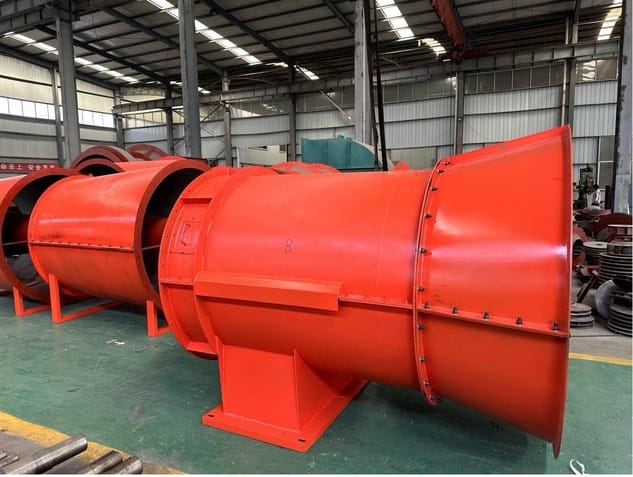
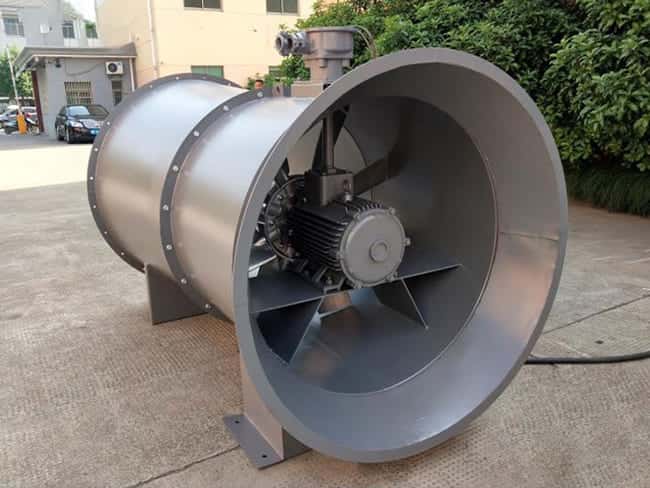
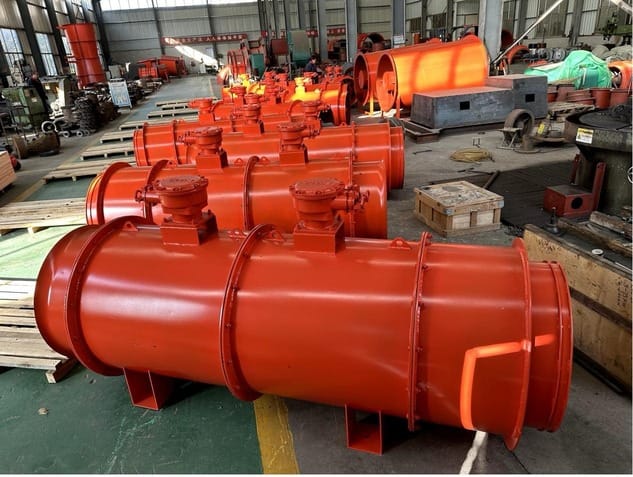
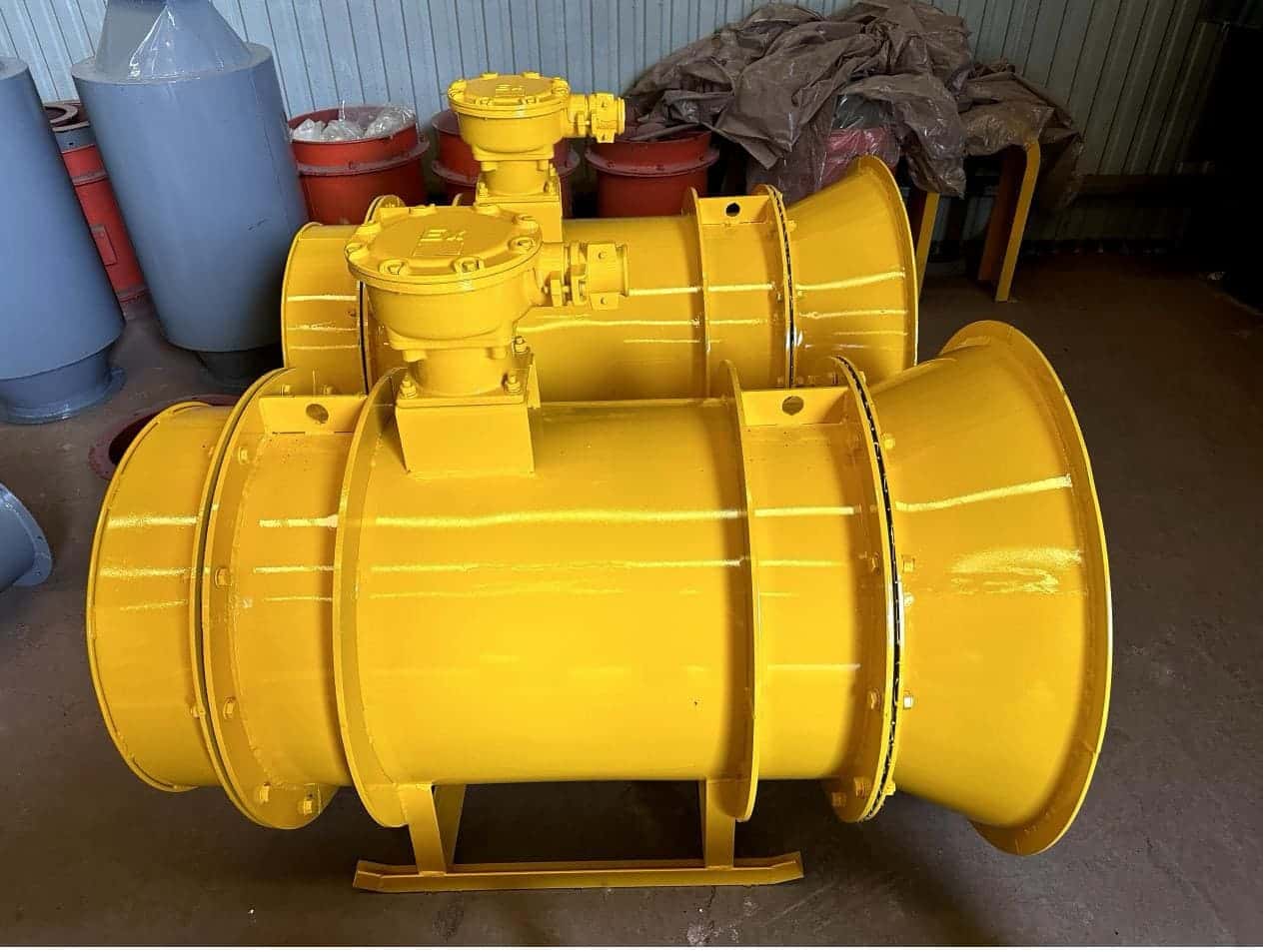
The question “How much does a ventilation system cost?” does not have a single answer, because ventilation systems range from small workshop exhaust setups to multi-level industrial plants and complex underground mines. Instead of one price, it is more useful to understand the main factors that drive ventilation cost so you can budget realistically for your project.
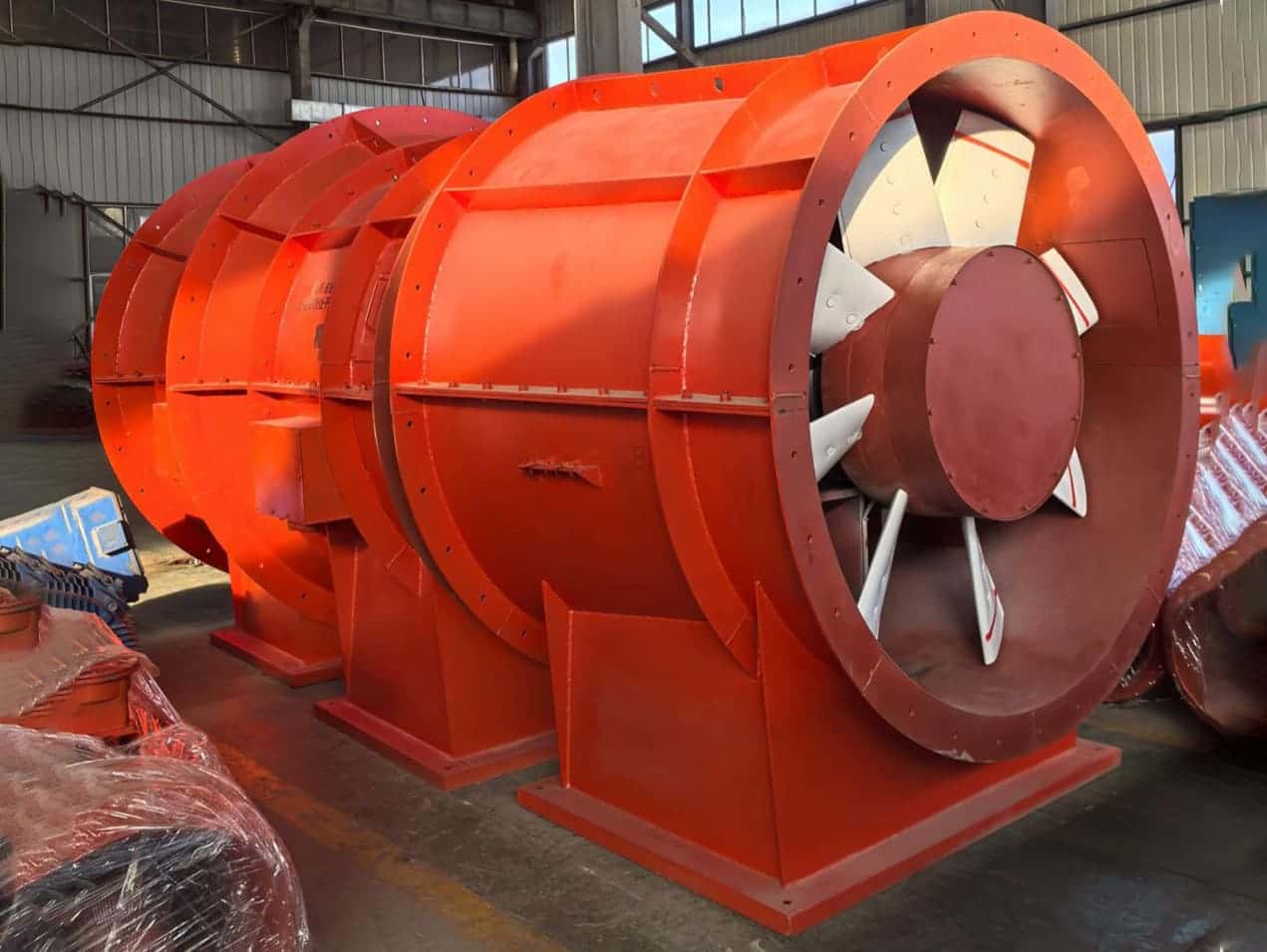
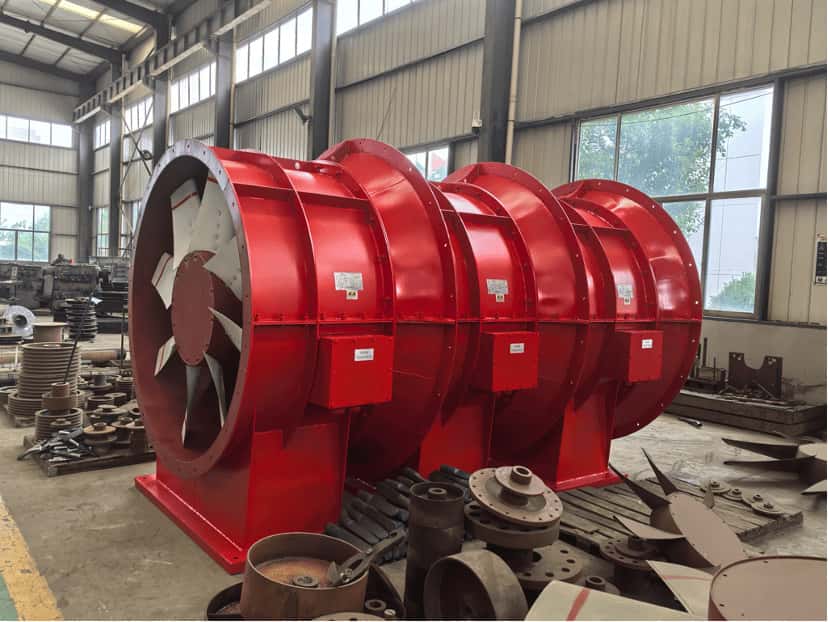
The first cost driver is the required airflow and pressure. Higher air quantities and higher system resistance (from long ducts, bends, filters, coolers and stoppings) demand larger fans, more powerful motors and stronger structures. A small shop might be ventilated with a few kilowatts of fan power, while a large mine may need megawatts of installed ventilation capacity. Fan cost, electrical equipment and structural supports increase as duty grows.
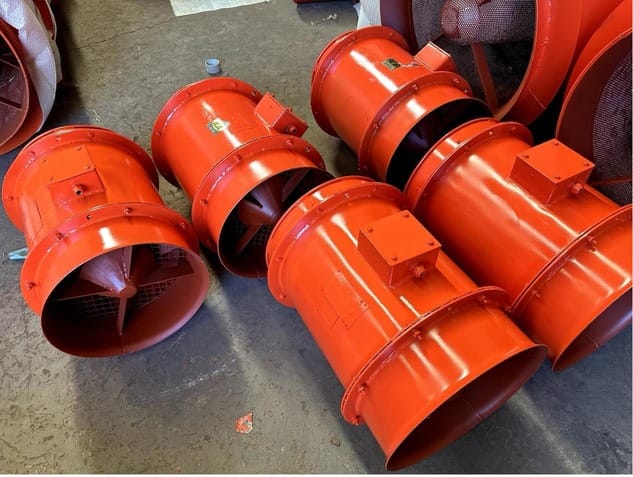
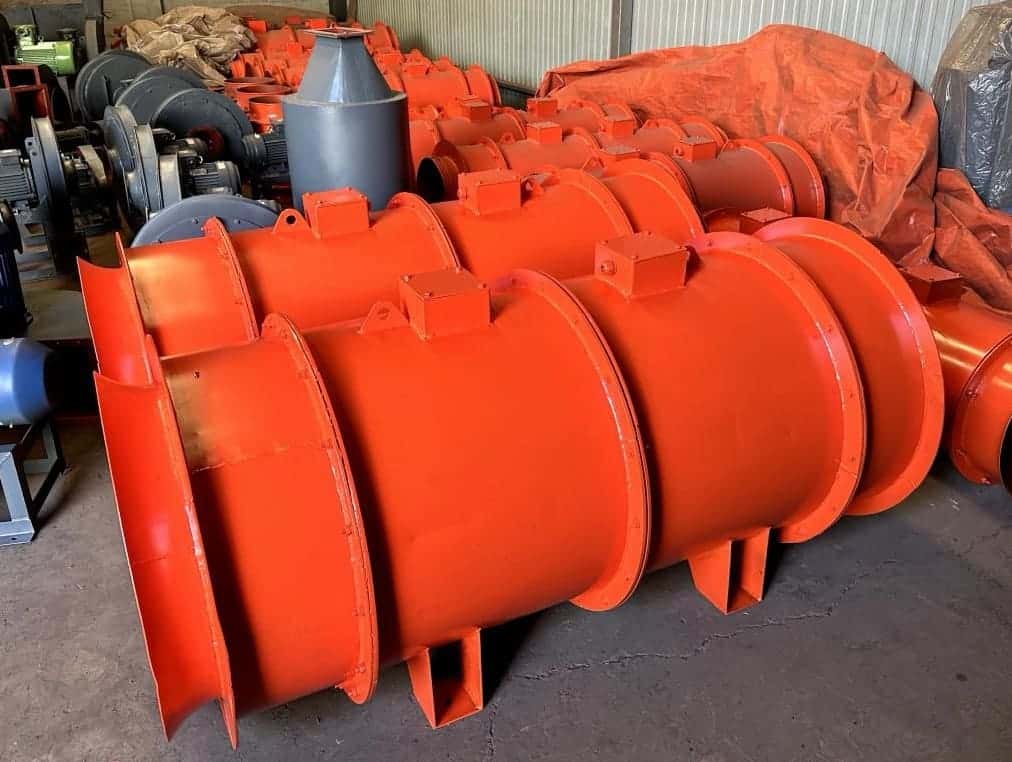
The second major component is ductwork and airways. In industrial buildings this includes sheet metal ducts, fittings, hoods, louvers and silencers. In mines it includes raises, drifts, stoppings, regulators and auxiliary ducts. The materials, sizes, lengths and installation methods all influence cost. Flexible ducts for temporary headings are cheaper per metre than concrete-lined airways, but they have higher resistance and shorter life.
Control and automation also affect cost. A simple on/off ventilation system with fixed-speed fans is cheaper up front, but may consume more energy over its life. Systems with variable speed drives, ventilation-on-demand controls, gas monitoring and central SCADA integration have higher initial cost but can significantly reduce operating cost and improve safety by matching airflow to real needs.
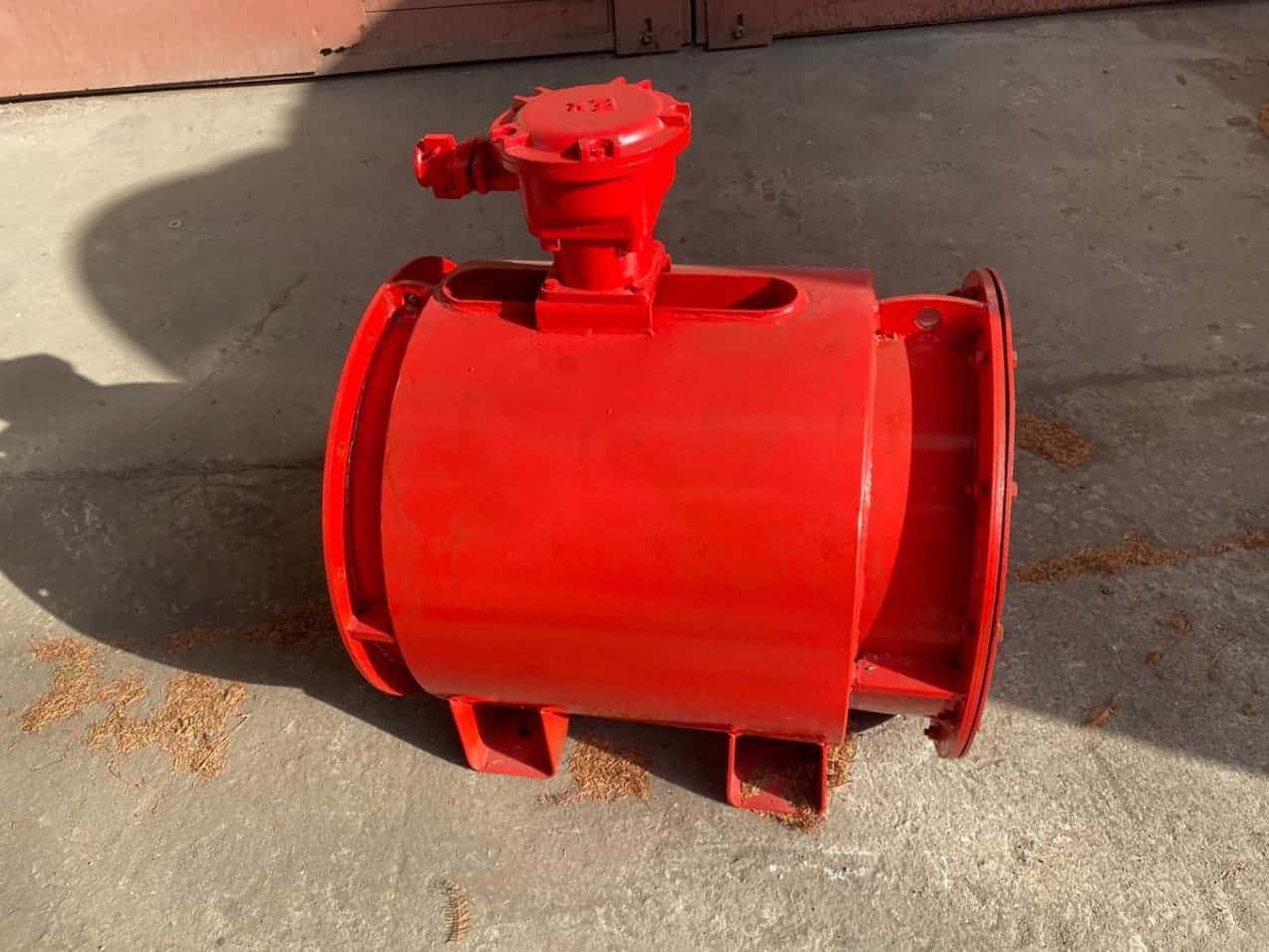
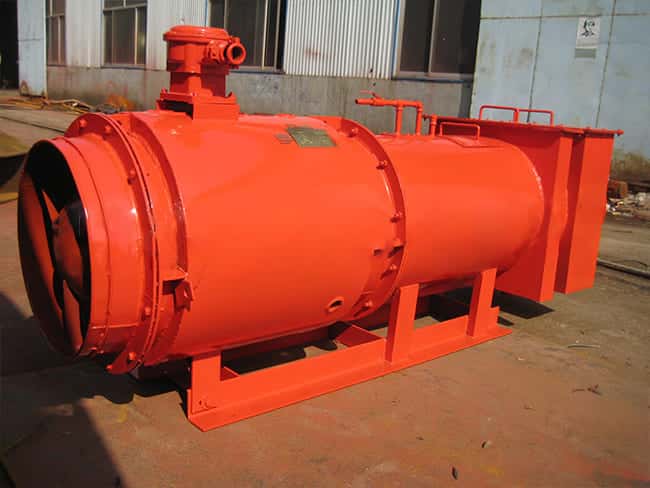
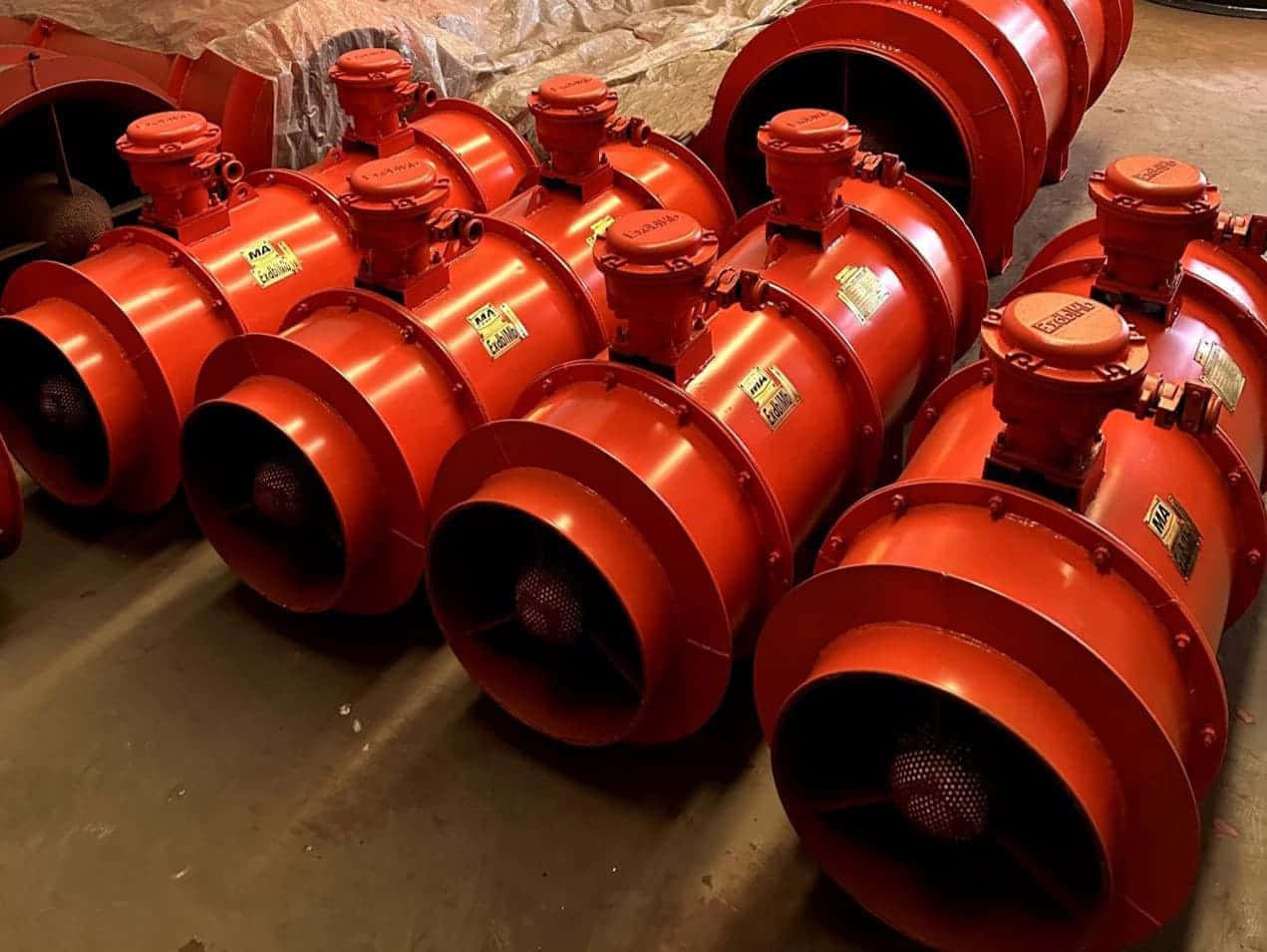
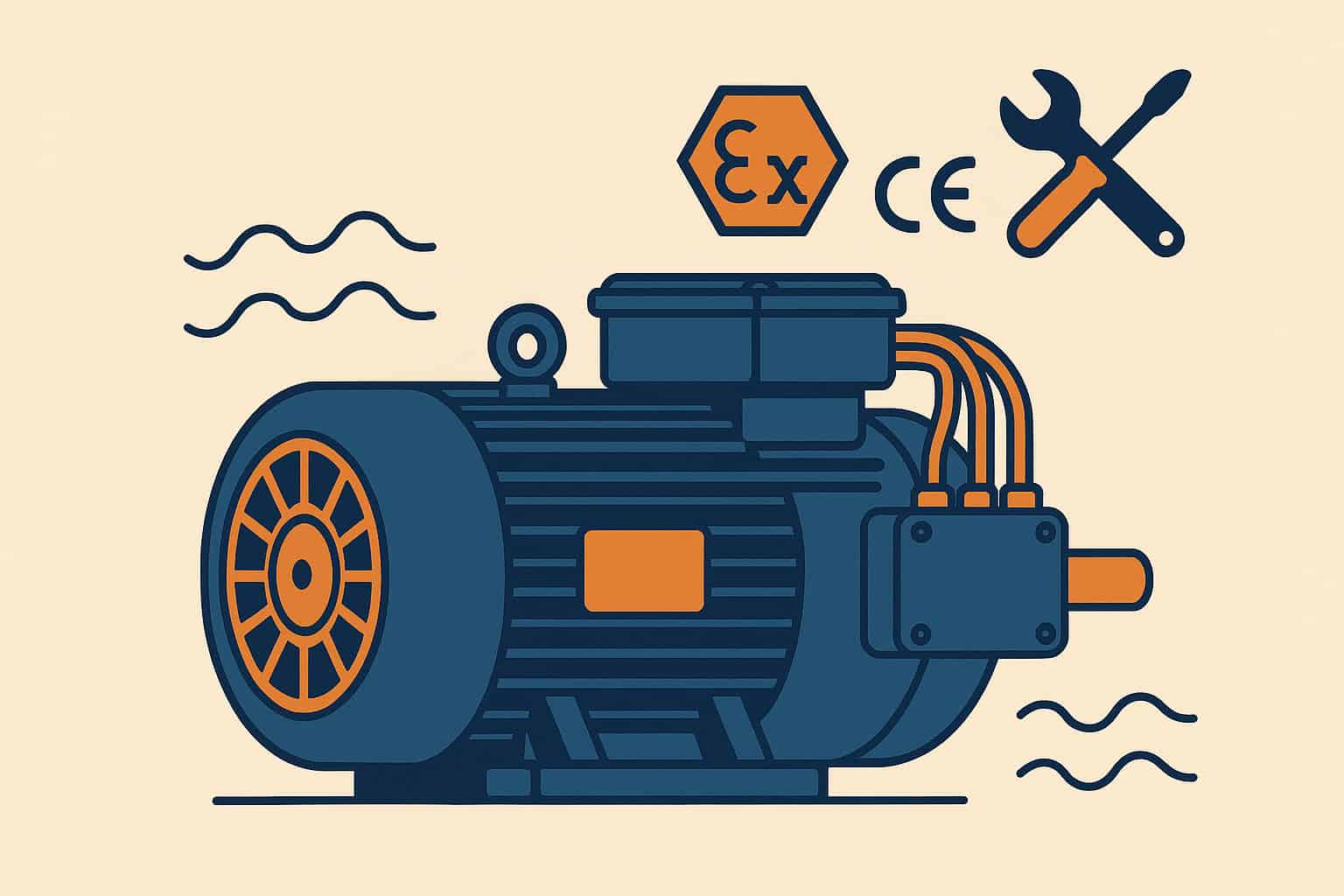
Safety and compliance requirements add further cost elements. Explosion-proof motors and electrical equipment, certified explosion-protected fans, fire dampers, smoke control systems and gas monitoring instruments all increase the investment needed for hazardous industrial processes and gassy underground mines. Engineering studies, ventilation simulations and regulatory approvals are also part of the total cost.
Finally, you must consider the lifecycle cost, not just the purchase price. Energy for running fans is often the largest cost over 10–20 years, especially in mines where ventilation can be the biggest single consumer of power. Choosing efficient fans, low-loss ducts and good controls may increase initial cost but reduce total cost of ownership.
In summary, ventilation system cost depends on airflow and pressure requirements, fan and motor sizes, ductwork and airways, level of control and automation, safety standards and energy efficiency targets. A realistic budget should account for both initial investment and long-term operating cost, especially in industrial and mining applications.