
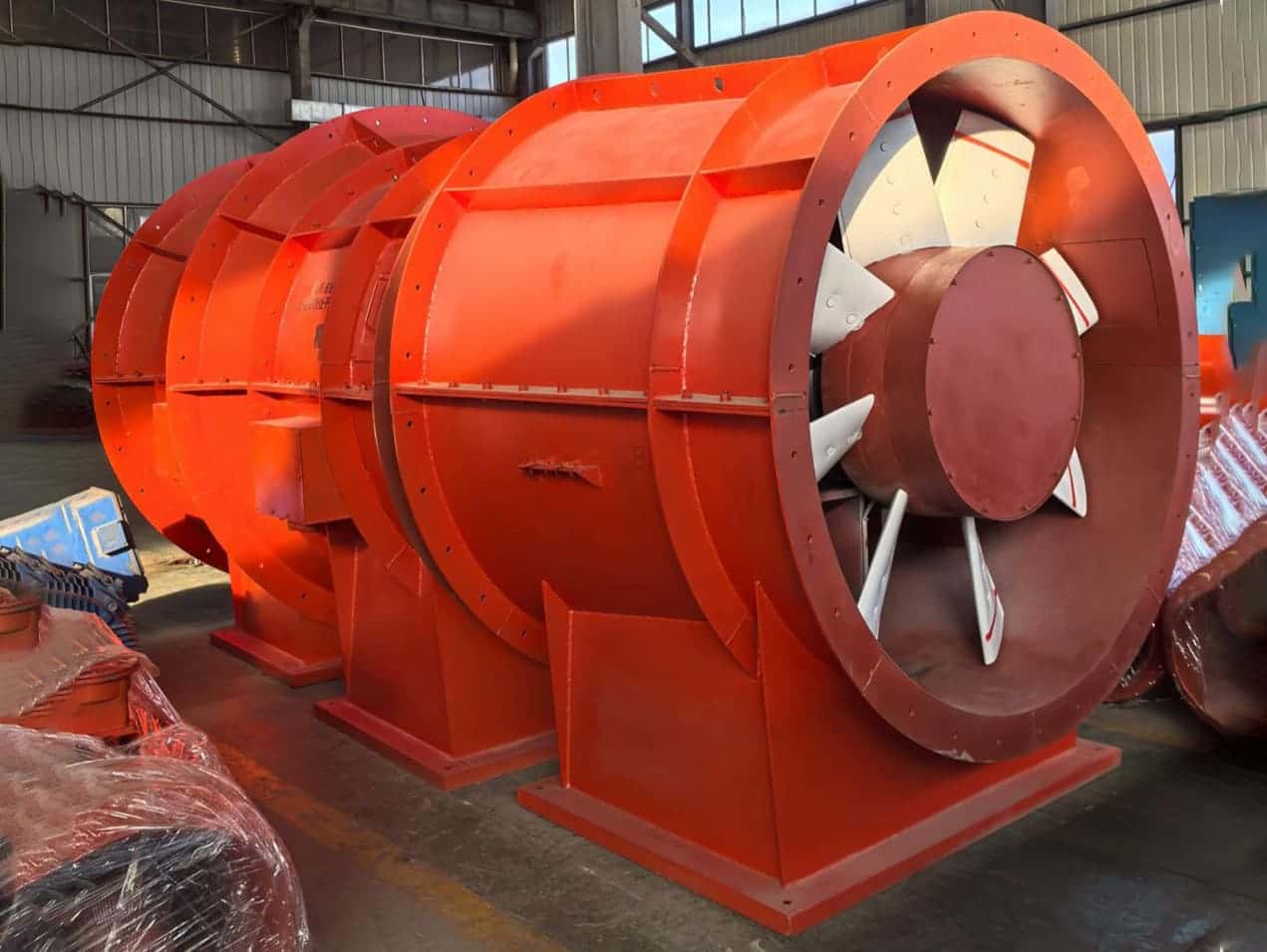
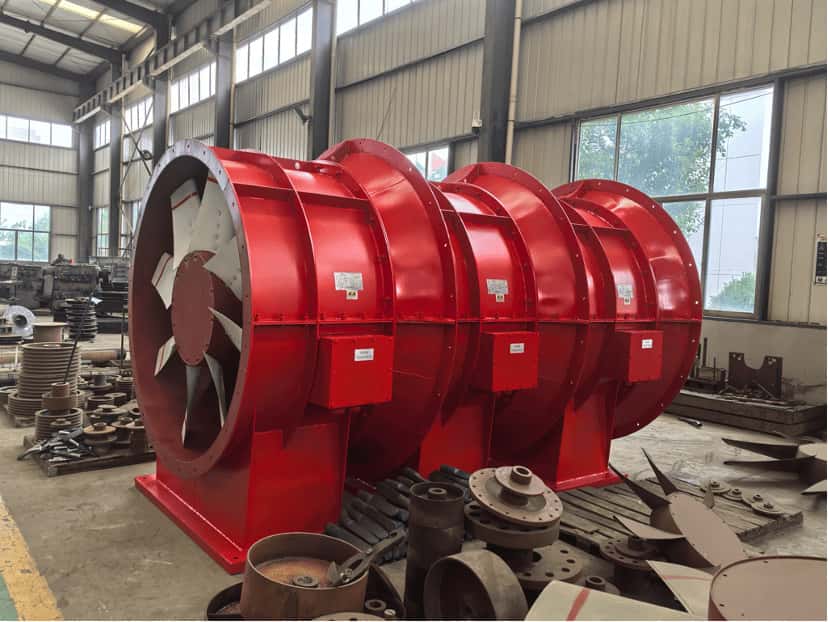
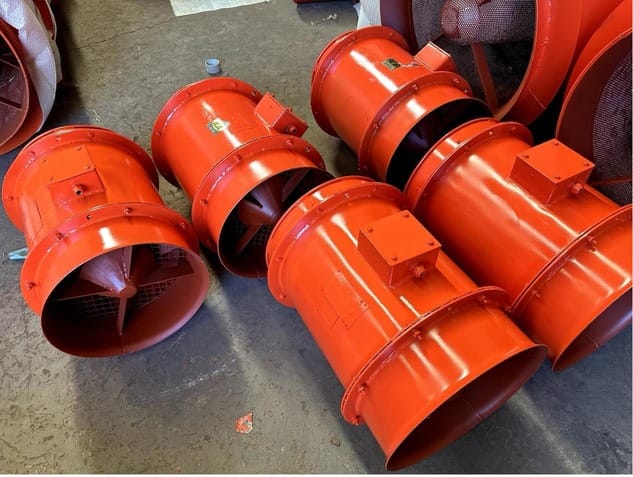
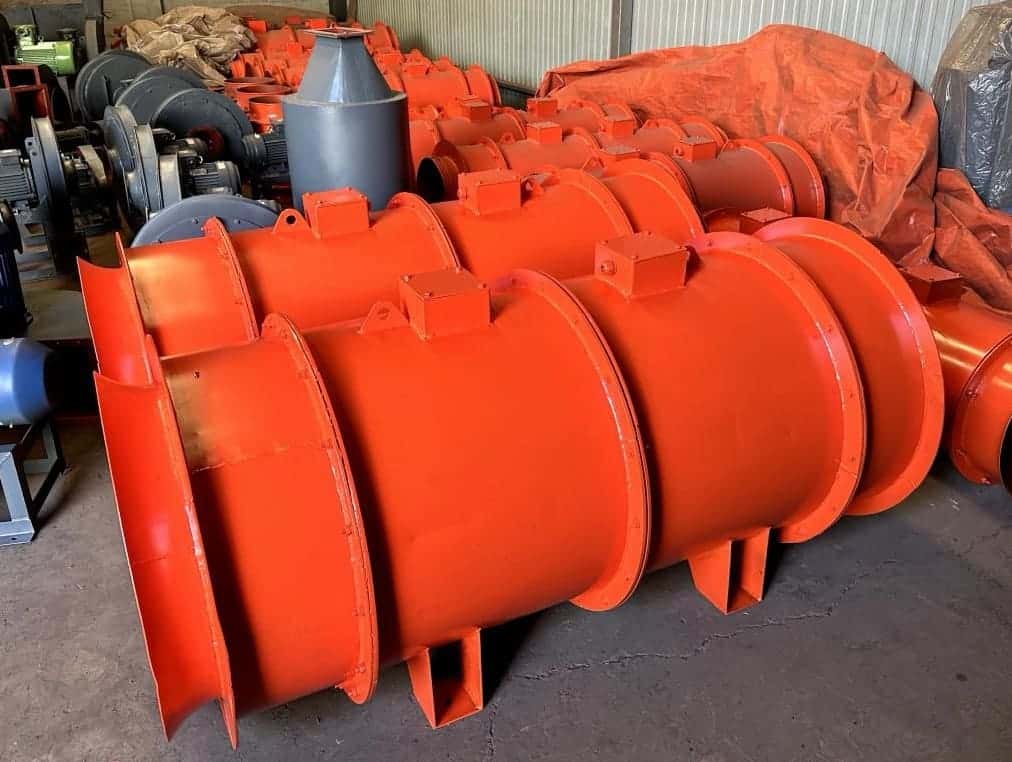
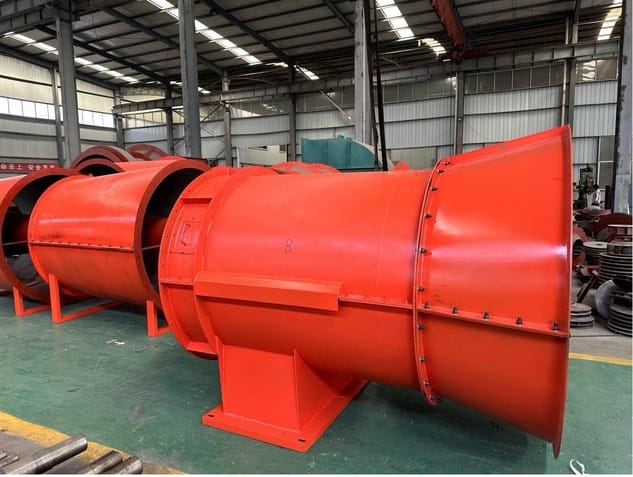
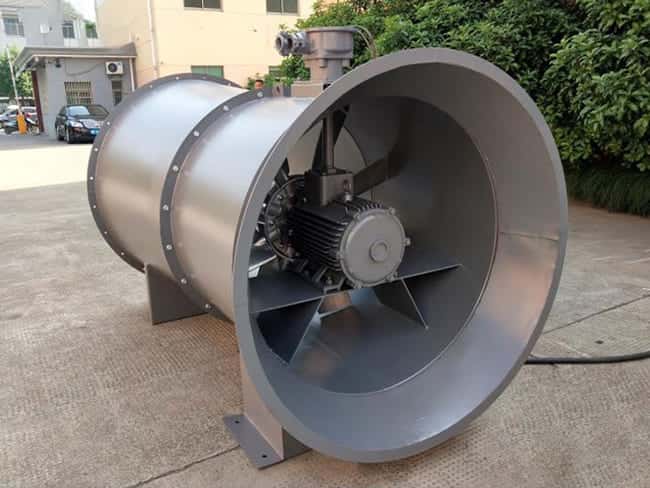
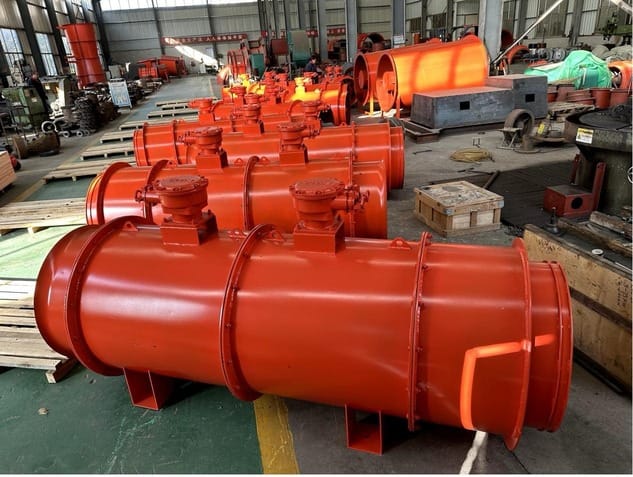
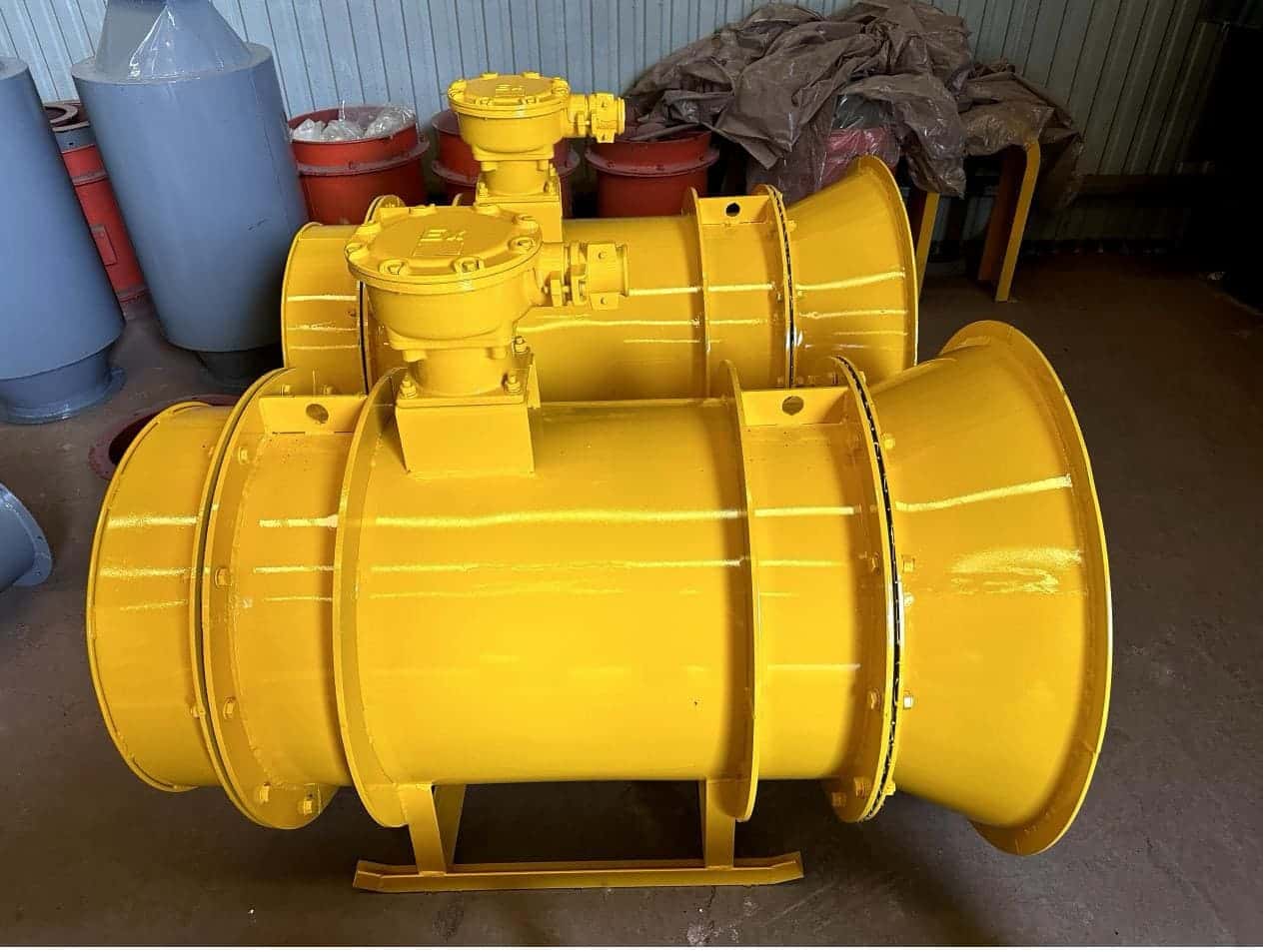
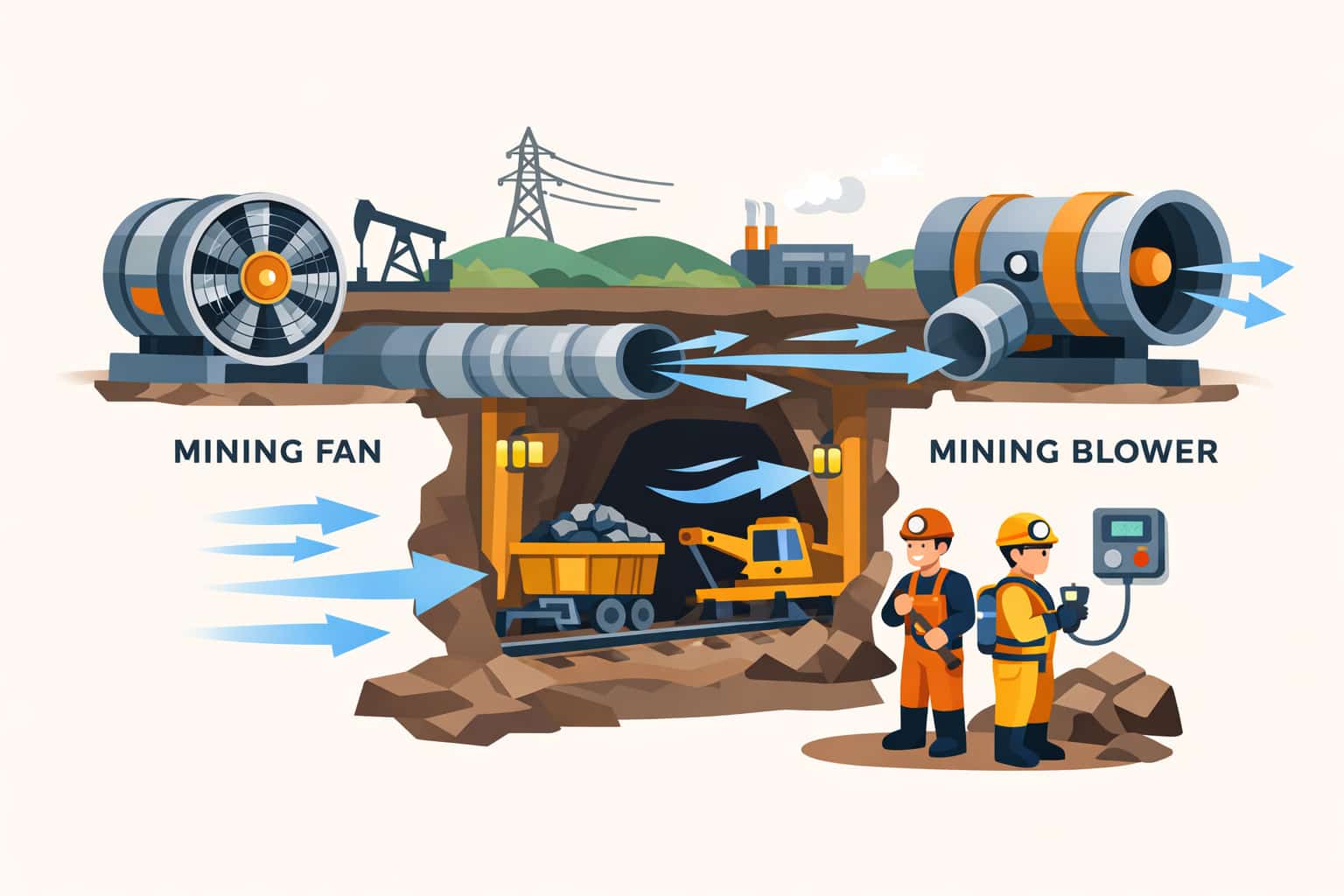
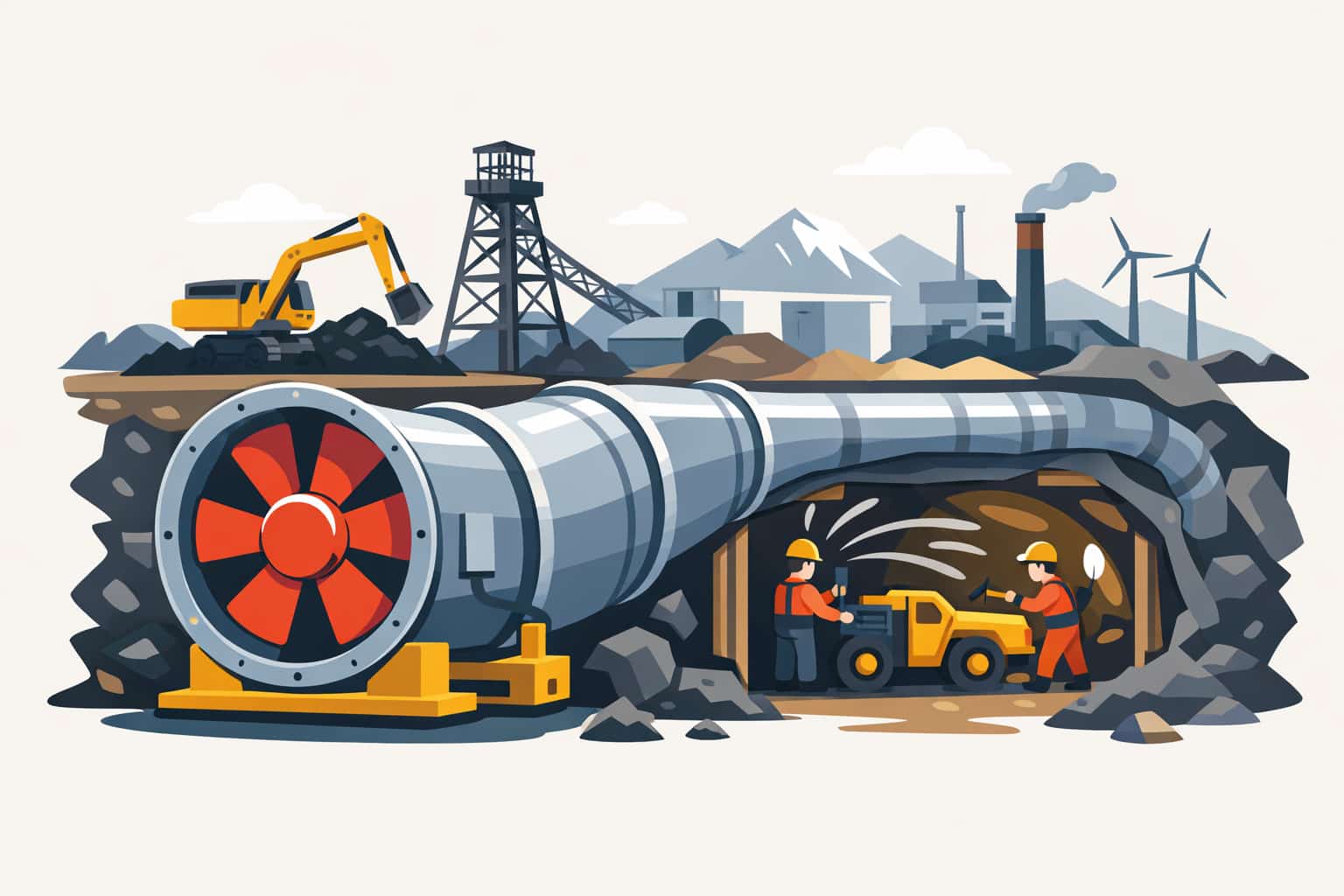
The cost to run a ventilation system varies widely, but it is mainly driven by fan power, operating hours and electricity price. In a small building with a few modest fans, the running cost may be relatively low. In a large industrial plant or underground mine with high-power main fans running continuously, ventilation can be one of the largest single energy consumers on site. Understanding the factors that influence operating cost helps you design and operate systems more efficiently.
The simplest way to estimate running cost is to look at the electrical power of the fans in kilowatts (kW), multiply by the number of hours they run and then by the electricity tariff. For example, if a fan has an input power of 15 kW and runs 4,000 hours per year, it consumes approximately 60,000 kWh annually. Multiplying this by the cost per kWh gives an approximate yearly energy cost for that fan. In real systems, multiple fans, variable speeds and seasonal operation patterns must be considered, but the basic principle is the same.
System design has a big impact on running cost. Fans use energy to overcome the pressure losses in ducts, filters, louvers and other components. If ducts are too small, have many sharp bends or leaks, or if filters are undersized and quickly clogged, pressure loss increases and fans must work harder. Selecting efficient fans, designing low-resistance ductwork and maintaining components can reduce required pressure and therefore energy use.
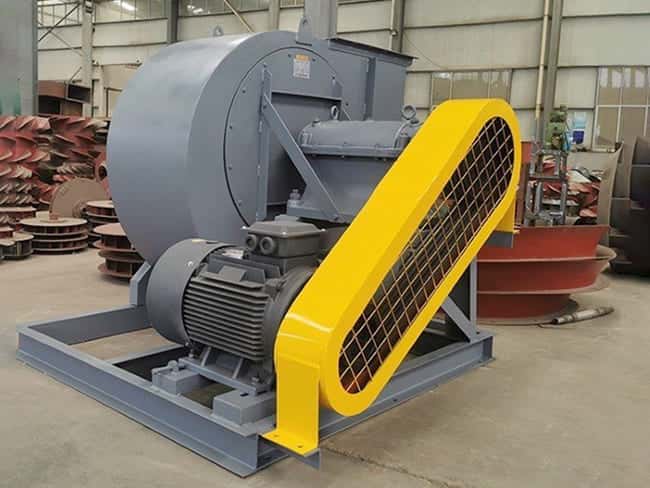
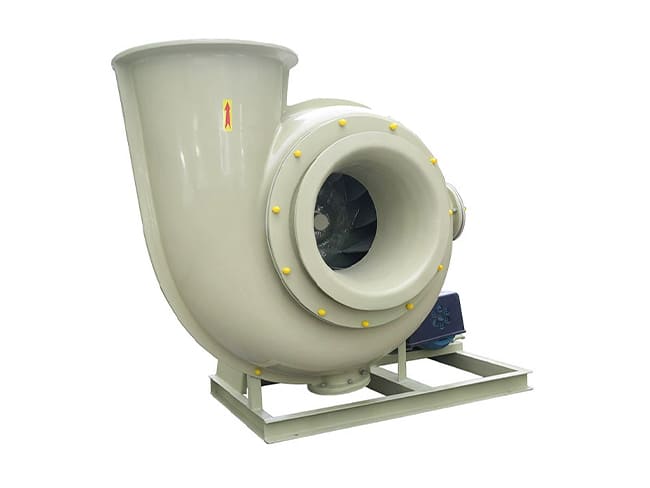
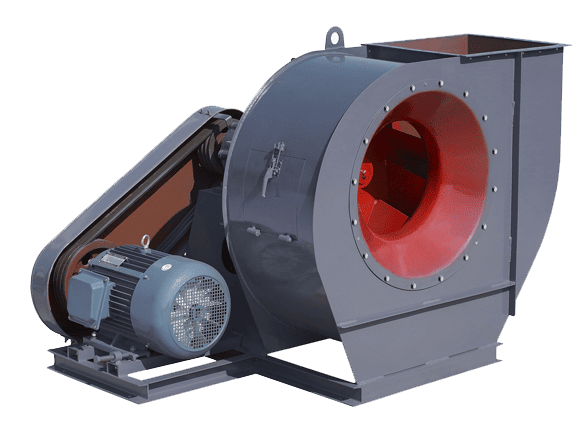
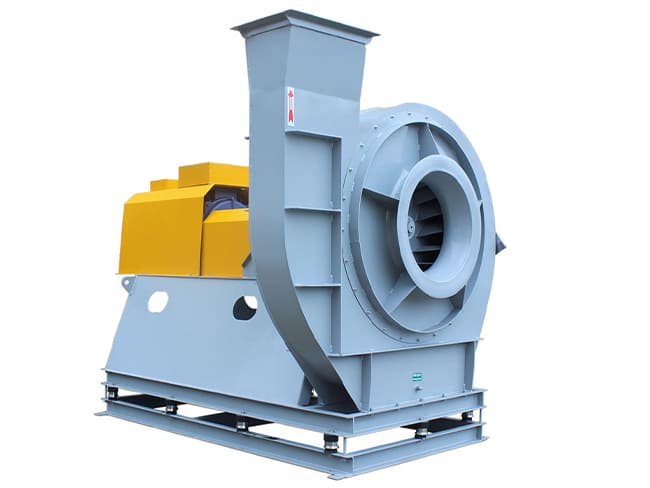
Fan efficiency is another key factor. High-efficiency mining or industrial fans with well-matched motors and drives convert more of the electrical power into useful air movement. Poorly selected or poorly controlled fans may run far from their best efficiency point, wasting energy and increasing noise. Using variable-frequency drives (VFDs) to adjust fan speed to actual demand can significantly cut operating cost, especially in systems where full flow is not required all the time.
Operating time and control strategy matter as well. Some systems run at constant full capacity even when the building or mine is only partially occupied or when heat and contaminant loads are low. Introducing demand-based control—such as reducing flow at night, using CO₂ sensors in offices or adjusting mine auxiliary fans based on actual activity—can lower running hours or speeds without compromising safety.
Finally, maintenance influences cost. Dirty fan blades, misaligned belts, worn bearings and blocked ducts all increase the power needed to move the same amount of air. Regular inspection and cleaning keep ventilation systems closer to their original performance and energy use. In harsh environments, such as dusty mines or process plants, this maintenance is especially important.
In summary, the cost to run a ventilation system depends on fan power, hours of operation, electricity price, system resistance, fan efficiency and control strategy. By optimising design and maintenance, operators can often reduce energy consumption significantly while still meeting ventilation and safety requirements.
