
There is no single fixed price for an air tunnel, because the cost depends on many project-specific factors. When people ask how much an air tunnel or ventilation tunnel costs, they may be thinking about a simple price per meter, but in reality the overall budget is driven by geology, tunnel size and length, depth, ground support, lining, ventilation equipment, and safety systems. Each of these elements can vary widely from one project to another.
One of the biggest cost drivers is geology and ground conditions. Tunnelling through competent, dry rock is generally cheaper than excavating in fractured, squeezing, or water-bearing ground that requires heavy support and extensive groundwater control. Poor rock quality may demand thicker linings, more rock bolts and shotcrete, or more complex excavation methods, all of which increase cost per meter of air tunnel.
The size and length of the tunnel also have a direct impact. A large-diameter ventilation tunnel designed to carry high airflow at low resistance is more expensive to drive and line than a smaller tunnel. Longer tunnels require more excavation time, more support, and more services such as power, drainage, and communications. The selected cross-section must balance construction cost with long-term ventilation efficiency; smaller tunnels save on initial cost but increase pressure losses and fan energy consumption.
Depth and access are additional factors. Deep tunnels accessed by shafts or long declines are more difficult and expensive to construct than shallow ones. Mobilizing equipment, delivering materials, and removing spoil all become more complex and costly as depth and distance increase. In remote areas, logistics and camp infrastructure can represent a significant portion of total cost.
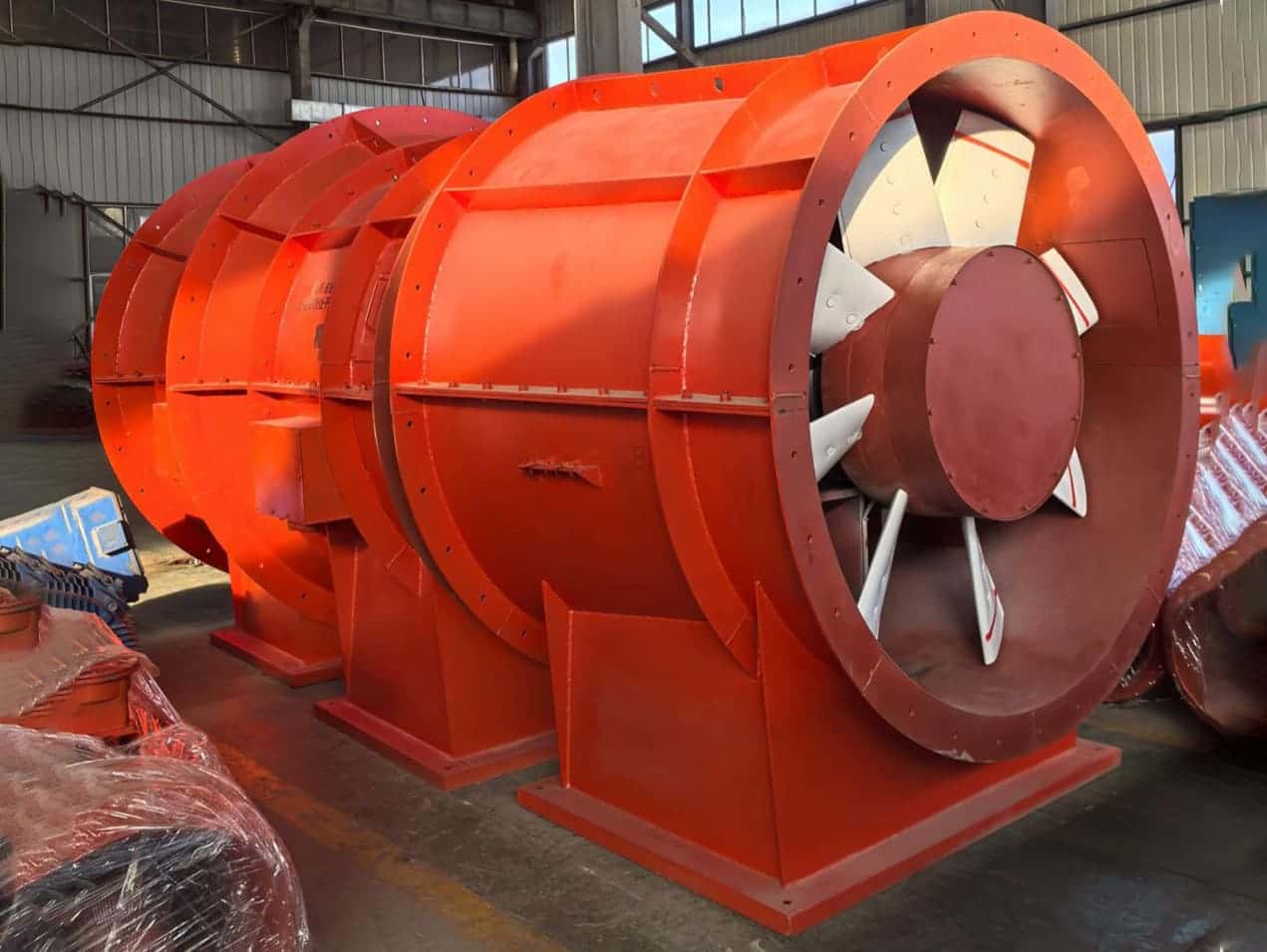
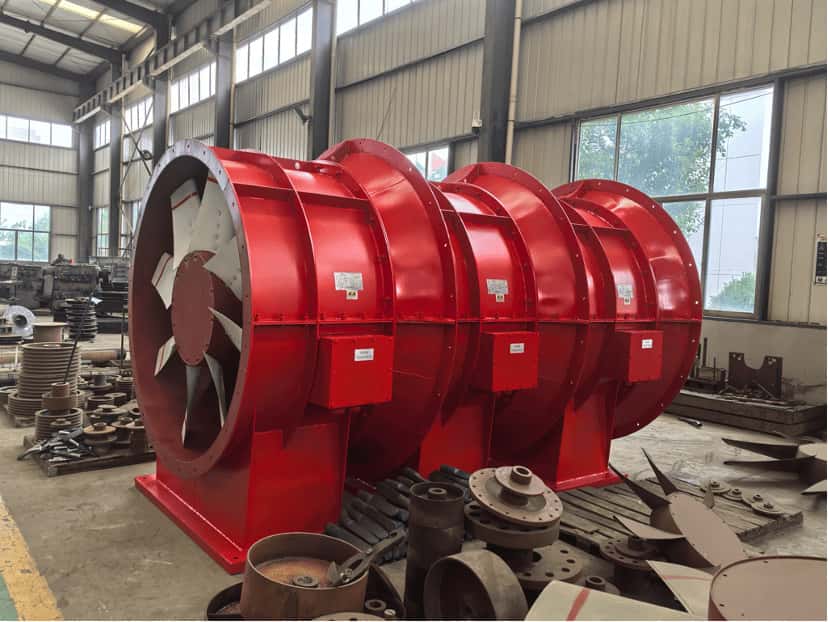
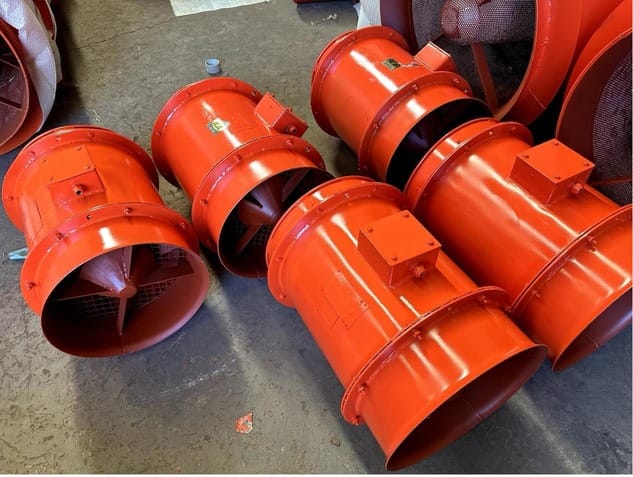
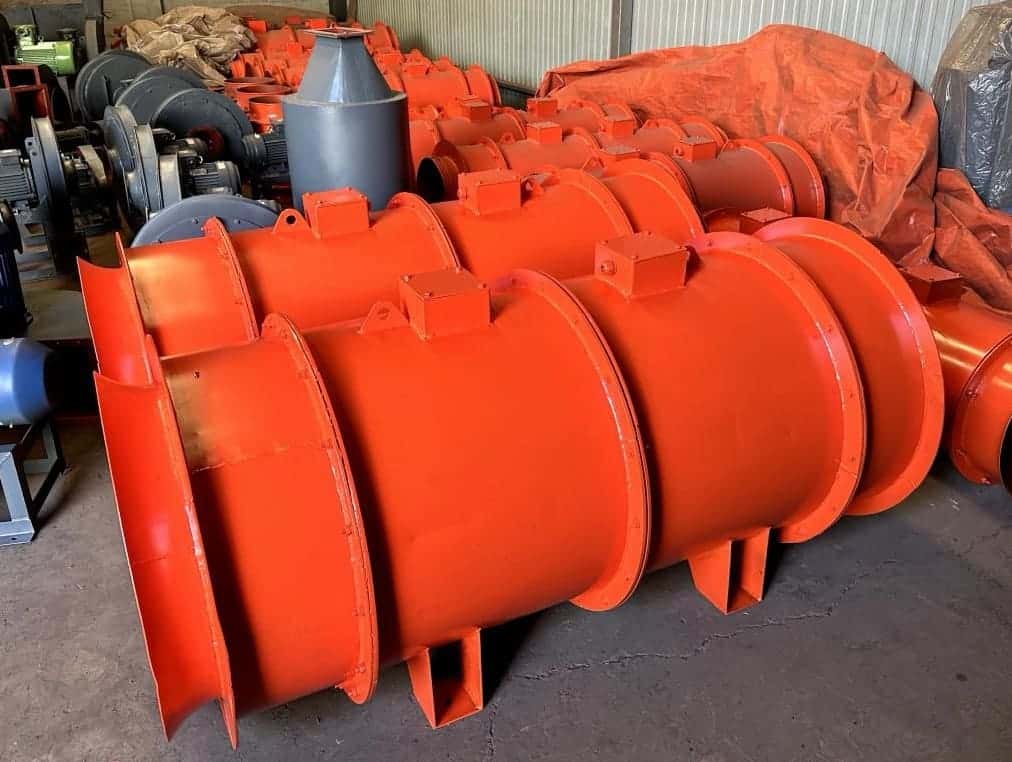
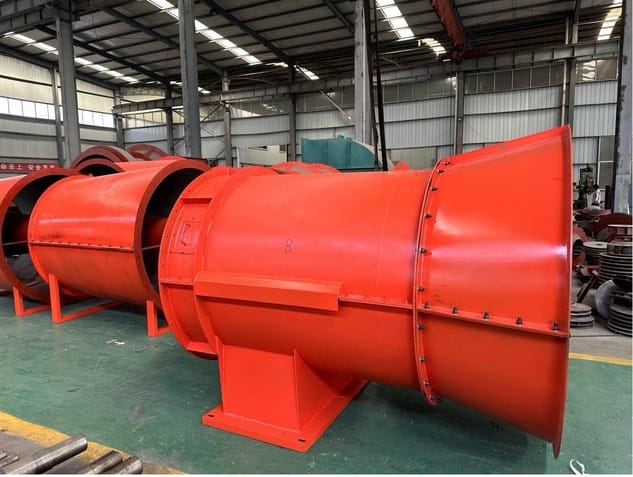
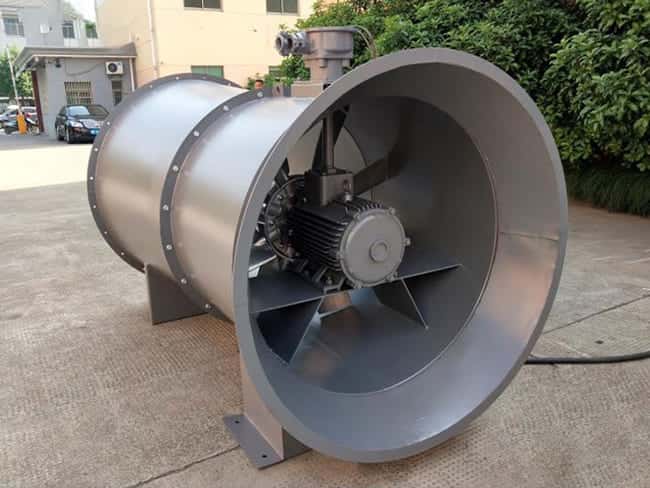
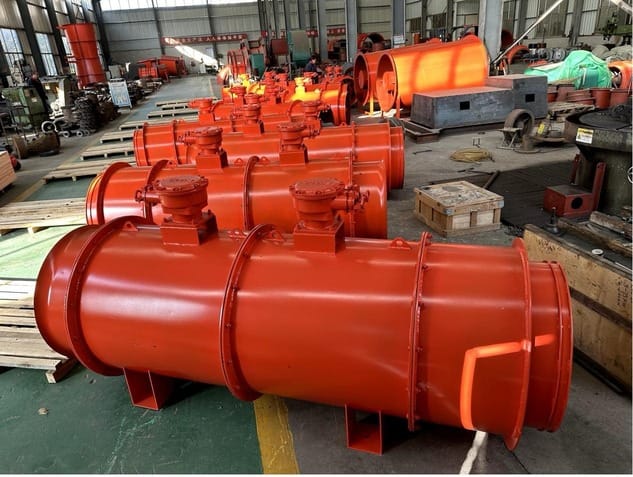
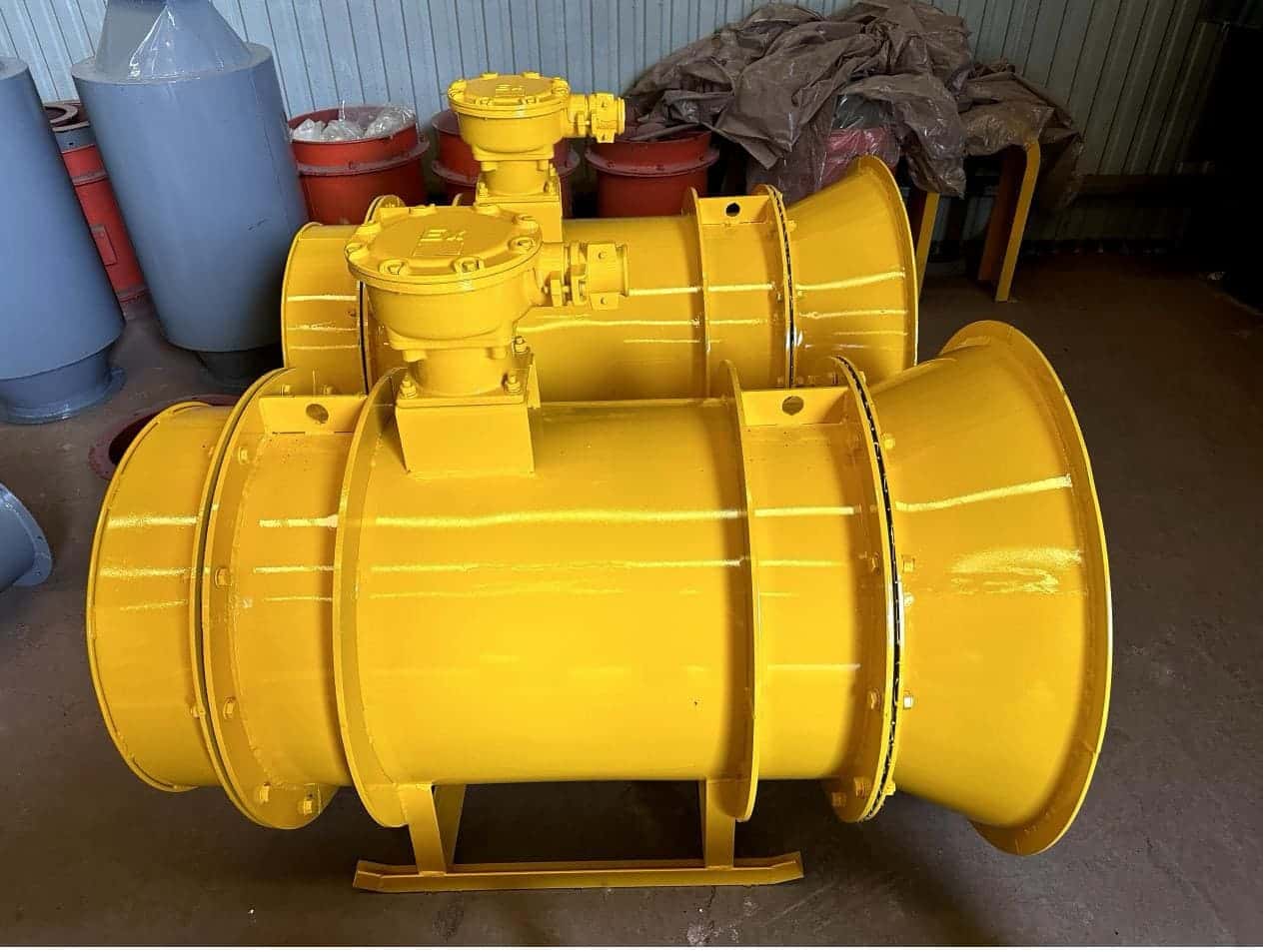
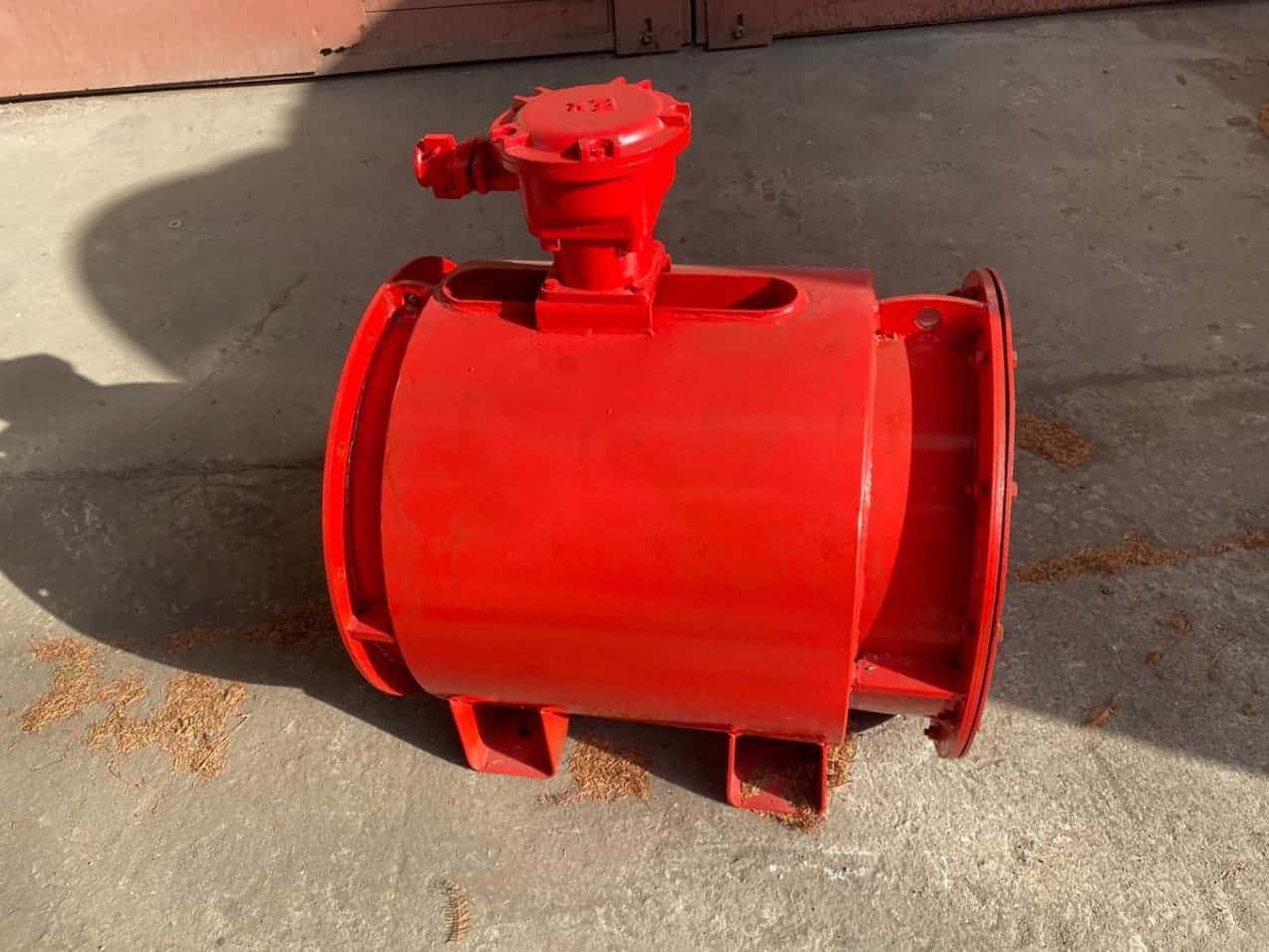
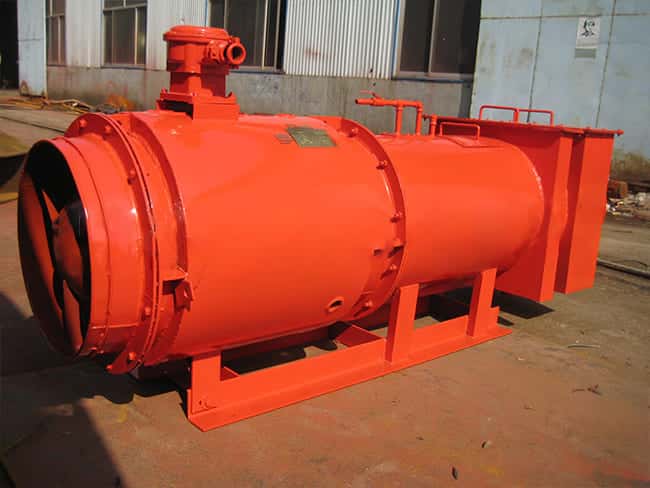
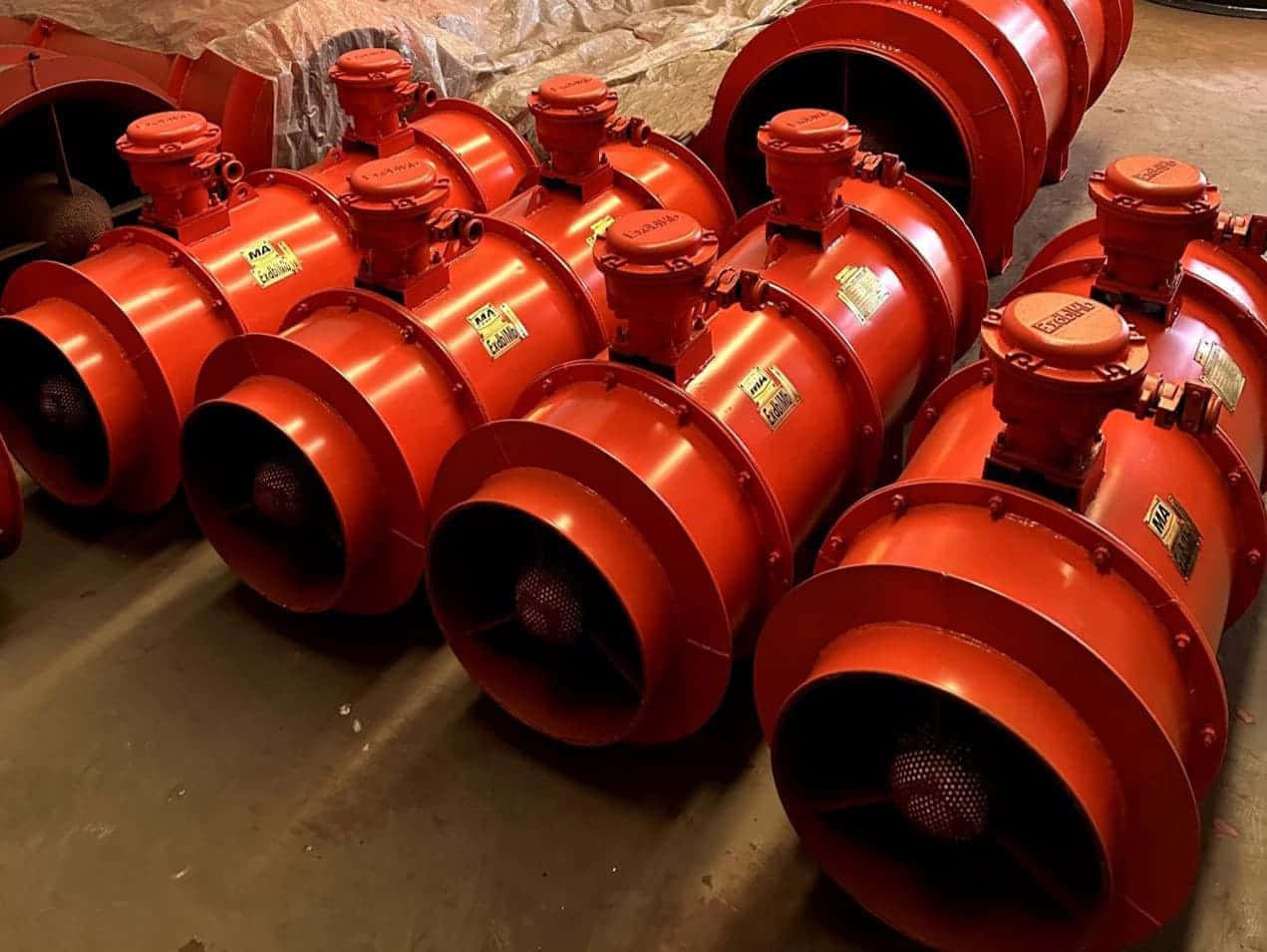
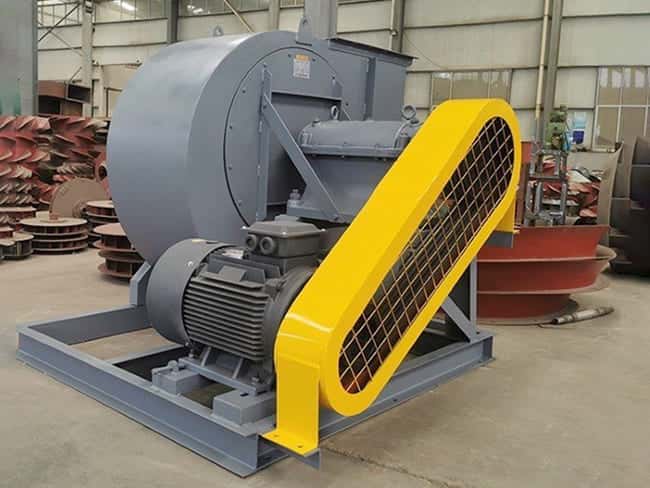
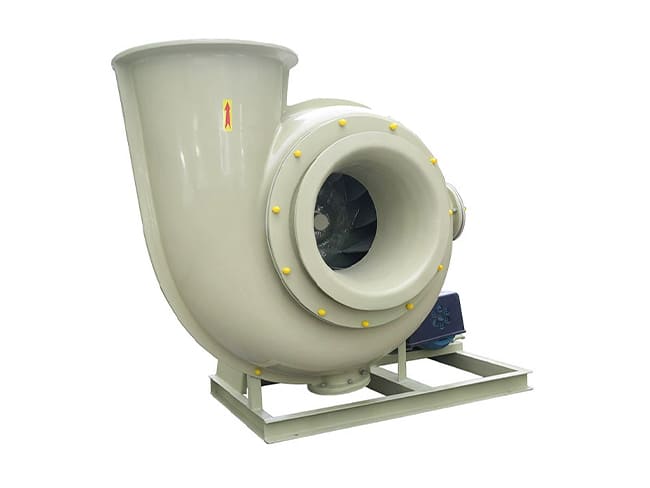
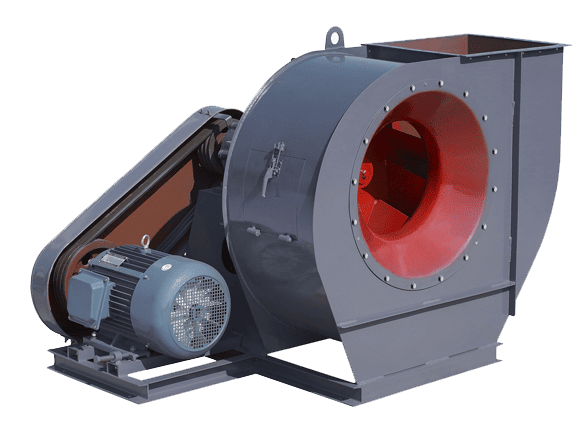
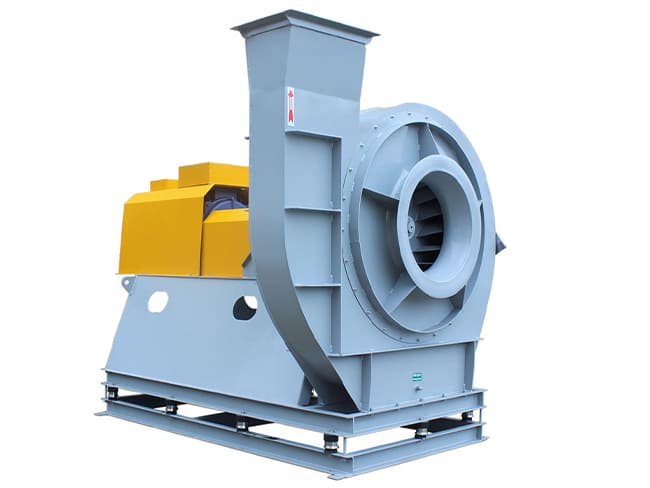
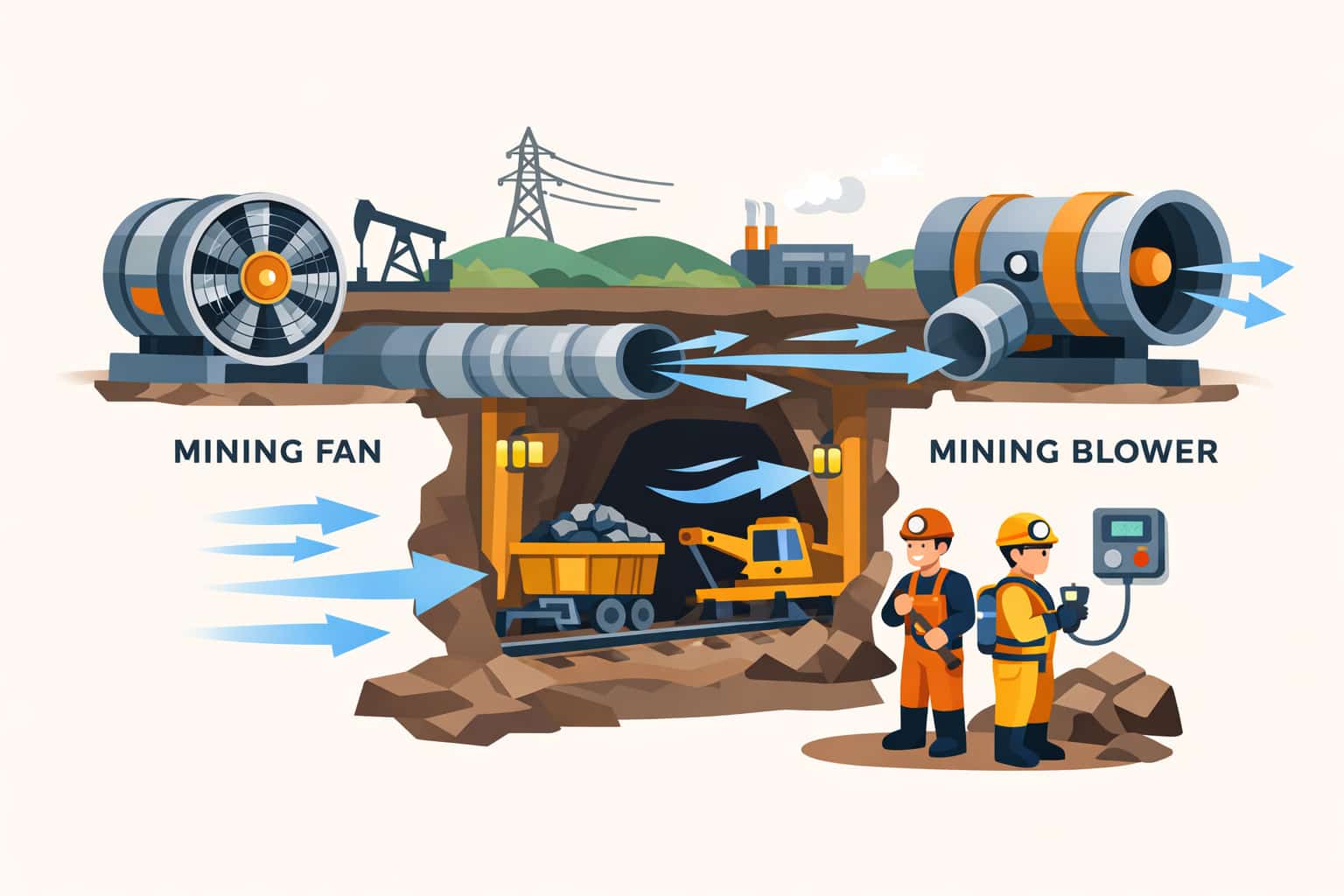
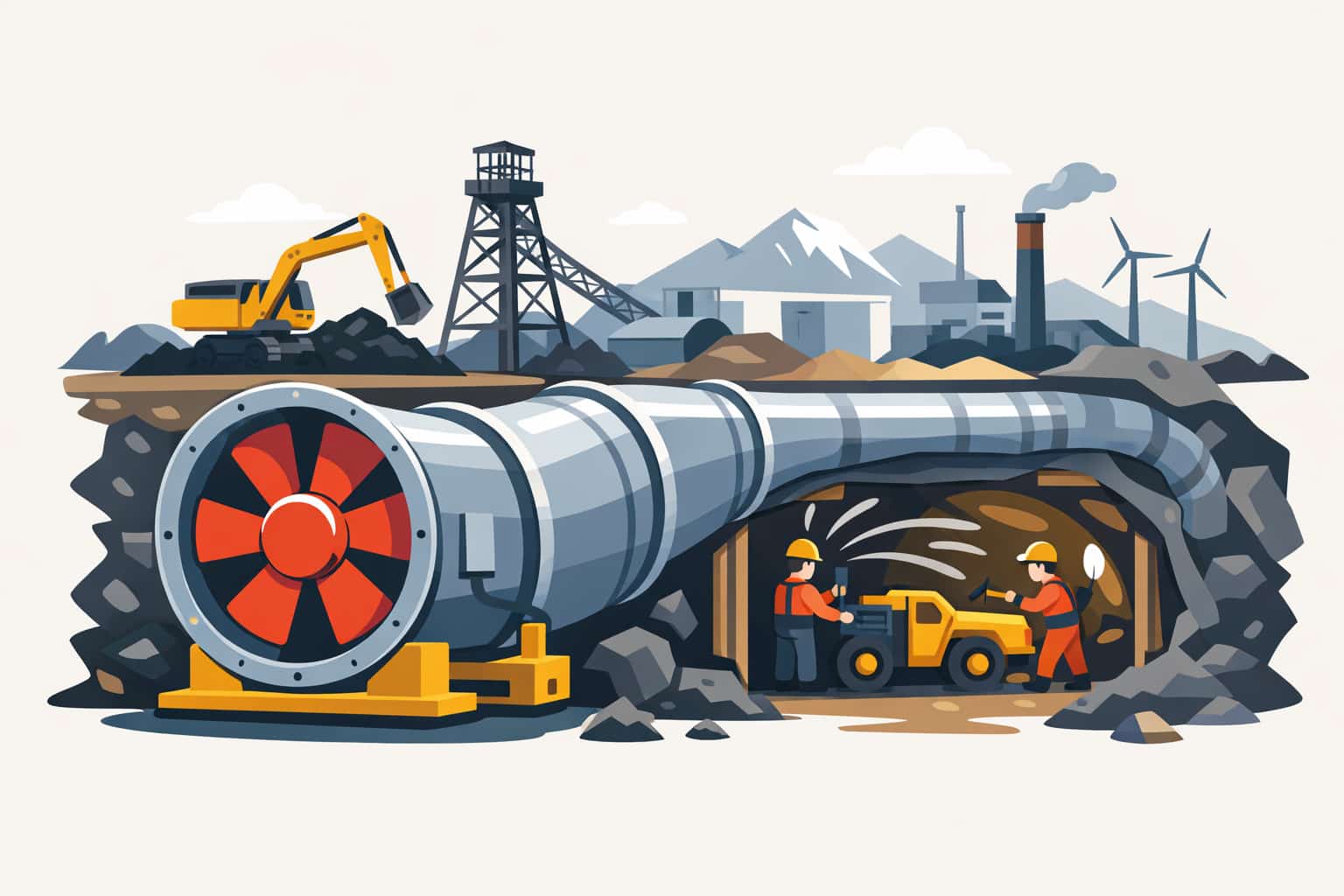
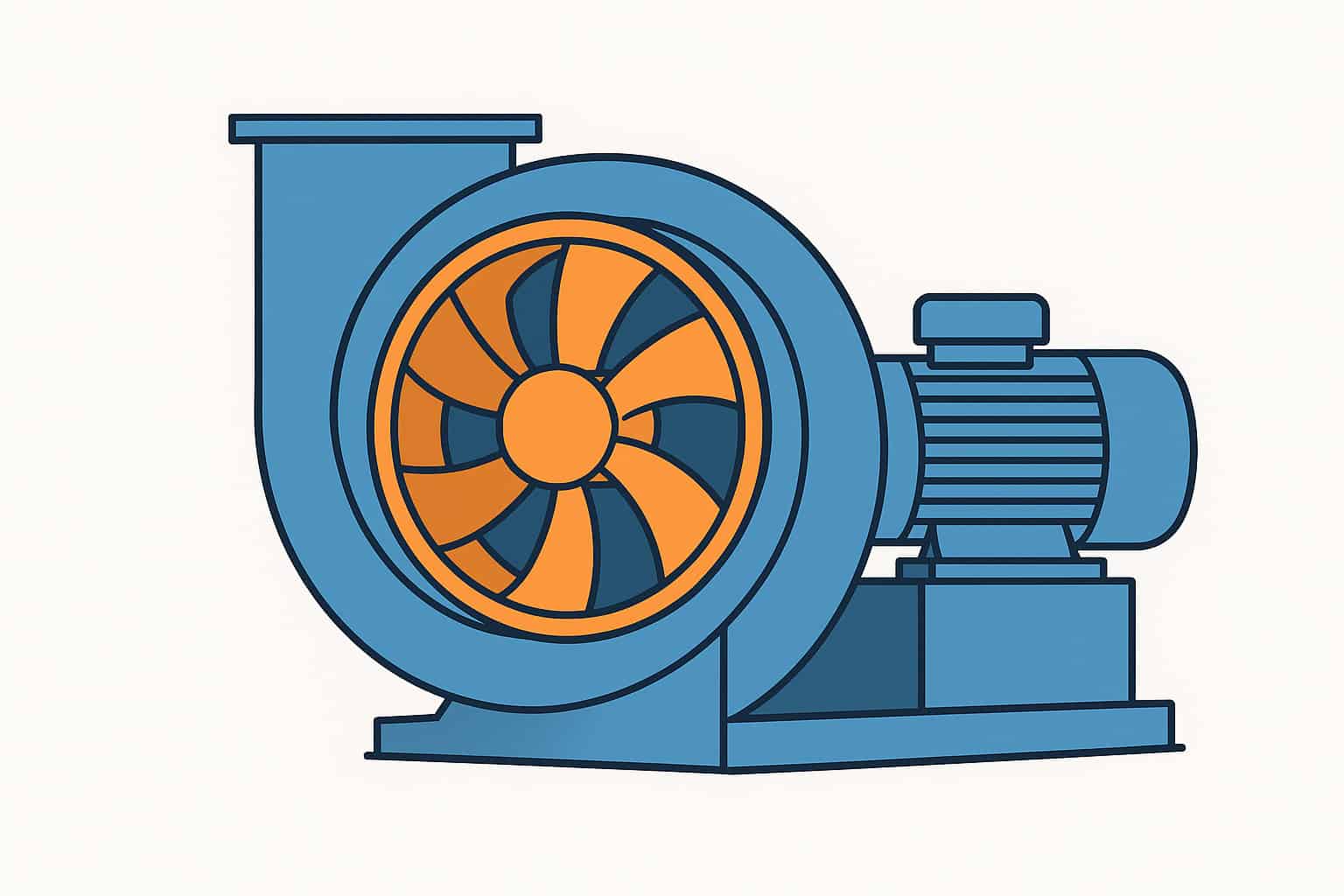
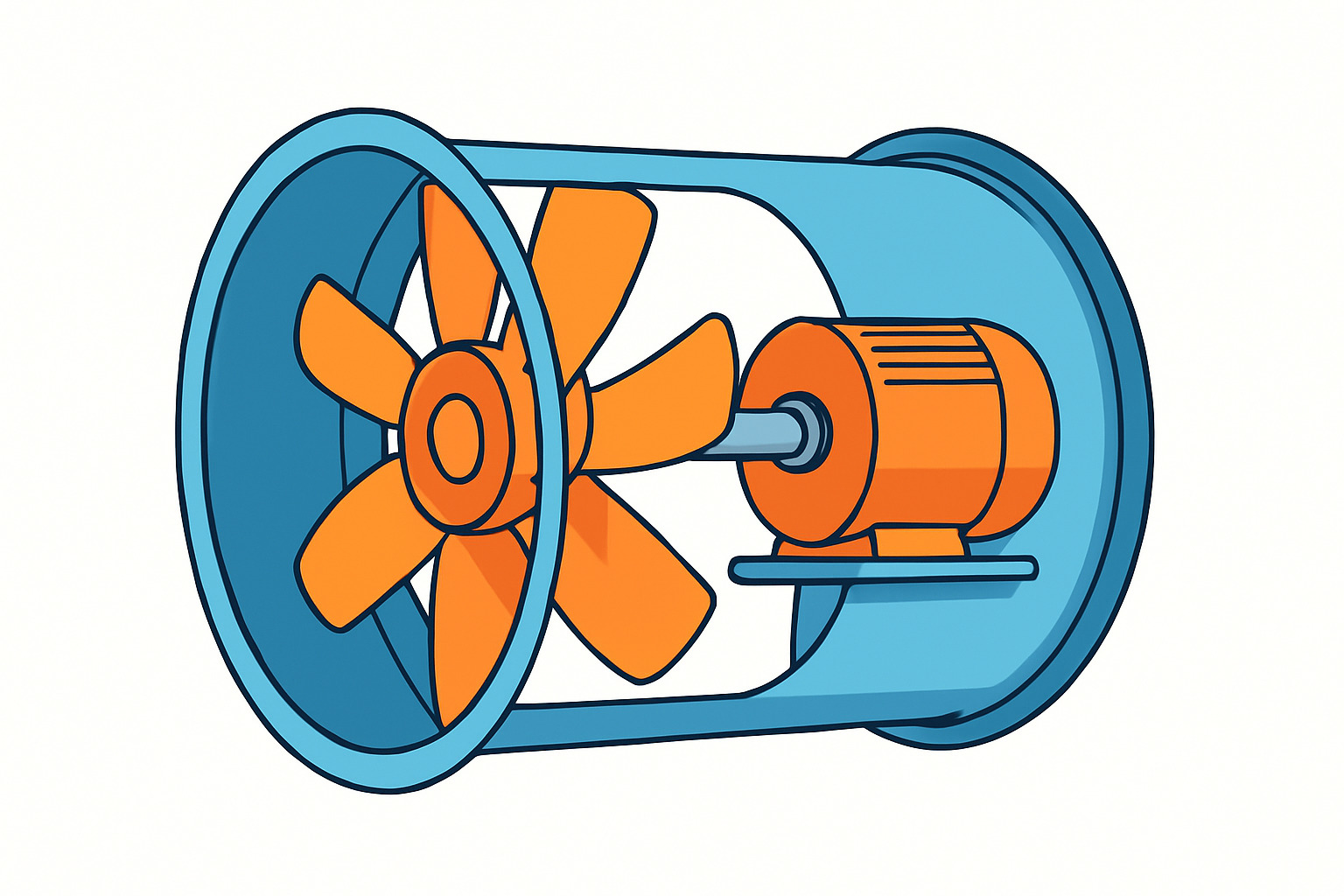
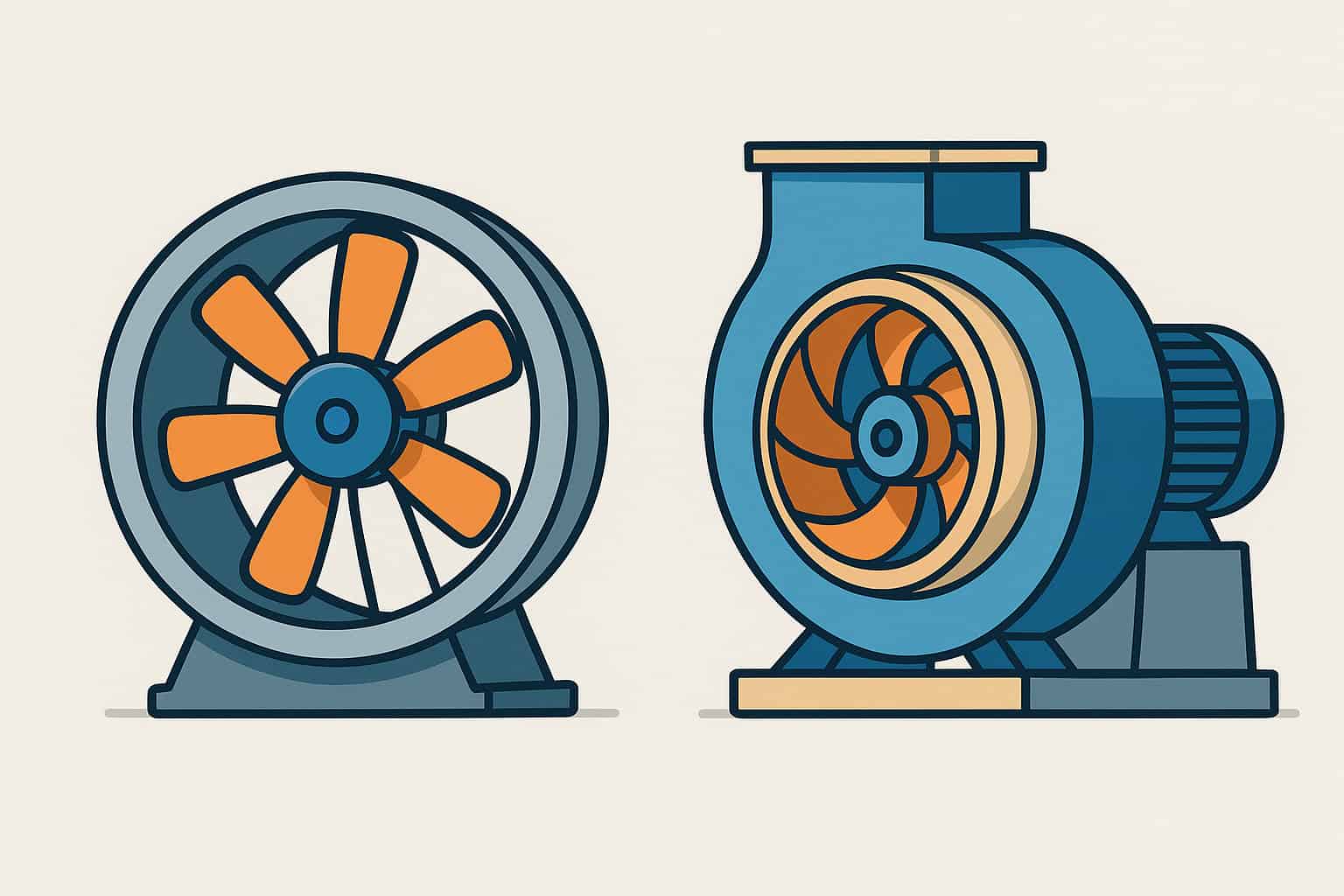
Beyond excavation, an air tunnel’s cost includes ventilation and safety equipment. Axial or centrifugal fans, electrical installations, control systems, monitoring sensors, dampers, and doors must all be purchased, installed, and commissioned. For road and rail projects, high-temperature fans, fire-resistant linings, emergency exits, lighting, and smoke control systems add further cost. In mines, connection to the existing ventilation network, construction of bulkheads and regulators, and integration with the mine’s control system must be considered.
Owners must also budget for design, permitting, and environmental management. Engineering design, geological investigation, numerical modelling, and risk assessments are essential for planning a safe and efficient ventilation tunnel. Permitting, environmental studies, and mitigation measures (such as noise and dust control at portals) can add substantial indirect costs, especially near populated or environmentally sensitive areas.
Finally, long-term factors such as operation, maintenance, and energy use influence the effective cost of an air tunnel. A slightly more expensive tunnel with a larger cross-section and smoother lining may reduce fan power requirements for decades, lowering total lifecycle cost compared with a cheaper but high-resistance tunnel.
In summary, the cost of an air tunnel is project-specific and depends on geology, dimensions, depth, access, ventilation equipment, safety systems, and design and permitting needs. Rather than a single price tag, owners and engineers evaluate all of these factors to develop a realistic budget for a particular ventilation tunnel project.