
There is no single fixed price for an air ventilation system, because every project has different airflow, pressure and safety requirements. A small workshop might only need a simple exhaust system with one fan and short duct, while a large factory or underground mine requires multiple fans, long airways, controls and monitoring. The real cost of a ventilation system includes both the initial capital investment and the long-term operating cost of running fans, maintaining equipment and replacing worn components.
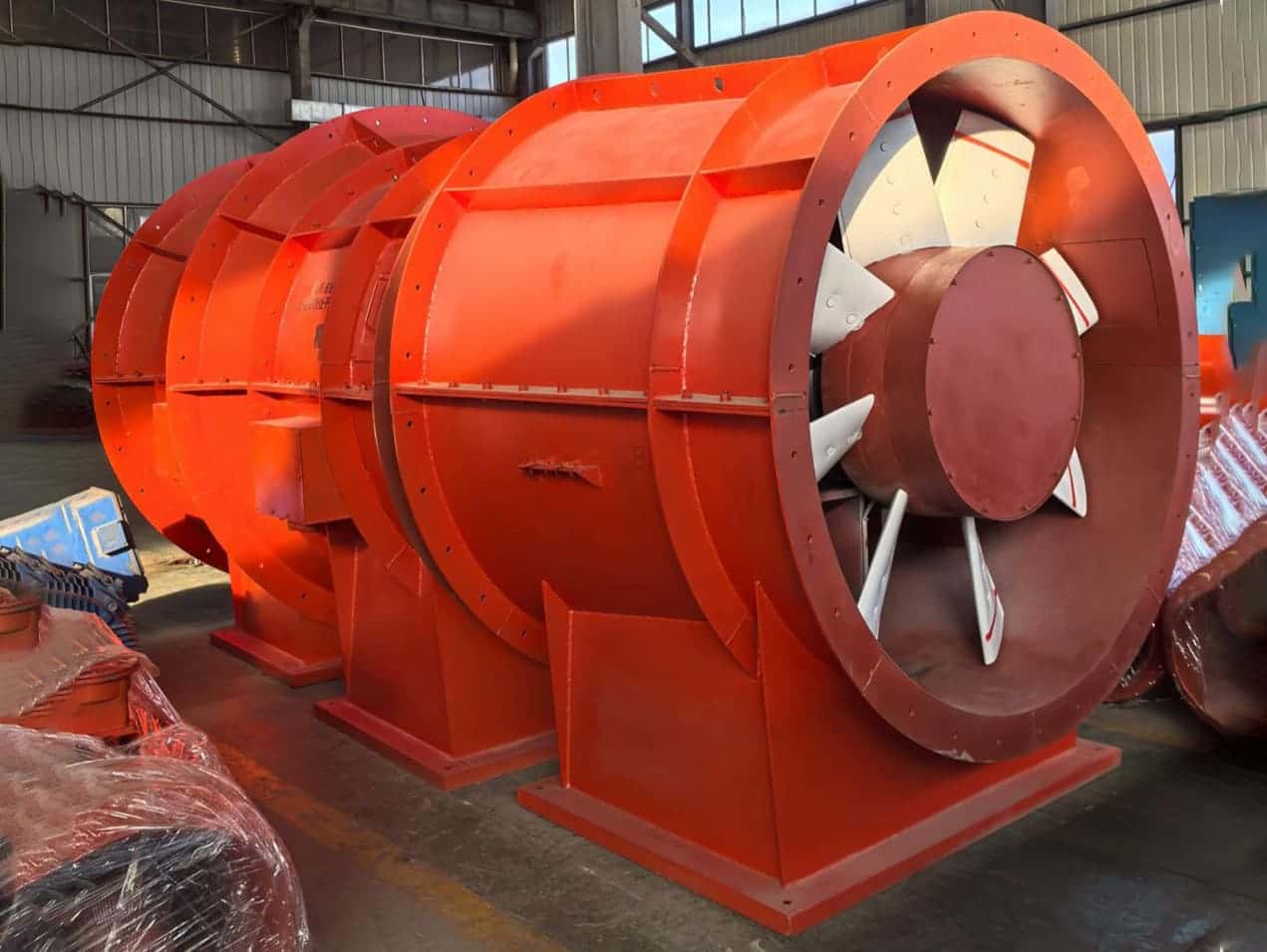
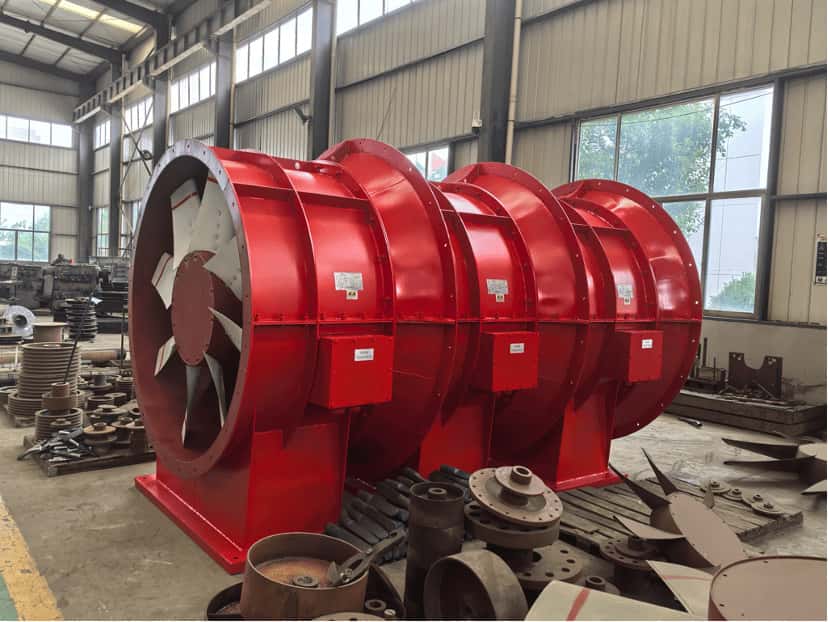
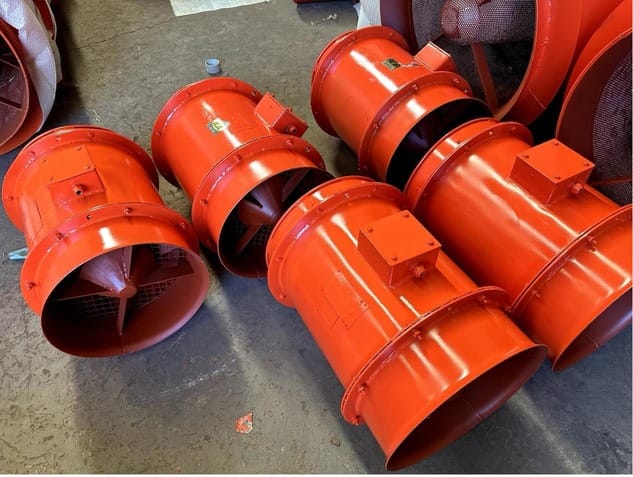
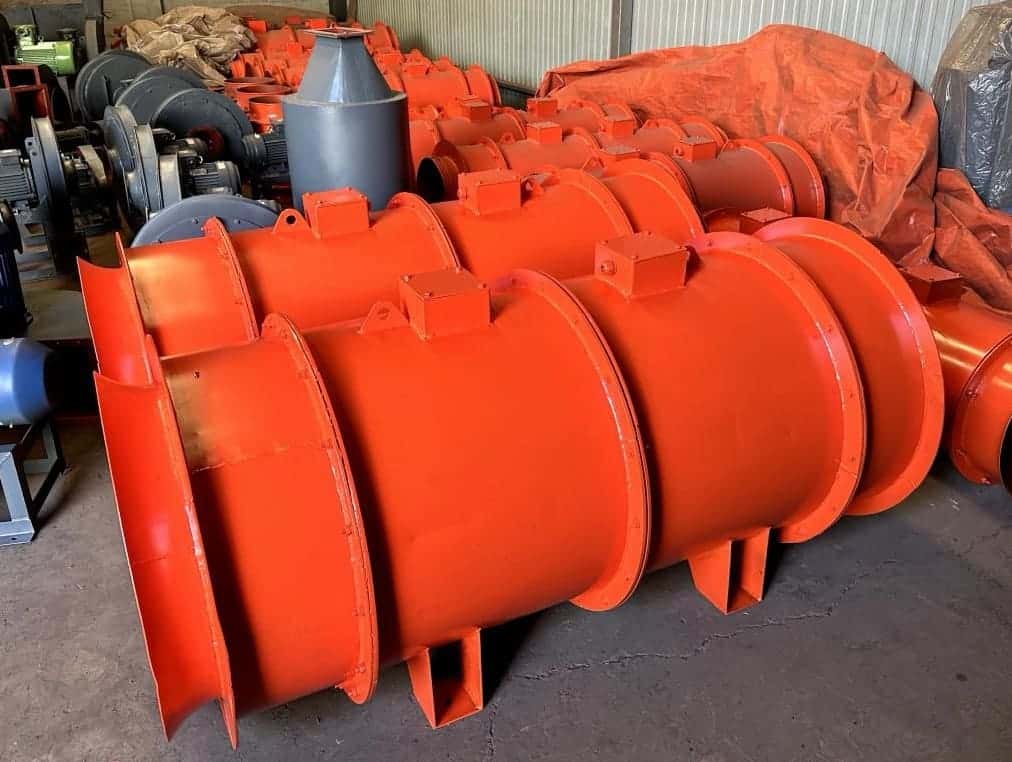
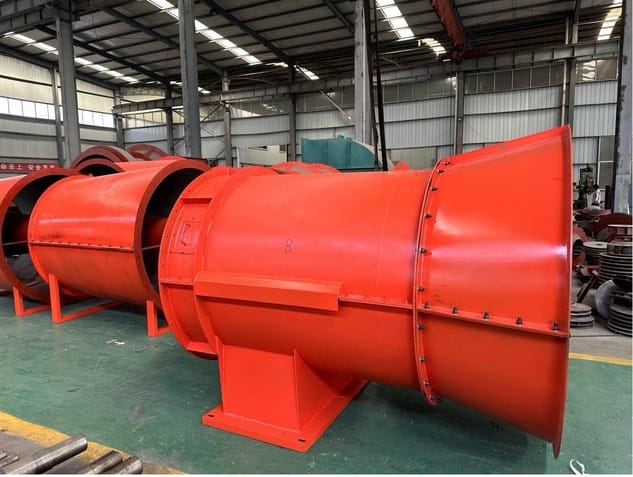
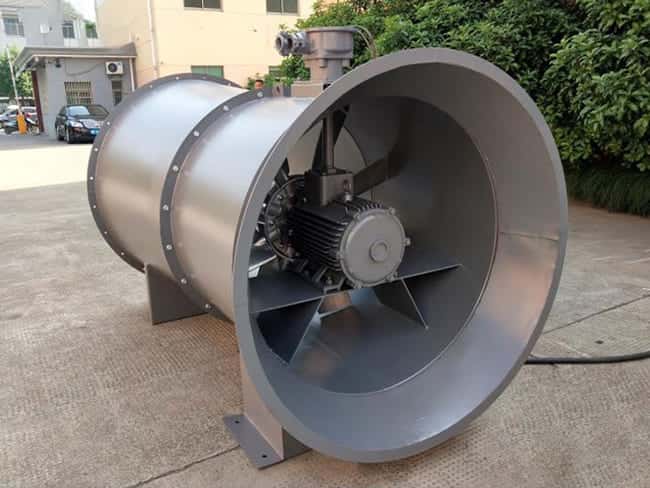
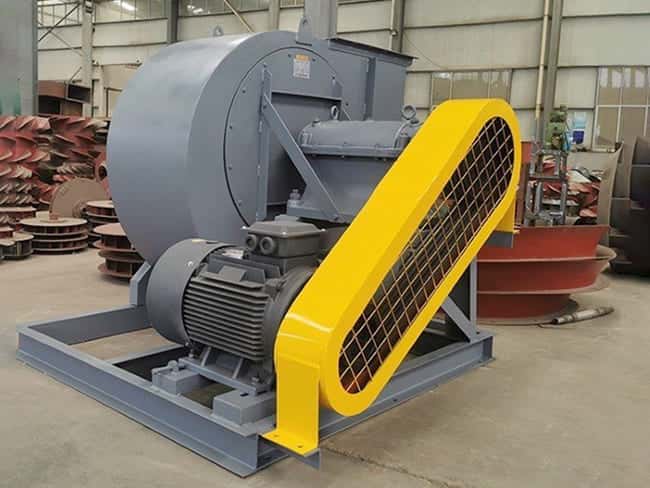
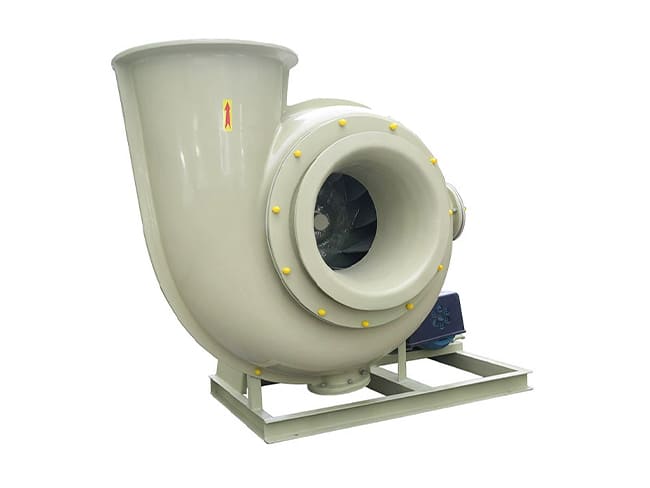
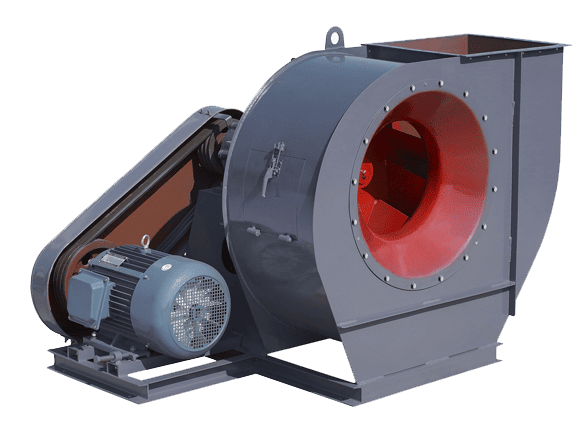
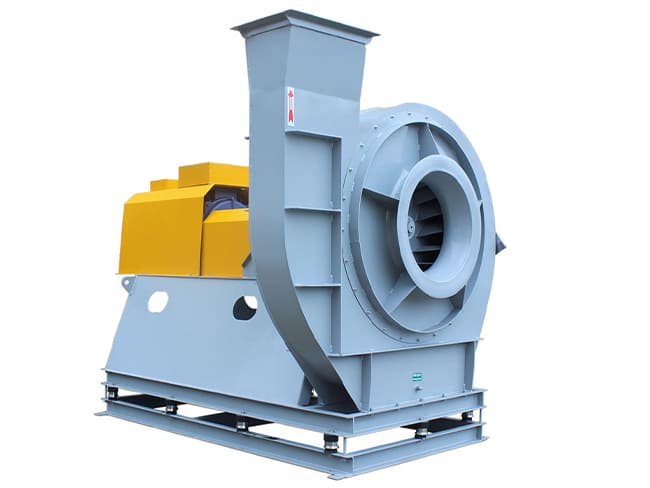
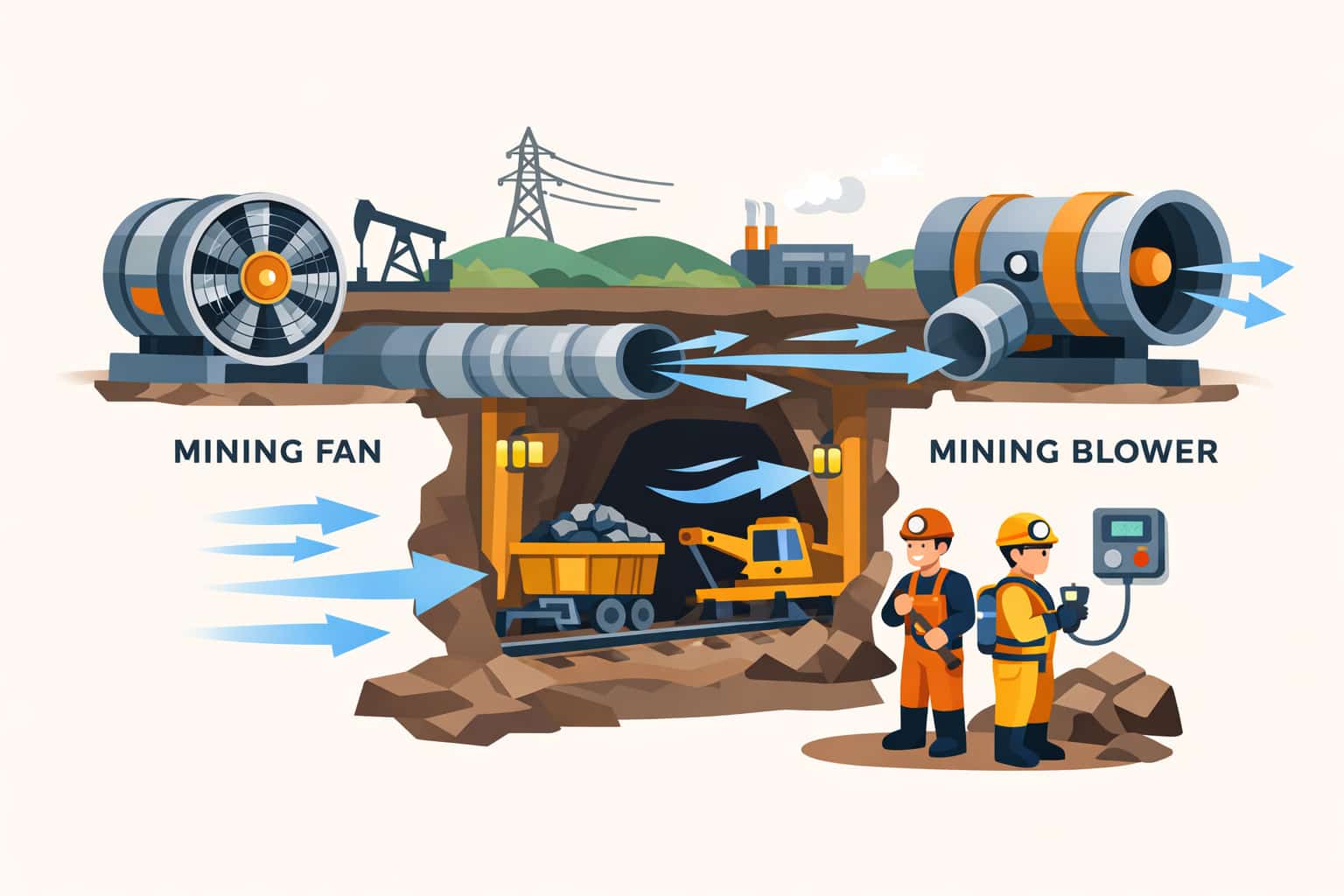
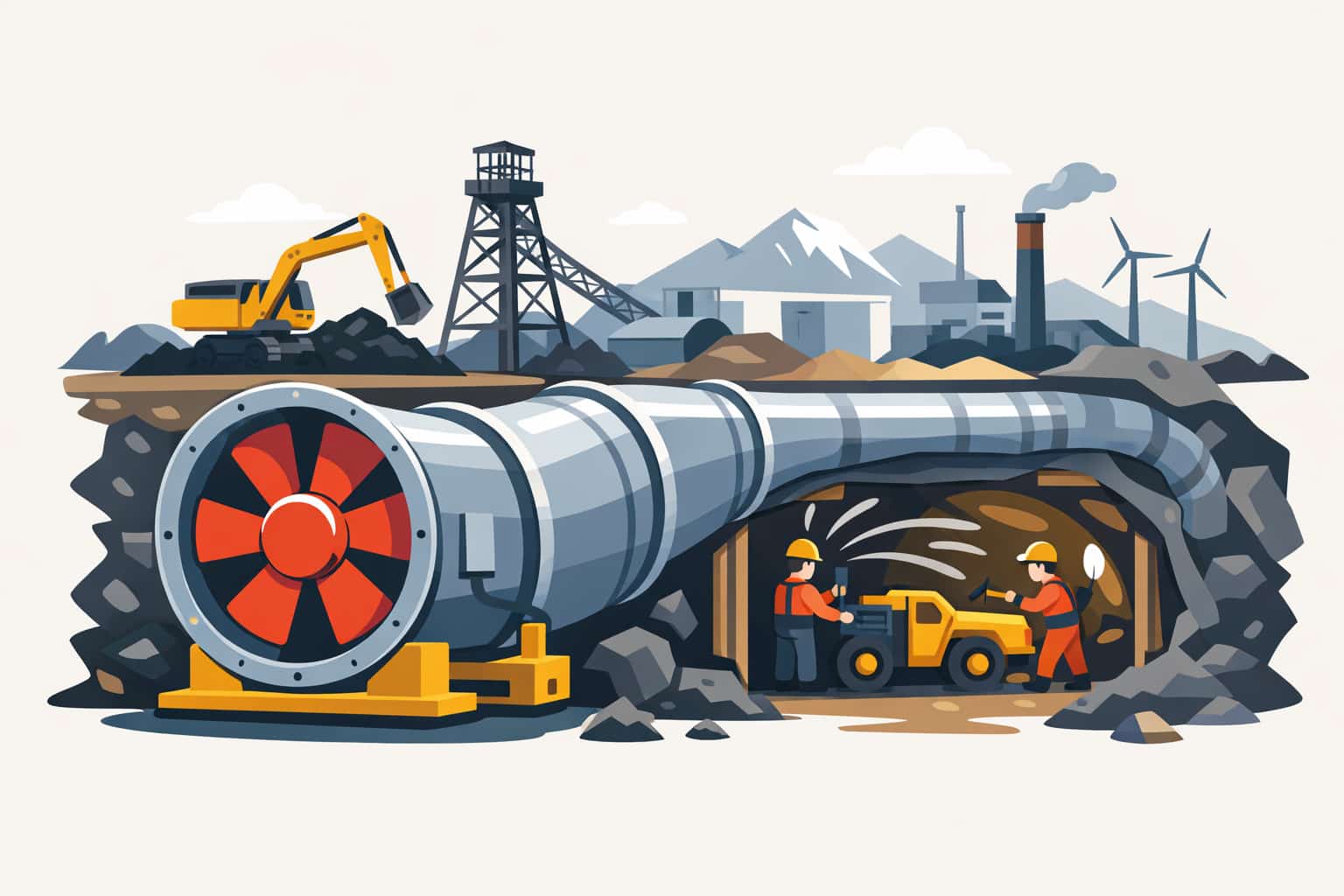
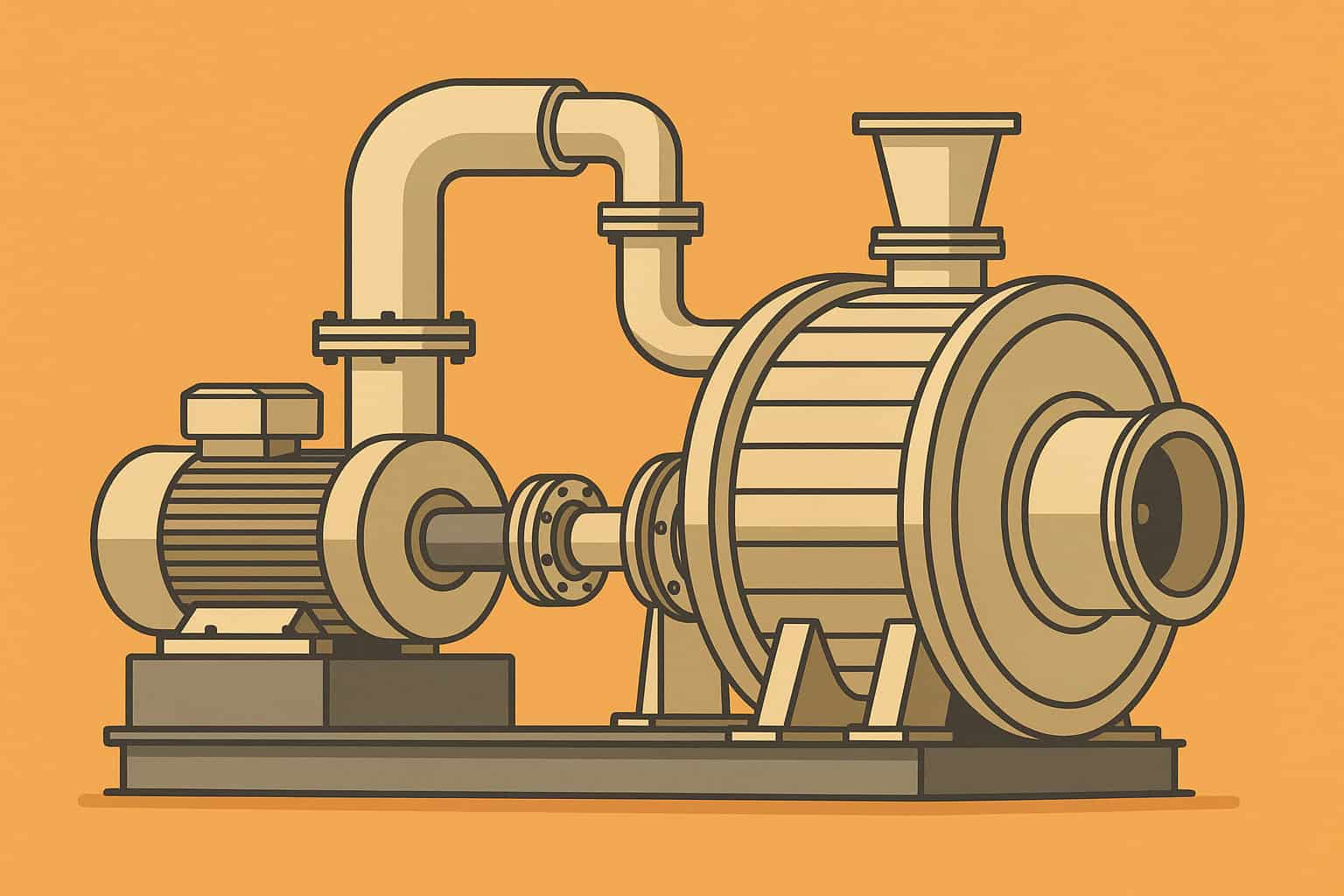
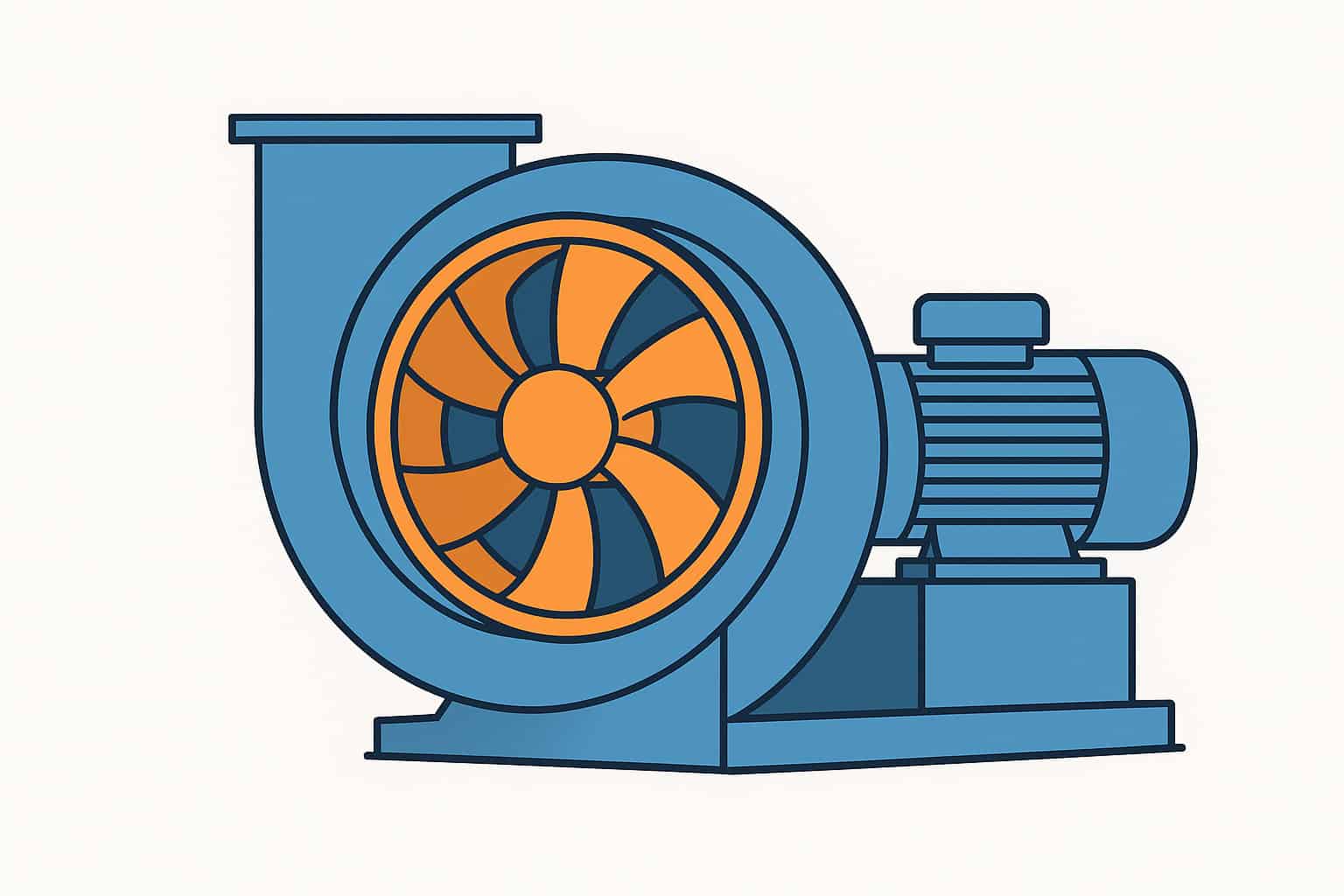
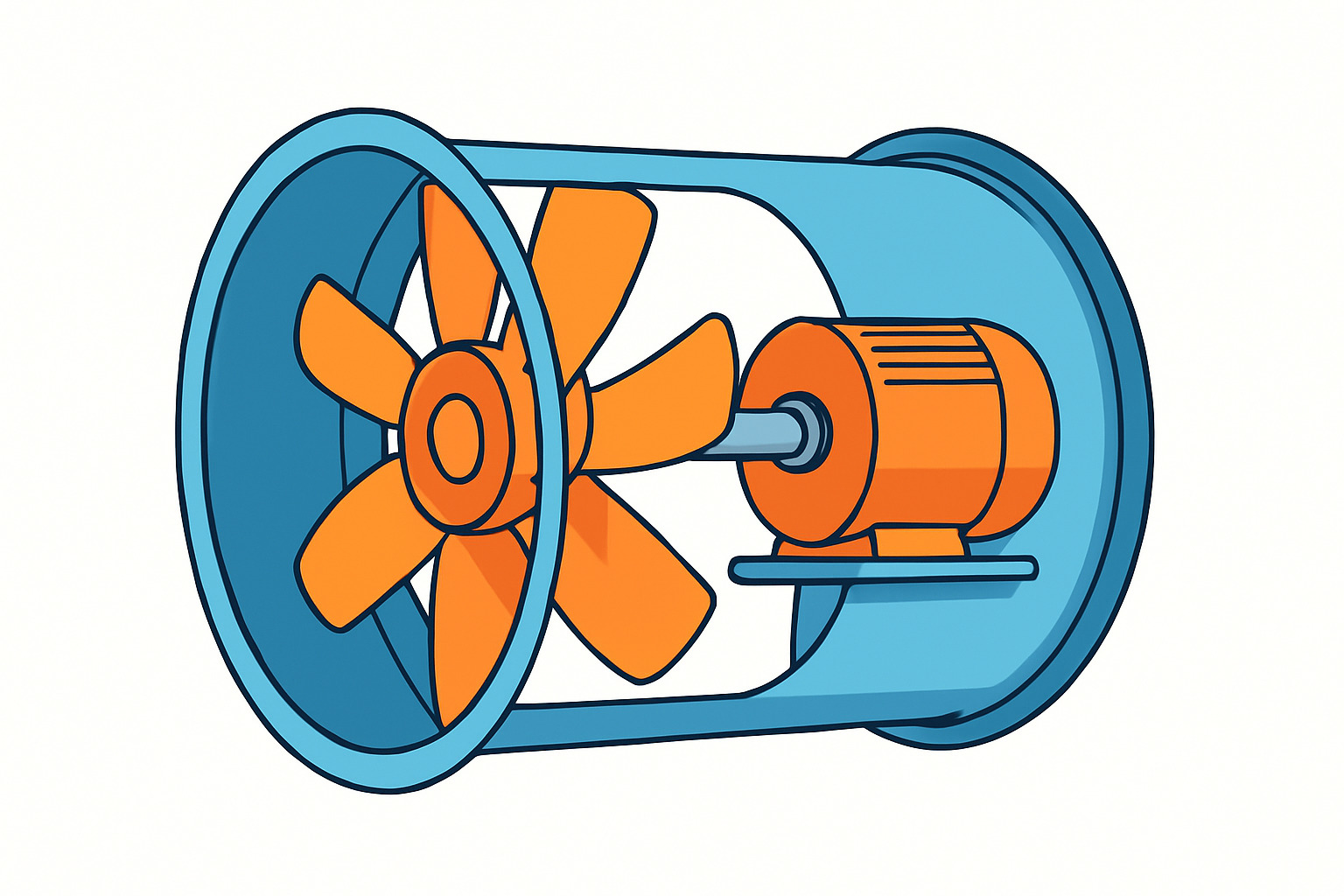
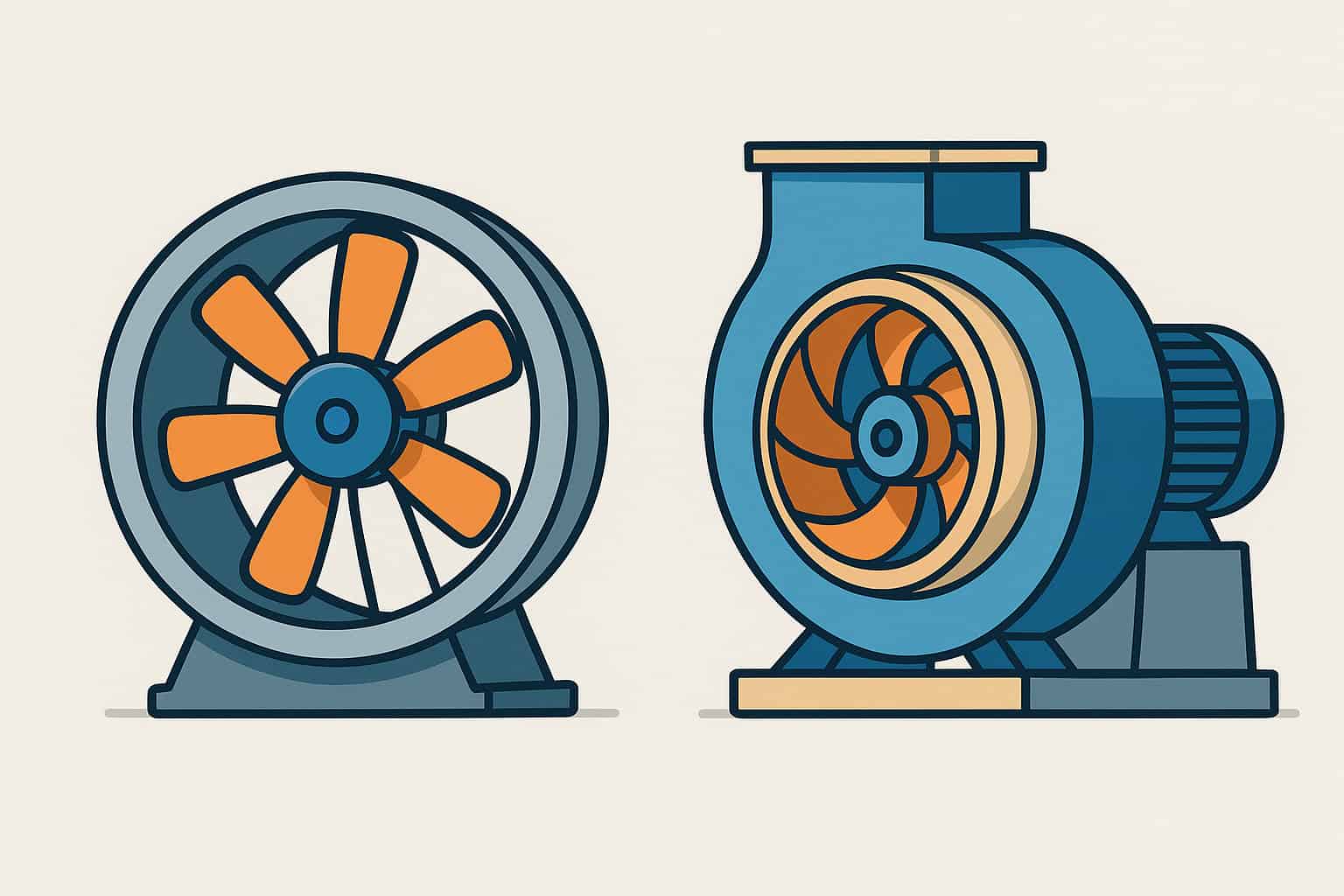
The first cost driver is the required airflow and pressure. If the system must move large volumes of air at significant static pressure (for example through long ducts, filters or a deep mine), it will need larger axial or centrifugal fans and more powerful motors. Main mine fans, tunnel fans and large industrial exhaust units are much more expensive than small wall-mounted units that move air at low pressure.
The second key factor is ductwork and airways. In buildings and plants, this means sheet metal ducting, elbows, transitions, hoods, diffusers and silencers. In mines it includes shafts, raises, drifts, stoppings, regulators and flexible ducts. Materials, sizes and lengths all affect cost. A low-resistance duct layout with smooth transitions may cost more initially, but it allows the use of smaller fans or lower fan pressures, which reduces energy consumption over the life of the system.
Modern systems often include controls and monitoring. Variable speed drives, automatic dampers, gas sensors, temperature sensors and central PLC or SCADA systems increase the initial cost, but they make it possible to implement ventilation-on-demand strategies. By slowing fans when full airflow is not needed, these controls can significantly reduce power bills, especially in mines where ventilation is one of the largest energy consumers.
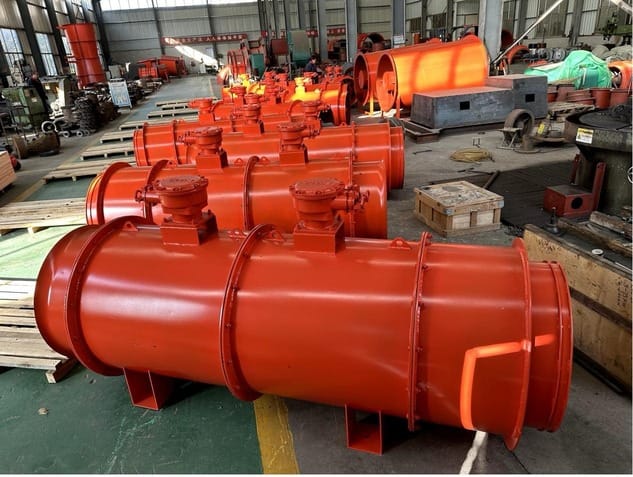
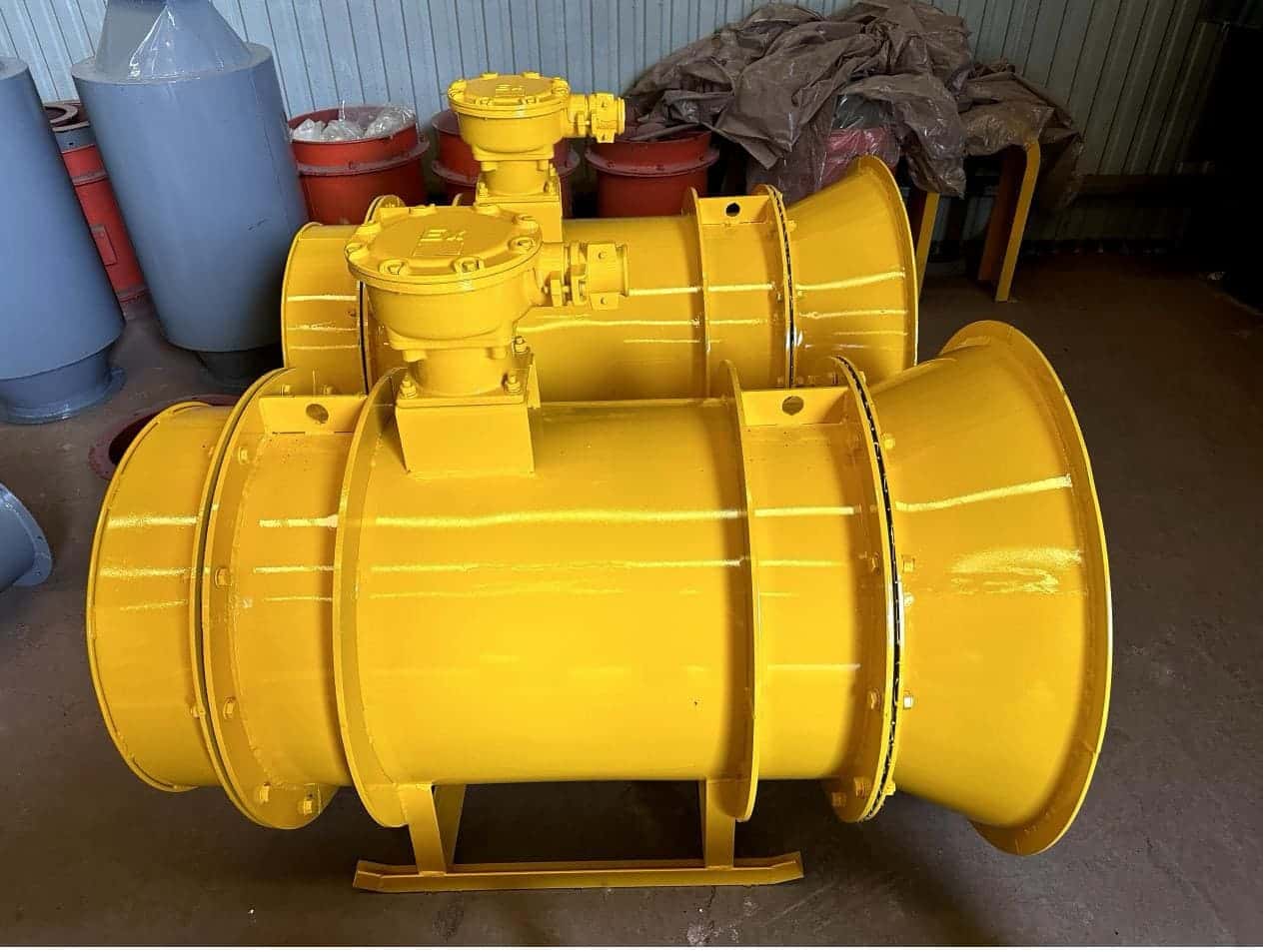
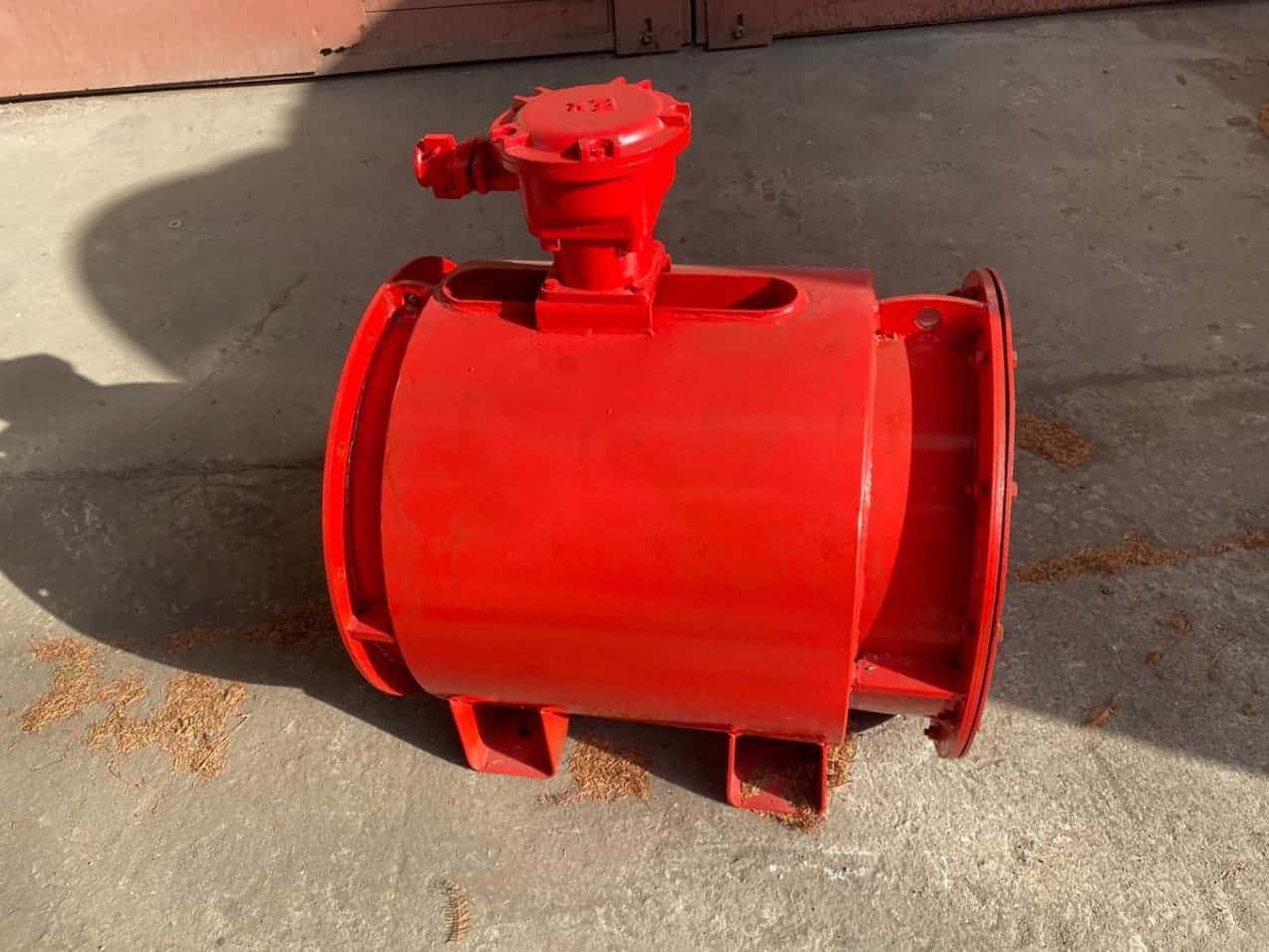
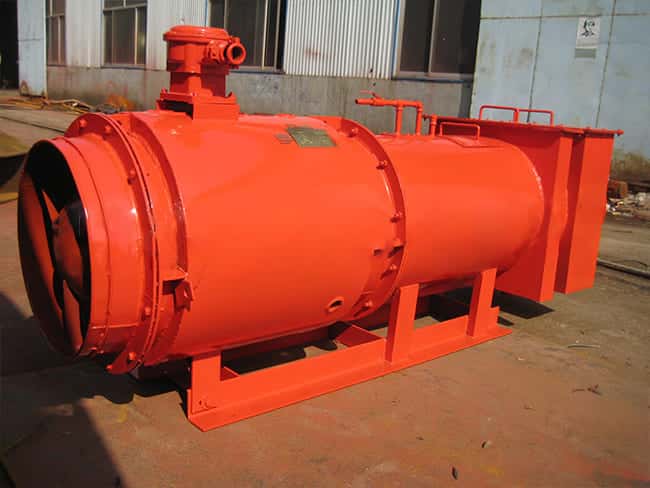
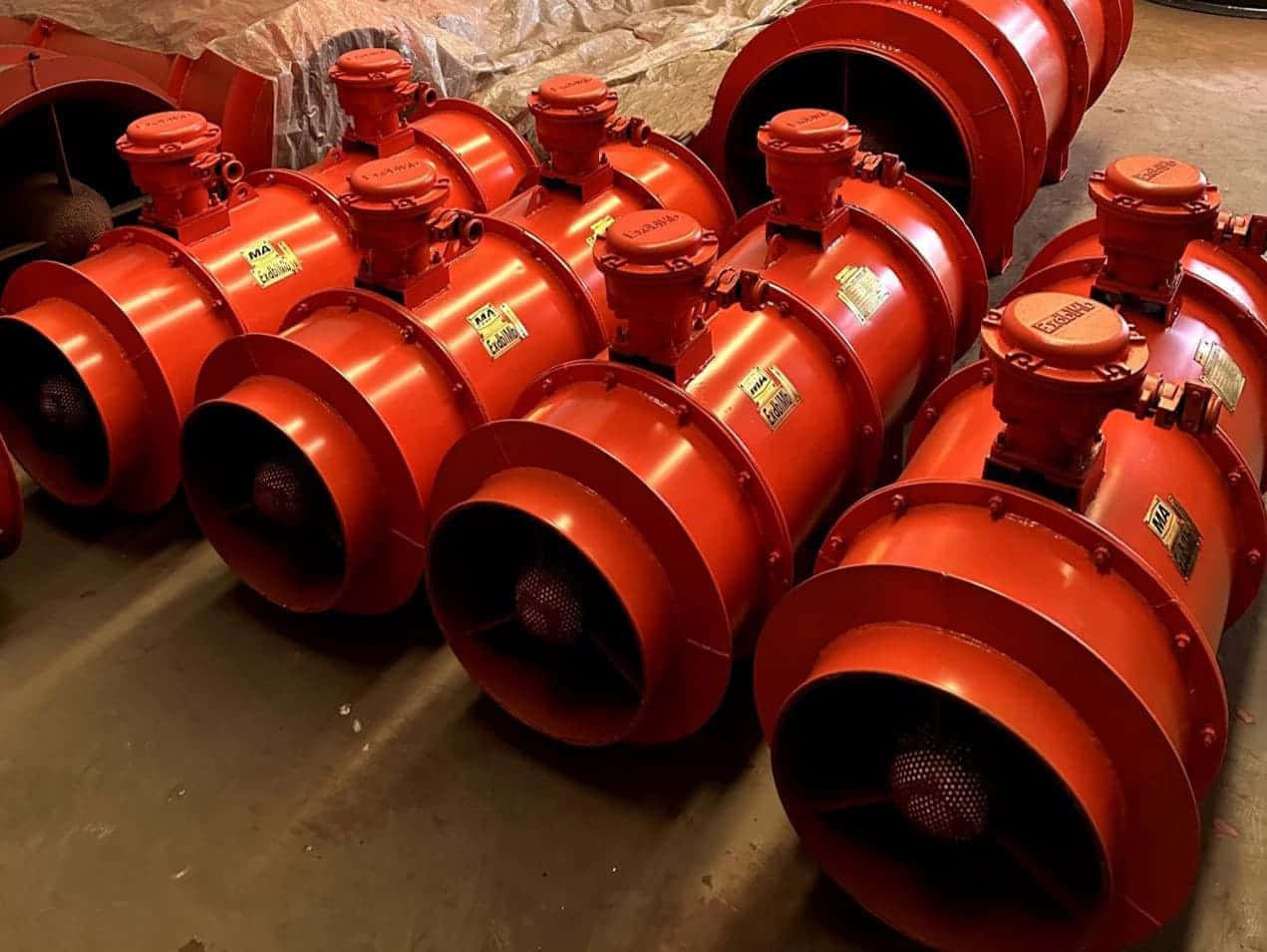
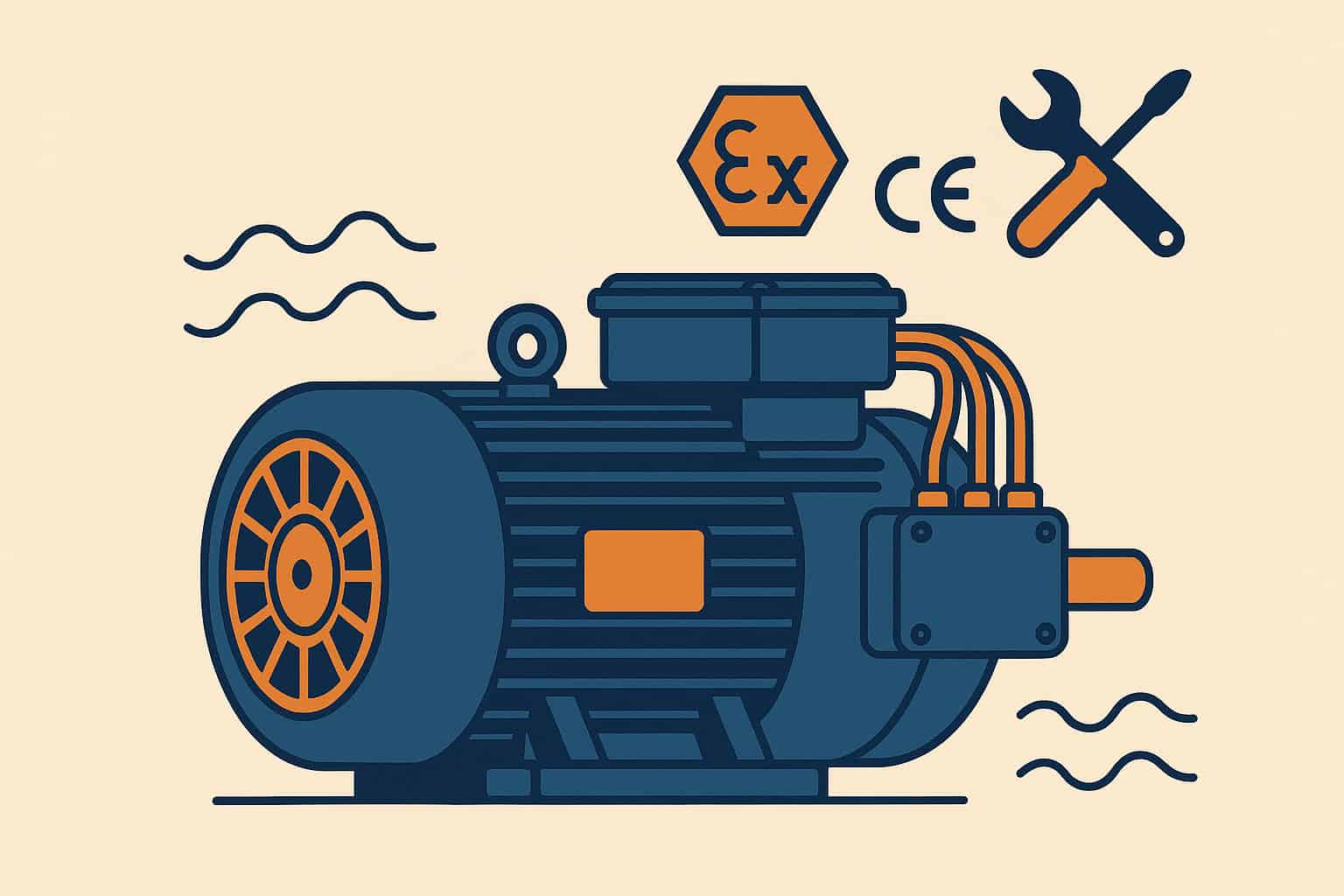
Safety and certification also influence cost. In explosive atmospheres or gassy mines, fans and motors may need explosion-proof or flameproof ratings, gas monitoring must be continuous and emergency ventilation scenarios must be considered. These requirements increase both hardware and engineering costs but are essential for regulatory compliance and safety.
Finally, the true cost of an air ventilation system must consider lifecycle expenses. Energy, maintenance, replacement parts and periodic upgrades often exceed the original purchase price over a 10–20 year period. Selecting efficient fans, good duct design and smart controls may raise the capital cost but will usually lower total cost of ownership.
In summary, the cost of an air ventilation system depends on airflow and pressure, fan and motor size, duct and airway construction, control level, safety standards and energy strategy. A proper engineering study is the best way to determine a realistic budget for your particular building, industrial plant or underground mine.