
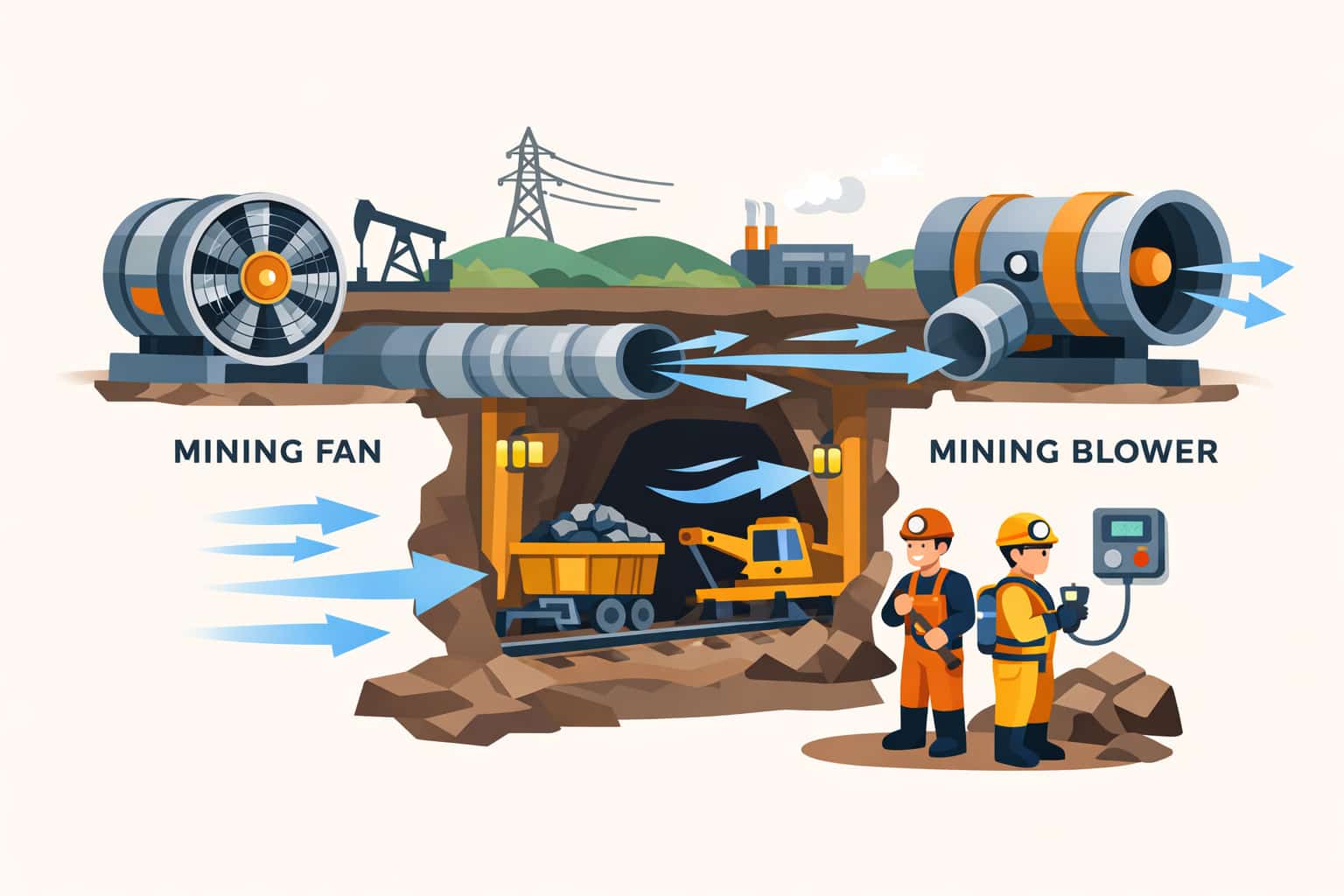
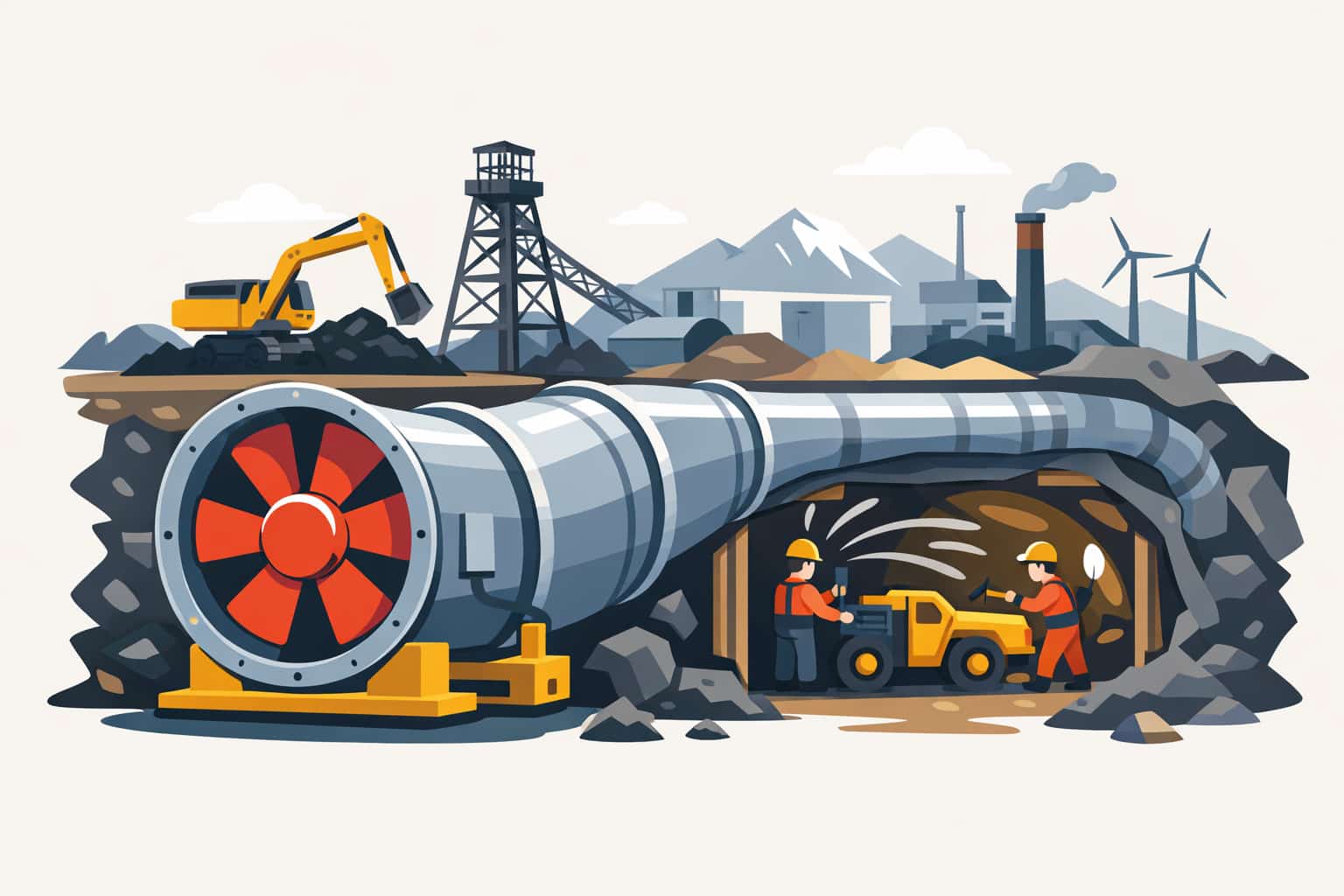
The question of how much it costs to install a mine ventilation booster fan station does not have a single fixed number, because every mine and every project is different. Instead, the cost depends on a set of technical and site specific factors: required airflow and pressure, fan type and size, power supply, civil works, underground infrastructure and control systems. Understanding these elements helps mine planners build realistic budgets and compare options for main fans versus booster fans.
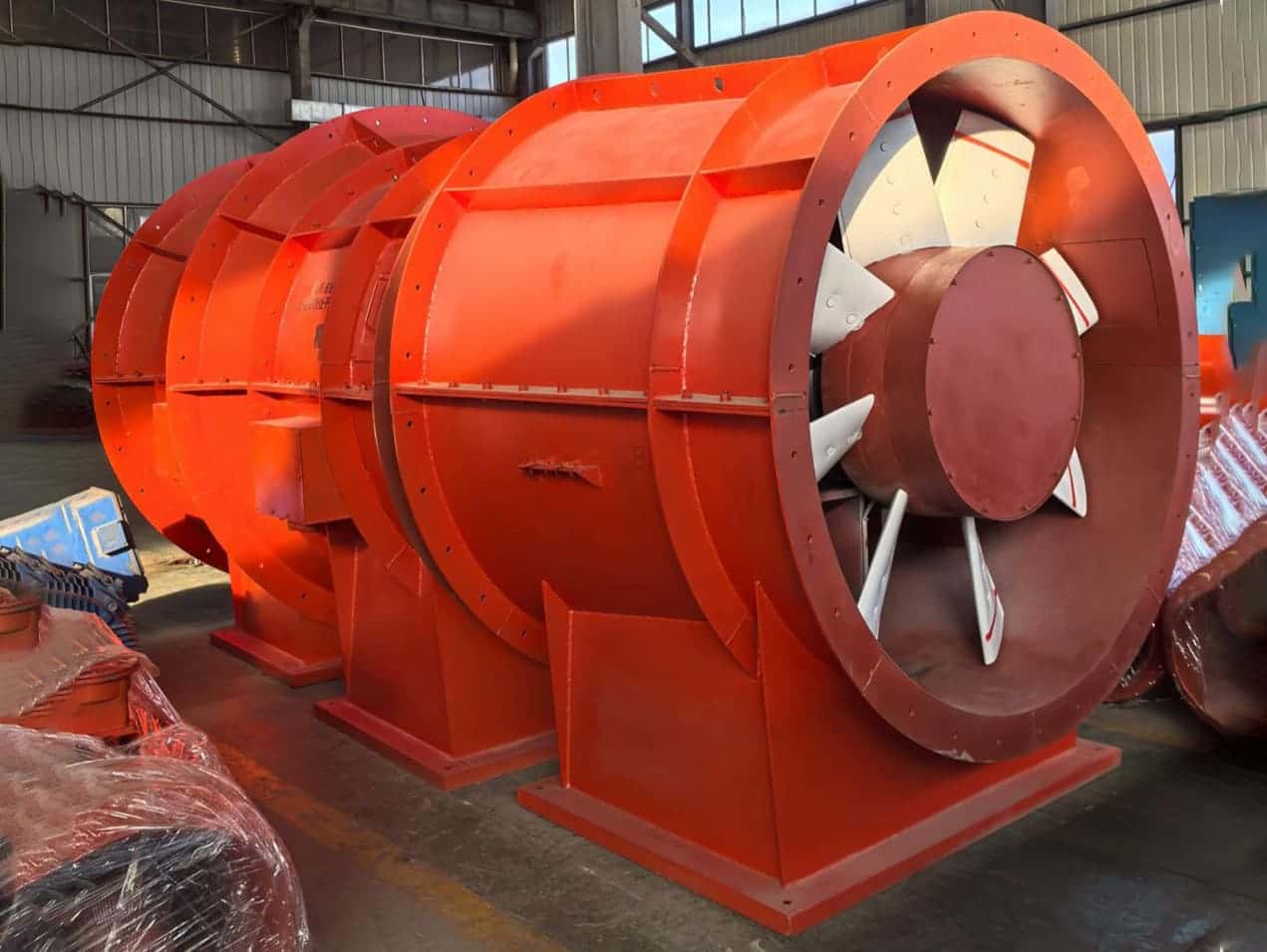
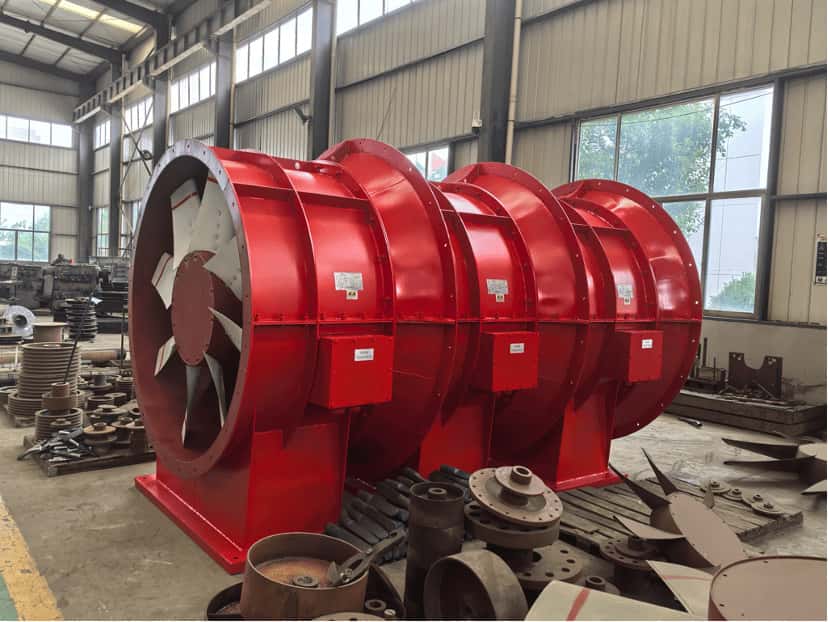
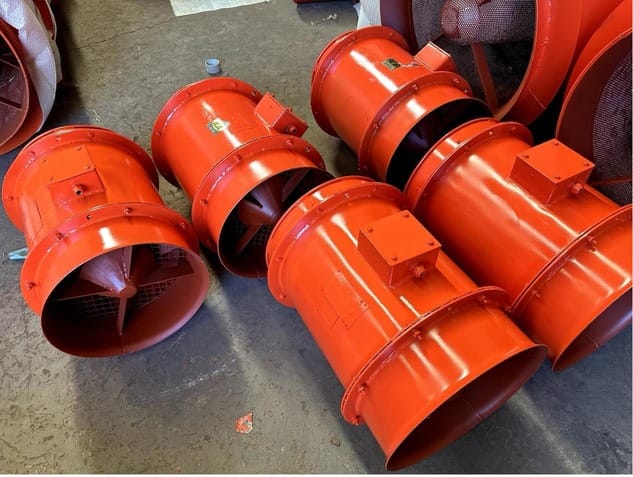
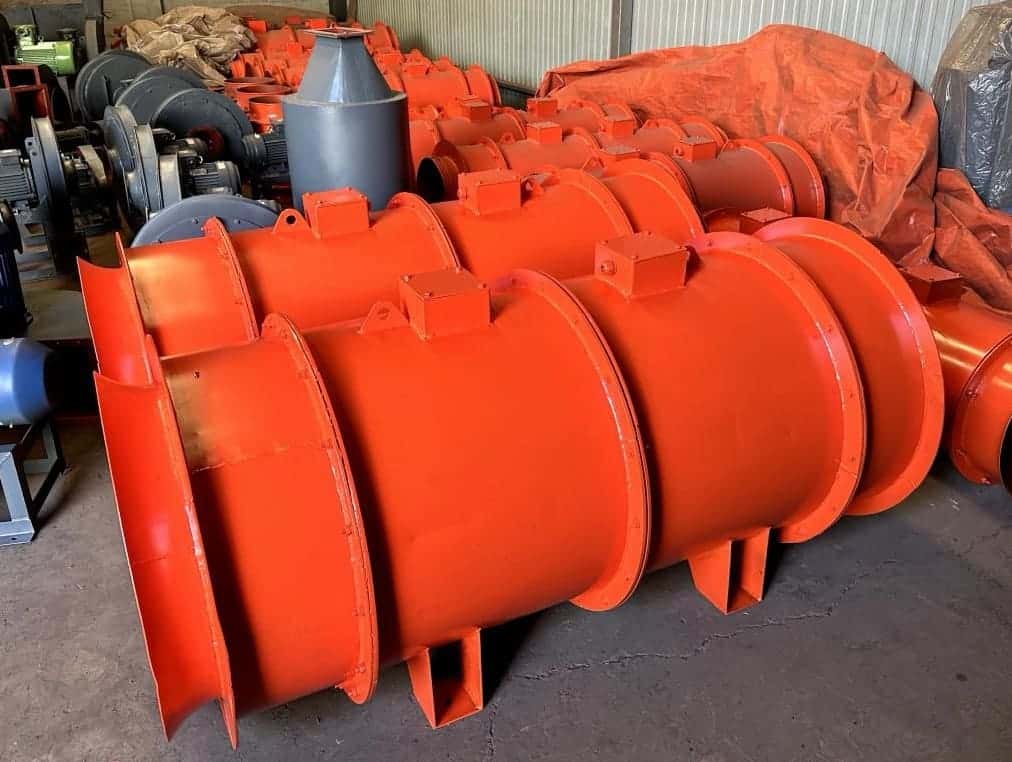
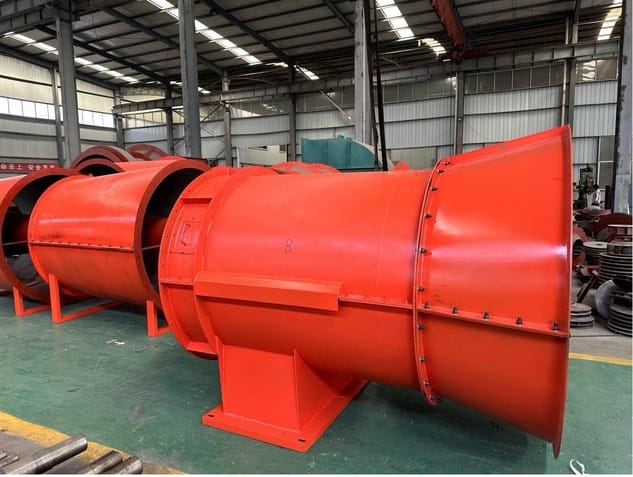
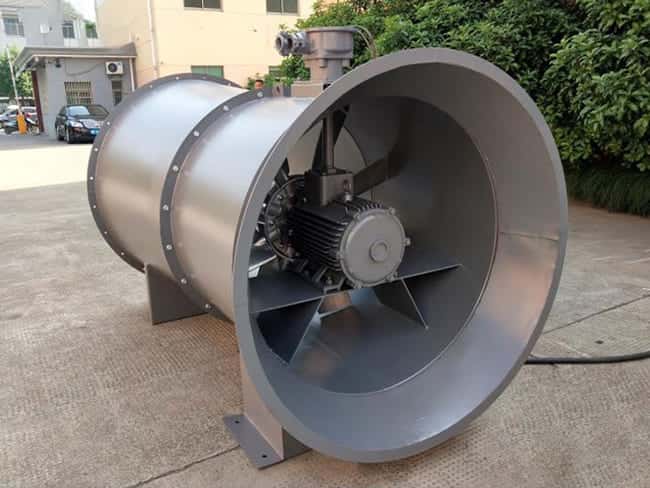
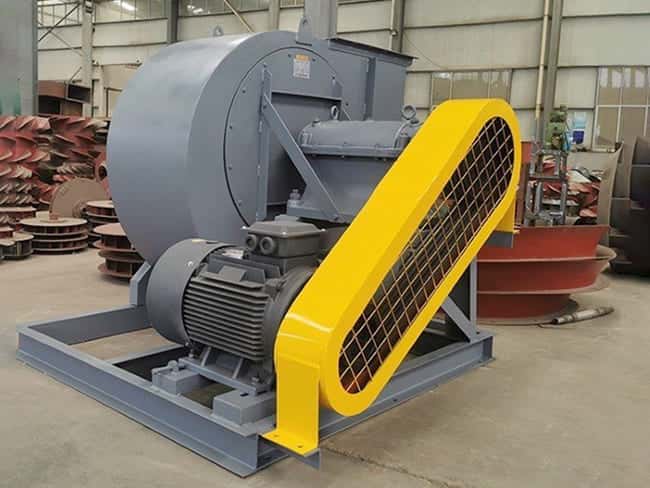
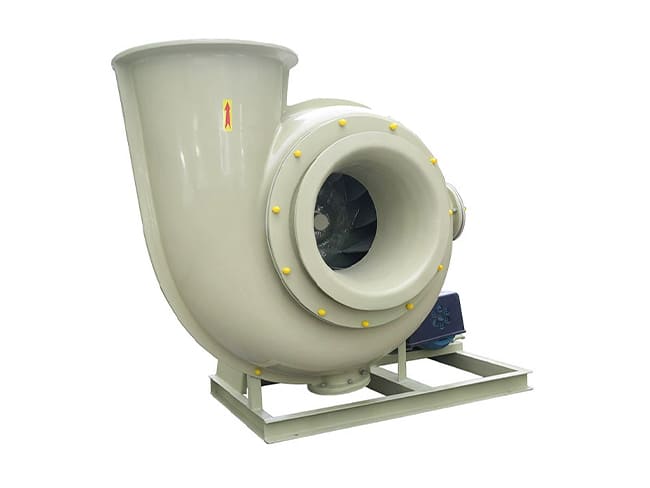
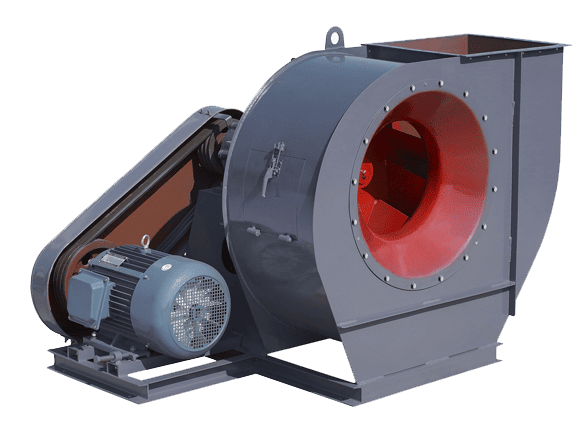
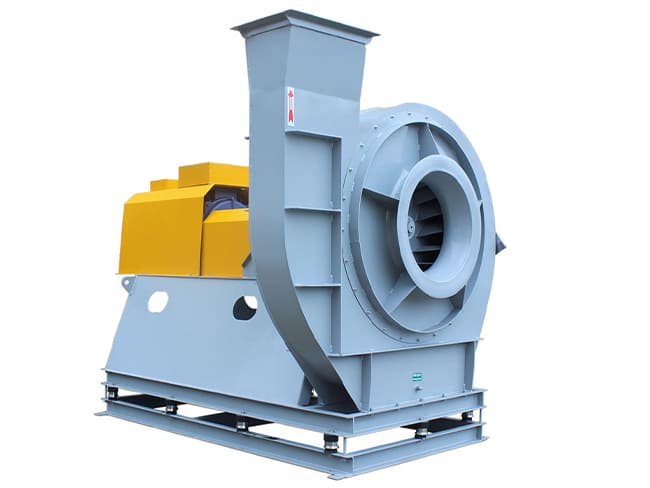
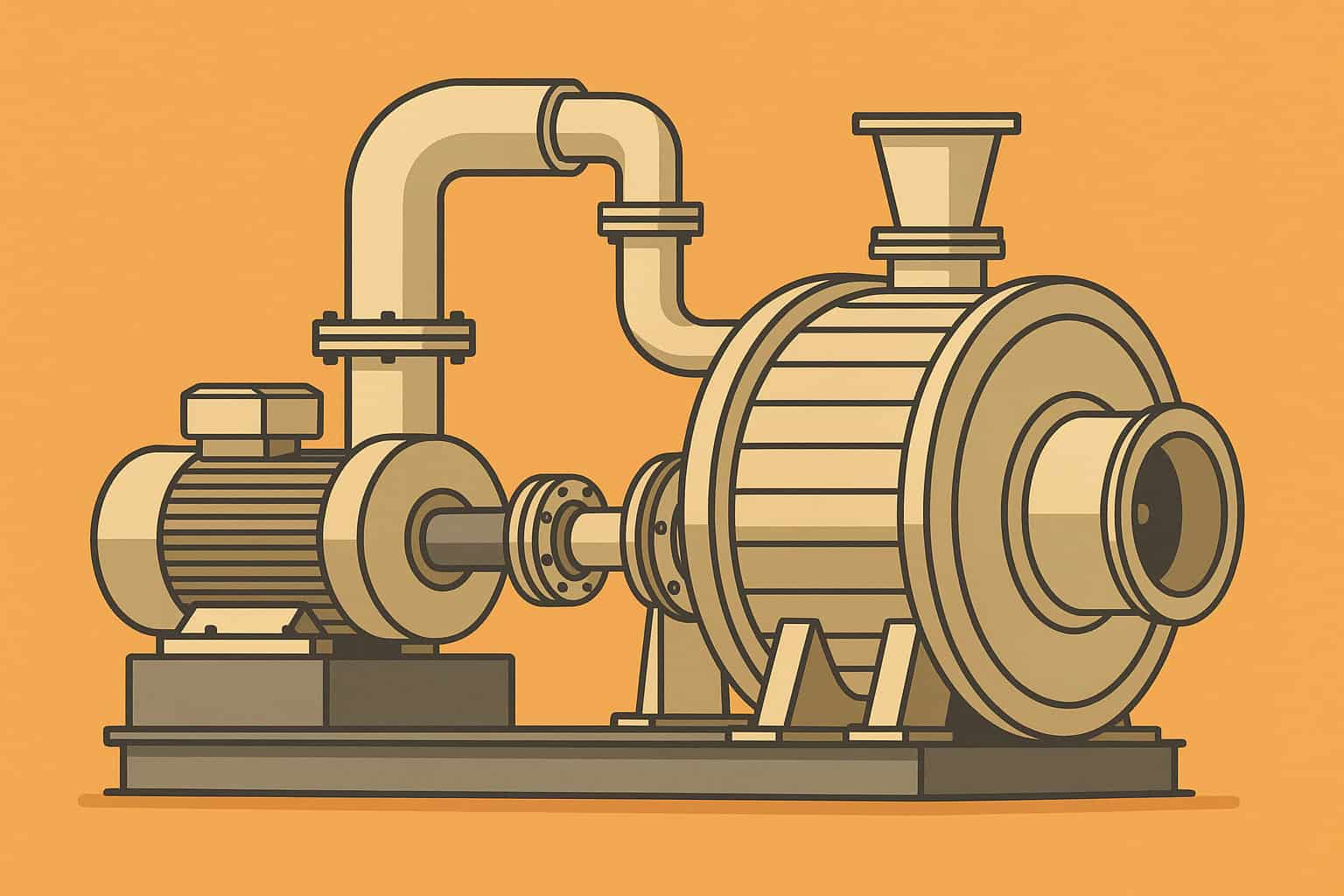
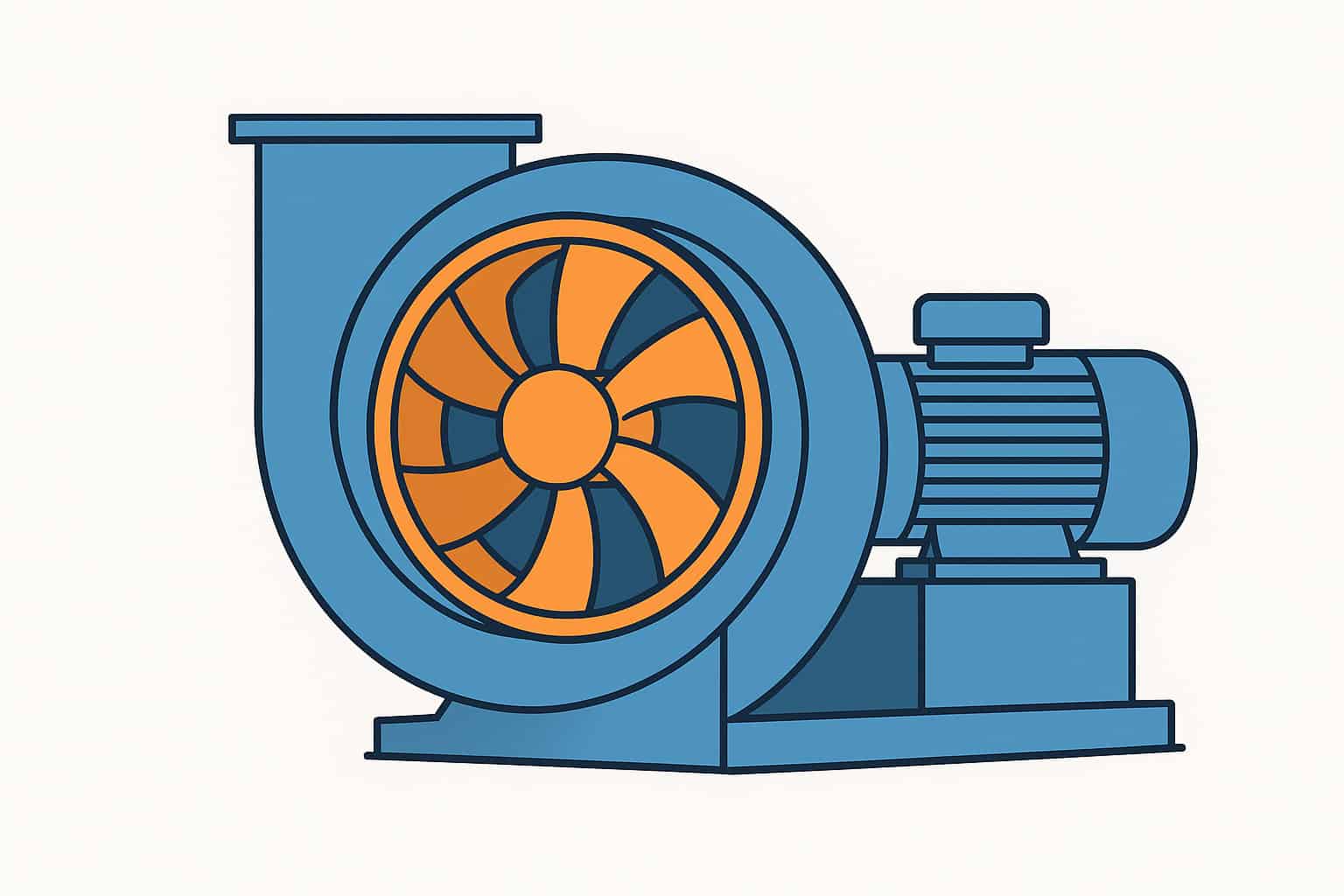
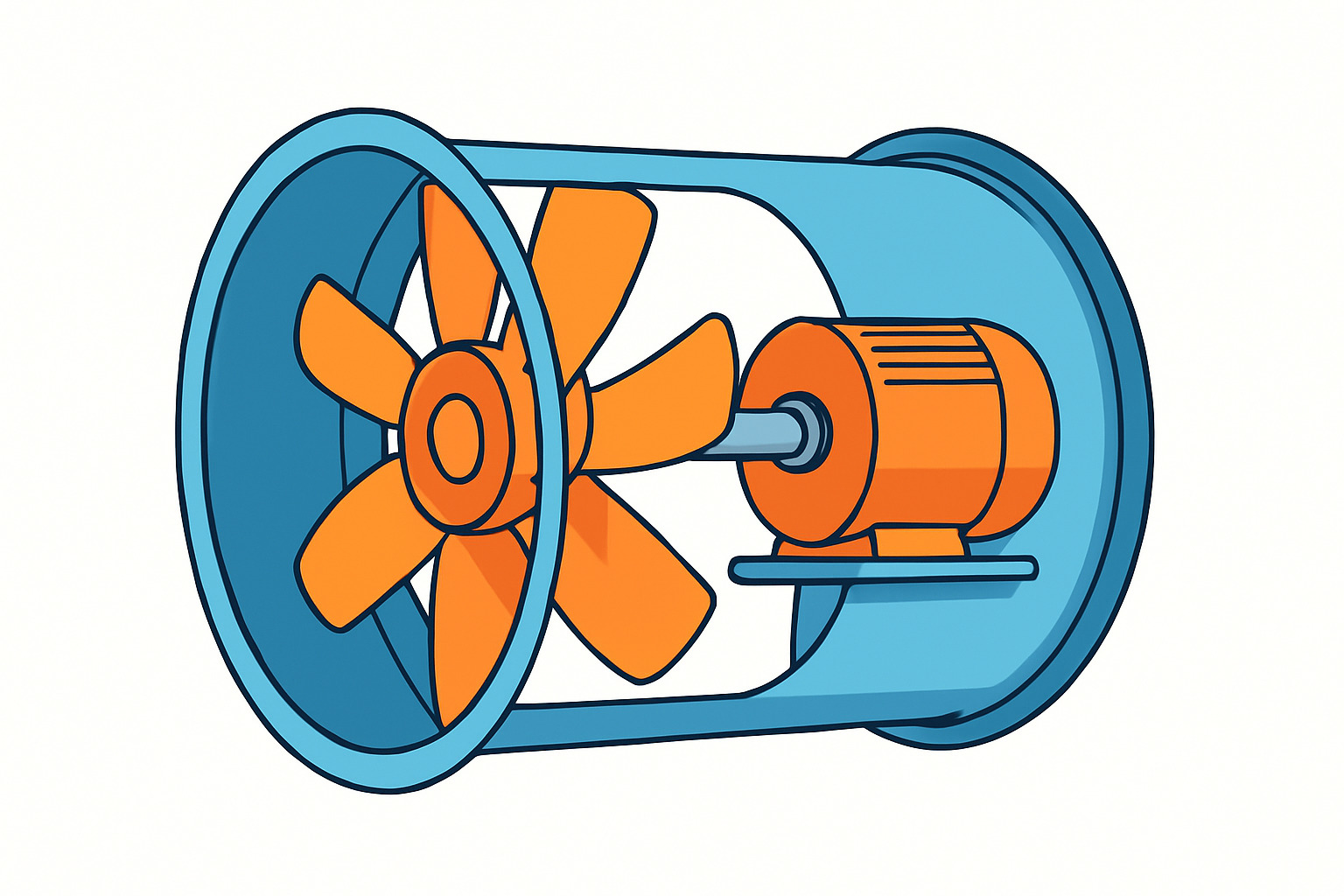
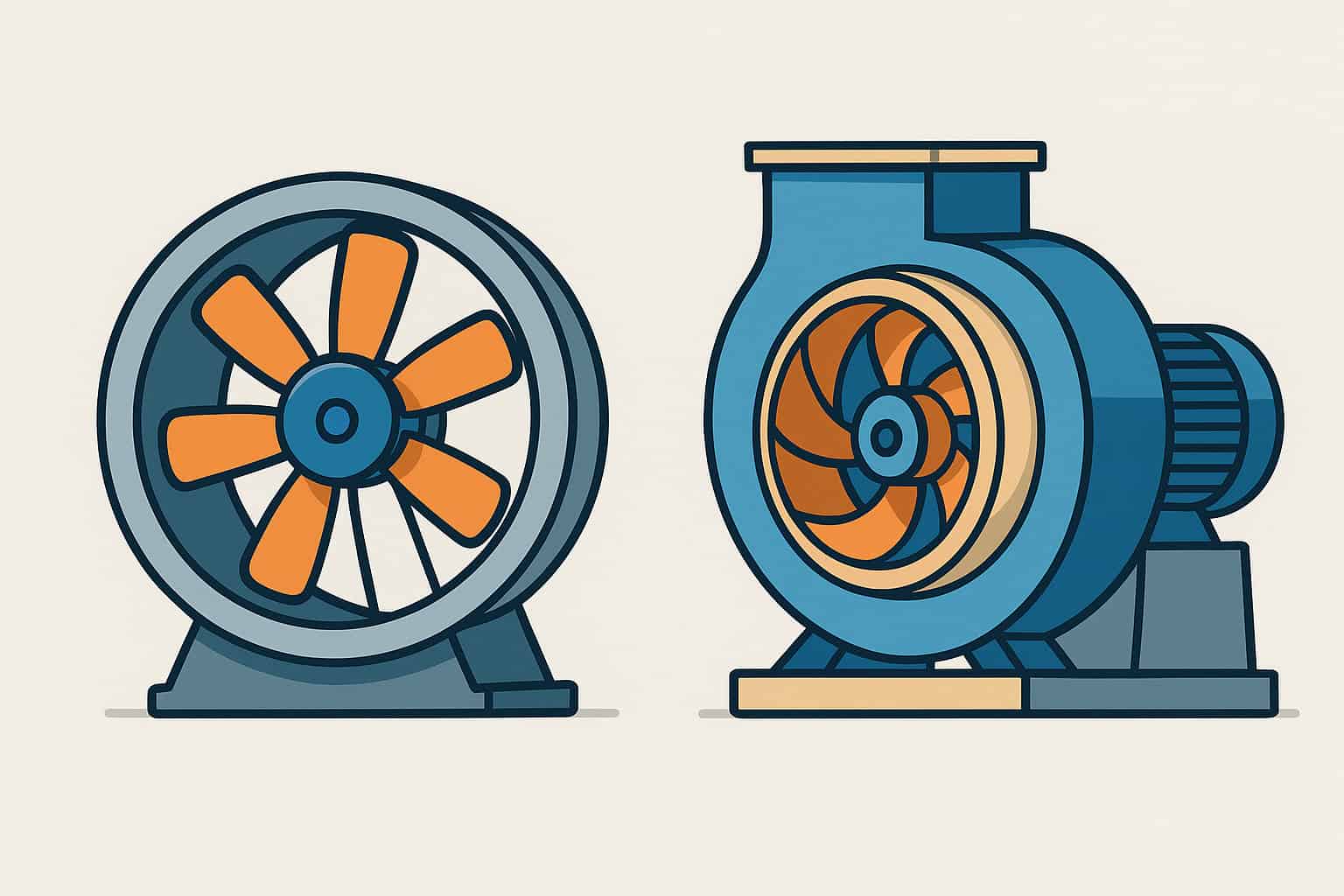
The first driver of cost is the duty of the booster fan. Higher airflow and pressure require larger fans and motors, which are more expensive to purchase and install. A small booster fan serving a single district has a very different cost profile compared with a high power station feeding several deep levels. Fan selection also influences cost: axial fans normally provide large volumes at moderate pressure in a more compact package, while centrifugal fans may be chosen for higher pressure duties, often at higher capital cost.
Next are the civil and structural works. A booster fan station usually needs a dedicated chamber or enlargement of an existing drift, with appropriate rock support, concrete foundations, steelwork, noise control measures and sometimes explosion proof doors or stoppings. In deep or geologically challenging areas, ground support and excavation costs can dominate the budget. The need for a separate parallel airway or bypass to allow safe fan maintenance can also add significant cost.
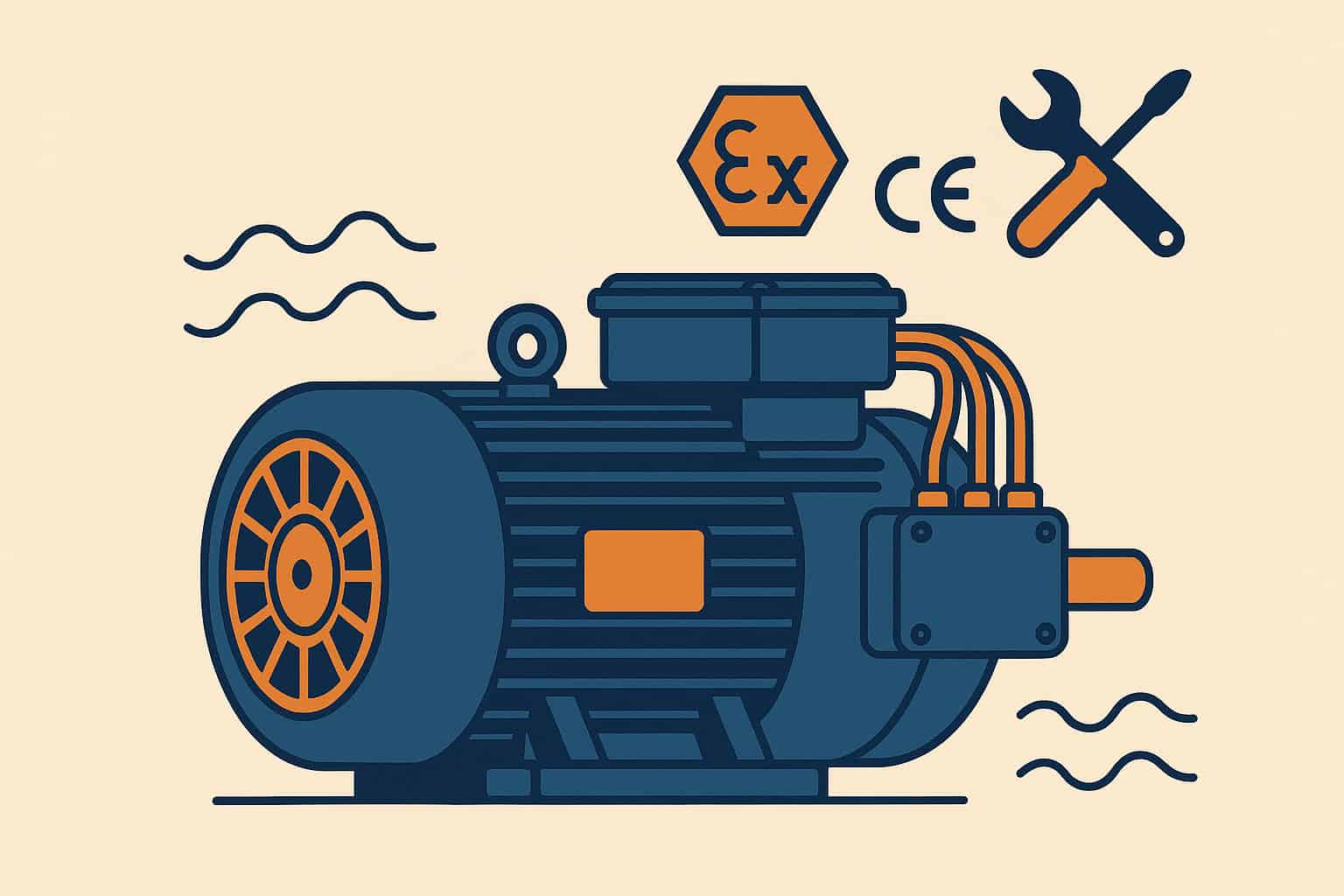
Electrical and control systems are another important component. The project must include power cables or substations sized for the fan motor, starters or drives, protection equipment, and often variable speed drives to allow airflow adjustment. Integration with the mine's control system, including remote start stop, performance monitoring and interlocks with other equipment, adds engineering and commissioning costs but is essential for safe, reliable operation.
Additional cost elements include ventilation infrastructure around the station, such as regulators, stoppings and doors needed to direct airflow through or around the booster fan, and any required upgrades to connected airways or raises to handle increased flow. In some cases, environmental and permitting requirements for noise or vibration may call for special silencers or isolation systems.
Because of this complexity, mines typically treat a booster fan station as a capital project that goes through scoping, prefeasibility and detailed design stages. At each stage, engineers refine airflow requirements, model the ventilation network, size the fans and associated works and then estimate costs with increasing accuracy. The final investment decision weighs this capital cost and associated operating cost (power, maintenance, labour) against the benefits of increased production, improved safety or deferral of new shafts and main fan upgrades.
In summary, there is no single standard price for installing a mine ventilation booster fan station. Costs are driven by fan duty, civil and structural works, power and control systems and associated ventilation infrastructure, and must be evaluated carefully as part of the overall mine ventilation and production strategy.