
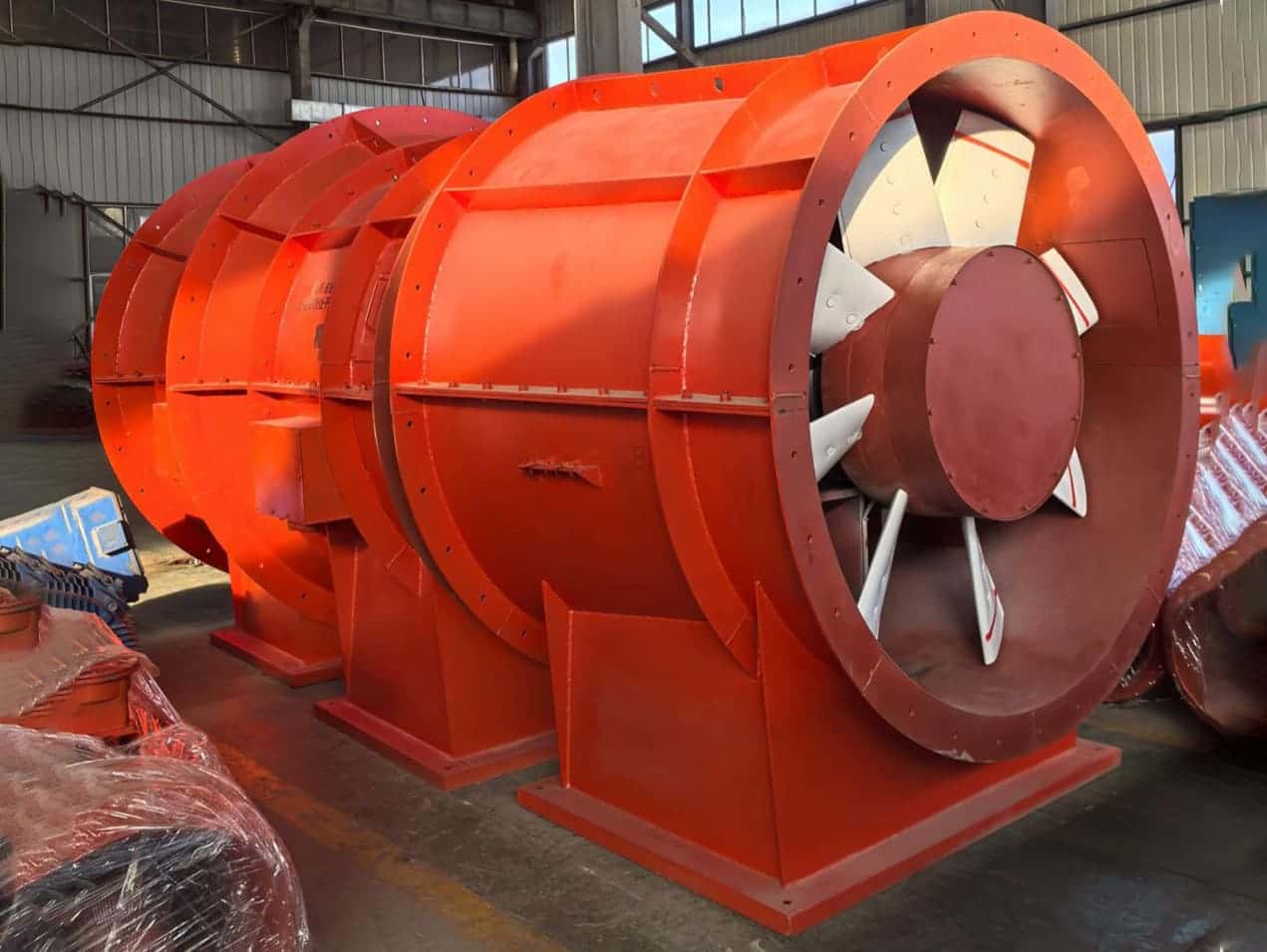
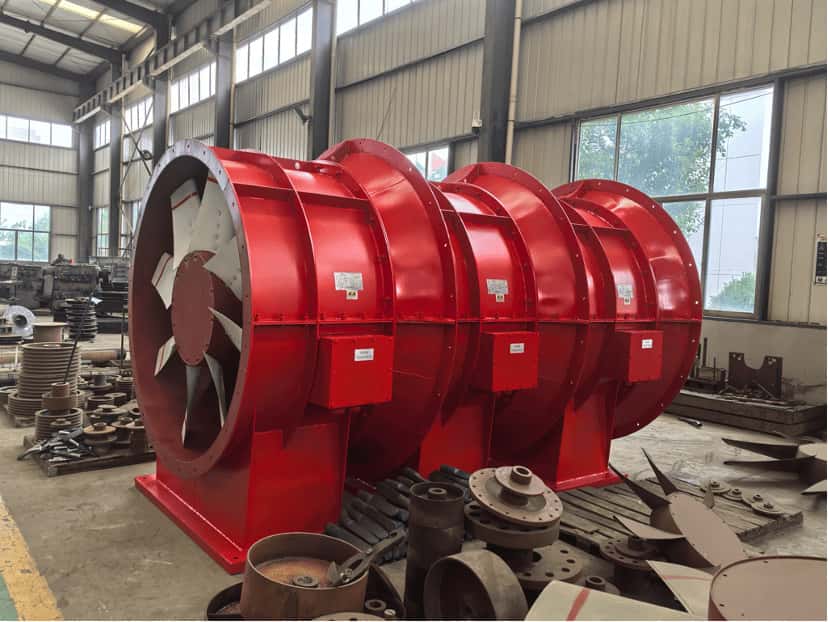
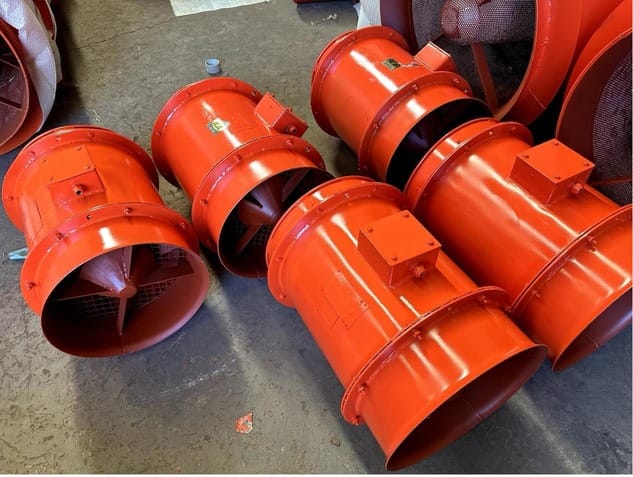
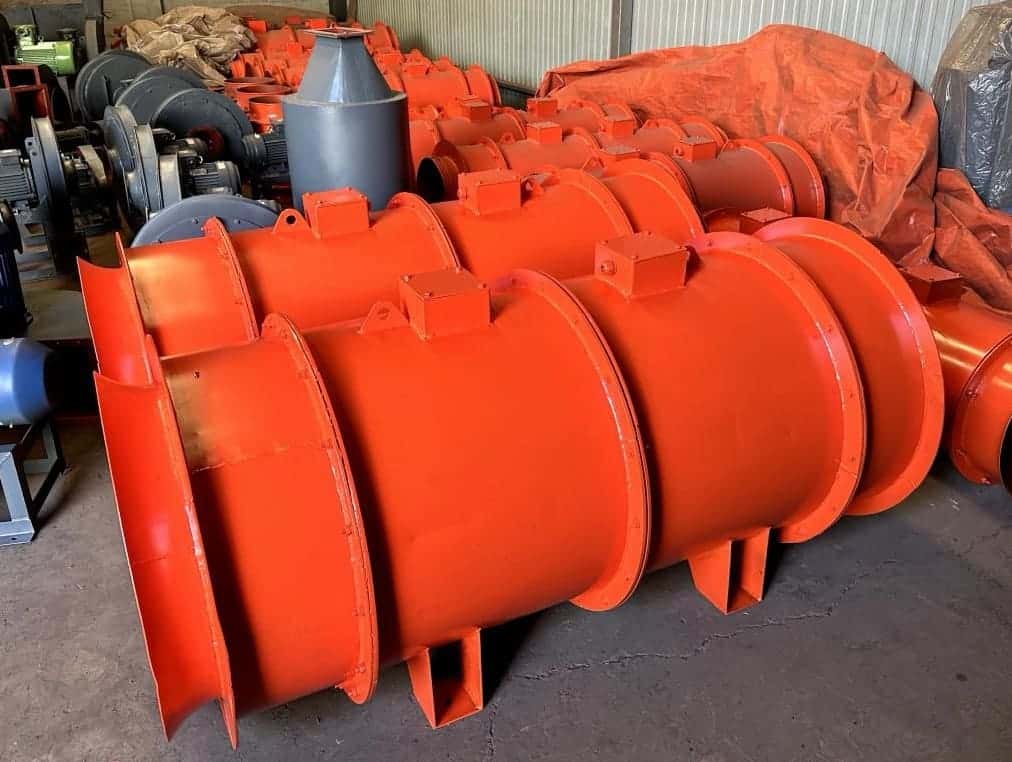
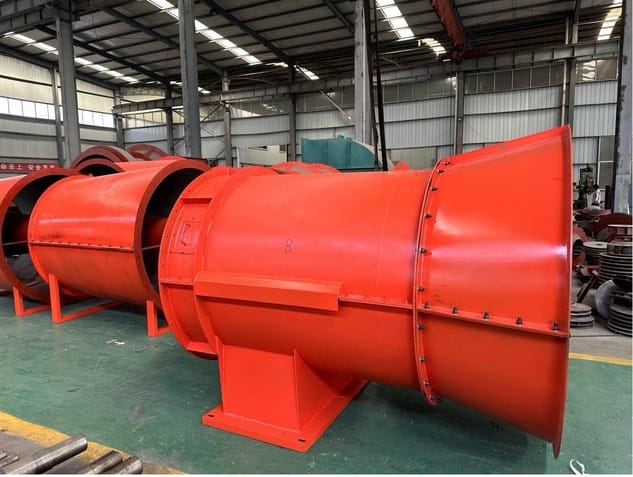
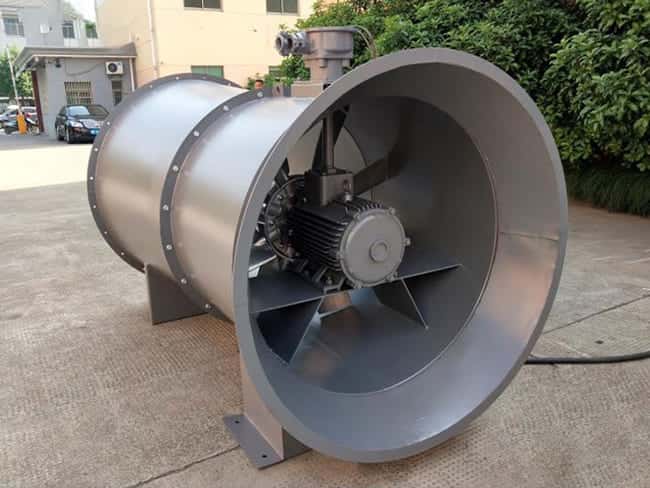
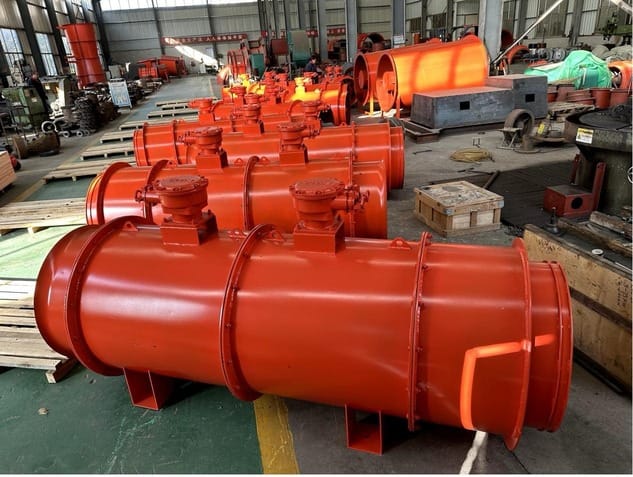
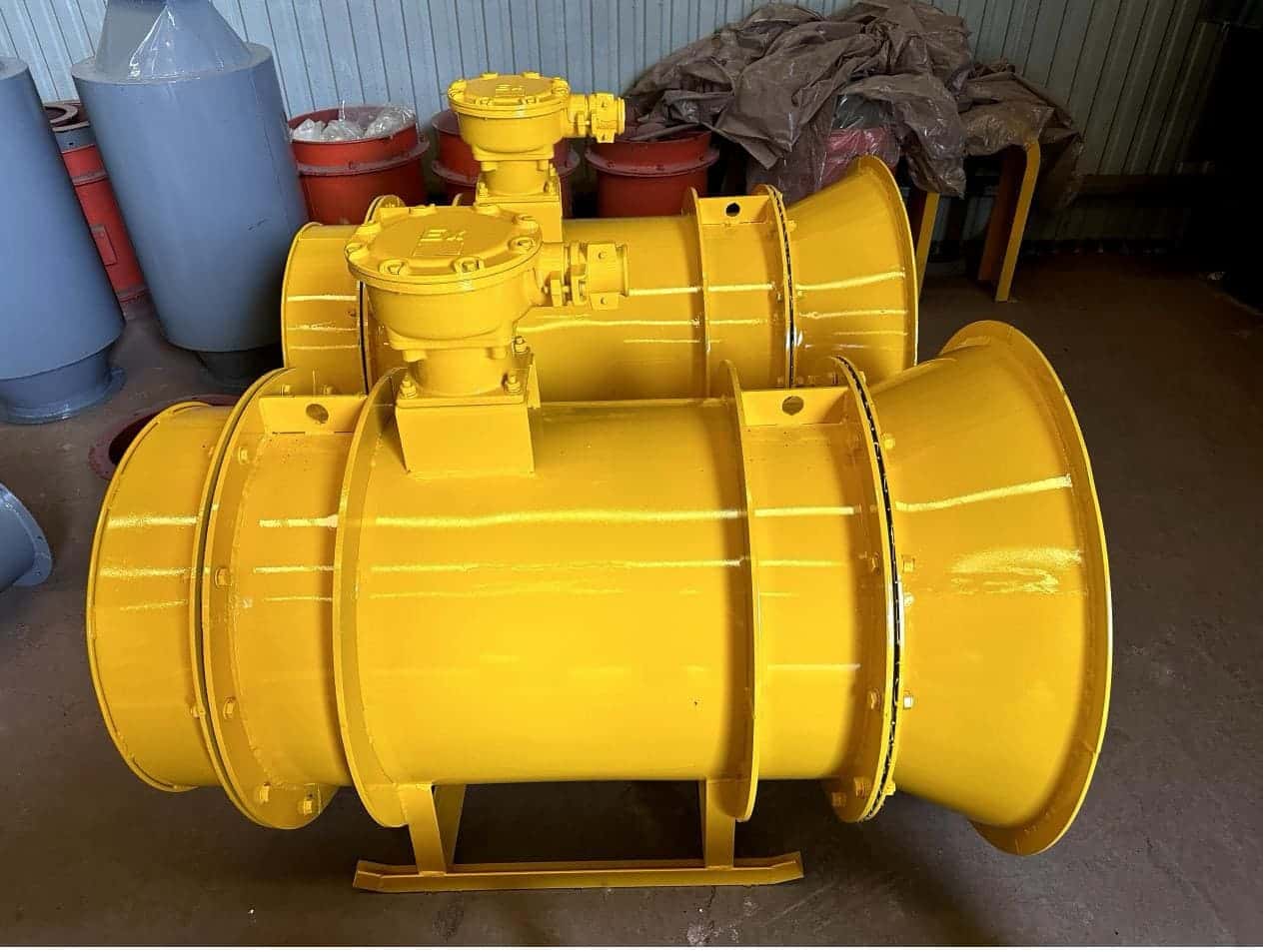
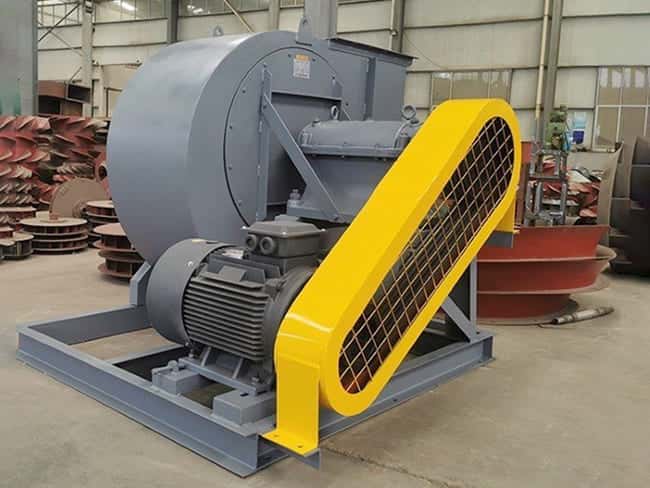
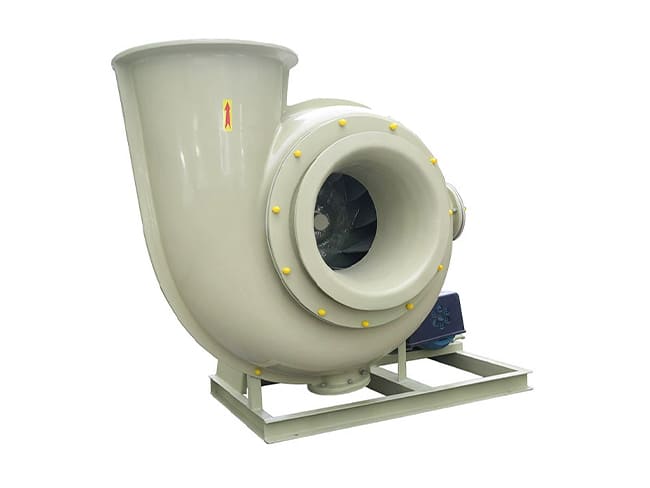
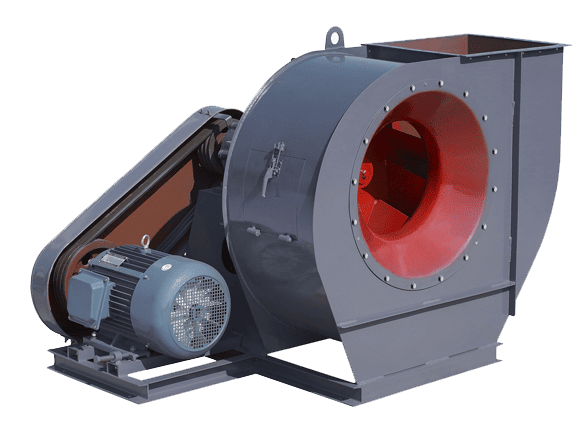
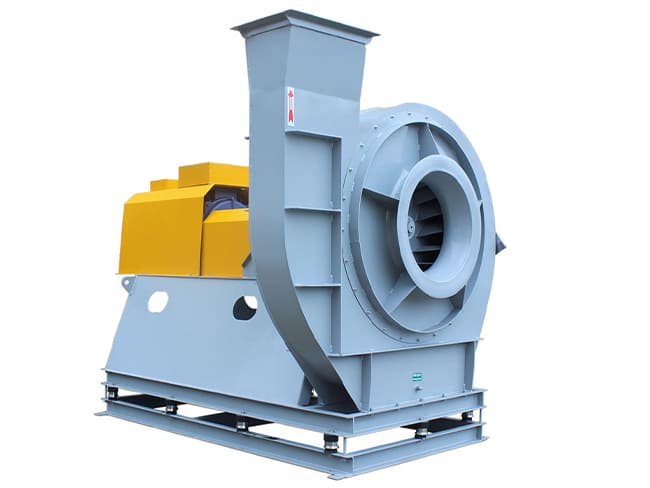
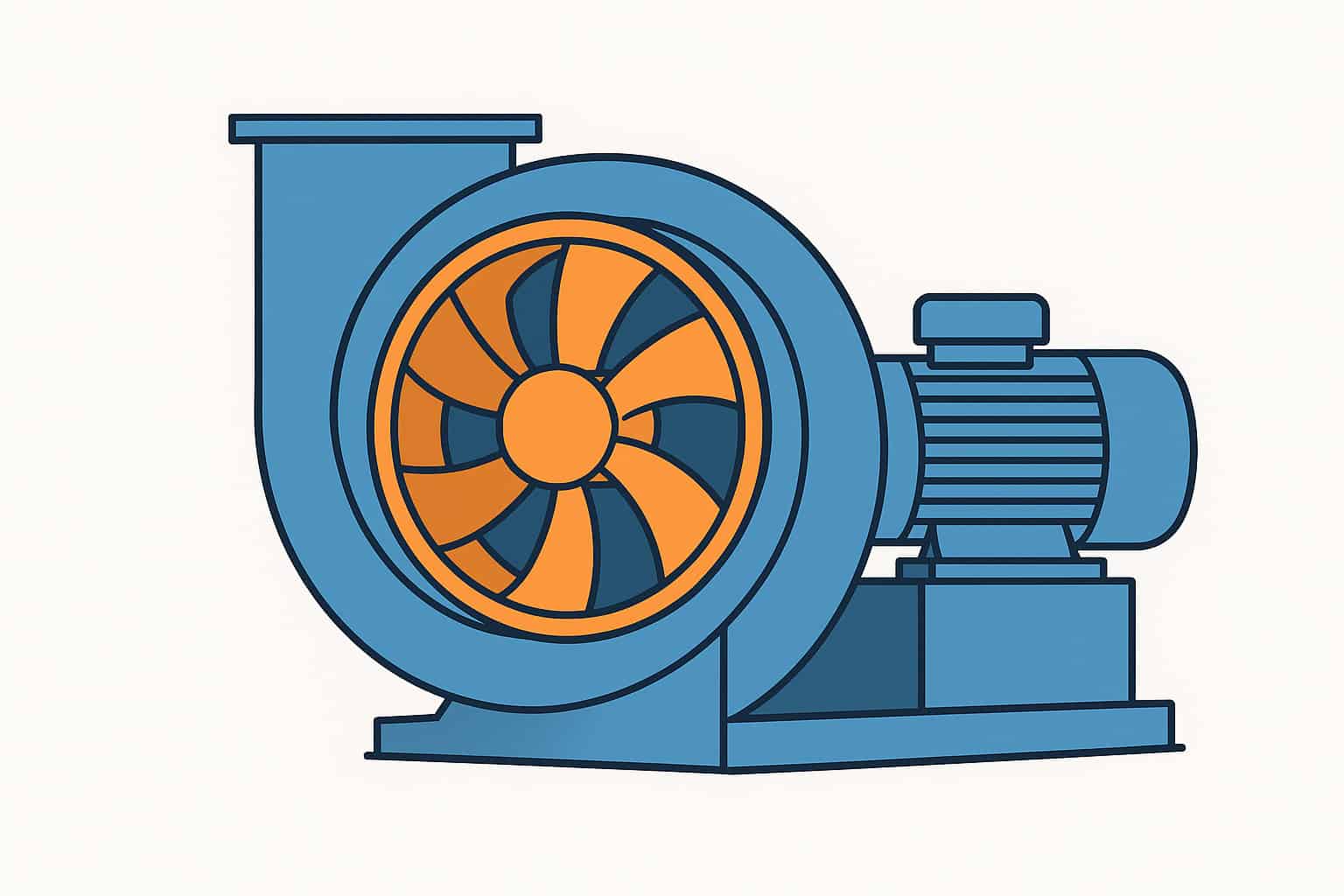
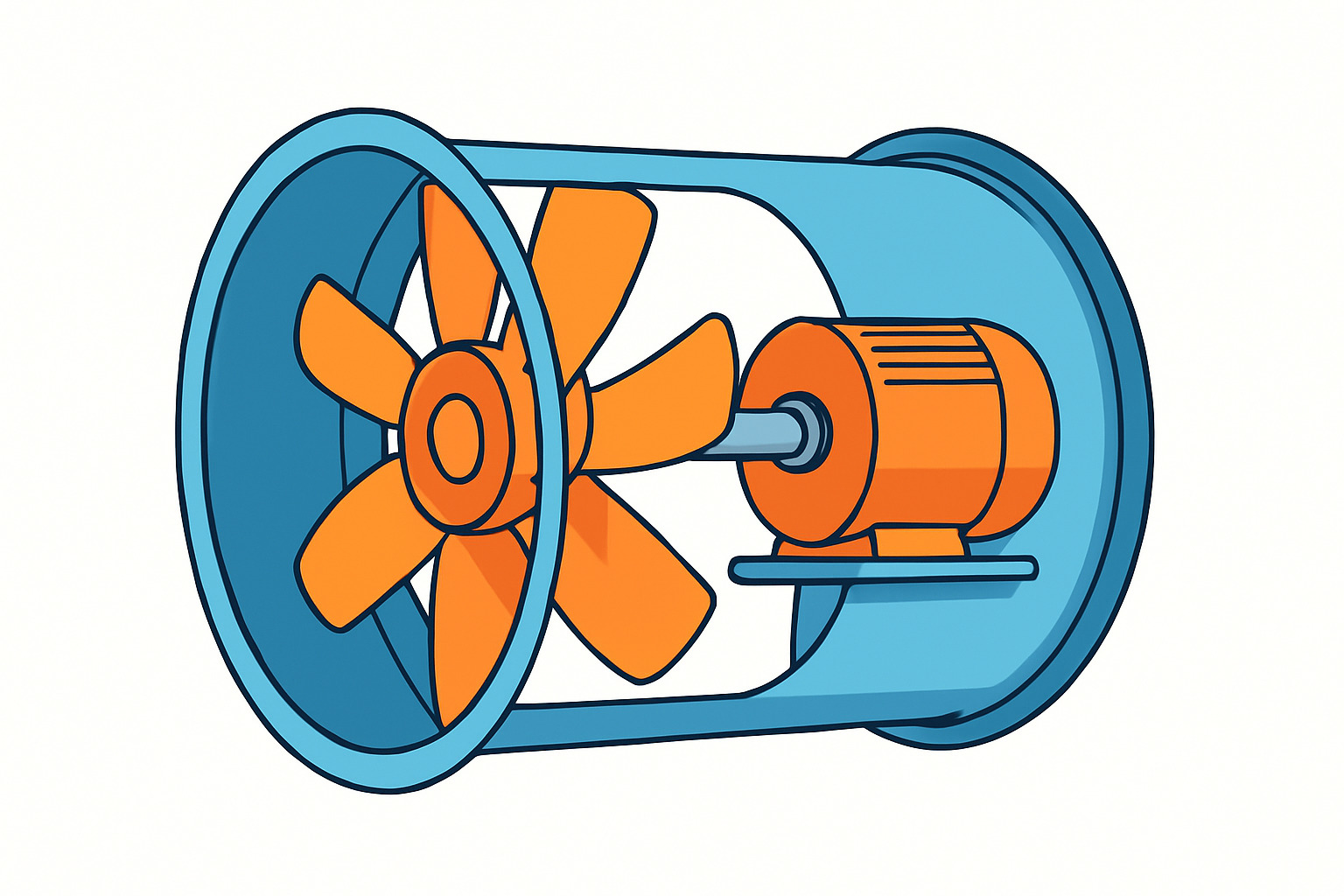
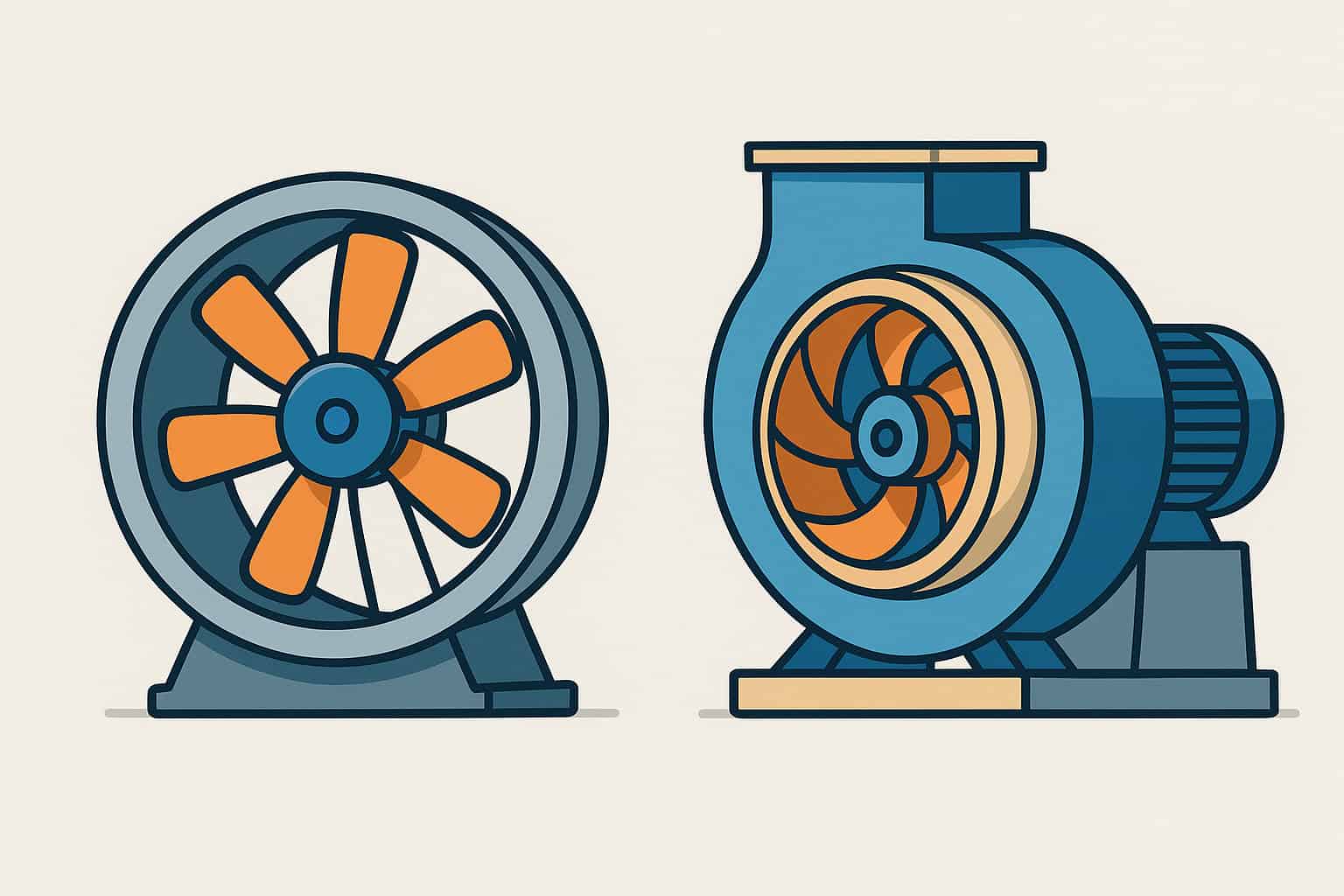
The cost to run a mining ventilation fan for 1 hour depends on several factors, but the main drivers are the fan’s power rating, how hard it is working and the local price of electricity. Although every mine has different tariffs and operating conditions, the basic principle is simple: the hourly cost is the energy used in kilowatt-hours (kWh) multiplied by the cost per kWh.
To understand this, start with the fan’s power rating. A large main ventilation fan might have a motor rated anywhere from a few hundred kilowatts to several megawatts. If a fan is rated at 500 kW and is running close to full load, it will consume approximately 500 kWh of energy in one hour of operation. If the electricity price is, for example, 0.10 units of currency per kWh, then the rough hourly cost of operating that fan at full load would be 500 × 0.10 = 50 units of currency per hour.
In practice, actual power consumption depends on how the fan is operated. If the fan runs at partial load, or if a variable speed drive is used to reduce speed during periods of low demand, the real power draw can be lower than the motor’s nameplate rating. Airflow and pressure duty points, system resistance, damper positions and recirculation all influence how much power the fan actually uses. A well designed ventilation system and proper fan selection can significantly reduce the energy needed to deliver the required airflow.
Electricity tariffs also play a major role in the hourly cost. Many utilities apply time-of-use or demand-based pricing, where power during peak periods costs more than during off-peak hours. Mines that operate large ventilation fans continuously must therefore pay close attention to both the energy consumption (kWh) and the maximum demand (kW) that their fans impose on the system. Strategies such as staggering fan start-up times, using soft starters or variable speed drives and optimizing duty points can help reduce demand charges.
When planning ventilation budgets, engineers often calculate the annual or life-of-mine cost of running each main and booster fan, and then derive approximate hourly figures. For example, if a fan consumes an average of 400 kW and operates 8,000 hours per year, it will use about 3.2 million kWh annually. At an energy cost of 0.10 per kWh, that is 320,000 per year, or an average of 40 per hour over the operating period. These simplified calculations help compare options such as installing a more efficient fan, using two smaller fans in parallel or adding booster fans to reduce overall system resistance.
It is also important to remember that the hourly cost of running a ventilation fan is not just an expense; it is a critical investment in safety and production. Adequate ventilation is required by law and is essential for controlling gases, dust, heat and humidity. Attempts to cut ventilation operating costs by reducing fan power or running time must always be evaluated against safety standards and supported by ventilation modelling and monitoring.
In summary, to estimate how much it costs to run a mining ventilation fan for 1 hour, you multiply the fan’s actual power consumption in kW by the hourly operating time and the local electricity cost per kWh. Actual values depend on fan size, operating duty, system design and energy tariffs, but understanding this relationship helps mines manage ventilation energy use without compromising safety.