







The basic formula for calculating CFM is straightforward and comes directly from the definition of volume flow. CFM stands for cubic feet per minute and indicates how much air passes through a cross section every minute.
The standard formula is:
CFM = Velocity (ft/min) × Area (ft²)
To apply this formula, you first determine the cross-sectional area through which the air is flowing. For a rectangular duct or opening, area is width × height (in feet). For a circular duct with diameter D (in feet), area is:
A = π × (D / 2)²
Next, you measure the air velocity using an appropriate instrument such as a vane anemometer, hot wire probe or Pitot tube. Most instruments can display velocity directly in ft/min, which is convenient for CFM calculations. Because velocity is often higher in the centre and lower near the walls, you should take several readings across the duct and average them to obtain a representative velocity.
Once you have the average velocity and area, you multiply them to obtain CFM. For example, if a duct has an internal area of 2.5 ft² and the average velocity is 800 ft/min, the airflow is:
CFM = 800 × 2.5 = 2,000 CFM
If your measurements are in metric units, you can first calculate airflow in m3/s using the formula Q = V × A (with V in m/s and A in m2), and then convert to CFM using 1 m3/s ≈ 2118 CFM. Similarly, m3/h can be converted to CFM using 1 m3/h ≈ 0.5886 CFM.
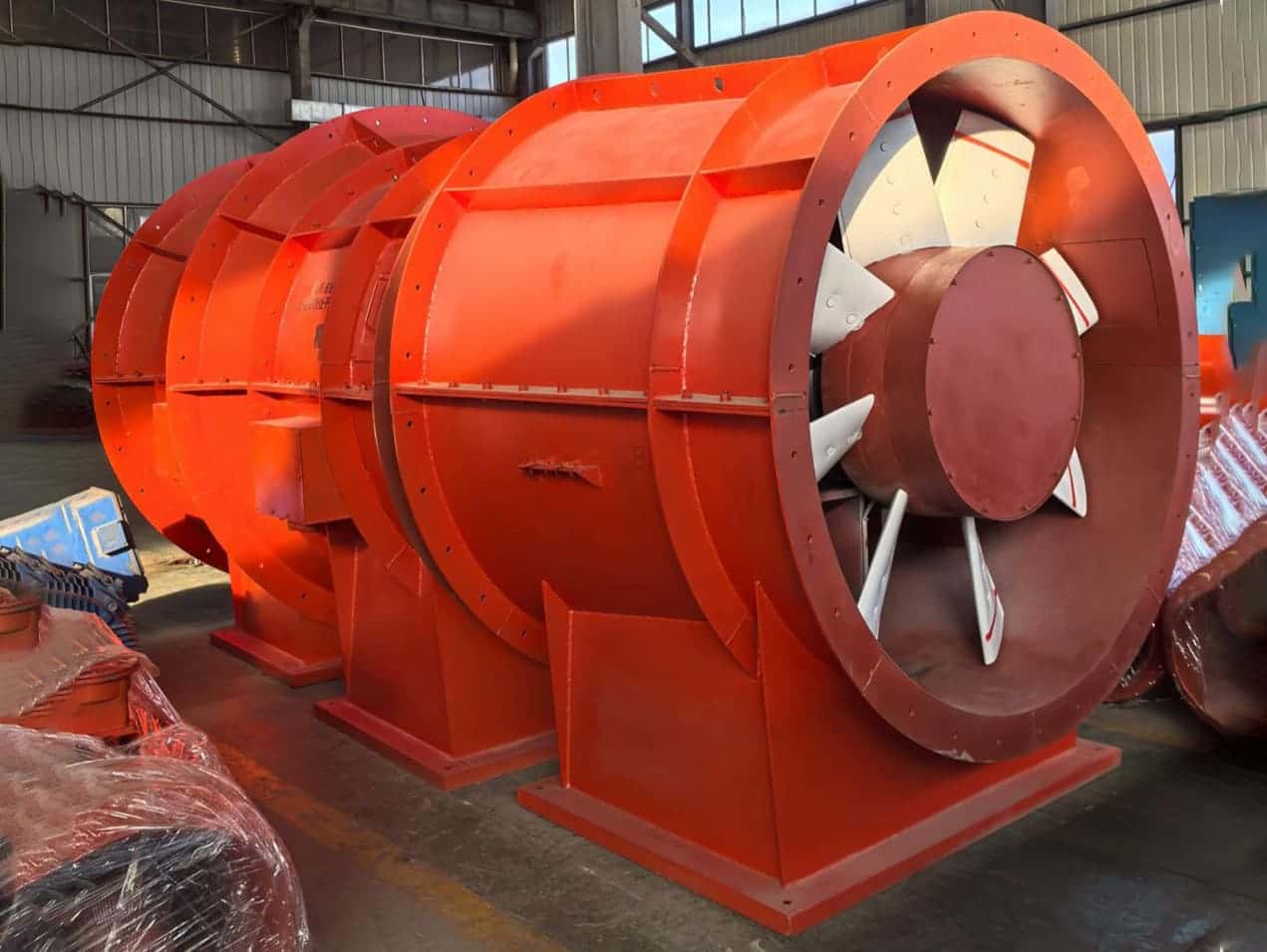
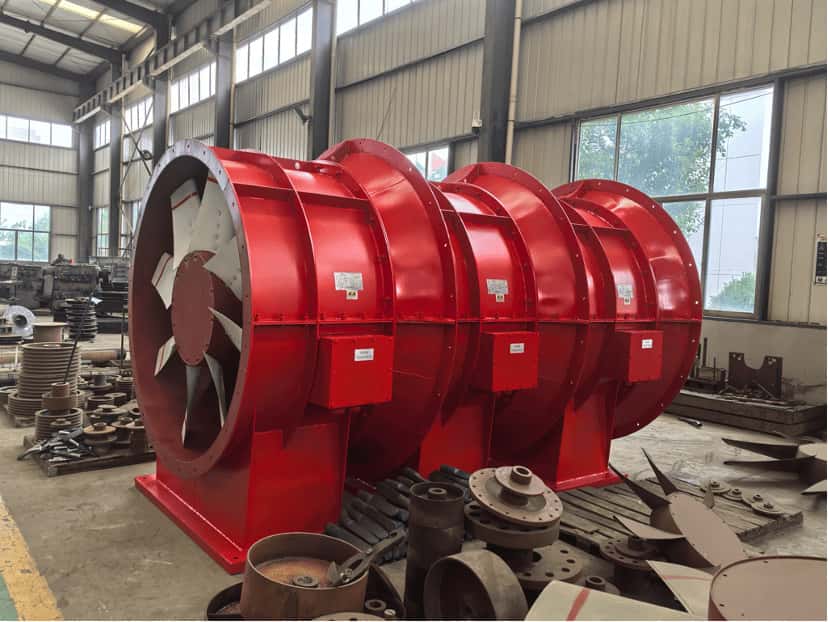
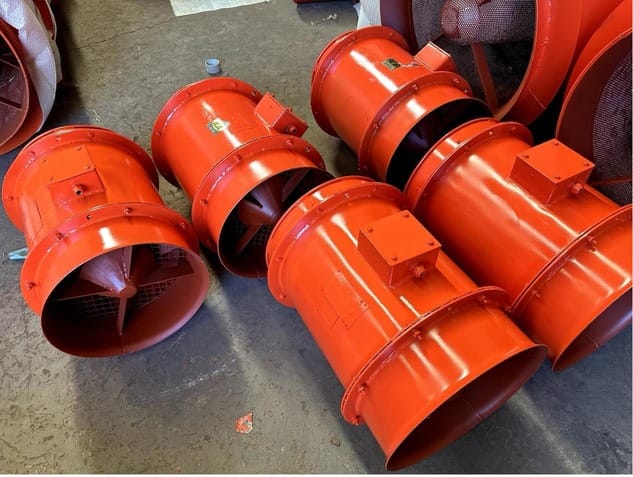
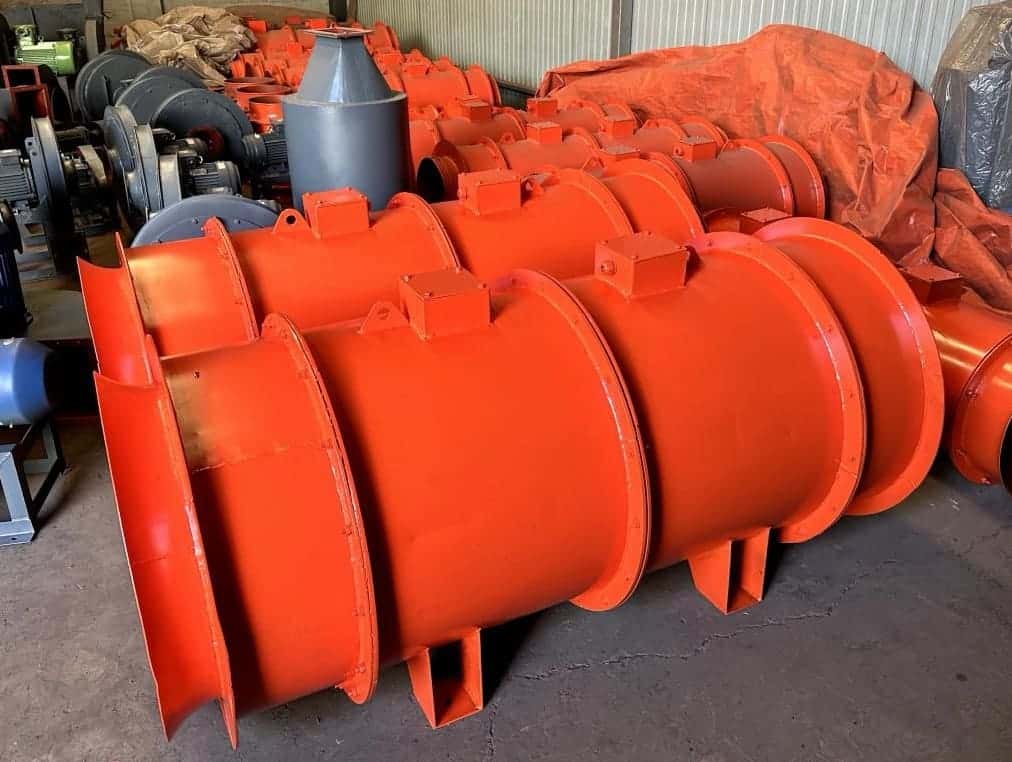
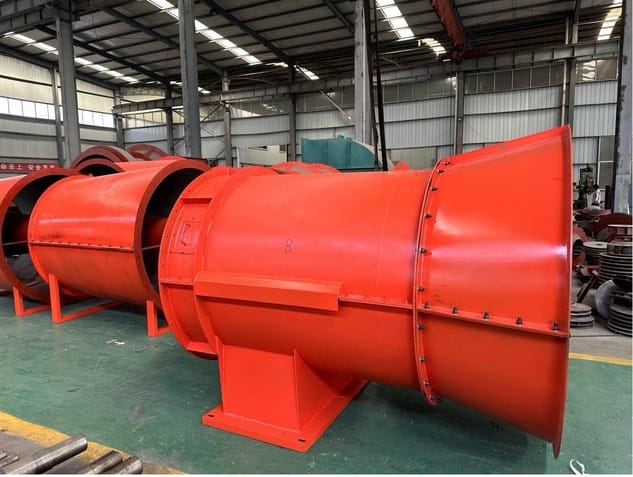
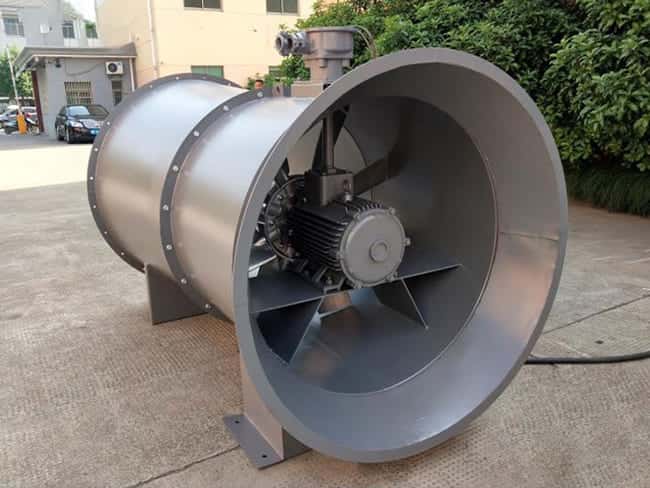
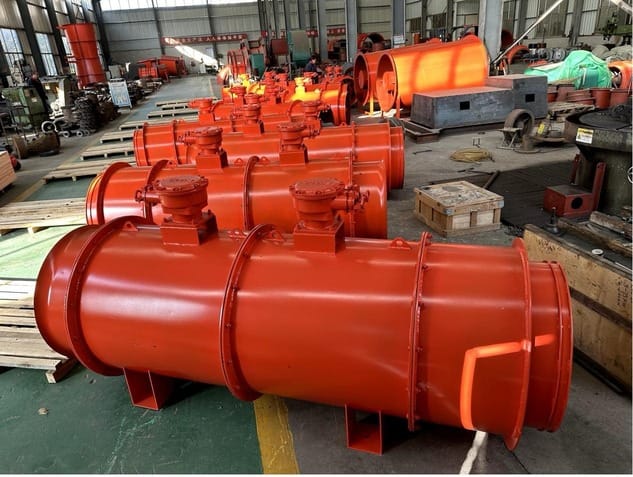
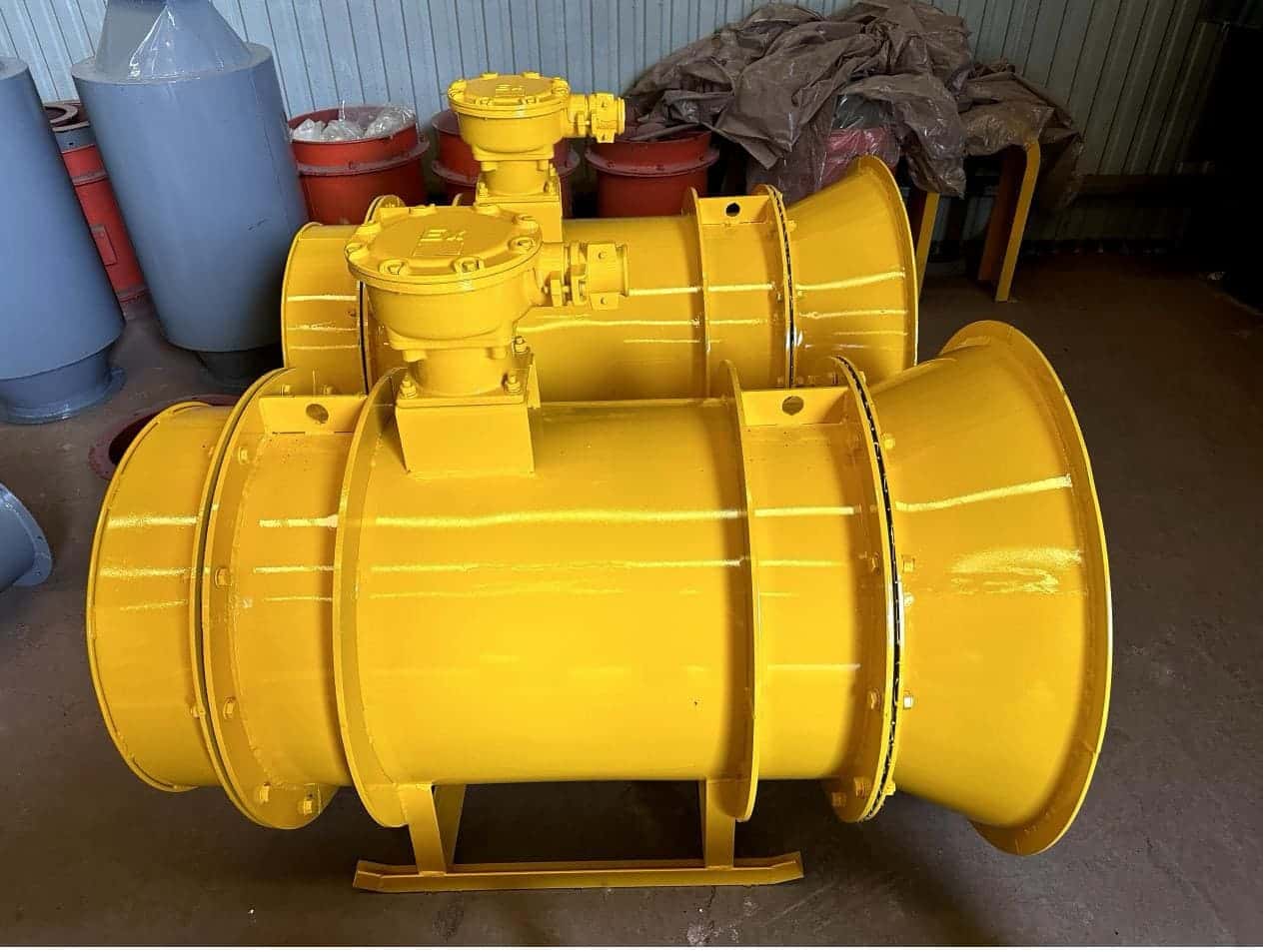
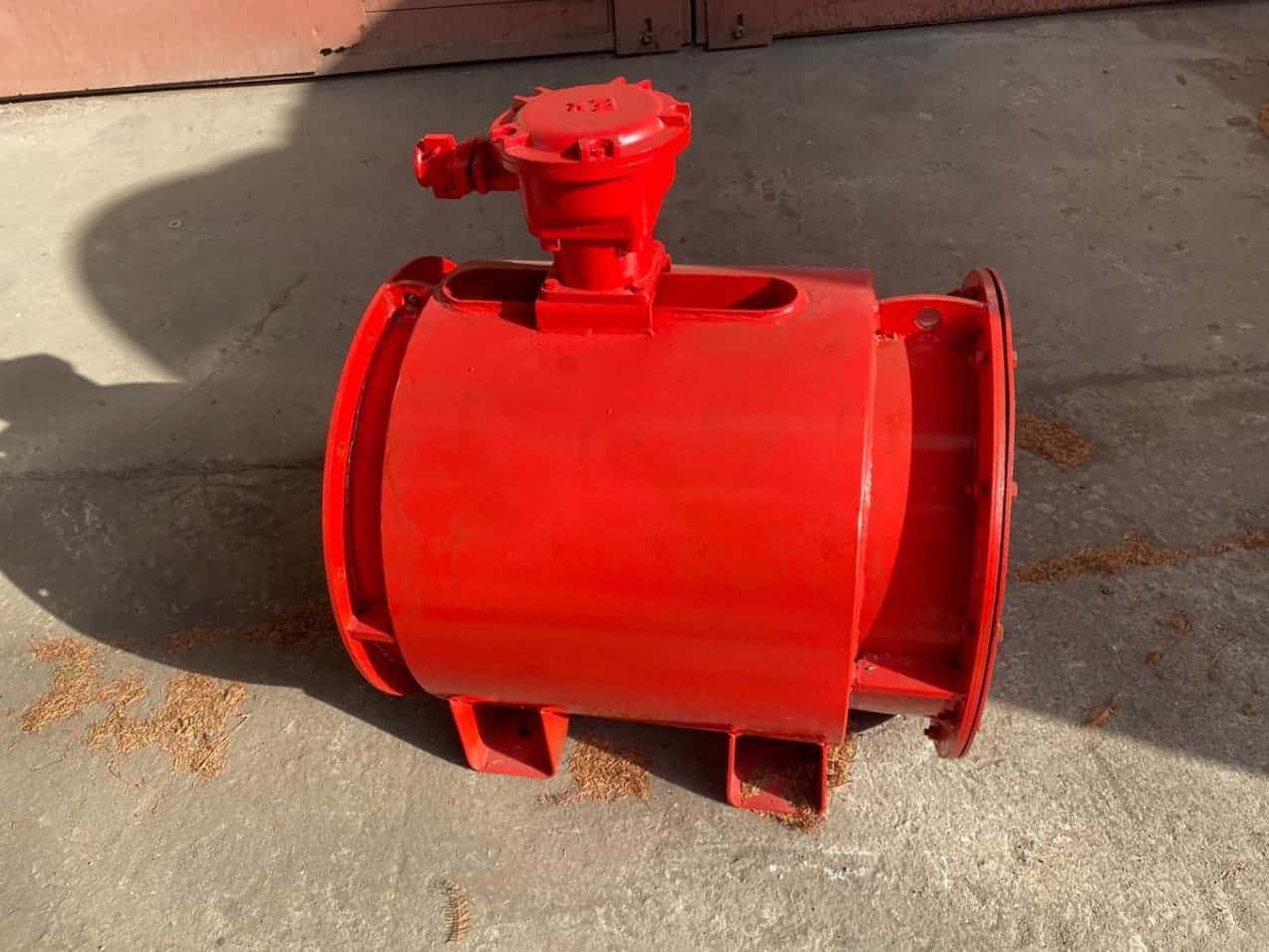
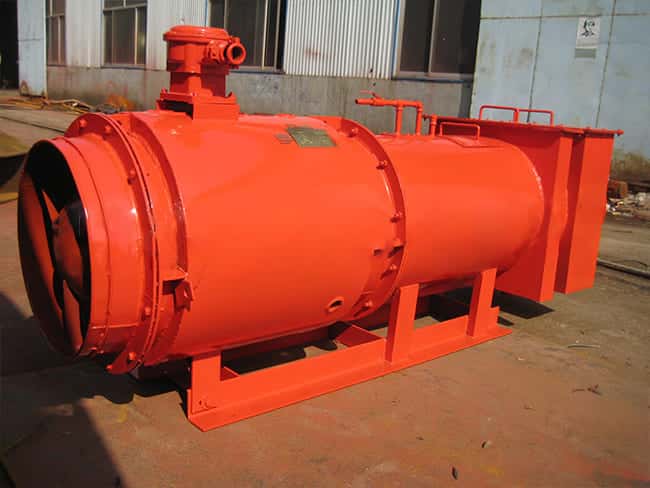
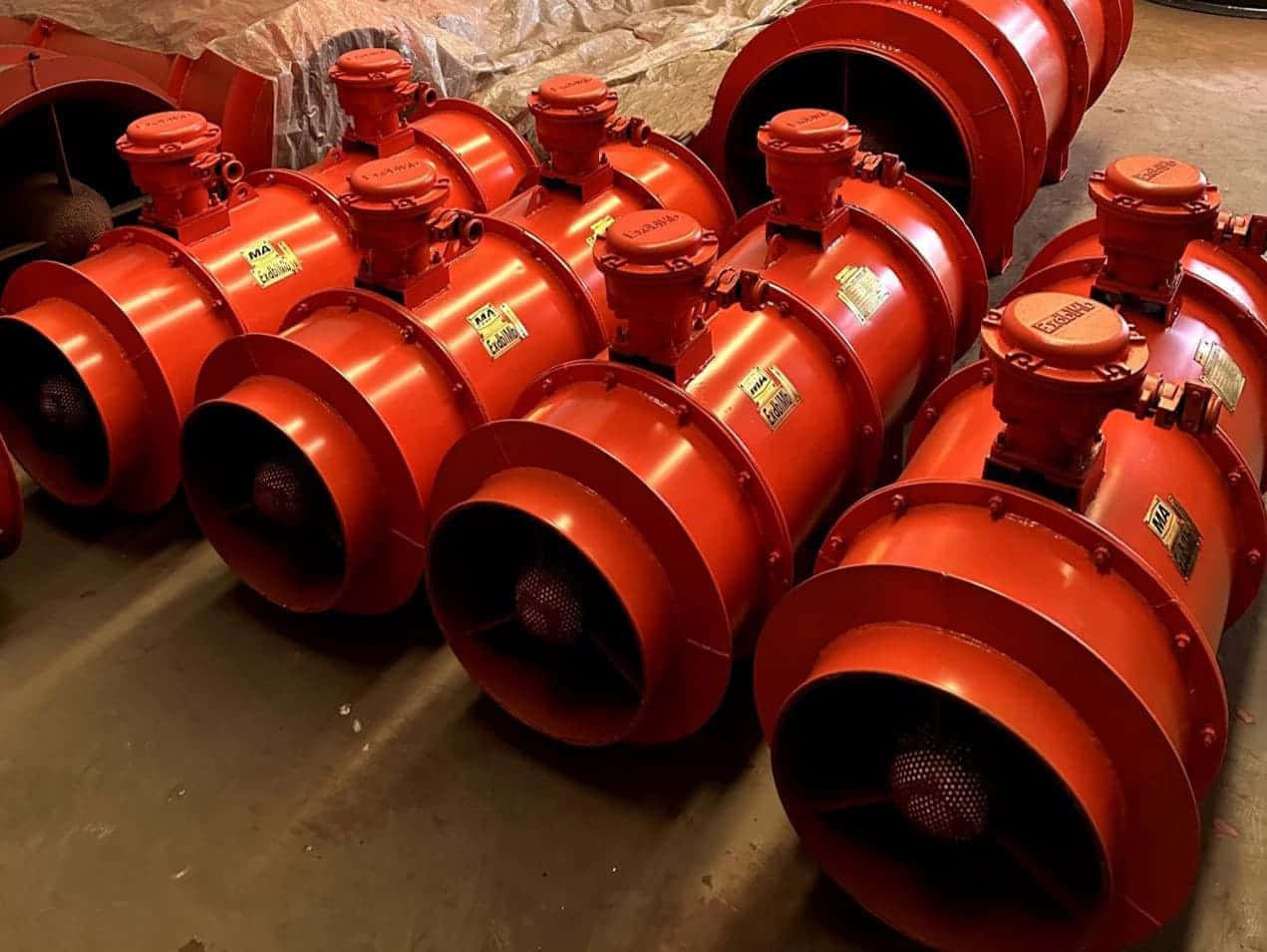
In industrial ventilation and mining, the CFM formula is applied to ducts, hoods, mine roadways and shaft openings. By measuring velocities and areas at key points, engineers verify that fans are delivering enough airflow to meet safety and process requirements. These measured CFM values are also compared with fan curves to ensure the fans are operating at the expected point on their performance charts.
In summary, calculating CFM is based on a simple relationship: airflow equals average velocity times cross-sectional area. Careful velocity measurements and accurate area calculations are the keys to obtaining reliable CFM values for fans and ventilation systems.