
To confirm airflow direction in mine ventilation ducts—whether they are working as intake or exhaust—the safest approach is to combine simple visual checks with basic instruments. This is important because confusing intake and exhaust can send contaminated air toward workers instead of away from them. A quick check before moving or extending ducts helps keep mine ventilation systems operating correctly.
Before you adjust fans or ducting, verify the actual airflow direction so you don’t accidentally reverse intake and exhaust.
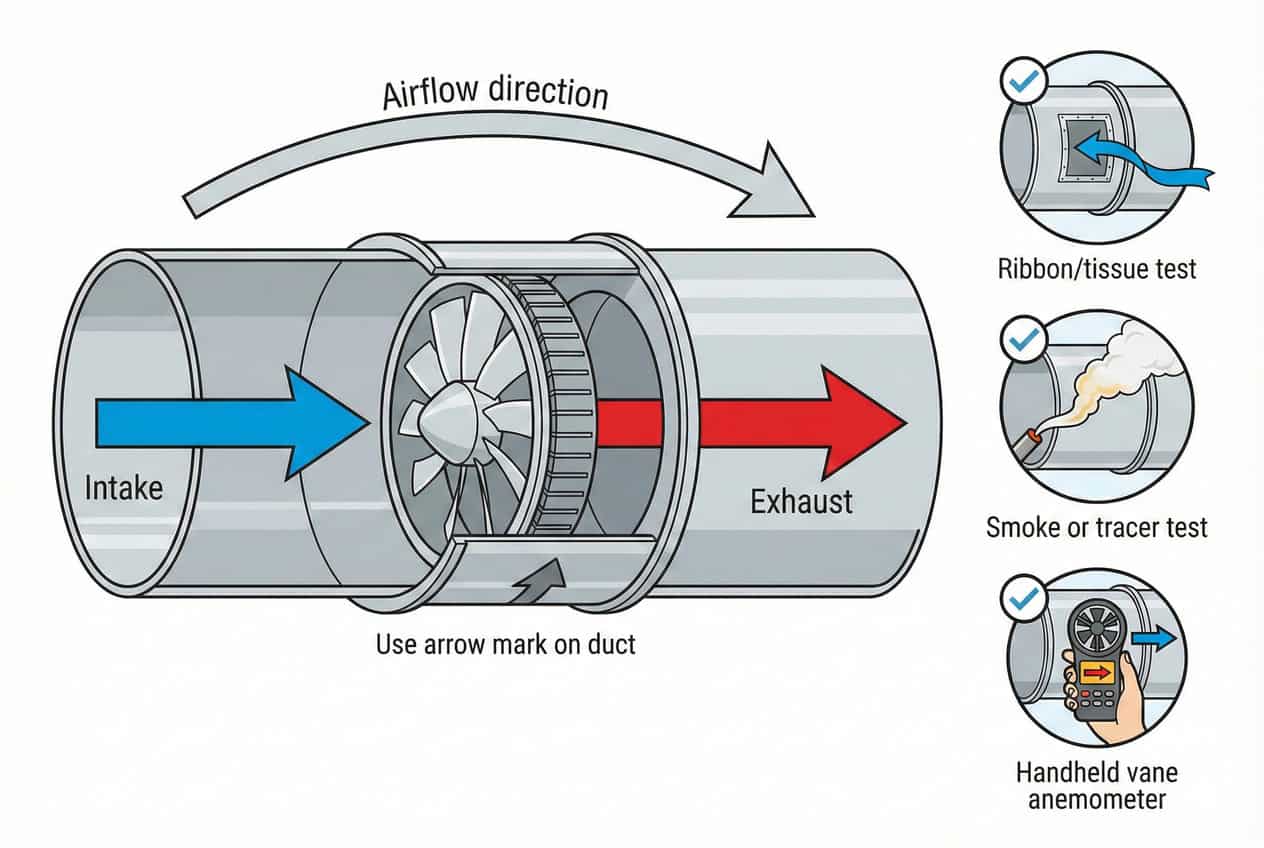
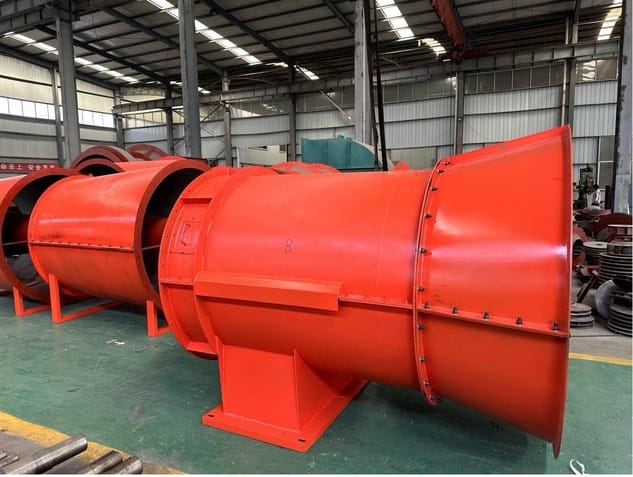
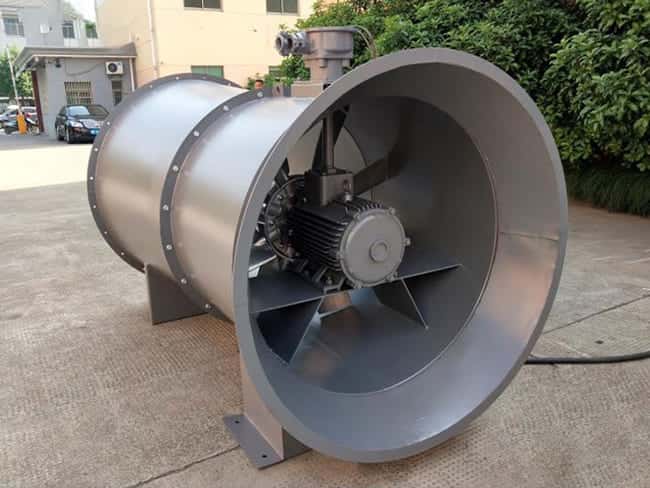
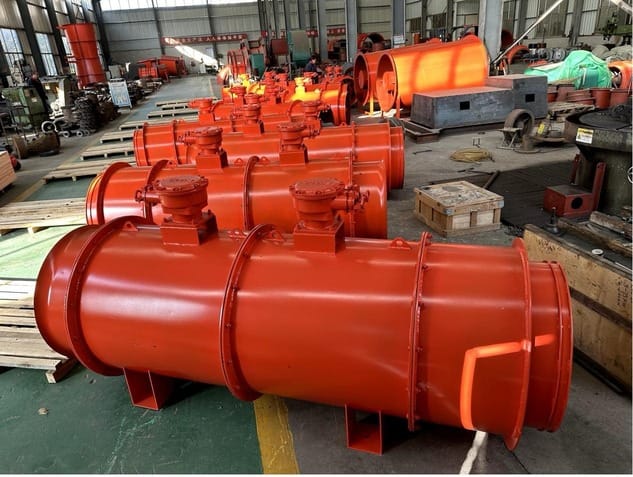
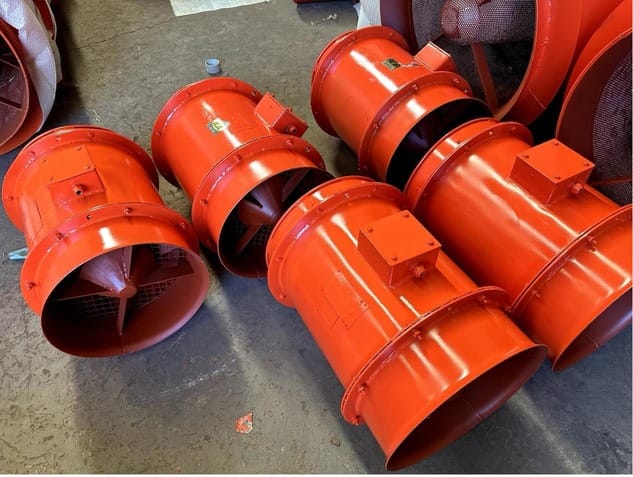
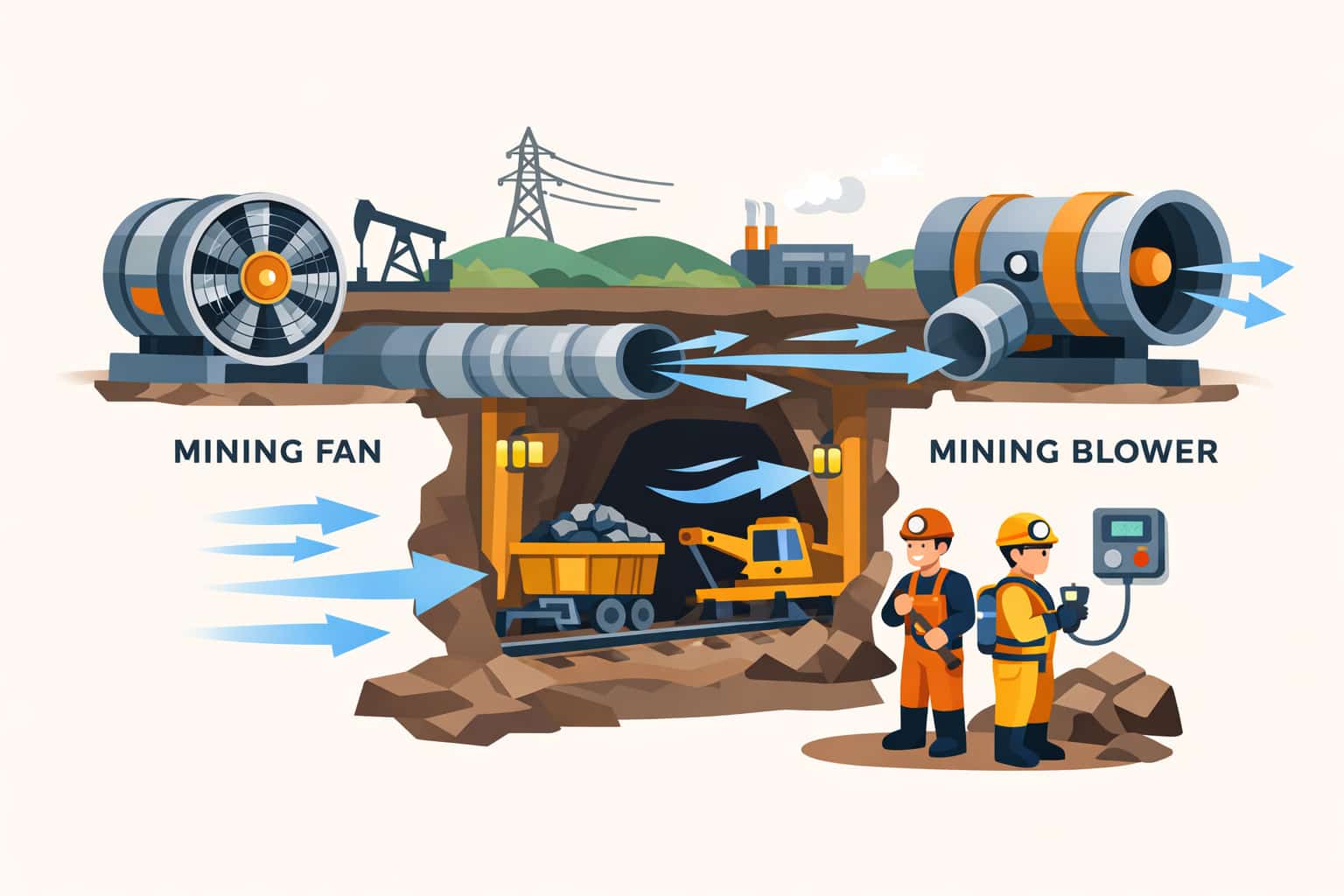
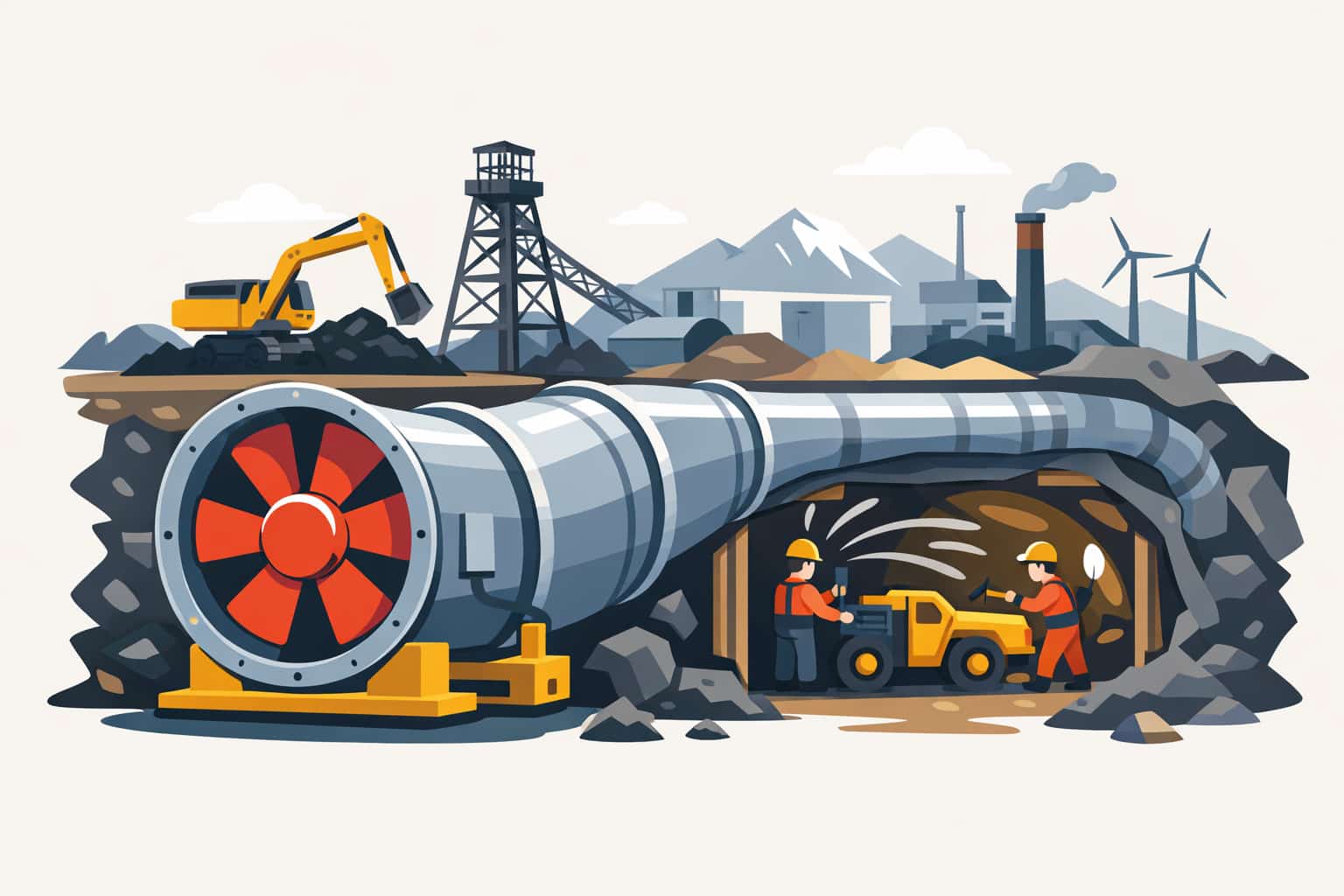
Figure: Airflow direction in a mine ventilation duct line. Use the duct arrow mark and confirm with a ribbon/tissue test, smoke/tracer, or a handheld vane anemometer.
The most common field method is the smoke test. A small amount of test smoke from a smoke tube, smoke candle designed for ventilation work, or an electronic smoke generator is released near a duct opening. If the duct is operating as an intake, smoke will be drawn into the duct. If it is an exhaust duct, smoke will be blown away from the opening. This method gives an immediate, visible indication of airflow direction and is easy to use in headings and crosscuts.
Another simple option is using a light ribbon, flag, or strip of tape. Fasten a short strip of light plastic tape or fabric to the duct inlet or to a small rod held near the duct opening. The strip will be pulled toward the duct for intake flow and will stream away from the opening for exhaust flow. This method works well where smoke cannot be used or would interfere with gas monitoring.
More precise checks can be made with anemometers and differential pressure gauges. A vane anemometer or hot-wire probe placed just inside the duct records air velocity and confirms the direction. A simple differential pressure manometer connected to static pressure taps on the duct can indicate whether the pressure inside is higher or lower than surrounding air, supporting the visual observations and helping to identify restrictions or blockages in the duct.
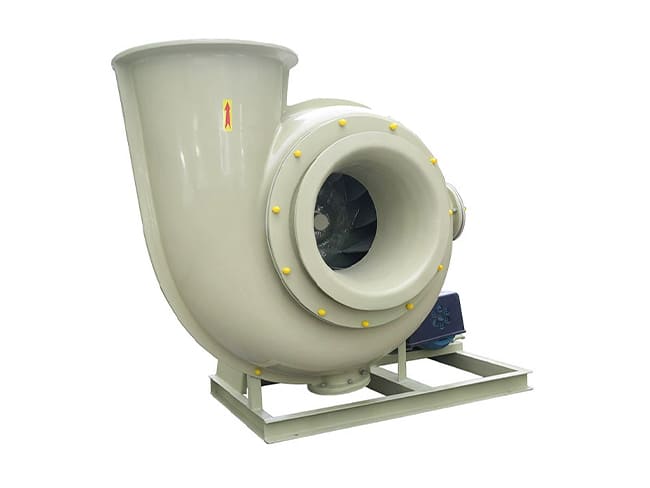
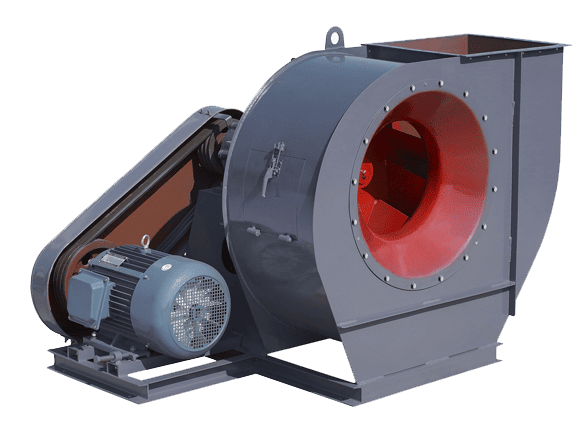
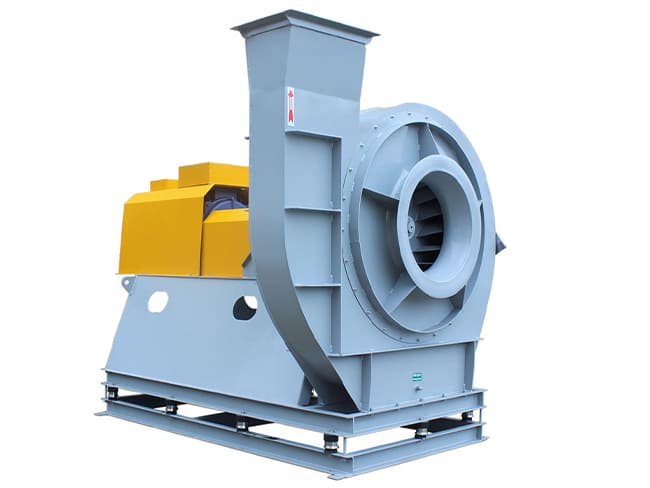
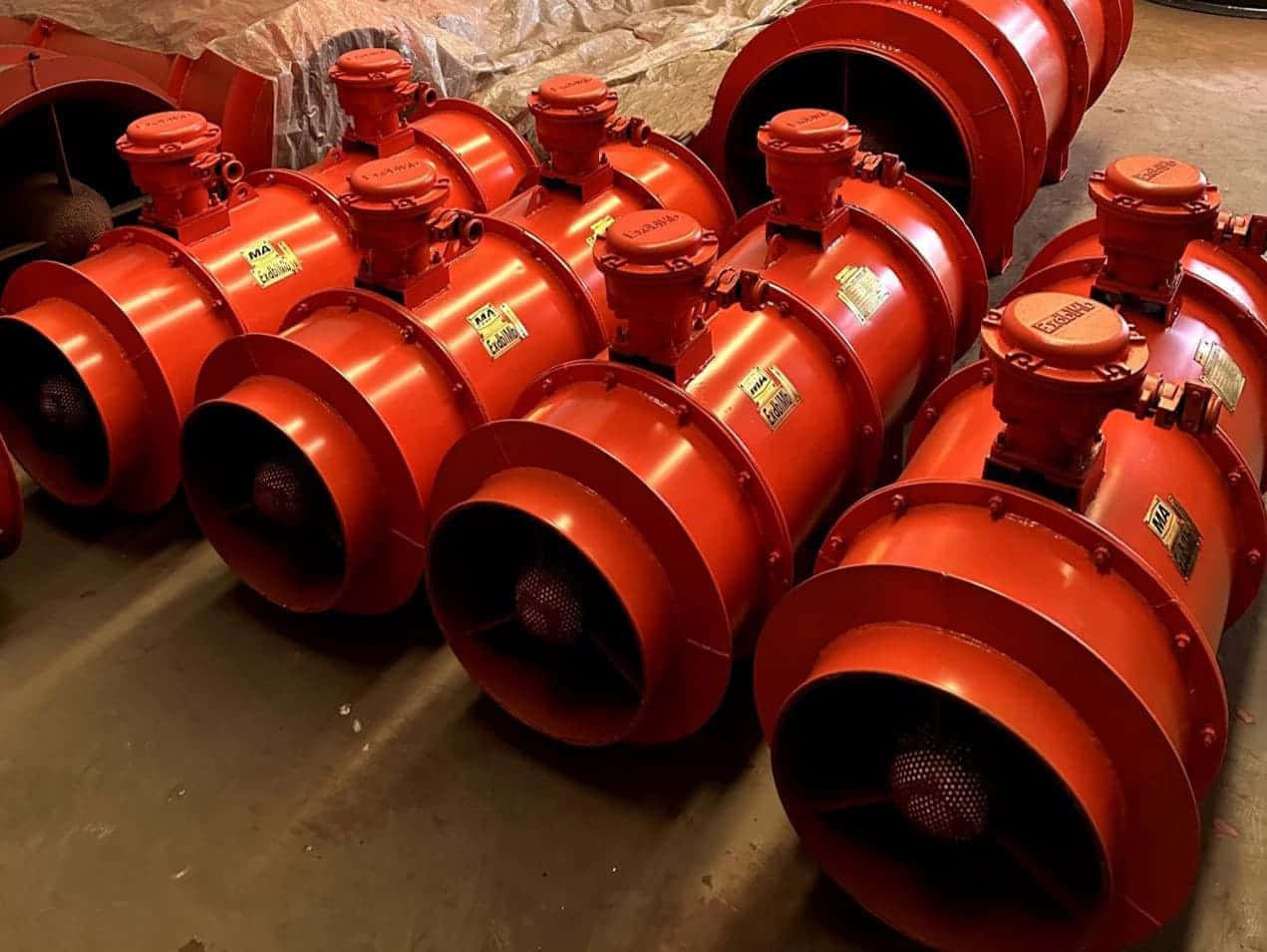
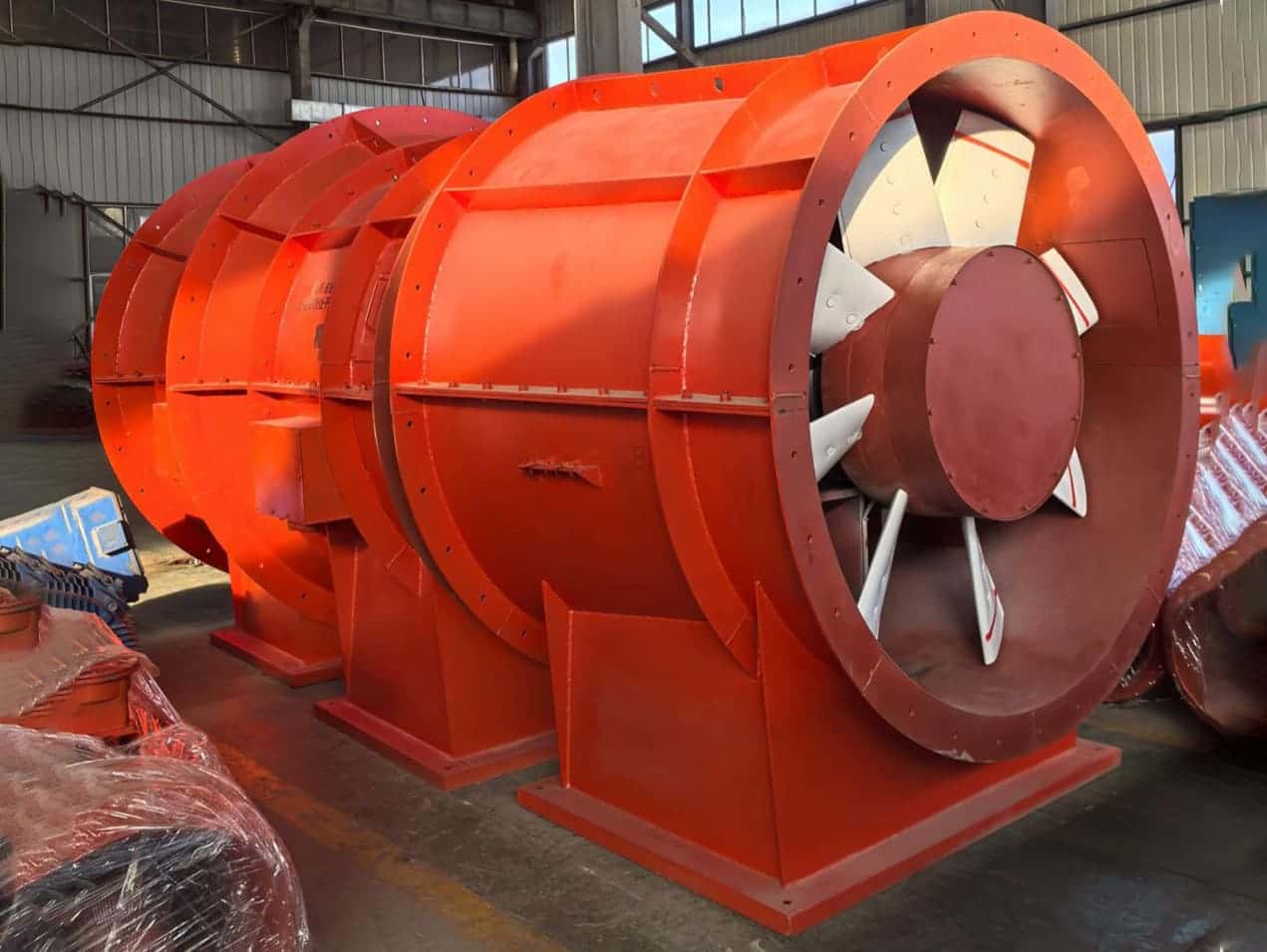
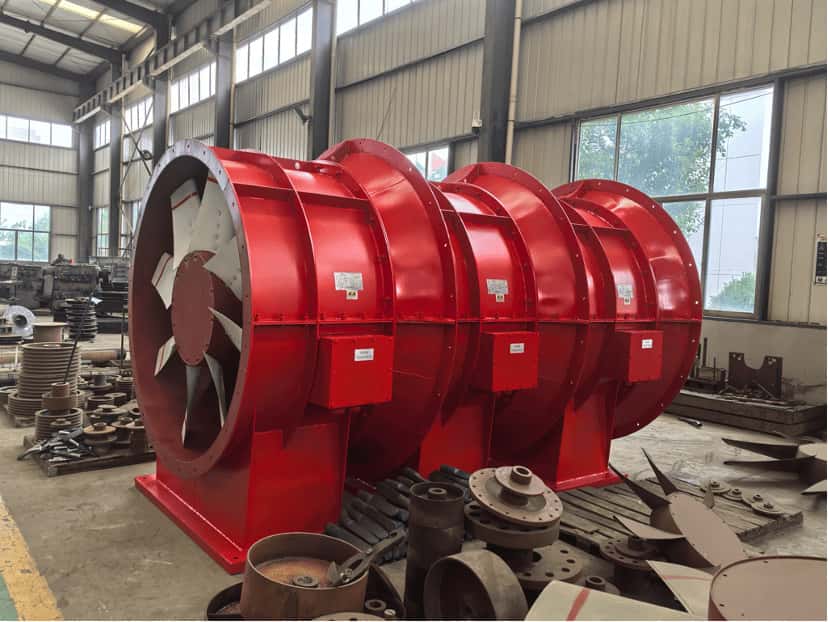
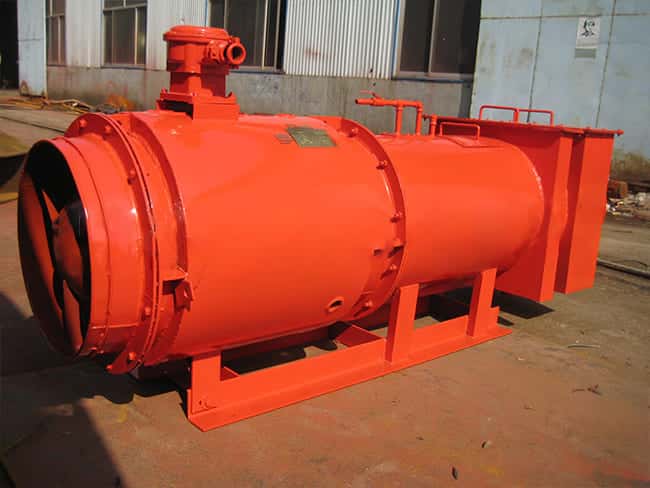
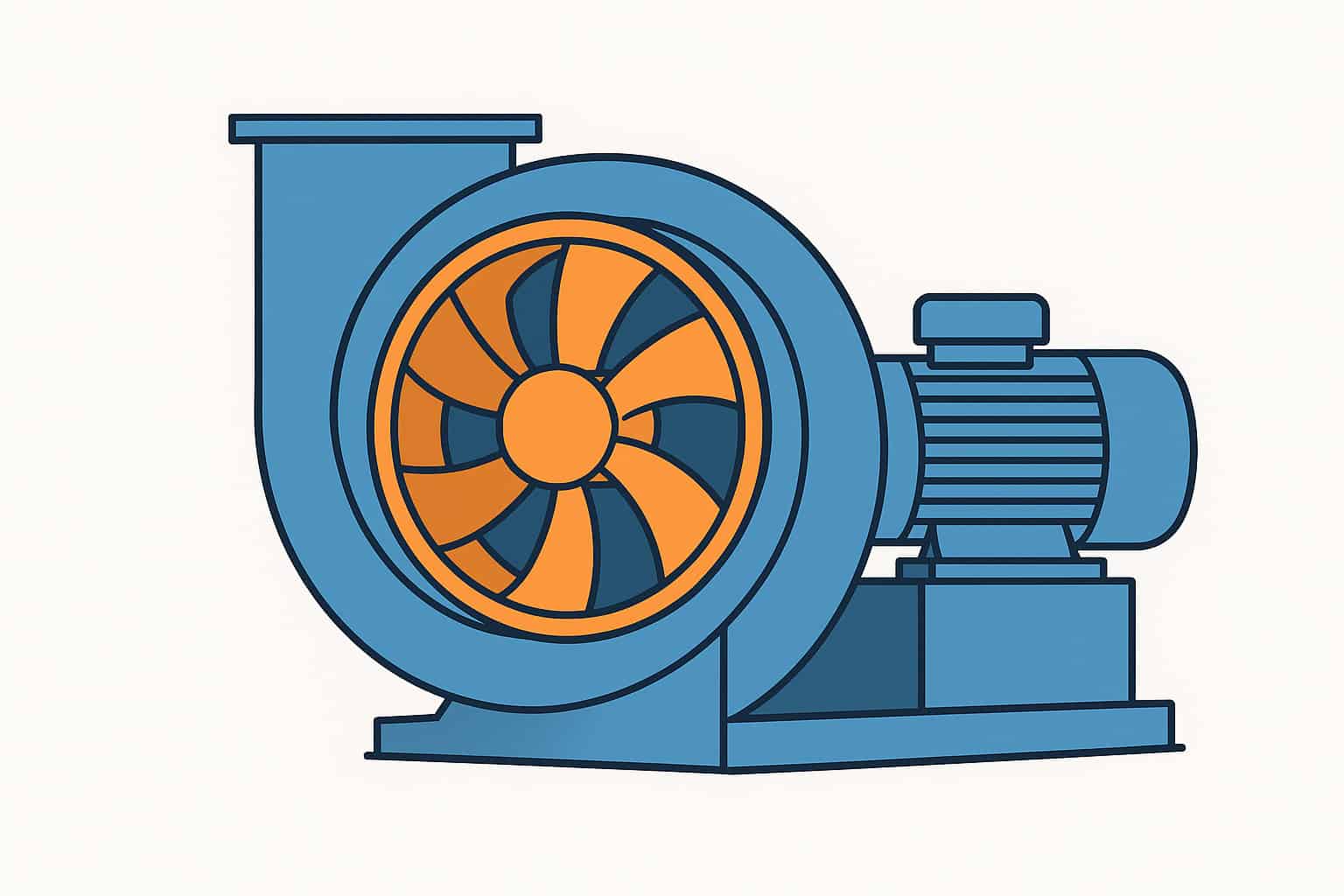
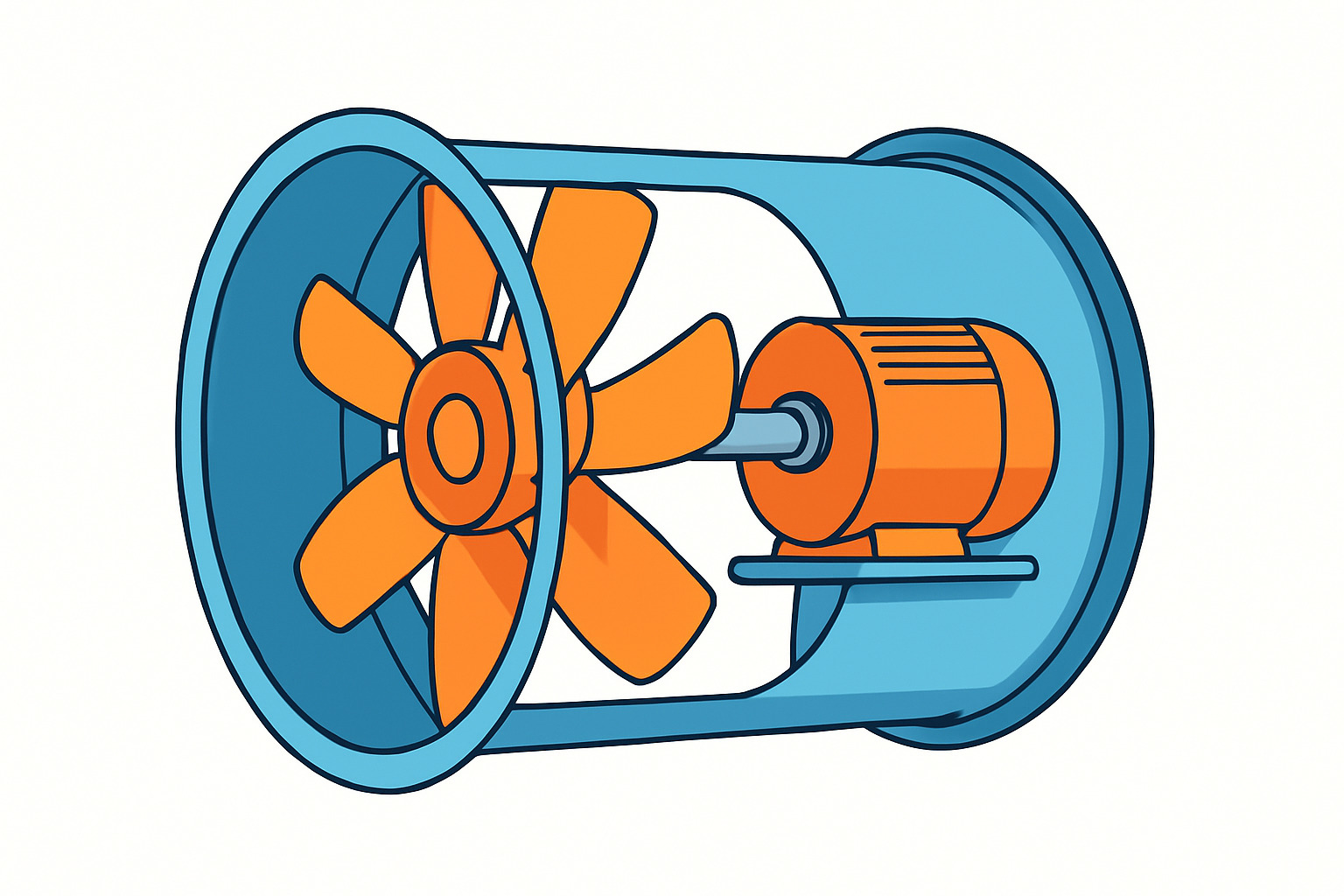
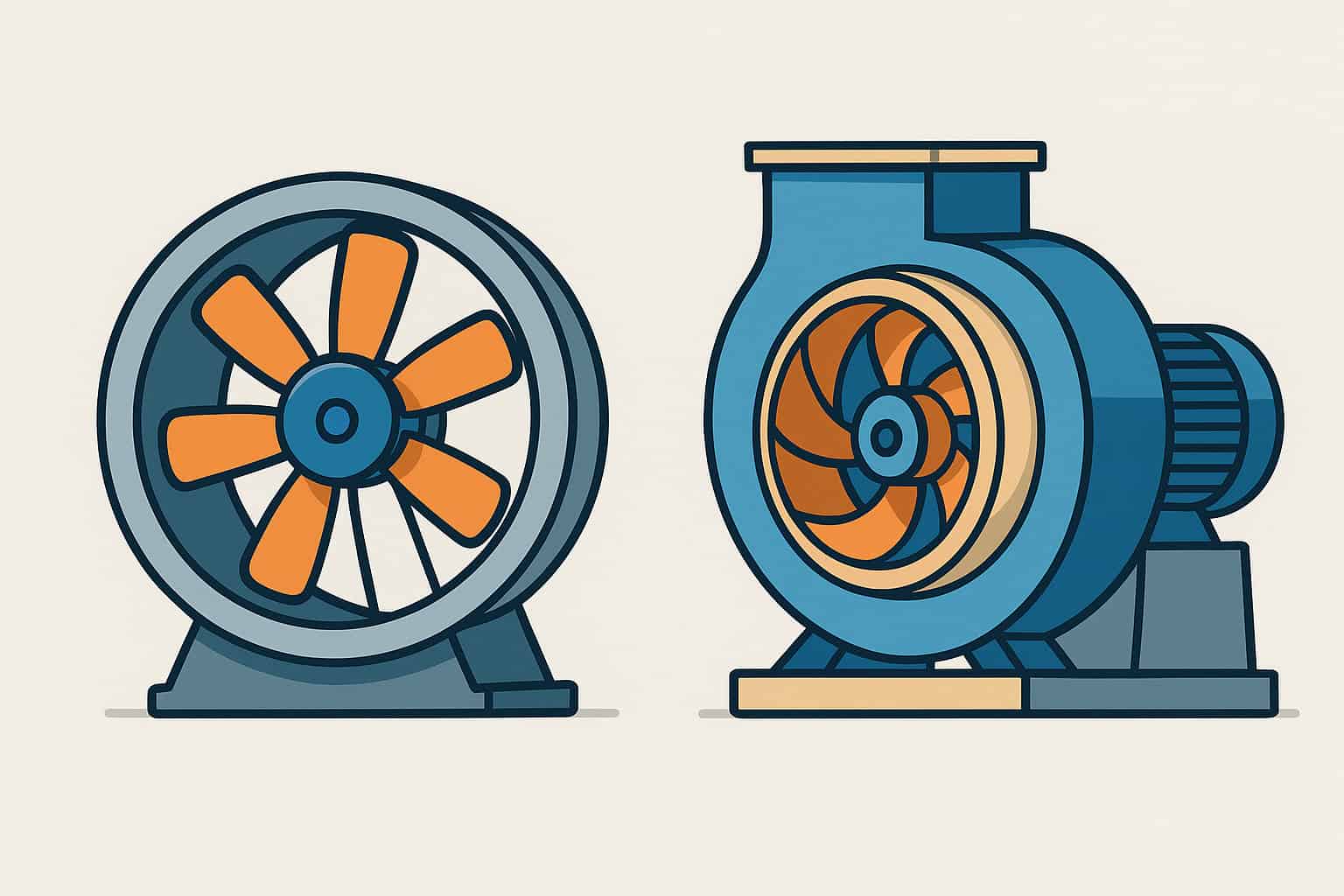
It is also good practice to verify the fan rotation and nameplate arrows on auxiliary ventilation fans. Most fans have cast or stamped arrows on the casing showing intended airflow direction. Before starting a fan, technicians confirm that the impeller rotates in the correct direction for the power supply and that the duct is connected on the proper intake or discharge side. After startup, a quick smoke or ribbon test confirms that the actual flow matches the design intention.
Finally, checks should not be limited to a single location. In long duct runs with bends, leaks, or damaged sections, airflow direction can be distorted, and local recirculation may occur. Performing multiple tests along the duct line helps ensure that the entire system is truly delivering intake air to the face or removing exhaust air from it. Documenting the results and marking ducts with arrows and labels reduces confusion when crews change and when ducts are extended.
In summary, confirming airflow direction in mine ventilation ducts involves using smoke tests, ribbons or tape, anemometers, and fan markings to verify whether a duct is acting as intake or exhaust. These simple checks support safe underground ventilation and ensure that industrial ventilation fans are doing the job they were installed to do.