
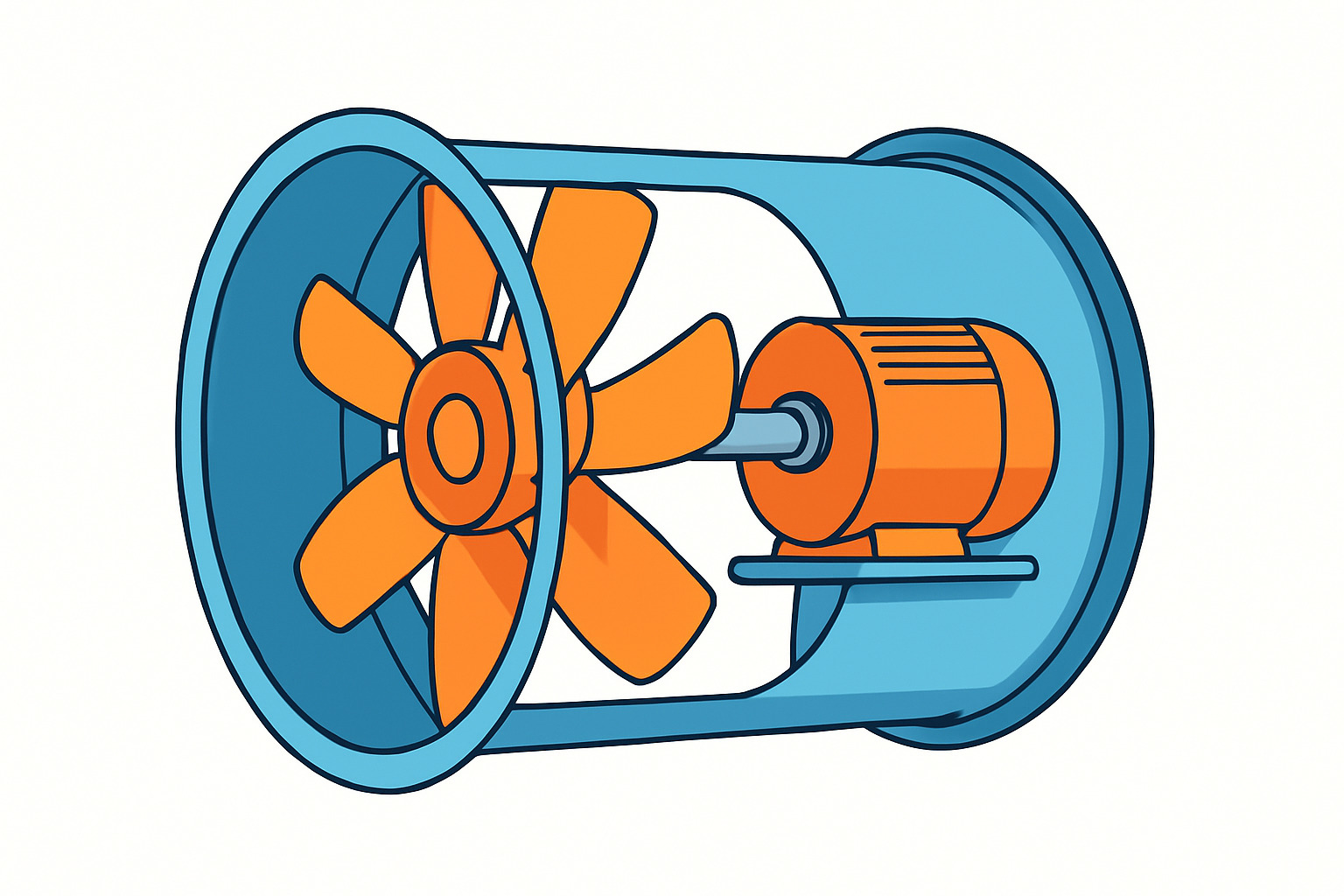
Deciding on fan size always begins with the ventilation duty, not the catalogue. To select the right size fan for an industrial plant, tunnel or mine, you must know how much air you need to move and what resistance the system will create. Only then can you choose a fan diameter and speed that will deliver the required airflow and pressure efficiently.
The first step is to determine the required airflow (volume). This may be based on regulations, heat load, process requirements or air-change targets. In mining, minimum airflow per person, per kilowatt of diesel power or per tonne of product may be specified. In industrial buildings, designers often use air changes per hour or calculated ventilation rates based on contaminants and heat sources. The result is an airflow in m3/h or CFM that the fan must deliver.
The second step is to estimate system static pressure. As air flows through ducts, filters, heat exchangers, dampers, mine entries and other components, it loses pressure due to friction and turbulence. Engineers calculate or estimate these losses and plot a system curve showing required pressure versus flow. This curve is essential for choosing a fan that will operate at a stable and efficient point.
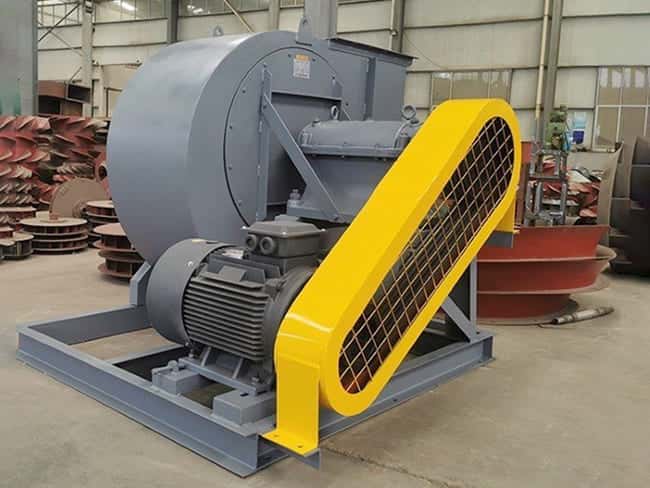
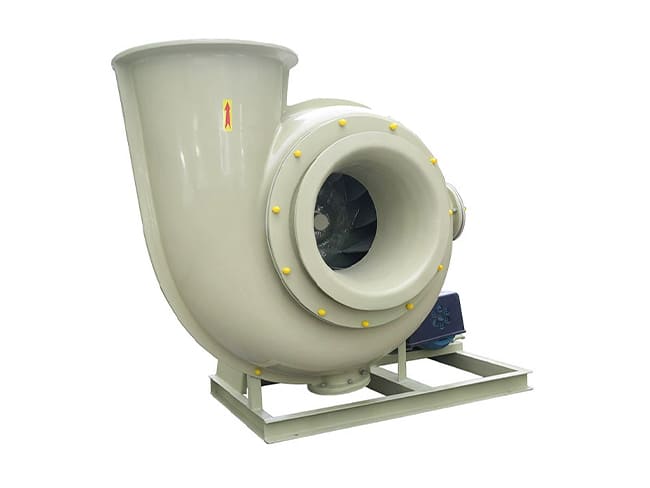
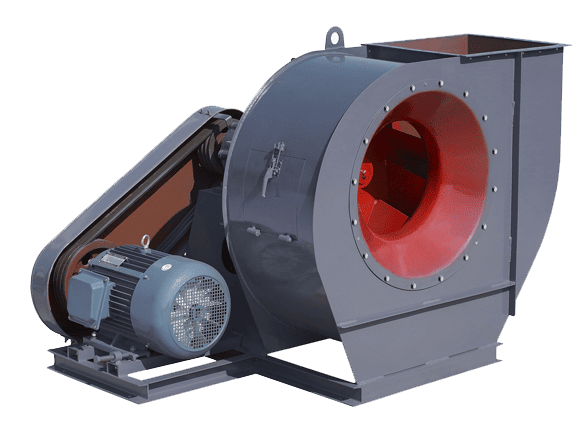
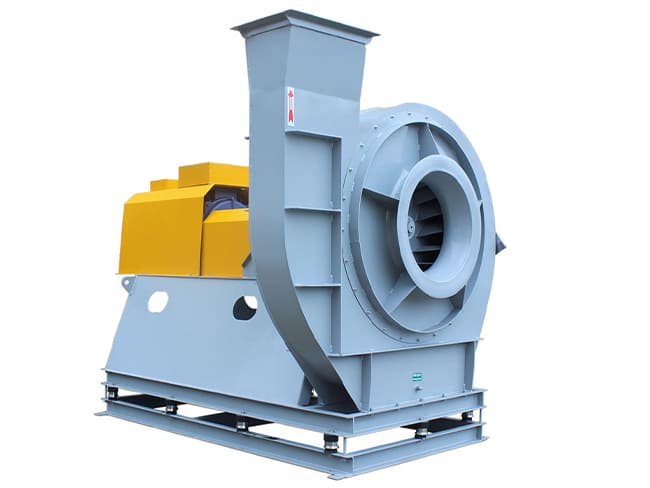
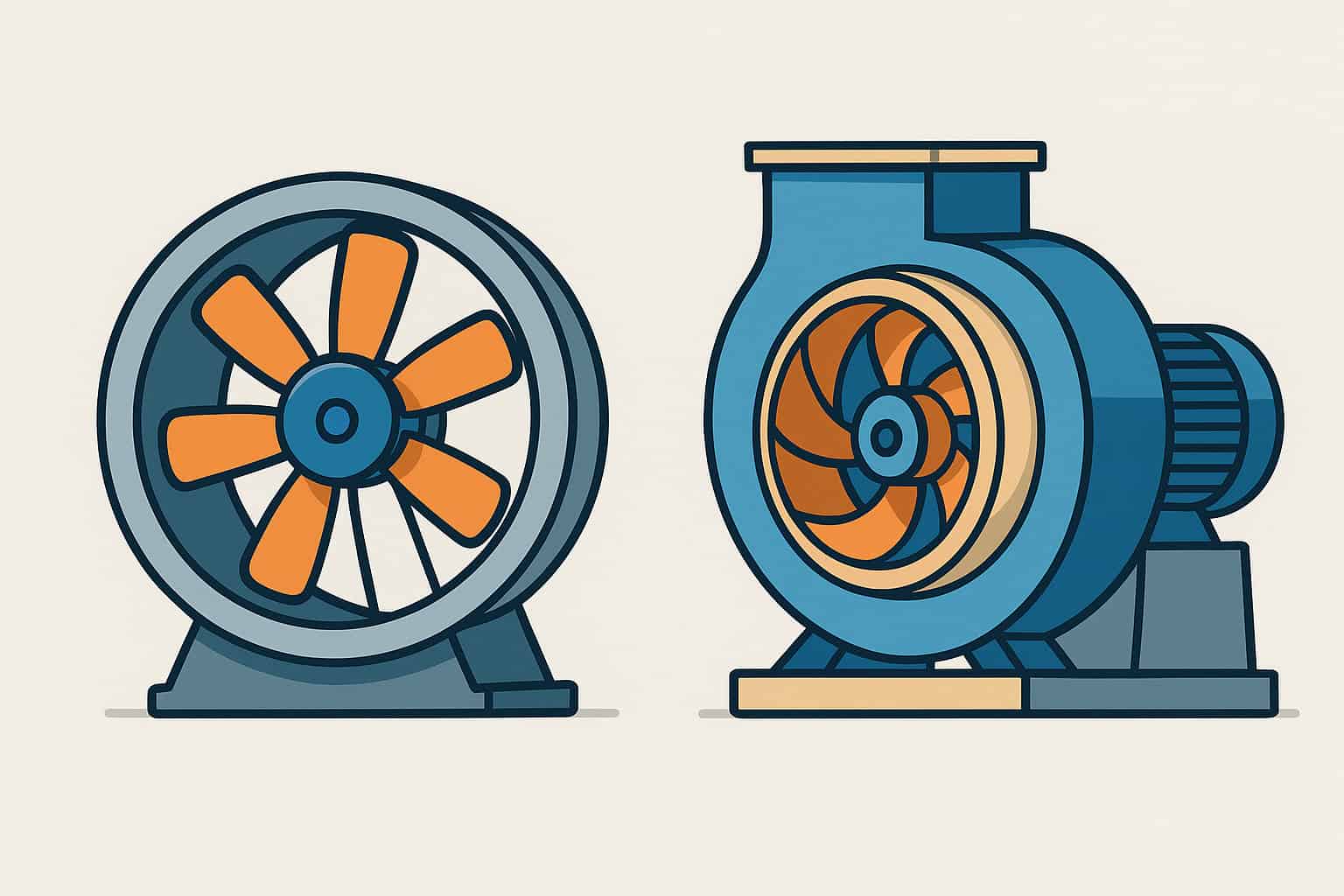
Once you know airflow and pressure, you can review manufacturers’ fan curves. These curves show how much air a specific fan size can move at different speeds and pressures. You select a fan diameter and speed so that your duty point lies in the recommended operating range, preferably near the fan’s best efficiency point. If the required pressure is low and volume is high, an axial fan may be the right size and type; if pressure is higher or air is dusty, a centrifugal fan of appropriate size may be better.
Other factors affect the final decision on fan size: space constraints, noise limits, motor availability and future flexibility. In some cases, a slightly larger, slower-running fan is chosen to reduce noise and improve efficiency. In other cases, space limitations force a more compact, higher-speed fan. For critical mining and industrial systems, engineers may also allow for future capacity upgrades by selecting a size that can deliver more airflow at a higher speed if needed.
In summary, you decide on fan size by defining the required airflow and static pressure, plotting the system curve, and then selecting a fan whose performance curve meets that duty with good efficiency, acceptable noise and a practical motor speed. Guessing based only on physical dimensions or horsepower is not enough for reliable ventilation design.