
When people ask how to improve fan speed, they usually want more airflow from existing equipment. In industrial and mining ventilation, simply forcing a fan to run faster without engineering review can be dangerous, leading to mechanical failures, noise and overloading of the motor. A better approach is to combine maintenance, system optimisation and proper speed control to improve performance safely.
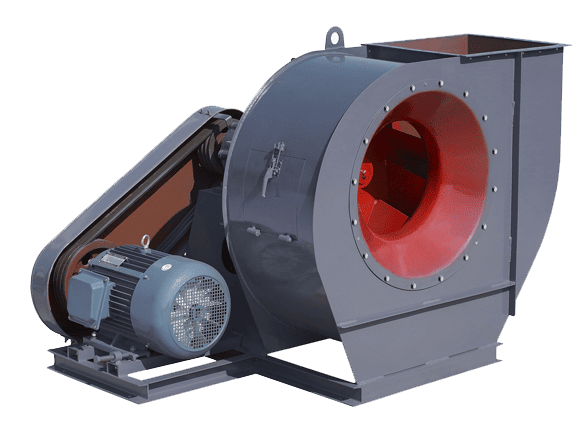
The first and simplest step is to make sure the fan can already operate at its design speed. Dirty impellers, clogged guards, blocked louvers and choked filters all reduce airflow and can make a fan appear slow or weak. Cleaning the blades and casings, removing dust build-up and ensuring that inlets and outlets are unobstructed often restores performance without any change to speed. In belt-driven fans, worn or loose belts can slip, reducing the actual impeller speed; replacing belts and correctly tensioning them is a straightforward way to bring the fan back to its intended speed.
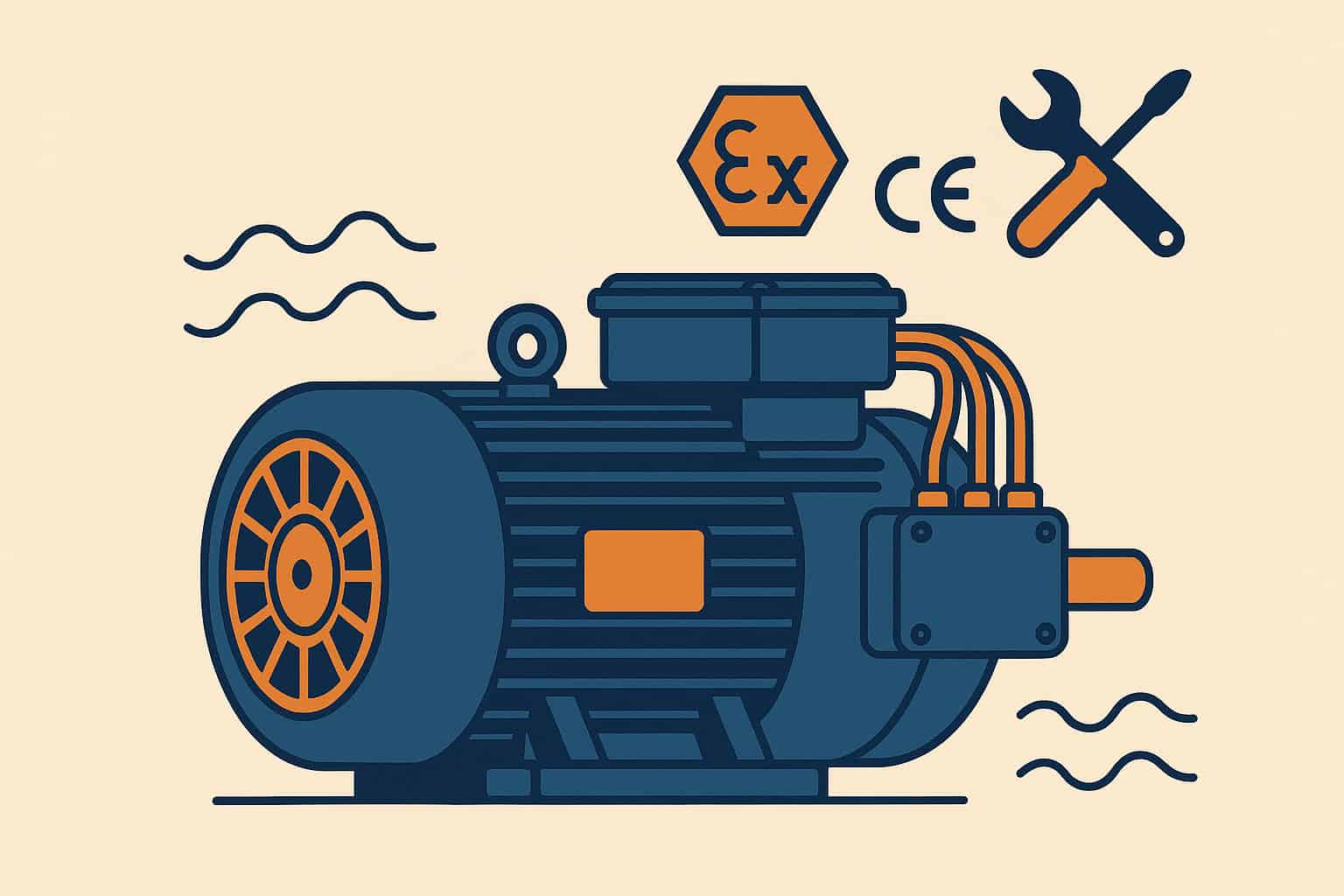
Next, check the electrical supply and motor. Undervoltage, phase imbalance or incorrect motor connections can prevent a fan from reaching its rated speed or torque. Ensuring that supply voltage matches the motor nameplate, that wiring is correct and that the motor is not overloaded by an excessively high system resistance are essential steps before trying to increase speed. In three-phase systems, verifying rotation direction also matters; a fan running backwards will produce much less airflow.
If the fan is in good condition and correctly supplied, but more airflow is legitimately required, then engineers may consider adjusting speed through proper controls. For many modern industrial and mining fans, this is done with a variable-frequency drive (VFD). By increasing the electrical frequency slightly (within the limits of the motor and fan design), the fan speed and therefore airflow can be increased. However, the fan laws show that power demand rises rapidly with speed, so motor capacity and mechanical strength must be checked before any increase.
Changing pulley sizes on belt-driven fans is another method sometimes used to adjust speed, but this should only be done under engineering guidance. Increasing speed beyond the impeller’s rated maximum can cause excessive vibration, noise, fatigue and eventual failure. In hazardous or underground environments, such failures can have serious consequences, so all modifications must respect manufacturer limits and relevant standards.
In many cases, it is more effective to improve the system rather than just the fan speed: reducing unnecessary bends, enlarging ducts, fixing leaks and rebalancing dampers can deliver more air to where it is needed. In summary, to improve fan speed and airflow, start with cleaning and maintenance, verify electrical and mechanical integrity, and only adjust speed using appropriate controls and within safe design limits.