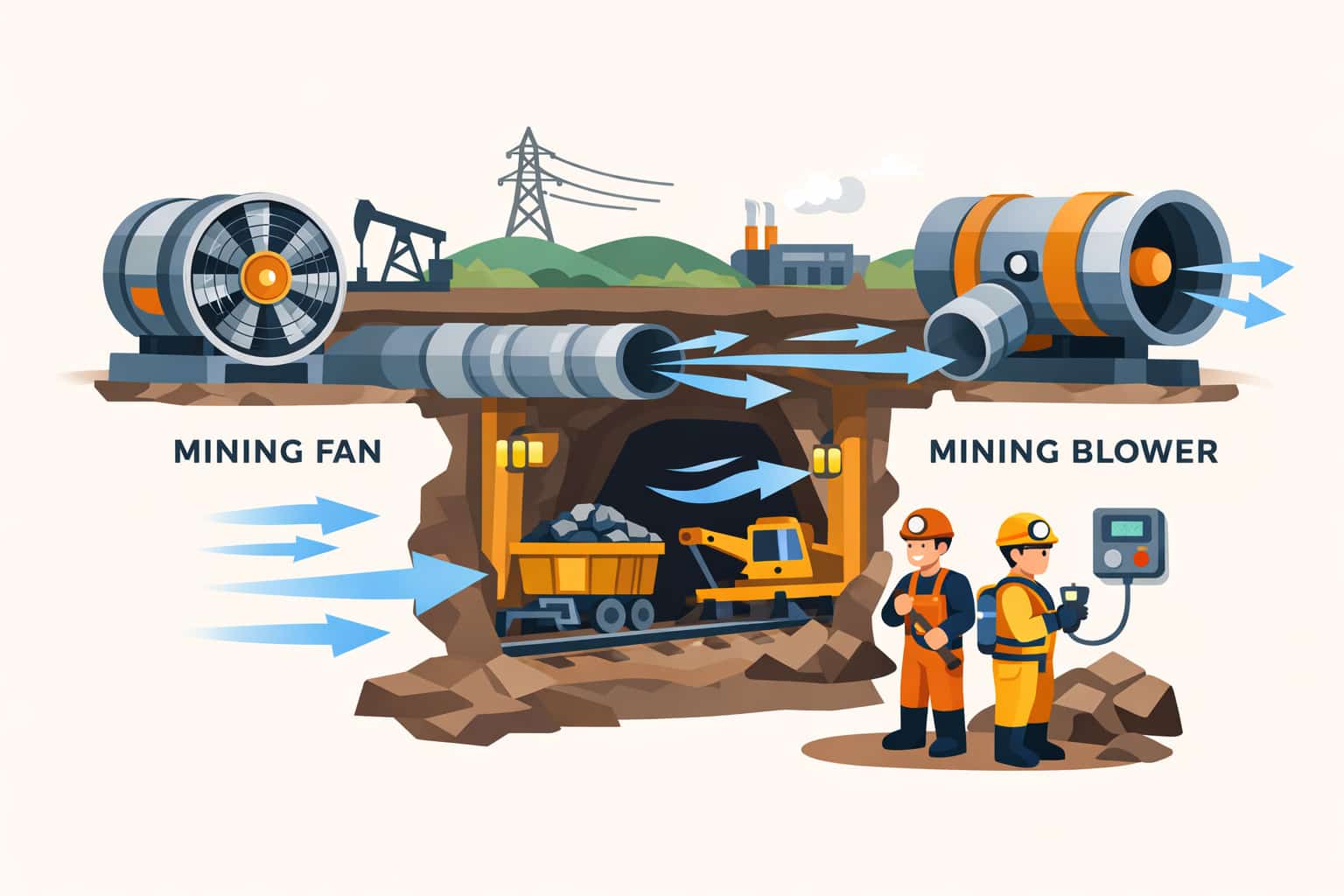
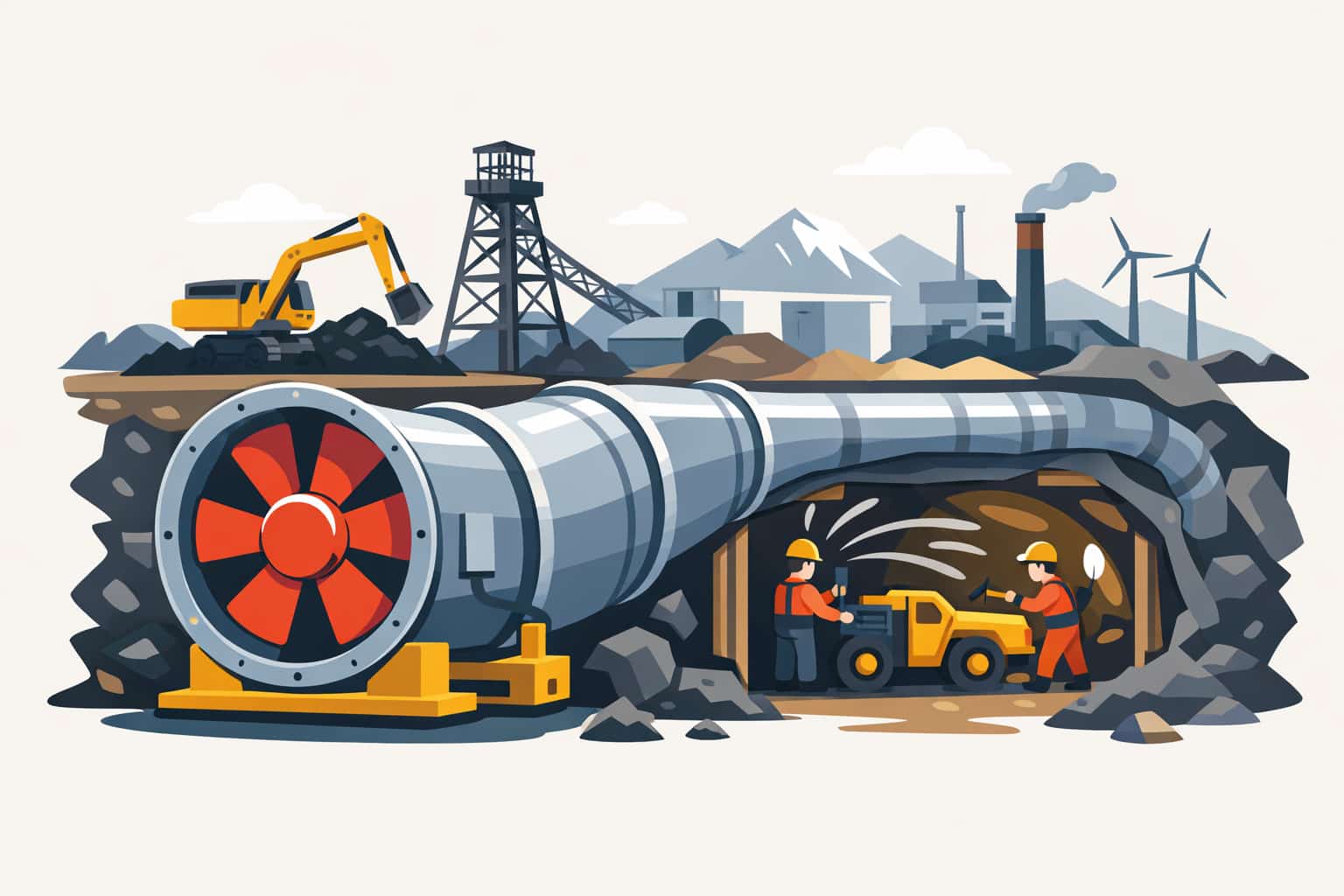
To increase fan airflow, you must either reduce the resistance of the system, increase the fan’s energy input or select a more suitable fan for the duty. In industrial plants and mines, the safest and most efficient solution often combines several of these approaches rather than simply forcing the existing fan to work harder.
The first and usually most economical step is to reduce system resistance. Check ducts, filters and airways for restrictions: dirty filters, blocked screens, partially closed dampers, sharp elbows close to the fan and undersized duct sections all add unnecessary pressure loss. Cleaning filters, opening dampers, replacing tight bends with smoother transitions and removing obstructions can significantly increase airflow without changing the fan itself. In mines, improving airway sizes and removing leakage paths or unnecessary regulators can have a similar effect.
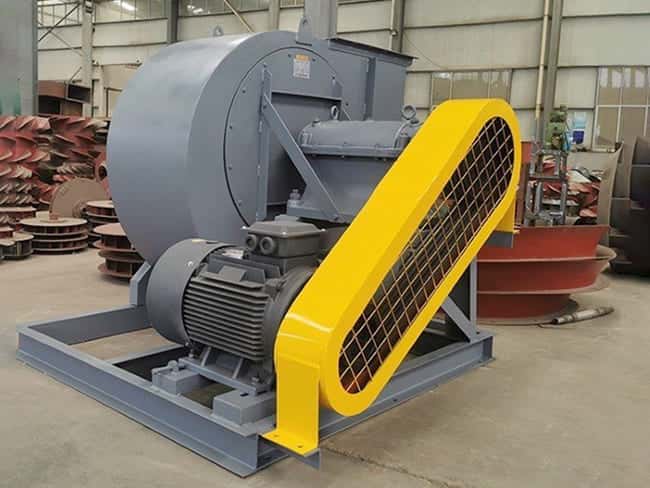
If the system is already optimised, the next option is to increase fan speed. Using a variable-frequency drive (VFD) or changing belt ratios, you can raise the rotational speed within the fan’s mechanical limits. Fan laws show that airflow is roughly proportional to speed: a 10% increase in speed gives about 10% more flow, assuming the system allows it. However, power demand rises with the cube of speed, so energy use and motor load increase rapidly. You must confirm that the impeller, shaft, bearings and motor are all rated for the higher speed and power.
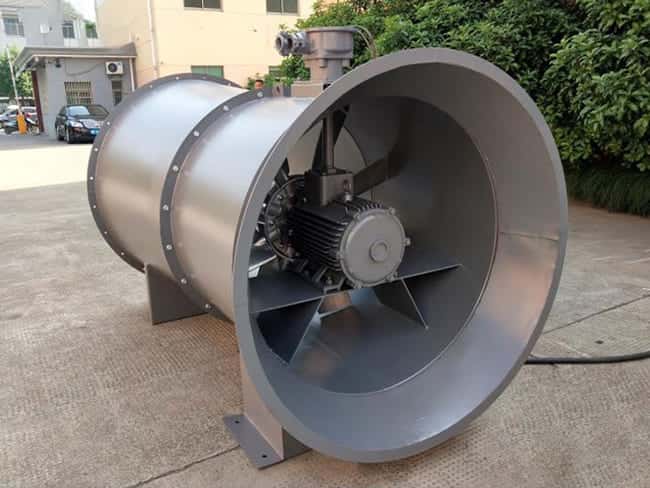
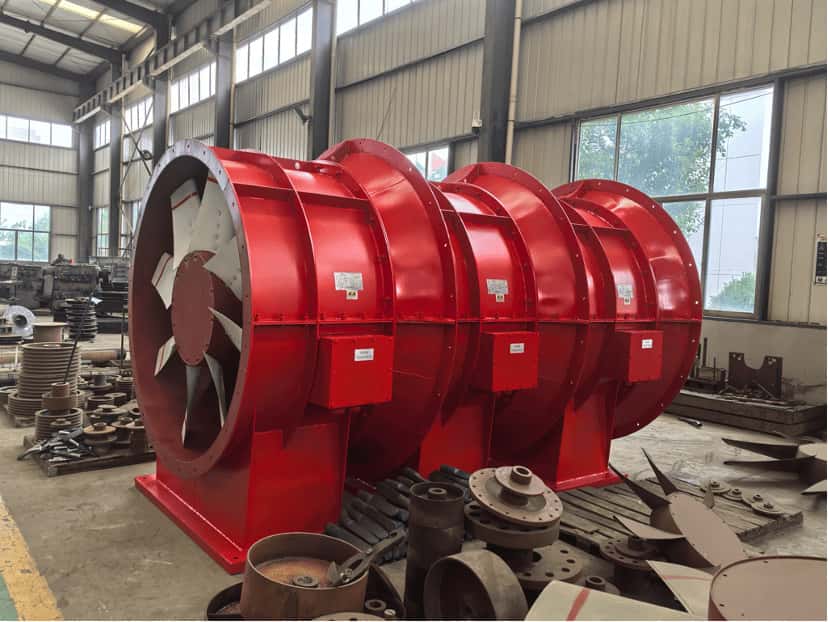
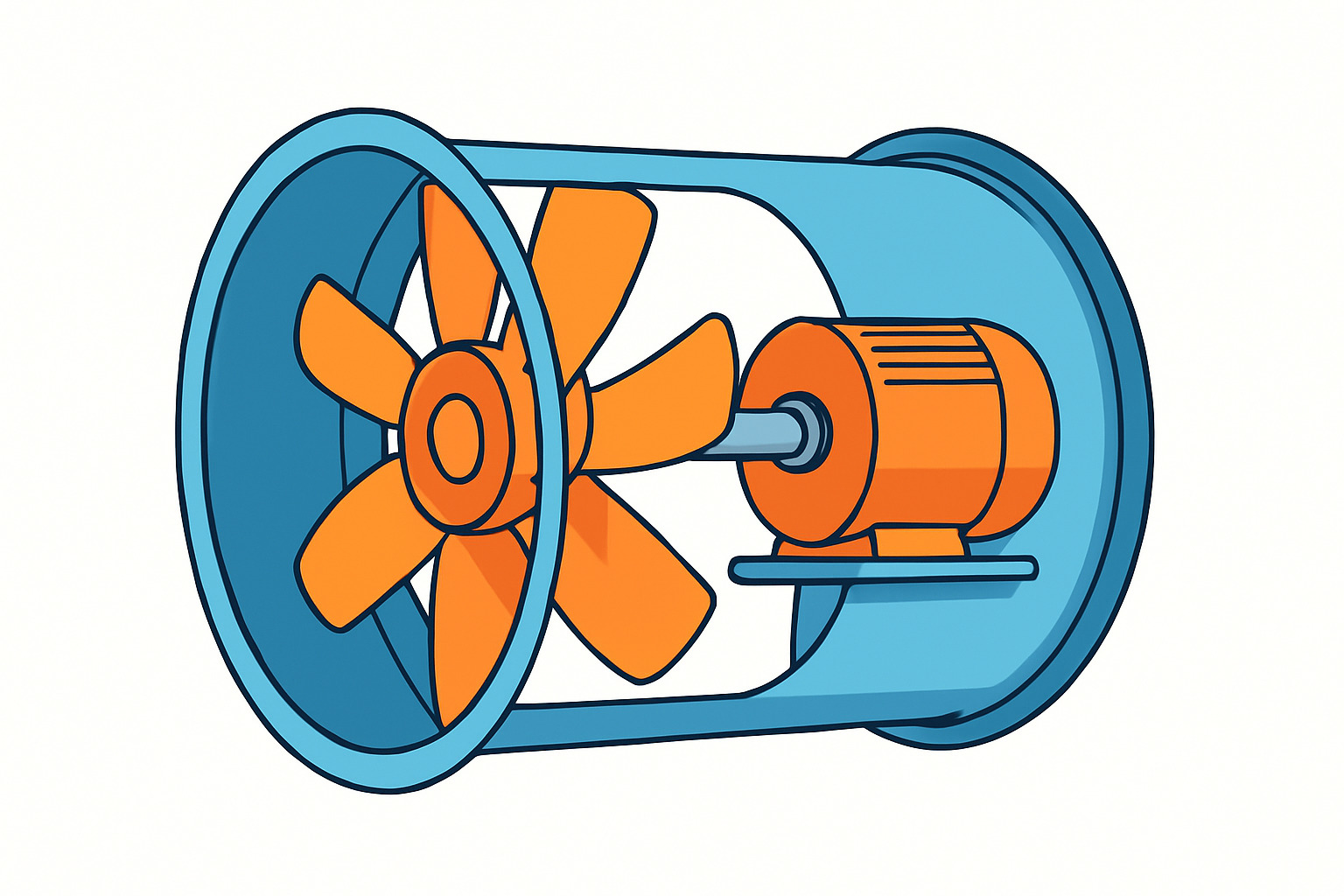
Adjusting Blade Pitch (For Axial Fans):For mine ventilation utilizing axial flow fans, adjusting the blade pitch angle is a highly effective method to increase airflow. Increasing the pitch angle allows the fan to move more air per revolution. However, similar to increasing speed, this increases the load on the motor. It is crucial to monitor the motor's amperage to ensure it remains within the rated capacity and to avoid setting the angle too steep, which could cause aerodynamic stall.
Another effective method is to improve inlet and outlet conditions. Fans work best when air approaches them uniformly and leaves through well designed diffusers. Providing straight inlet runs, bellmouth inlets, proper guards and avoiding tight elbows or sudden expansions close to the fan can reduce turbulence and recover pressure, resulting in higher effective airflow at the same speed and power.
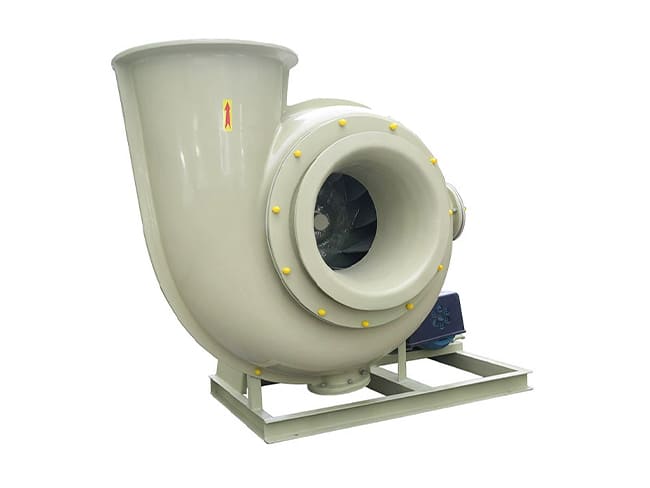
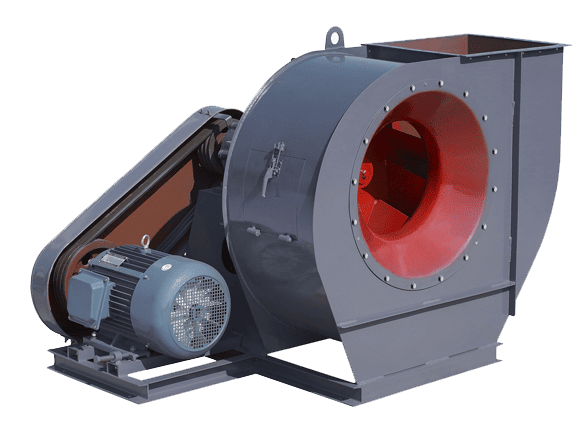
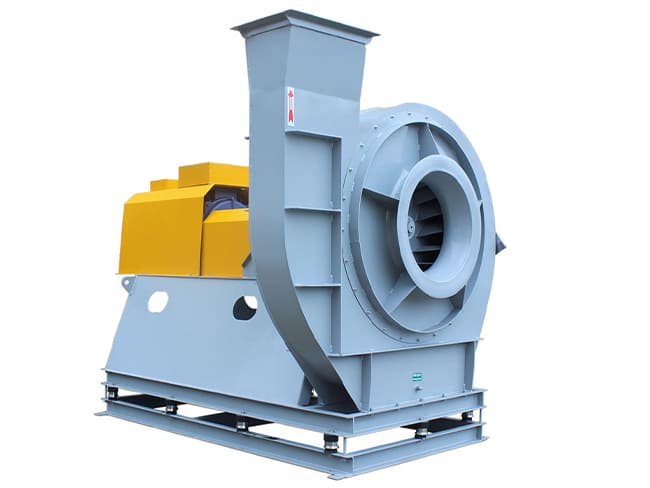
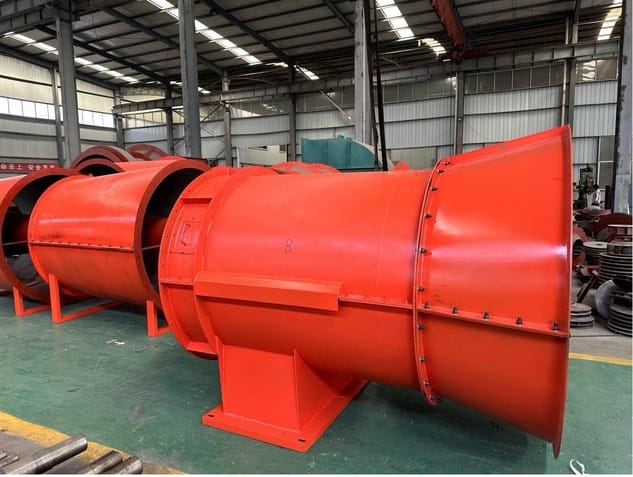
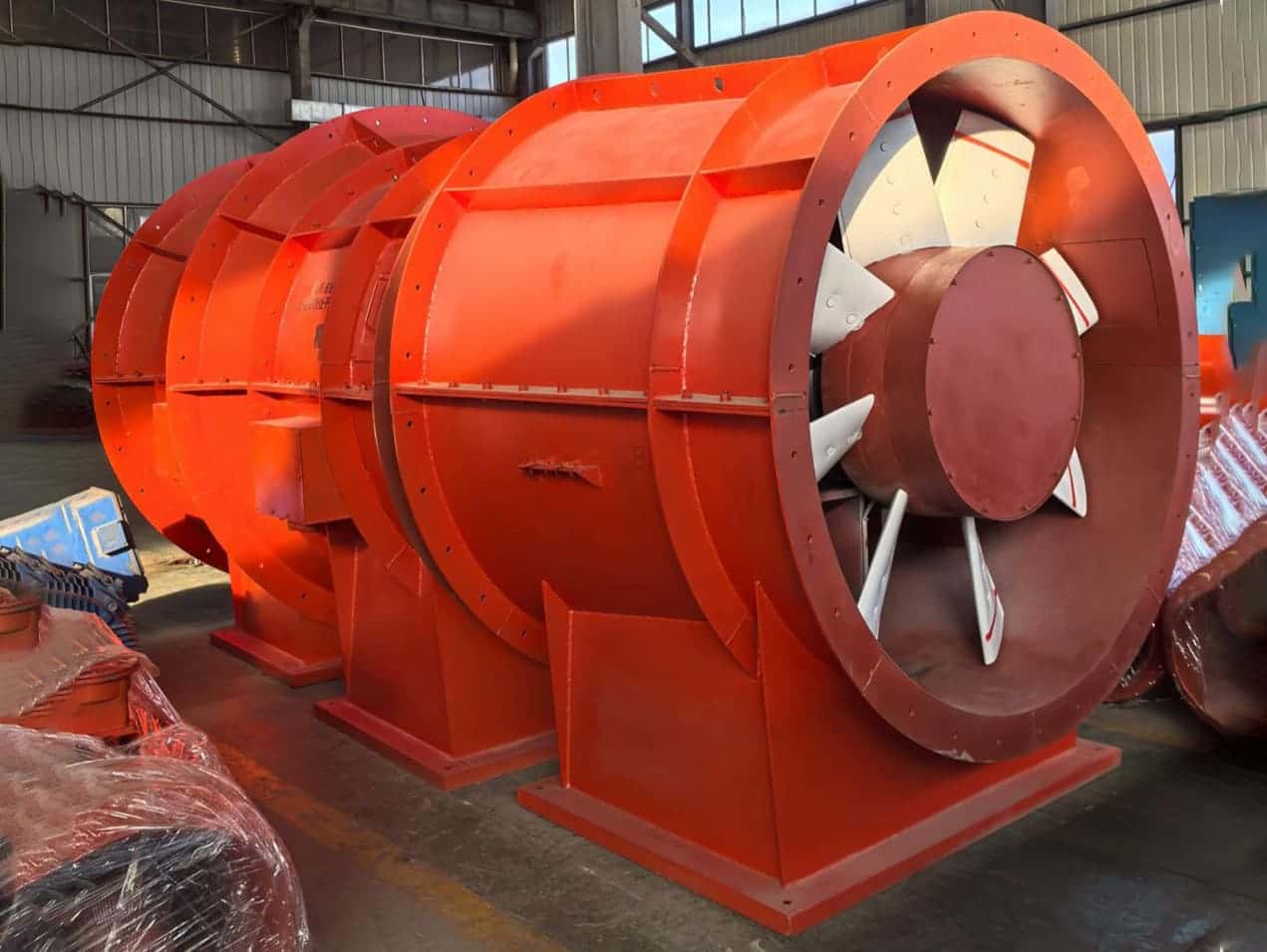
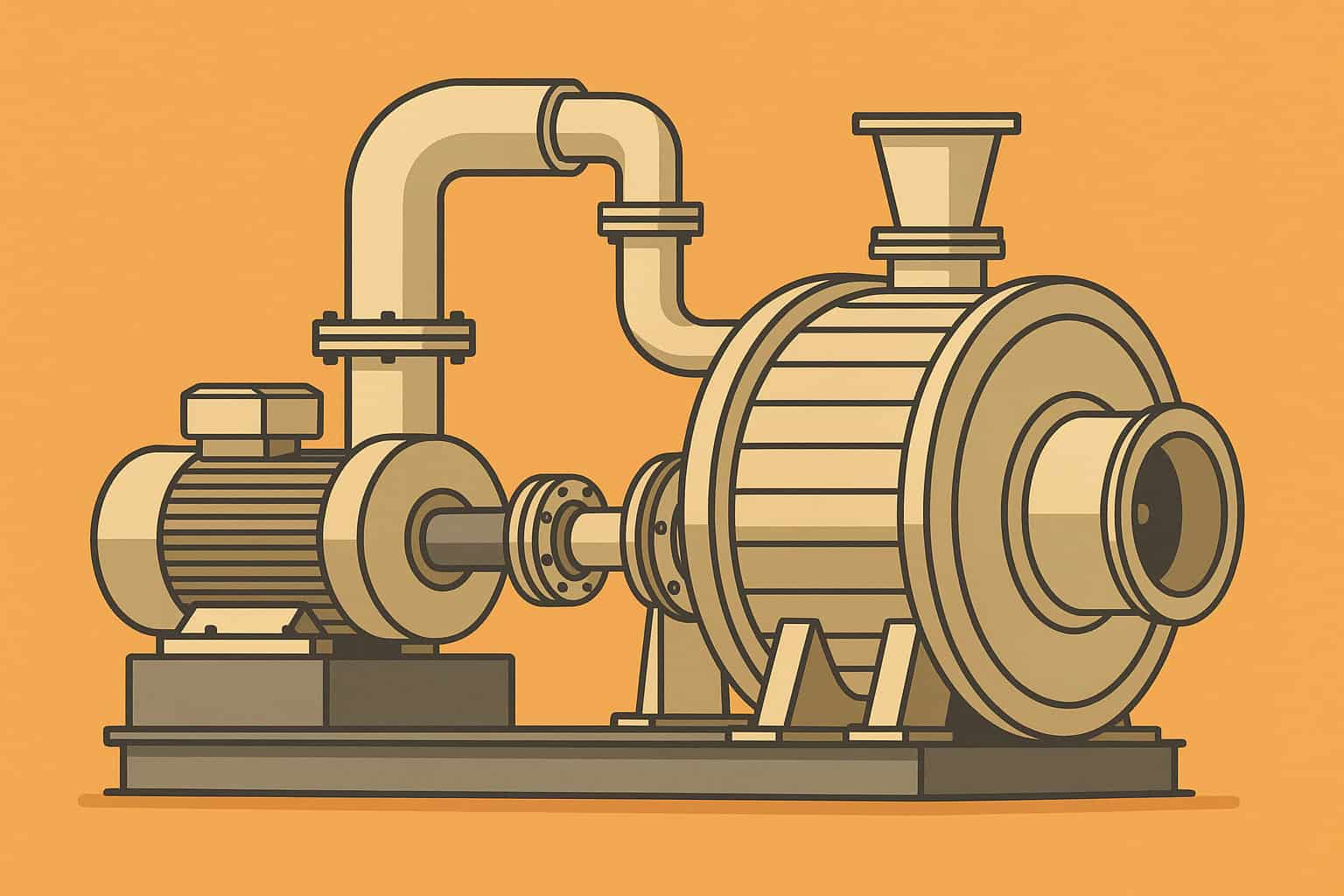
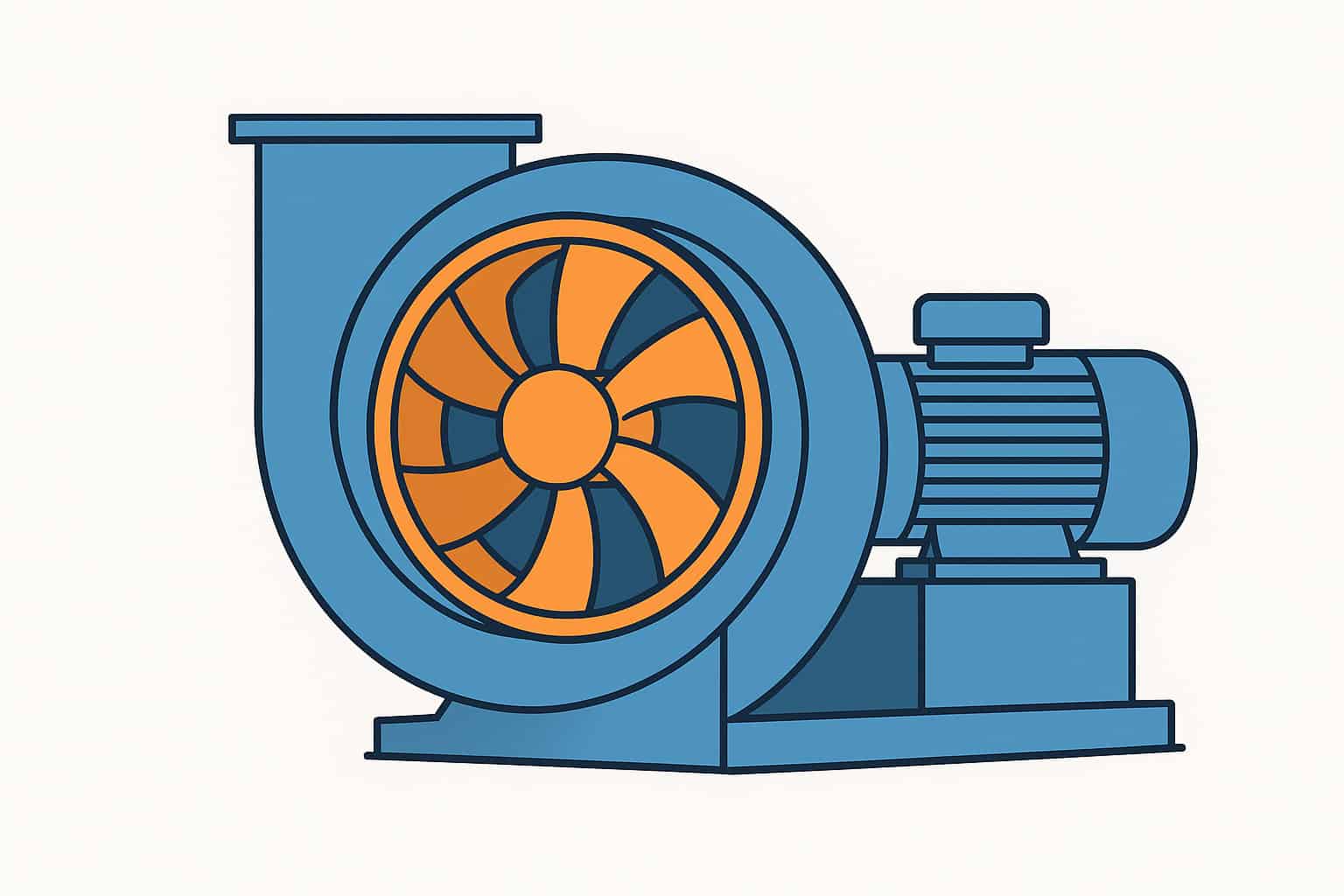
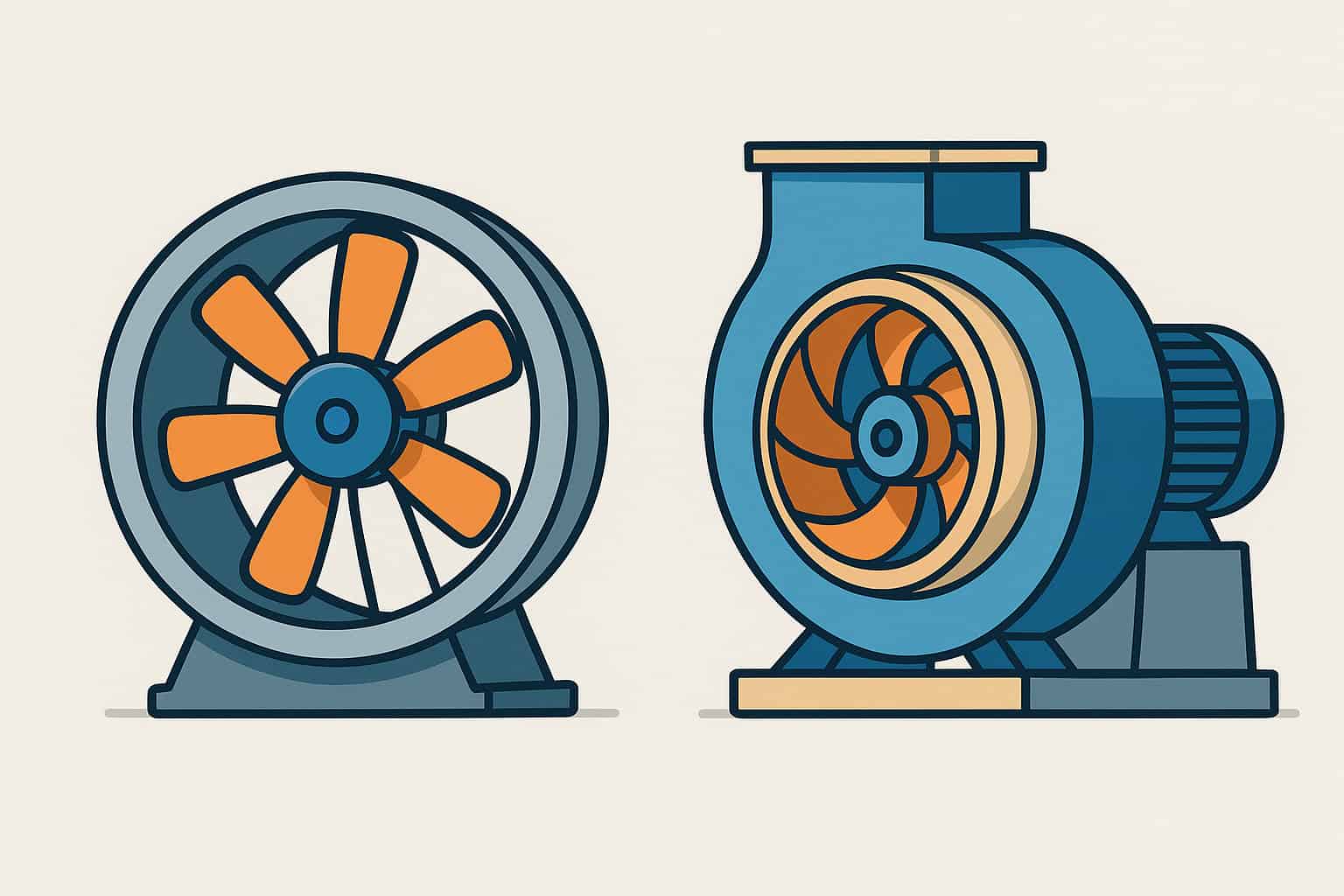
If these measures are insufficient, it may be necessary to select a larger or different fan. A bigger diameter fan running at similar speed can move more air with similar or lower noise and potentially better efficiency. In some systems, replacing an axial fan with a more suitable centrifugal design (or vice versa) can also improve airflow at the required pressure. For mining main fans and critical industrial duties, changing the fan may be the only safe way to achieve a substantial airflow increase.
It is important not to ignore safety and regulatory limits. In mines, airflow increases must still respect maximum allowed velocities, pressure limits on regulators and structural limits of stoppings and doors. In industrial plants, higher airflow may affect capture efficiency at hoods or change emission characteristics at stacks.
In summary, to increase fan airflow, start by reducing system resistance, then consider increasing fan speed or adjusting blade pitch within design limits, improving inlet and outlet conditions, or upgrading to a larger or more suitable fan. Each step should be evaluated for safety, energy impact and compliance with ventilation requirements.