
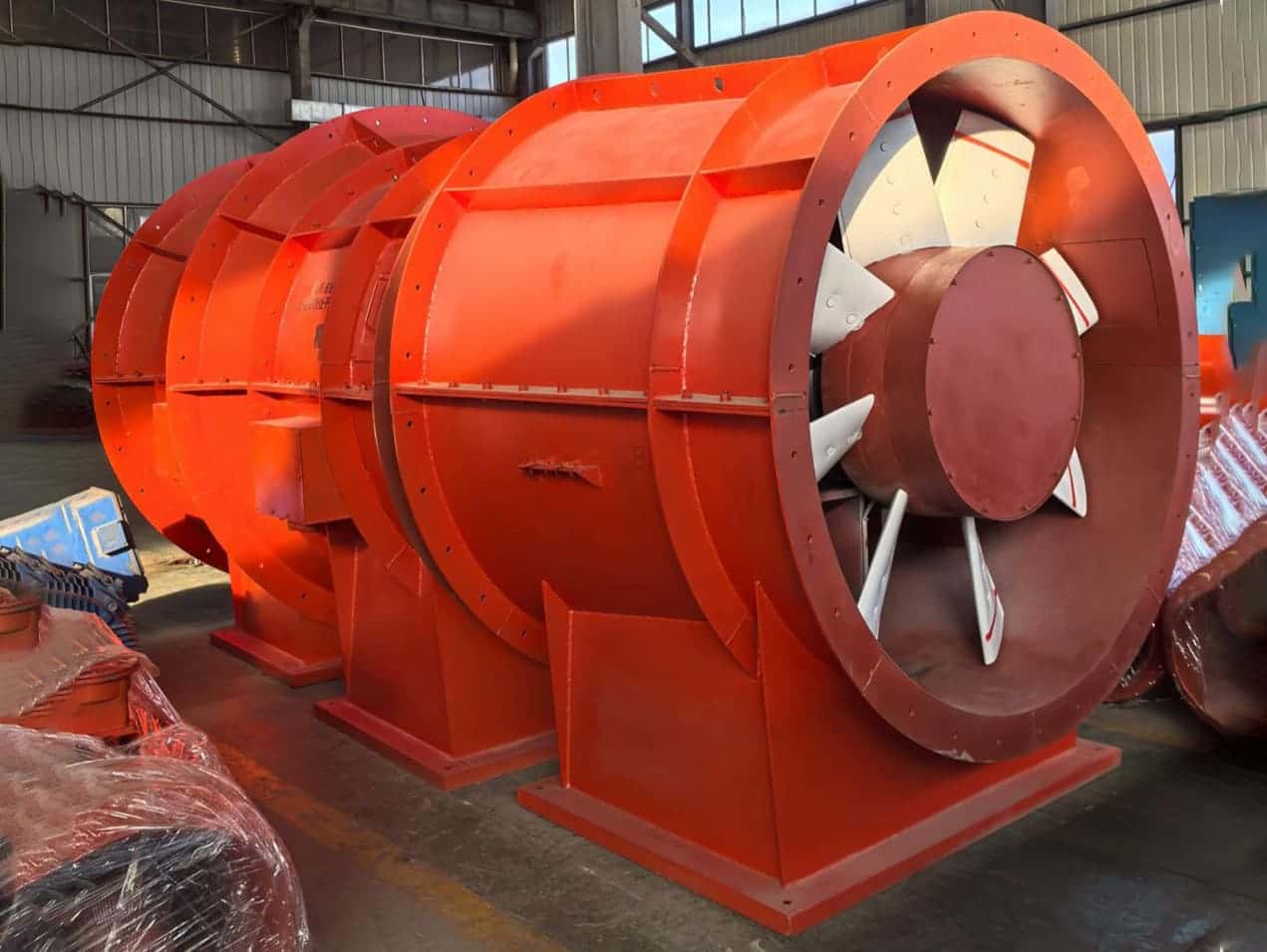
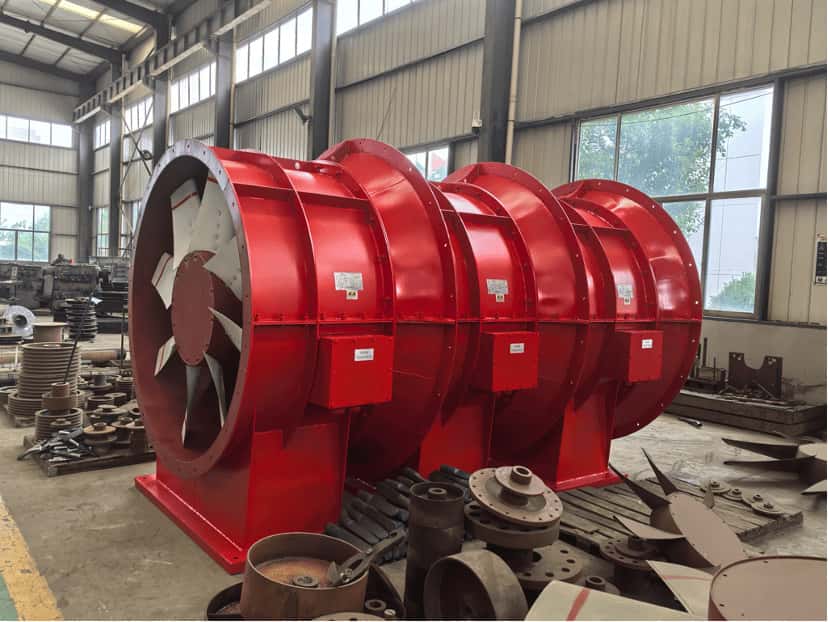
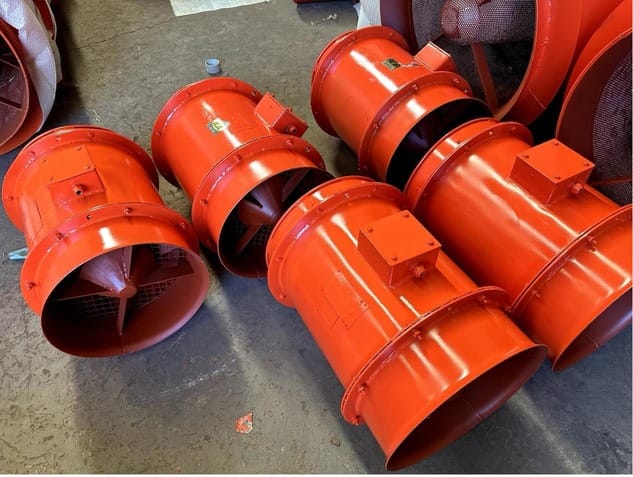
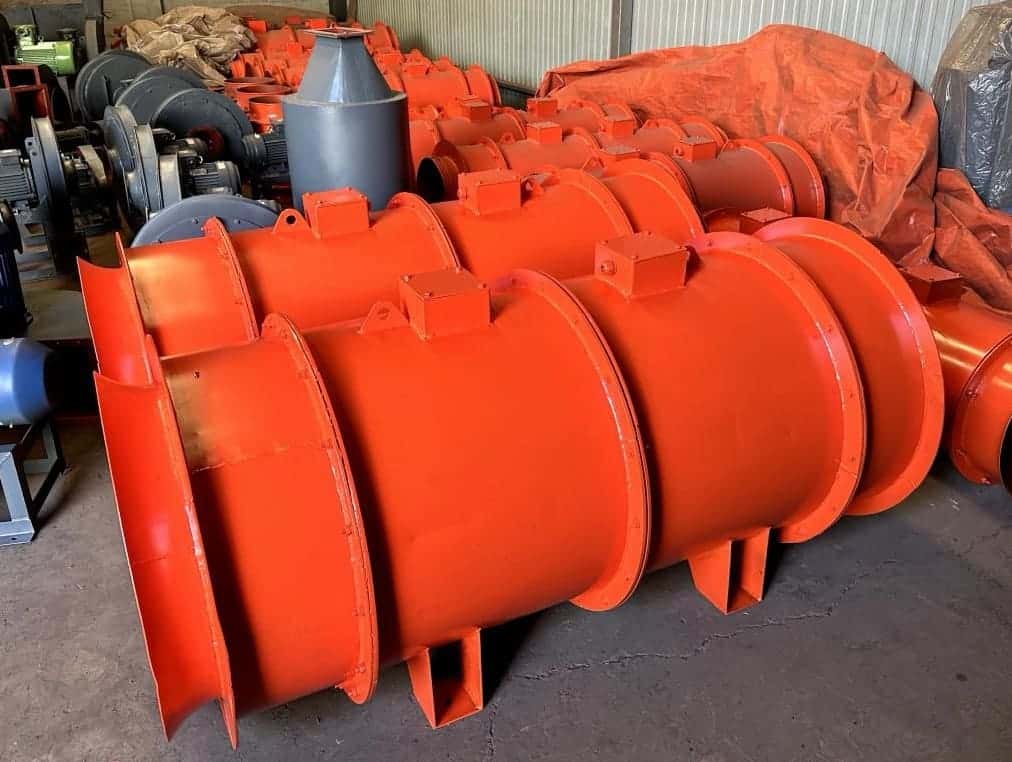
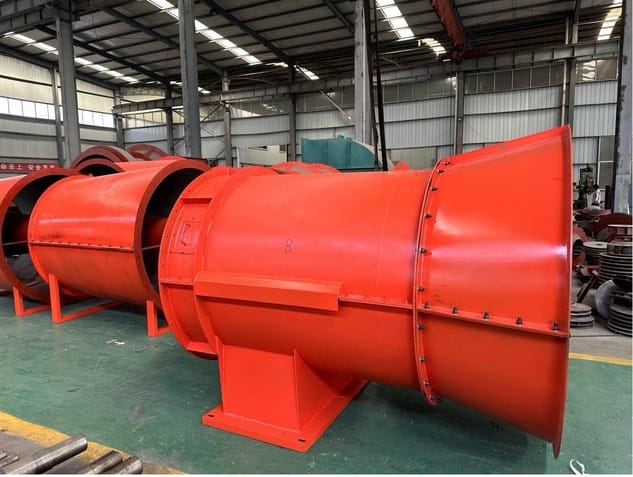
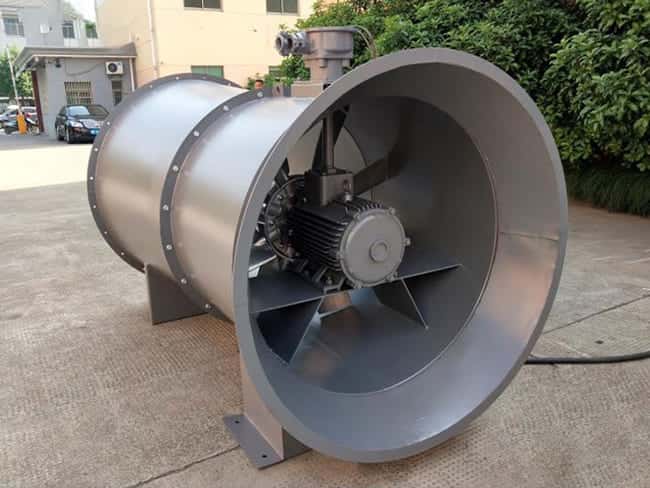
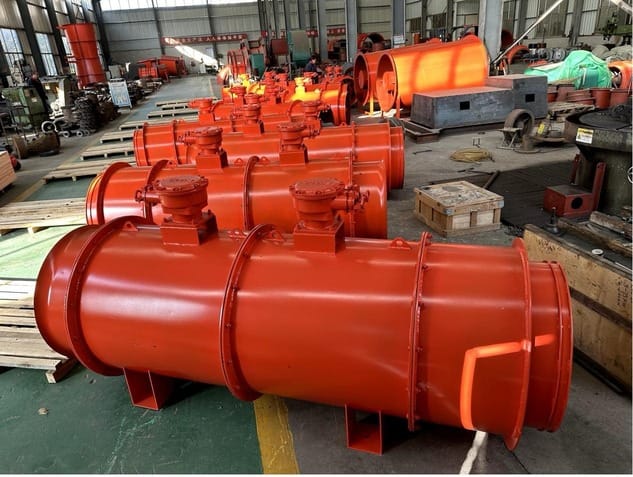
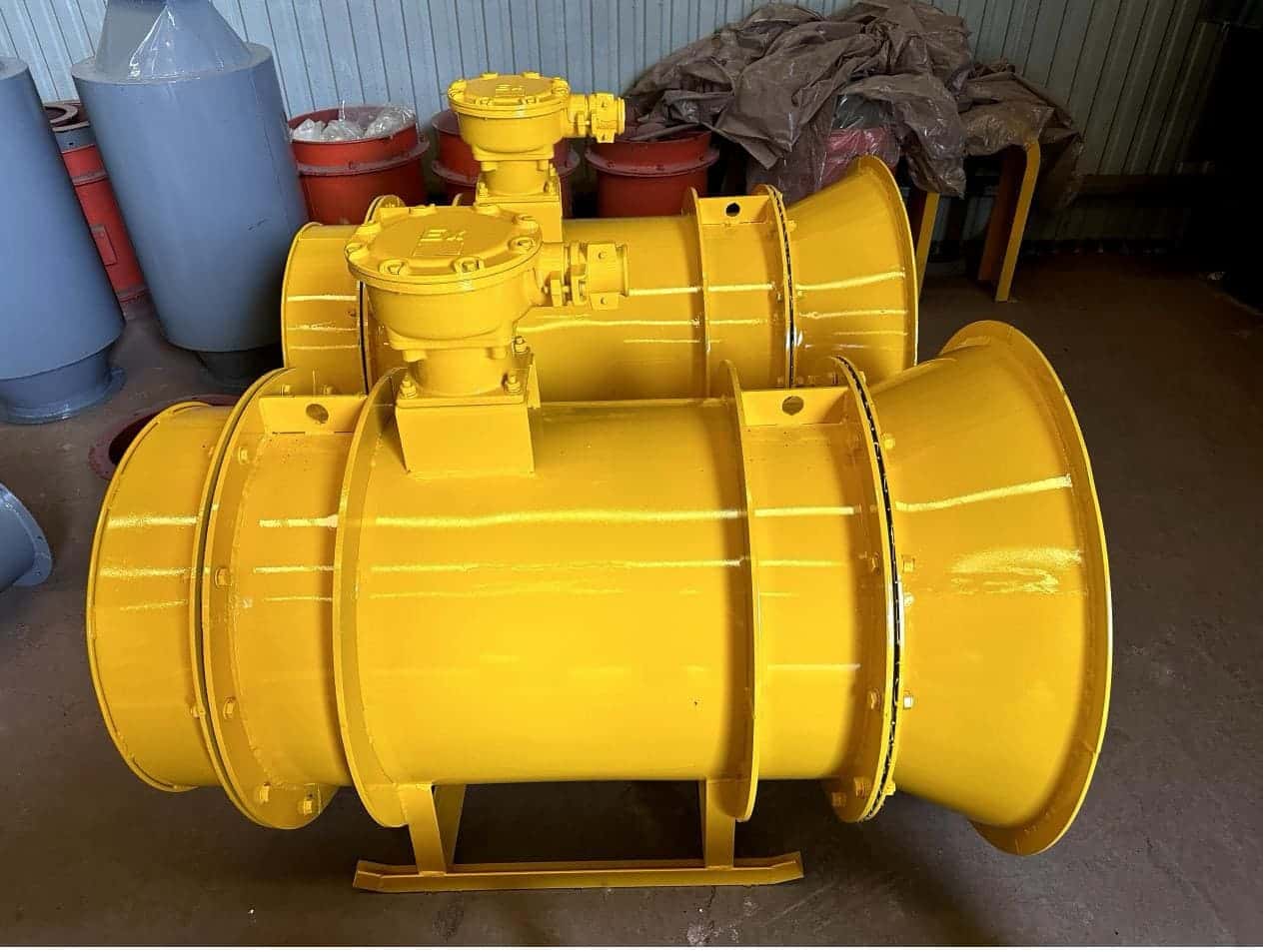
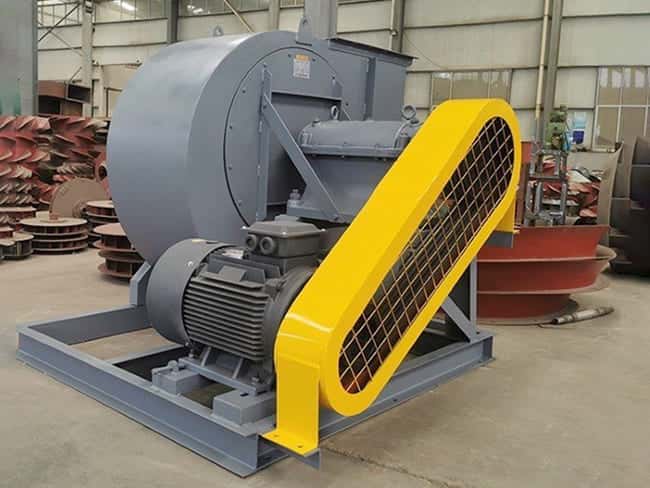
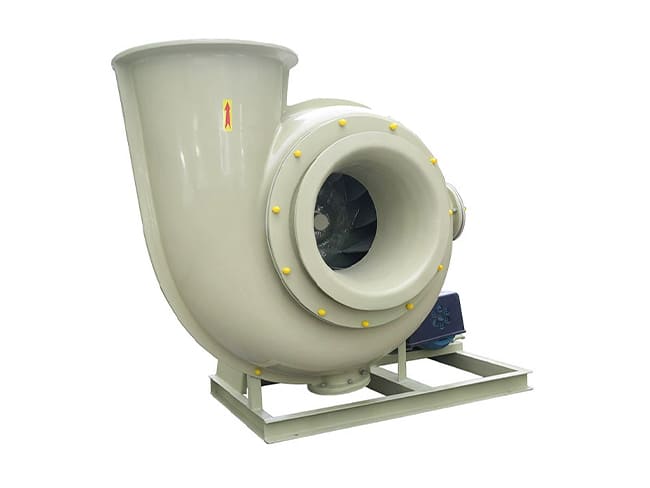
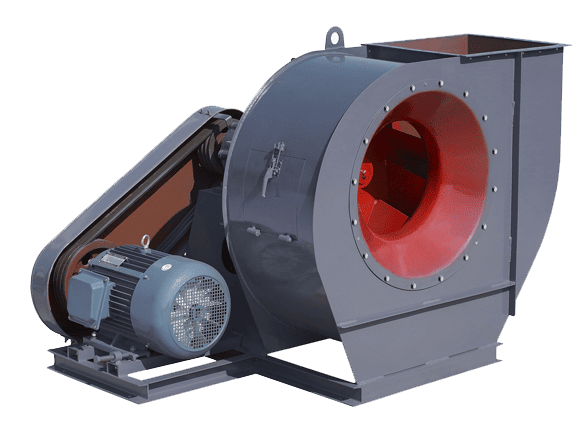
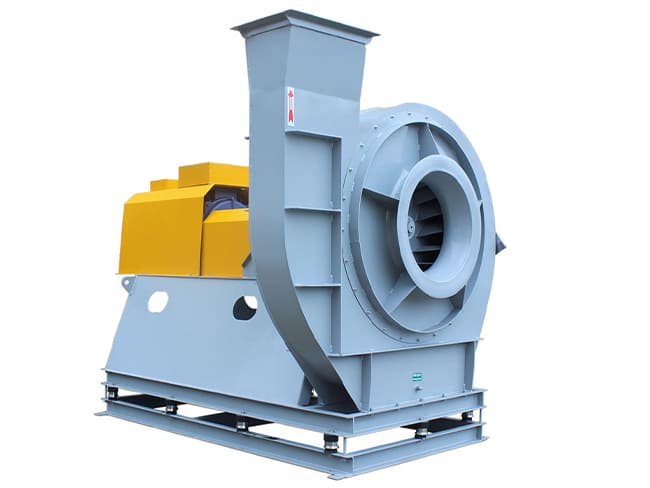



When you ask how to make an exhaust quieter, you are really asking how to reduce noise from the fan, the motor and the exhaust duct system. In factories, plants and mines, exhaust fans remove hot air, dust and fumes, but they can also be major noise sources. A quiet, efficient exhaust system is not achieved by a single trick; it comes from a combination of good fan selection, sensible operating speeds, smooth ductwork and proper acoustic treatment.
The first step is to check whether the fan is correctly sized and operated. An exhaust fan that is too small must run at very high speed to deliver the required airflow, generating more aerodynamic and mechanical noise. On the other hand, an oversized fan may operate in an unstable region of its curve, causing rumble and pulsation. Where possible, use a fan that works near its best efficiency point. If the fan has a variable-frequency drive, slightly reducing speed can noticeably lower noise while still providing enough exhaust capacity.
Next, look at duct layout and flow conditions. Turbulence generates noise. Sharp elbows right at the fan inlet or outlet, sudden area changes, partially closed dampers and rough internal surfaces all create turbulence and pressure loss. These in turn increase noise. To make the exhaust quieter, provide straight runs before and after the fan, use long-radius bends, design gradual transitions and keep dampers fully open during normal operation where possible. In local exhaust systems, use smooth hoods and capture devices that encourage smooth entry of air into the duct.
Mechanical noise must also be controlled. An unbalanced impeller or worn bearings cause vibration, which radiates as sound through the housing and duct supports. Regular cleaning, static and dynamic balancing of the impeller, and timely bearing replacement are essential. Mounting the fan on vibration isolators and using flexible connections between the fan and ductwork reduce structure-borne noise transmitted into walls, steelwork and ceilings.
Acoustic treatments are the next line of defence. Duct silencers installed at the fan outlet or at key points in the system can absorb sound while allowing airflow. For large exhaust systems in mining or heavy industry, inlet and outlet silencers on the fan and lined duct sections near noise-sensitive areas are common. The silencer must be chosen to provide enough noise reduction at critical frequencies without adding excessive pressure drop, which would force the fan to work harder.
Do not forget the exhaust outlet configuration. Rooftop discharge cowls, stacks and louvres influence how noise radiates to the environment. Directing the outlet away from nearby houses, offices or control rooms, adding vertical discharge stacks where appropriate and using noise barriers can greatly reduce perceived noise outside the building. Underground, the location of exhaust openings relative to working areas matters for noise exposure.
In summary, making an exhaust quieter means choosing and operating the fan sensibly, smoothing airflow in ducts, controlling vibration and adding silencers or acoustic lining where needed. A systematic approach can turn a noisy exhaust into a quiet, efficient part of your industrial or mining ventilation system.