
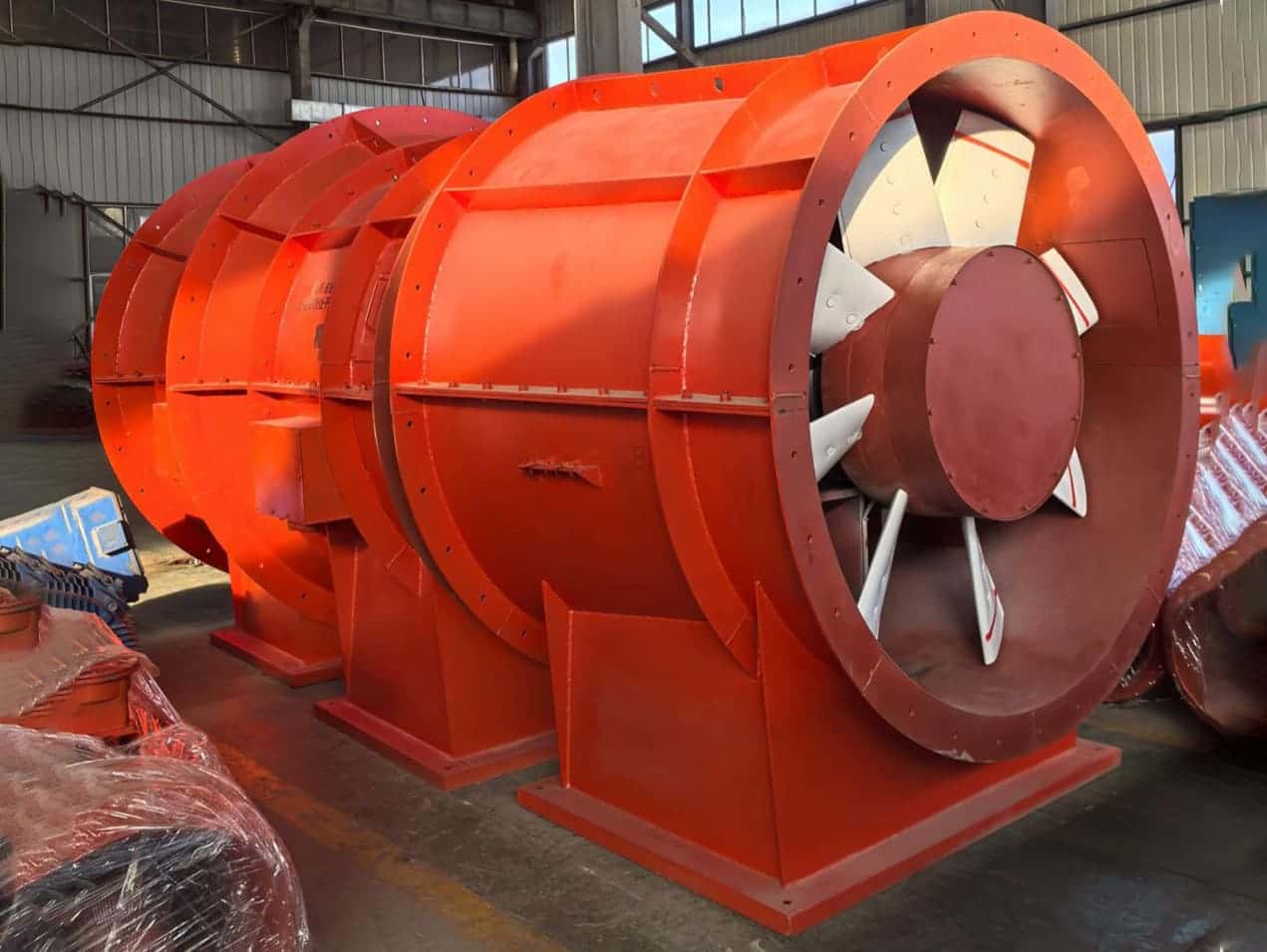
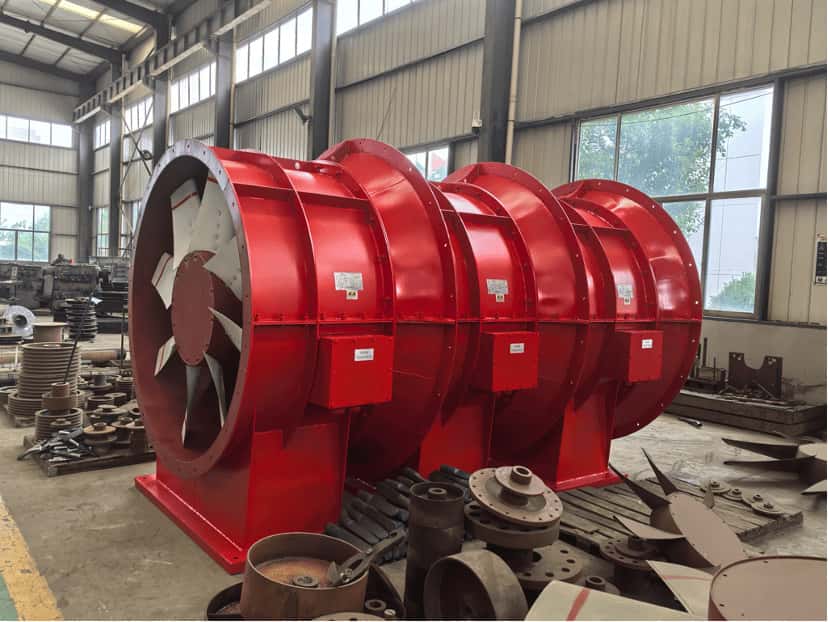
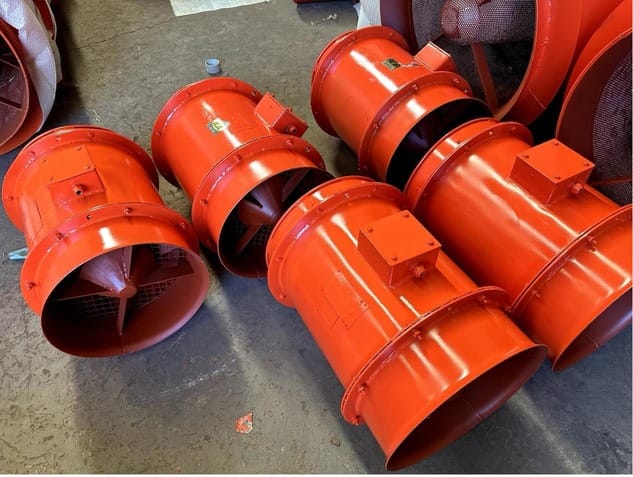
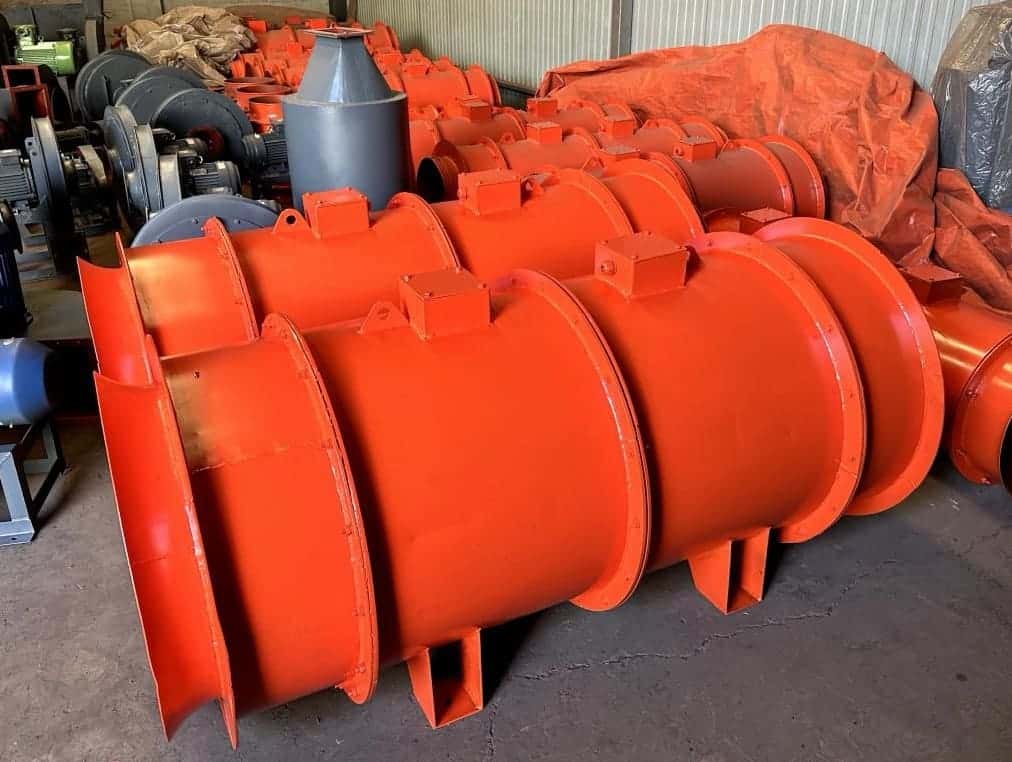
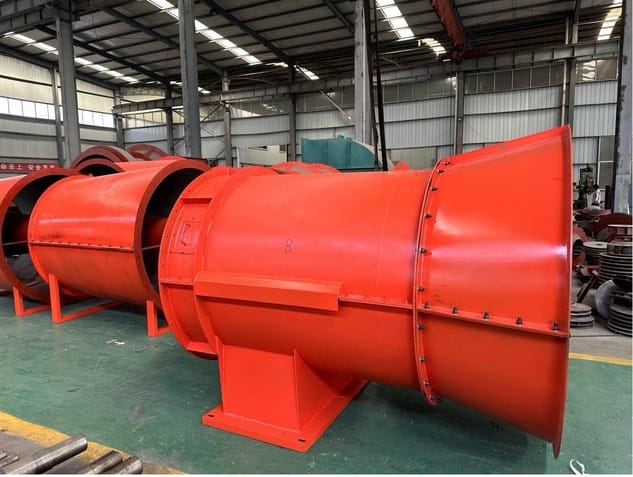
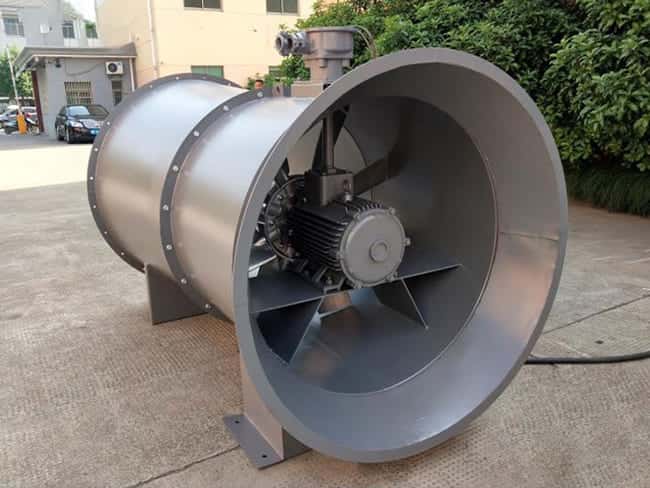
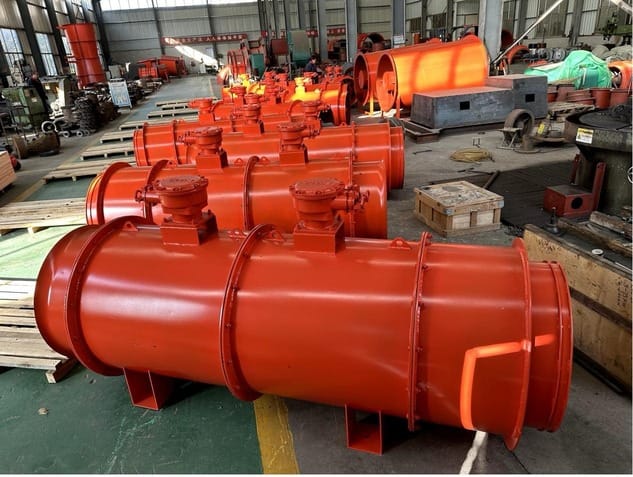
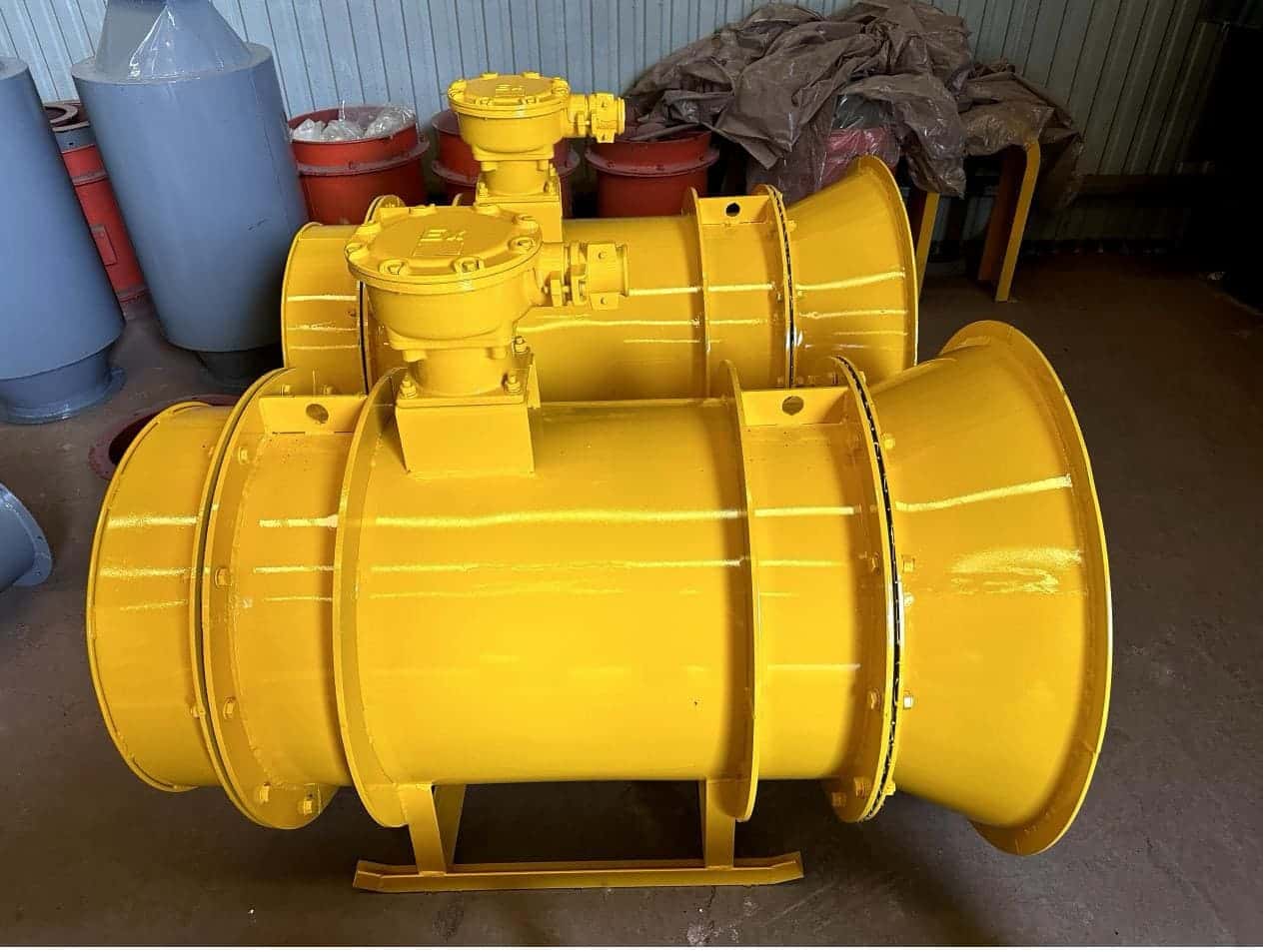
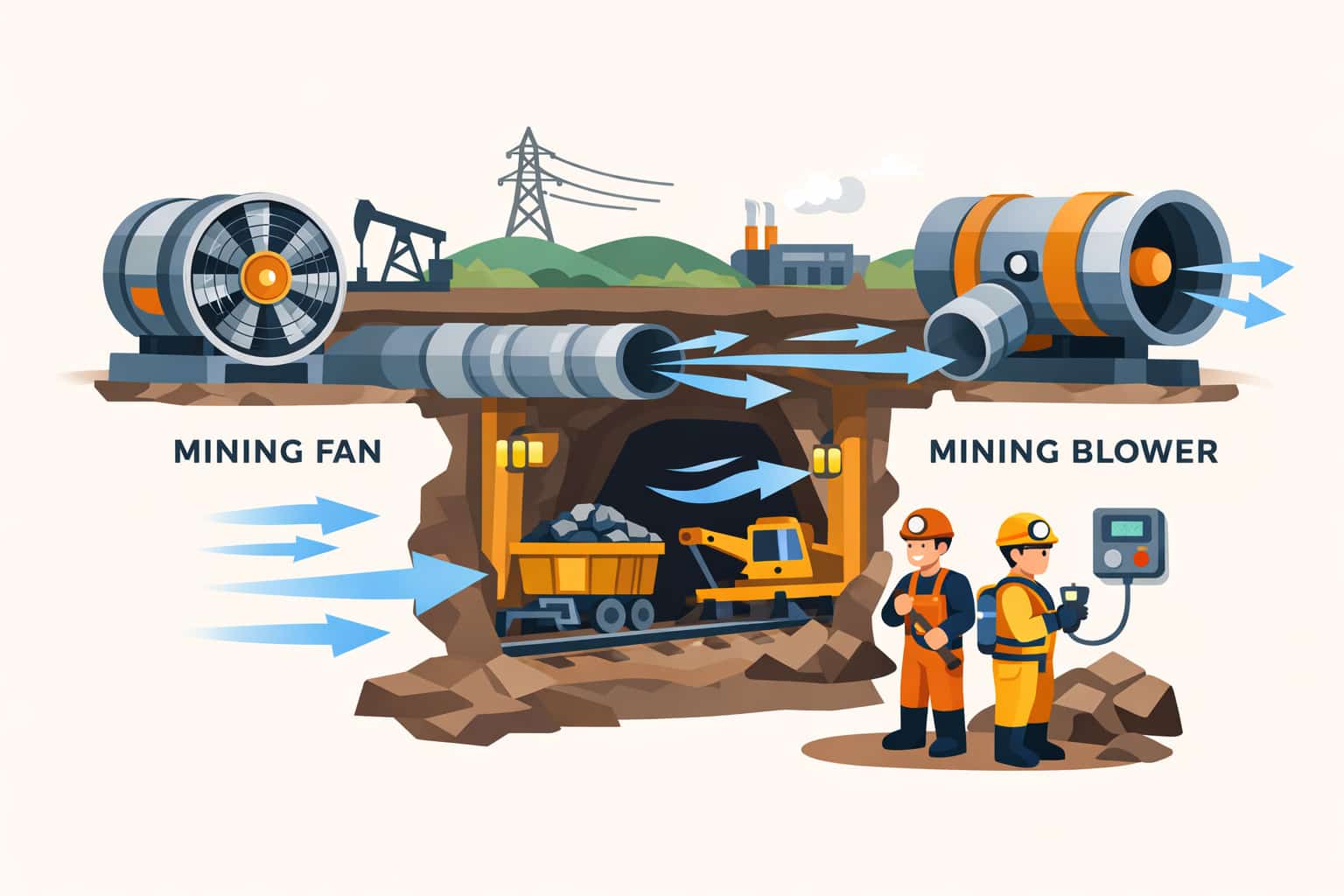
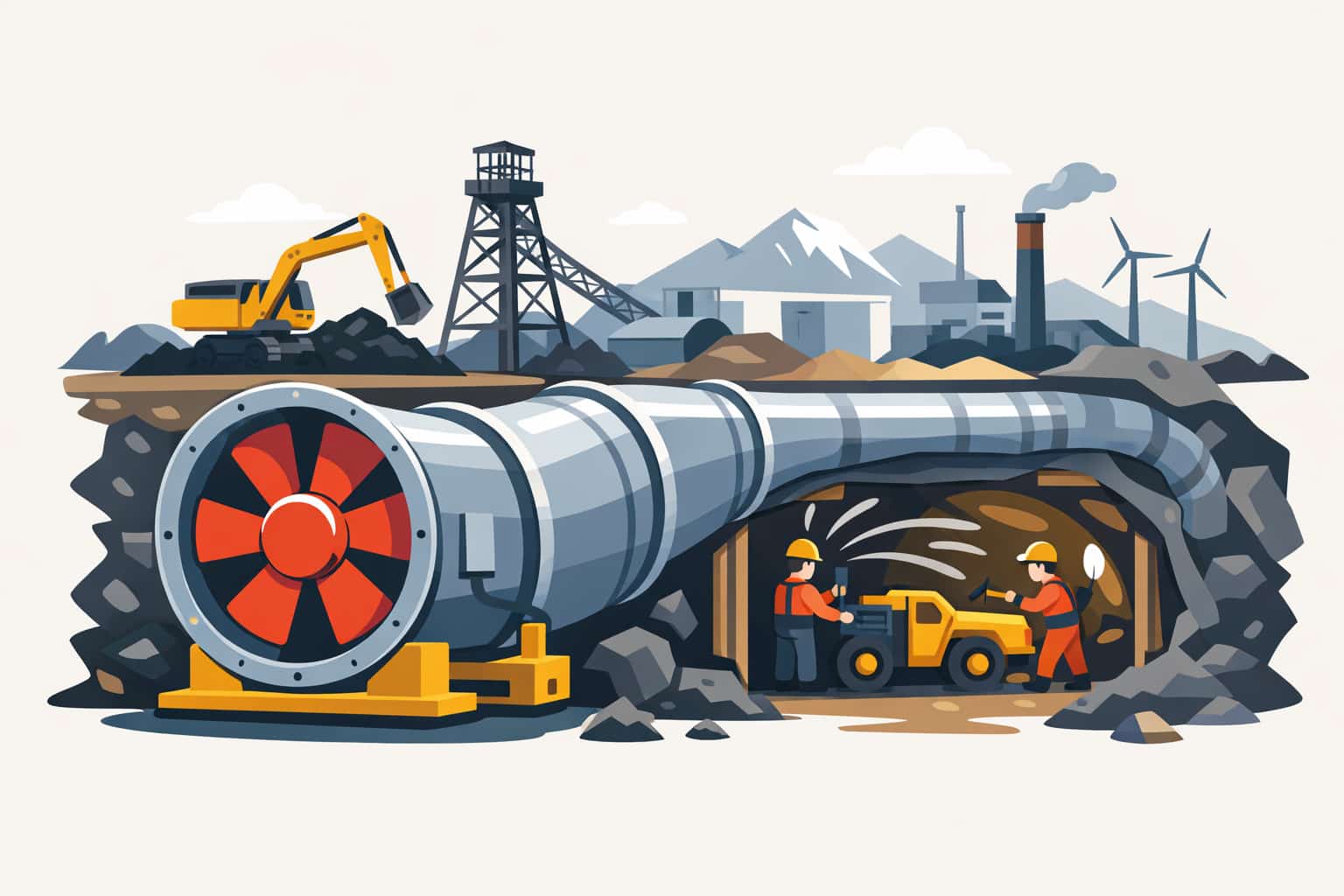
Knowing how to maximize airflow with a fan is essential for getting the most out of your ventilation system. Whether you are dealing with a workshop, an industrial plant or an underground mine, the airflow you actually get depends not only on the fan itself but also on how it is installed, how the system is designed and how well it is maintained. Simply buying a bigger fan is rarely the only answer.
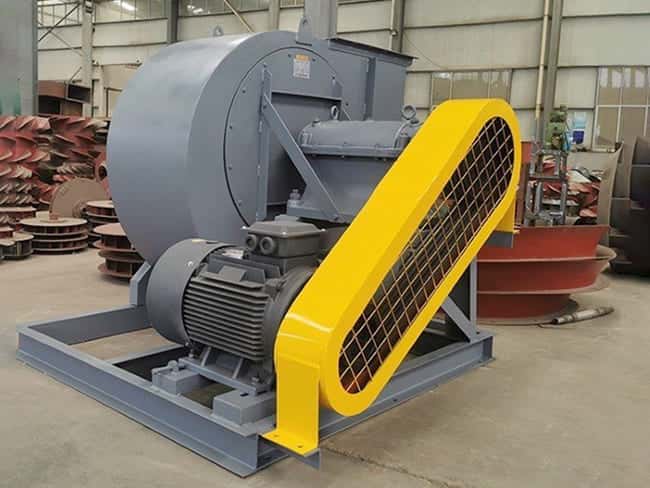
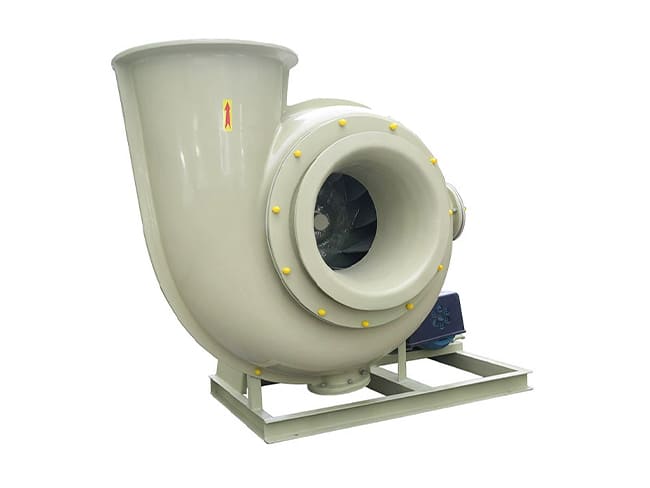
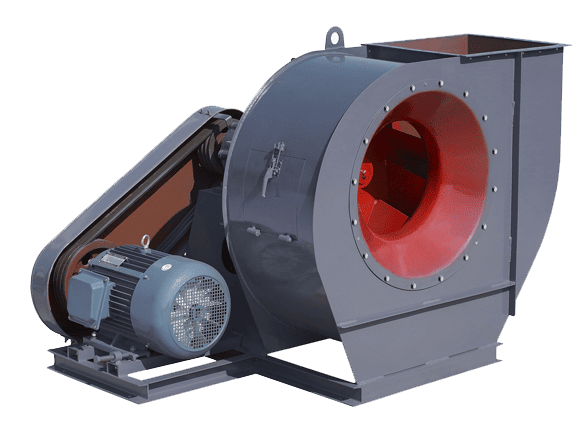
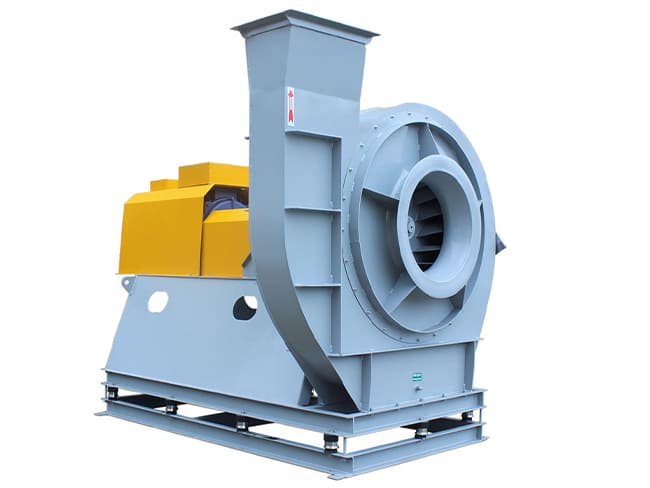
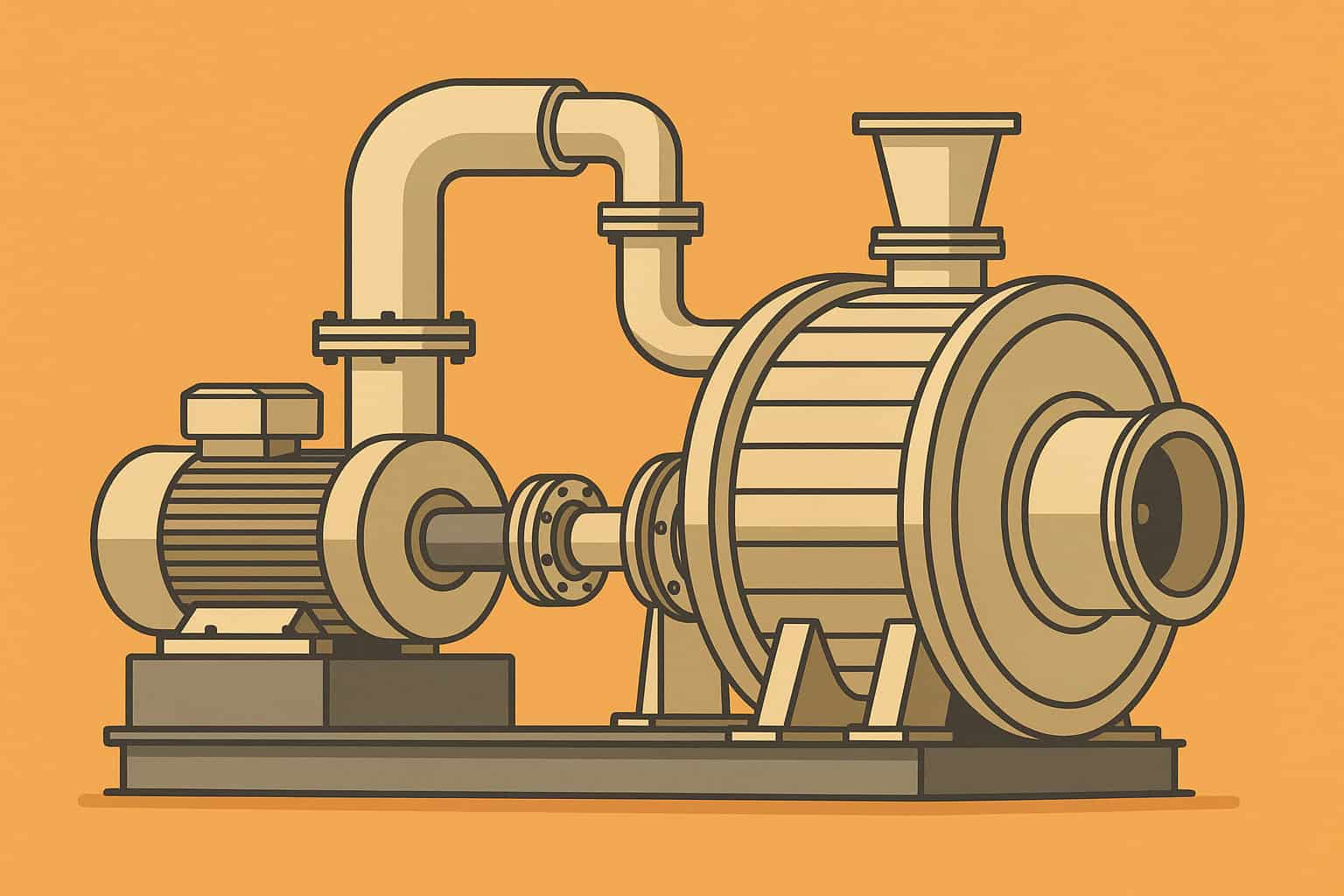
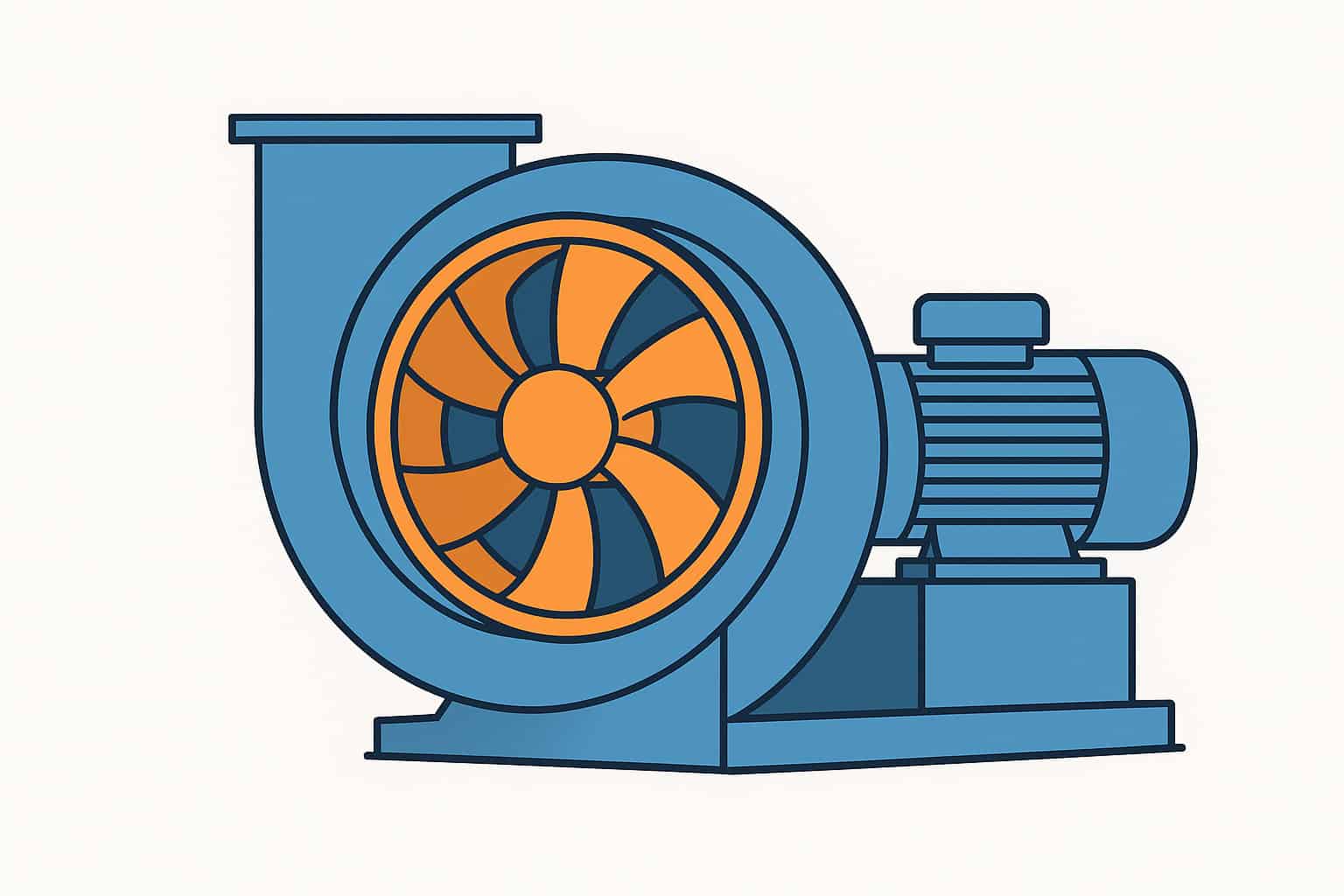
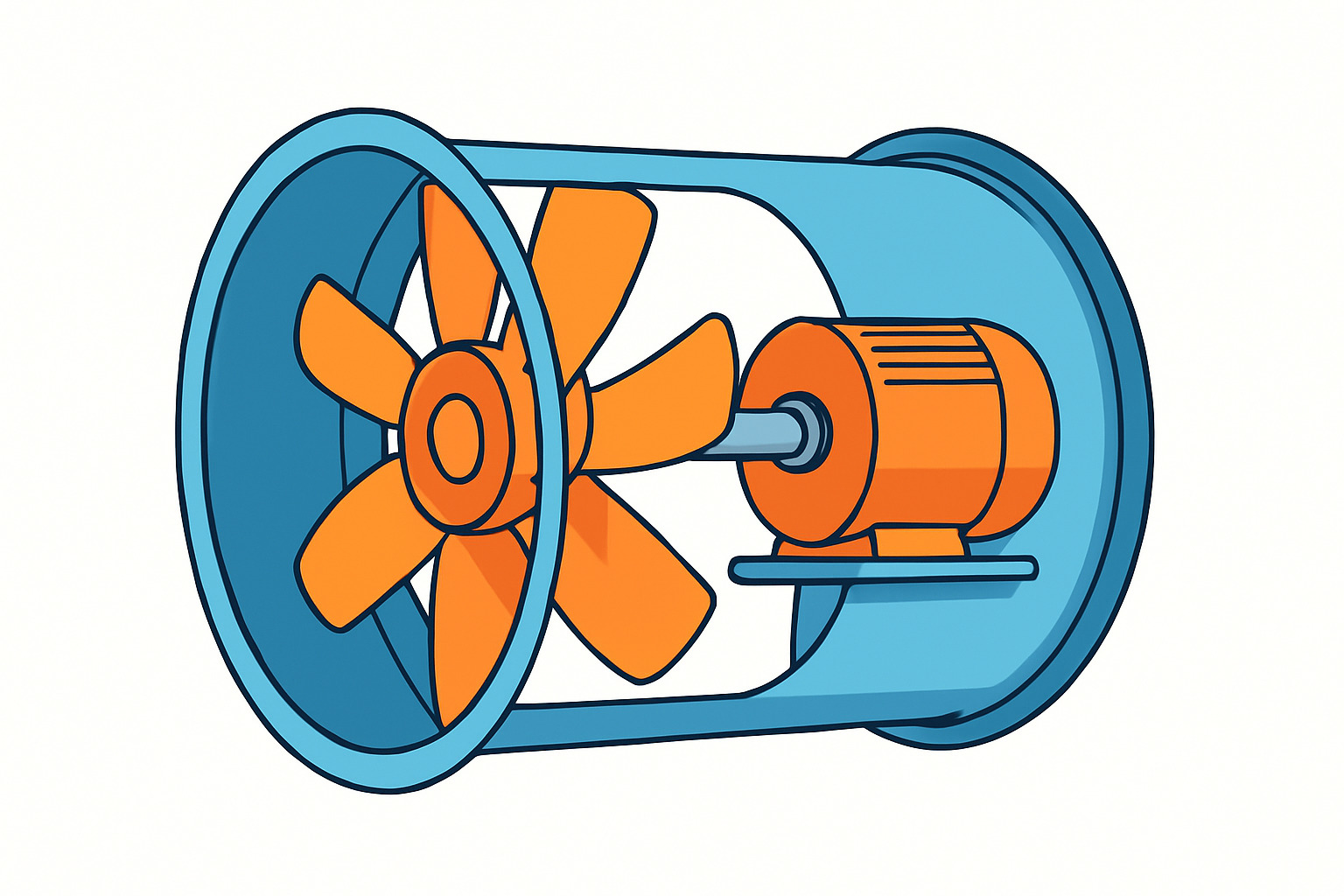
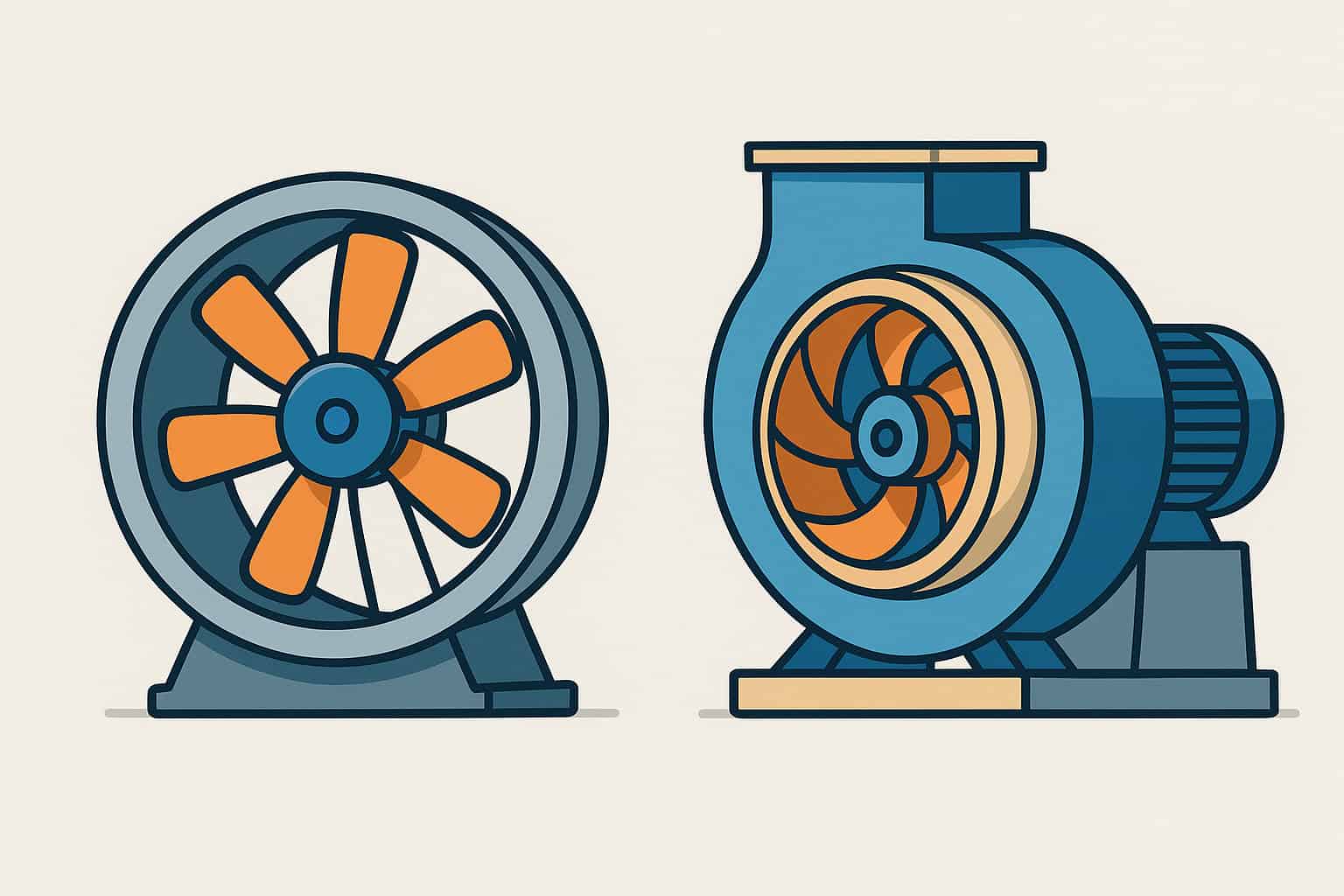
The first step is to make sure you have the right fan type and size for the job. Axial fans are usually best for high-volume, low to medium pressure applications like large spaces, shafts and tunnels. Centrifugal fans are better for higher-pressure systems with long ducts, filters and equipment. If the fan is undersized for the required airflow and system resistance, no amount of optimization will achieve the target CFM. Proper selection based on fan curves and system calculations is the foundation of maximizing airflow.
Next, focus on reducing system resistance. Every bend, damper, grille, filter and length of duct adds friction and pressure loss. To maximize airflow, use smooth, appropriately sized ducts, avoid sharp bends and sudden transitions, and minimize unnecessary restrictions. In mining, this means maintaining airways, stopping leaks, properly adjusting regulators and using the correct duct diameter and length for auxiliary fans. The lower the resistance, the more airflow you can get from a given fan and speed.
Fan placement and orientation also matter. Wall or roof exhaust fans should have clear intake paths so that fresh air can enter freely as air is exhausted. In ducts, fans should be installed with straight inlet and outlet sections where possible, avoiding immediate elbows that disturb flow. In underground headings, auxiliary fans and ducts should be positioned so that air actually sweeps the working area before returning, instead of short-circuiting back to the return airway.
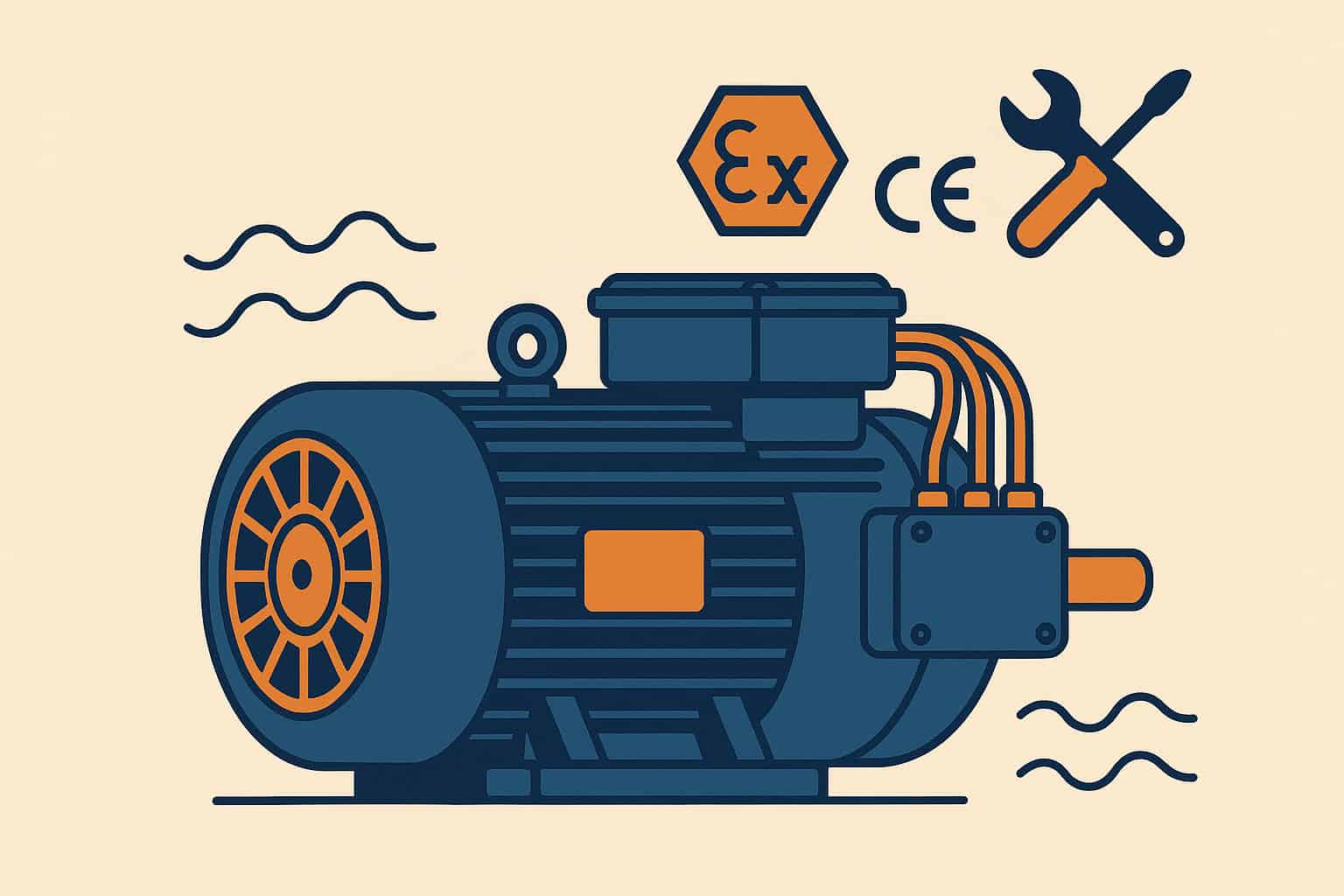
Another important factor is fan speed control. Within design limits, increasing fan speed increases both pressure and airflow according to the fan laws. If the motor and fan are rated for higher speed, and noise and power consumption are acceptable, using a variable frequency drive to raise speed can significantly boost airflow. However, this must be done within the fan’s mechanical limits and motor power rating to avoid damage or overloading.
Finally, maximized airflow requires good maintenance practices. Dirty impellers, blocked grilles, worn belts, misaligned shafts and failing bearings all reduce effective airflow. Regular cleaning, inspection, lubrication and balancing keep the fan operating at its designed efficiency. In dusty mining environments, keeping ducts sealed and free from collapses or build-up is equally important.
In summary, to maximize airflow with a fan, select the correct fan type and size, minimize system resistance, optimize placement and duct layout, use appropriate speed control and maintain the fan and airways in good condition. All these steps work together to deliver the highest practical airflow for your ventilation system.