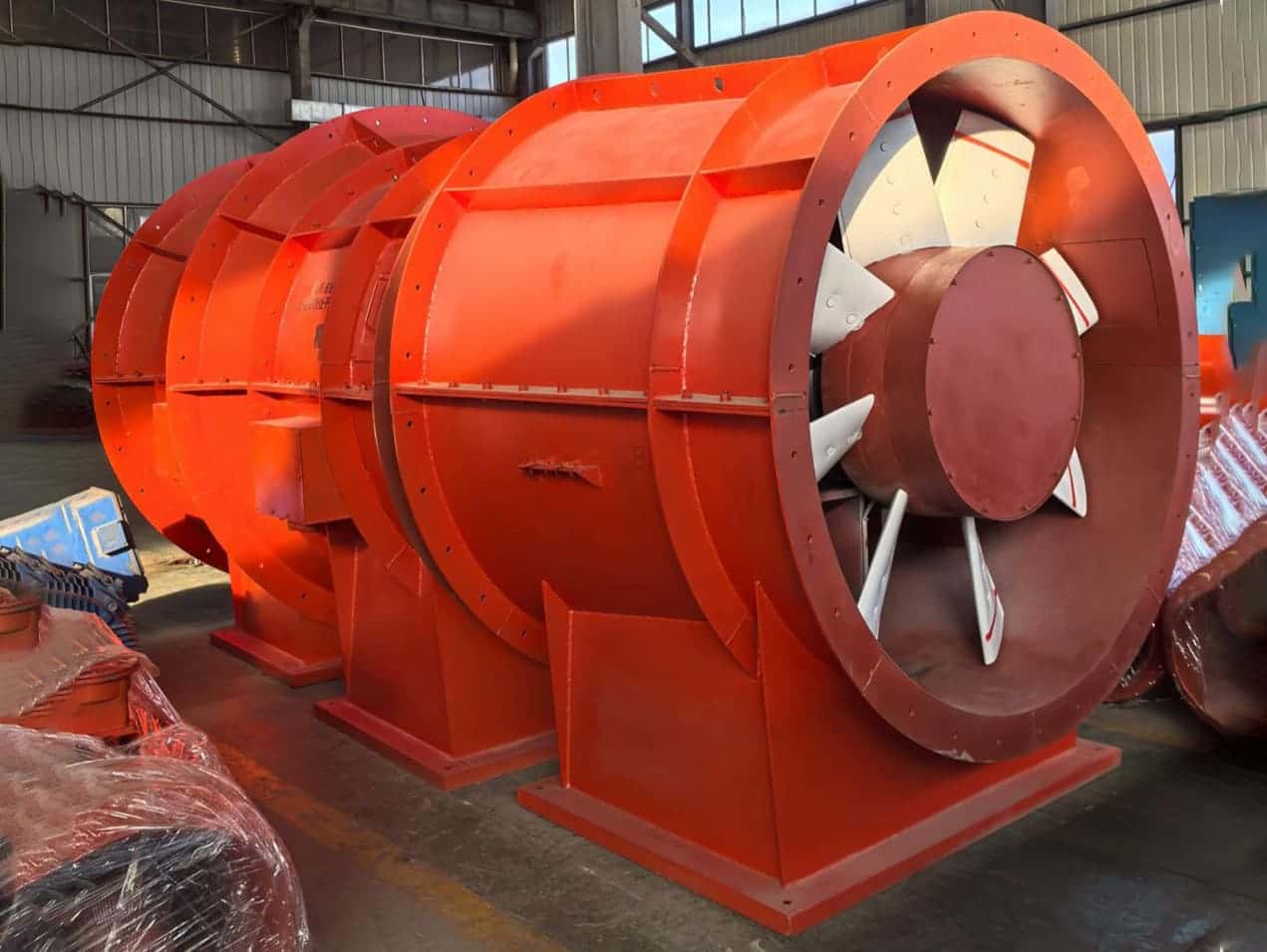
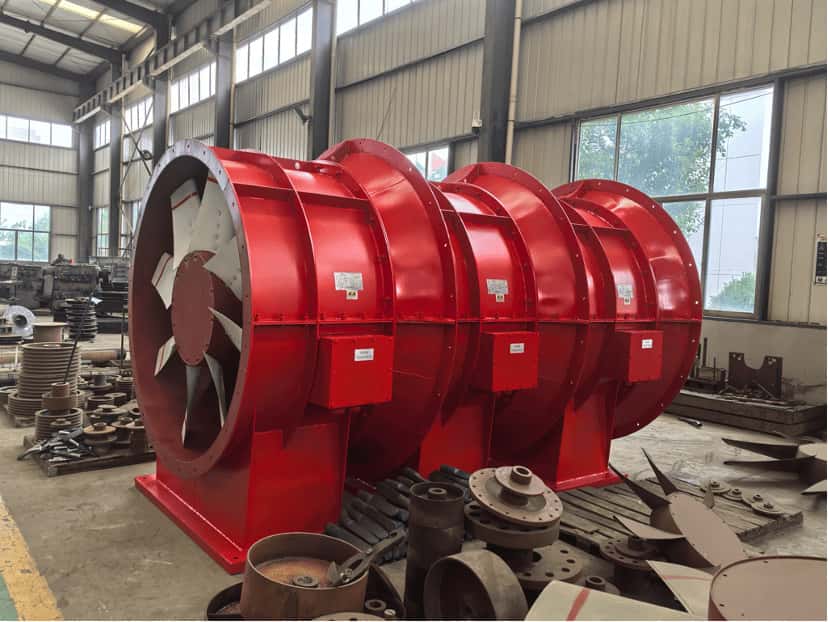
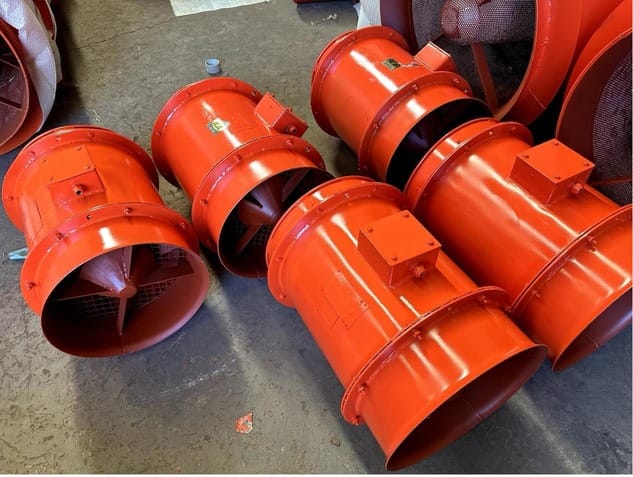
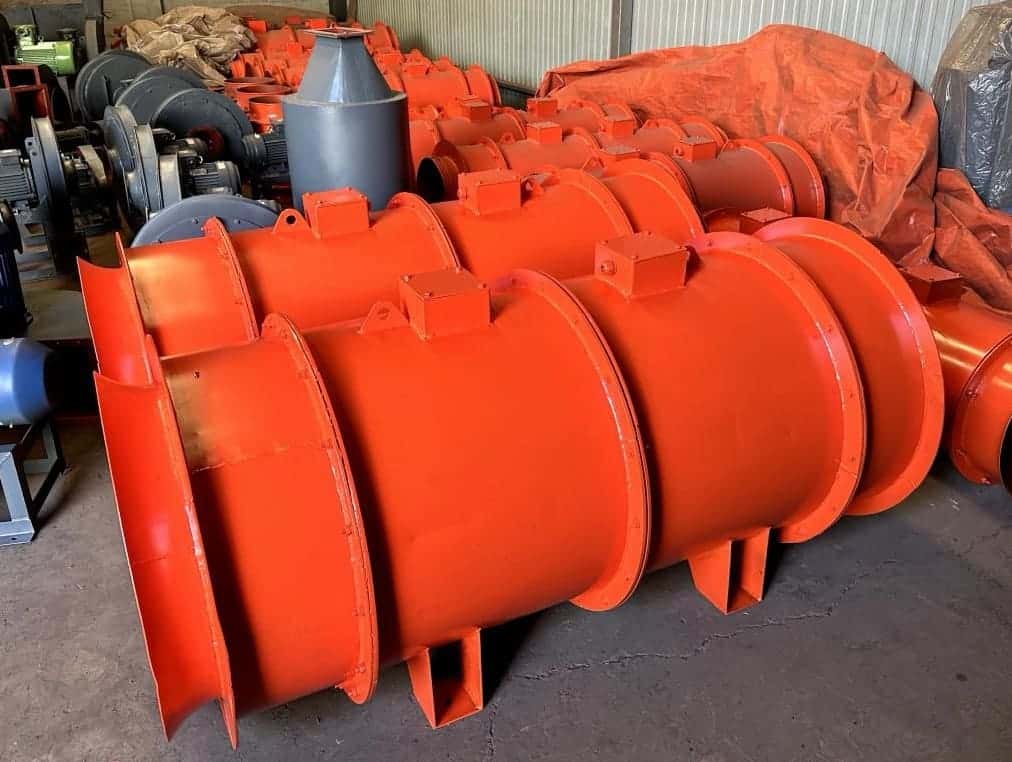
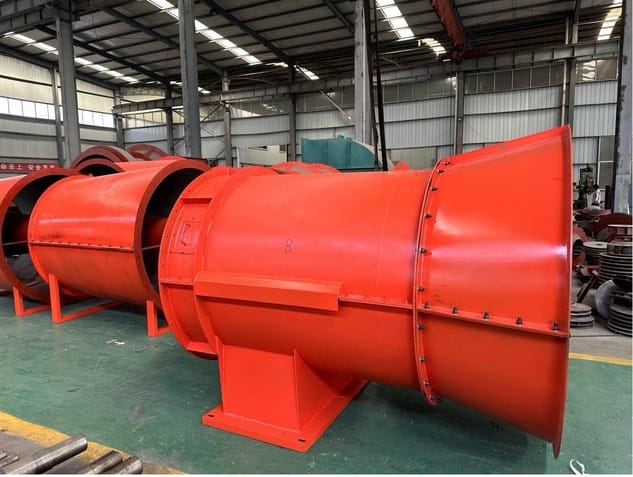
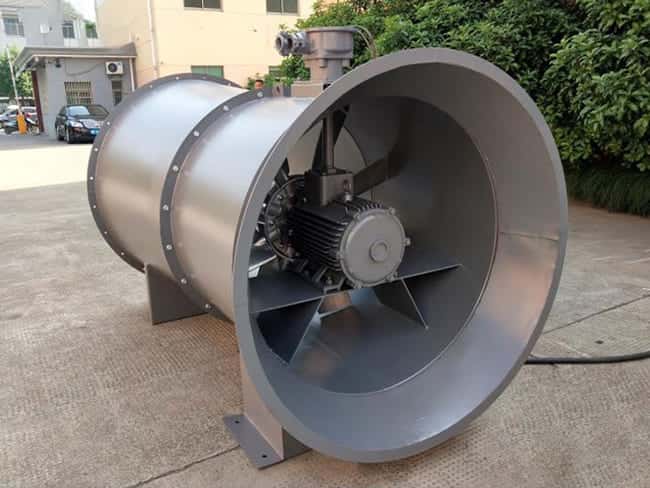
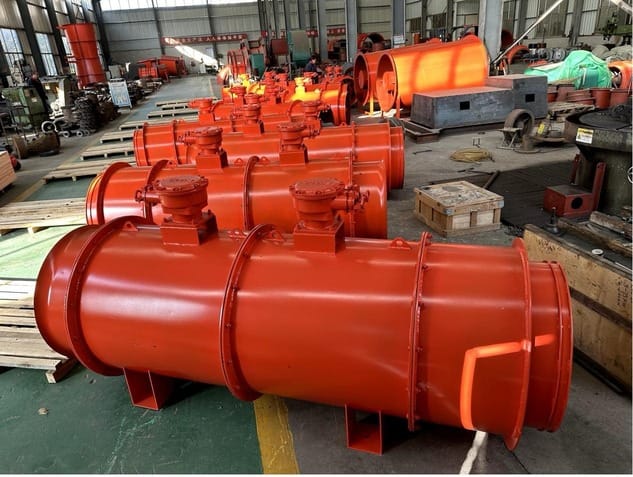
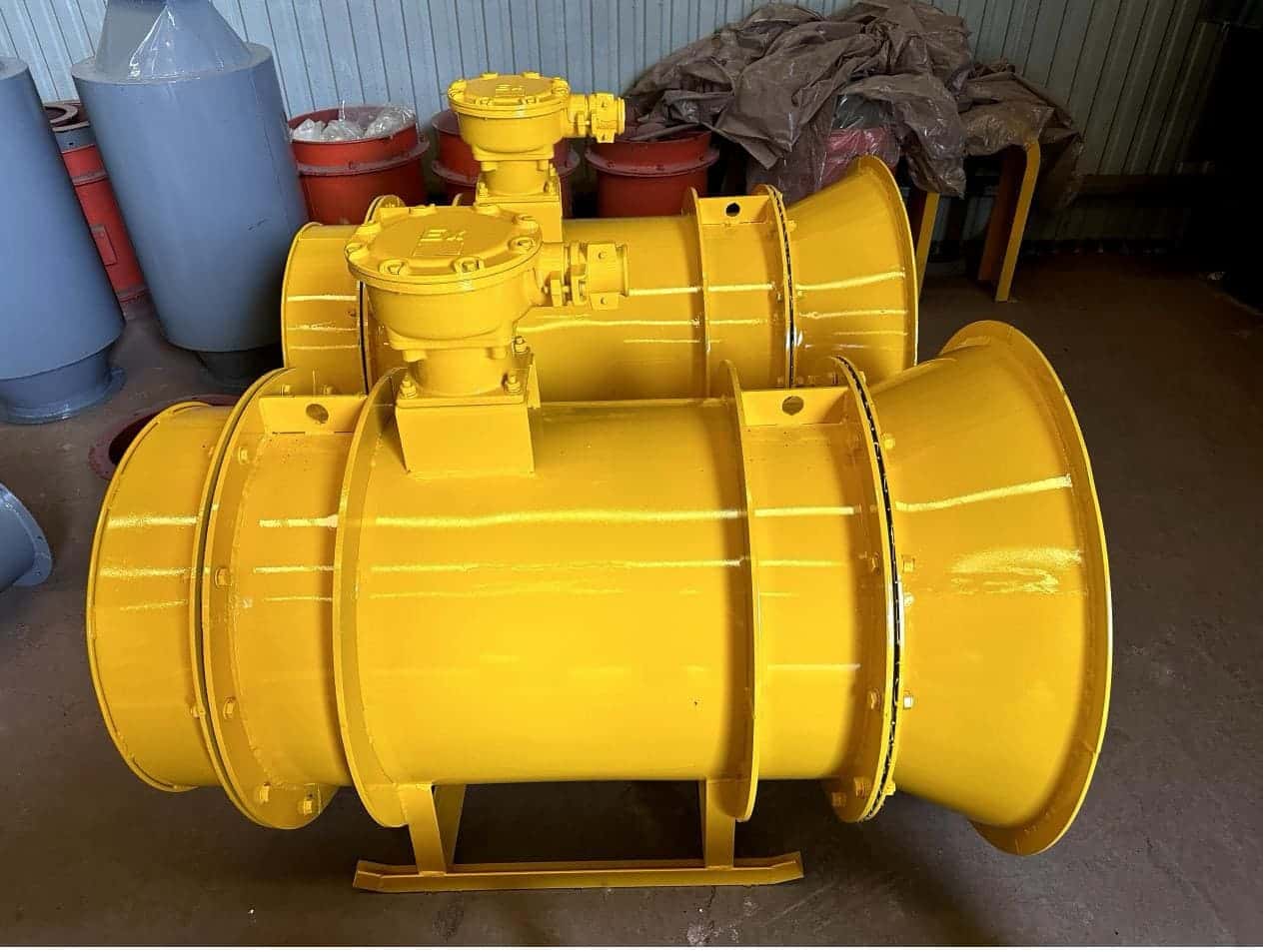
Operating a blower safely and effectively is mainly about preparation, controlled start-up, monitoring during running and proper shutdown. While every manufacturer and site has its own detailed procedures, understanding the general steps helps operators use industrial and mining blowers in a safe, reliable way.
Before starting, carry out a basic pre-operation inspection. Check that the blower housing, guards and access doors are closed and secured, and that no tools or loose objects are left inside. Verify that suction and discharge ducts are connected correctly, supports are sound and any flexible connections are intact. Make sure isolation valves or dampers are in the required position for start-up (often partially open to limit starting load, following the manufacturer’s recommendations). Confirm that the motor area is clean, free of combustible dust accumulation and properly ventilated.
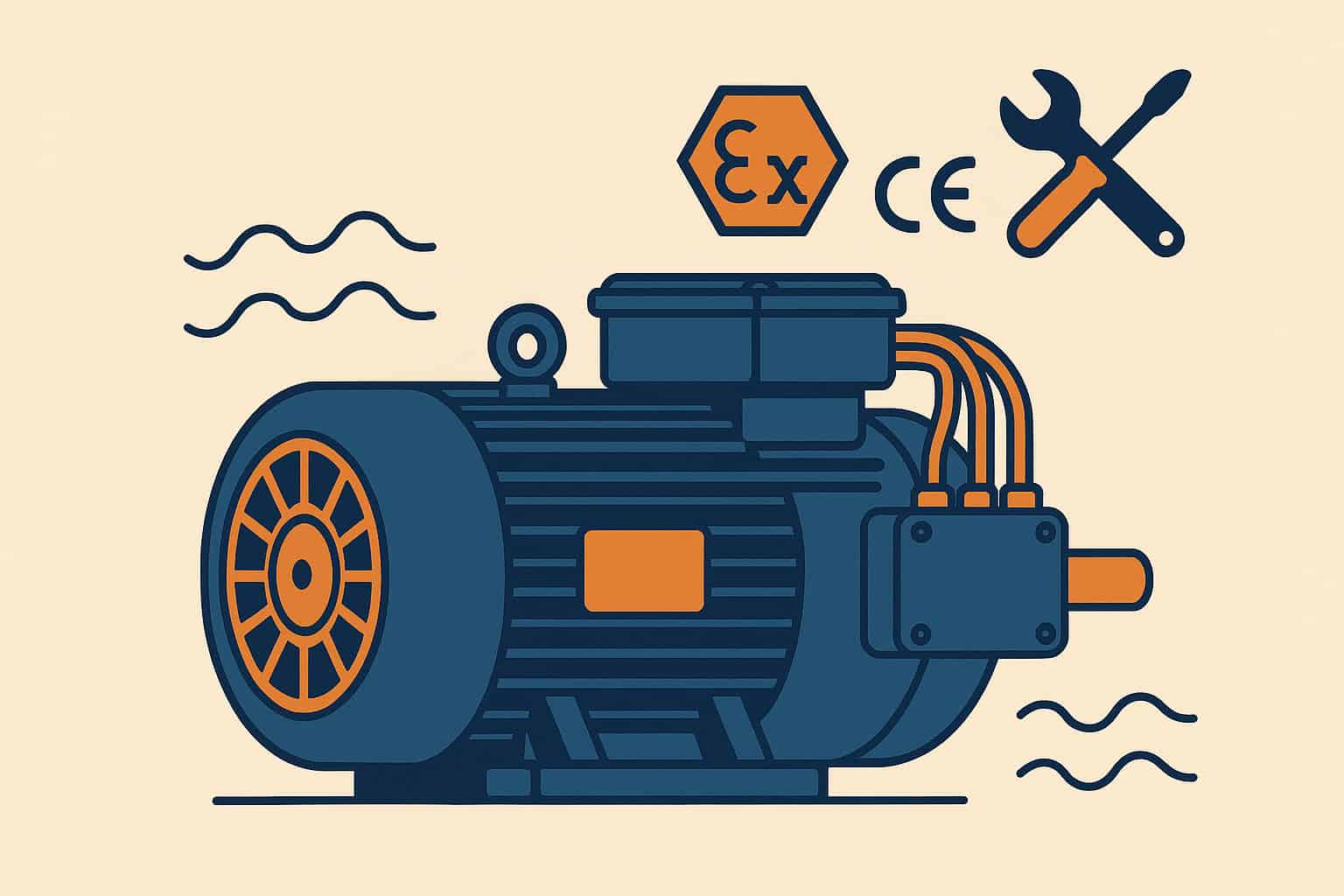
Next, review the electrical and control conditions. Ensure that the correct power supply is available, that overload relays and protection devices are set according to the motor nameplate and that start/stop controls are functioning. If the blower is controlled by a variable-frequency drive, check that speed setpoints and acceleration times are appropriate. In hazardous areas, confirm that all explosion-proof enclosures are closed and that earthing connections are secure.
When starting the blower, follow the recommended sequence. For many systems, this means starting with discharge dampers slightly closed or filters bypassed, then pressing the start button or issuing a start command from the control system. Allow the motor to come up to speed while watching for unusual noise, vibration or excessive current draw. Once the blower reaches normal speed and current stabilises within the expected range, gradually open dampers or bring the system to its normal flow conditions. Sudden changes should be avoided to prevent surges and mechanical stress.
During operation, monitor key parameters. Operators should periodically check motor current, bearing temperature, casing temperature, vibration and noise levels. Many modern blowers are fitted with sensors that transmit these values to a control room. Any sudden change—such as a sharp rise in vibration or current—may indicate a problem such as a blocked duct, dirty filter, foreign object, bearing issue or damper malfunction. Addressing these issues early prevents damage to the blower and connected equipment.
To shut down the blower, reduce load gradually where possible by closing dampers or reducing speed, then stop the motor through the control system. Allow the blower to coast to a stop; do not use mechanical brakes unless specified by the manufacturer. After shutdown, lock out and tag out the electrical supply before performing any inspection or cleaning inside the housing. This is especially important in mining or confined-space applications, where accidental restart could be dangerous.
In summary, operating a blower is not just pushing a button. It involves inspection, correct settings, controlled start-up, continuous monitoring and careful shutdown. Following manufacturer instructions and site safety rules ensures that the blower provides reliable ventilation or process air with minimum risk and downtime.