
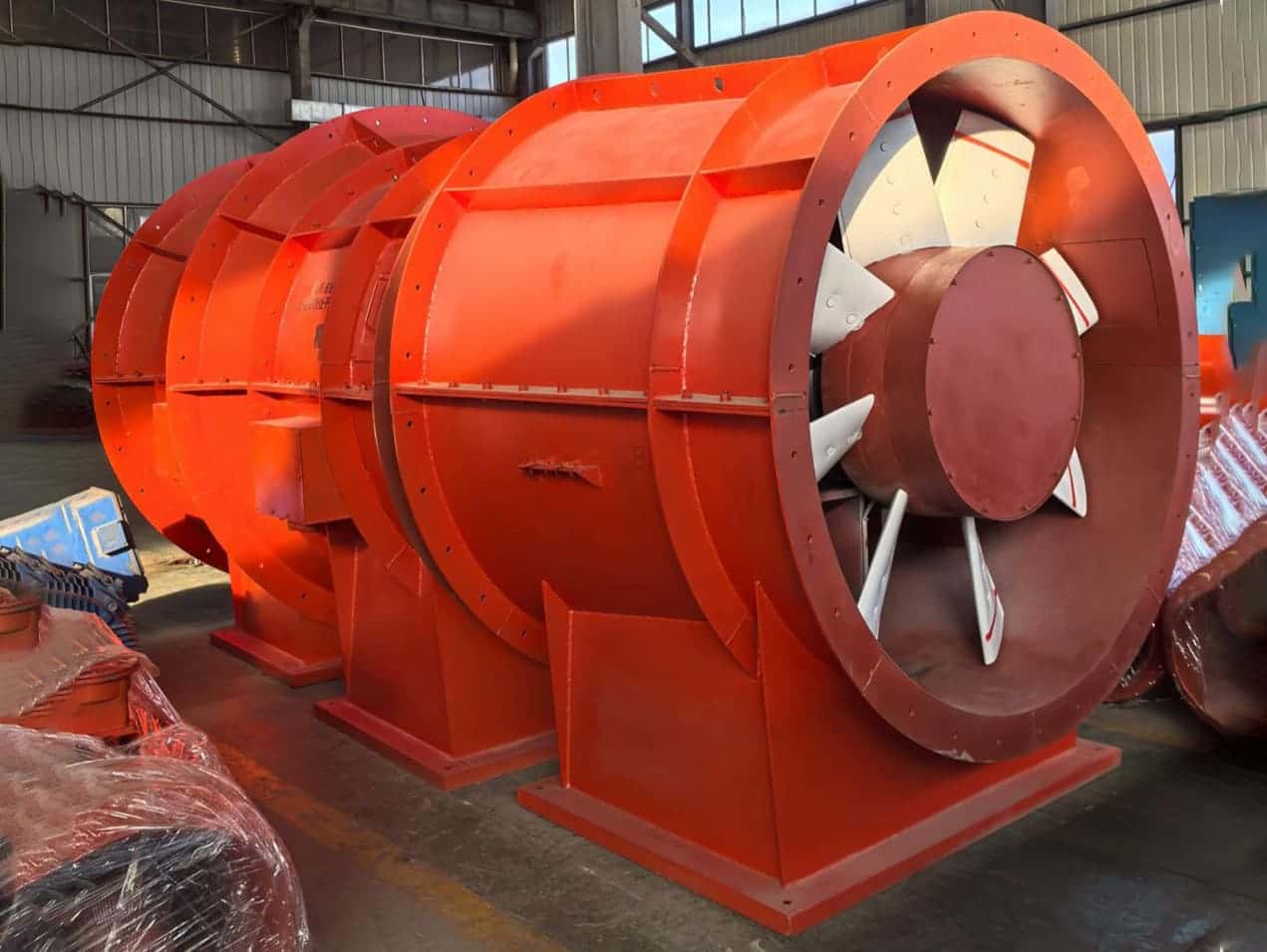
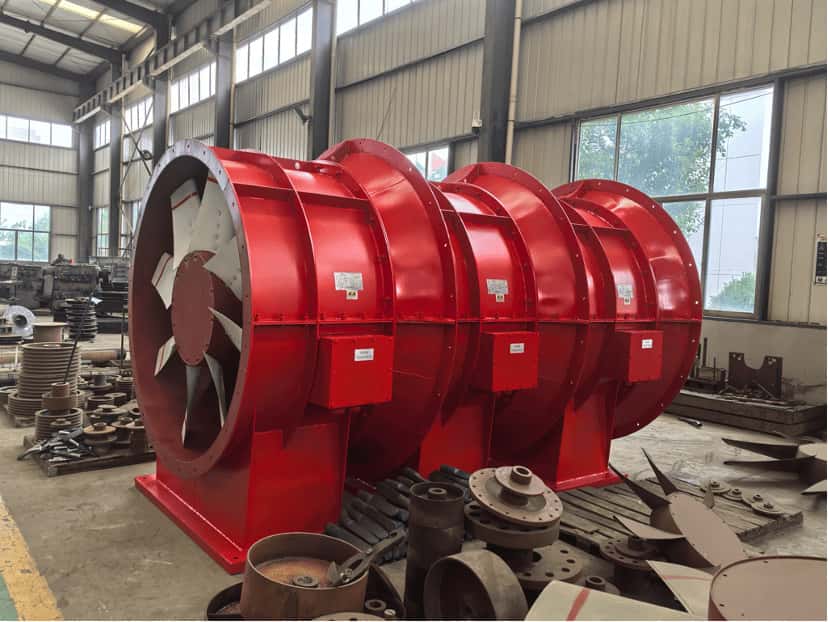
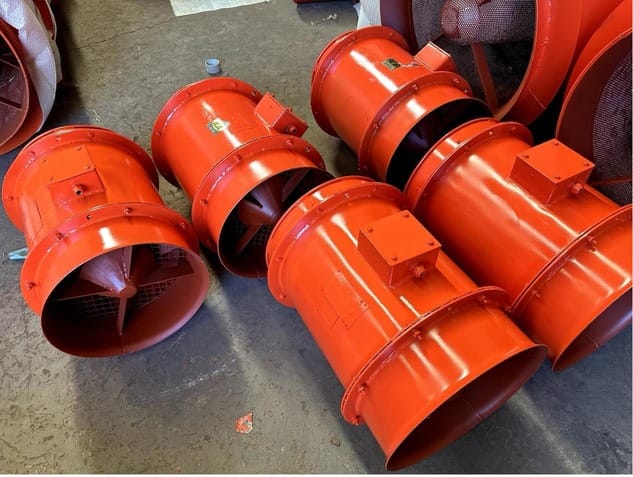
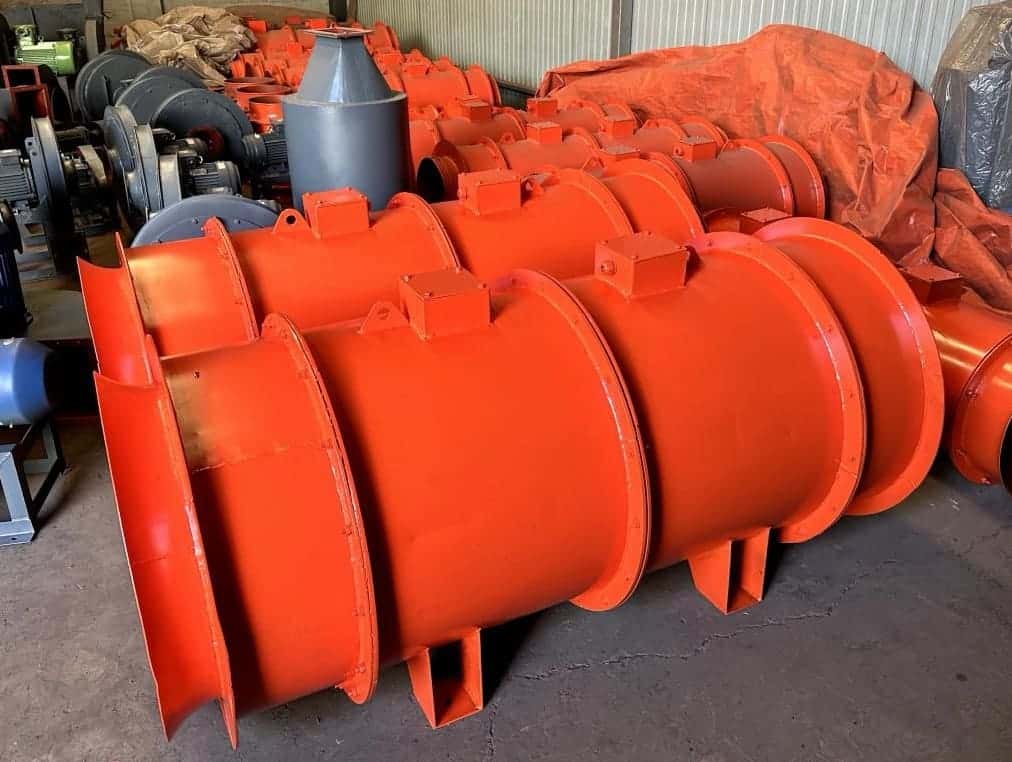
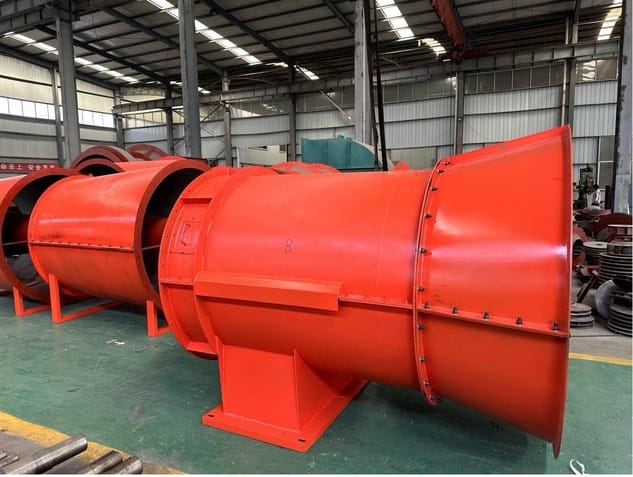
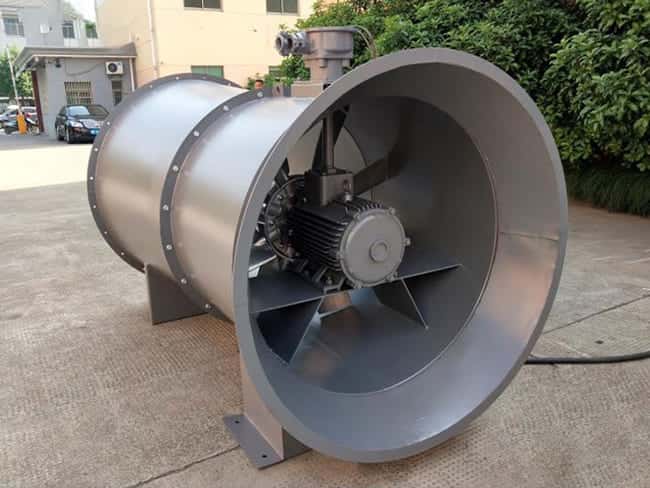
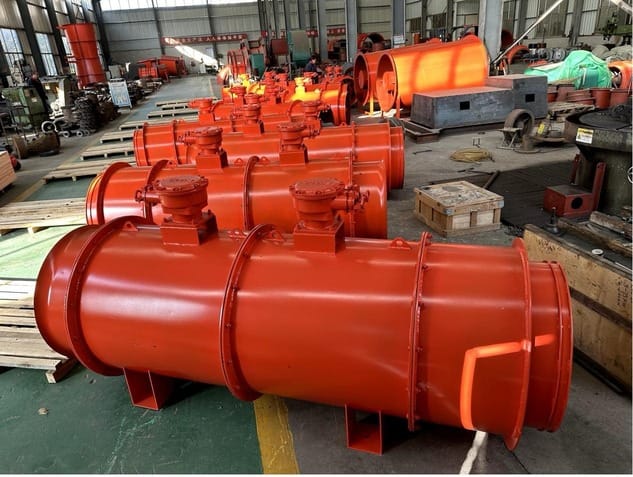
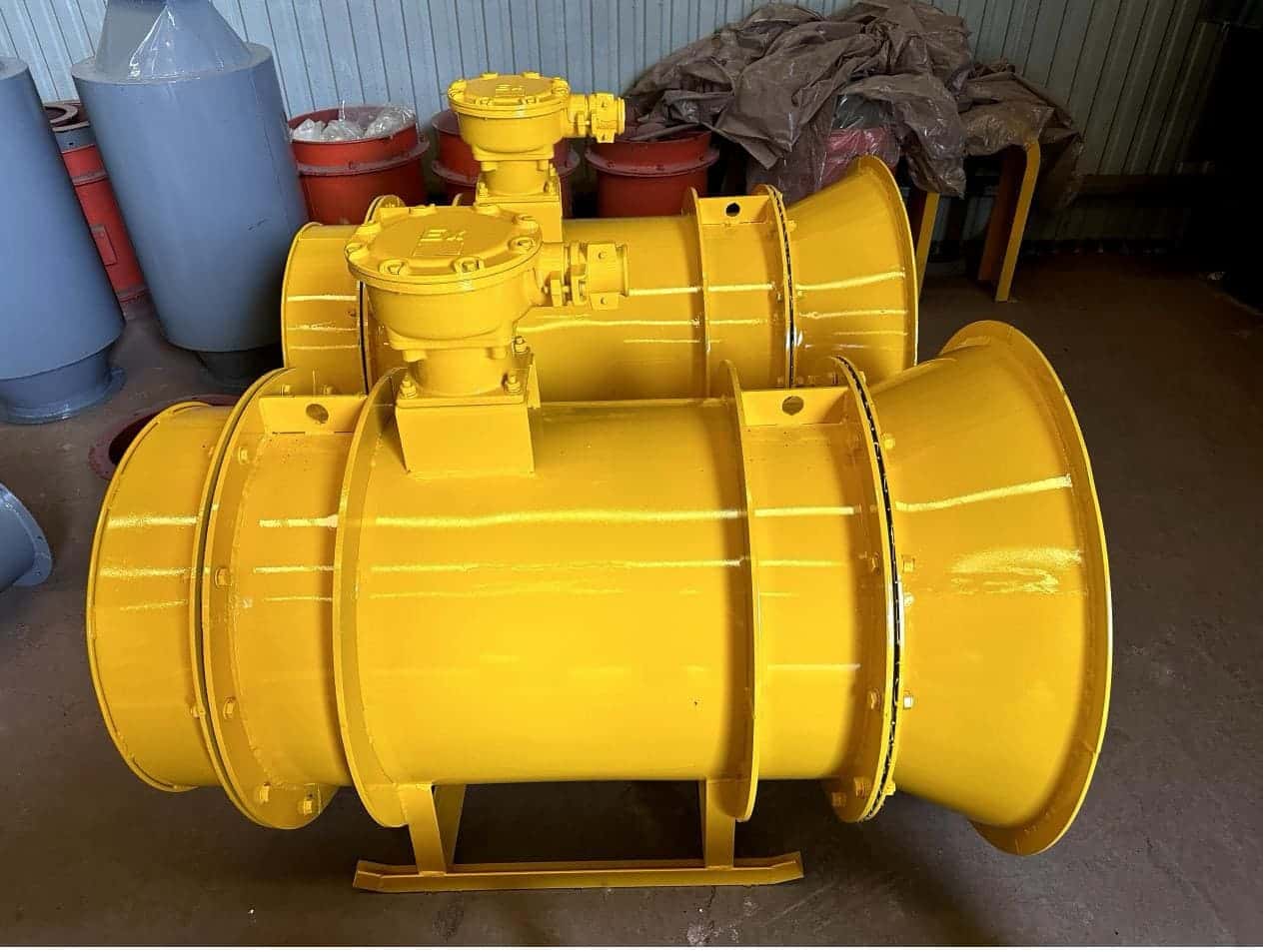
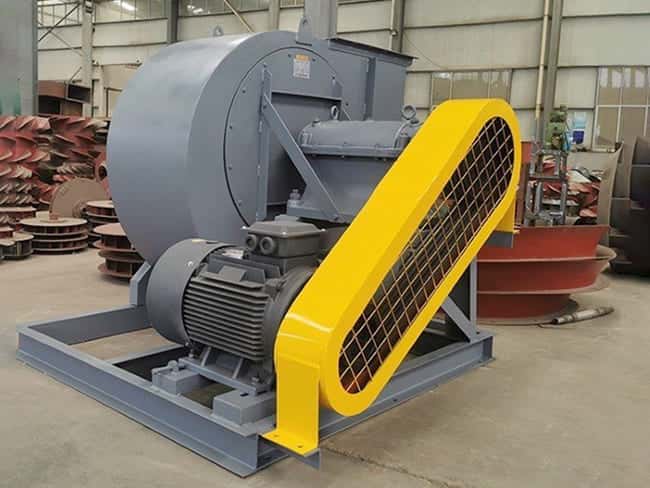
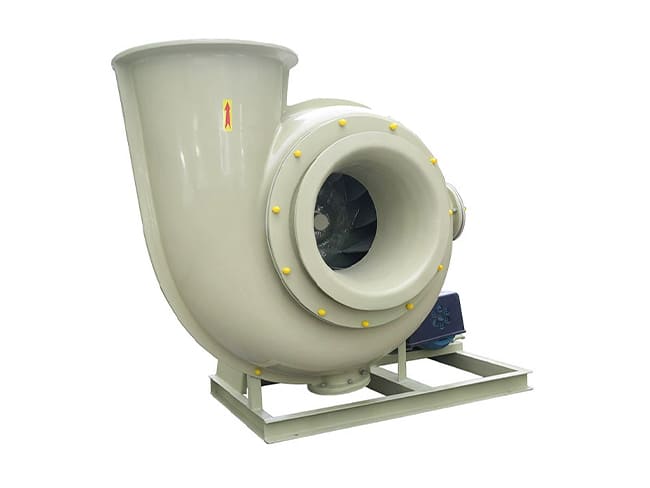
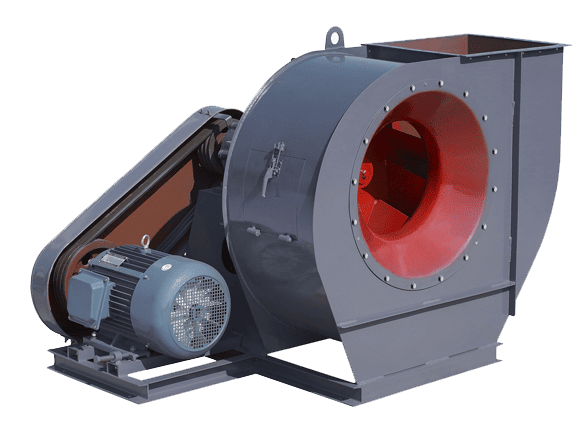
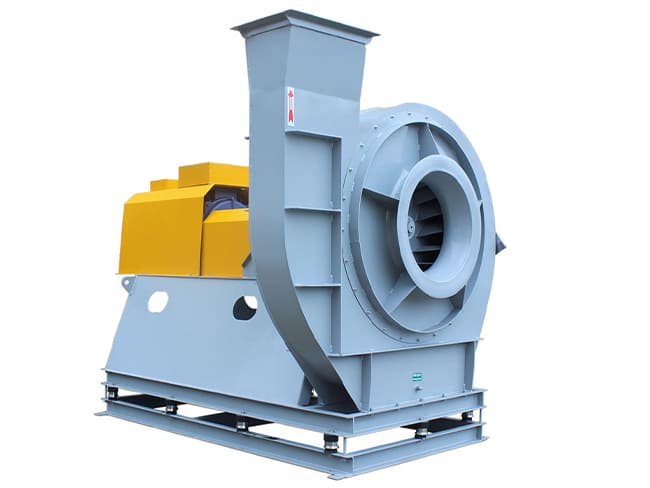
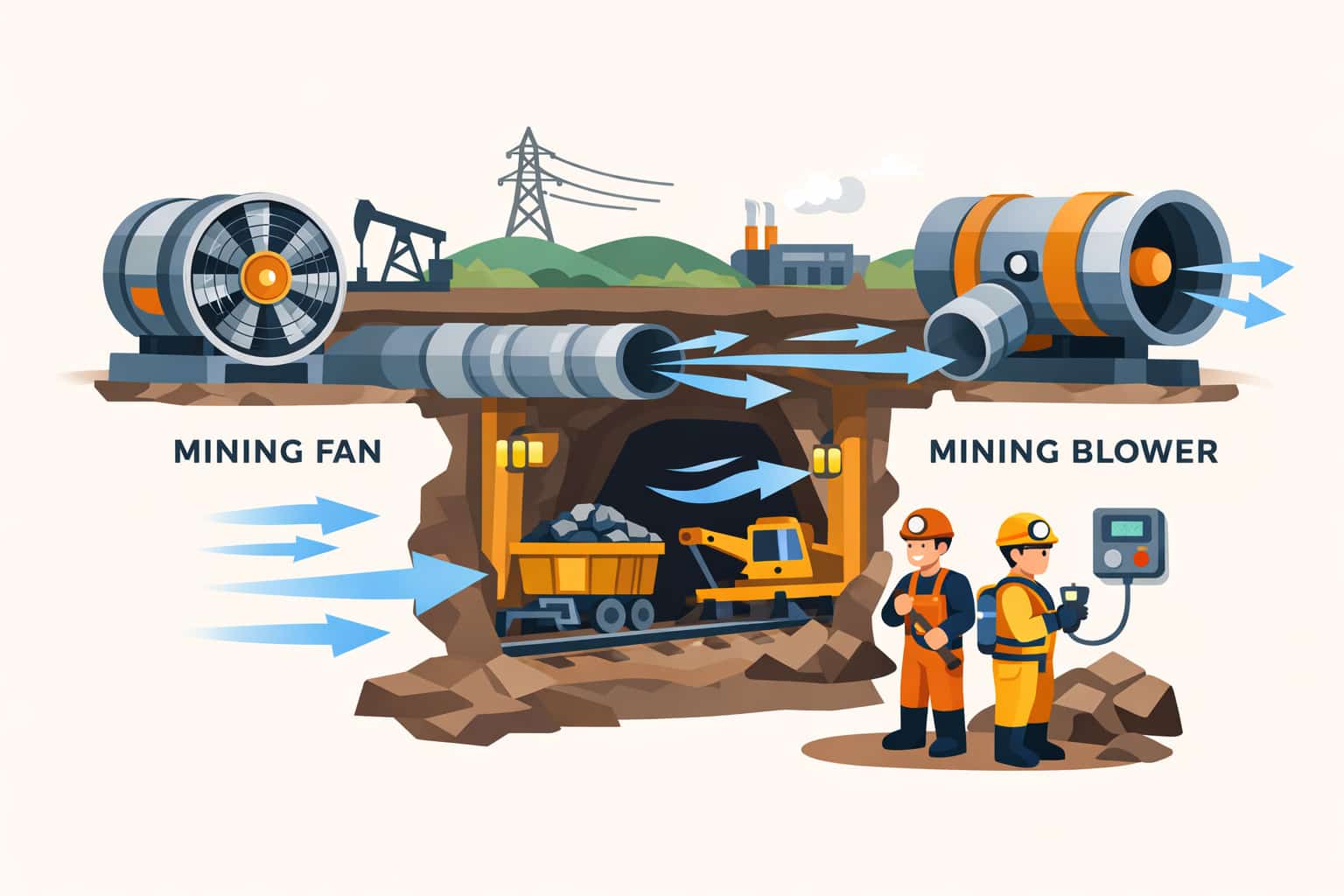
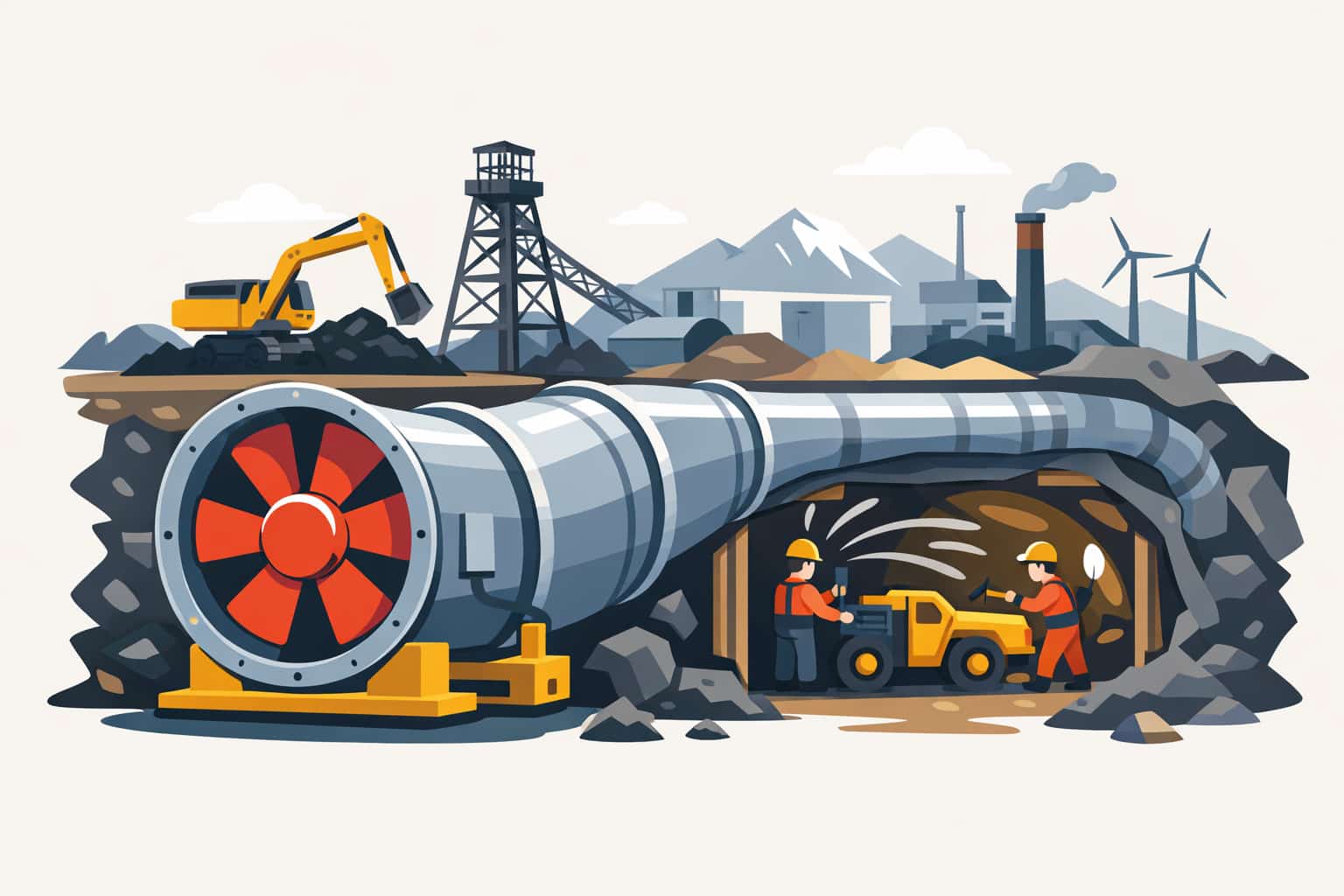
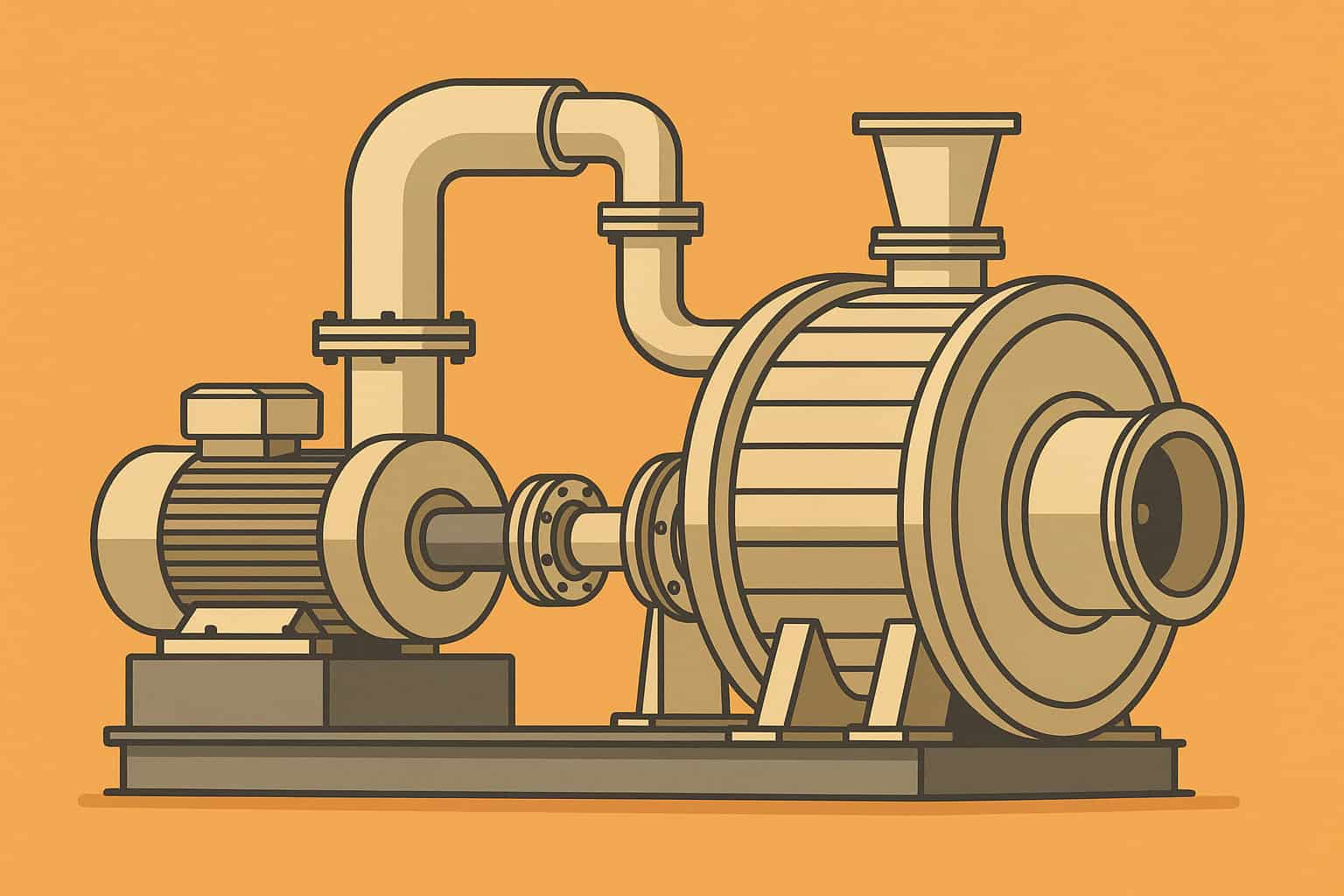
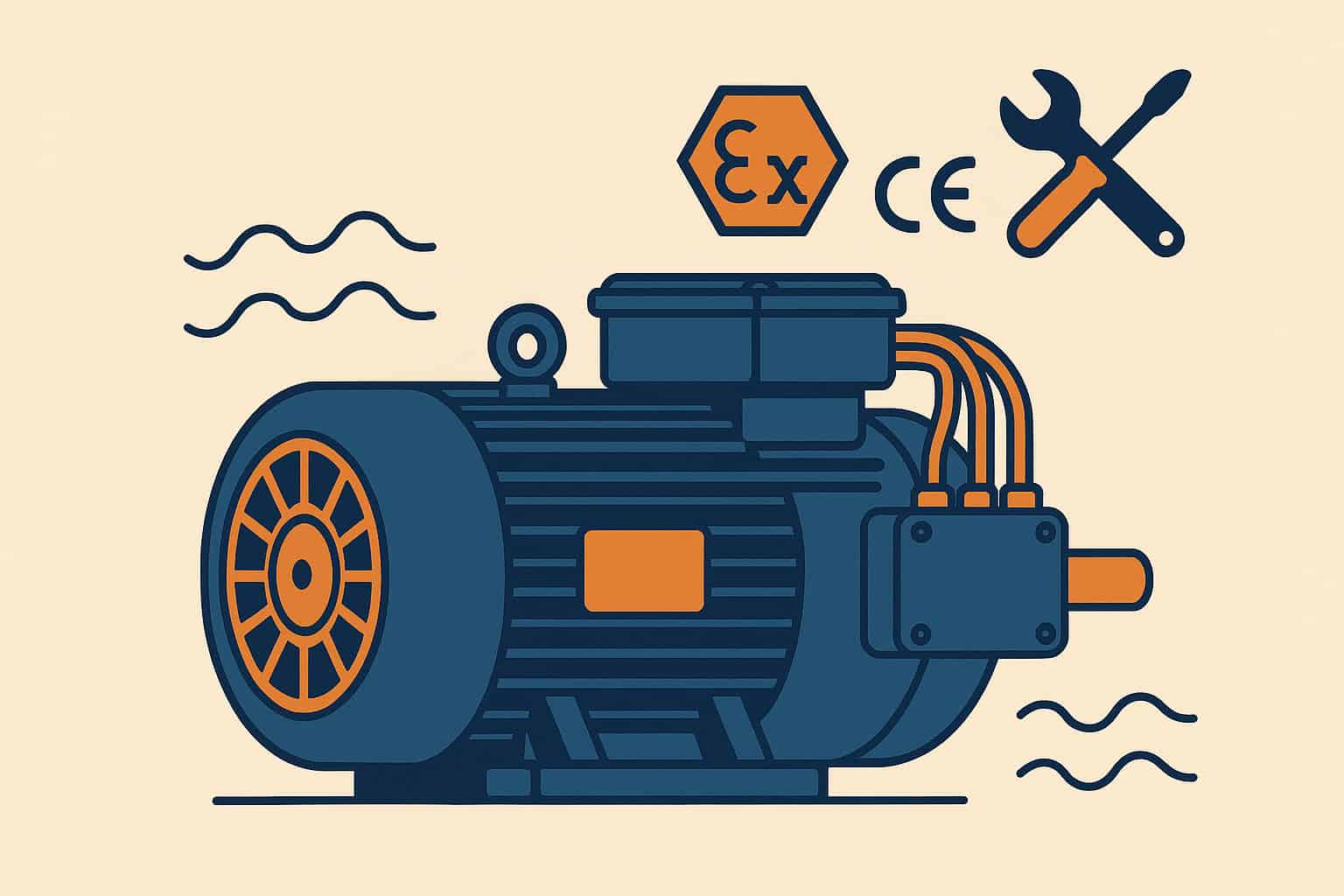
To know whether a fan is truly powerful, you have to look beyond its physical size or motor nameplate and examine its airflow, pressure and power ratings at the duty point. A large fan that can only move air against very low resistance may not be powerful in a practical ventilation system, while a smaller fan capable of generating high pressure at useful flow can be very powerful in engineering terms.
The first indicator is the combination of airflow (Q) and static or total pressure (ΔP) that the fan can deliver. A powerful ventilation fan can move a substantial volume of air and do so against meaningful system resistance, such as long ducts, restrictive filters or mine roadways. When comparing fans, look at their performance curves and note the air quantity they can provide at the static pressure your system requires. A fan that maintains high flow at high pressure is more powerful than one that drops sharply as resistance increases.
The second indicator is the fan’s input power and how effectively it is converted into useful air power. A powerful industrial or mining fan will typically be driven by a motor in the tens or hundreds of kilowatts, but what matters is not just the motor size; it is the product of flow and pressure (air power) at the operating point. Two fans with the same motor power can have very different air power if one is much more efficient than the other. Checking efficiency on the fan curve helps you see how much of the electrical power becomes effective ventilation.
Third, look at the fan’s ability to handle demanding applications. Fans used as main mine fans, booster fans or high-pressure process fans are designed to operate continuously at elevated pressures and flows, often with robust casings, reinforced impellers and advanced bearings. Their performance curves extend to higher pressures than those of light-duty fans used for simple room exhaust. If a fan is rated and certified for heavy-duty mining or industrial service, that is another sign of real power.
Practical checks also help. If, when installed, the fan achieves the required airflows measured in ducts or roadways, keeps gas concentrations within limits and maintains stable operation without running at or beyond motor overload, it is powerful enough for the job. If air quantities are low, pressures are below design and the motor is struggling, the fan may be underpowered or poorly matched, even if it looks large.
In summary, you can tell if a fan is powerful by examining its rated airflow and pressure at the duty point, its air power and efficiency, its design for heavy-duty service and its measured performance once installed in the mining or industrial ventilation system.