
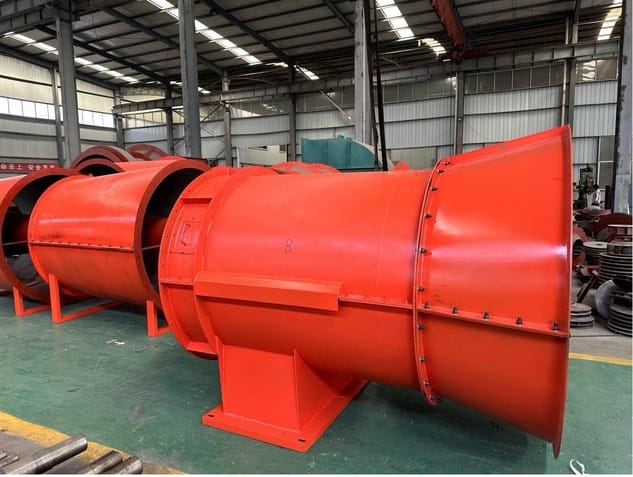
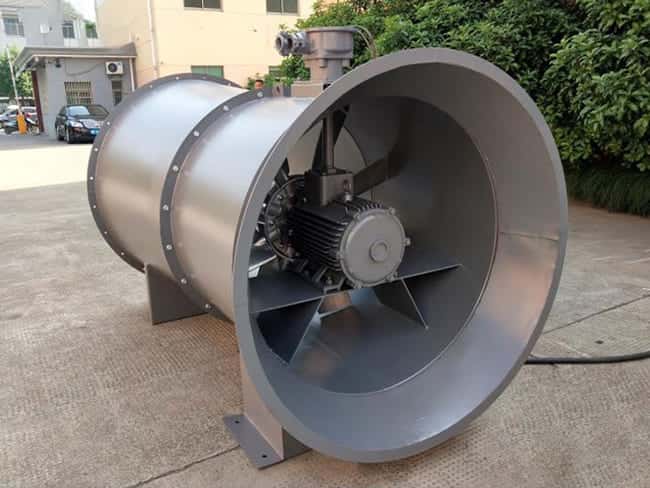
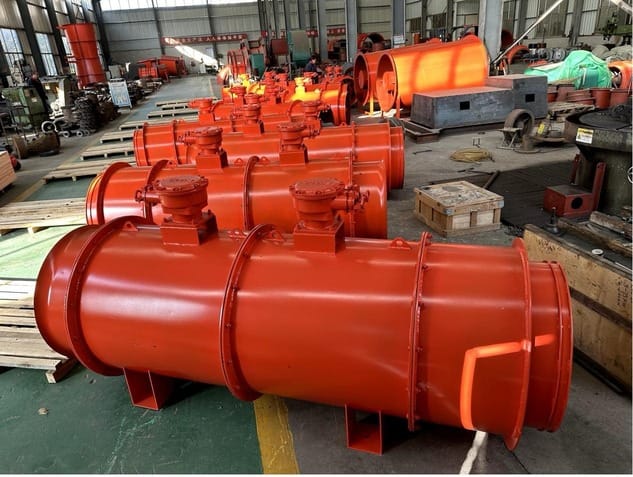
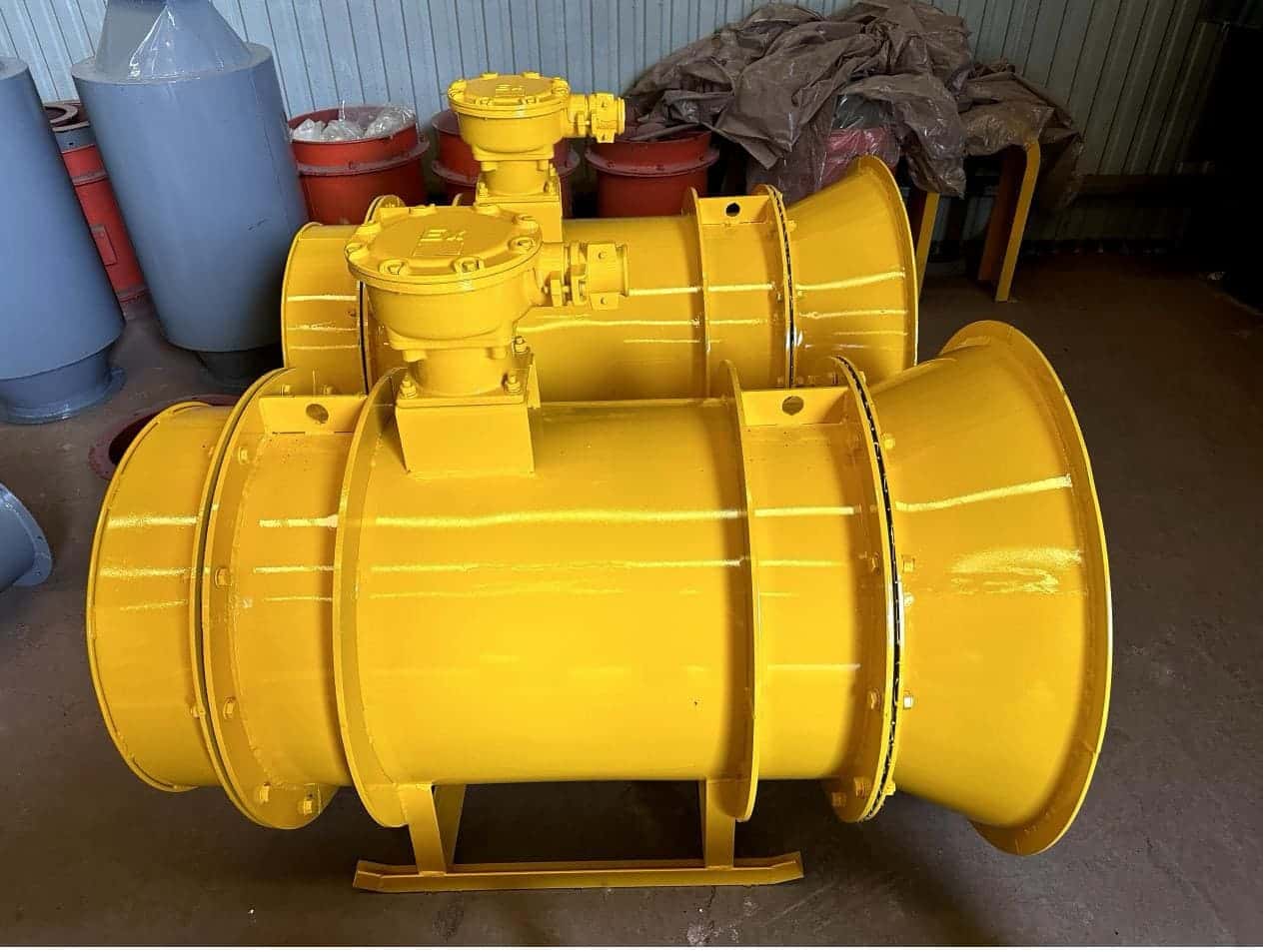
To tell if a vent is intake or exhaust, you need to find out whether air is entering the space through that vent or leaving it. In buildings, factories and mines, vents may look similar from the outside, but their function is different. A few simple checks will help you identify which is which.
The most direct method is to feel the airflow at the vent when the ventilation system is running. Hold your hand near (not inside) the grille. If you feel air blowing out towards you, it is an exhaust vent for that room or area. If you feel air being drawn in towards the vent, it is a return or intake vent from the room to the duct system. Be careful around high-velocity industrial vents and never remove guards while equipment is operating.
The location and context of the vent also provide strong clues. Vents near the floor or lower wall, especially if they are connected to return ductwork, are often return or exhaust vents, pulling warm or contaminated air away. Ceiling diffusers with adjustable vanes that spread air over the room are usually supply (intake to the room) vents. In industrial plants, wall louvers connected to intake air ducts are likely intake vents, while vents connected to dust collectors, scrubbers or stacks are exhaust vents.
Another indicator is the presence of filters or dampers. Supply or intake vents may have filters upstream to clean incoming air before it enters the workspace. Exhaust vents may have backdraft dampers that allow air to flow out but close when the fan is off, preventing outside air from entering. By inspecting the duct connection behind the grille (when it is safe and permitted), you can often see whether air is being supplied or removed.
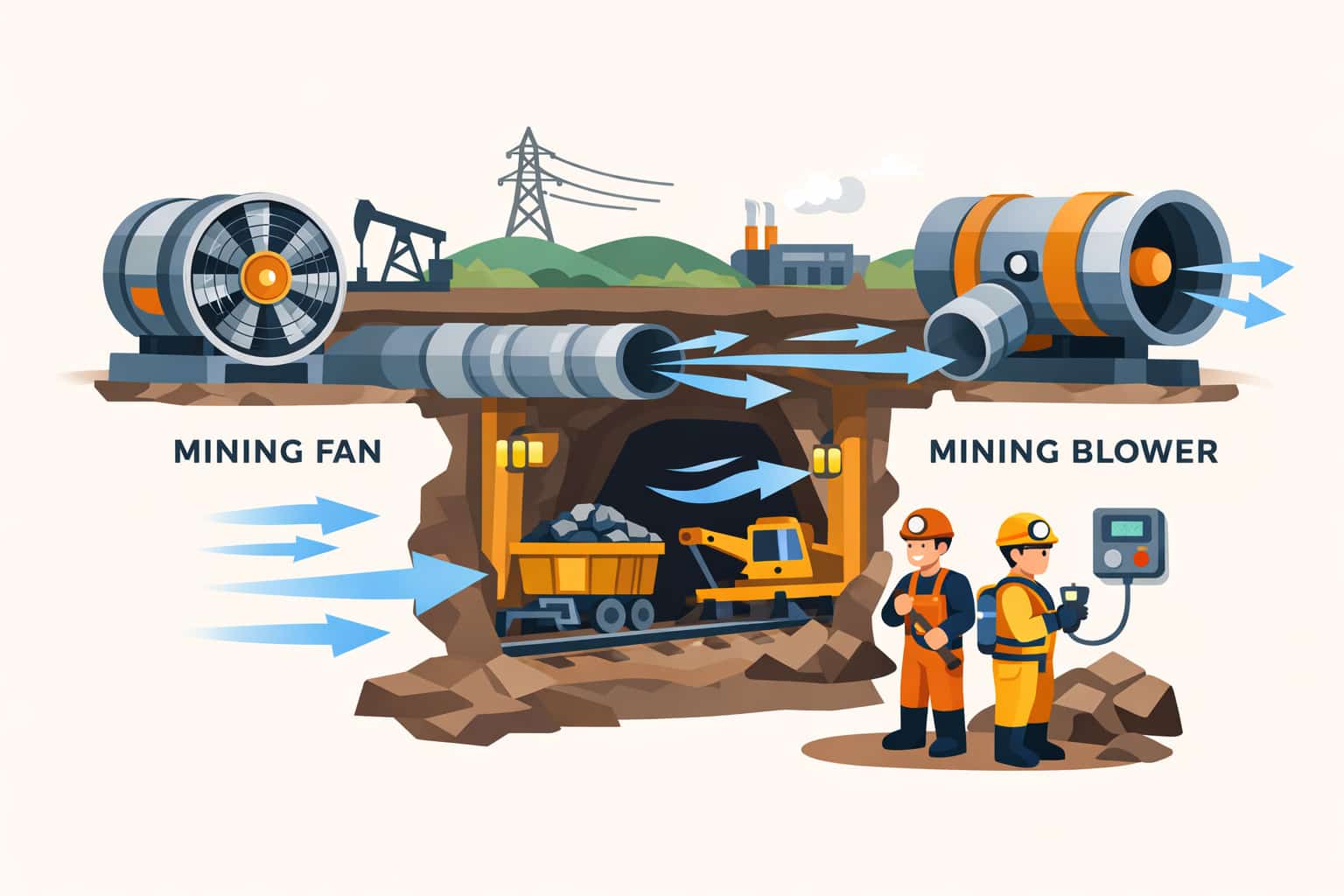
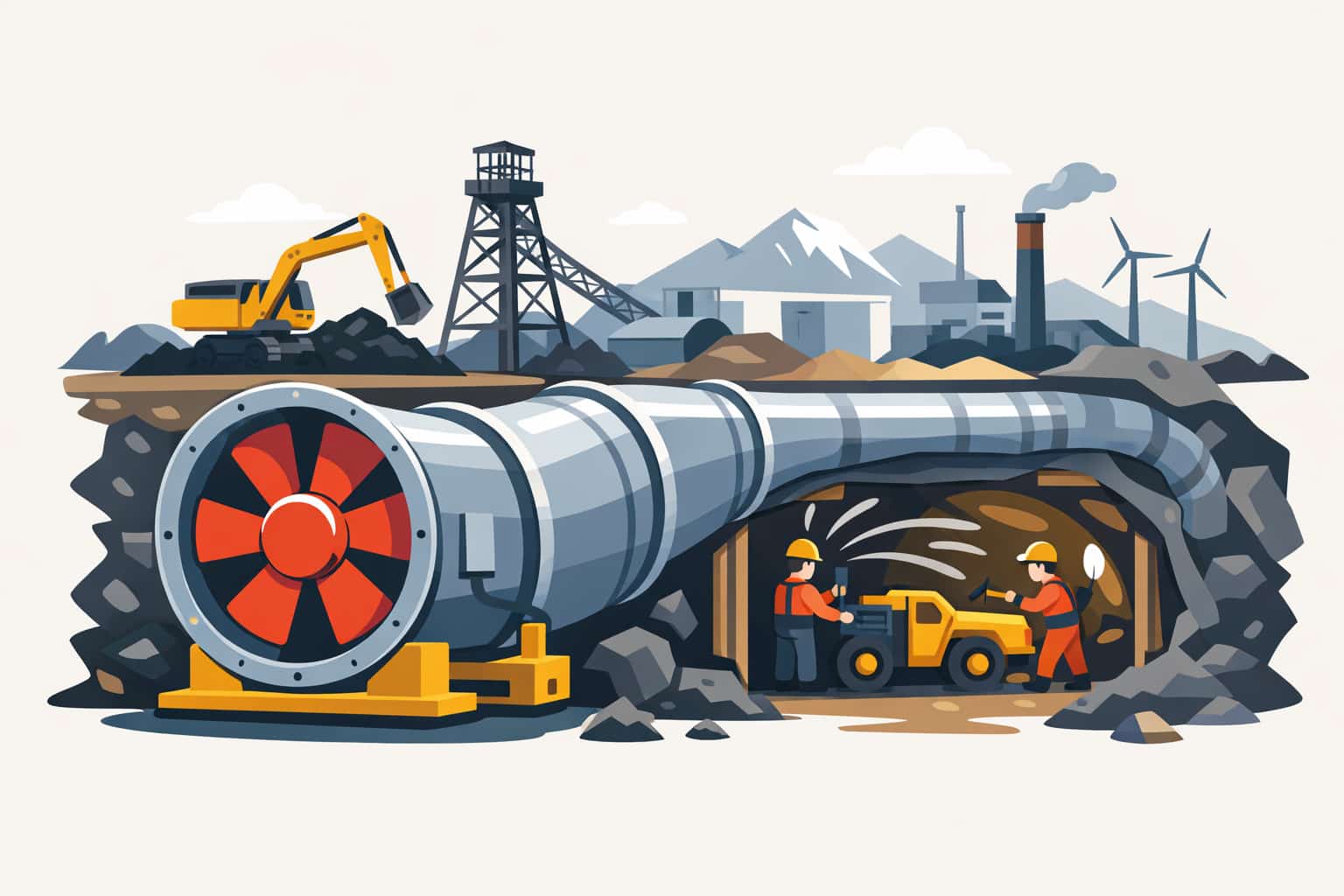
In underground mines and tunnels, the terminology shifts to intake and return airways rather than small vents, but the principle is the same. Openings where fresh air enters headings from intake ducts or stoppings act as intake vents. Openings where air flows out towards return airways or exhaust shafts function as exhaust vents. Airflow measurements, smoke tubes and ventilation plans are used to confirm direction in these critical environments.
In summary, you tell if a vent is intake or exhaust by observing airflow direction, considering its location in the room or system, and looking at how it connects to ducts and equipment. The vent’s role is defined by the overall ventilation design, even if supply and exhaust grilles look similar on the surface.