
Ventilating a coal mine is a specialized task because coal seams often contain methane and produce combustible dust, both of which can create explosion and health hazards if not controlled. A coal mine ventilation system must deliver sufficient fresh air to dilute and remove methane, coal dust, diesel exhaust, and heat, while keeping airflow patterns stable and predictable in all working districts.
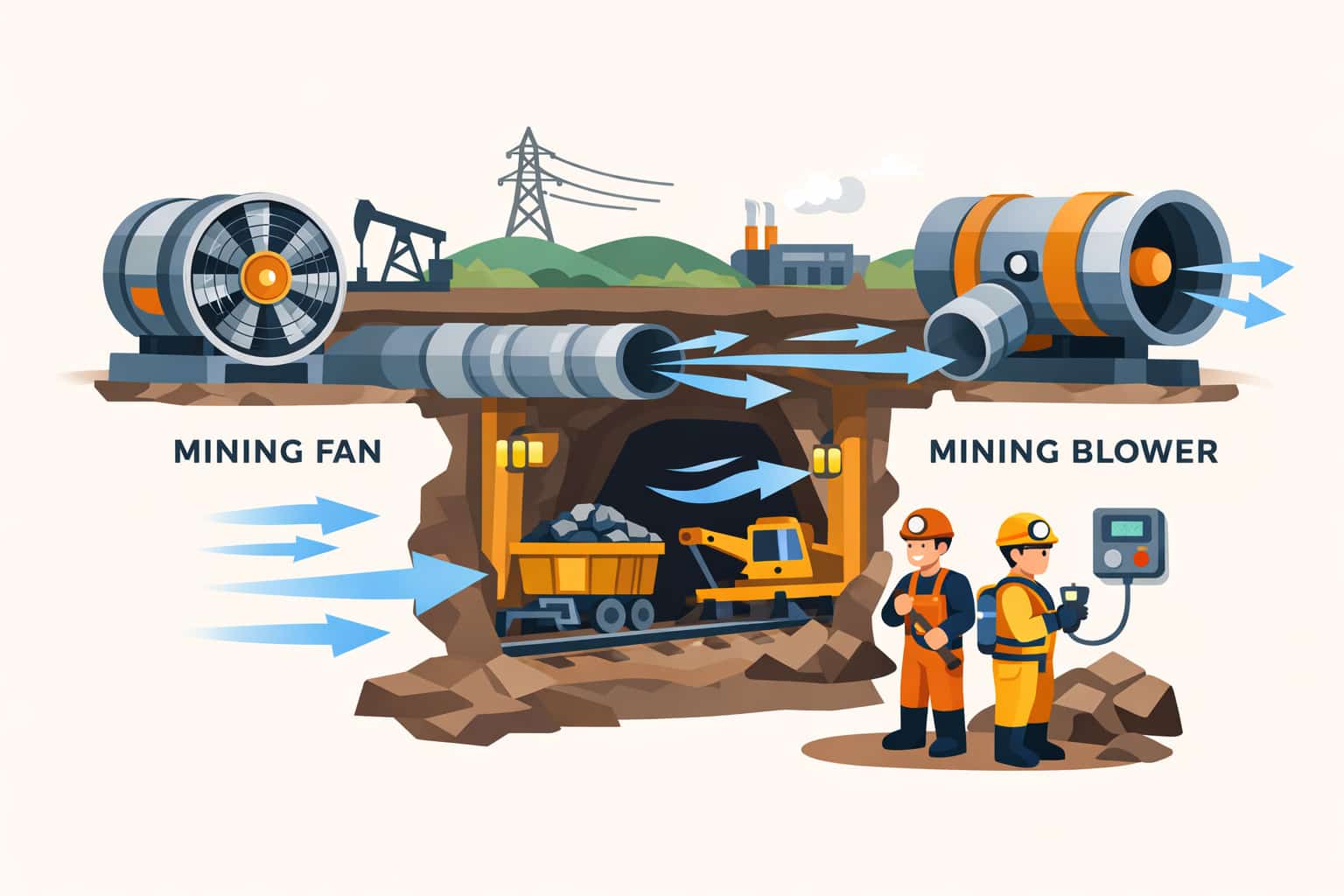
The starting point is a robust primary ventilation layout. Intake airways carry fresh air from surface shafts, drifts, or portals into the mine. Return airways carry used air out, carrying with it methane and dust from production areas. The design must avoid short circuits where intake air flows directly into returns without ventilating faces, and must prevent contaminated air from leaking back into intake routes or escape ways.
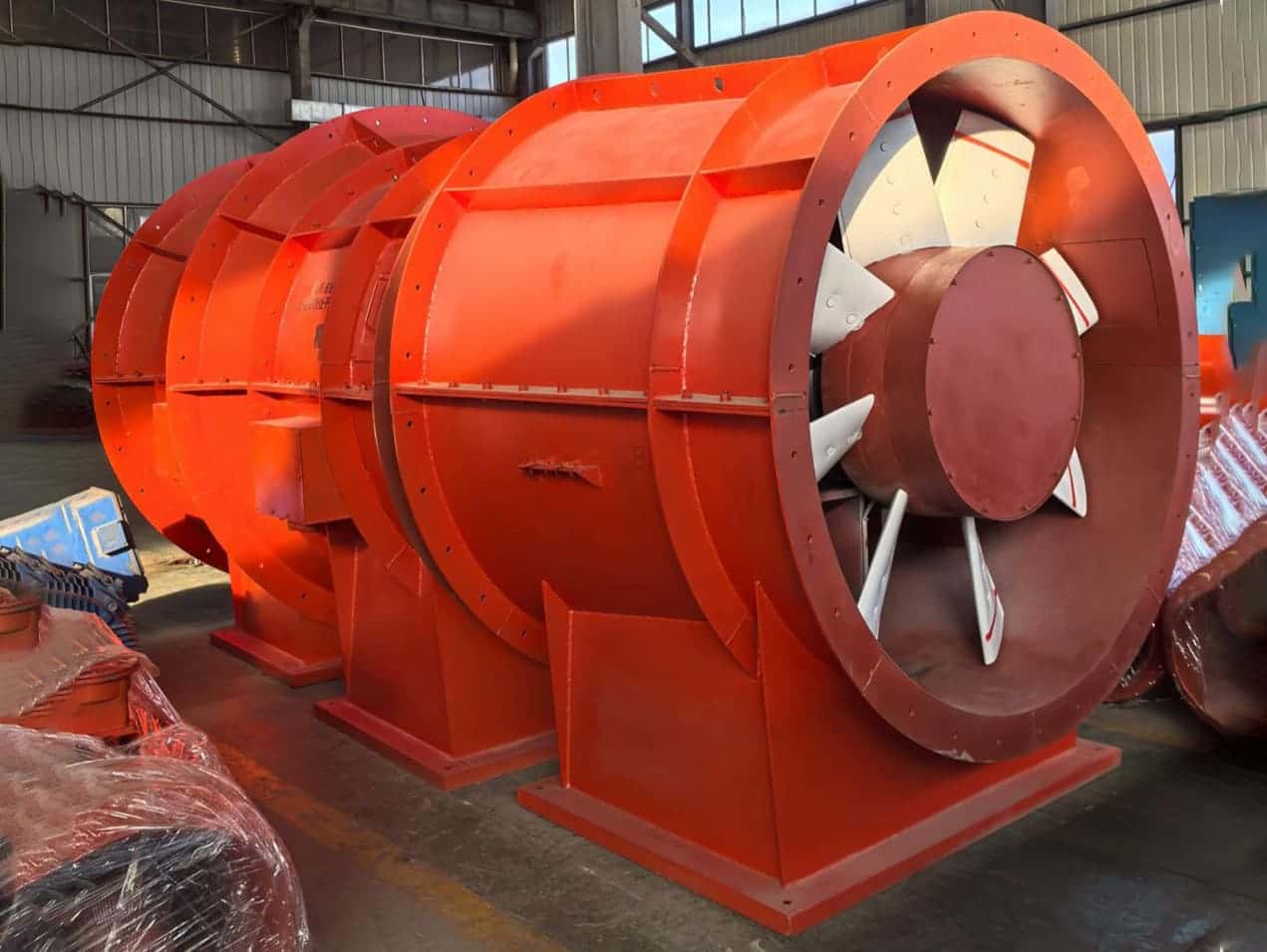
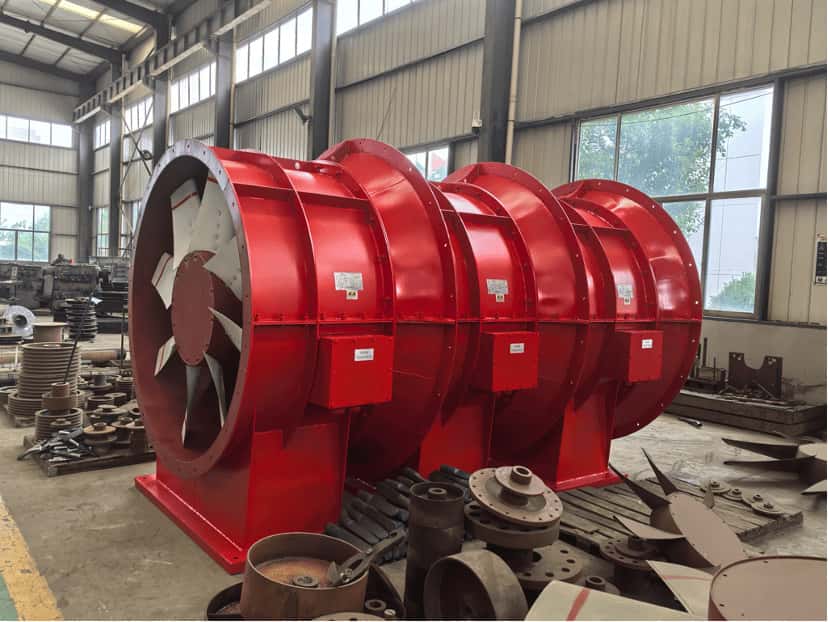
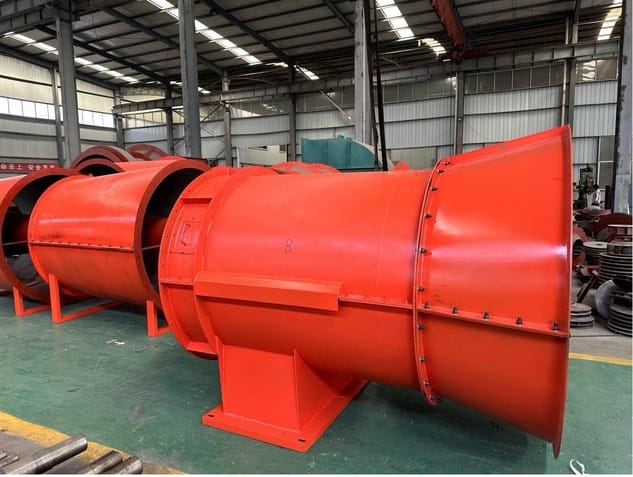
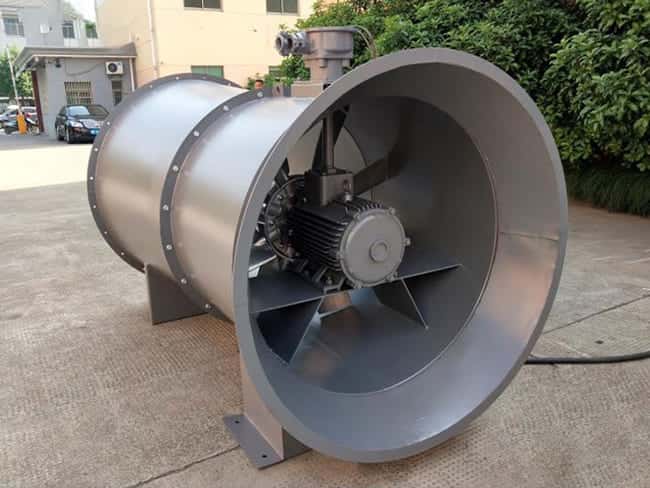
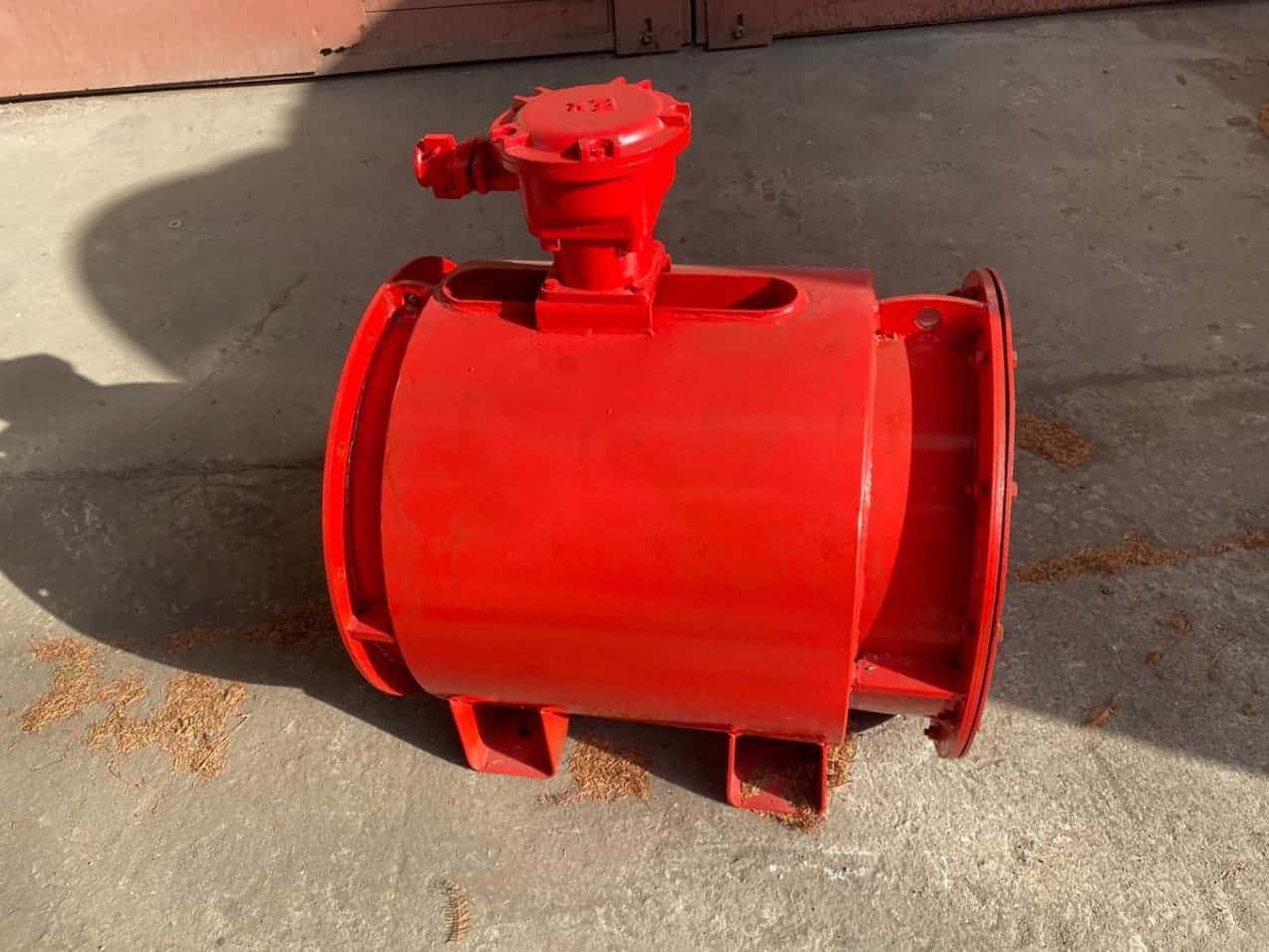
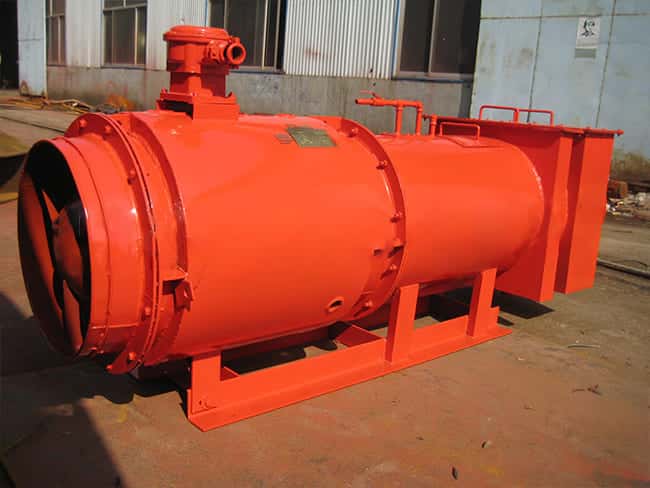
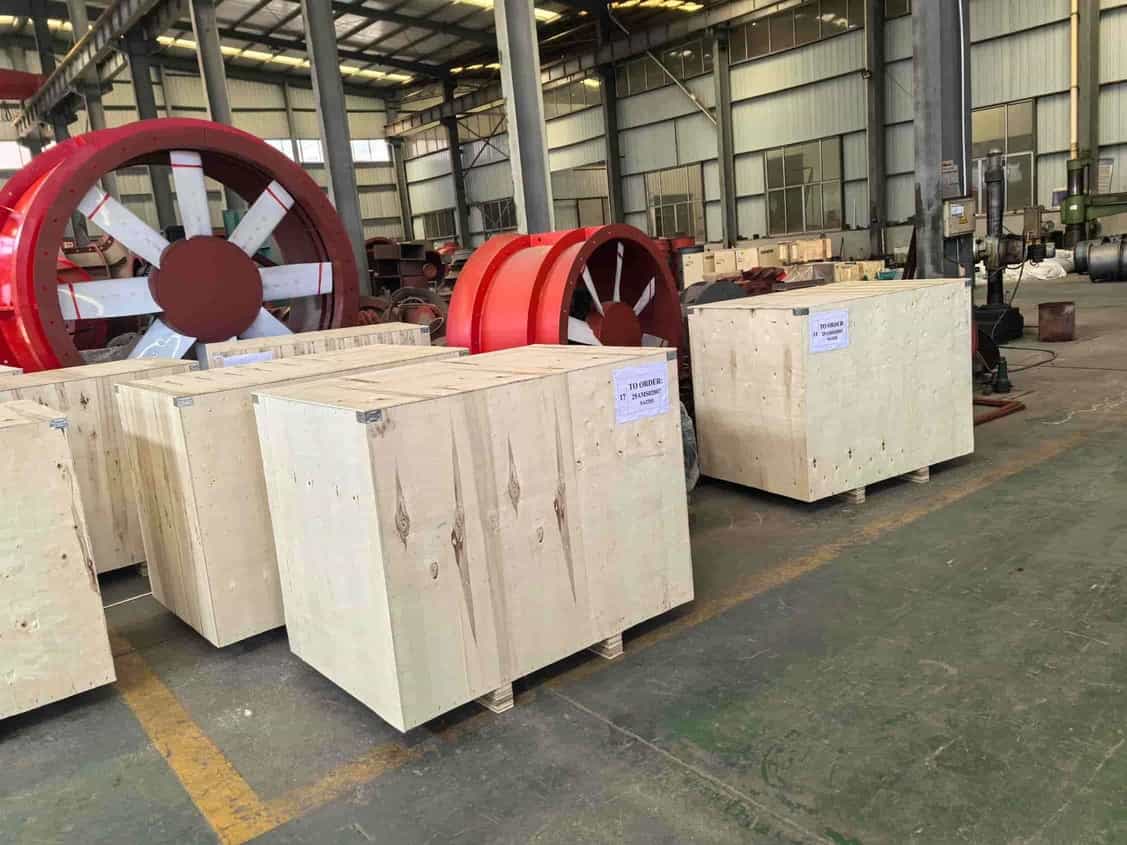
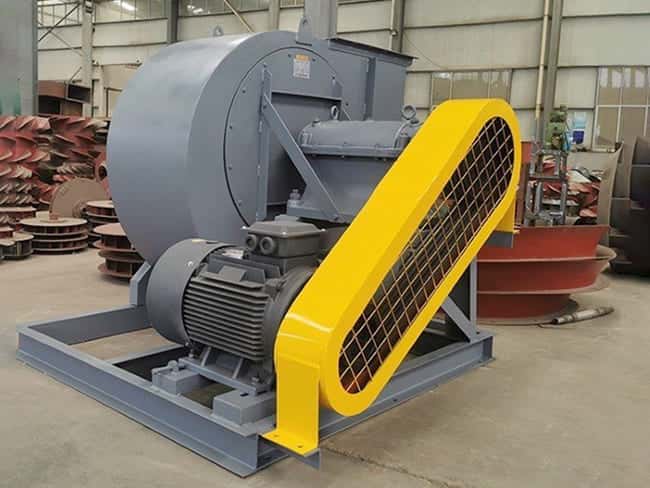
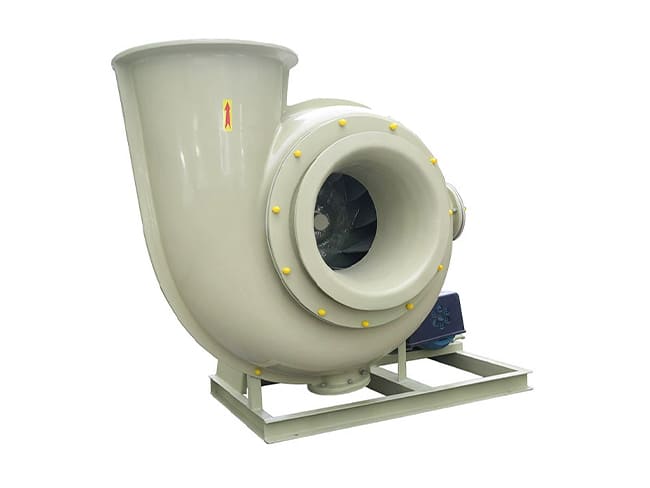
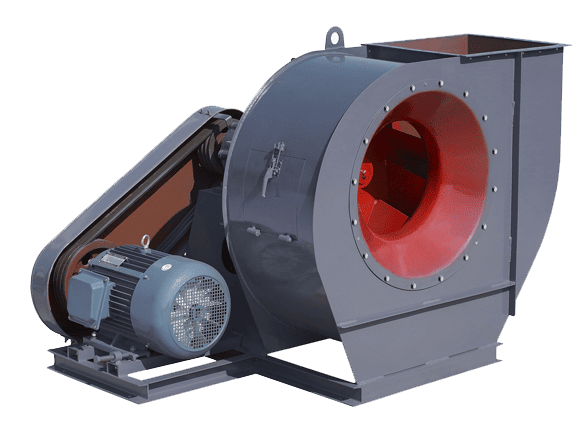
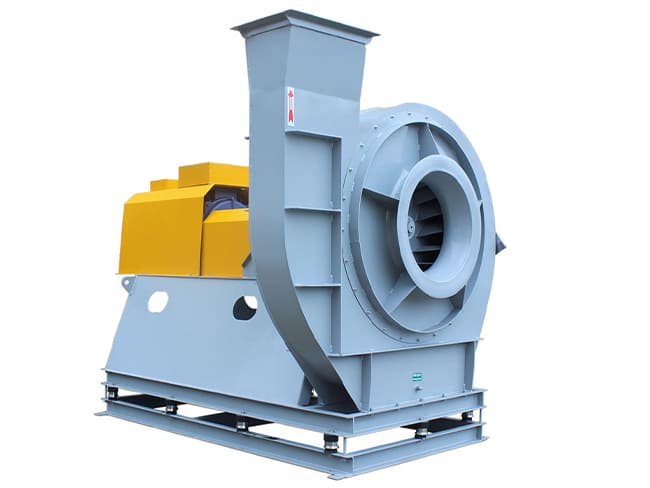
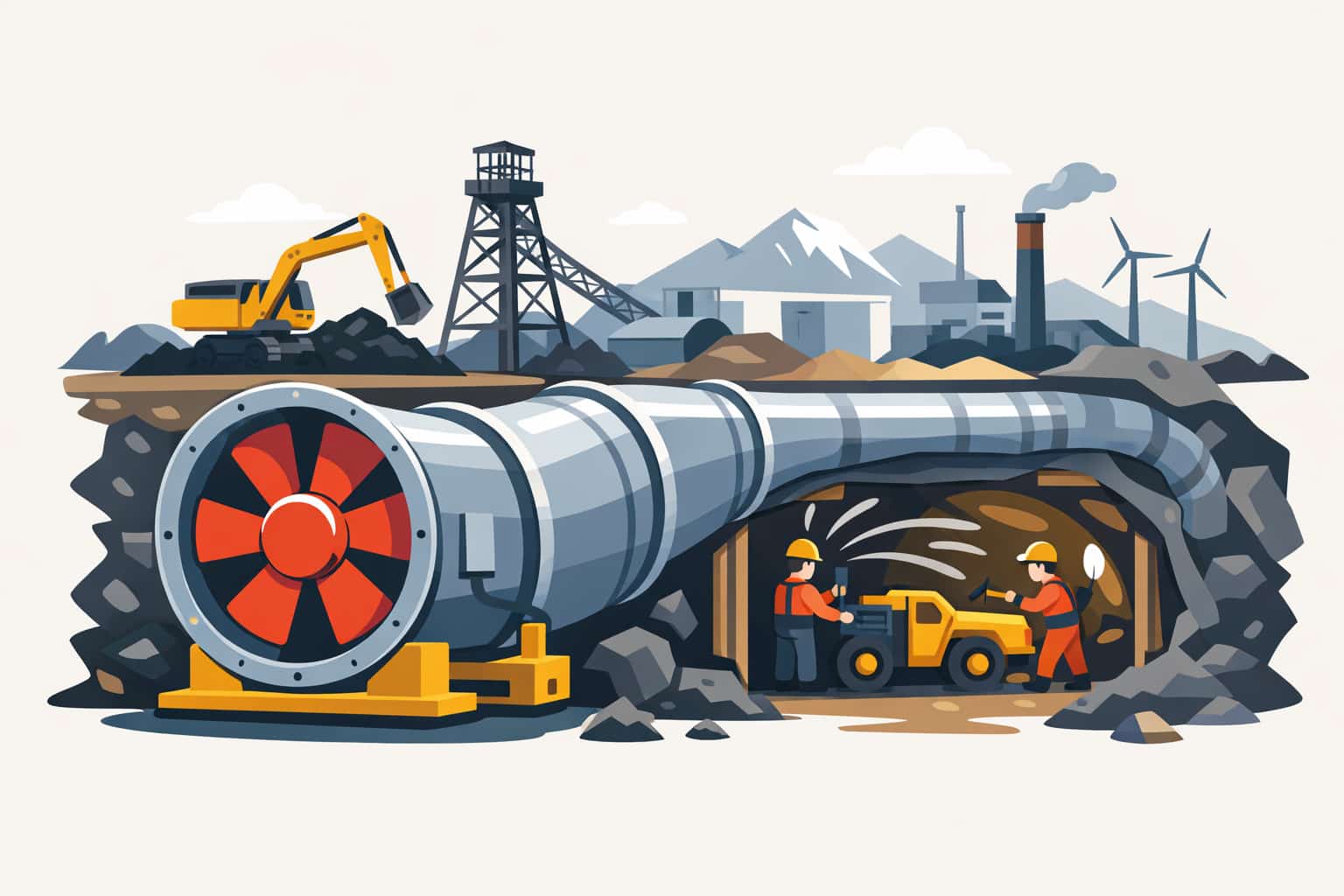
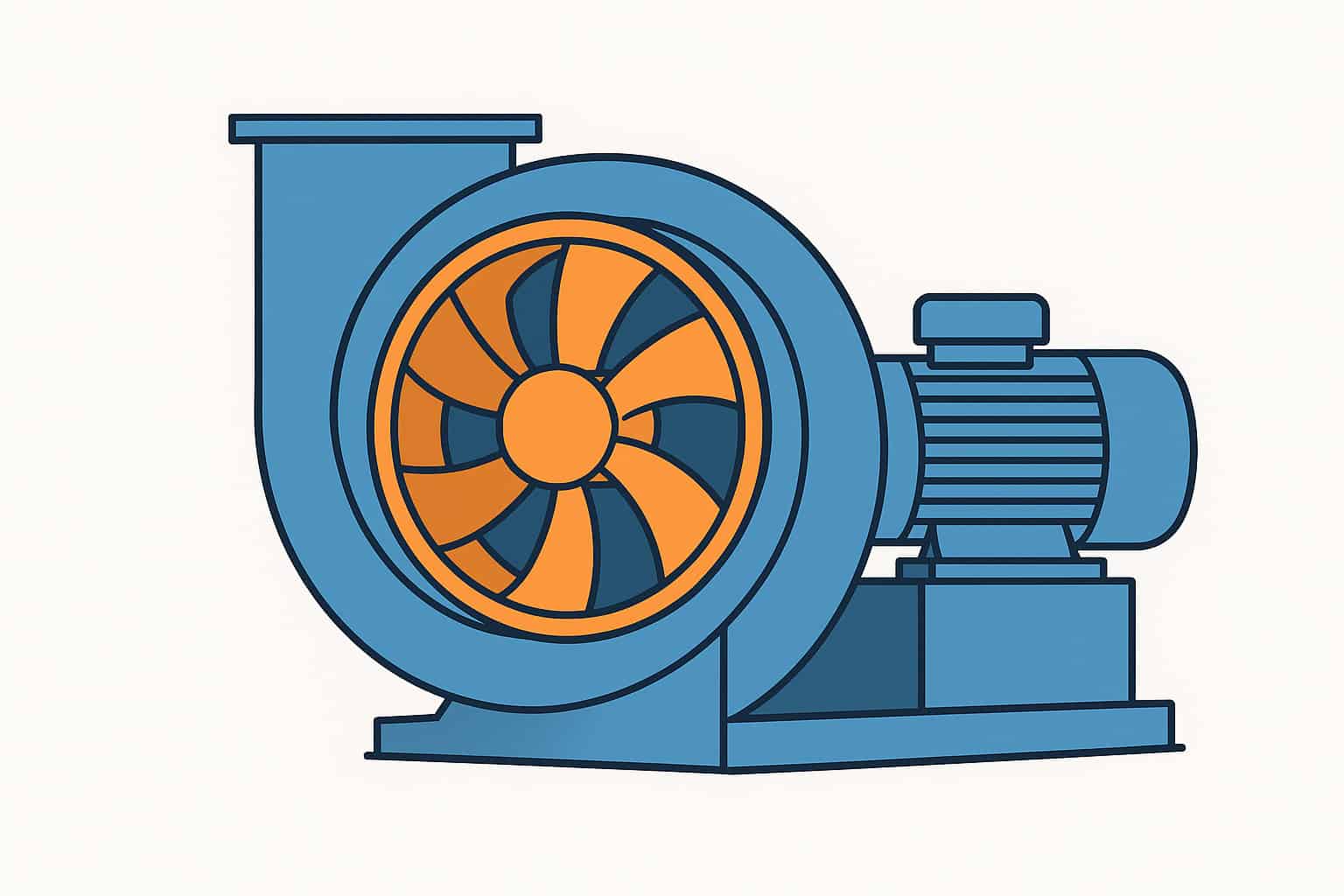
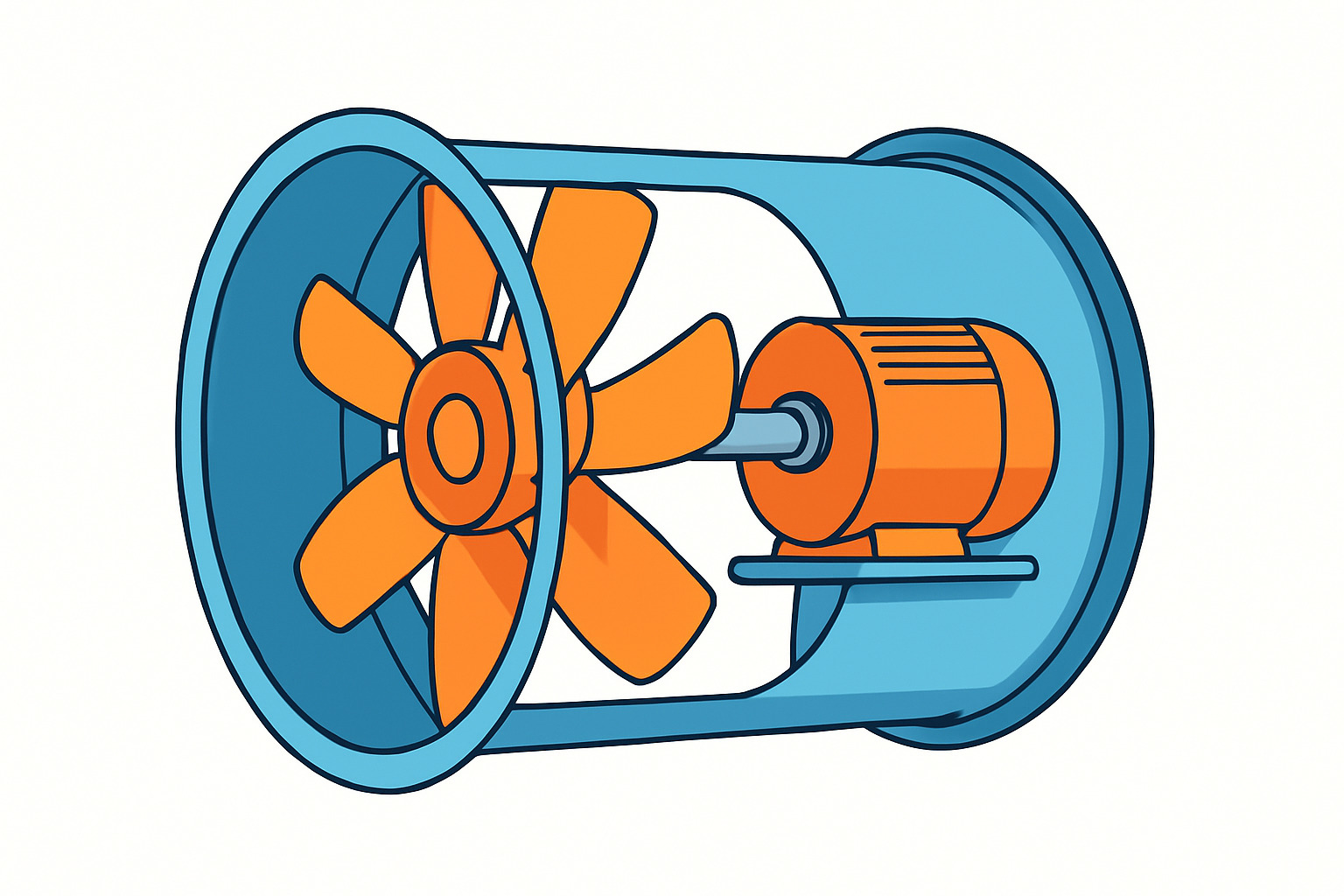
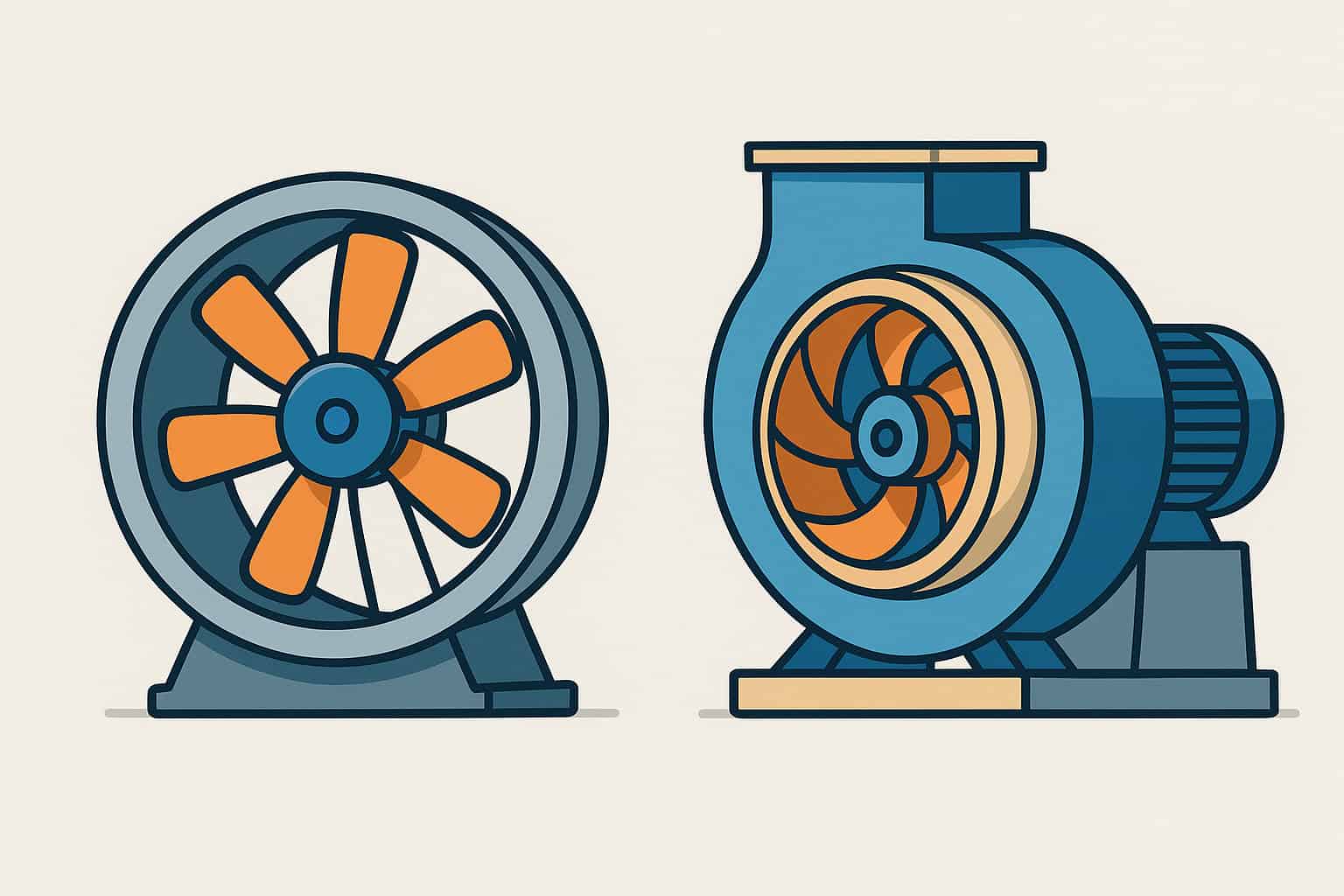
Main mine fans, usually large axial or centrifugal fans, are installed on surface to drive airflow through the network. In coal mines, they are often configured as exhaust fans to pull air through the workings, although forcing or mixed systems are also used depending on local regulations and gas behavior. Fans are selected for duty points that satisfy regulatory airflow requirements for methane dilution, dust control, and diesel equipment operation under the most demanding conditions.
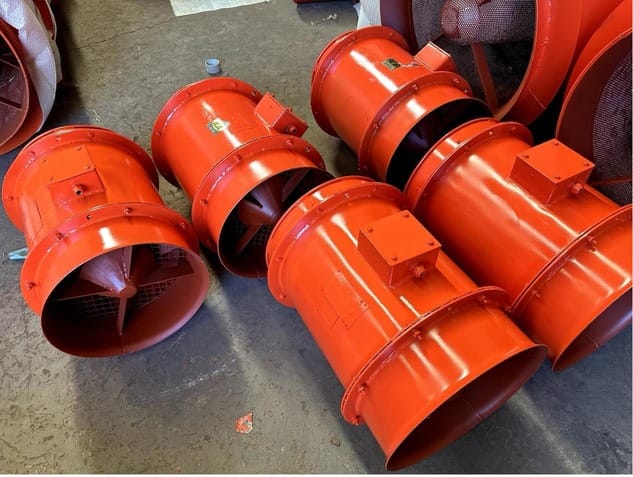
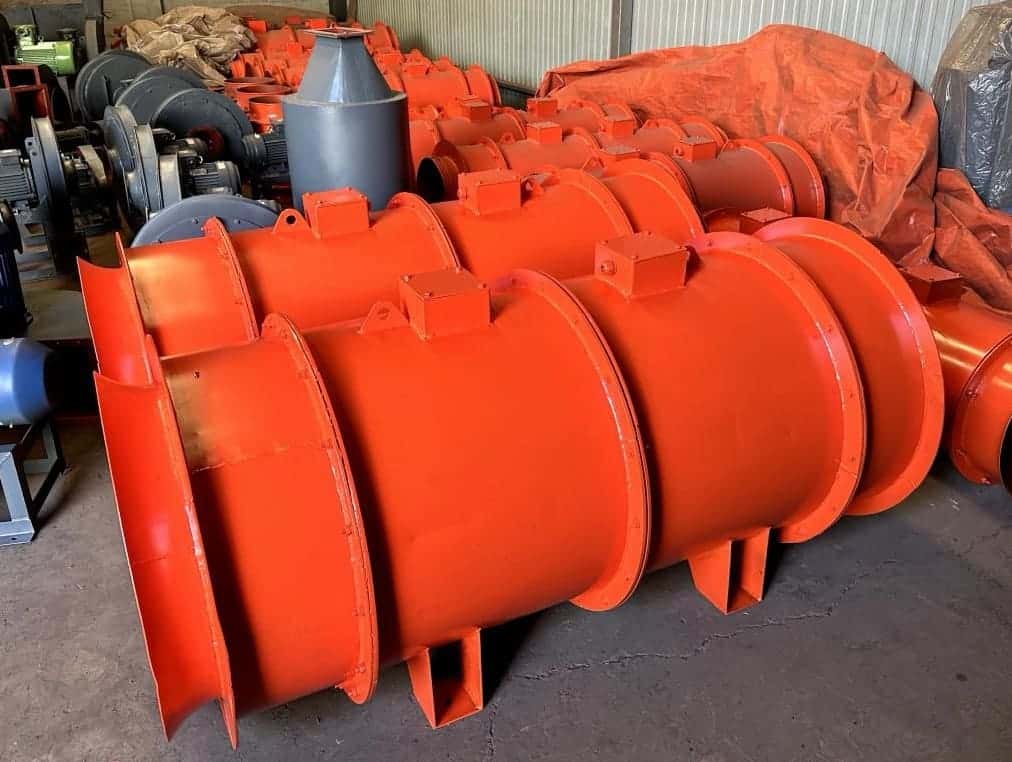
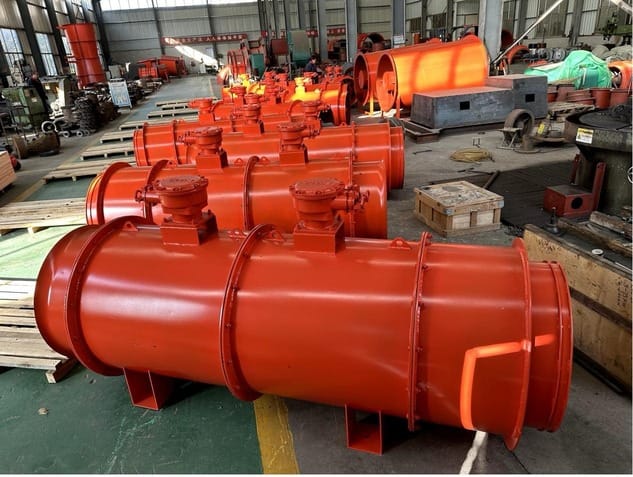
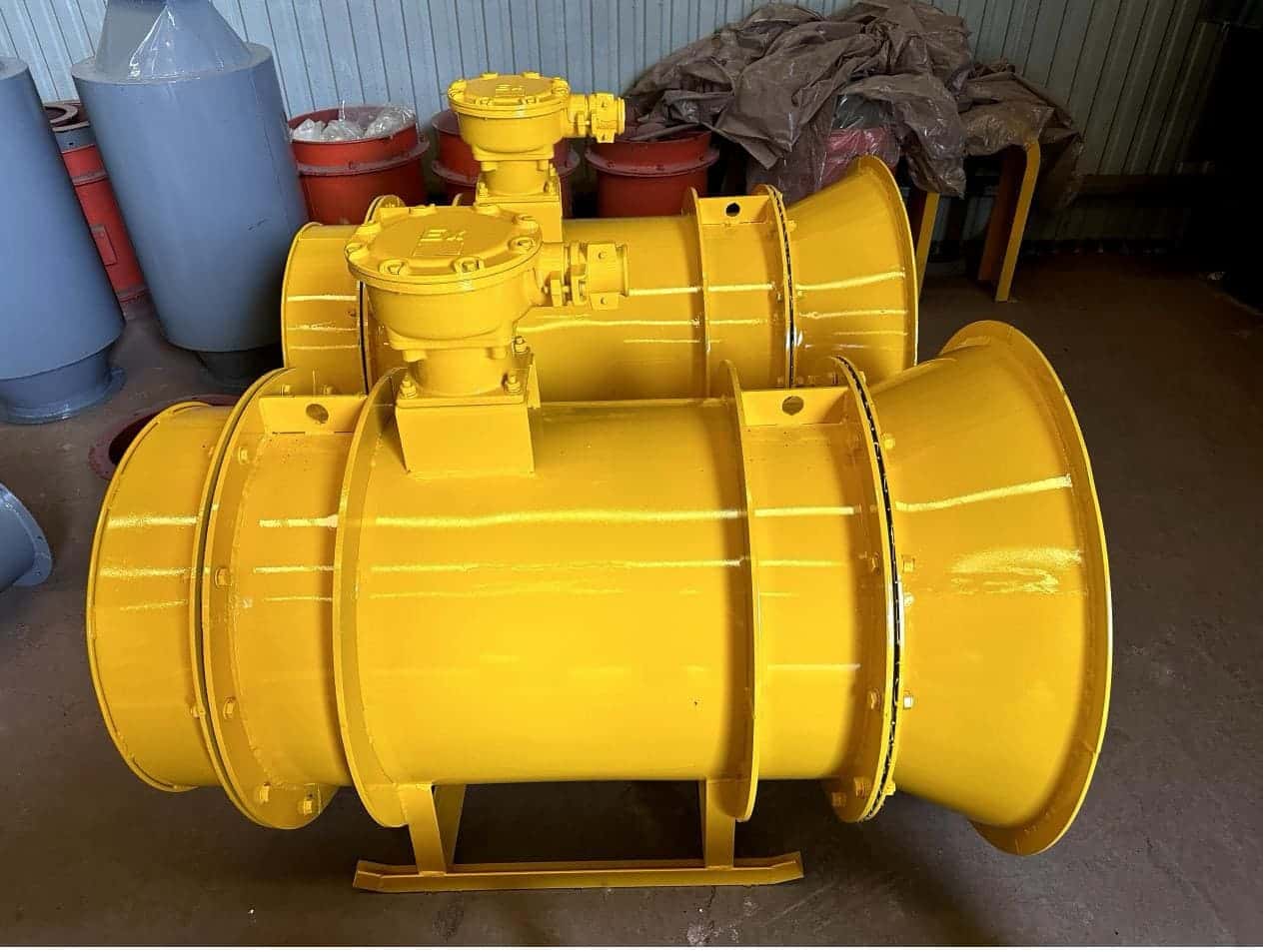
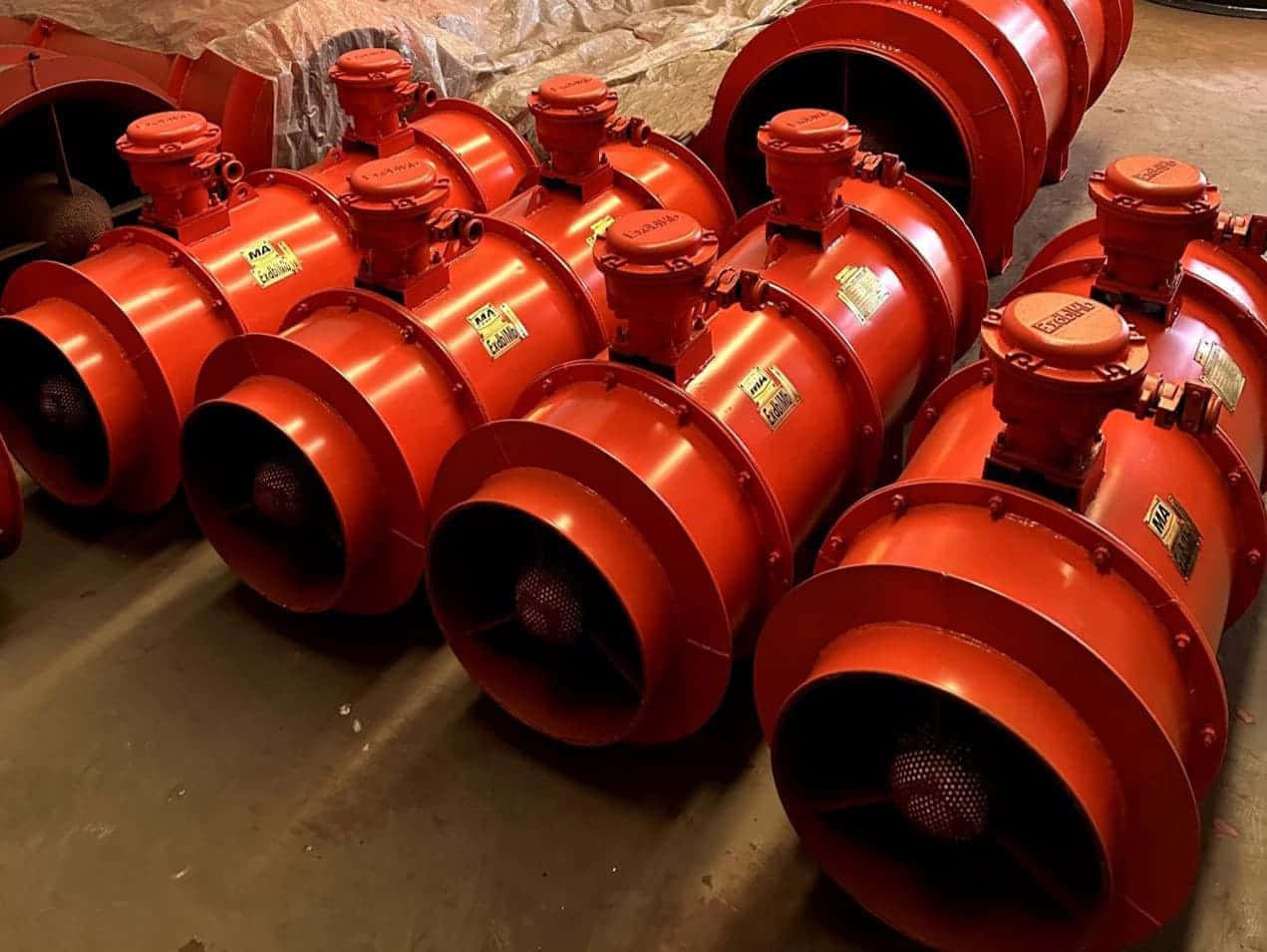
Closer to the faces, auxiliary ventilation uses fans and flexible ducting or tubing to deliver air into development headings and longwall gate roads. In gassy coal mines, auxiliary ventilation must be designed carefully to avoid recirculation of methane-rich air and to ensure that return air from headings is directed into designated return routes. Regulators, stoppings, overcasts, and doors help direct this airflow so that every face receives clean intake air and return air does not contaminate fresh routes.
Coal mine ventilation is tightly linked to gas drainage and coal dust management. Pre-drainage or post-drainage boreholes may be used to remove methane from the seam, reducing the amount that must be diluted by ventilation. Water sprays and dust collection systems help control coal dust, but ventilation still plays a major role in carrying fine particles away from breathing zones. The system must be capable of handling additional gas releases during roof falls, shearer cuts, or other high-risk operations.
Monitoring is critical. Sensors for methane, carbon monoxide, and airflow are installed in key locations and connected to a control system that provides alarms and shutdowns when limits are exceeded. The coal mine must have an approved ventilation plan documenting all fan duties, airways, control devices, and emergency procedures. Regular inspections check the condition of stoppings, doors, regulators, and auxiliary ducting, and ensure that changes in panel layout are reflected in ventilation controls.
In summary, ventilating a coal mine involves designing and operating a comprehensive system of intake and return airways, main and auxiliary fans, gas drainage, dust control, and monitoring. The system must keep methane and coal dust within safe limits, maintain directional airflow, and support effective emergency response—all under the strict regulatory framework that applies to underground coal operations.