












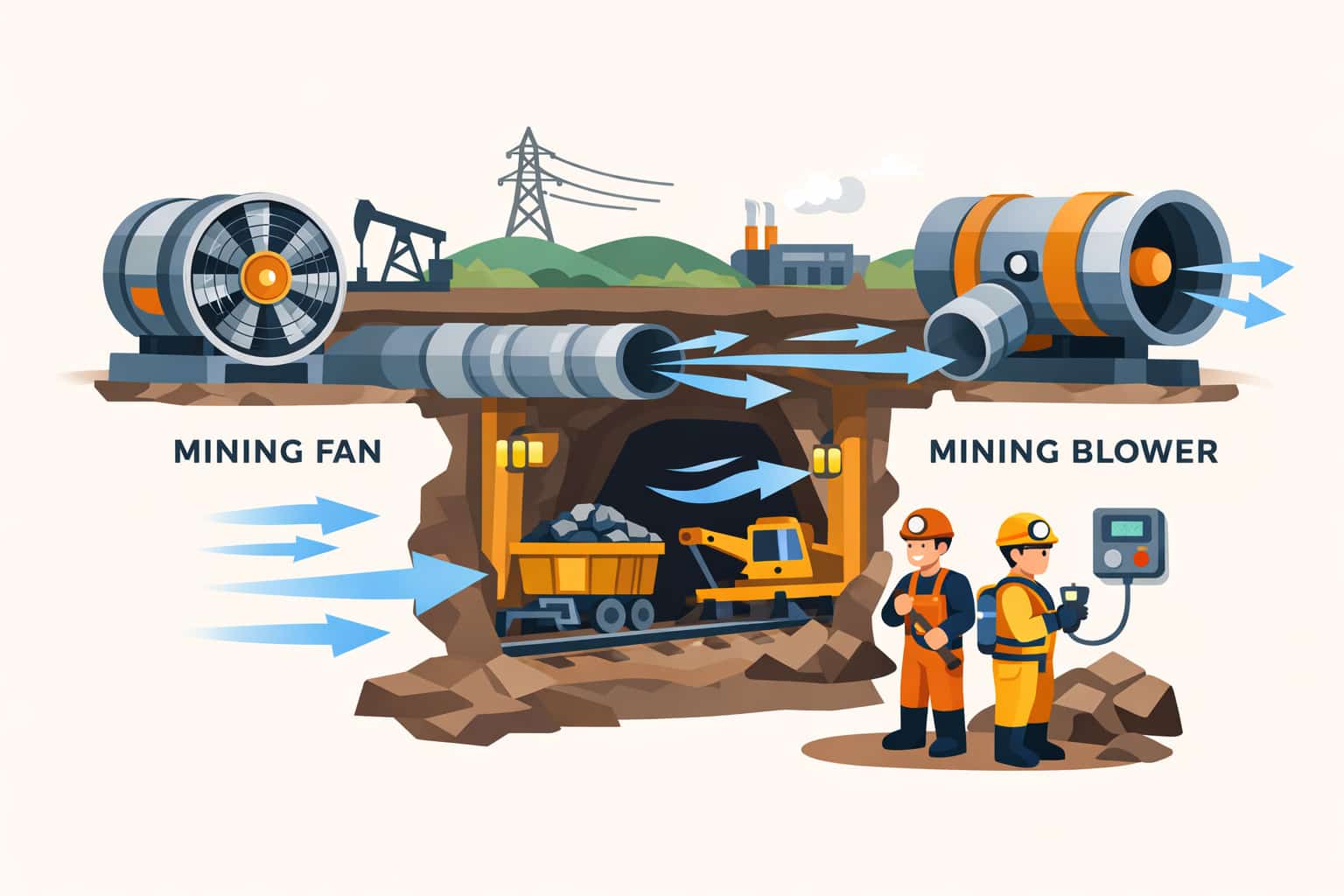
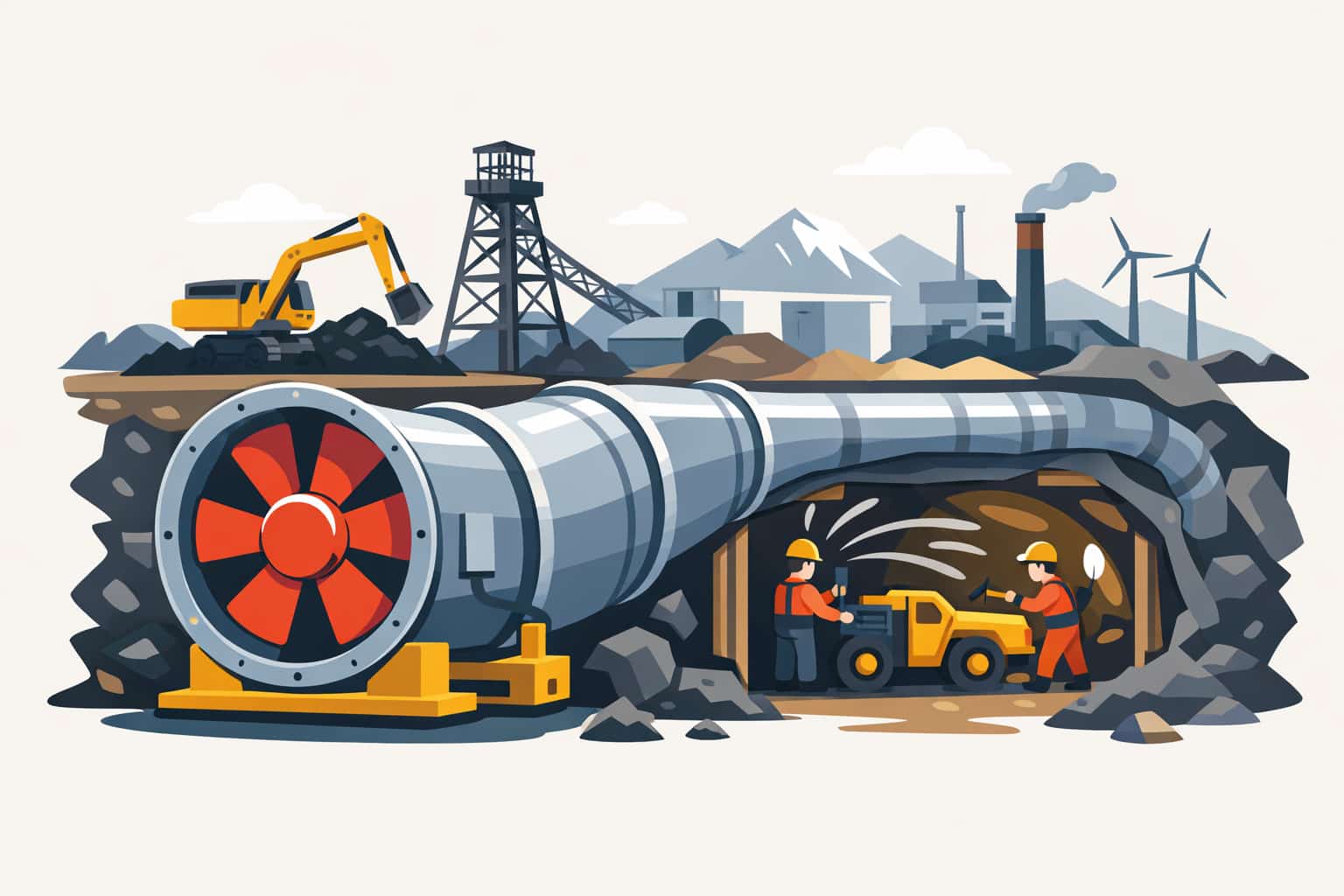
To ventilate a mine effectively, you need more than a fan. Mine ventilation is a controlled system that delivers fresh air to working areas, removes contaminated air through returns, and maintains stable airflow distribution as the mine changes. A practical approach combines ventilation planning, proper fan selection, airflow control devices, and ongoing monitoring.
1) Define the ventilation objectives
Start by identifying what the ventilation must achieve: providing sufficient oxygen, diluting contaminants (dust, diesel exhaust, blasting fumes), controlling heat and humidity, and ensuring stable airflow at all active workplaces. The required air quantity is typically driven by workforce, equipment fleet (especially diesel), production activities, and environmental heat load.
2) Establish intake and return airways
A mine needs clear pathways for air to enter and exit. Intakes deliver fresh air to districts, while returns carry contaminated air back to the exhaust route. Good layouts avoid short-circuiting, reduce leakage through seals and stoppings, and maintain predictable airflow direction. In complex mines, ventilation districts are created so each zone can be managed independently.
3) Select and configure main ventilation fans
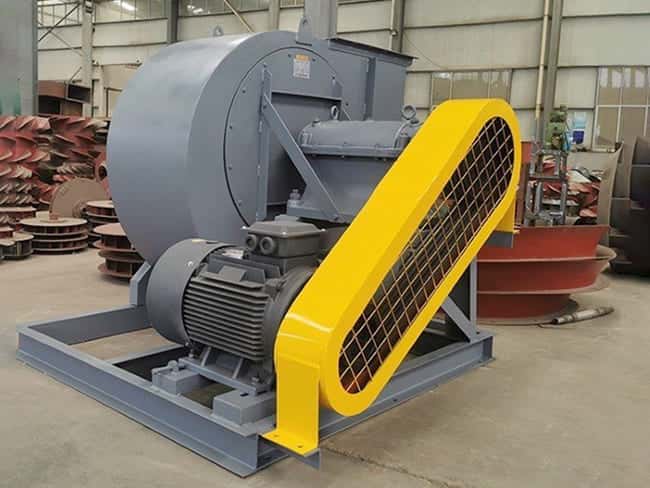
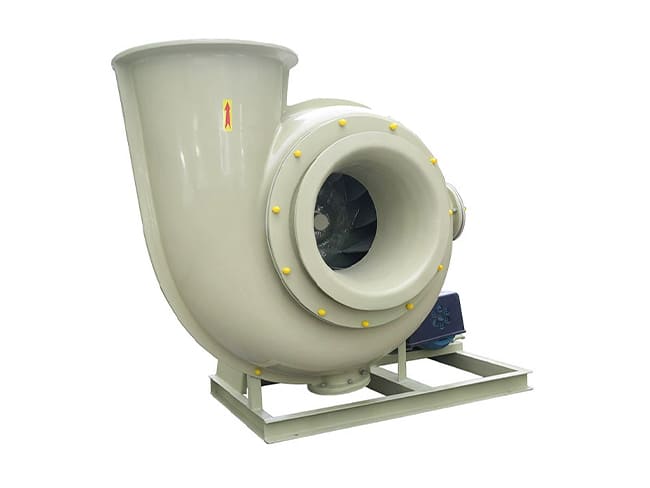
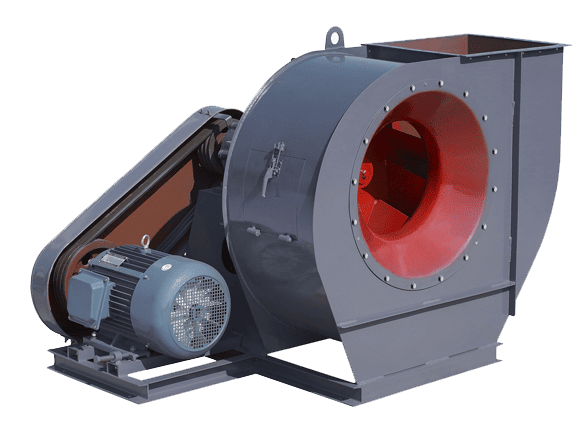
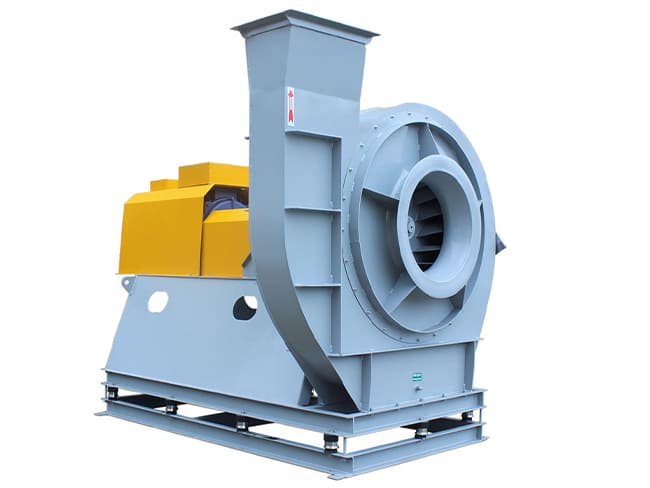
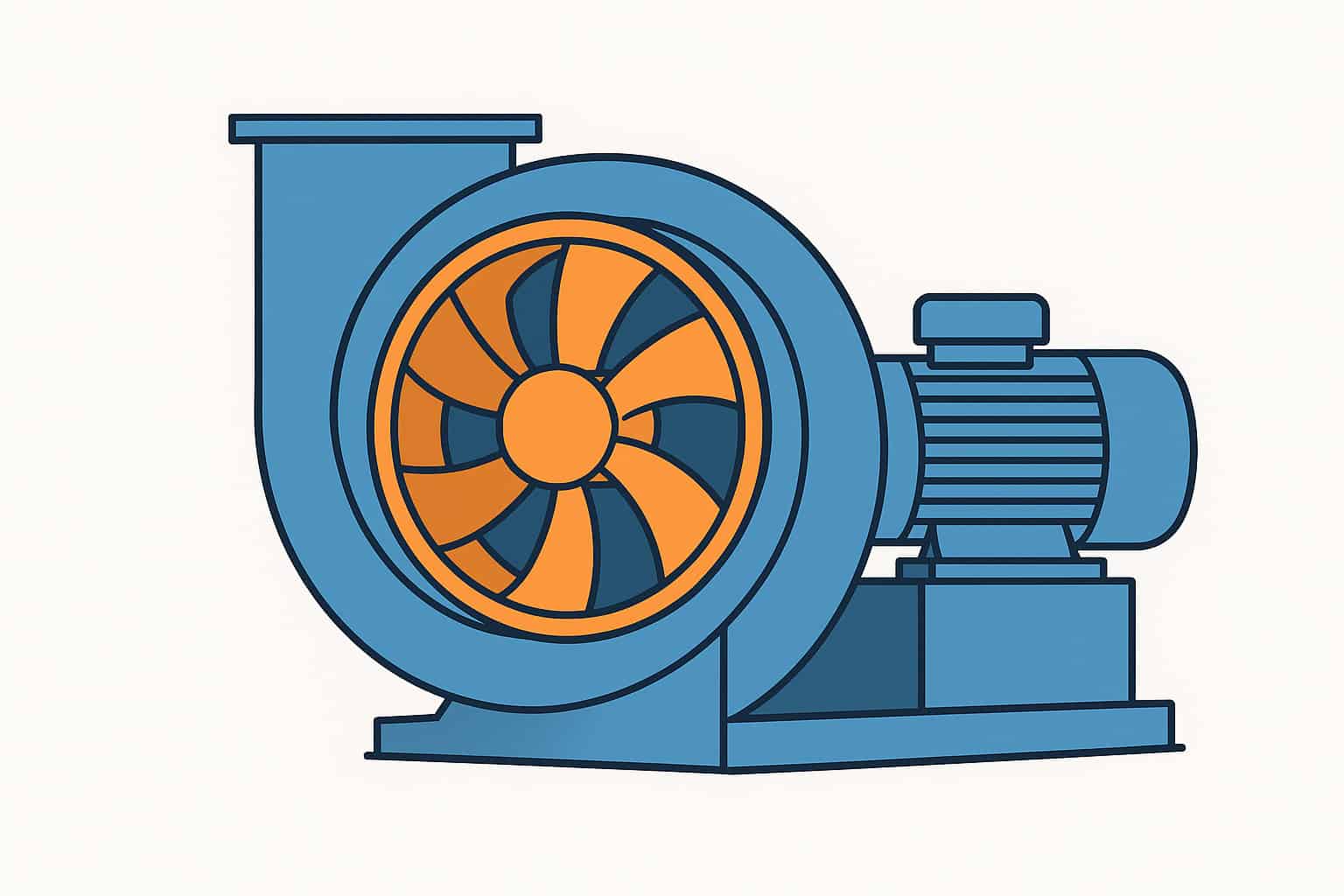
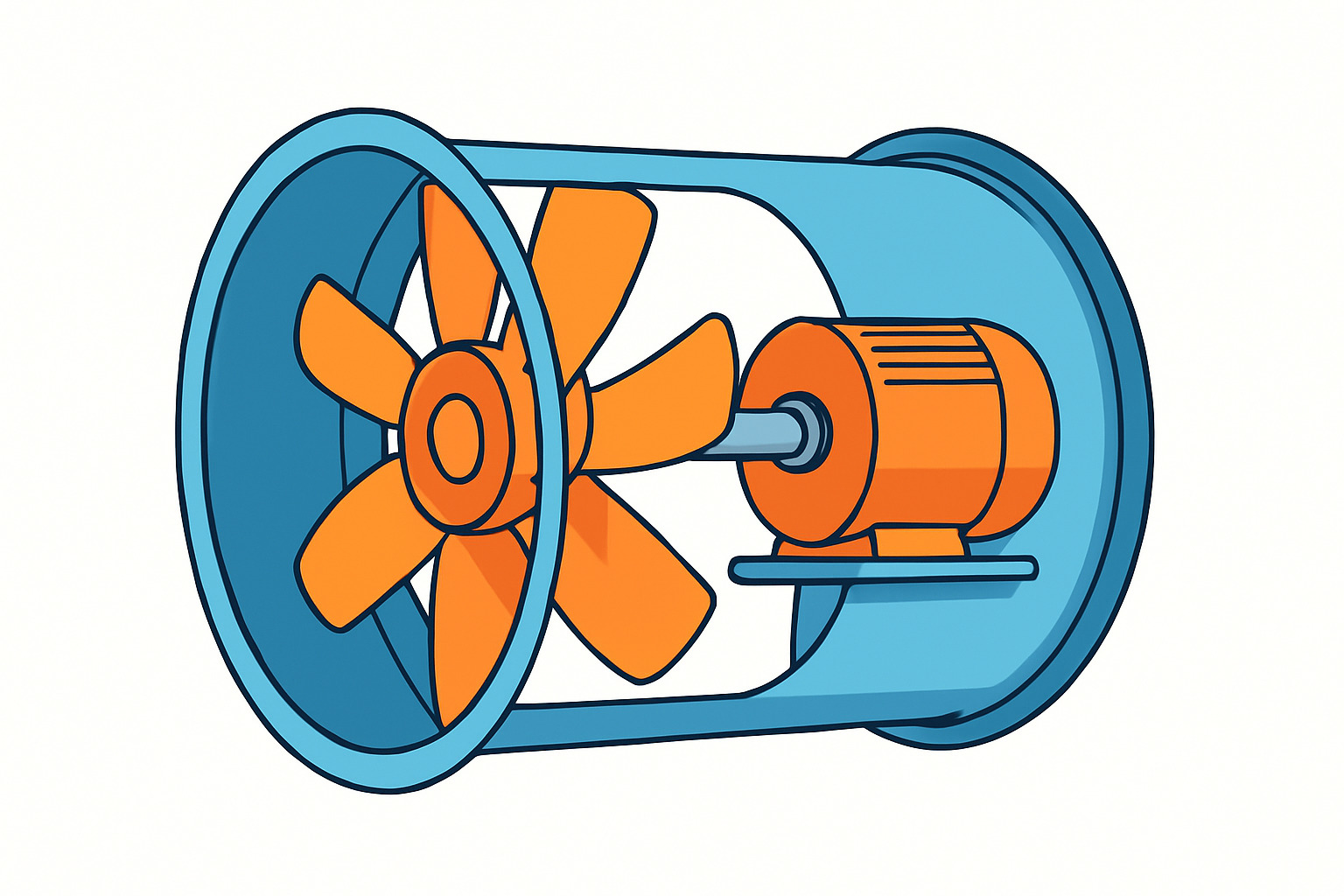
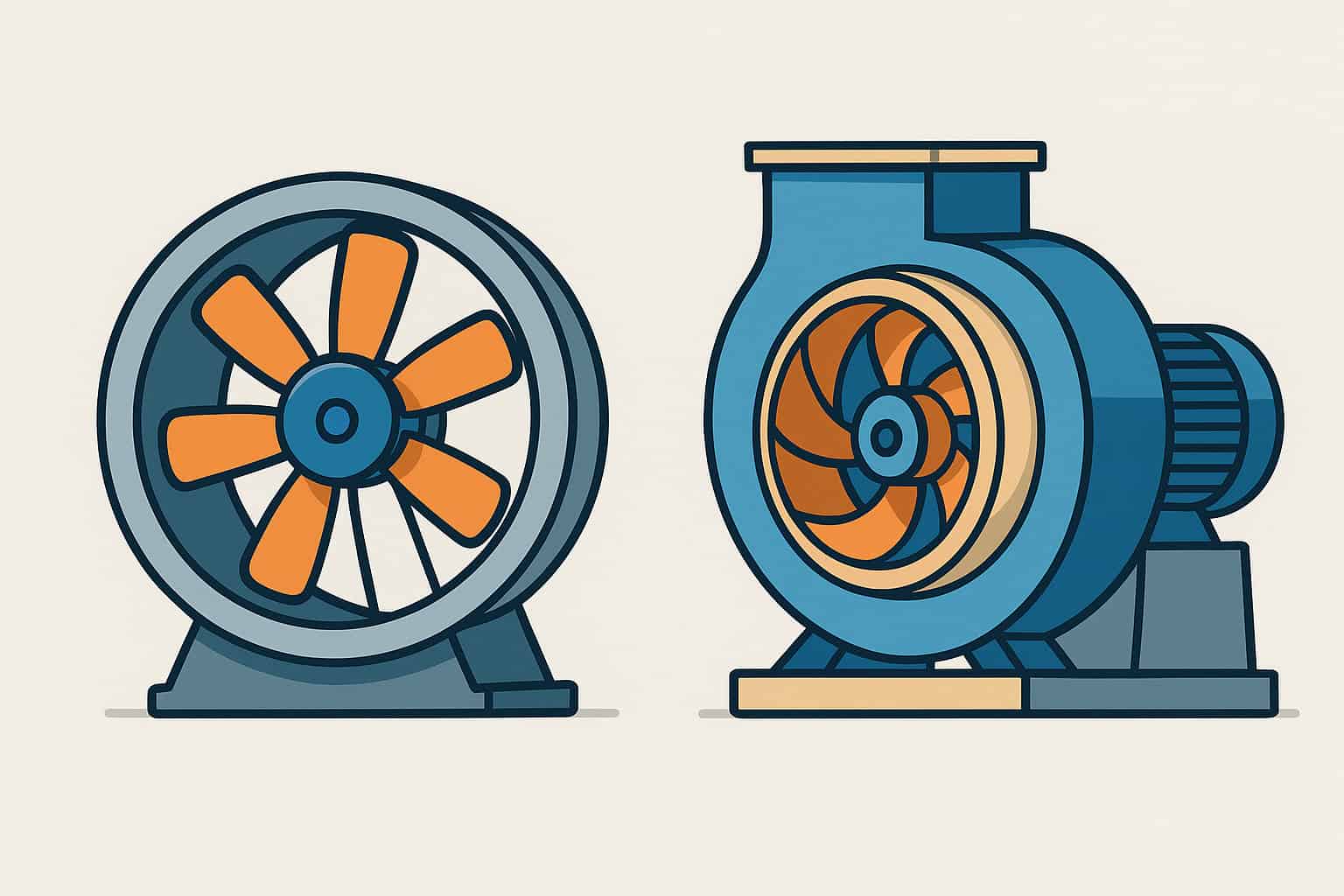
Main fans provide the pressure difference that drives the entire mine airflow. Selection should be based on the required duty point (airflow and static pressure) derived from the mine resistance network. Consider efficiency because main fans often run continuously. Many mines use redundant fan arrangements (duty/standby) to support reliability. Control options such as variable speed drives or adjustable pitch (for axial fans) help match changing resistance as workings expand.
4) Control airflow distribution
Airflow must be directed to the right places. This is done using ventilation control devices such as regulators, stoppings, doors, and seals. Correct control prevents air from bypassing active areas and helps maintain required quantities in each district. Any change to controls should be managed carefully because small resistance changes can shift airflow splits across the network.
5) Provide auxiliary ventilation for headings
Development headings and blind ends require auxiliary fans and ducting. The system must maintain enough airflow at the face despite duct length, bends, and leakage. Forcing systems are commonly used to deliver fresh air to the workplace; exhaust systems can be used when the objective is to capture and remove fumes more directly, provided leakage is controlled.
6) Measure, monitor, and maintain
Ventilation must be verified through measurements of airflow, pressure, and atmospheric quality where relevant. Routine inspections of doors, stoppings, ducting, and fan stations are essential because damage or poor discipline (such as leaving doors open) can reduce airflow to critical areas. Maintenance of fans, motors, bearings, and controls protects uptime and stable performance.
In summary, ventilating a mine means designing a complete system: define airflow needs, build intake/return routes, select main fans to meet the duty point, control airflow distribution, support headings with auxiliary ventilation, and continuously monitor and maintain the network so it remains safe and effective over time.
