

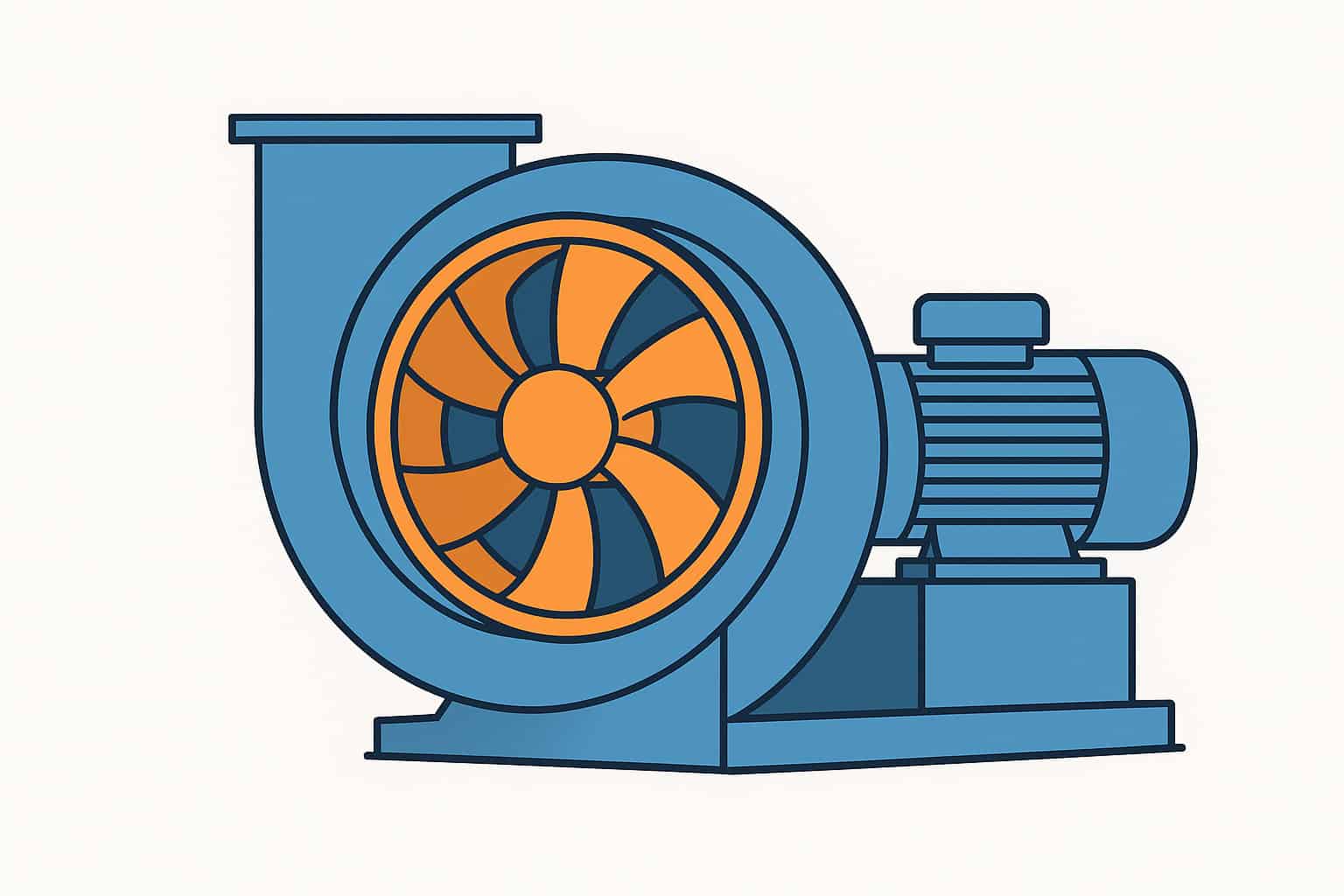
Whether 2000 cfm is a lot depends on how and where the fan is used. For a domestic room or a small workshop, a 2000 cfm fan can feel powerful and provide many air changes per hour. In a large industrial building, tunnel or underground mine, 2000 cfm is quite small and would normally be used only for local ventilation or as one part of a much larger system. The number sounds impressive on its own, but airflow always needs to be evaluated against the volume of the space and the level of contamination or heat that must be controlled.
To put 2000 cfm into context, imagine a small room with a volume of 8000 cubic feet. A 2000 cfm exhaust fan could, in theory, move a volume equal to the room every four minutes. That equates to around 15 air changes per hour, which is high for comfort ventilation and more than sufficient for many light-duty applications. In this setting, 2000 cfm is indeed “a lot” and can quickly clear fumes from occasional welding, light solvent use or localized heat sources, assuming proper air inlets are provided.
In contrast, consider a factory hall, warehouse or mine roadway where the volume is measured in tens or hundreds of thousands of cubic feet. In such large spaces, 2000 cfm makes a relatively small difference to the overall air conditions. It may still be useful as part of a local exhaust system over a specific process, such as a small furnace, mixing tank or loading point, or for spot cooling around a machine. However, it would not be sufficient on its own to provide general ventilation for the whole area.
System resistance also plays a role. A fan rated at 2000 cfm in free air will deliver less airflow when connected to long, narrow or flexible ducts, or when drawing air through filters and hoods. In badly designed systems, pressure losses can be high enough that the effective airflow drops well below the catalogue rating. For this reason, engineers calculate both the required airflow and the expected resistance before deciding whether a 2000 cfm fan is appropriate.
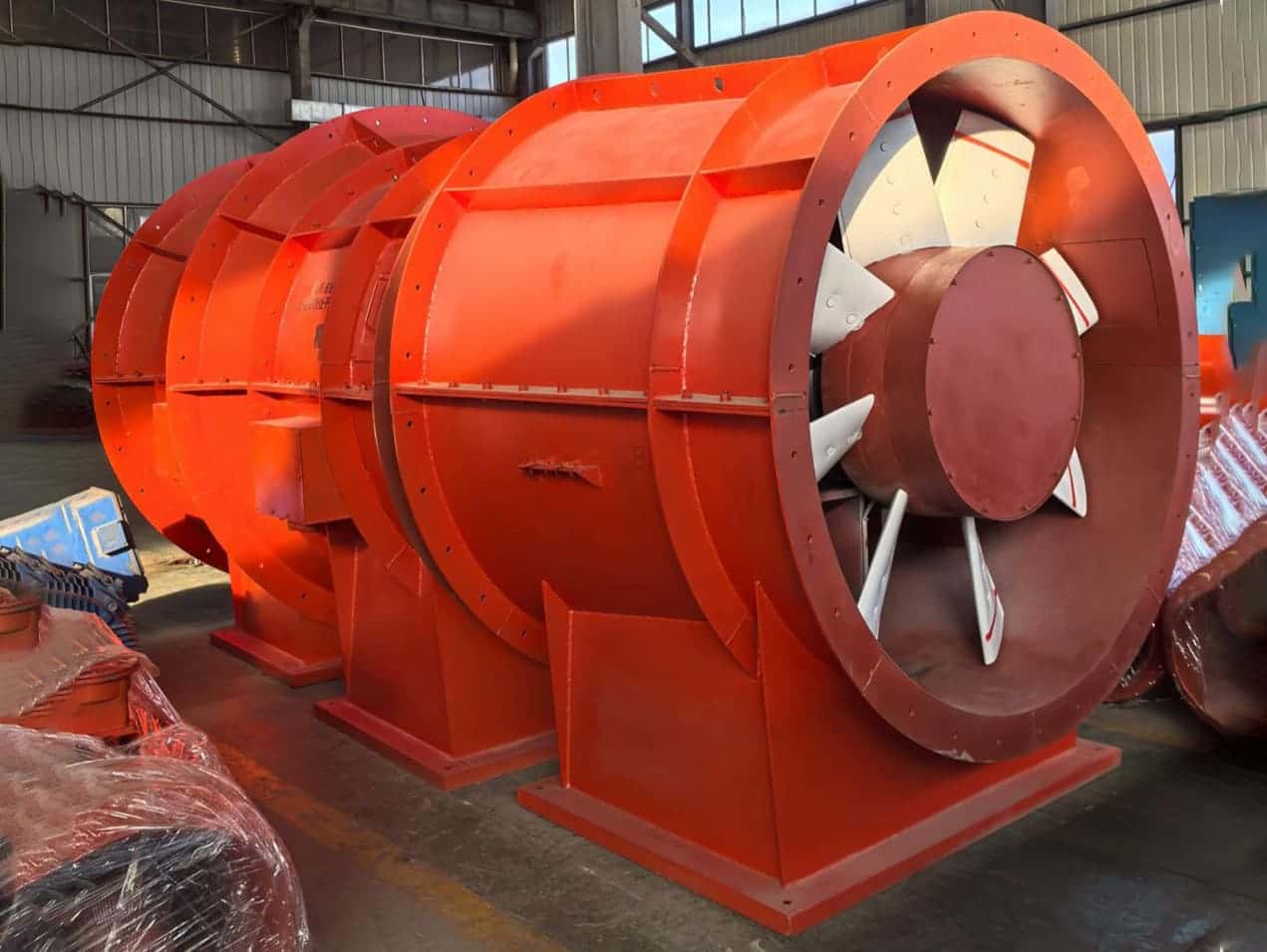
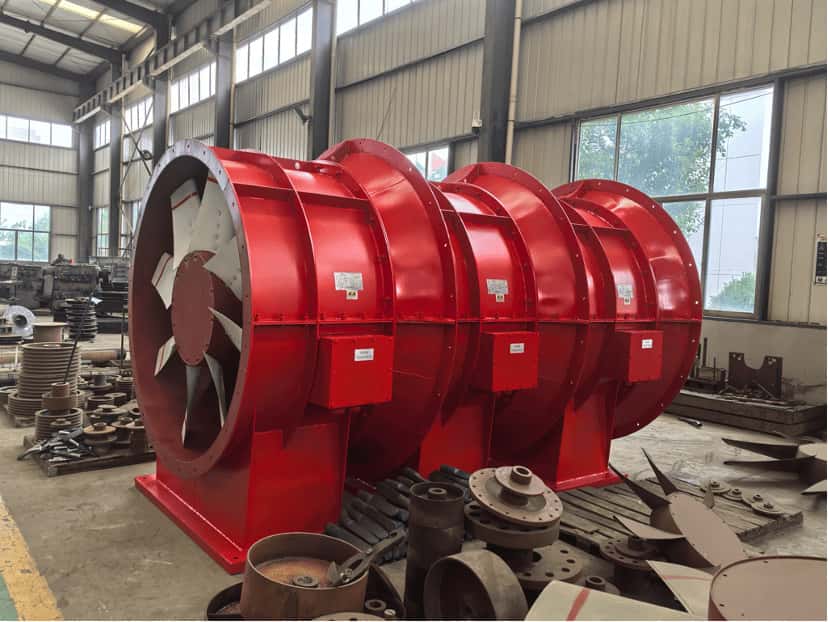
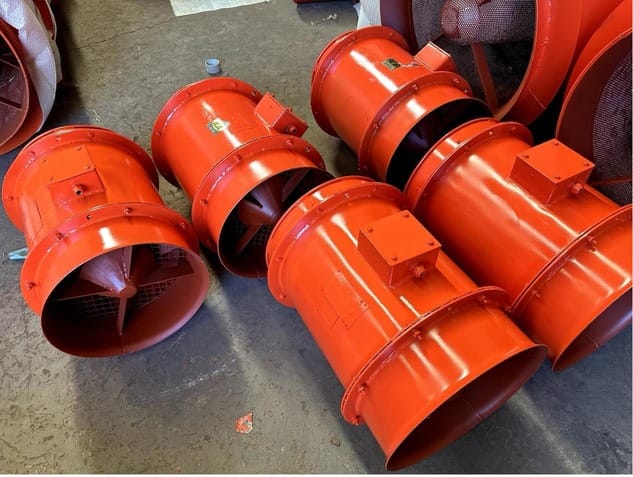
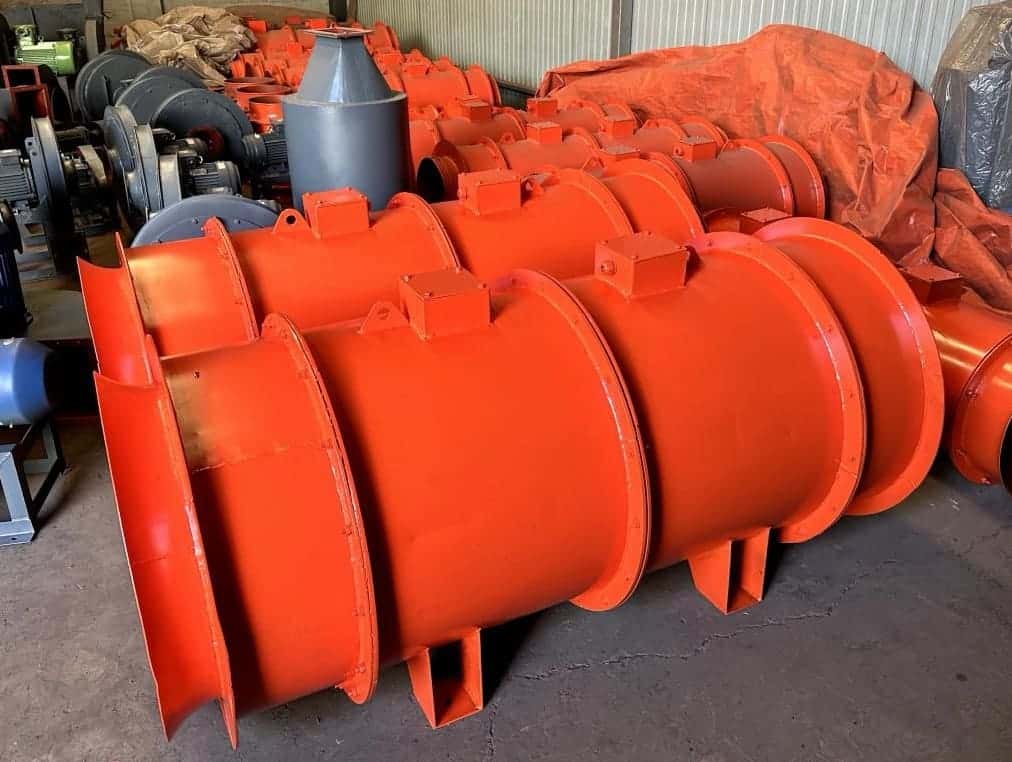
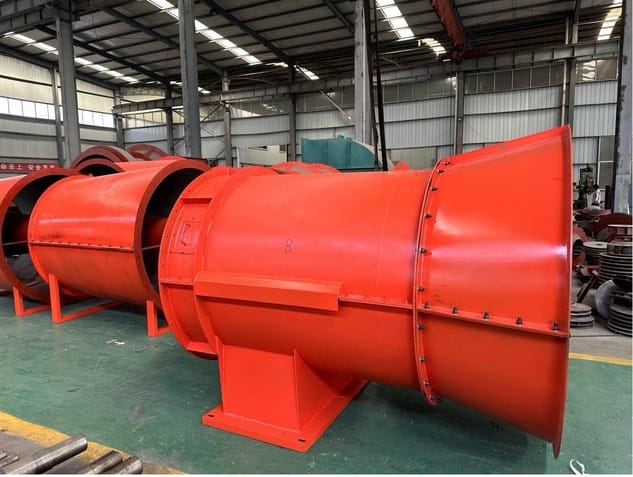
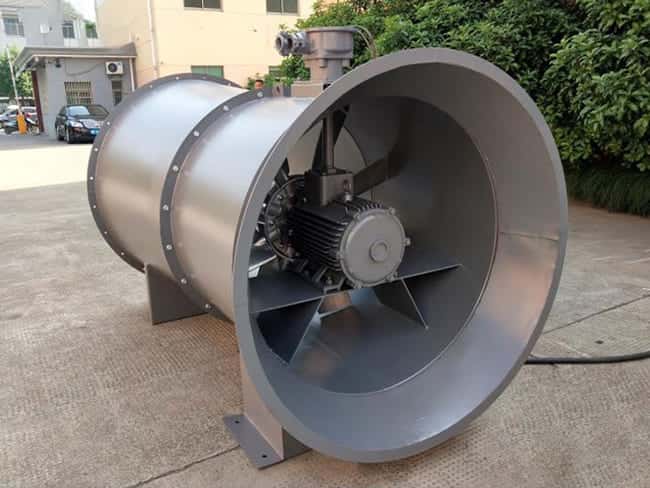
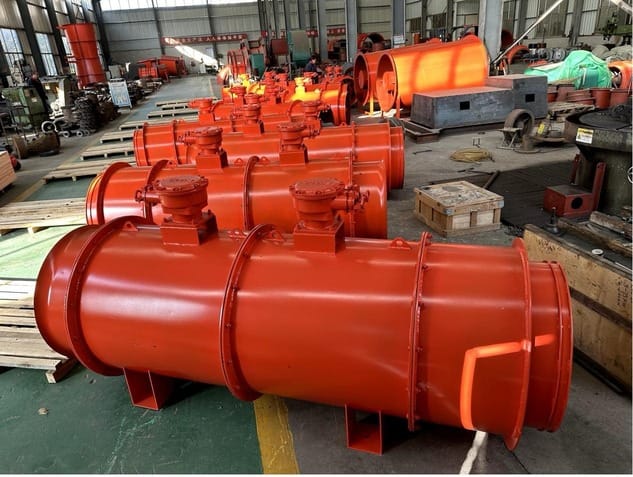
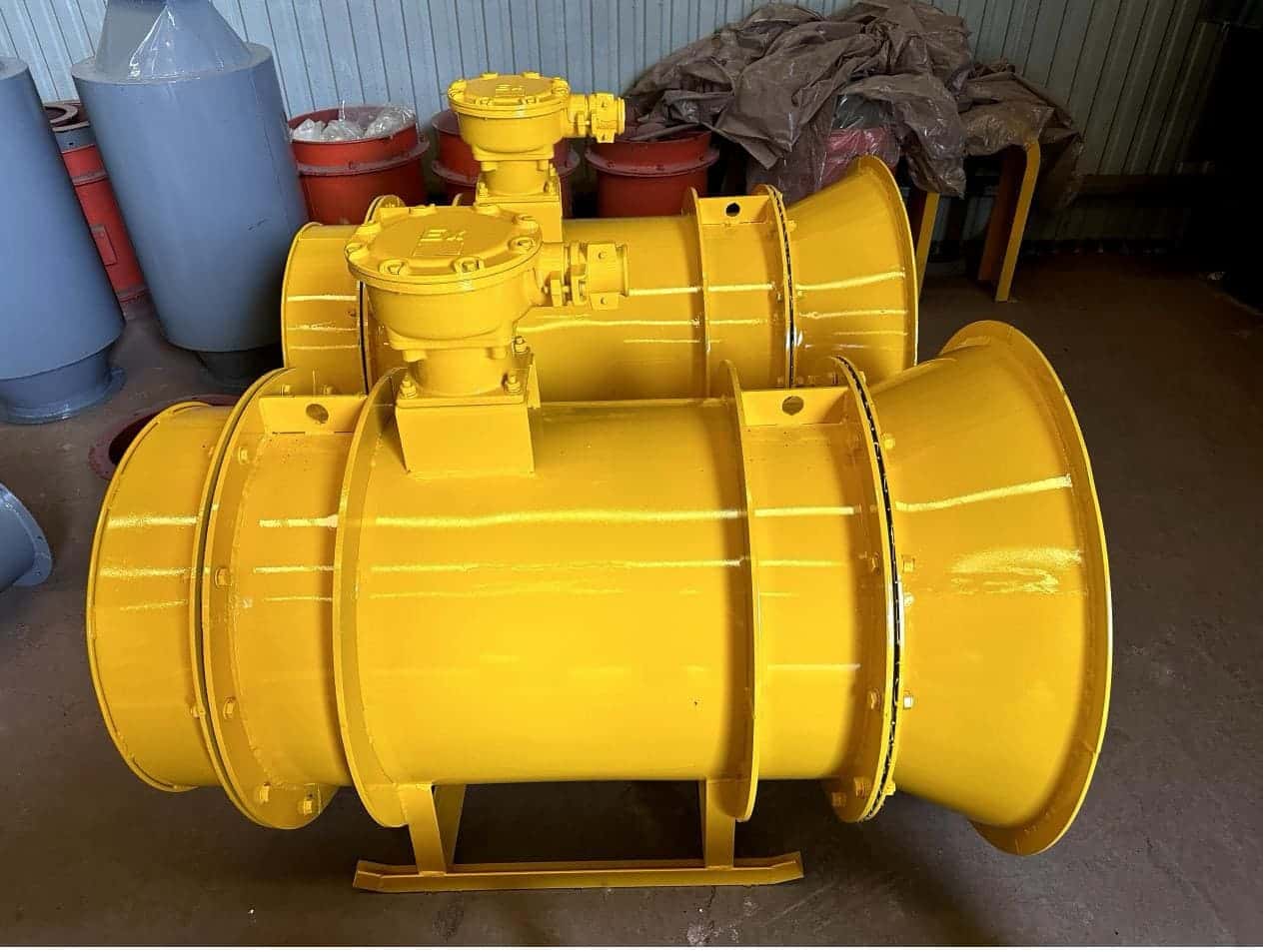
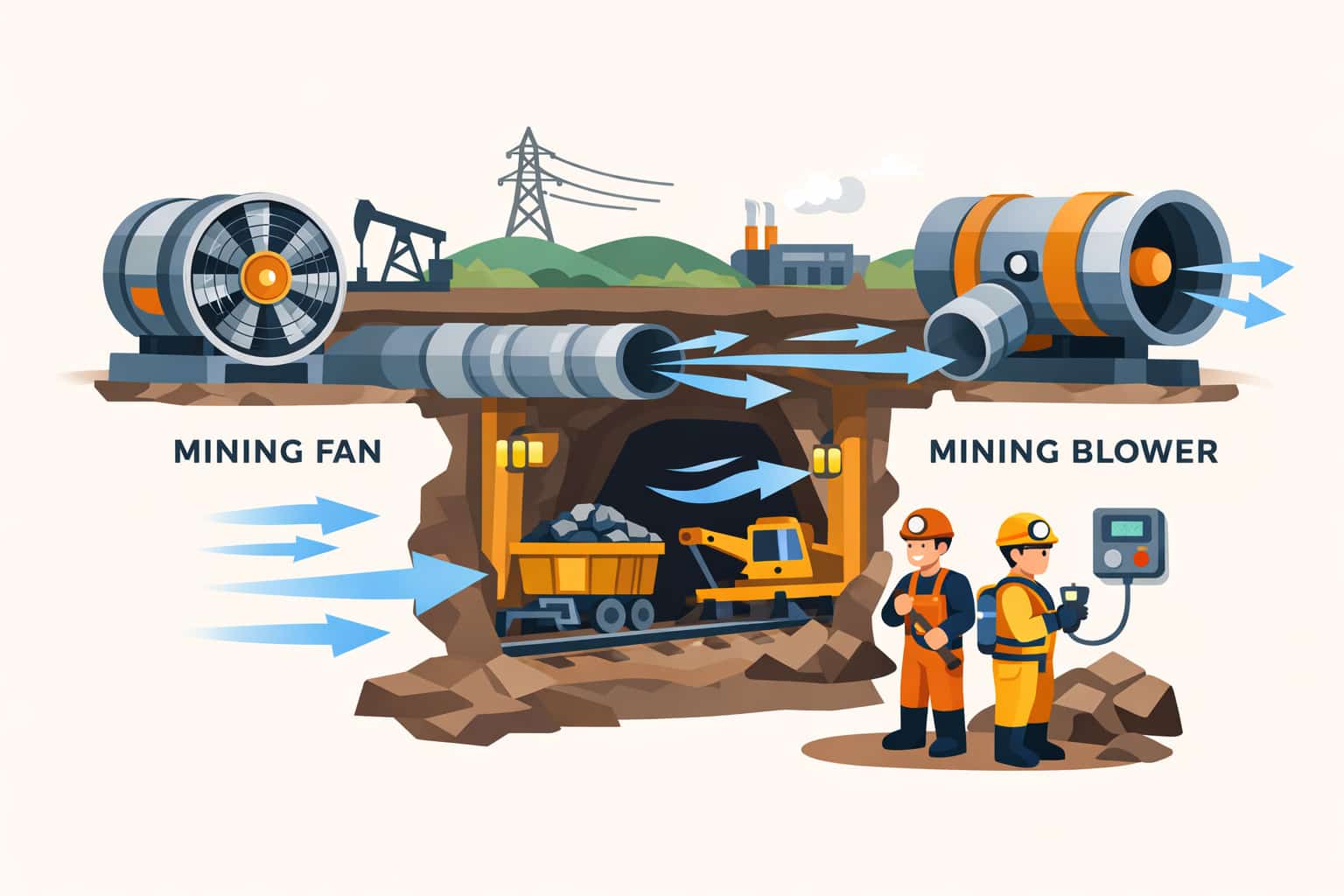
In mining and heavy industrial ventilation, 2000 cfm is normally considered a low airflow. Main fans and large auxiliary fans work at much higher capacities, while 2000 cfm may be used for small local extractions or as a temporary fan for short headings and confined spaces. Regulatory requirements for air quantity per working face or per diesel unit often mean that much higher flows are needed for permanent installations.
In summary, 2000 cfm can be a strong airflow for small rooms, booths and enclosures, but it is relatively modest for large industrial spaces and mines. Its suitability depends on the size of the space, the level of contamination and heat and the resistance of the ventilation system in which it operates.
