
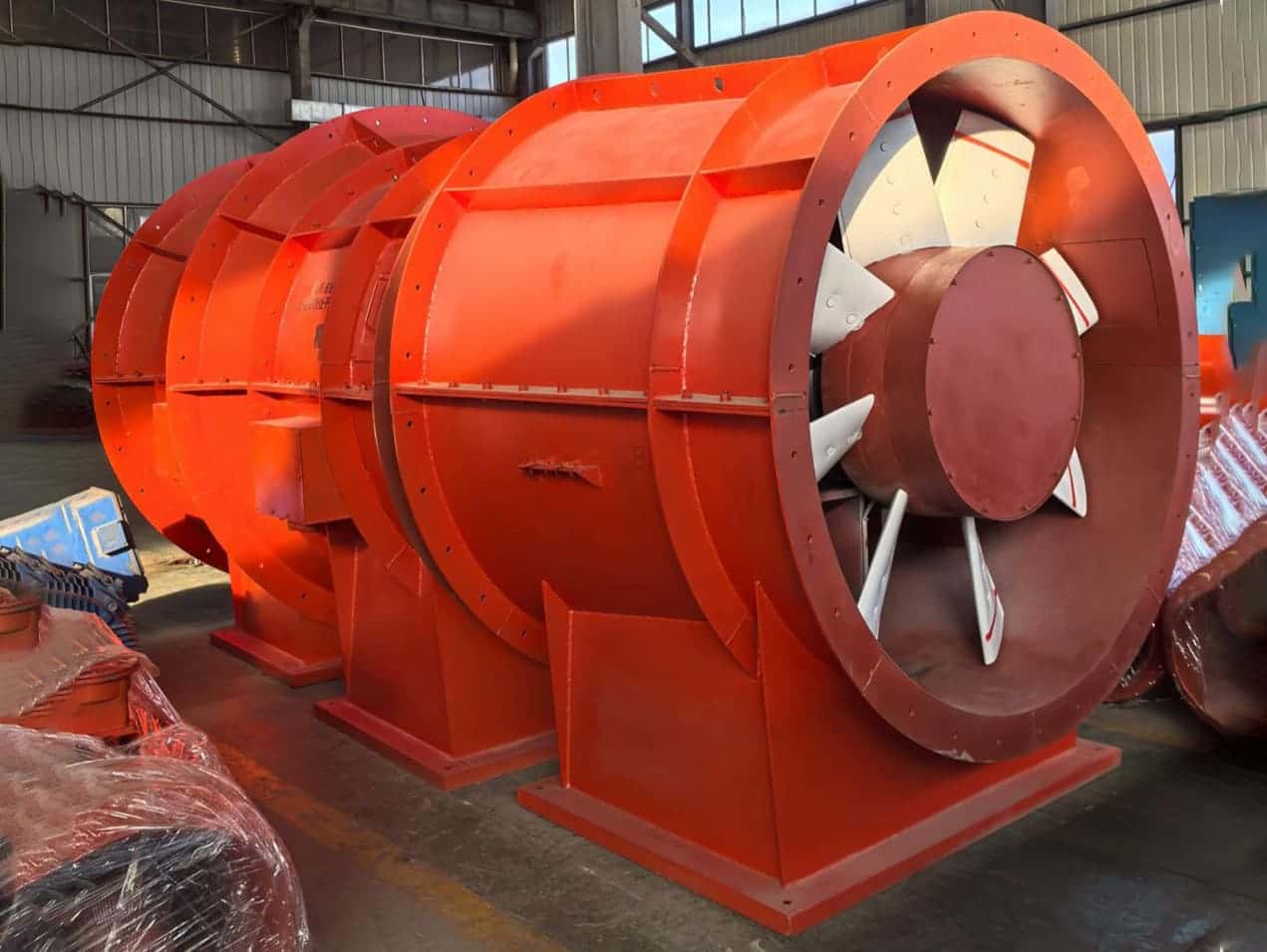
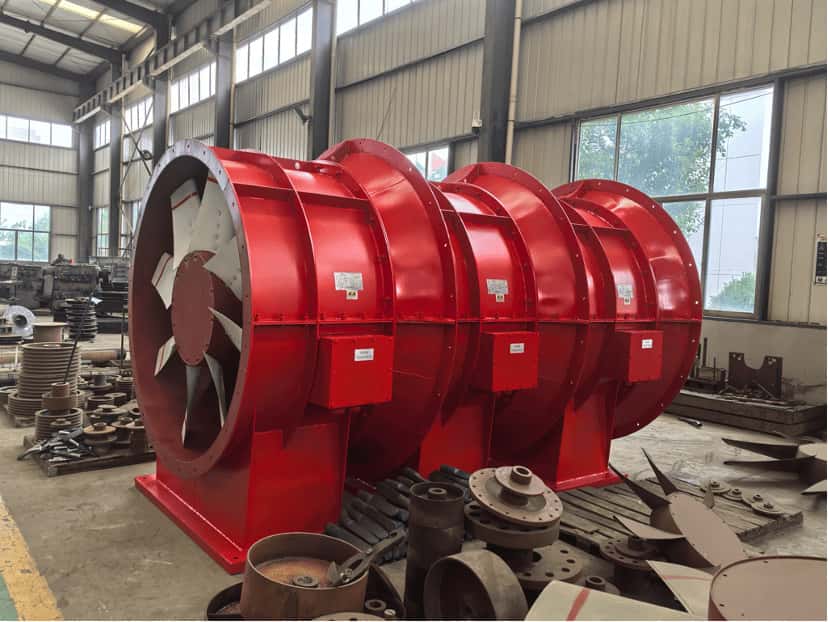
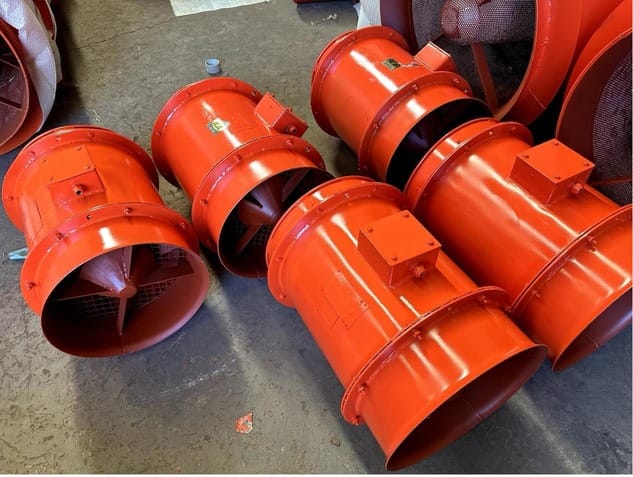
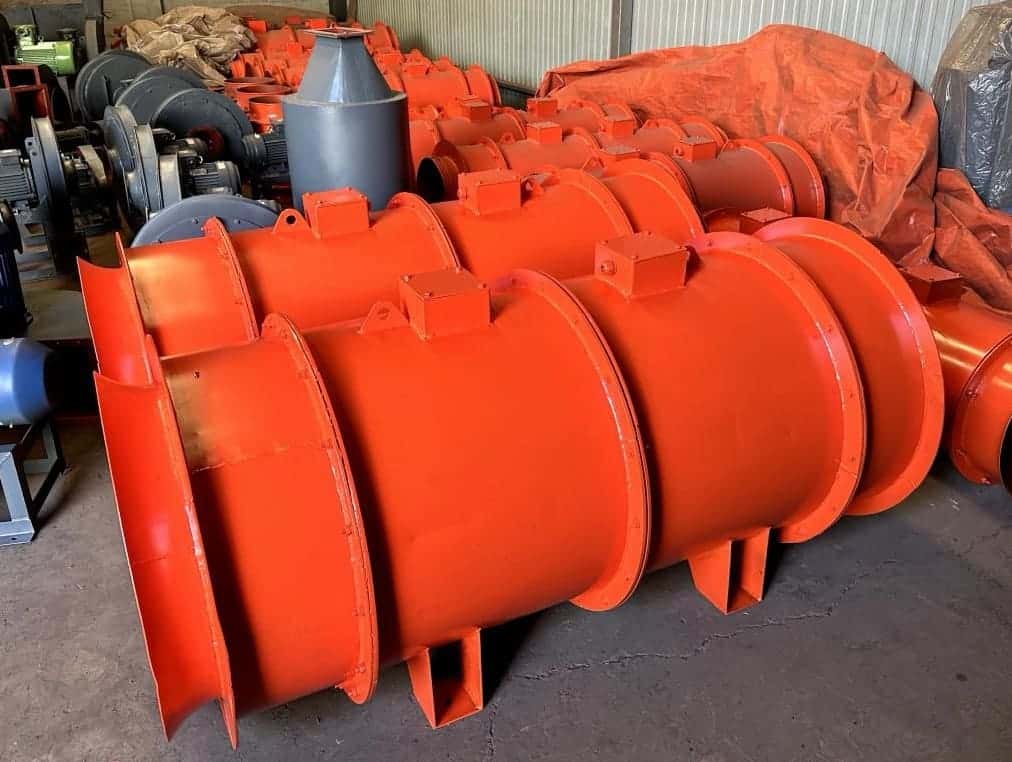
6000 CFM can be very good for a fan, but the real question is whether 6000 cubic feet per minute is the right airflow for your specific ventilation application. In industrial plants and mines, fans are not judged as good or bad by CFM alone. Instead, engineers compare the fan’s airflow and pressure capability with calculated requirements for air changes, heat removal and contaminant control.
In a small to medium industrial room, 6000 CFM can provide substantial ventilation. For example, in a space of 30,000 cubic feet, 6000 CFM corresponds to 12 air changes per hour (6000 × 60 / 30,000). Depending on the heat load, process emissions and occupancy, this could be adequate or even generous. However, in a much larger warehouse, the same 6000 CFM might only produce a few air changes per hour, which may be insufficient for comfort or fume control.
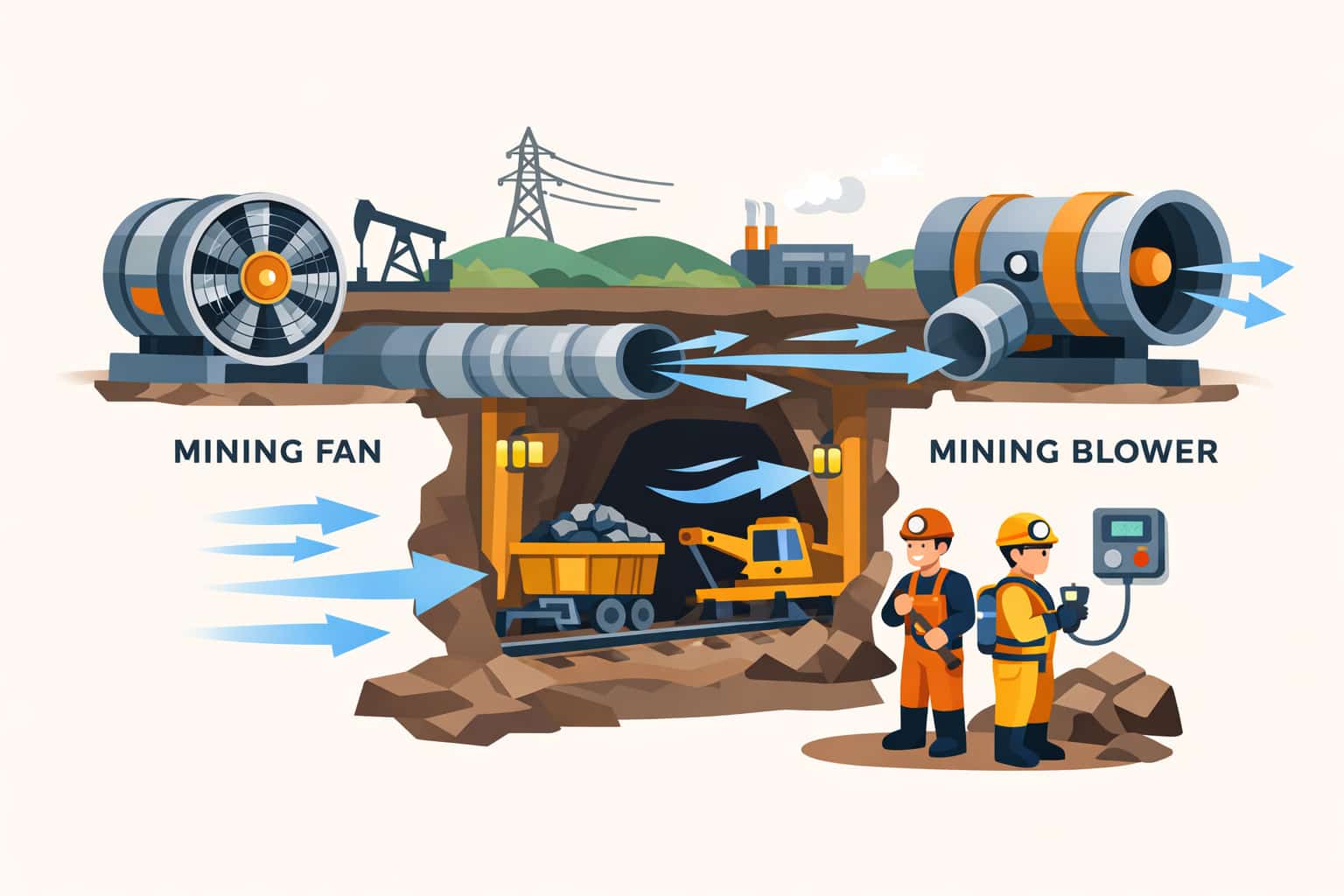
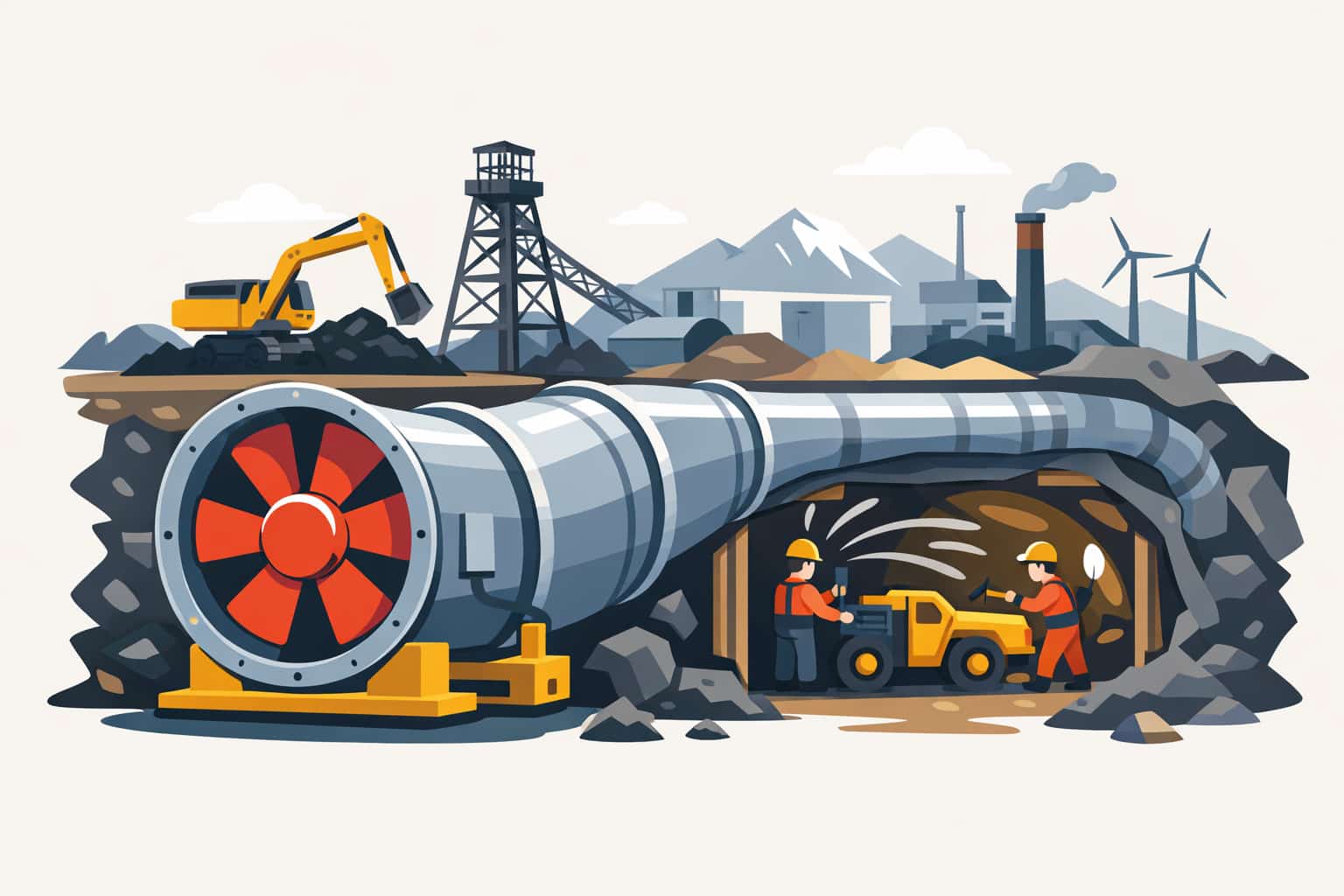
In underground mining, 6000 CFM may be appropriate for certain auxiliary ventilation tasks, such as ventilating smaller headings, pump rooms or cross-cuts, especially where diesel equipment is limited or absent. But for main access drives and production headings with heavy diesel equipment, regulations and good practice often require much higher air quantities. Airflow requirements are commonly based on rules such as minimum CFM per kilowatt or horsepower of diesel power, or minimum velocities in roadways. In those contexts, 6000 CFM might be only a fraction of what is needed.
Another important point is that 6000 CFM must be available at the required static pressure. A fan may be rated for 6000 CFM in free delivery (with no connected ductwork), but in a real system with ducts, filters, bends and other losses, the delivered airflow will be lower unless the fan can develop enough pressure. When assessing whether 6000 CFM is good, you should always look at the performance curve: what airflow does the fan provide at the system’s operating pressure?
From an energy and cost perspective, more airflow than necessary can be wasteful. Oversizing a fan to deliver 6000 CFM when only 3000 CFM is required means higher power consumption, more noise and potentially more complex ductwork. At the same time, undersized fans that cannot reach 6000 CFM when needed may lead to poor air quality, overheating and non-compliance with regulations.
In summary, a fan capable of delivering 6000 CFM is a useful and often strong unit for many industrial and mining ventilation duties. However, whether 6000 CFM is “good” depends on calculated ventilation requirements, system resistance, and regulatory limits. The right approach is to start from those requirements and then choose a fan whose CFM and pressure performance match them, rather than judging by CFM alone.