
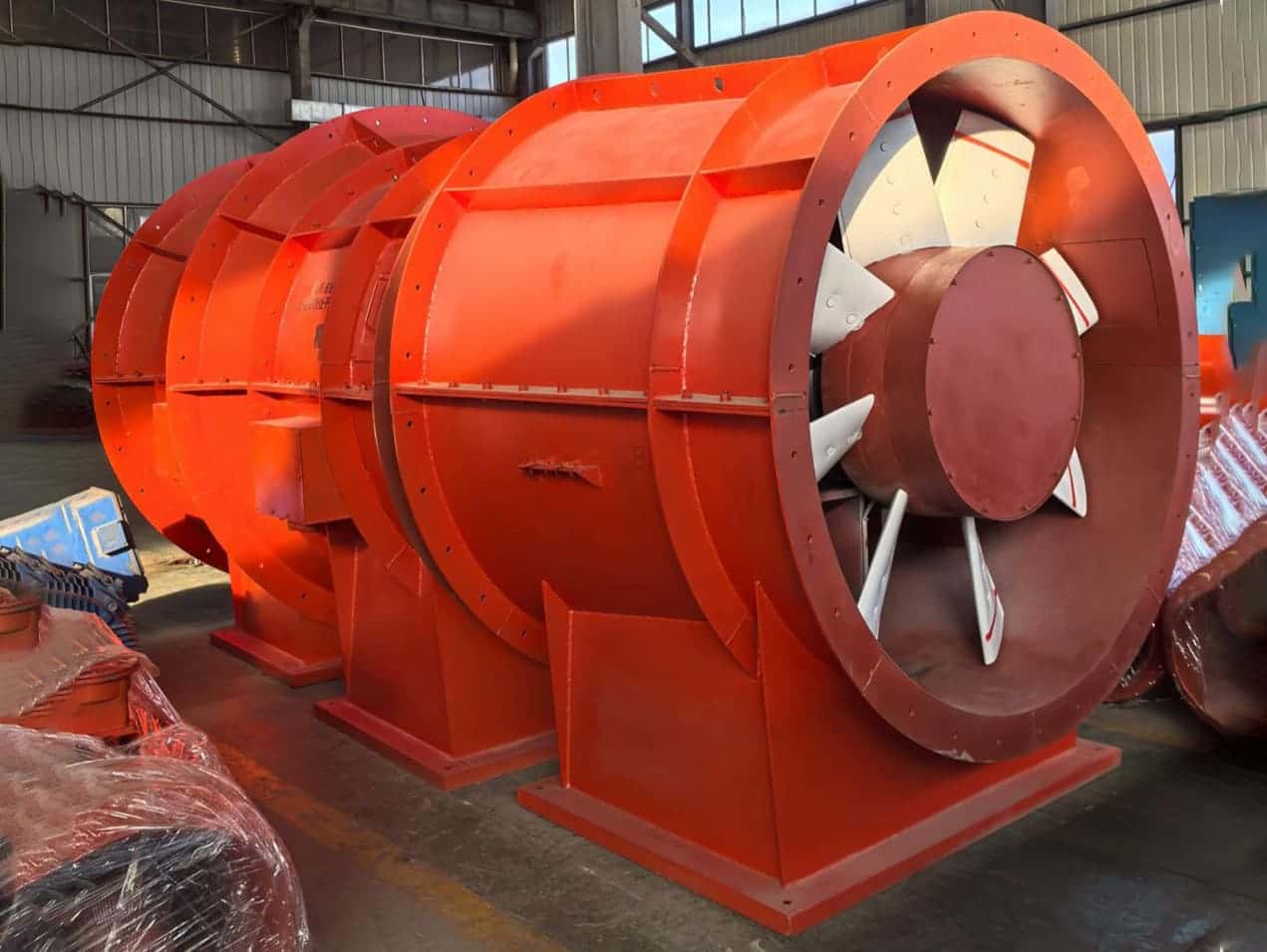
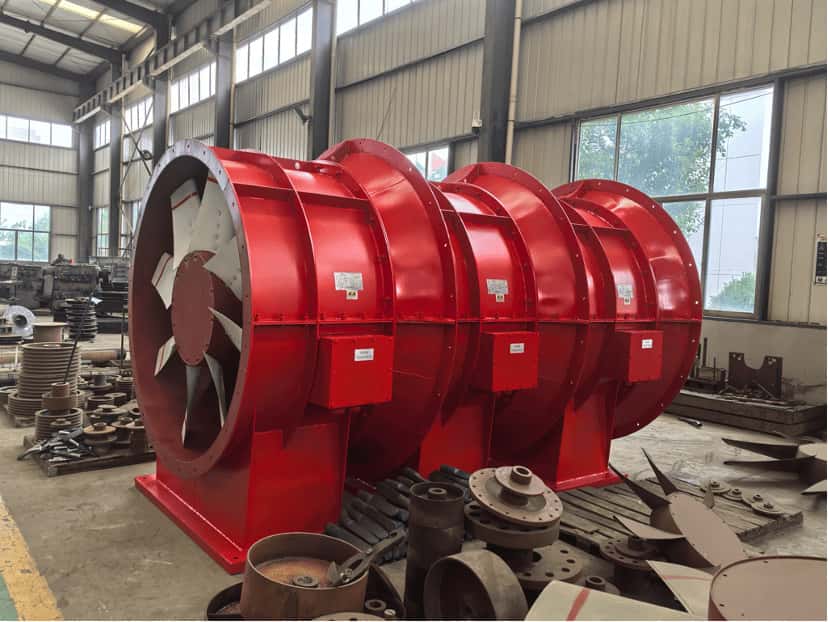
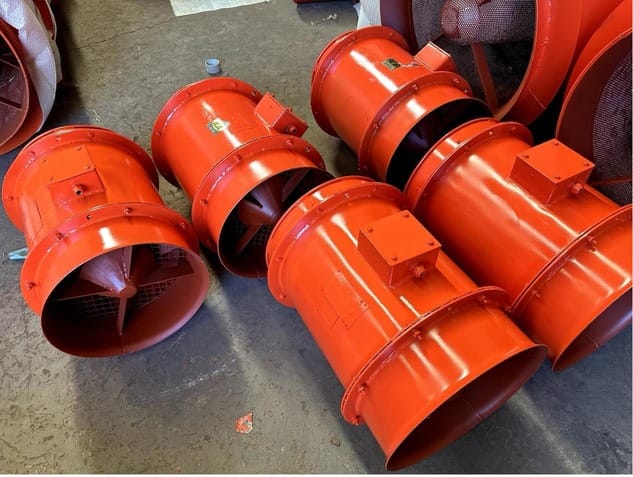
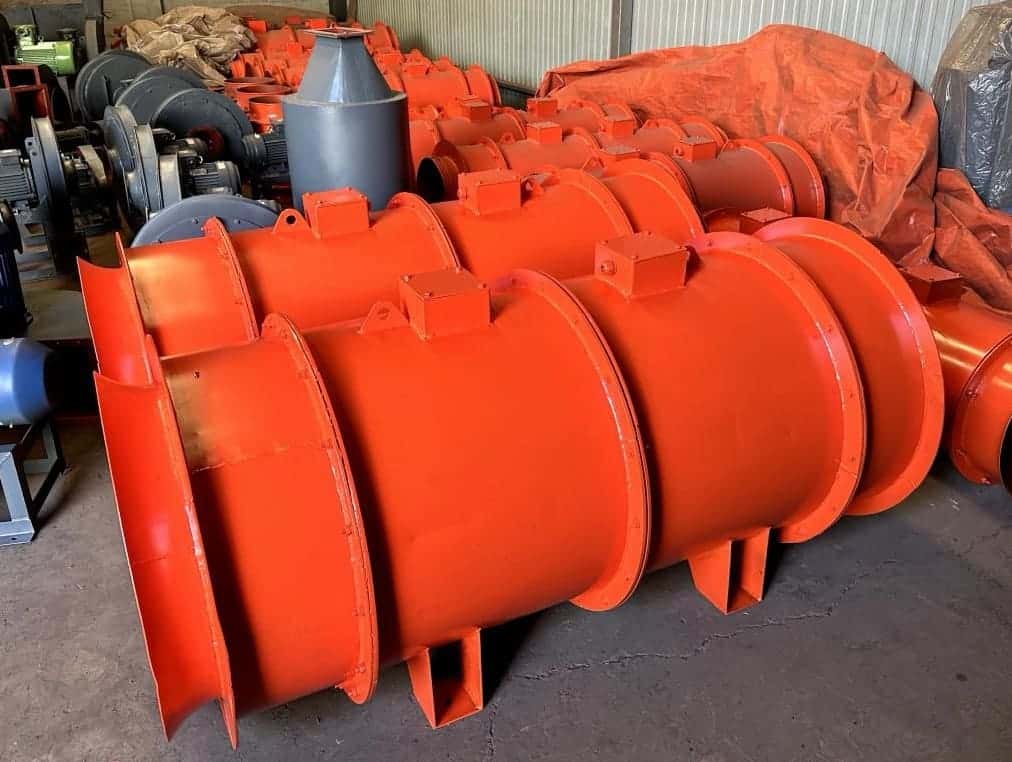
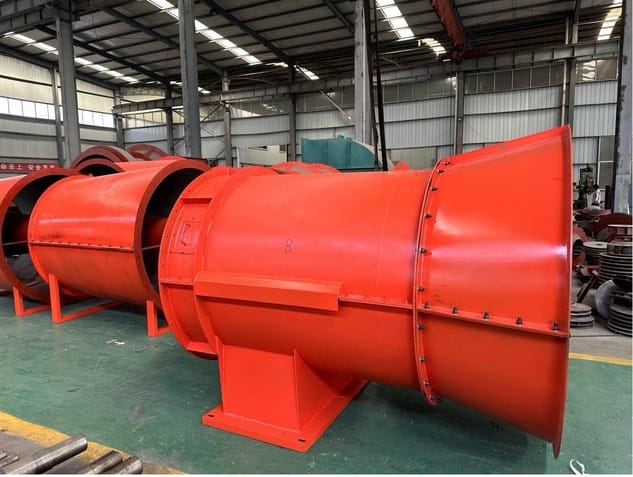
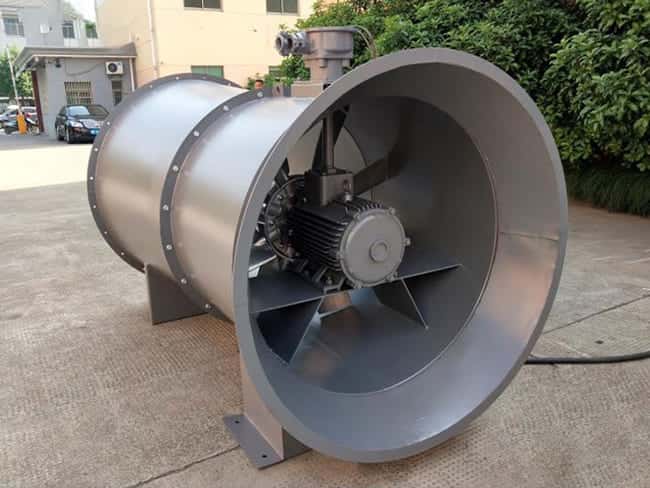
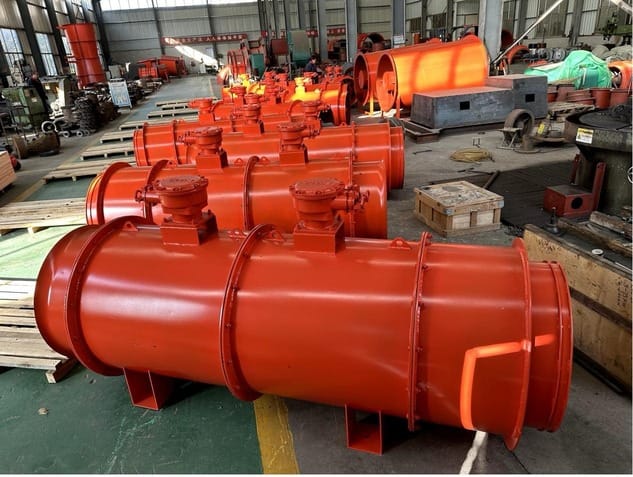
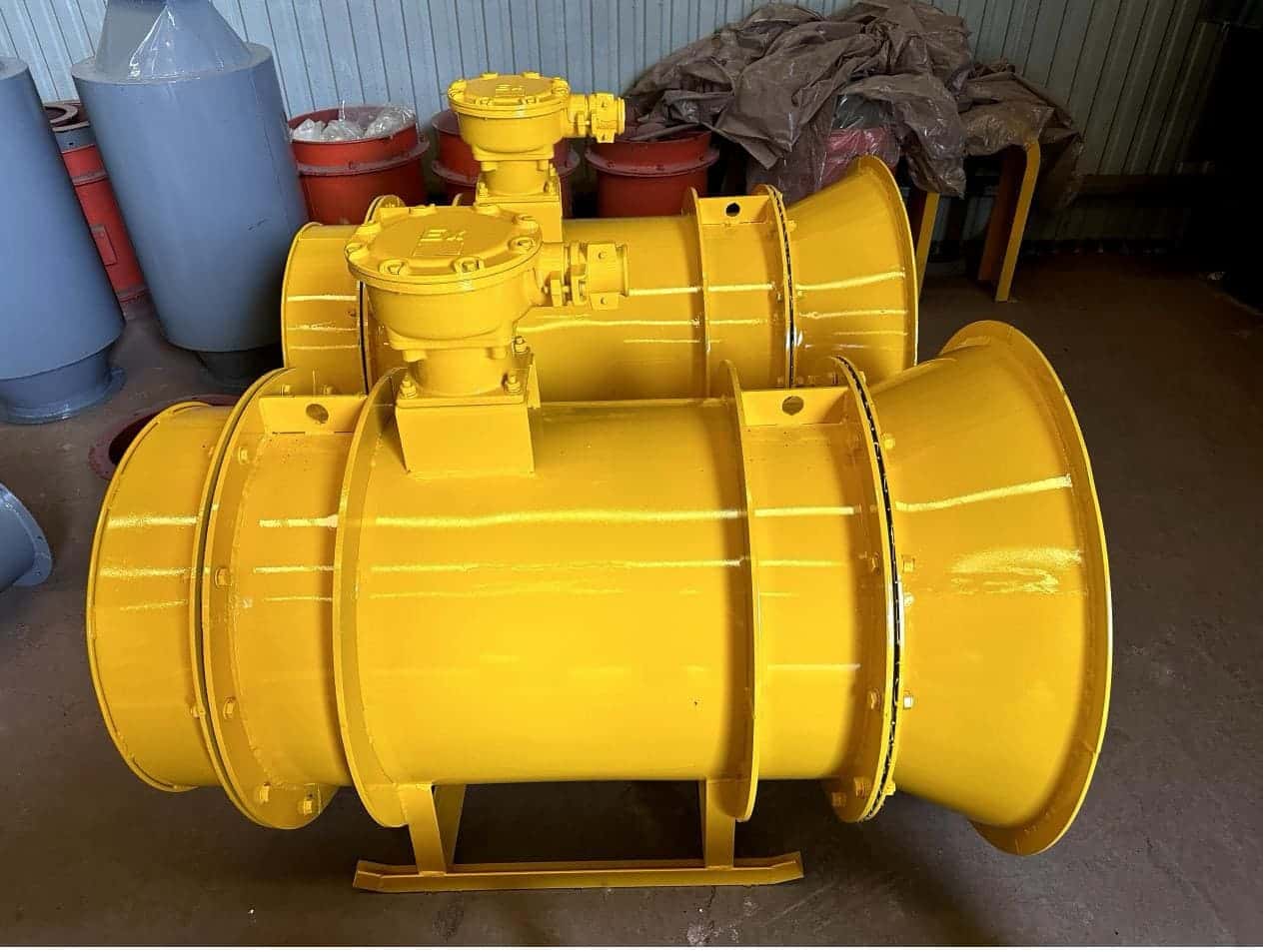

When someone asks whether 8000 cfm is a lot, they are trying to understand how powerful a ventilation fan really is. CFM, or cubic feet per minute, measures airflow volume. An 8000 cfm fan can move a significant amount of air, especially in small and medium spaces, but whether that is “a lot” depends entirely on the size of the area, the heat and contaminant loads and the pressure of the duct system it is connected to.
In a relatively small workshop, equipment room or service bay, 8000 cfm represents a strong level of ventilation. For example, if a room has a volume of 24,000 cubic feet, an 8000 cfm exhaust fan could theoretically give about 20 air changes per hour, which is high for general comfort ventilation. This level of airflow can effectively remove heat, fumes and odours if the air has a clear path to enter and exit the space.
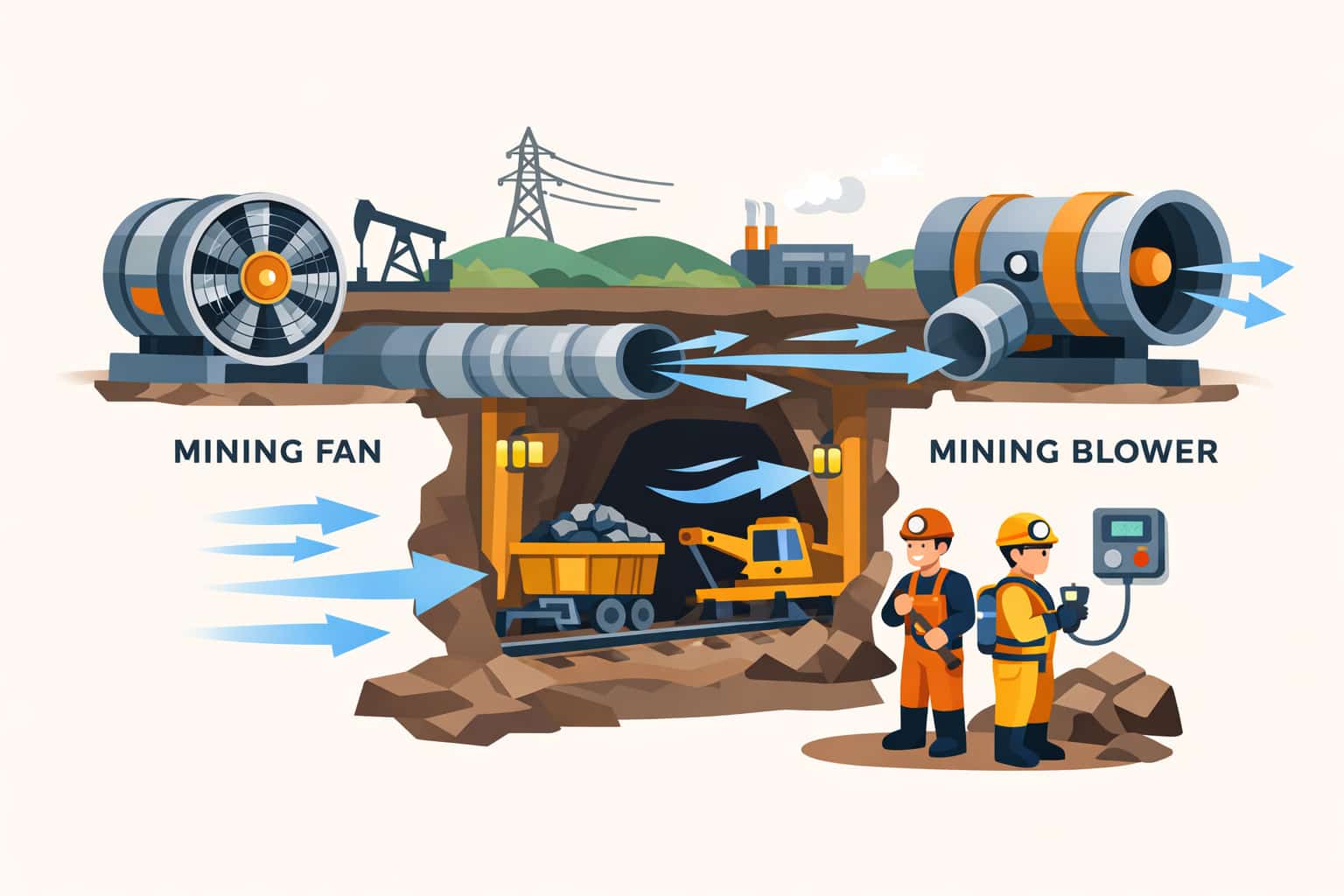
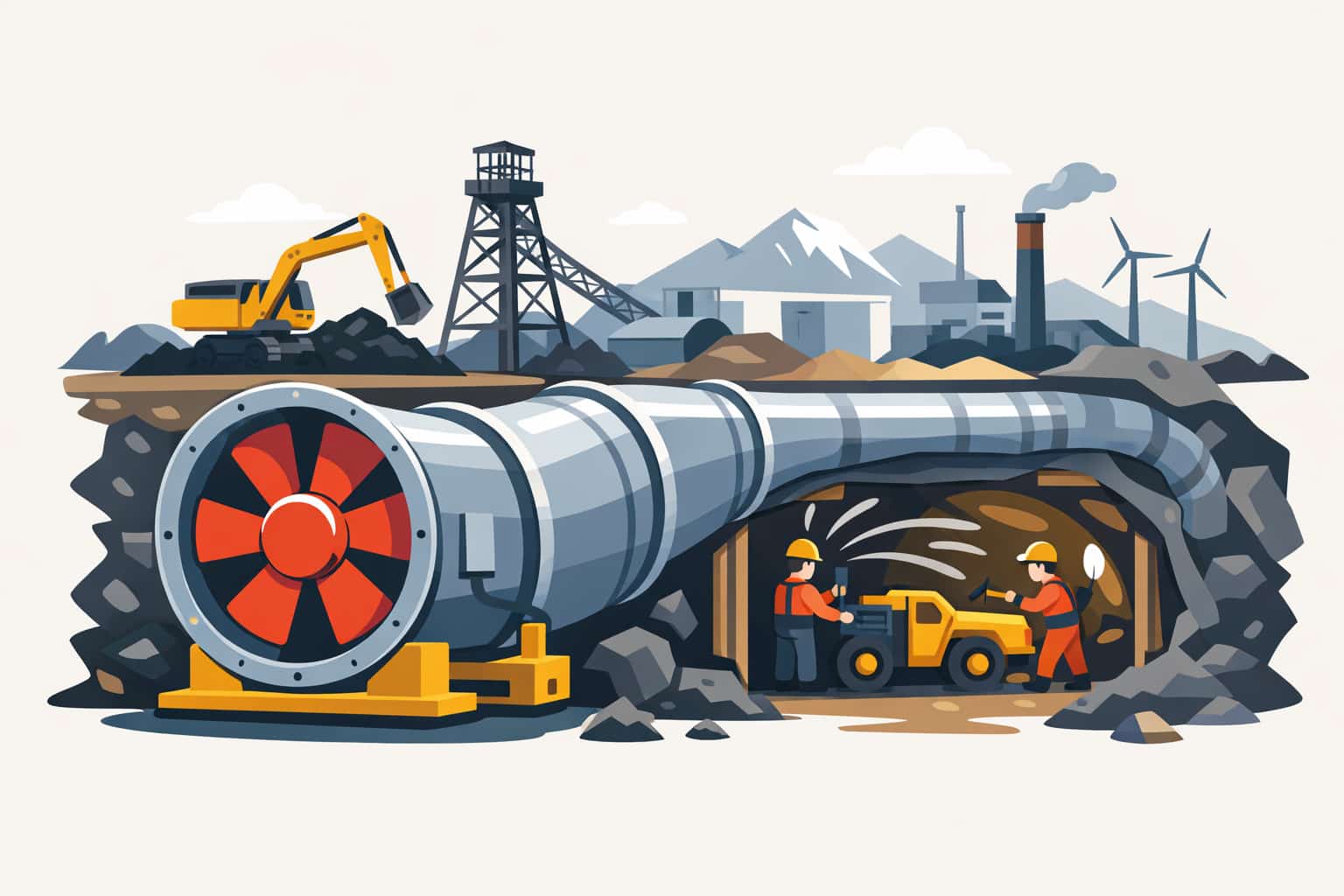
In larger industrial halls, tunnels or underground workings, 8000 cfm is more modest. A single mine development heading with heavy diesel equipment can require several thousand cfm on its own, and entire mine districts can need hundreds of thousands of cfm to meet regulations and control heat. In that context, an 8000 cfm auxiliary fan may ventilate one heading or one duct line, while main fans handle the much larger total airflow for the mine.
Another important factor is static pressure. Fan catalogue ratings for 8000 cfm are often given at specific pressures. If the fan is connected to a low resistance system with short, straight ducting, it may actually deliver close to its rated 8000 cfm. If the fan has to overcome high resistance from long ducts, flexible hose, filters, bends and dampers, the actual airflow at the operating point will be lower. In those cases, the fan is working hard, and 8000 cfm on the nameplate may no longer represent the real flow in the system.
From a design perspective, it is more useful to ask whether 8000 cfm is enough for the calculated requirement than whether it sounds like a big number. Ventilation engineers determine the air quantity needed to dilute dust, gases and heat and then select a fan that delivers that quantity at the system pressure. Sometimes 8000 cfm is more than adequate; in other installations, it is only a starting point, and larger or multiple fans are necessary.
In summary, 8000 cfm is a relatively high airflow for a small or medium room, but it is only moderate when compared with the needs of large industrial facilities, tunnels and underground mines. Its effectiveness depends on the volume ventilated, the system resistance and how well the fan is integrated into the overall ventilation design.
