
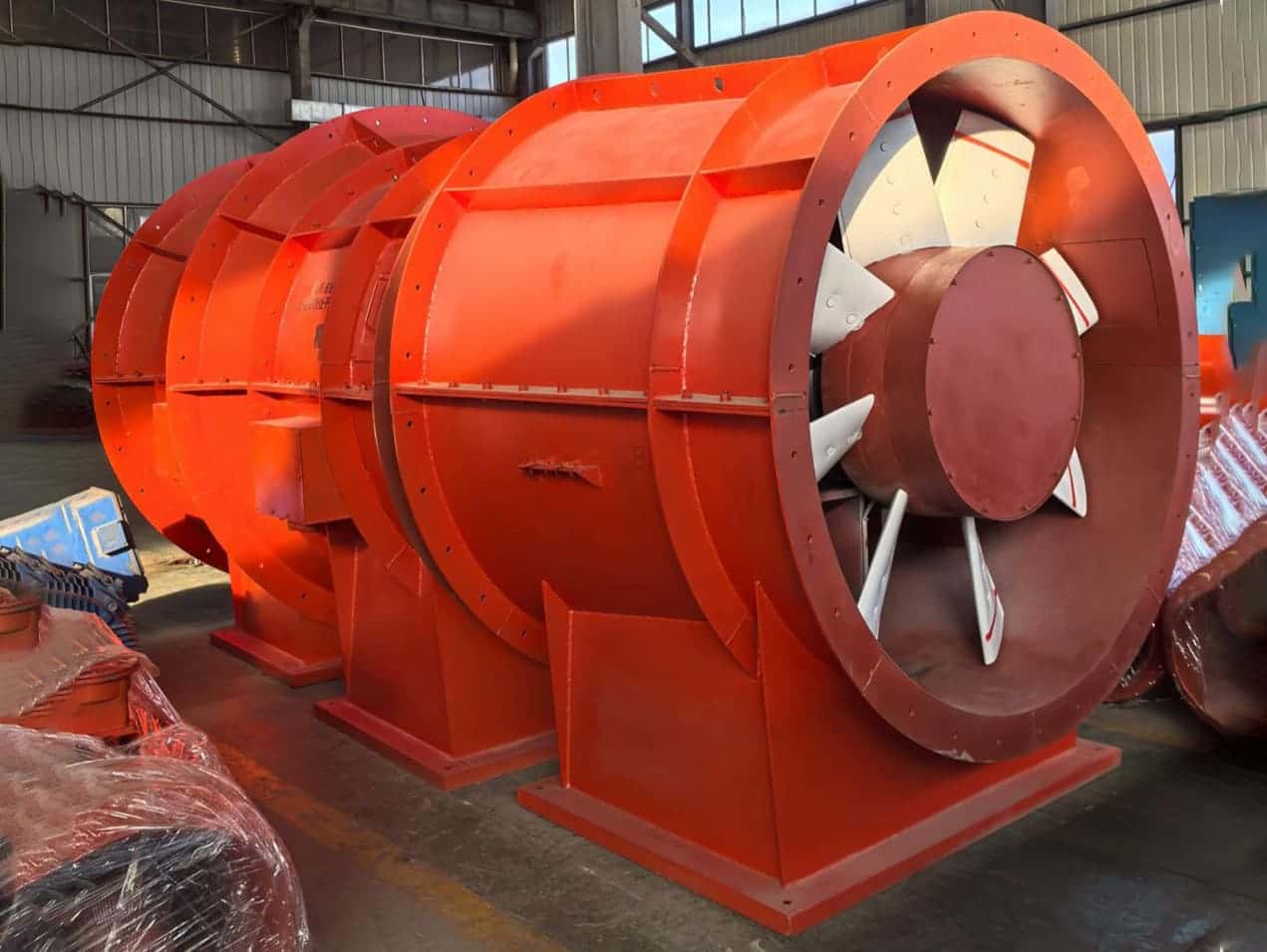
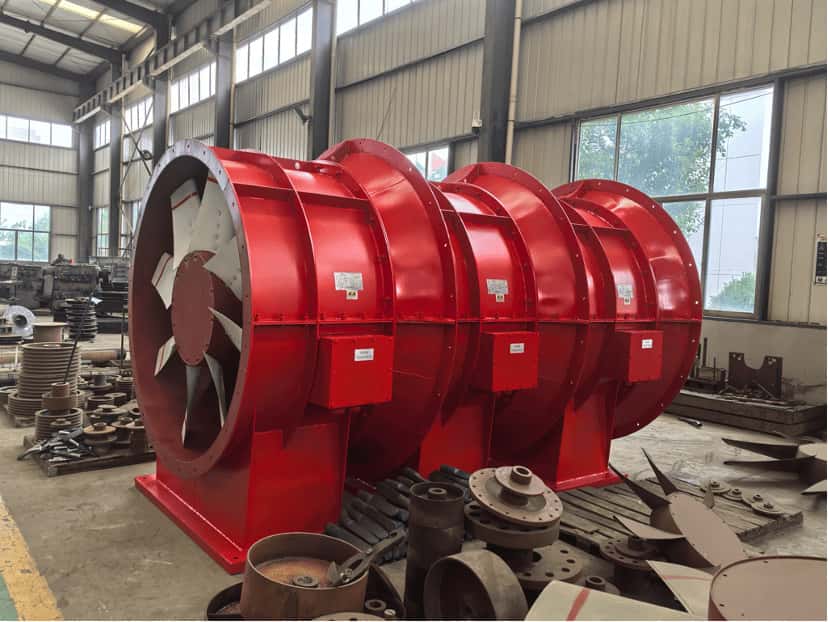
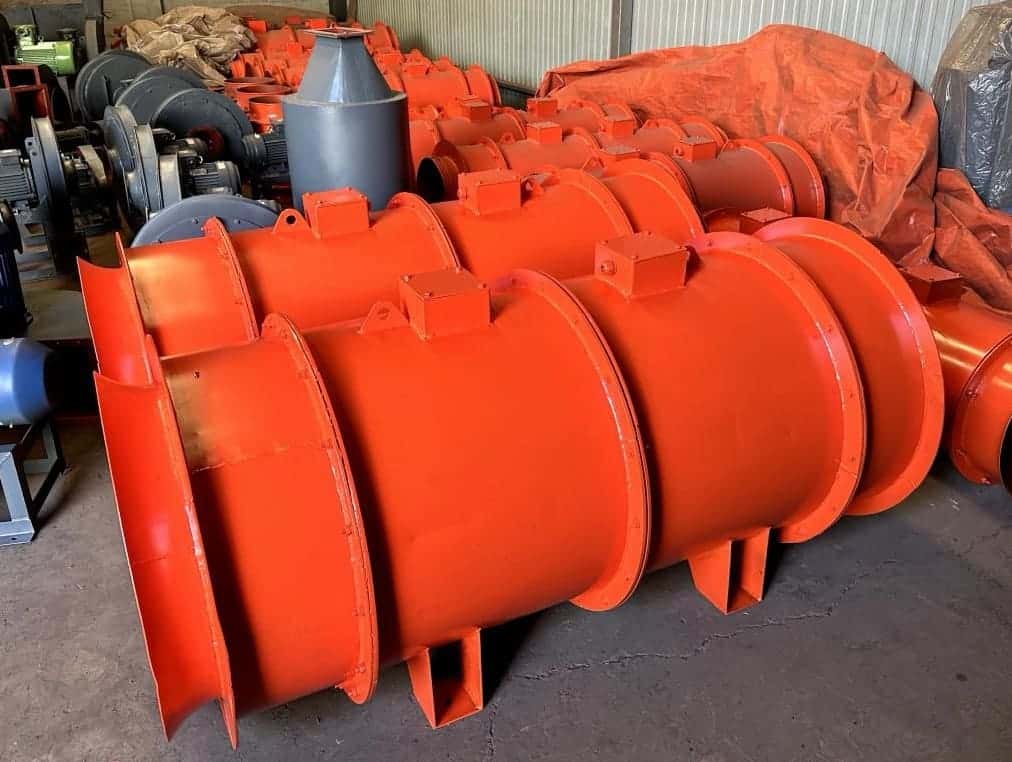
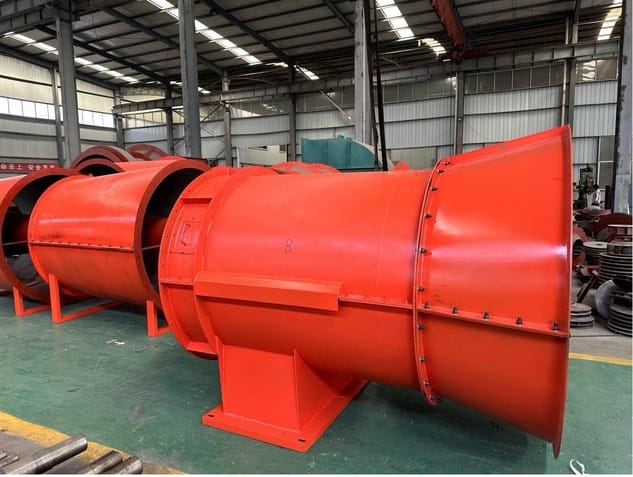
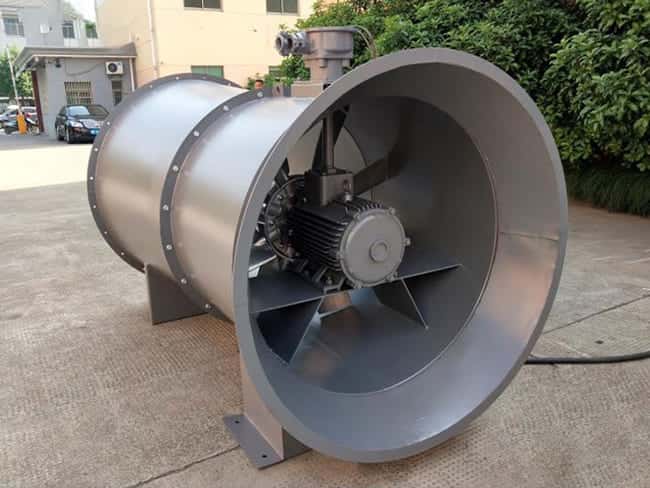
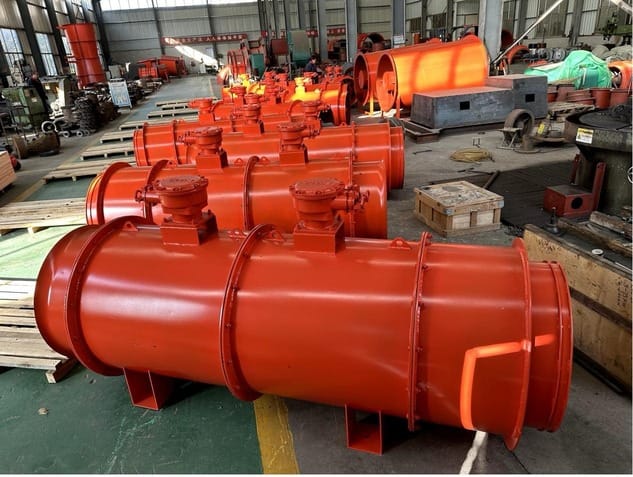
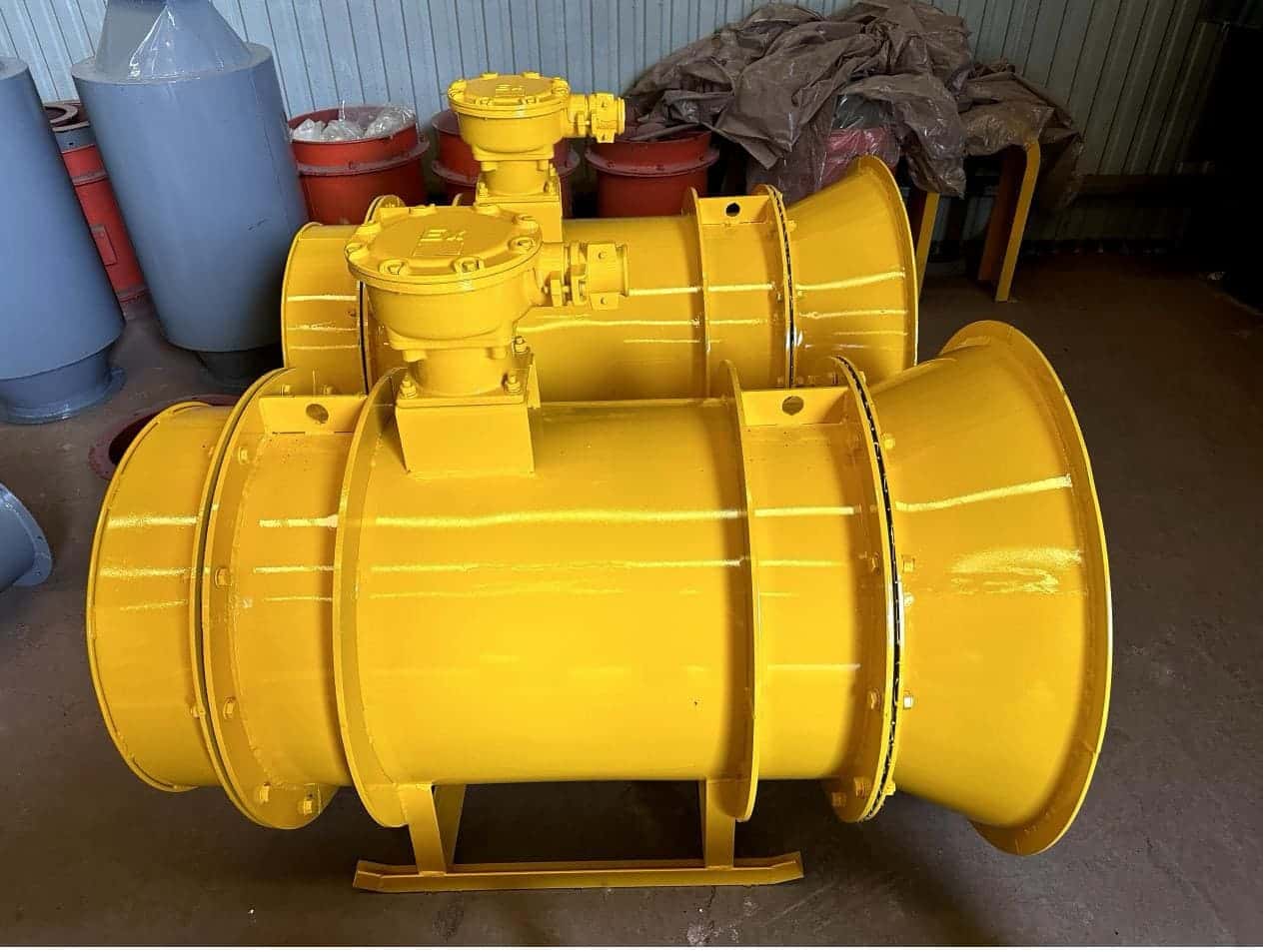
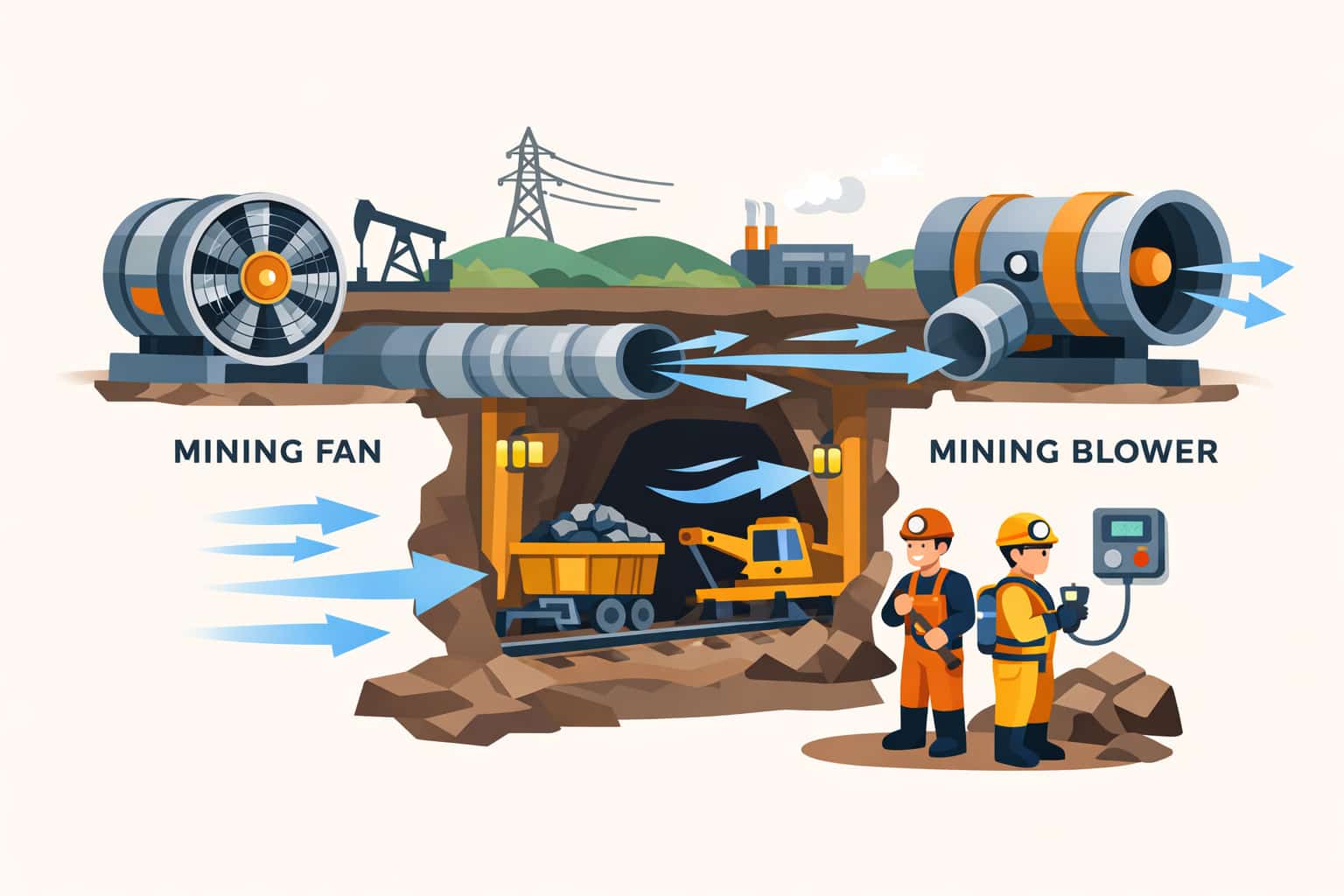

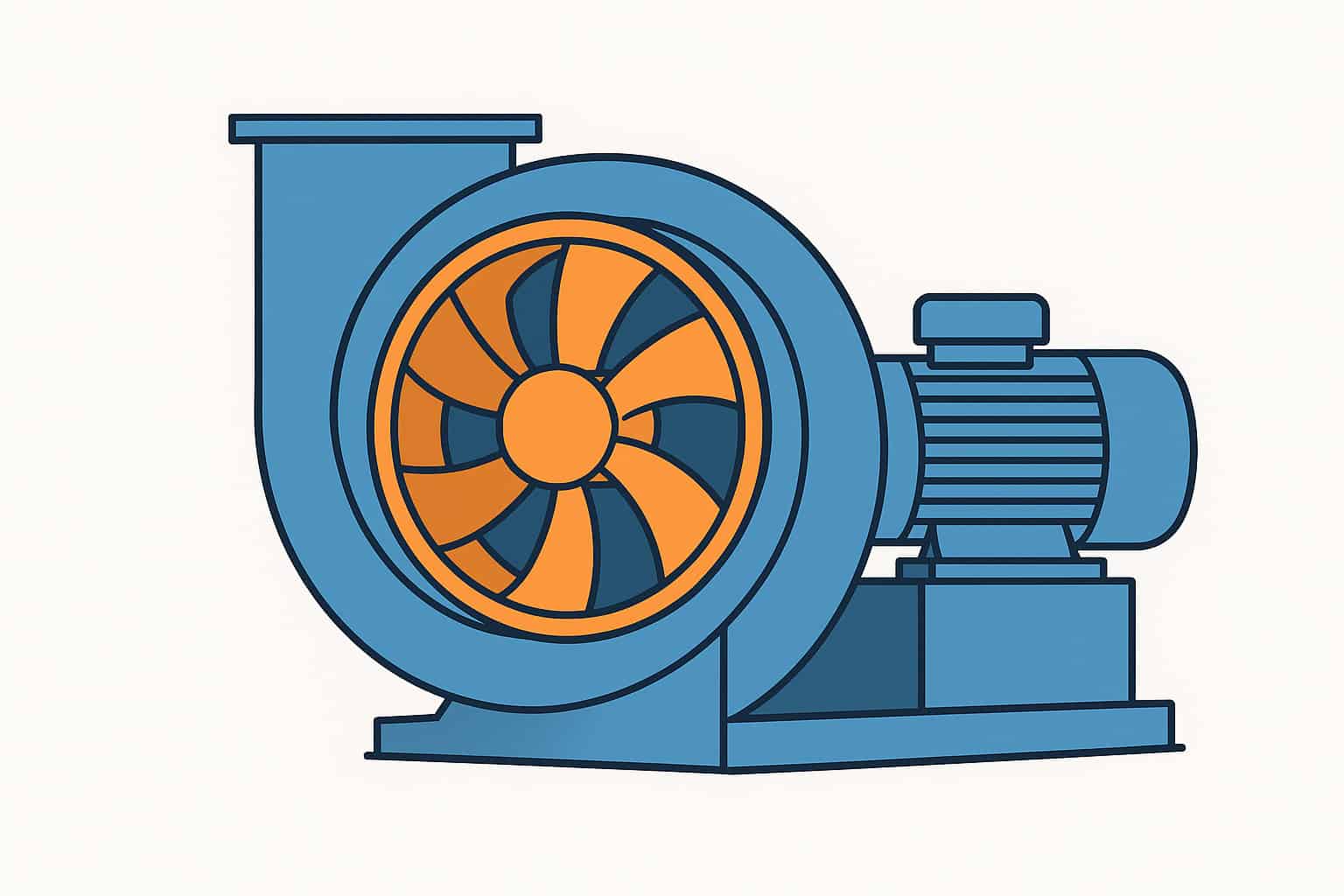
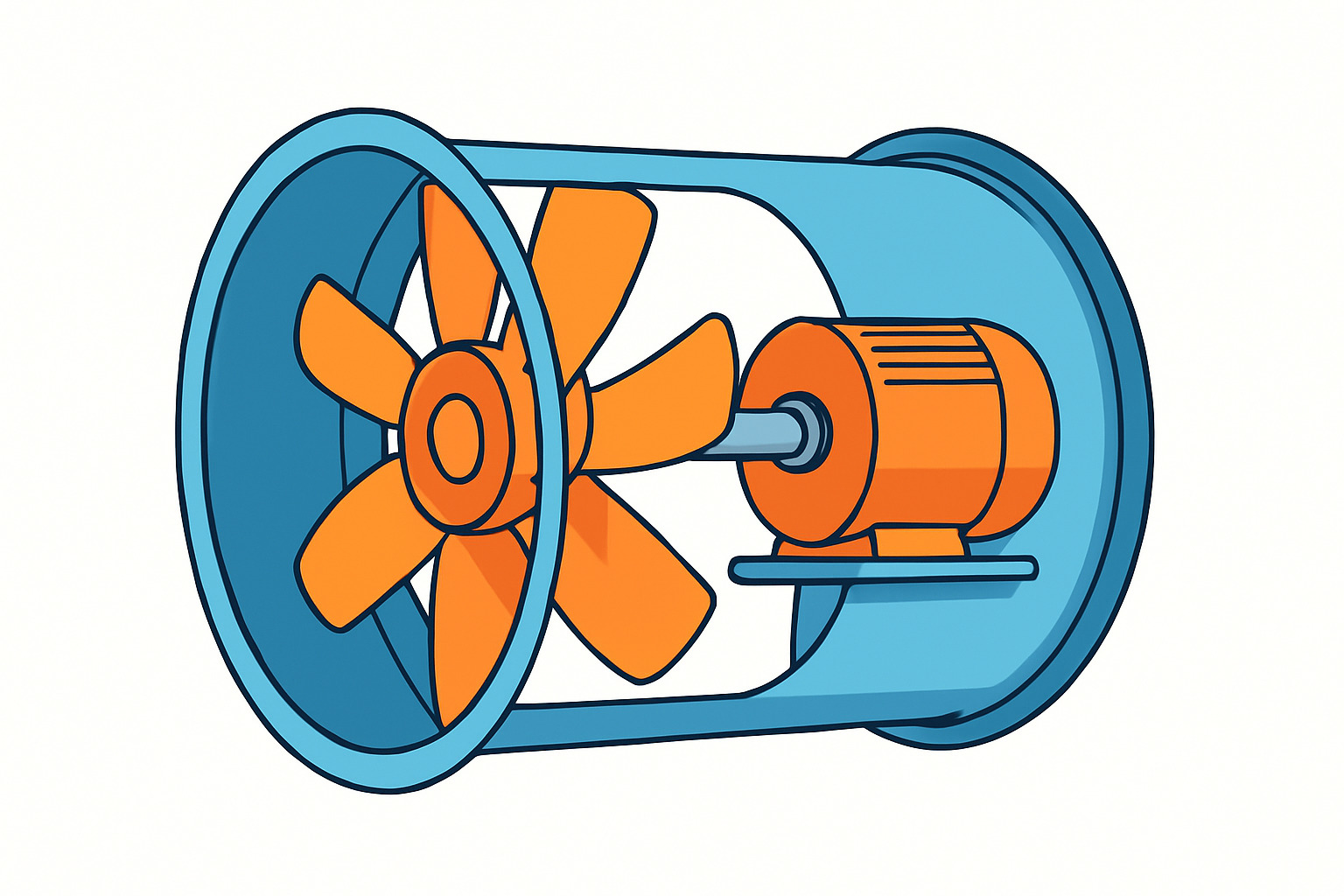
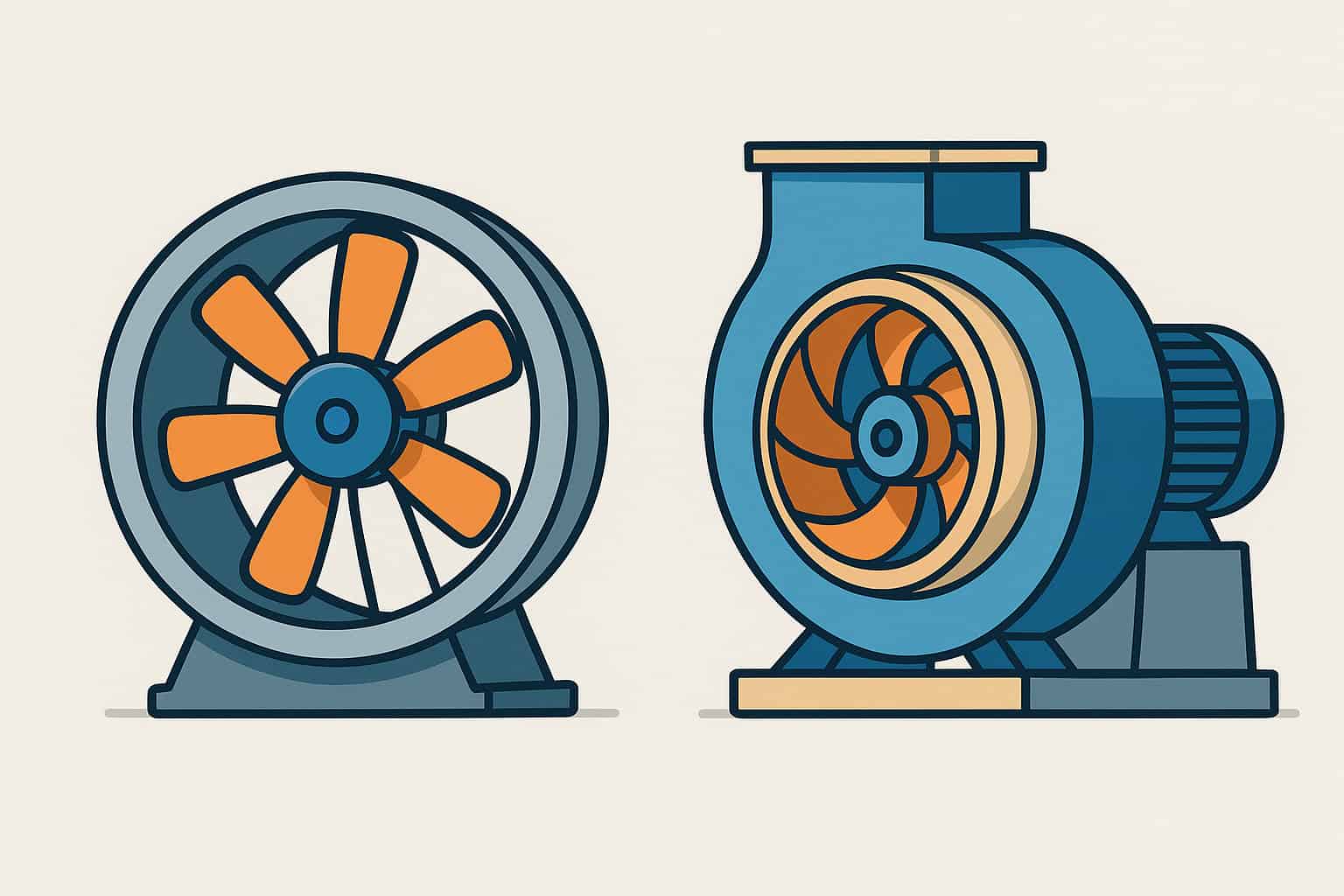
A 400 RPM fan can be very good, and in many cases it is exactly what engineers want for heavy-duty ventilation. The key is to look at fan speed together with impeller diameter and required duty point. For large axial or centrifugal fans used in mine shafts, tunnels and big industrial plants, relatively low speeds like 400 RPM are common because they provide good efficiency, acceptable noise levels and long service life.
Fan performance depends on both speed and size. A large-diameter fan running at 400 RPM can move a huge volume of air and develop significant pressure, while maintaining moderate tip speeds. Lower tip speeds reduce mechanical stress on blades, lessen erosion in dusty air and help keep noise under control. This is why many main mine fans and tunnel fans are designed around low to medium RPM ranges rather than very high speeds.
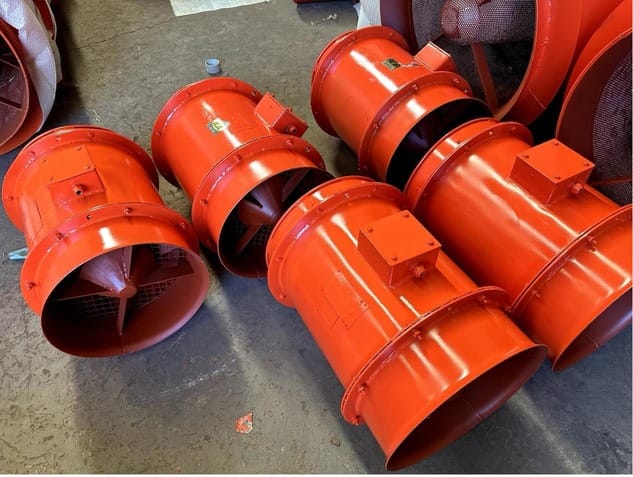
By contrast, a small fan at 400 RPM may not move enough air to be useful. If the impeller diameter is small, the resulting flow and pressure at 400 RPM could be too low for practical ventilation. So when someone asks if a 400 RPM fan is good, it is important to clarify whether we are talking about a large industrial machine or a small fan where higher RPM is normally required.
In mining and large industrial applications, low-speed fans often deliver several advantages:
- Higher efficiency at the required duty point for many designs.
- Lower noise due to reduced tip speed and smoother flow.
- Improved reliability, as mechanical stresses, vibration and erosion are reduced.
- Better suitability for continuous operation as main ventilation fans.
However, low-speed designs are usually larger and heavier than high-speed alternatives with the same duty. They require more space and stronger foundations, and the initial cost can be higher. The trade-off is that operating costs and maintenance requirements over the life of the fan may be lower.
In summary, a 400 RPM fan can be an excellent choice when combined with the right diameter and blade design, especially for main mine fans and large industrial ventilation systems. It is not the RPM alone that makes the fan good, but how that RPM fits into the overall design and duty requirements.
