
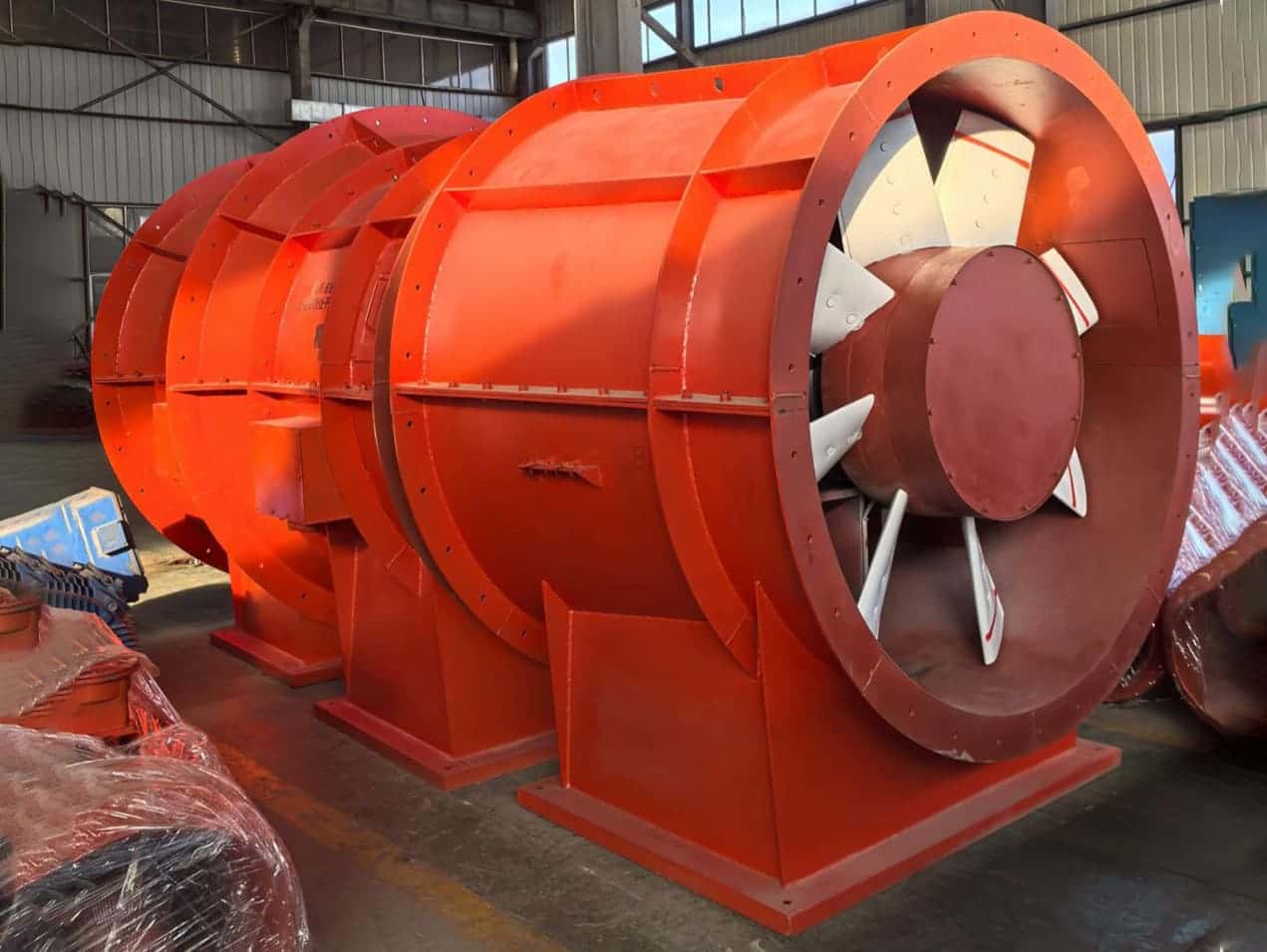
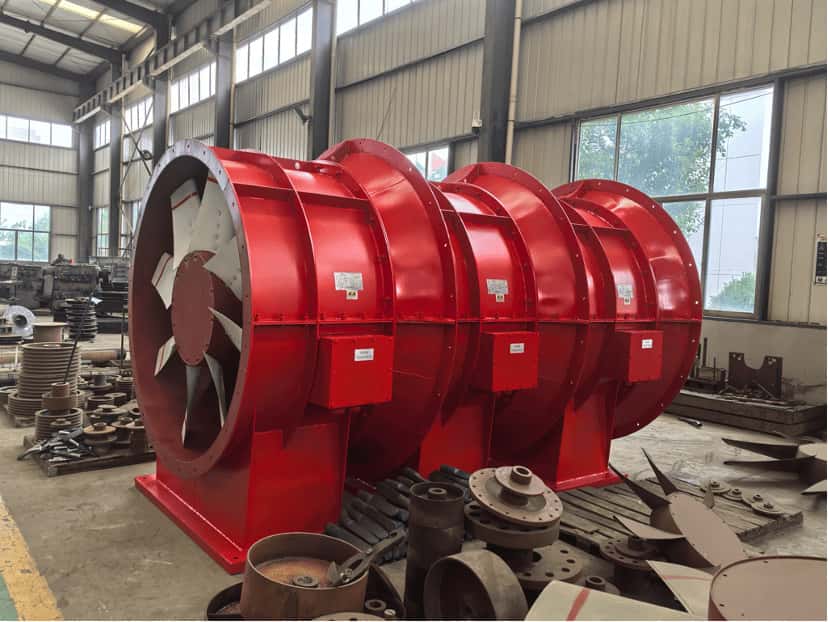
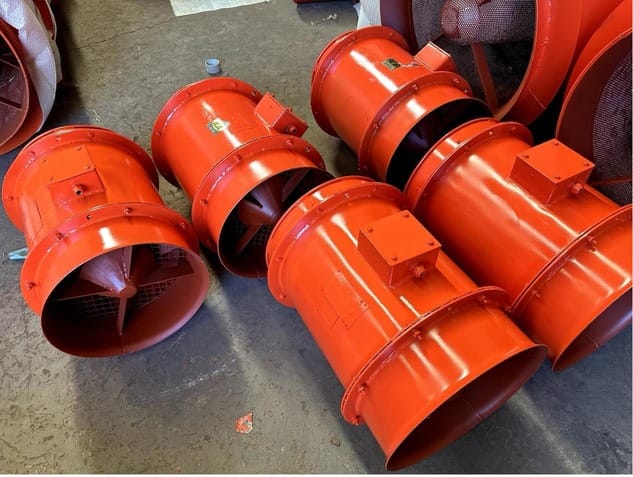
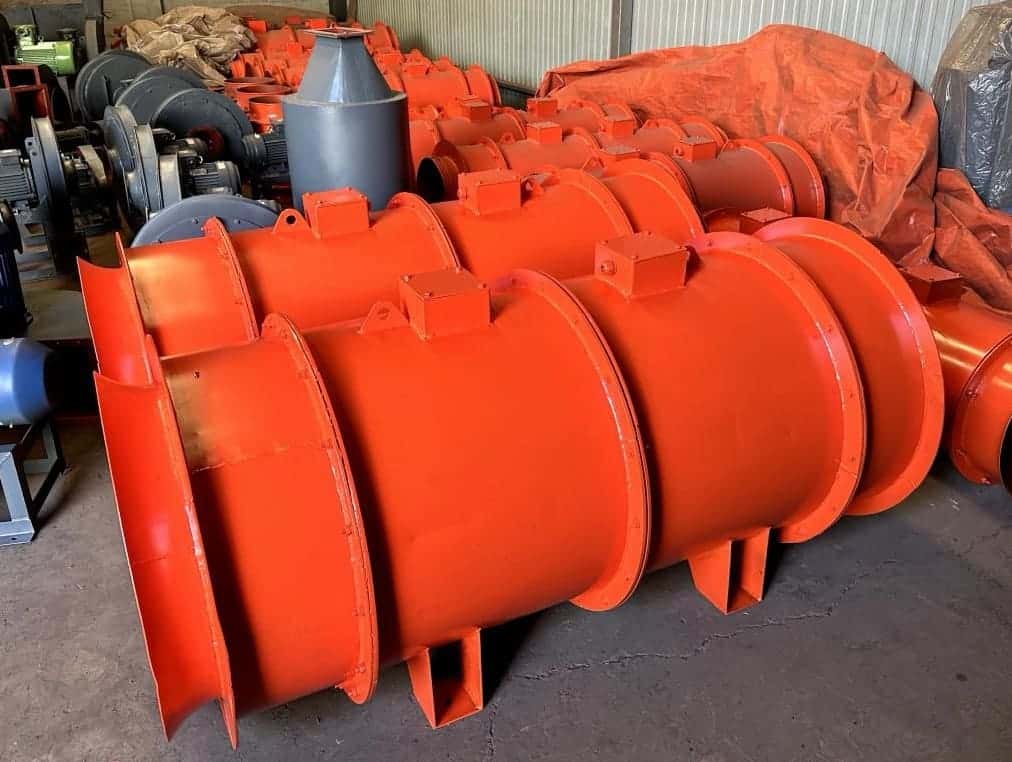
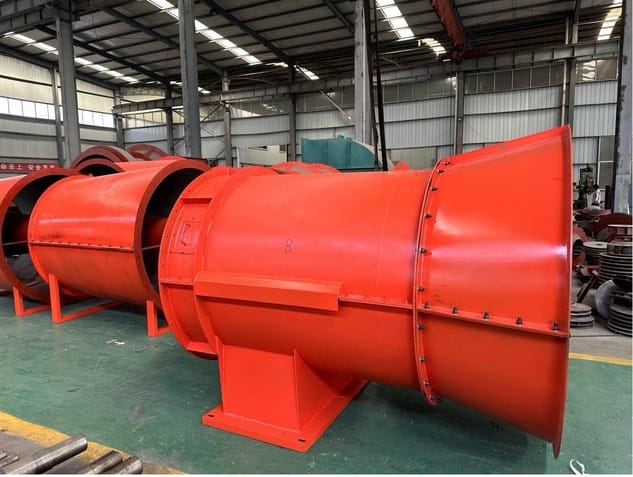
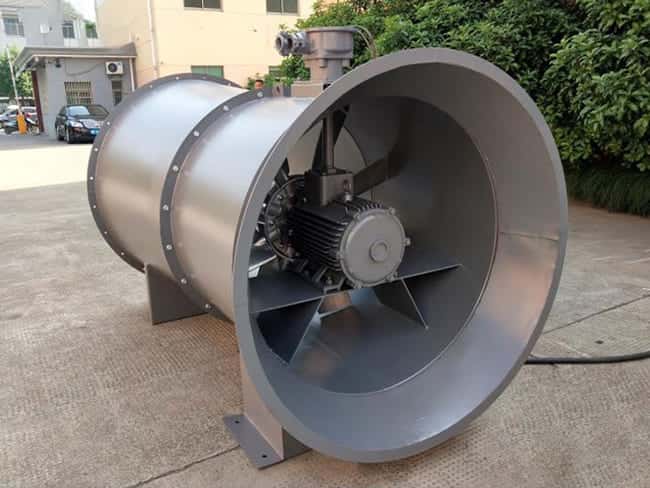
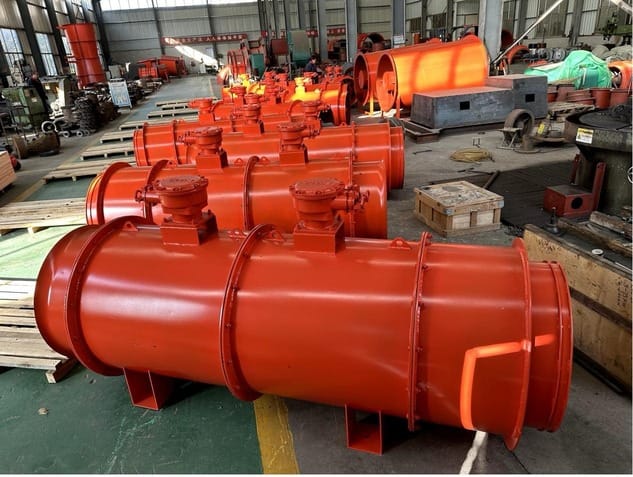
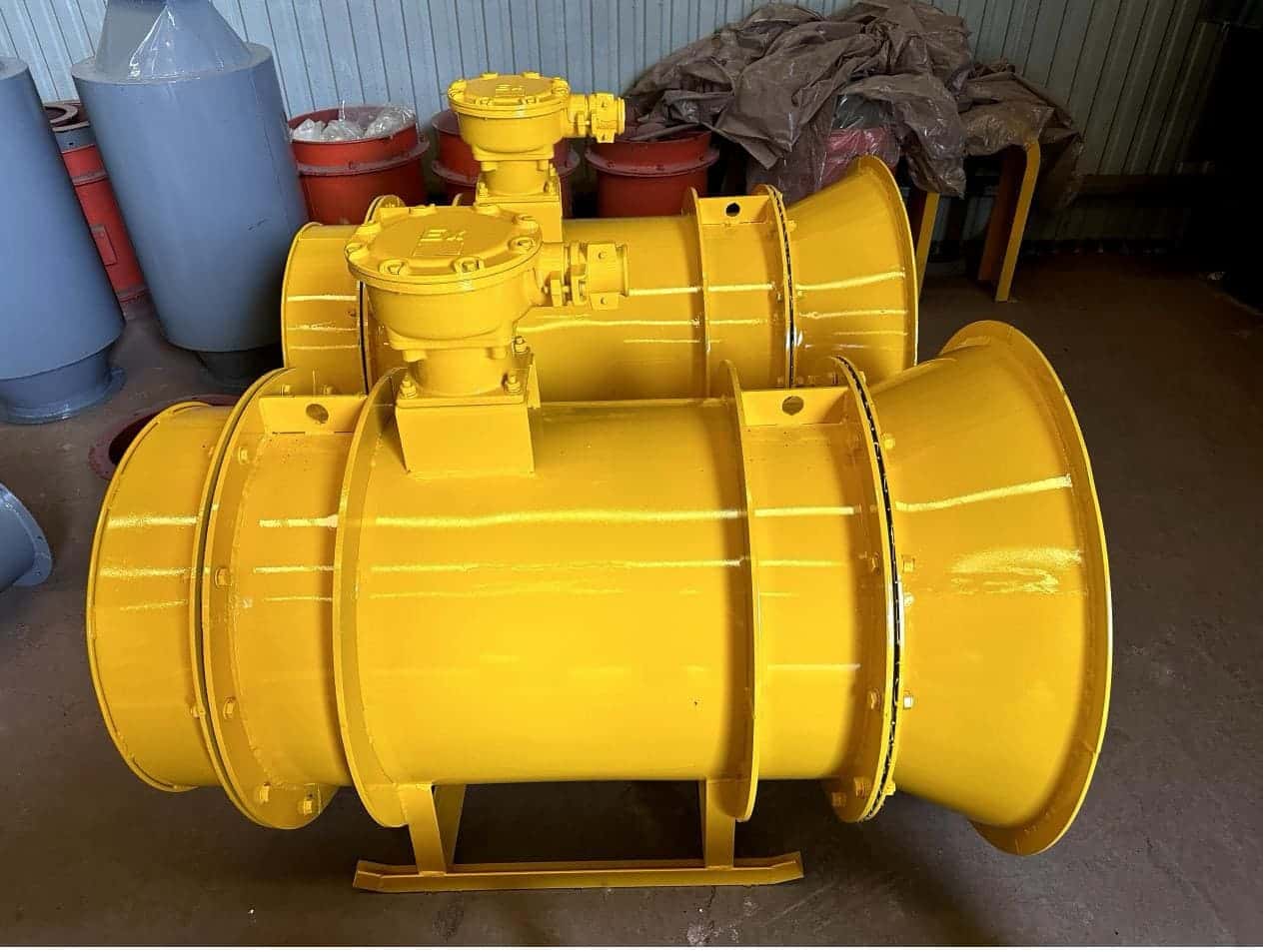
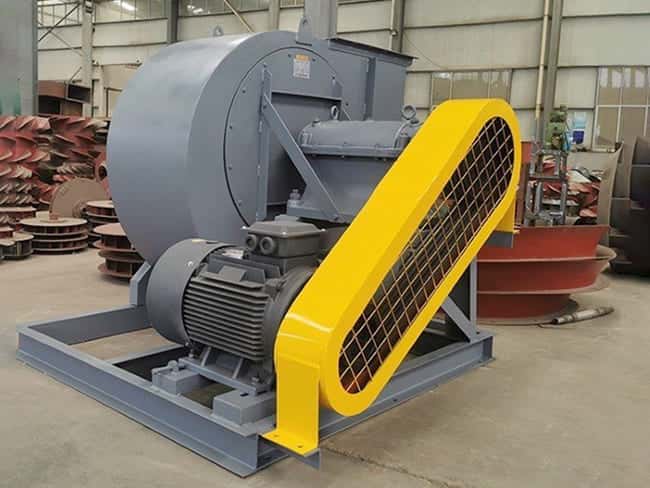
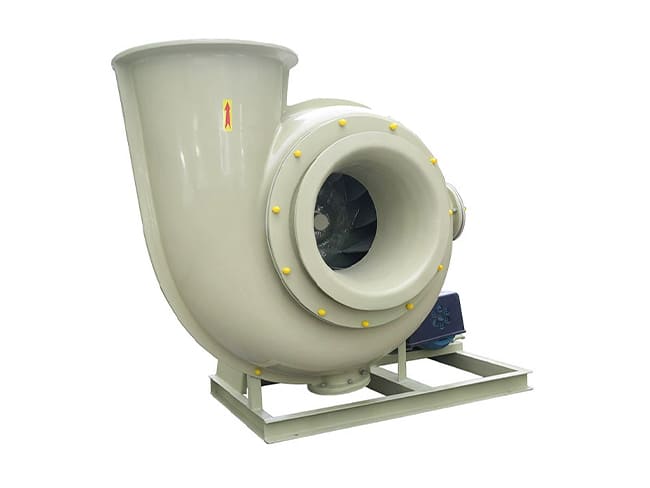
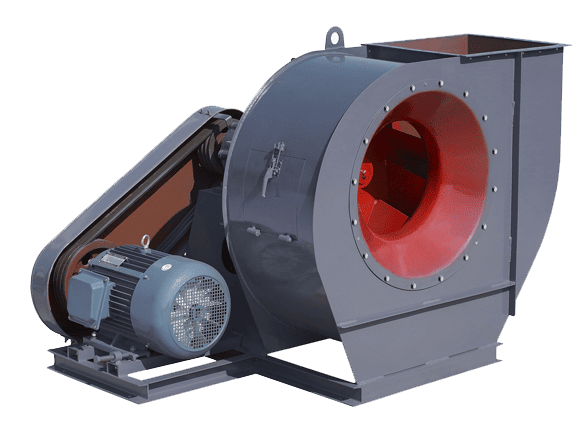
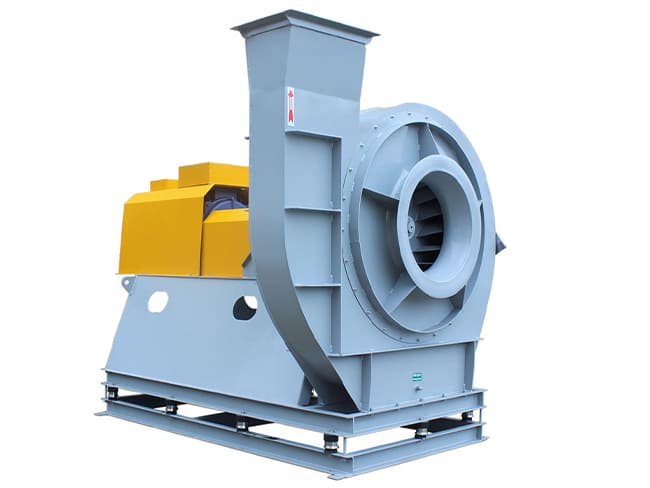
Whether a blower is worth it depends on what you expect from your ventilation or process air system. In many industrial plants and mines, a properly selected blower is not just worth the cost; it is essential to safe and efficient operation. In other situations, a simpler low-pressure fan may be enough, and spending more on a blower would bring little extra benefit.
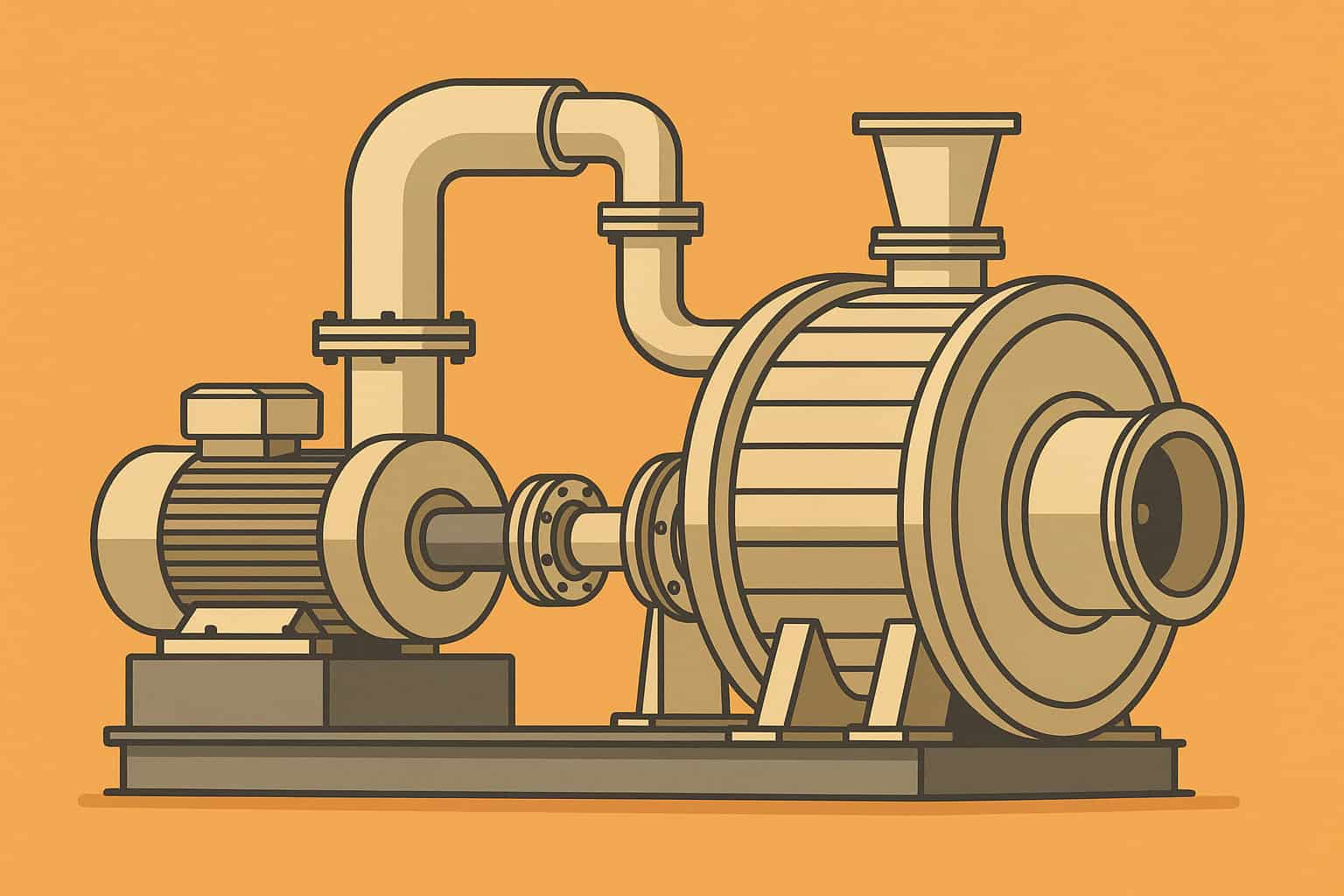
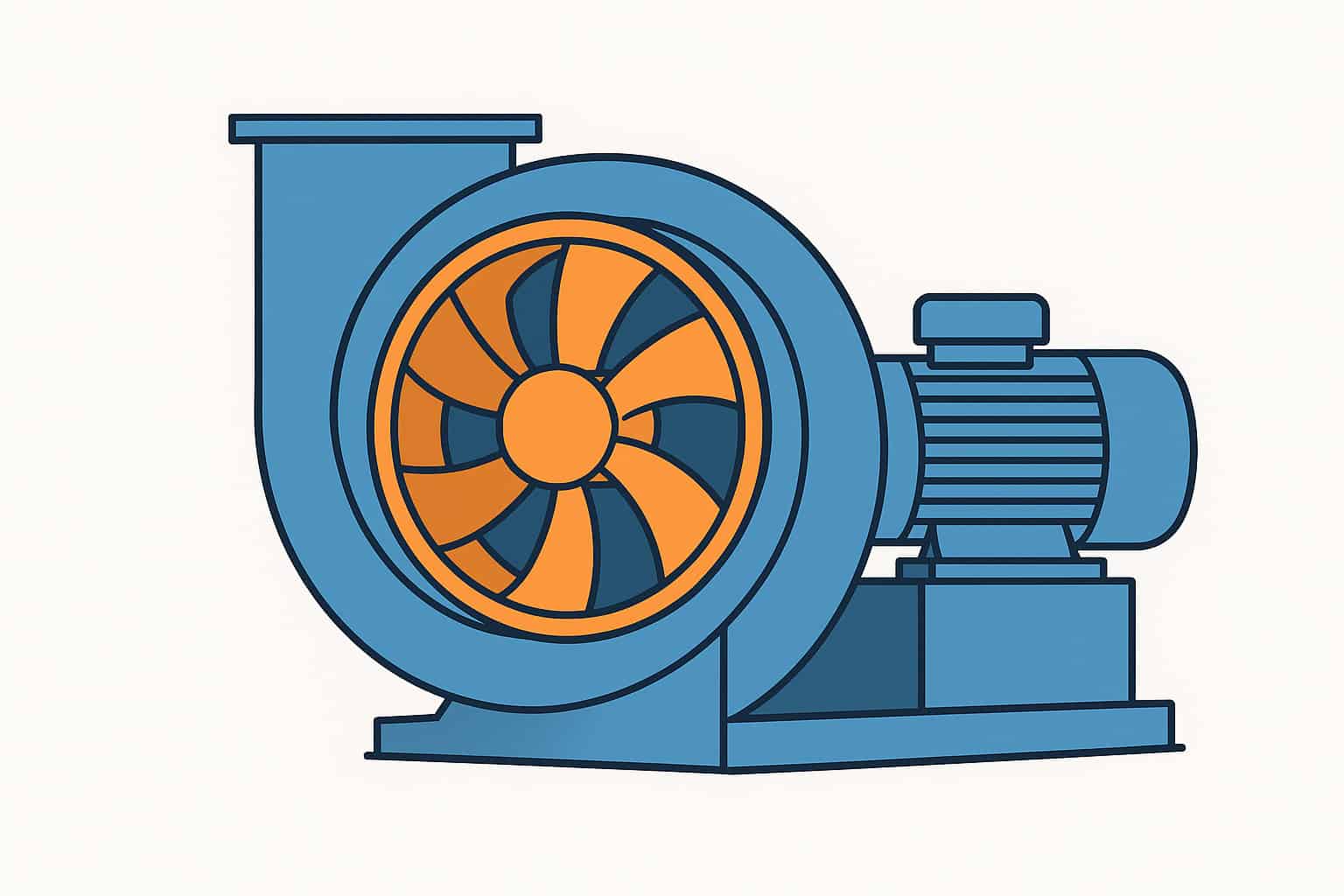
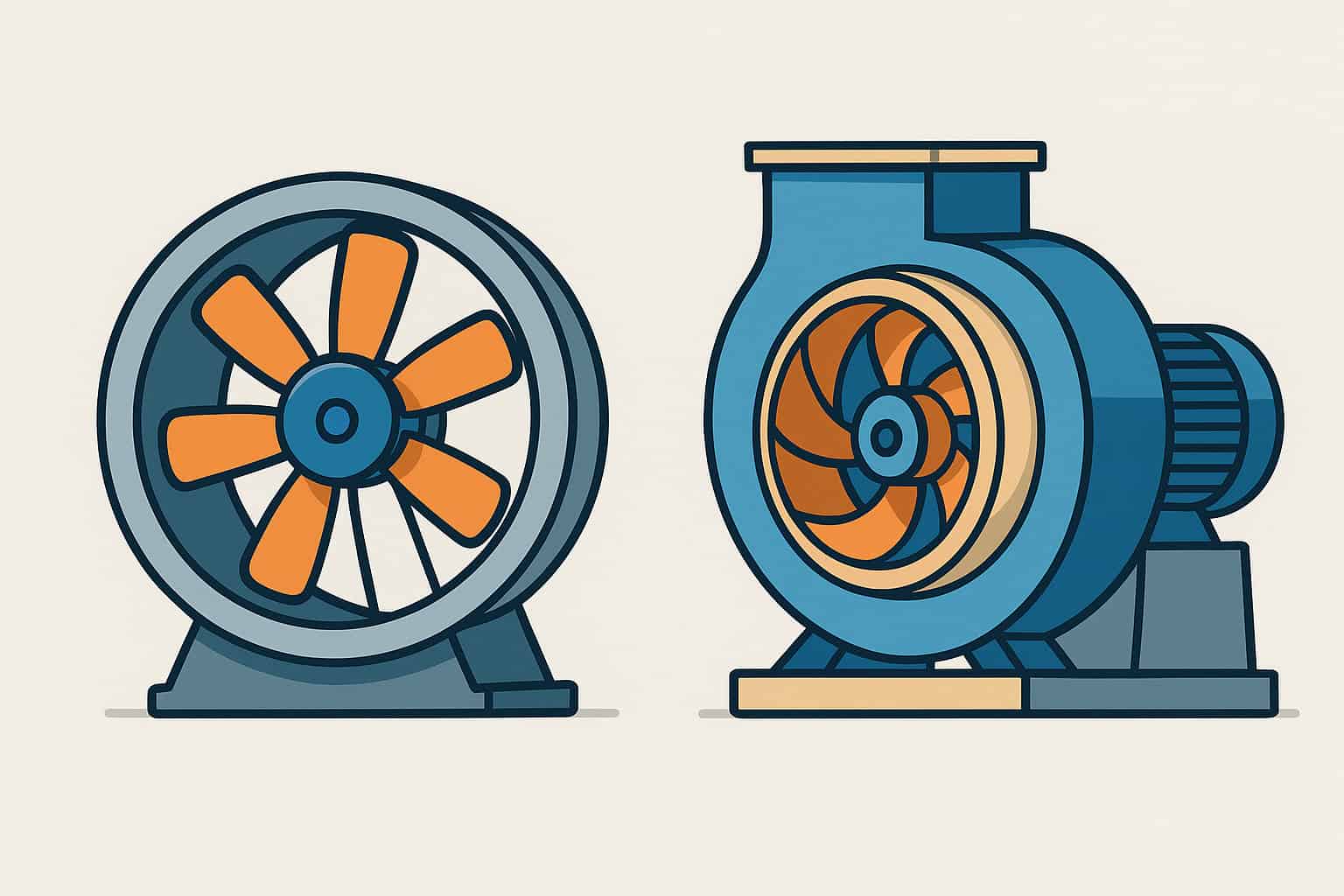
Blowers are most valuable where higher pressure and stronger suction or discharge are required. If you have long duct runs with many bends, filters, cyclones, scrubbers or dampers, the system resistance may be too high for a standard axial fan. A blower—often a centrifugal fan with the right impeller design—can generate the additional pressure needed to move air through the system. Without that extra pressure, airflows may be too low, leading to poor dust capture, weak exhaust or unstable combustion.
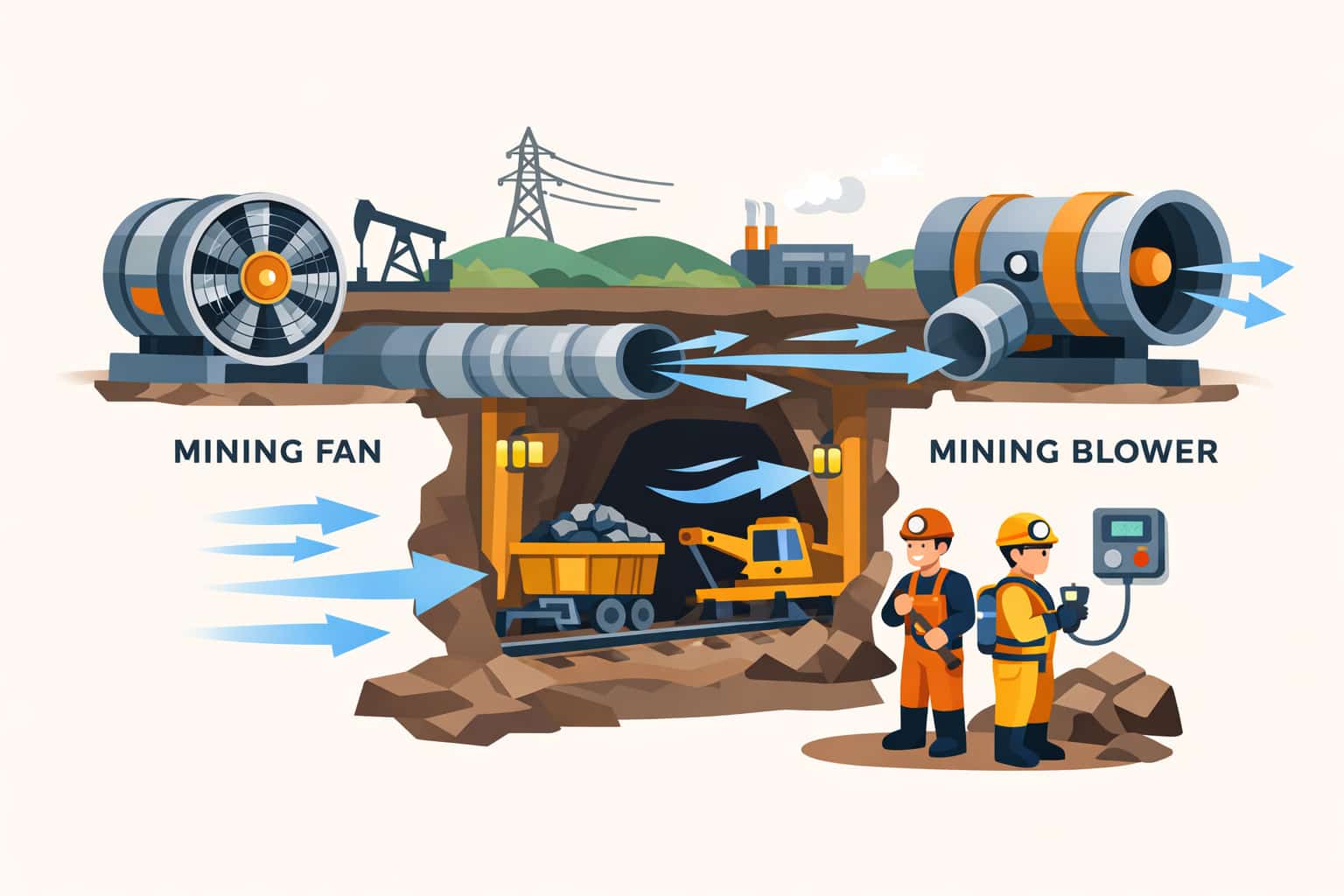
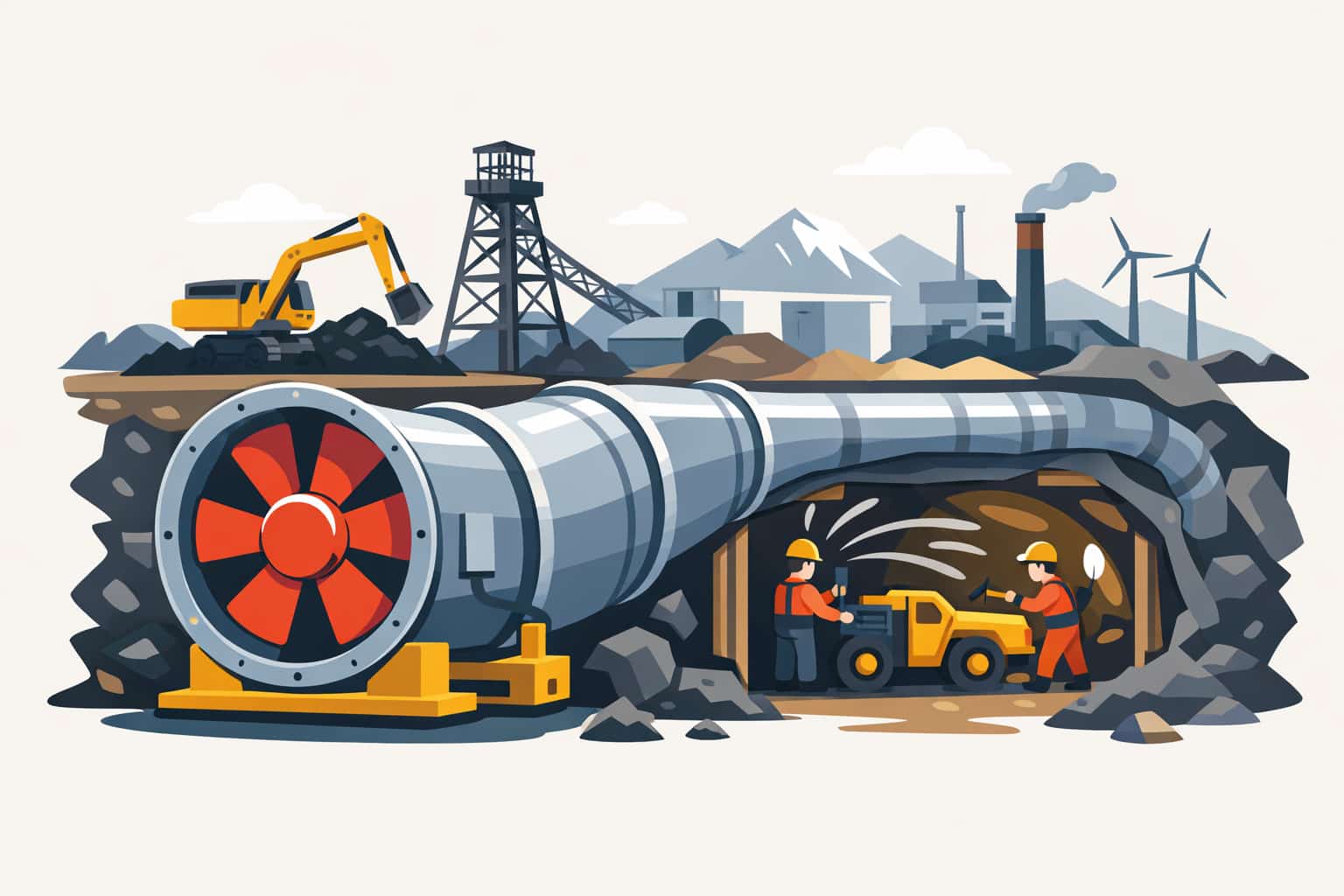
In dust collection and process exhaust, a blower is frequently worth the investment. It can maintain constant flow through filters and hoods, ensuring that fumes and dust are properly captured at the source instead of spreading through the workspace. In underground mining, blowers are used to ventilate development headings, draw air through auxiliary ducts and support localized ventilation schemes. In these cases, the cost of the blower is small compared with the cost of poor air quality, production losses or safety incidents.
Blowers also provide better control than simple fans in many applications. With appropriate dampers, inlet guide vanes or variable-frequency drives, you can adjust blower output to match changing process conditions. This allows energy savings during low-load periods and improved stability during peaks. The ability to control flow and pressure precisely is often worth the additional complexity and initial cost.
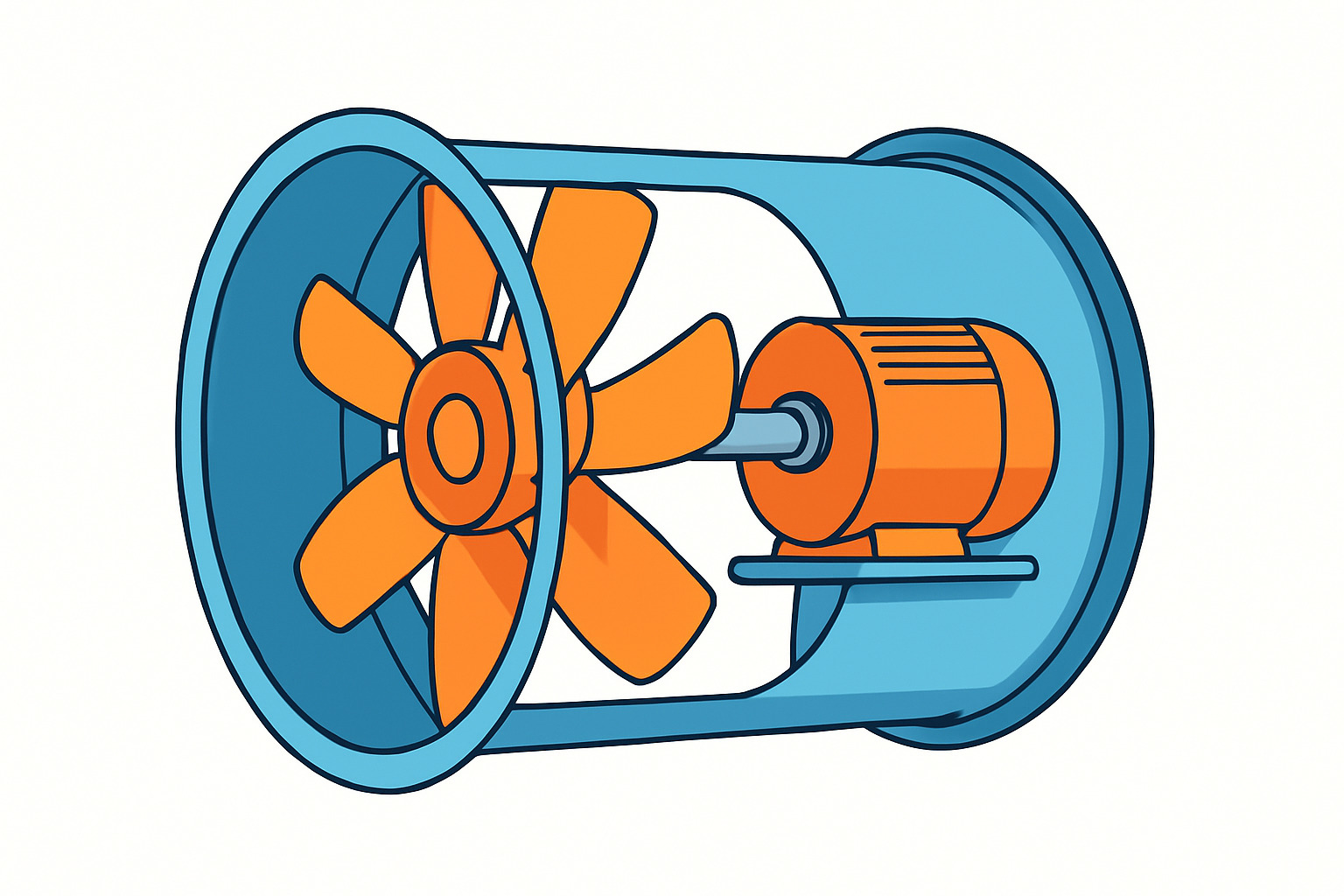
On the other hand, if your application only requires low-pressure, high-volume air movement in a relatively open space—such as general room ventilation or comfort cooling—then a standard axial fan or a high-volume low-speed (HVLS) fan may be more economical. In those cases, paying for a high-pressure blower would not provide real benefits and could even increase noise and operating costs unnecessarily.
When evaluating whether a blower is worth it, consider the total life-cycle cost: purchase price, installation, energy consumption, maintenance and the value of reliable performance. If the blower allows your process to run safely, meets regulatory requirements for emissions or dust, and avoids downtime, it is usually a very good investment. If, however, a simple fan can satisfy all technical and safety needs, then choosing a blower might not be justified. The key is to match the equipment to the duty instead of assuming that bigger or more powerful is always better.