
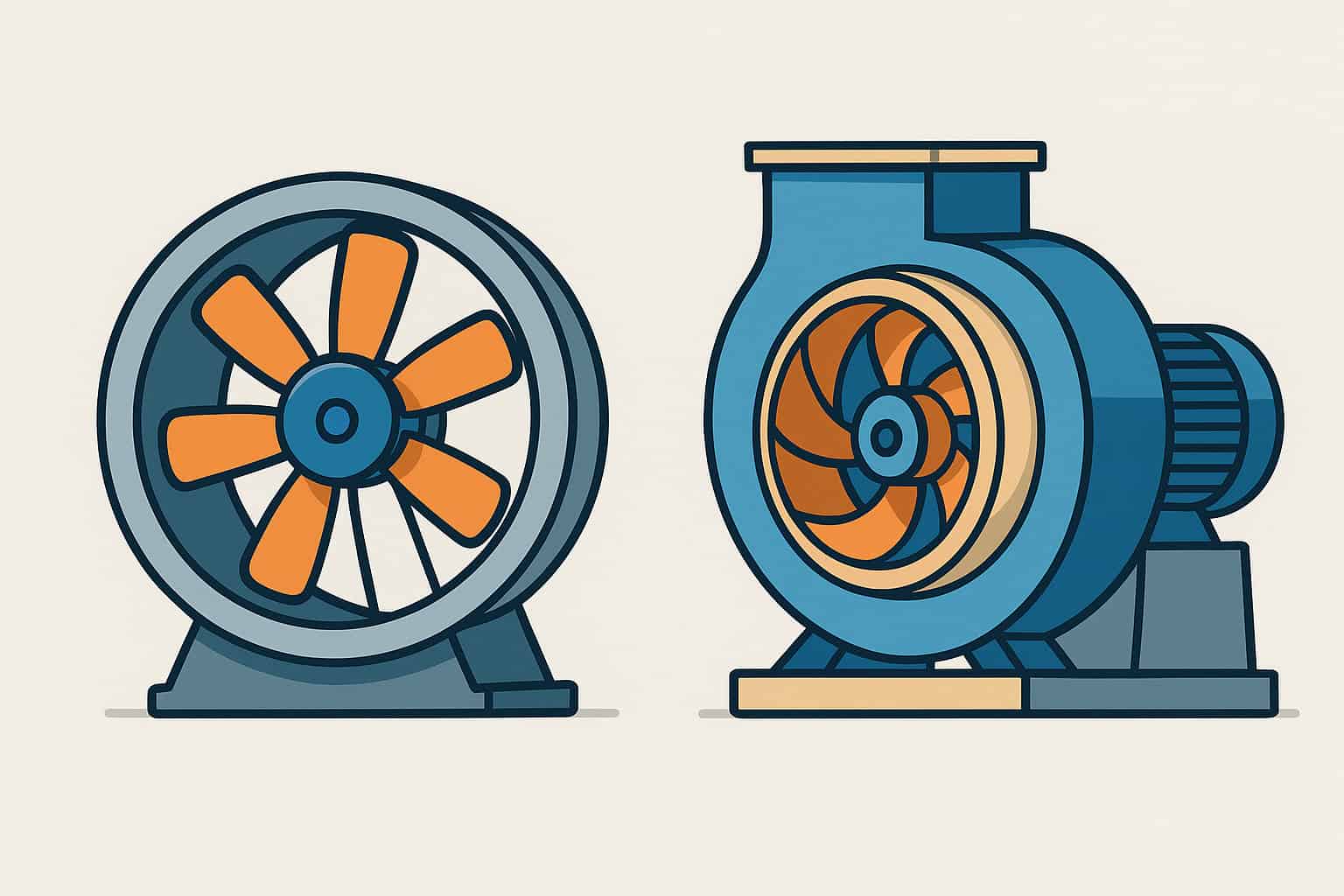
In many cases, a fan motor and a blower motor are essentially the same kind of electric motor. The terms “fan motor” and “blower motor” usually describe how the motor is used rather than a completely different technology. Both typically rely on AC induction or brushless DC designs. However, there are practical differences in how these motors are selected, cooled and mounted because fans and blowers impose different mechanical and thermal demands.
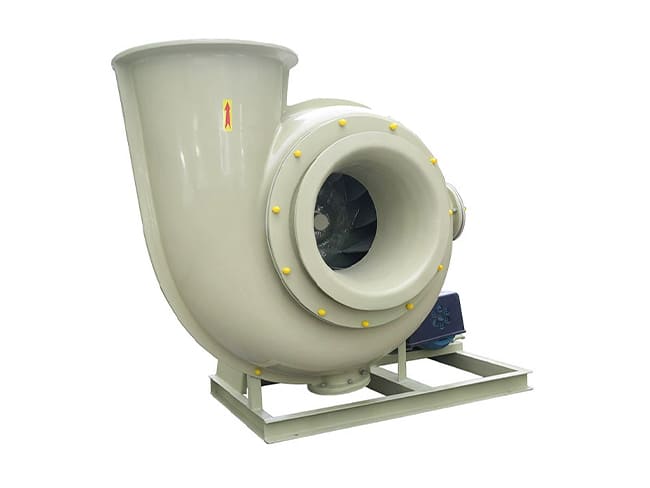
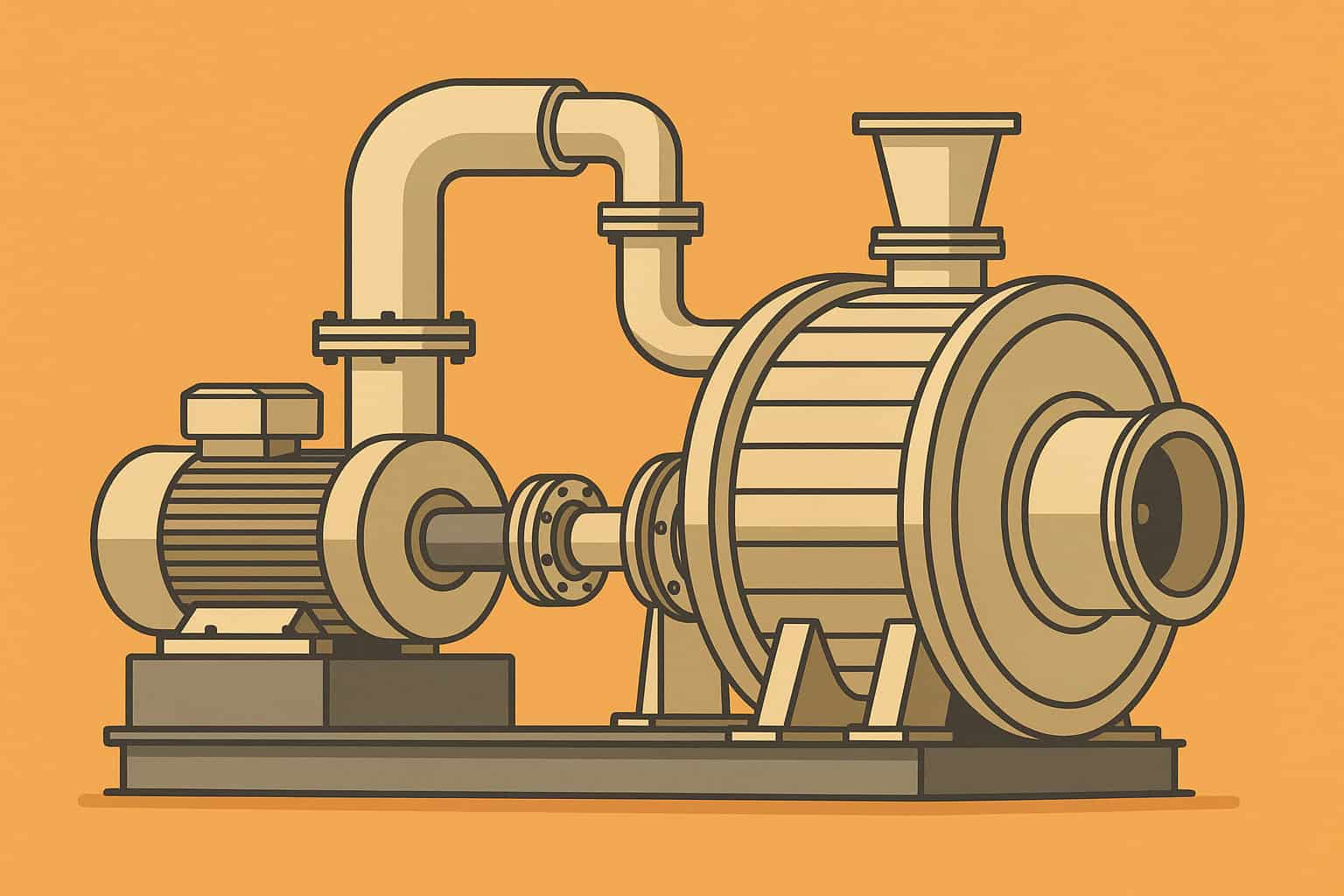
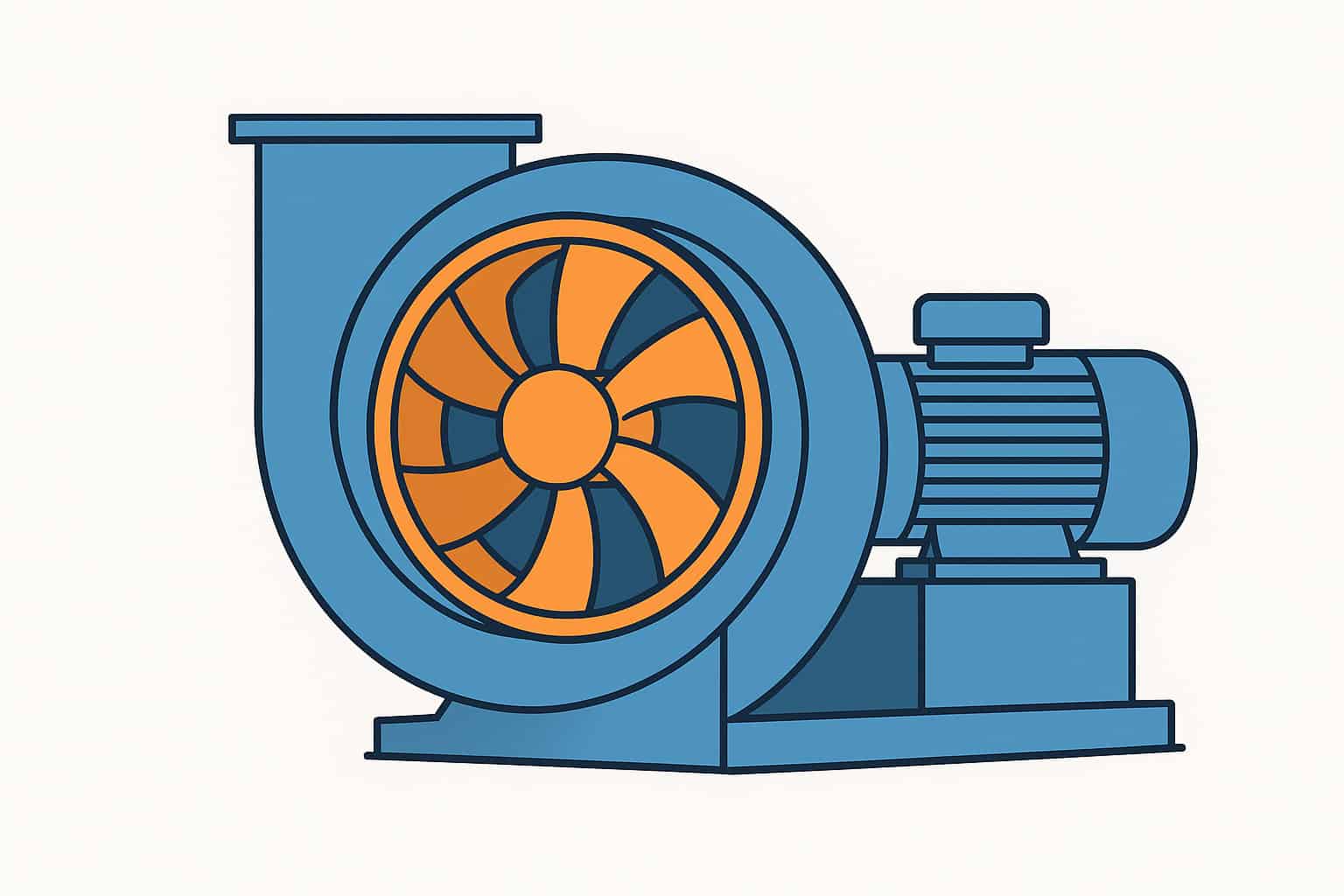
In HVAC systems and vehicles, the term blower motor is often used for the motor that drives a centrifugal blower wheel inside a housing, such as in an air handler, furnace or car cabin blower. These motors may be designed for relatively high static pressure and continuous operation inside ductwork or housings where cooling airflow is restricted. They often have specific mounting flanges, shafts and housings tailored to the blower assembly.
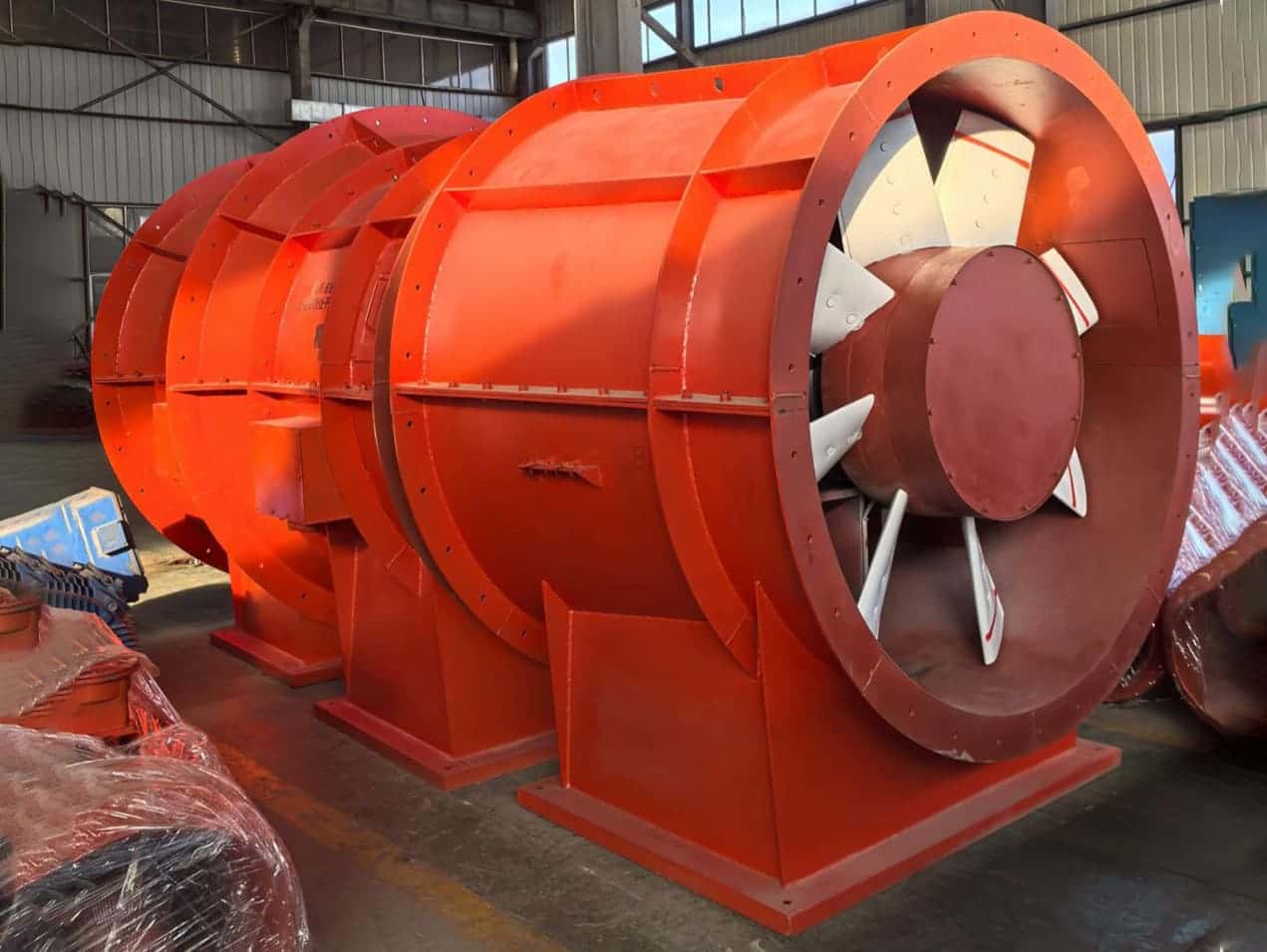
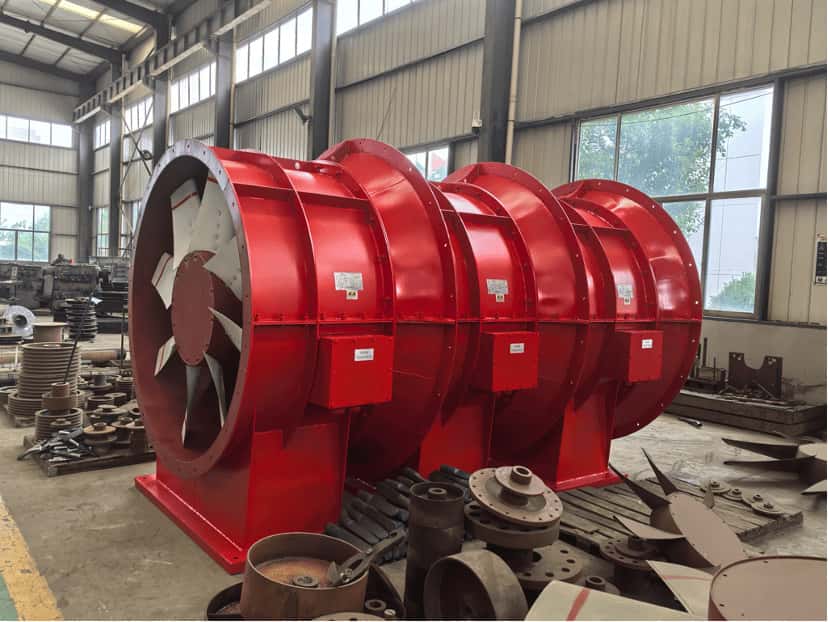
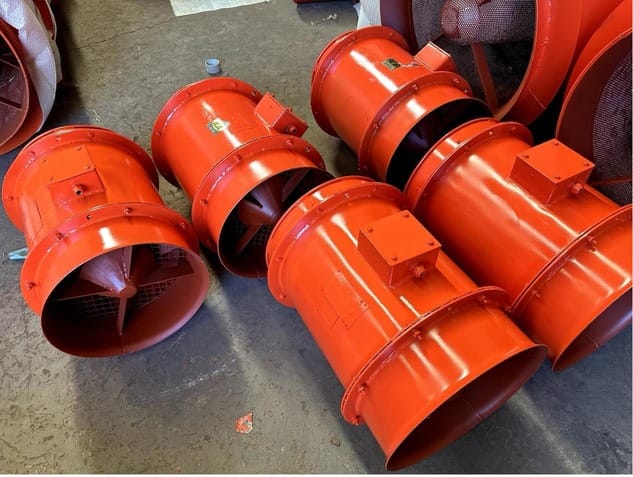
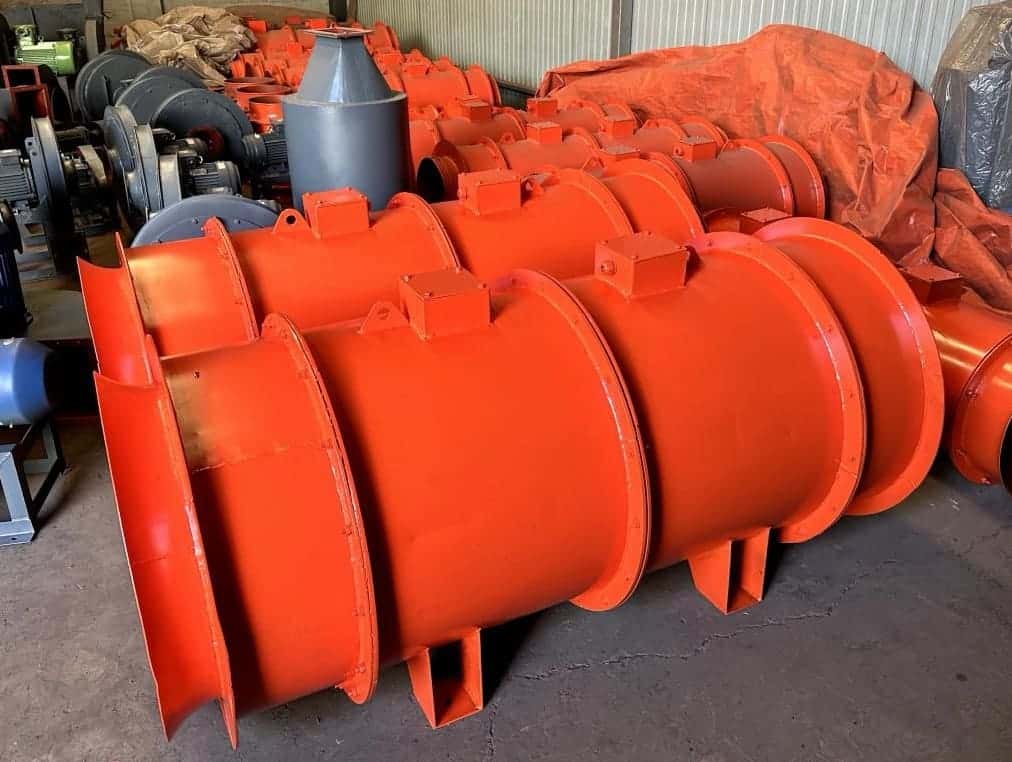
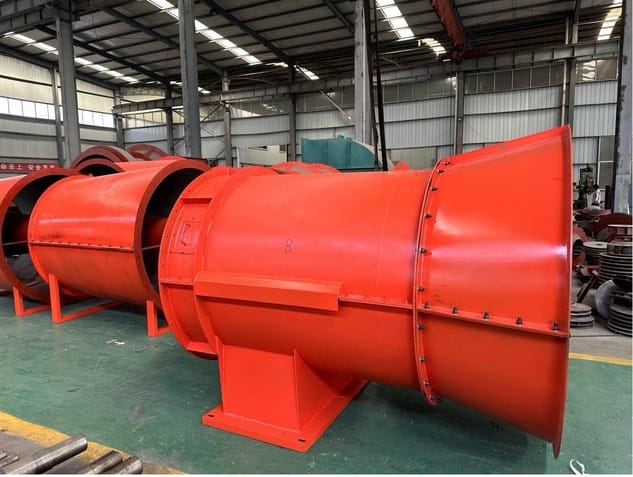
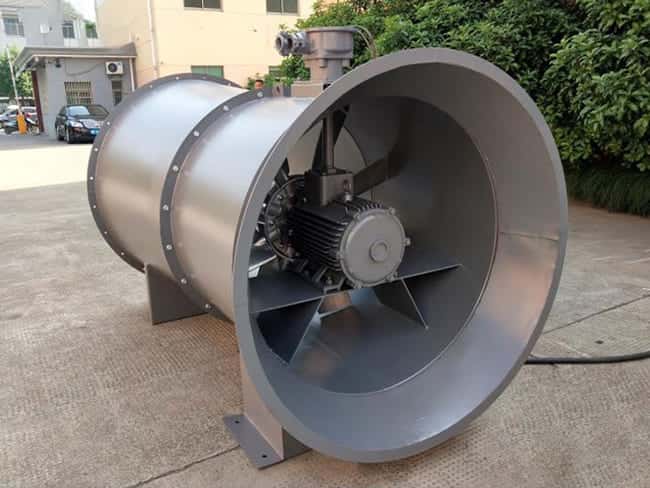
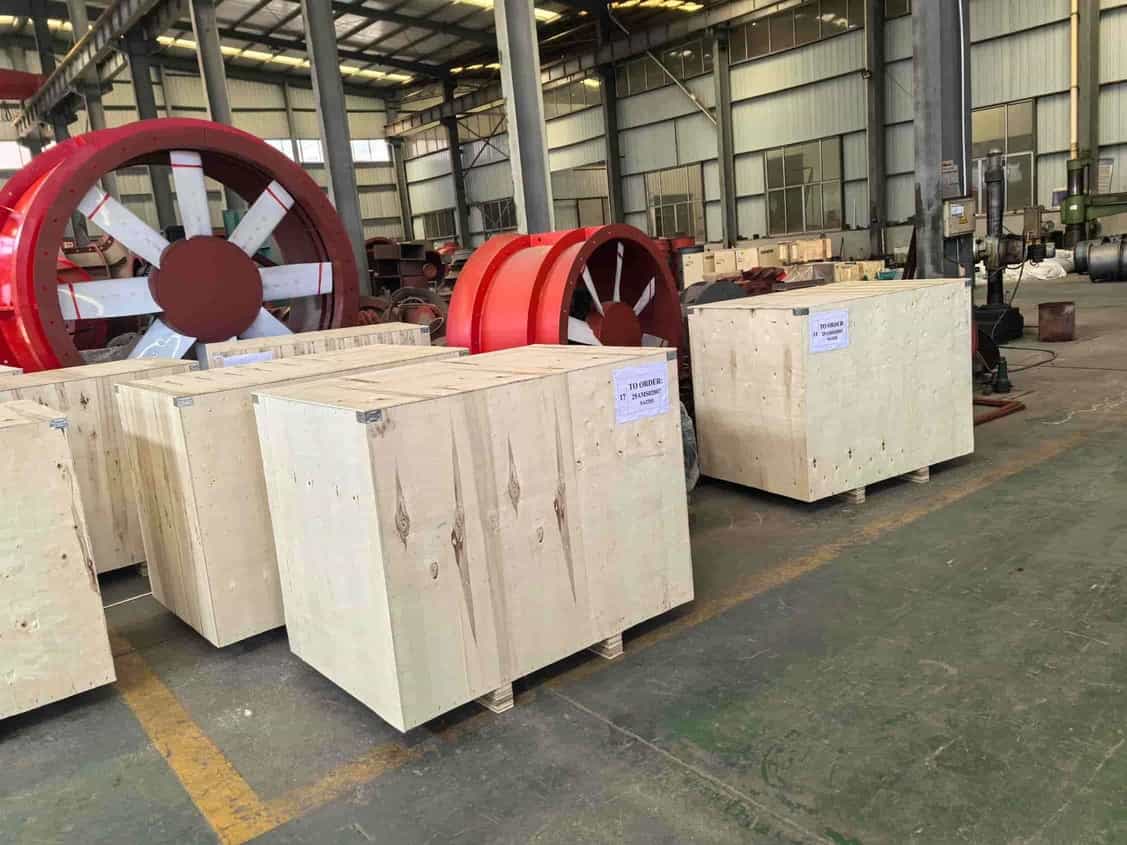
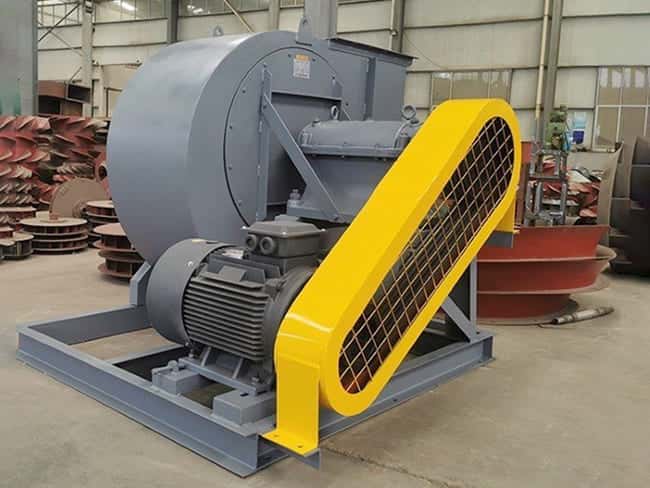
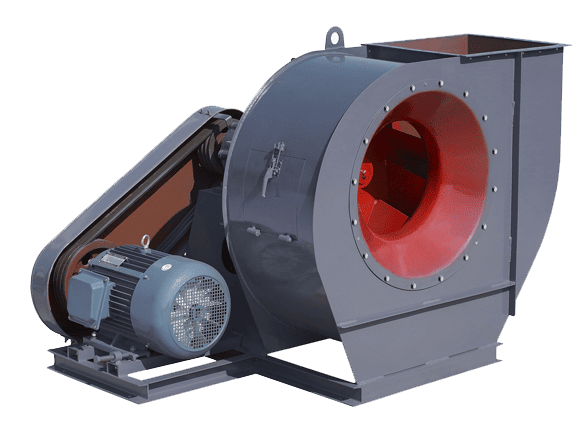
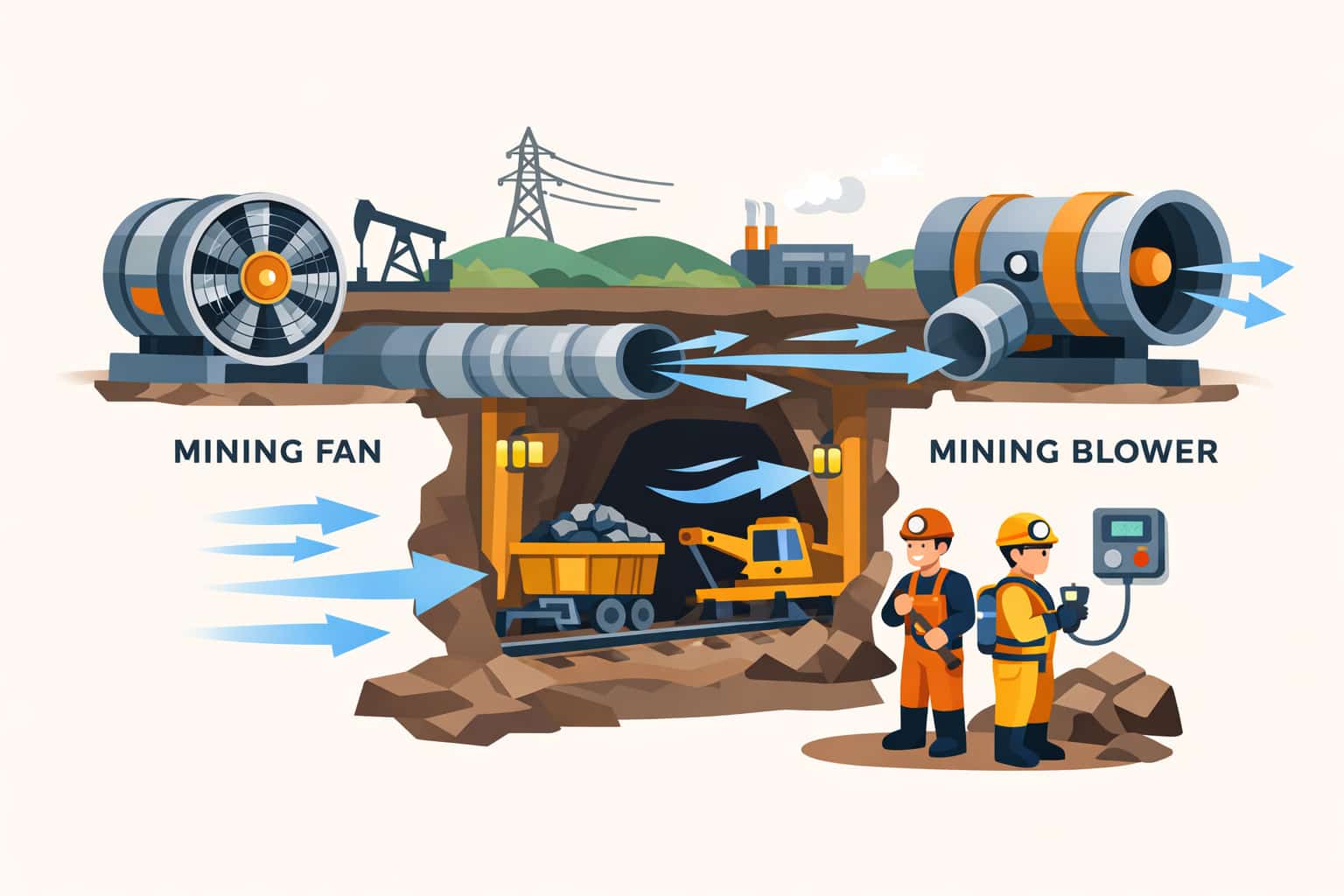
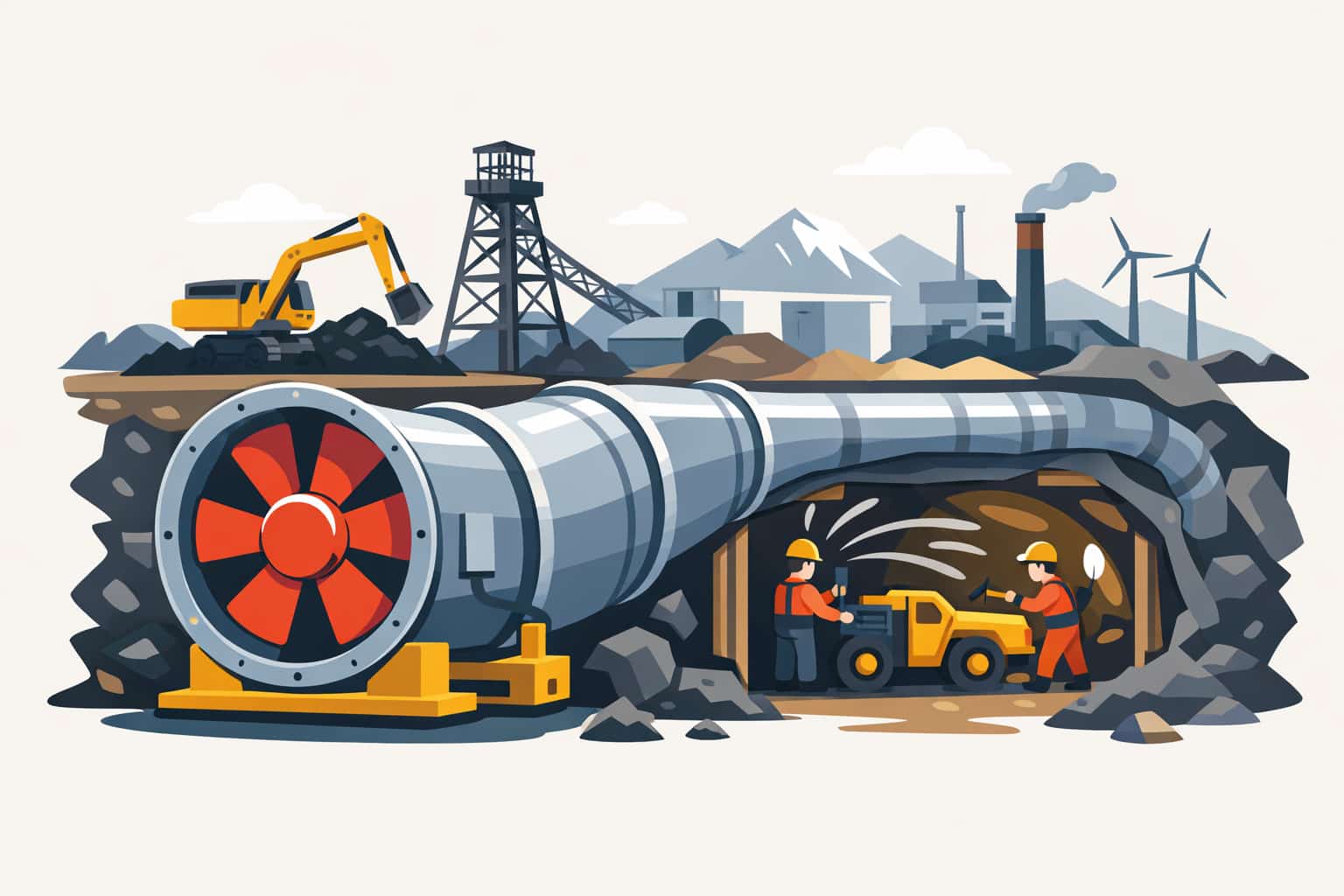
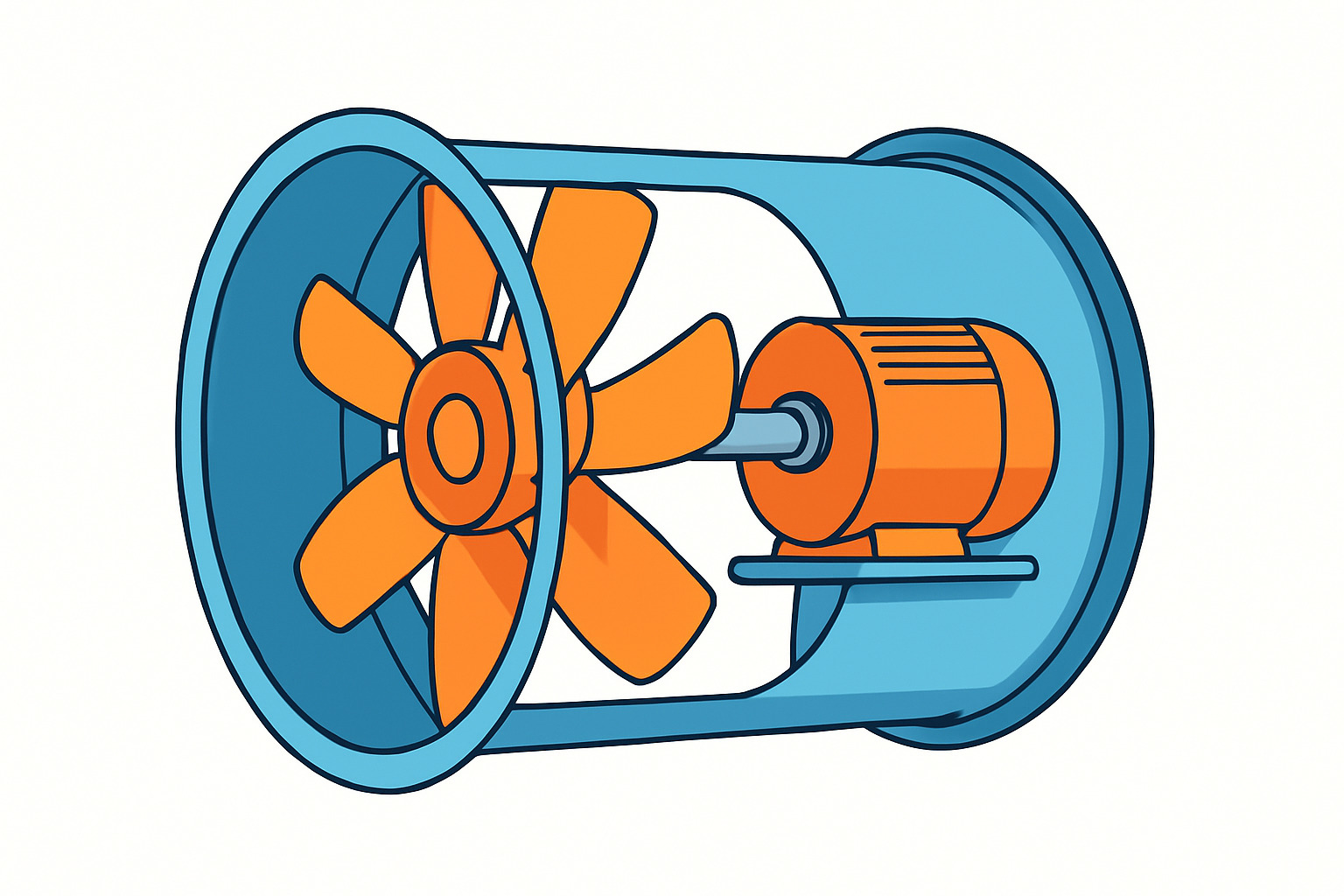
In industrial and mining ventilation, people more often talk about fan motors. These are the motors that drive axial or centrifugal ventilation fans, either directly or through belts and couplings. For large fans, the motor is usually a standard IEC or NEMA frame three-phase induction motor mounted on a base near the fan. The motor may be outside the airstream, exposed to ambient air for cooling, or fully enclosed and cooled by its own fan.
Electrically, both fan and blower motors can be single-phase or three-phase induction motors, or brushless DC / EC motors, depending on size and application. The key differences are in speed, torque and cooling conditions. Blowers, especially in HVAC, often run at higher speeds and may require specific torque profiles to overcome higher system resistance. Their motors may be designed with particular insulation classes, temperature rise limits and enclosure types suitable for being partially enclosed in a housing with limited external airflow.
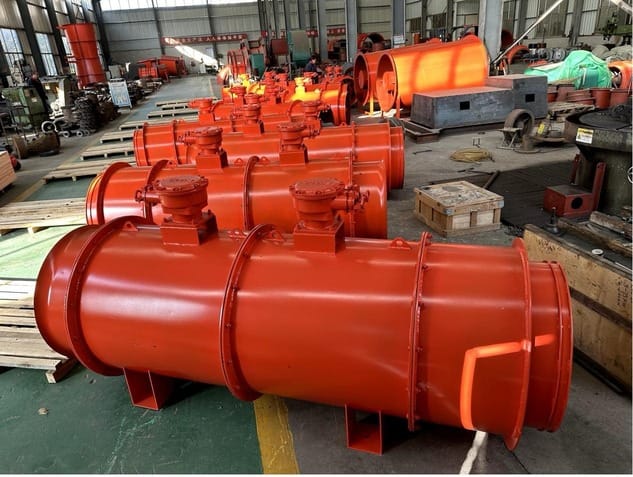
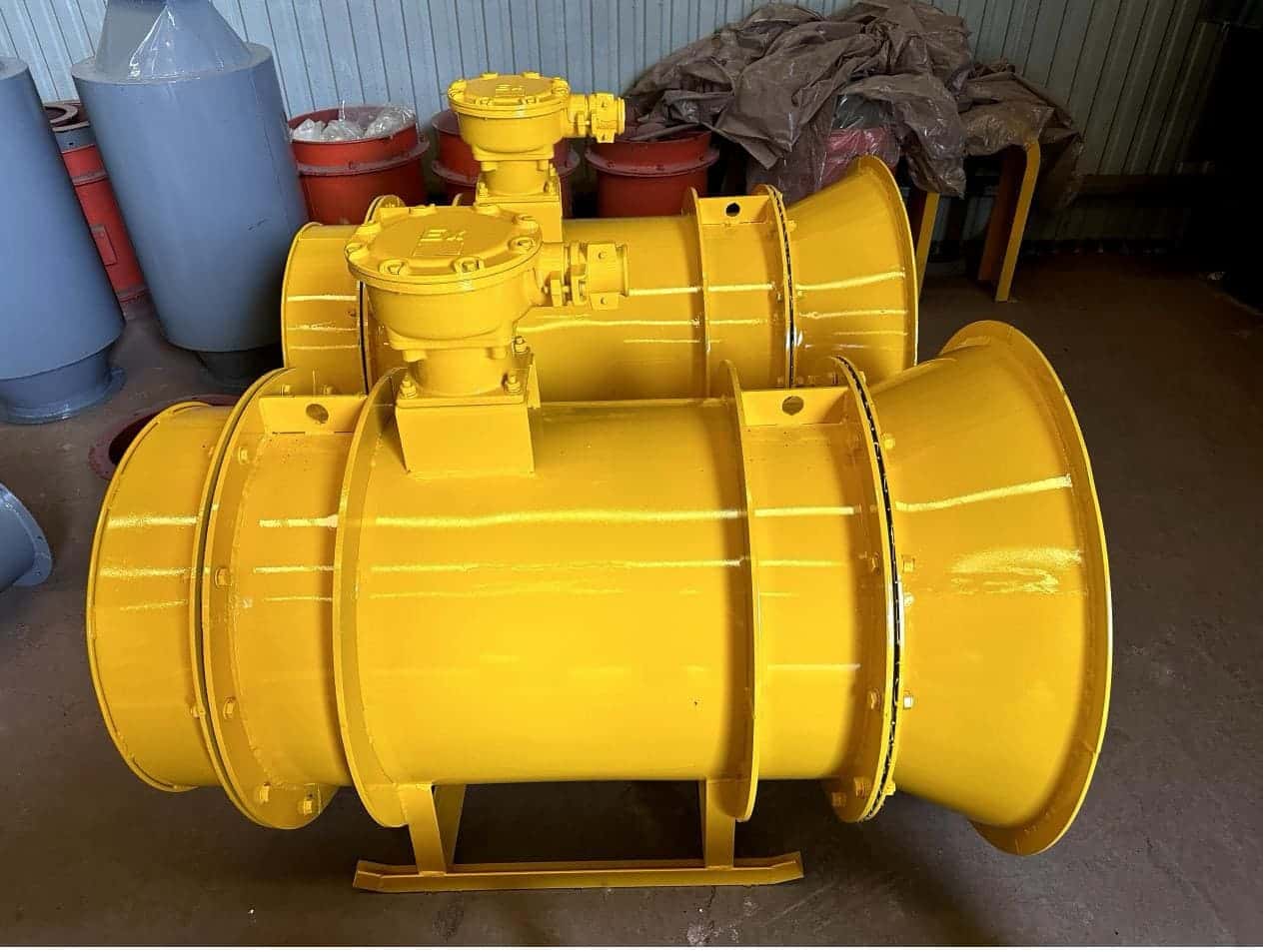
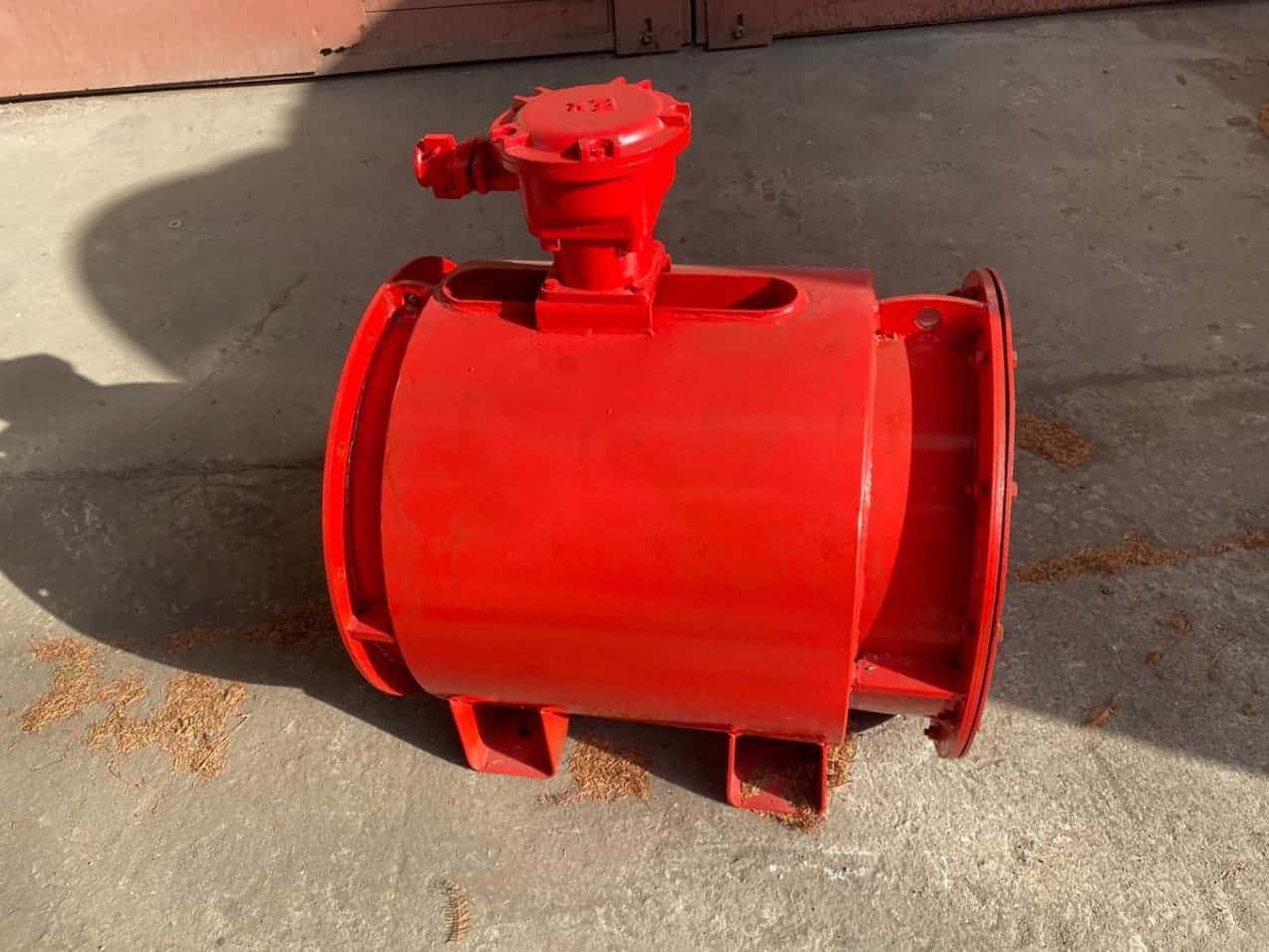
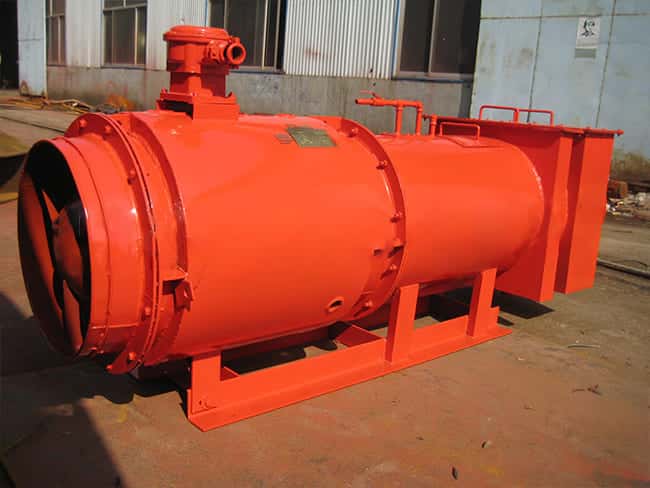
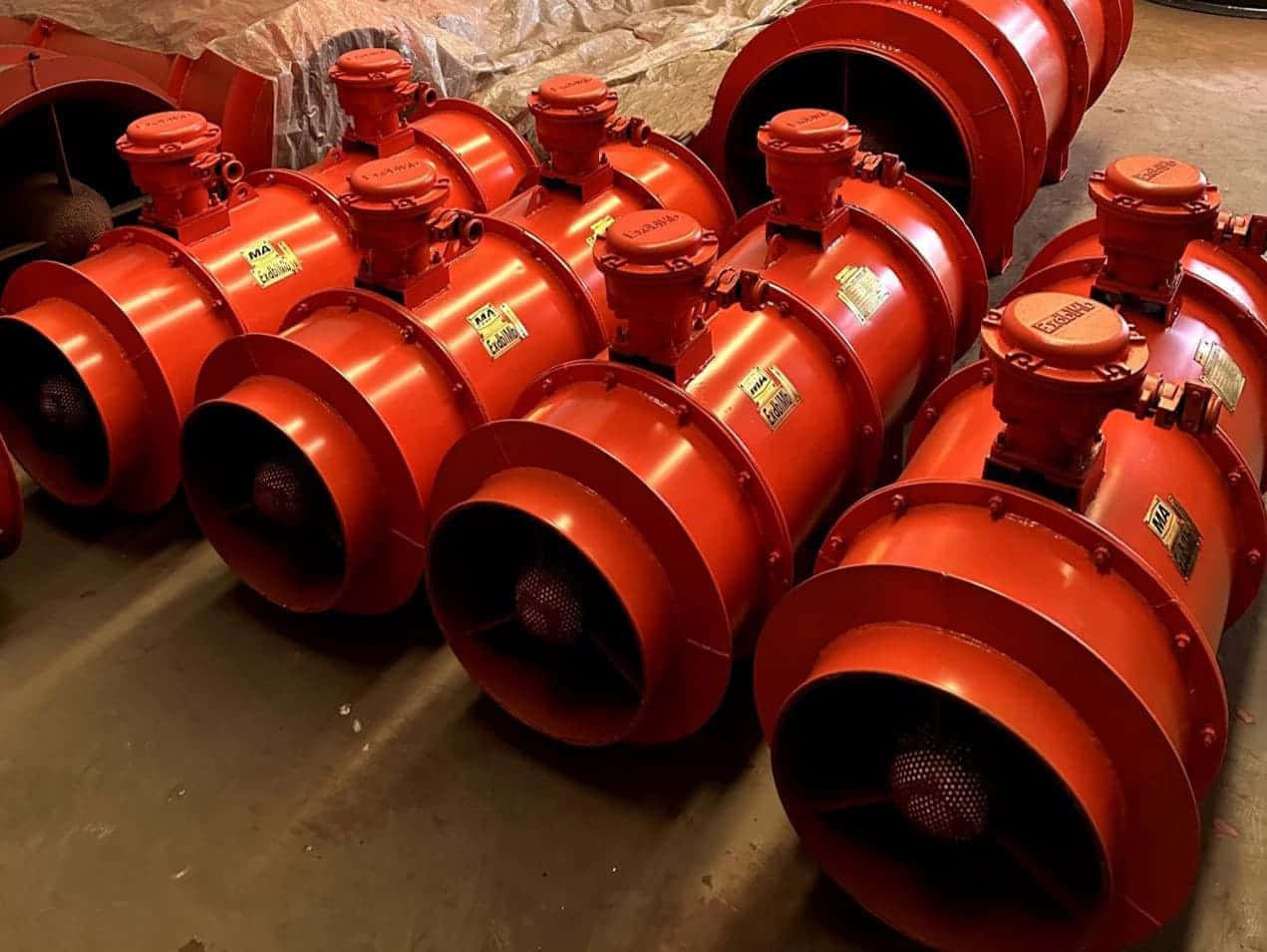
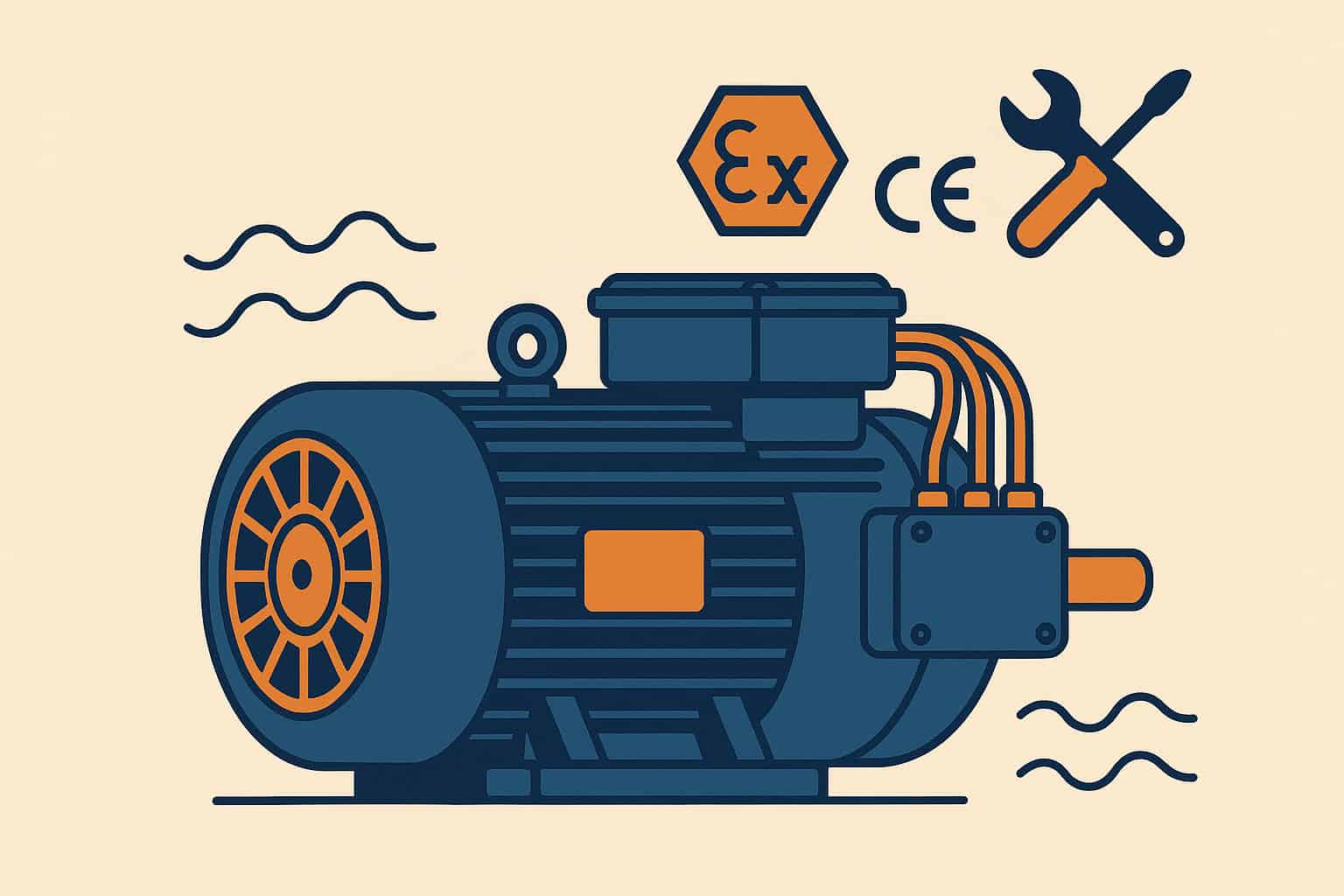
In hazardous or demanding environments—such as underground mines, chemical plants or dust-laden factories—both fan and blower motors may need special enclosures and certifications. Explosion-proof, increased-safety or dust-ignition-proof designs can be used for either, but the requirements are driven by the gas or dust zone classification, not by the label “fan” or “blower”.
From a maintenance perspective, technicians may handle “blower motors” as a distinct spare part because they include the motor plus specific brackets, shafts or wheels, while “fan motors” for larger industrial fans may be standard catalogue motors that can be replaced or upgraded independently of the fan wheel.
In summary, a fan motor and a blower motor are usually the same basic type of electric motor, but they are engineered and packaged to suit different mechanical layouts, pressure requirements and cooling conditions. The distinction is more about application and design details than about a fundamental difference in motor principle.