
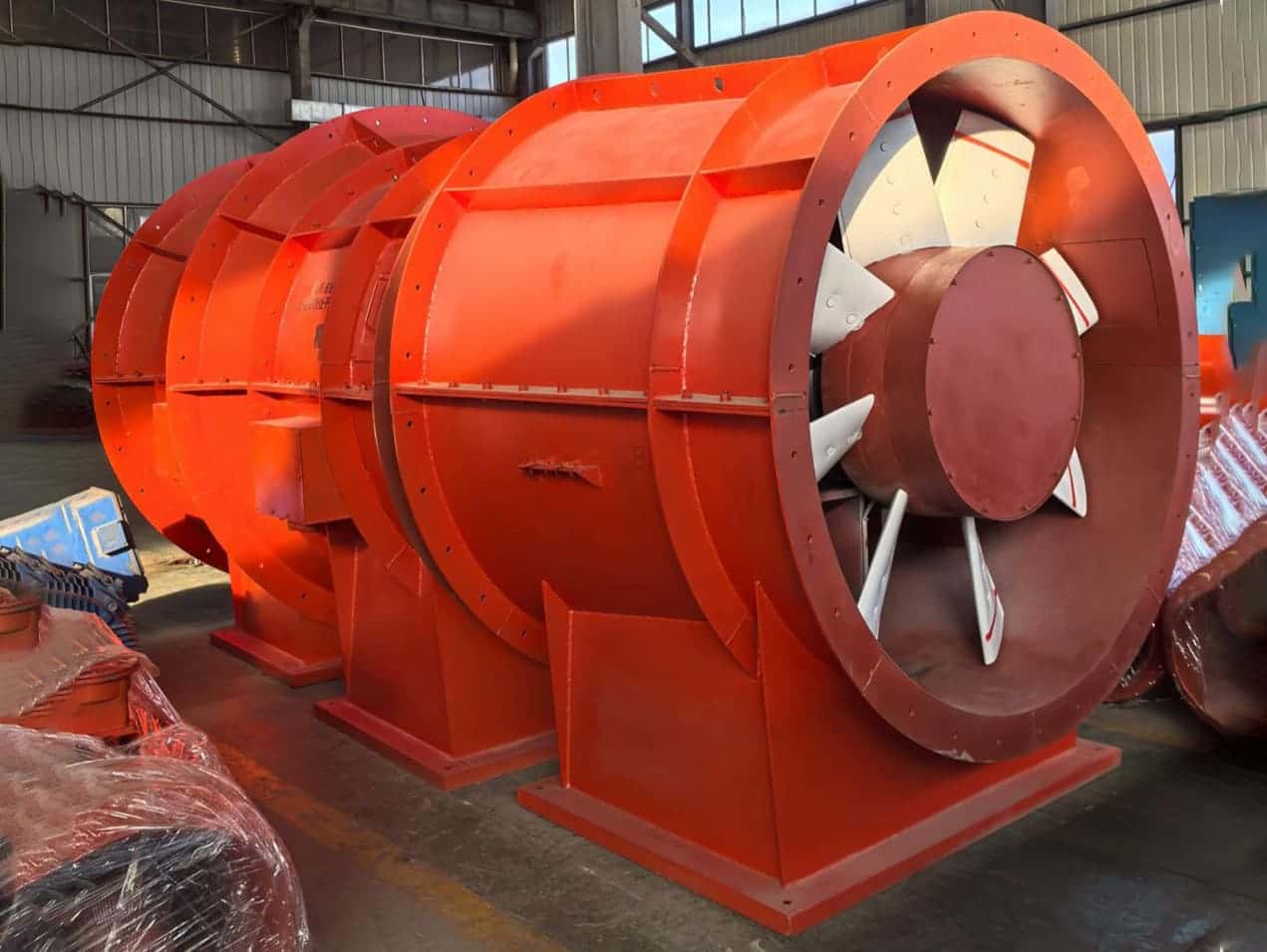
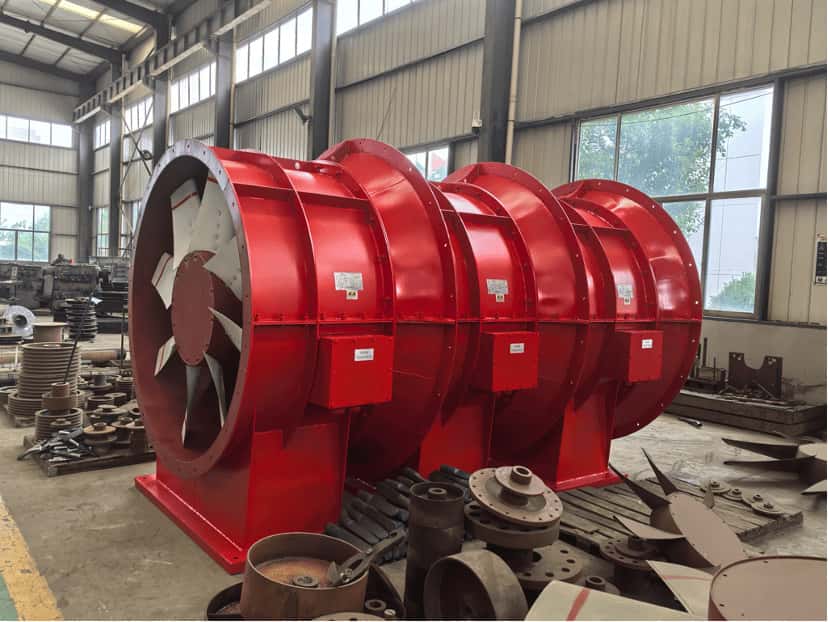
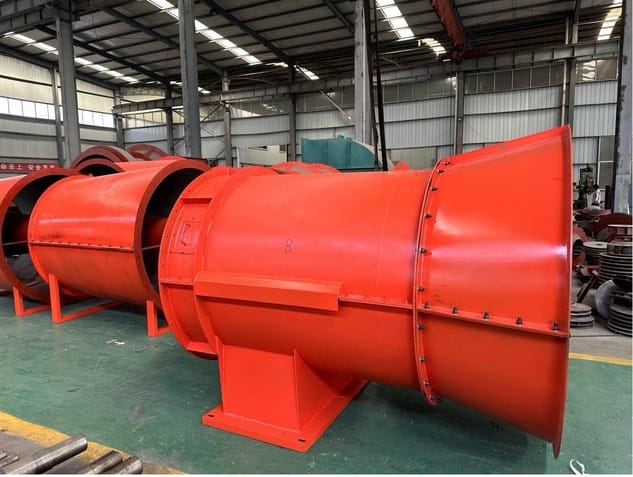
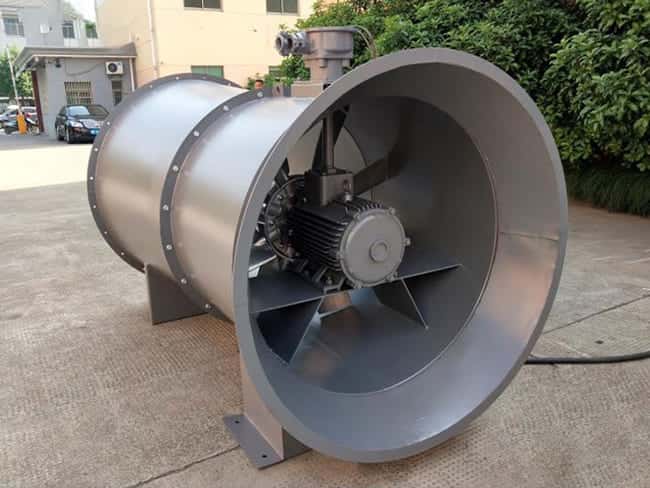
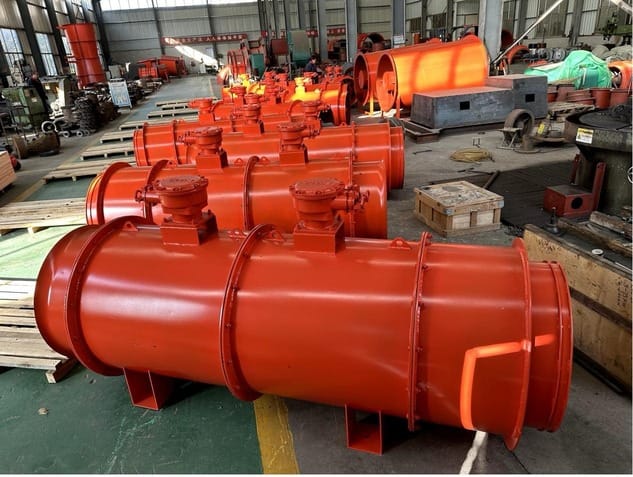
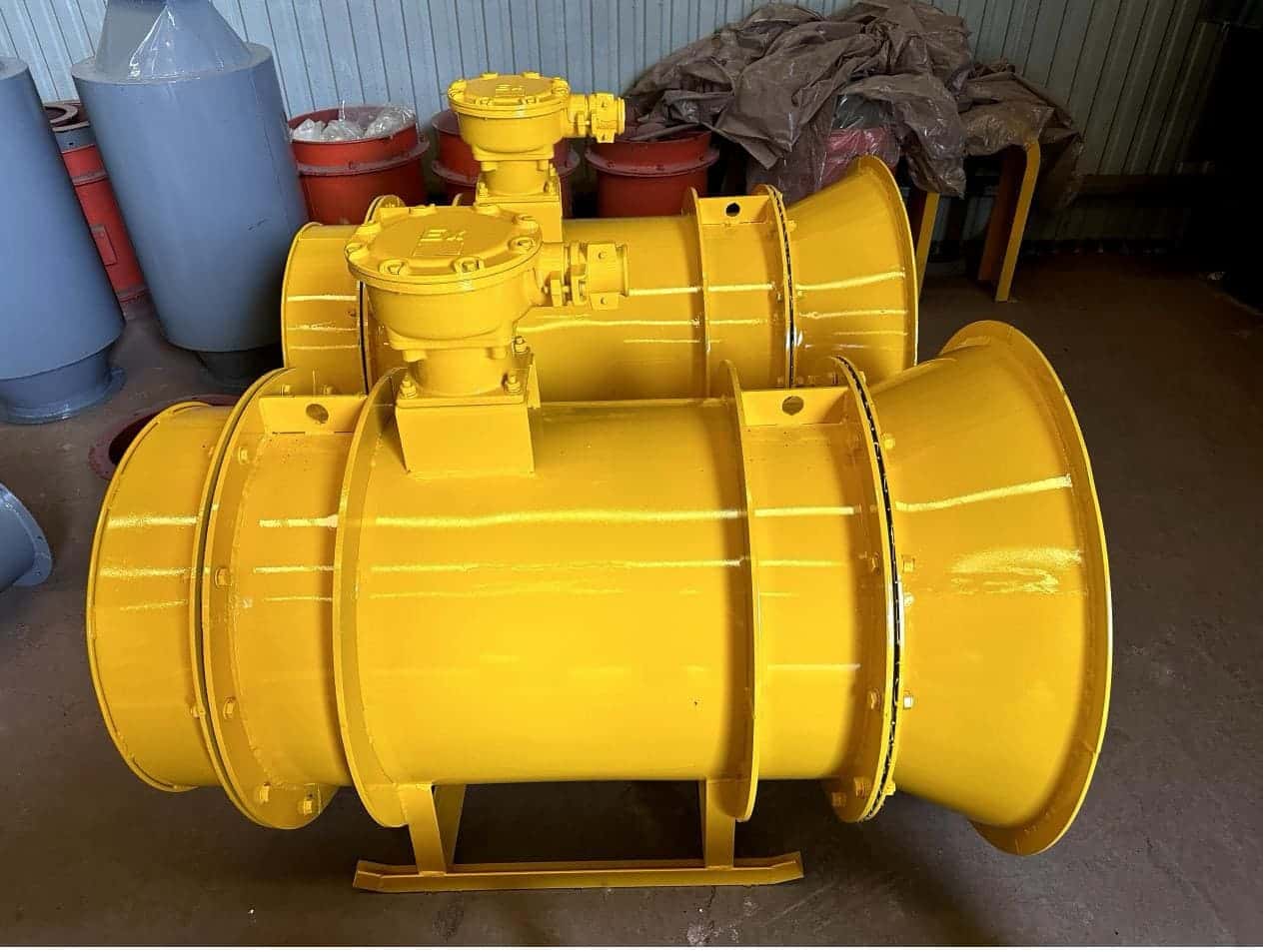
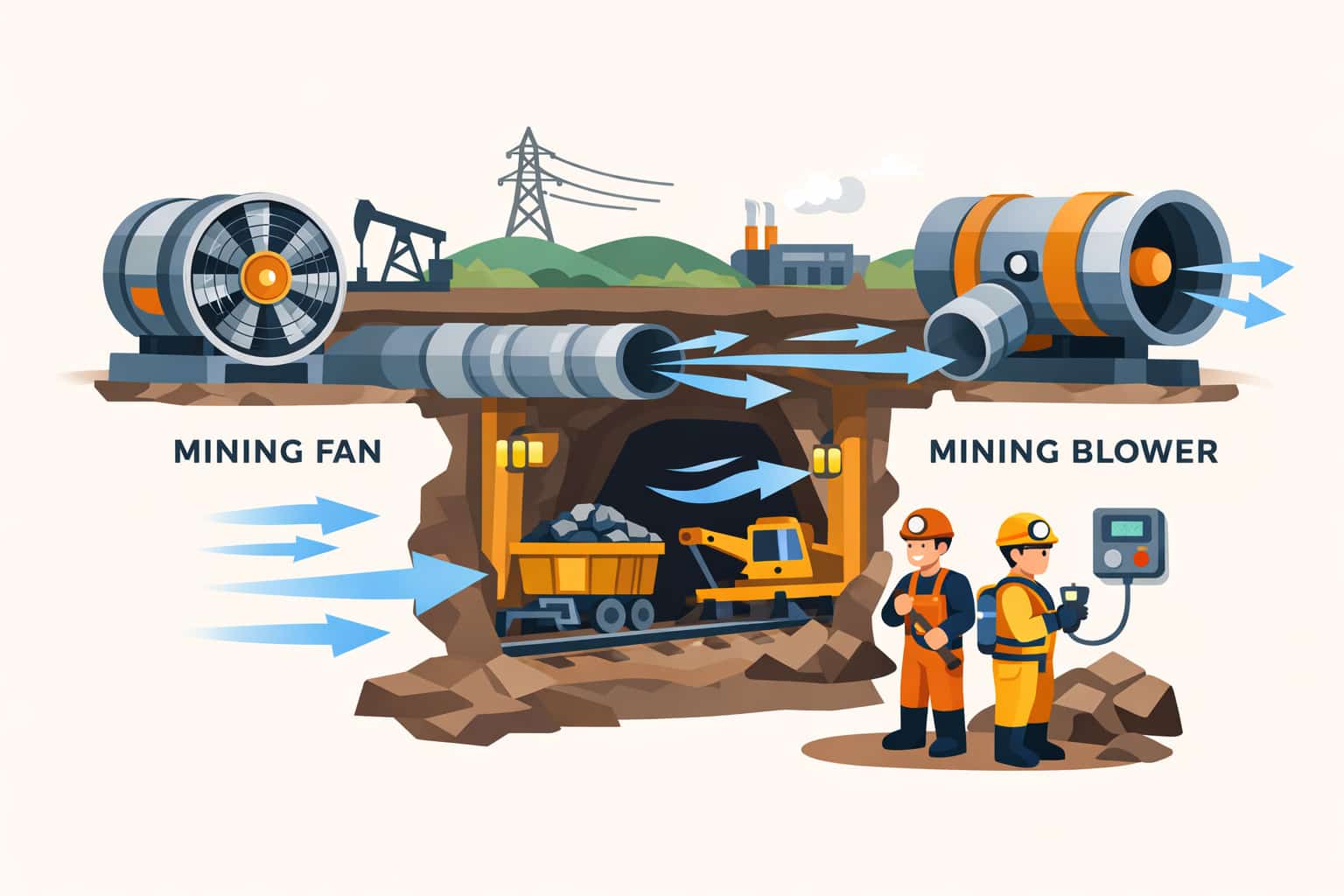
A high velocity fan is not automatically better; it is simply different. High velocity fans produce strong, focused air streams at higher air speeds, while other fans are designed to move large volumes of air more gently. In industrial and mining ventilation, the choice depends on whether you need a concentrated jet of air or broad, low-velocity airflow for general ventilation and comfort.
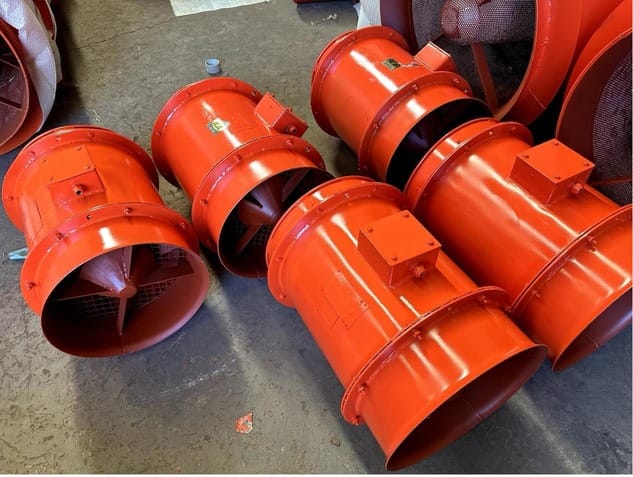
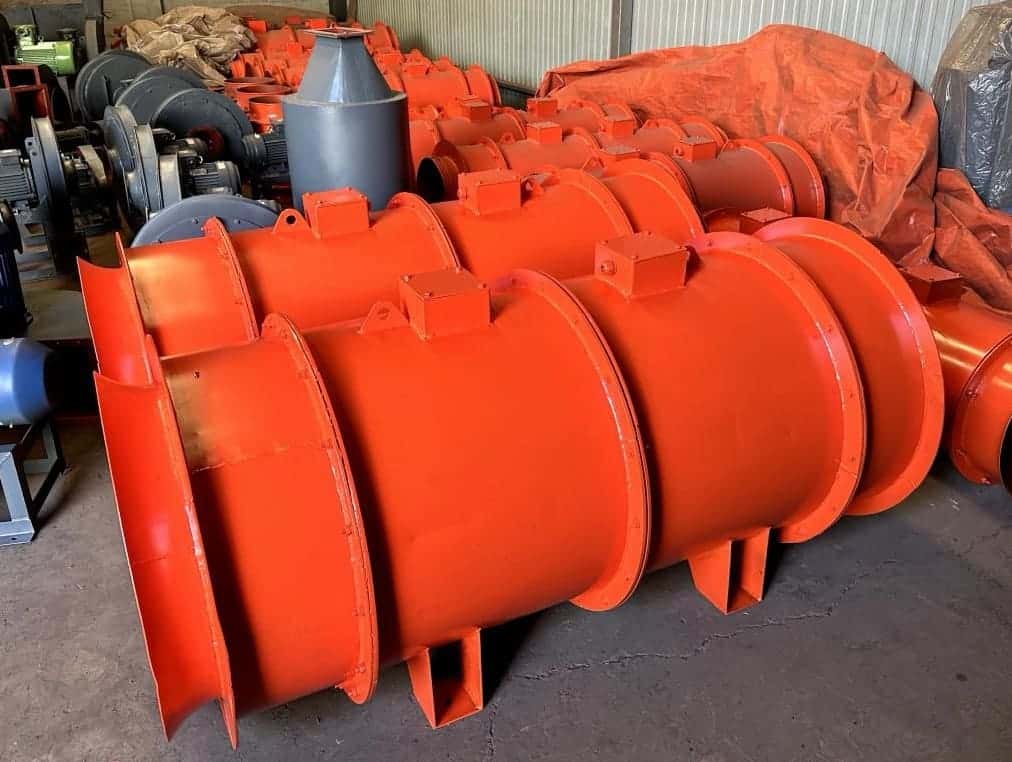
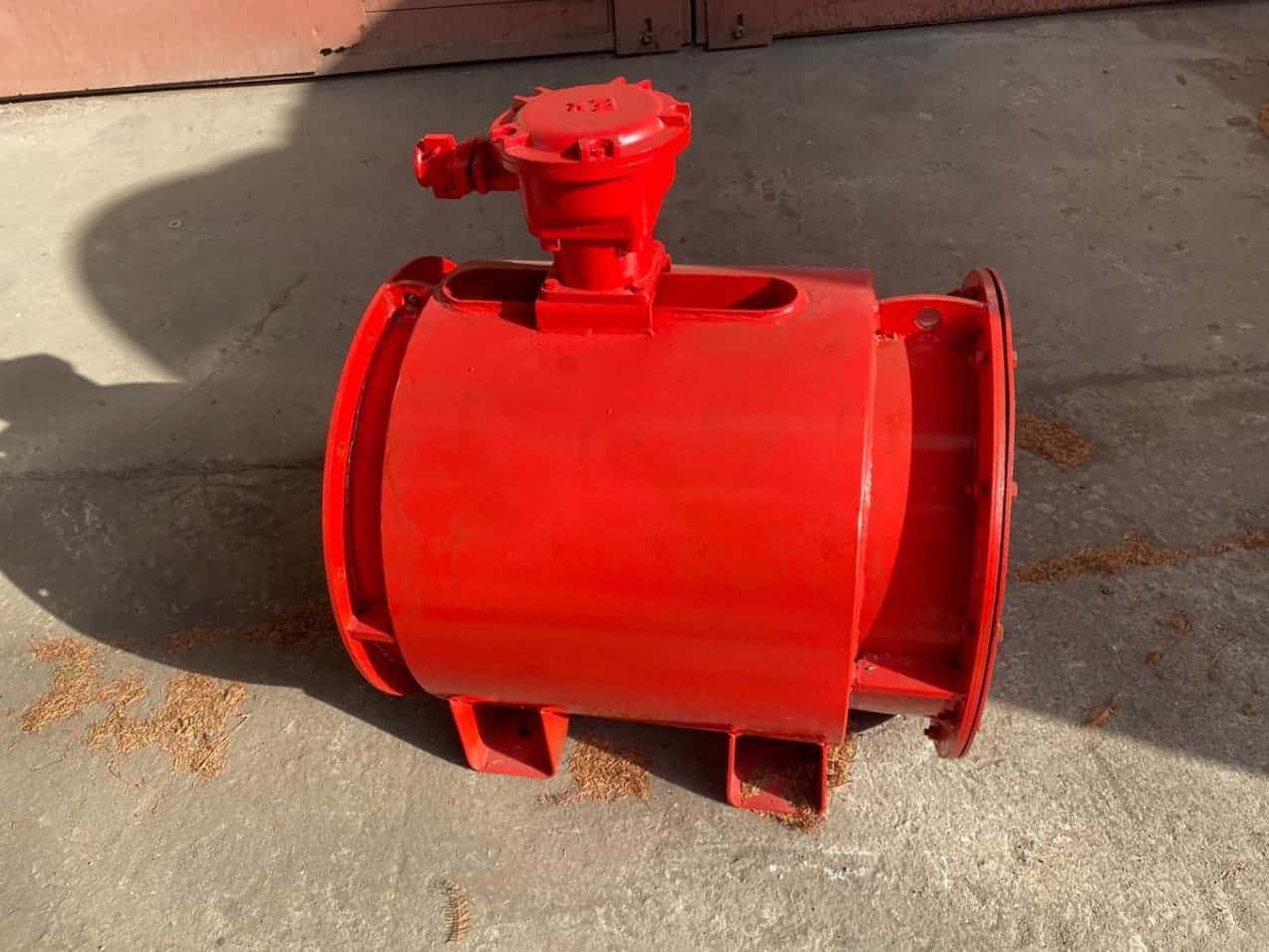
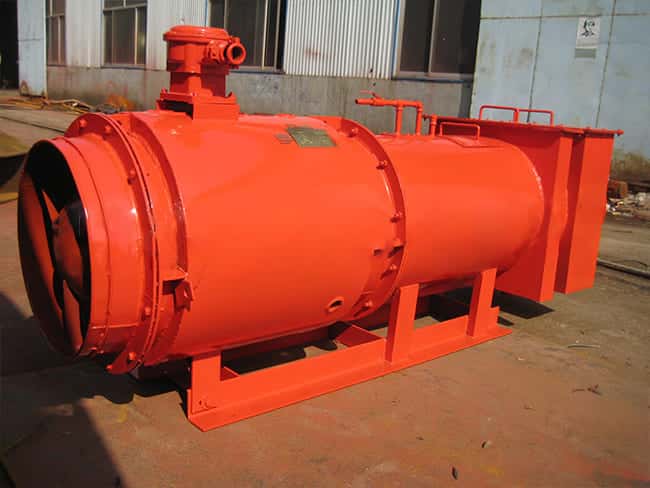
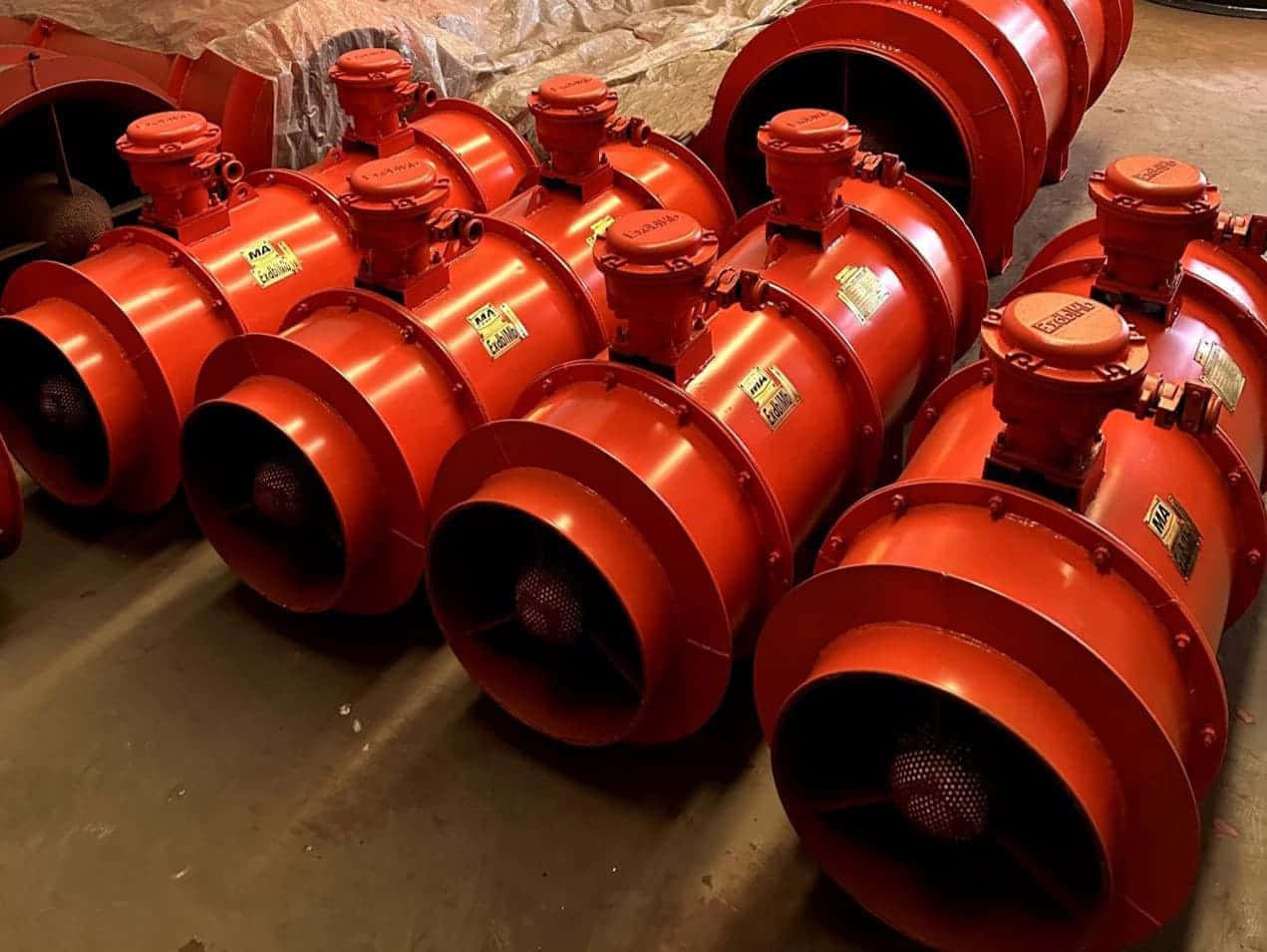
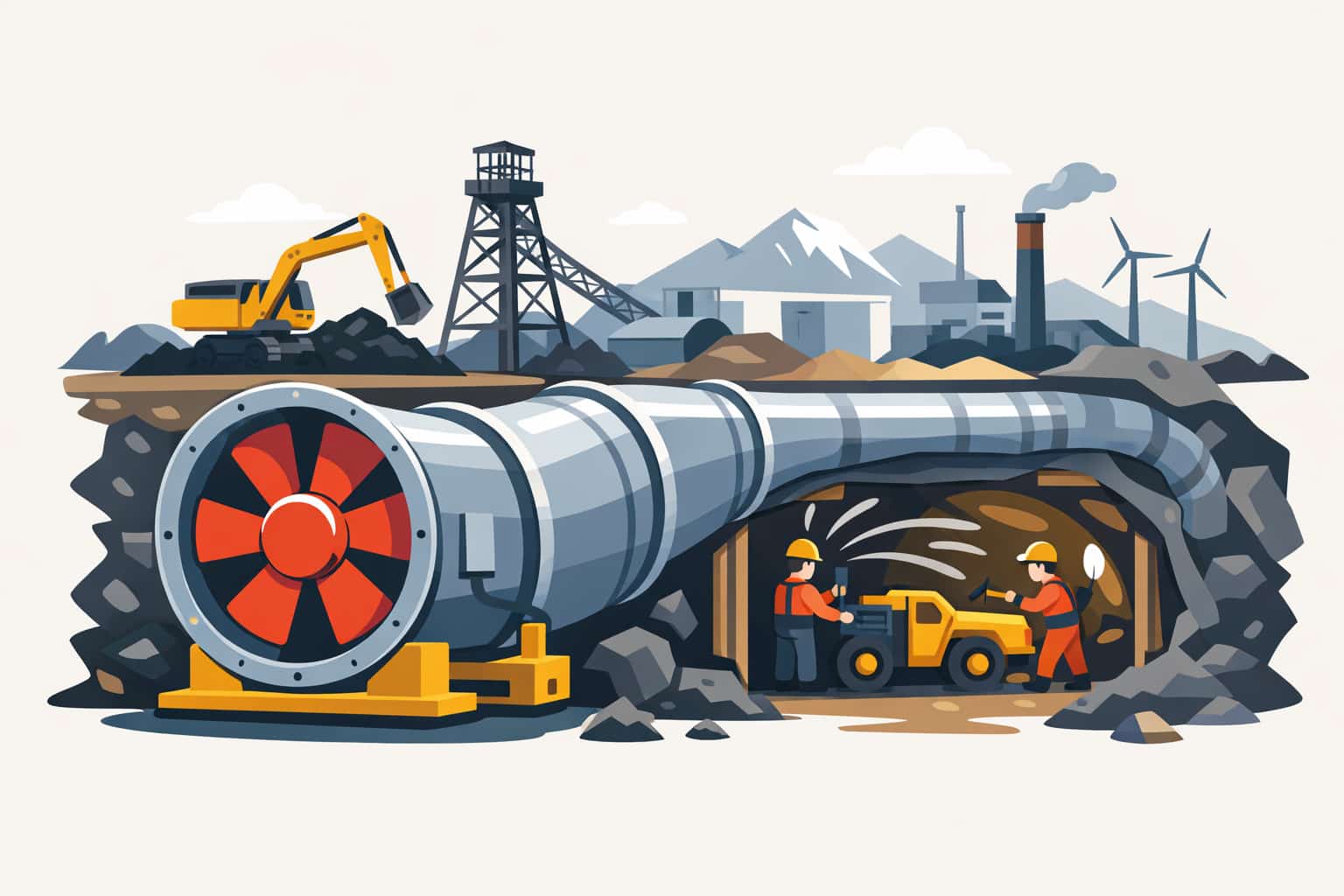
High velocity fans are often small to medium in diameter, with tighter casings or nozzles that create a fast-moving air jet. They are useful when you want to push air a long distance, cool specific equipment, clear fumes from a localized area or provide strong airflow over workers in hot conditions. Tunnel jet fans and some portable axial blowers used for confined spaces are examples of high velocity designs, and they can be very effective in the right situations.
However, high velocity is not always an advantage. Strong air jets can create drafts, noise and dust disturbance. In dusty or loose-material environments, a high velocity fan may stir up dust that would otherwise remain settled, reducing air quality. For general background ventilation in workshops, warehouses or mines, operators often prefer larger fans that move more air at lower velocities, providing even, comfortable conditions without strong gusts.
From an energy perspective, a high velocity fan is not necessarily more efficient. What matters is how much useful airflow you get at the required pressure per unit of power consumed. Sometimes a large, low-speed fan moving air gently can deliver the same ventilation duty with less power and lower noise than several small high-velocity units. In other cases, a high velocity jet fan is exactly what is needed to overcome local resistance or drive flow through a specific tunnel.
When deciding if a high velocity fan is better for your application, consider:
- Do you need focused, long-throw airflow or broad, diffuse ventilation?
- Are noise and drafts acceptable for workers and processes?
- Will high air speeds stir up dust or affect product quality?
- How does the fan’s efficiency and power use compare with alternatives?
In summary, a high velocity fan is better only when your ventilation problem requires strong, directed airflow. For general mine or industrial building ventilation, low to medium velocity, high volume fans are often the more comfortable and energy-efficient choice.