
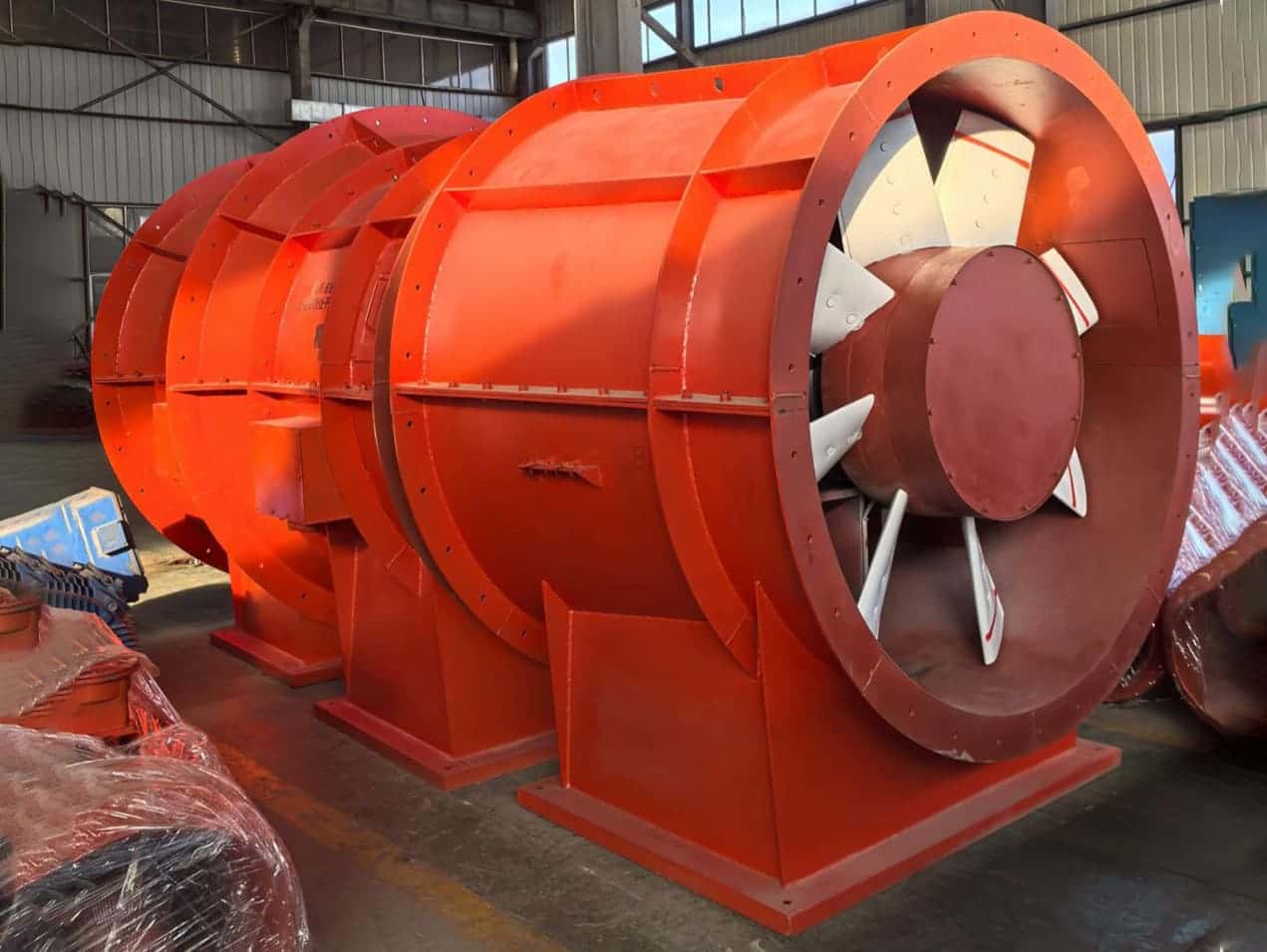
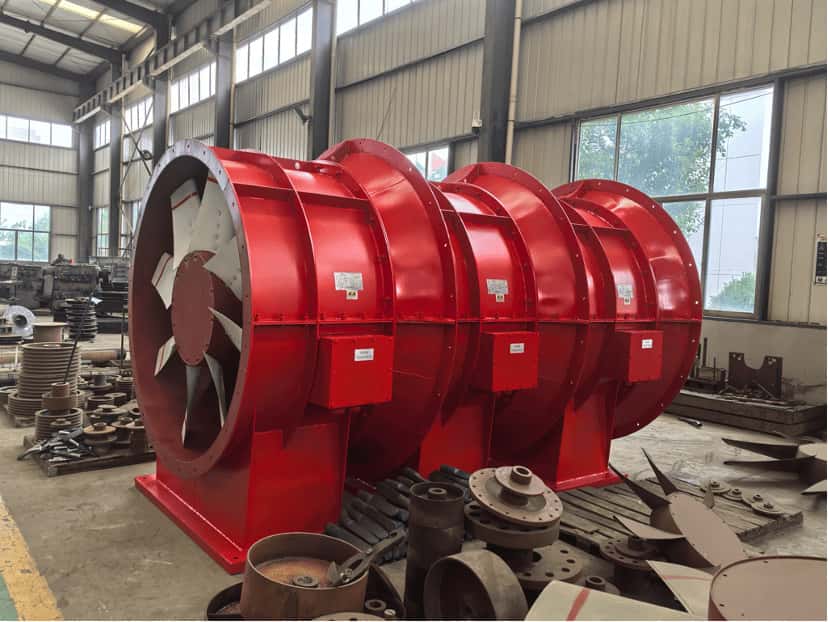
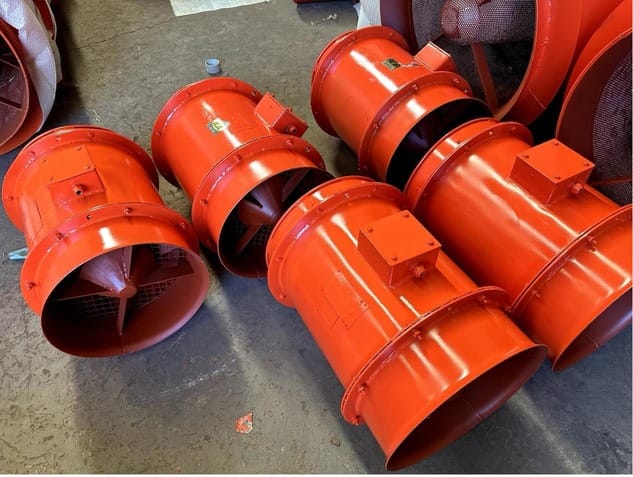
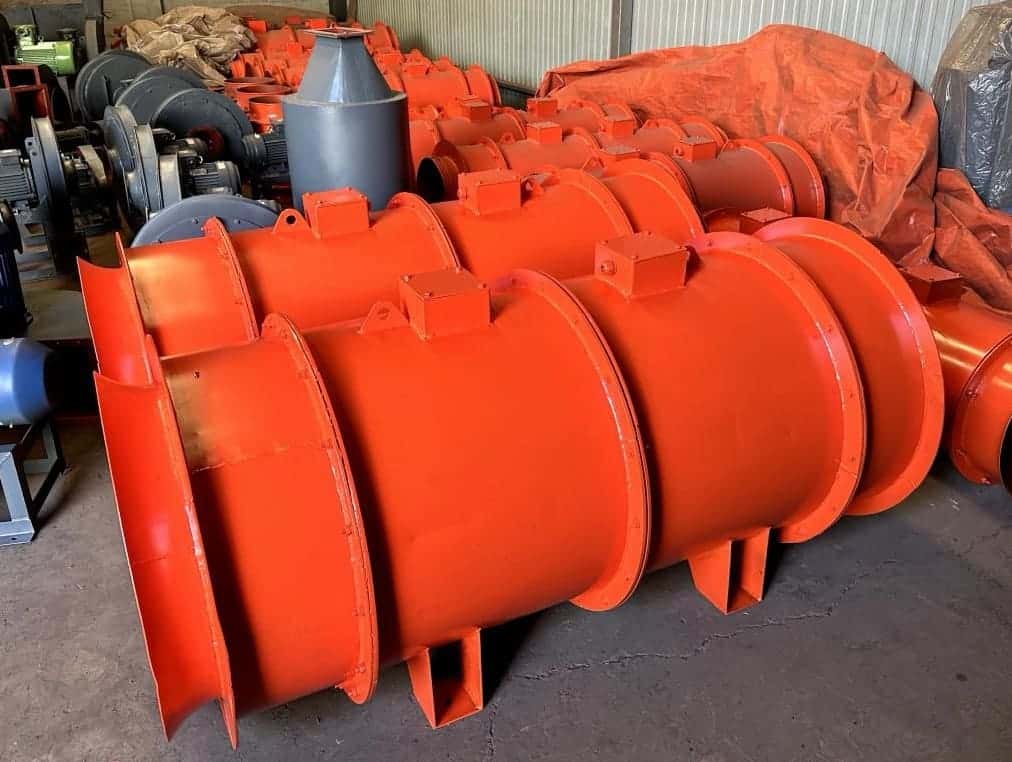
For most industrial plants, commercial buildings and underground mines, a ventilation system is absolutely worth the cost. In many cases it is not just desirable but legally required. A properly designed system protects worker health, prevents dangerous gas or dust build-up, controls temperature and humidity and helps equipment run reliably. When you consider safety, productivity and energy efficiency over the full life of a project, the cost of ventilation is typically a necessary and justified investment.
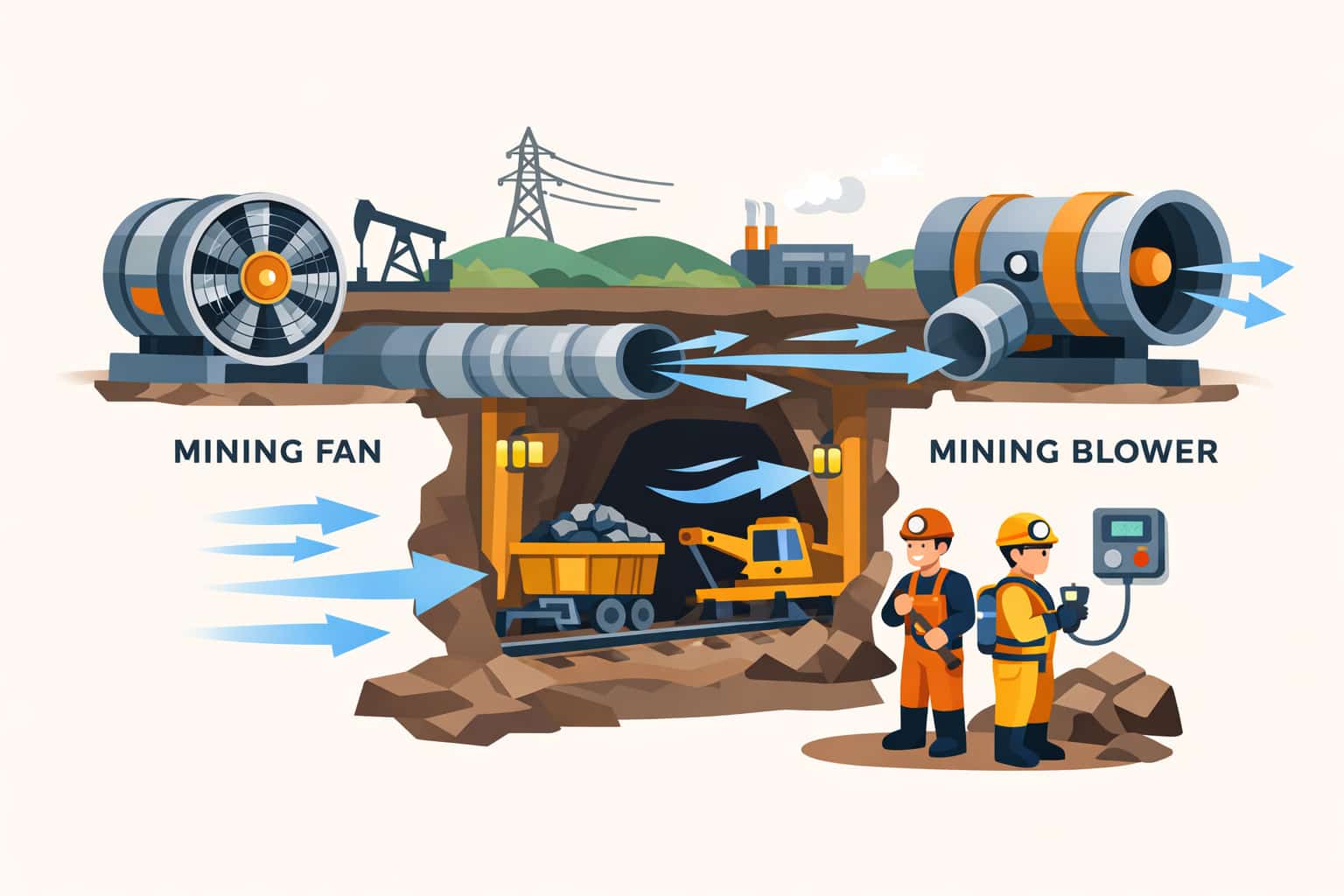
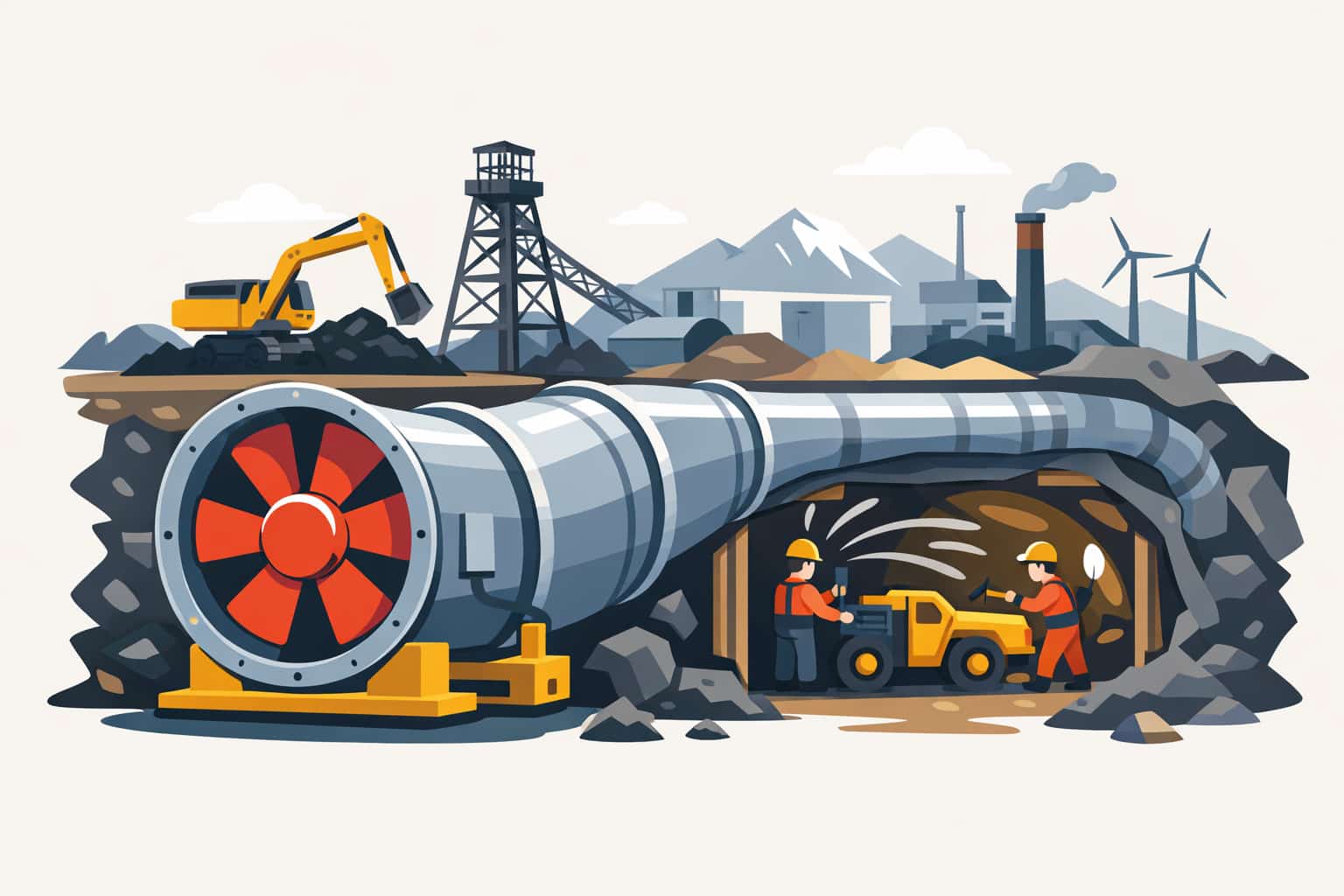
The most important reason is health and safety. Ventilation systems dilute and remove contaminants such as dust, welding fumes, solvent vapours, diesel exhaust, methane and blast fumes. In underground mining, adequate ventilation is mandatory to avoid explosions and toxic exposures. Regulatory agencies set strict limits on gas and dust levels, and companies that do not meet them face shutdowns, fines and serious accident risks. The cost of even a major ventilation system is small compared with the potential costs of an explosion, fire or long-term occupational disease.
Ventilation also delivers strong comfort and productivity benefits. In hot or poorly ventilated areas, workers tire quickly, concentration drops and error rates rise. Air that is cooler, cleaner and less humid supports better performance and fewer heat-related illnesses. In many plants and mines, improving ventilation has led directly to higher production rates because workers can spend more time at the face or machine without exceeding heat or exposure limits.
From an economic perspective, a modern ventilation system can help reduce long-term operating costs. High efficiency fans, low-loss ducts and variable speed drives use less energy than outdated or poorly designed systems. Ventilation-on-demand strategies in mines and large plants adjust airflow based on real-time needs, cutting power consumption when areas are idle. Although these technologies increase initial capital cost, they often pay for themselves through energy savings over a few years.
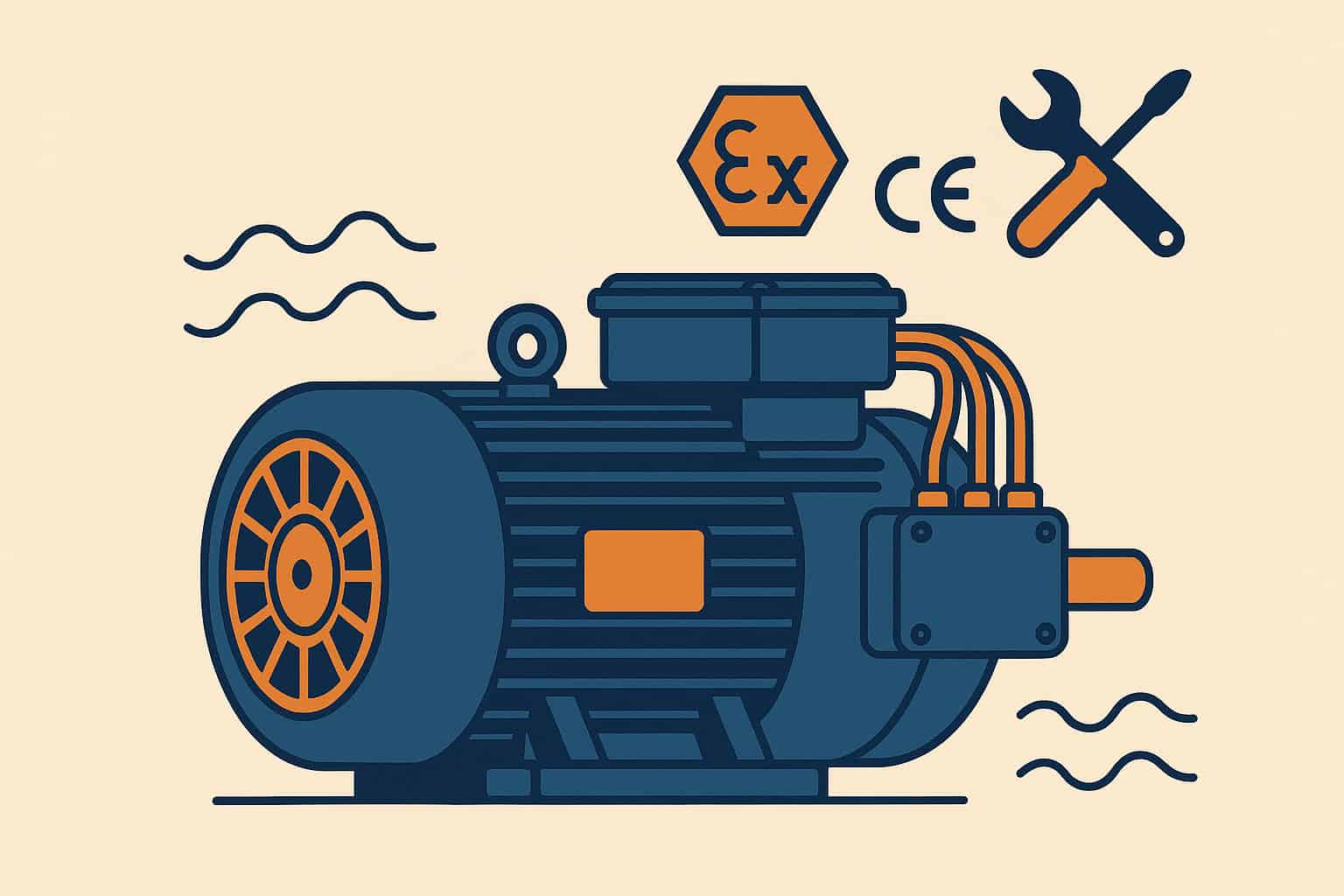
A good ventilation system can also protect equipment and structures. Removing hot air, corrosive gases and moisture reduces corrosion, prevents overheating of motors and electrical equipment and lessens condensation damage. This means fewer unplanned shutdowns and lower maintenance costs. In underground mines and heavy industrial environments, those savings can be substantial.
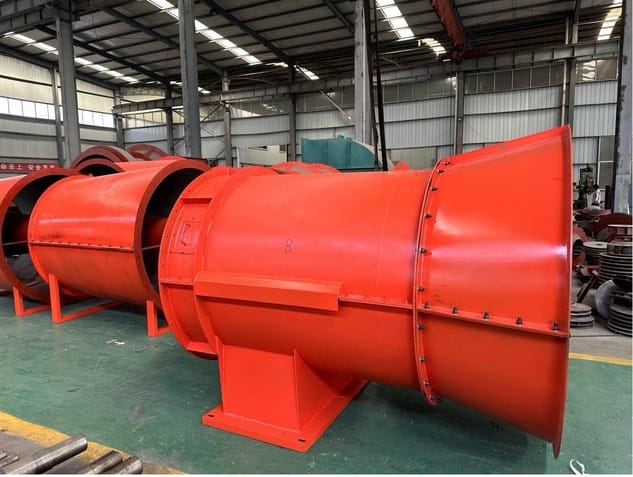
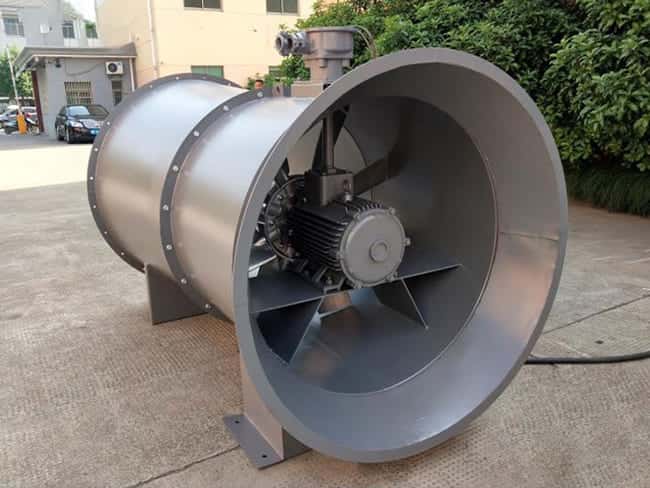
Of course, not every project needs the same level of ventilation investment. A small workshop may only require basic fans and local exhaust, while a deep mine needs a sophisticated system with multiple main fans, booster fans, sensors and controls. The key is to design a system that meets safety and production requirements without over-spending on unnecessary features.
In summary, for industrial and mining applications a ventilation system is clearly worth the cost. It is a core part of safety, productivity and energy management, and when properly engineered it provides a strong return on investment over the life of the facility.