




Air density is not the same as atmospheric pressure, although the two are closely related. Air density is the mass of air per unit volume, usually expressed in kg/m³. Atmospheric pressure is the force per unit area exerted by the weight of the air above us, usually expressed in kPa, bar or Pa. In other words, density describes how “heavy” or “light” a given volume of air is, while pressure describes how strongly that air pushes on surfaces.
The two quantities are linked by the gas laws. At a fixed temperature, higher pressure generally means higher density, because more air molecules are squeezed into the same volume. At a fixed pressure, higher temperature usually means lower density, because the air expands and the same number of molecules occupies a larger volume. Humidity also plays a role: moist air is slightly less dense than dry air at the same pressure and temperature.
In fan and ventilation engineering, this distinction is important. Fan curves are normally given for standard air density, based on a standard atmospheric pressure and temperature. If your system operates at high altitude, where atmospheric pressure and density are lower, or in a very hot industrial or mining environment, the actual air density can differ significantly from standard conditions even when the local pressure is known. That means the fan will not develop exactly the same pressure and power as indicated on the standard curve unless you correct for density.
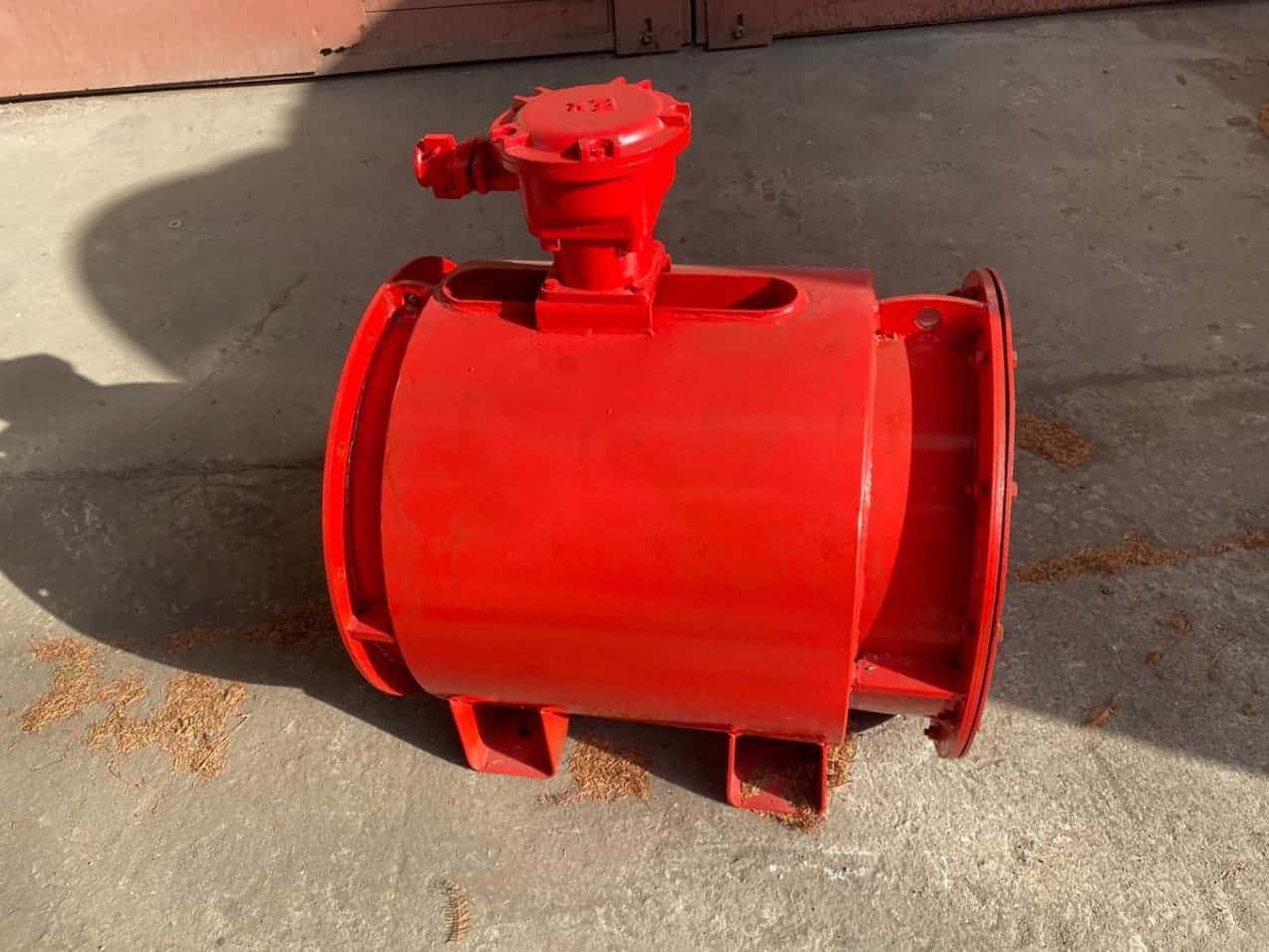
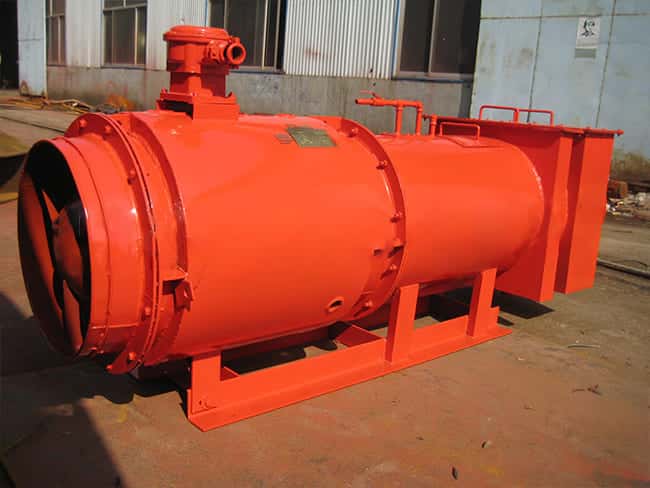
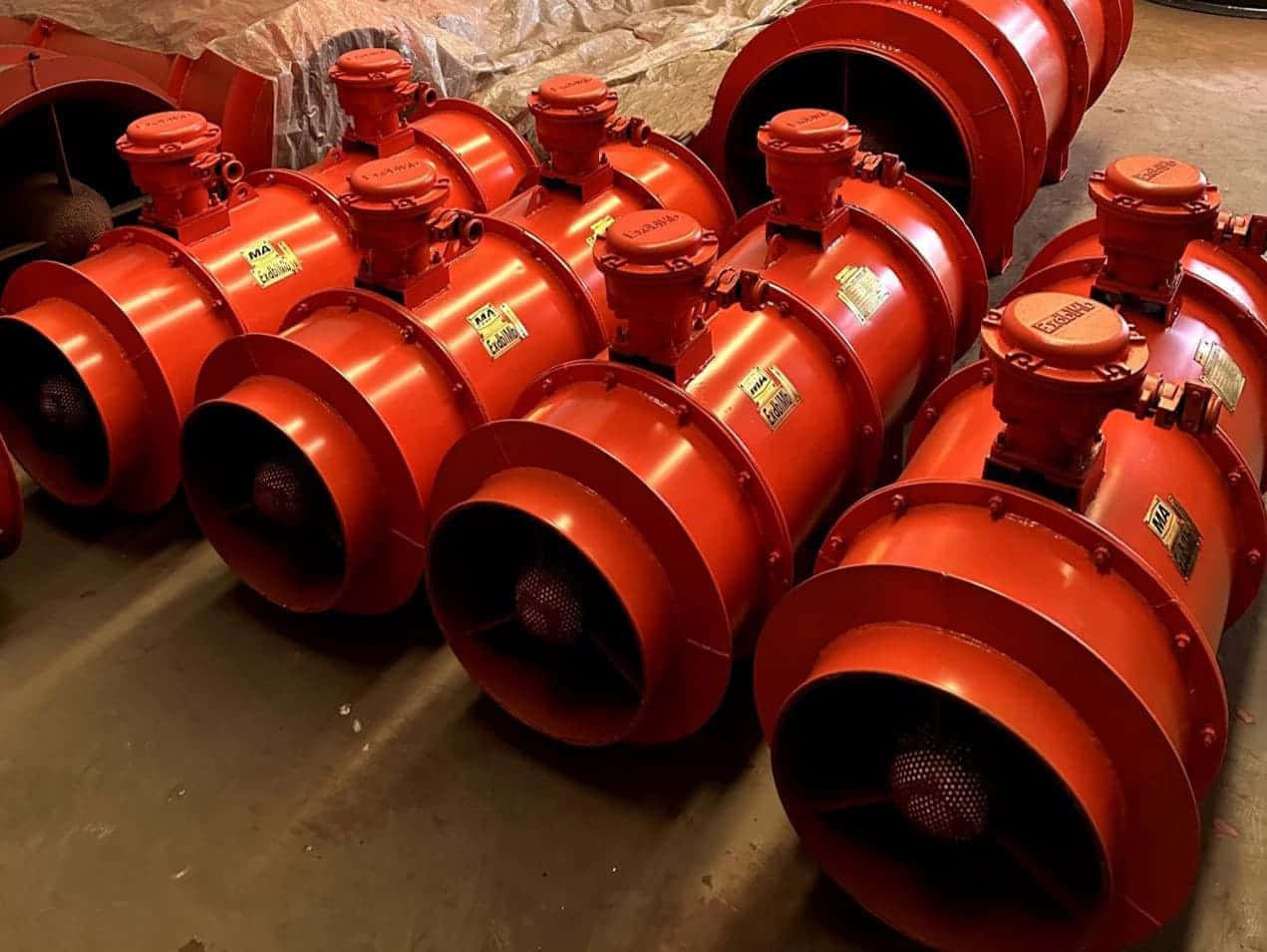
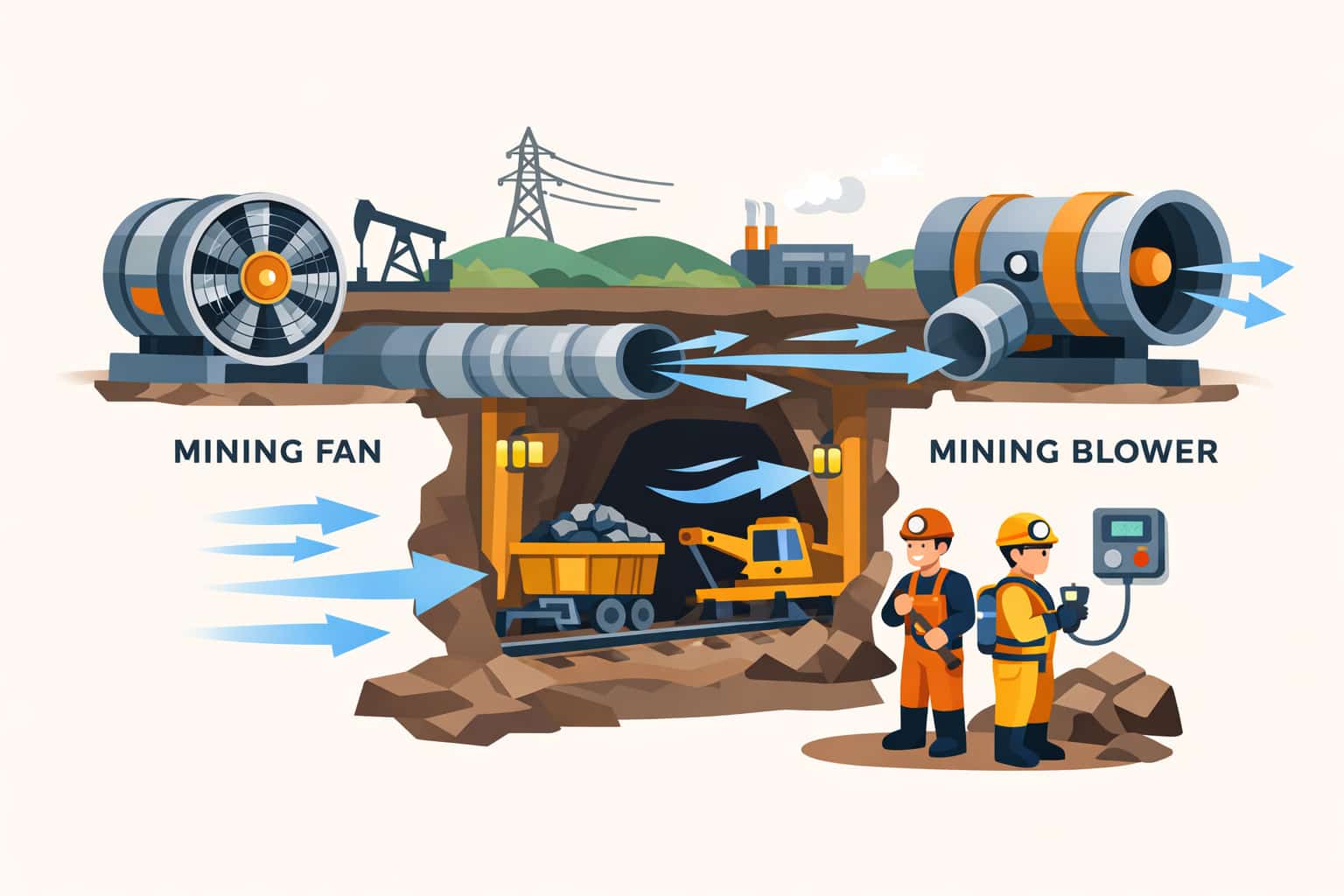
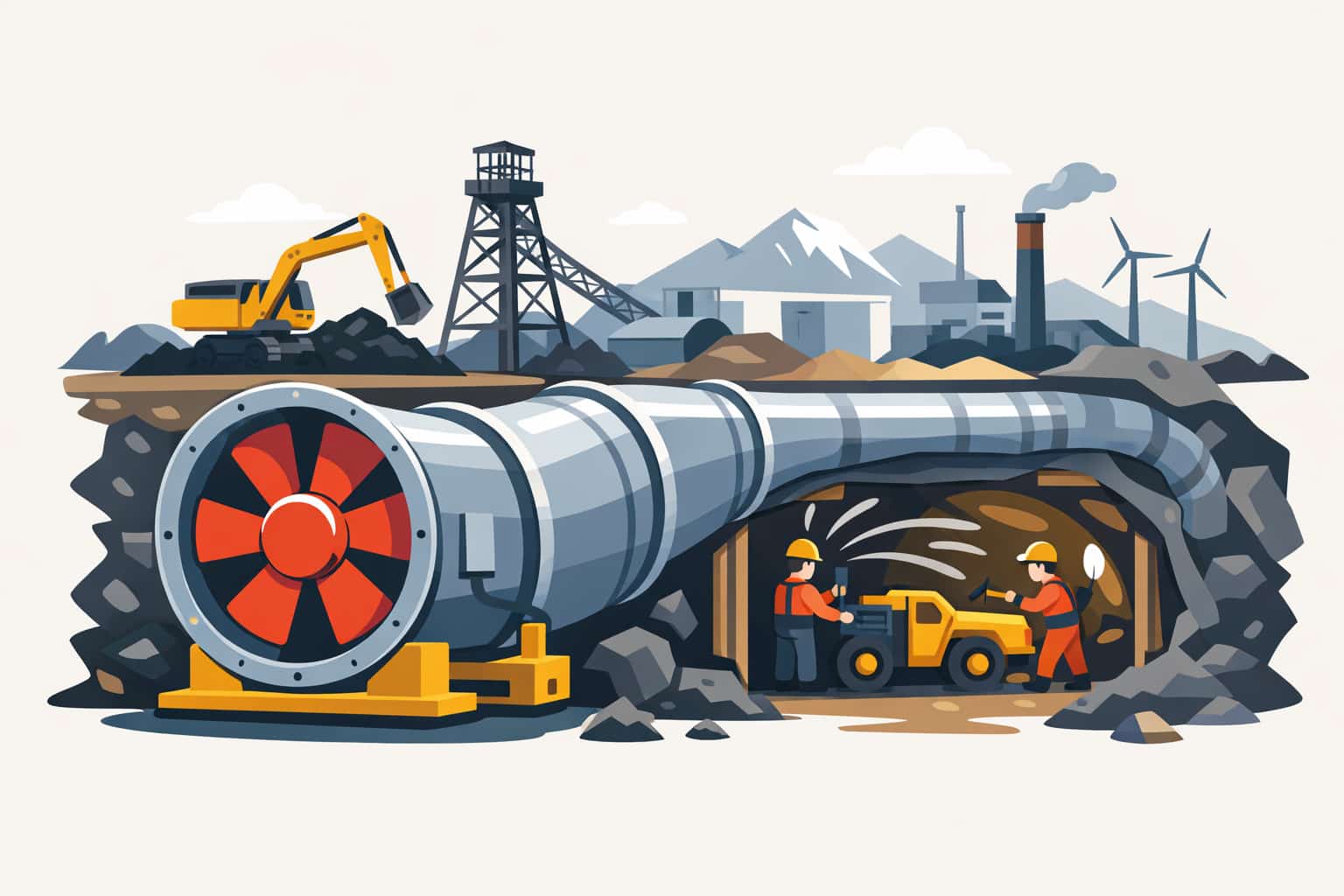
For example, a mine fan installed at high elevation works in air with lower density than at sea level. The atmospheric pressure at site is lower, so the density is lower as well. At the same fan speed and volume flow, the developed fan pressure and absorbed power are both reduced roughly in proportion to density. However, the volume flow in m³/s may stay similar. If the design is based on mass flow (kg/s) for gas dilution or cooling, engineers must increase the required volume flow to compensate for the lower density.
In summary, atmospheric pressure and air density are related but distinct properties. Pressure is the overall force of the air column, while density is how much mass of air occupies each cubic metre. For mining and industrial fans, it is air density—not just pressure alone—that determines how much pressure and power a fan will produce at a given speed, so both must be considered in ventilation design.