
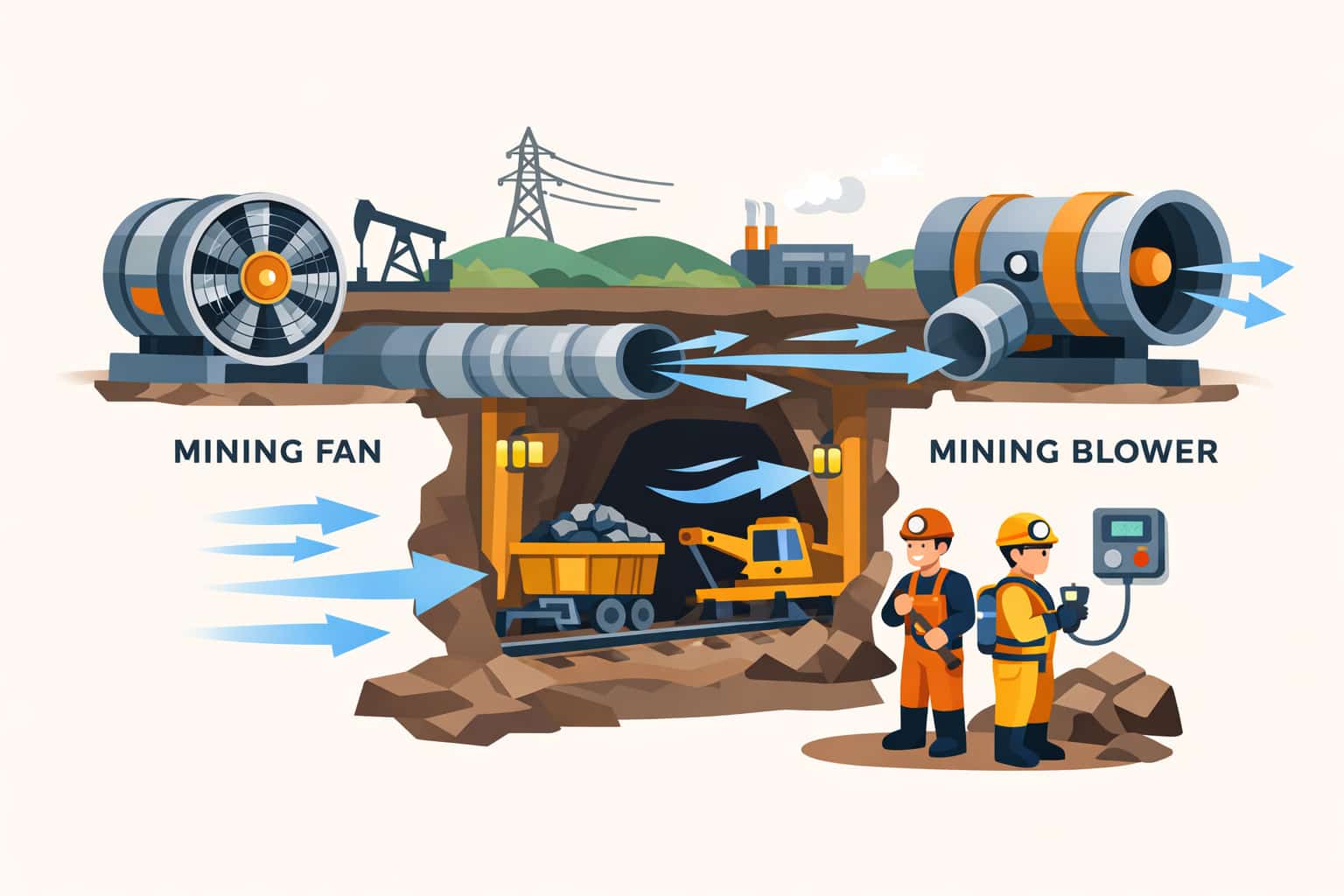
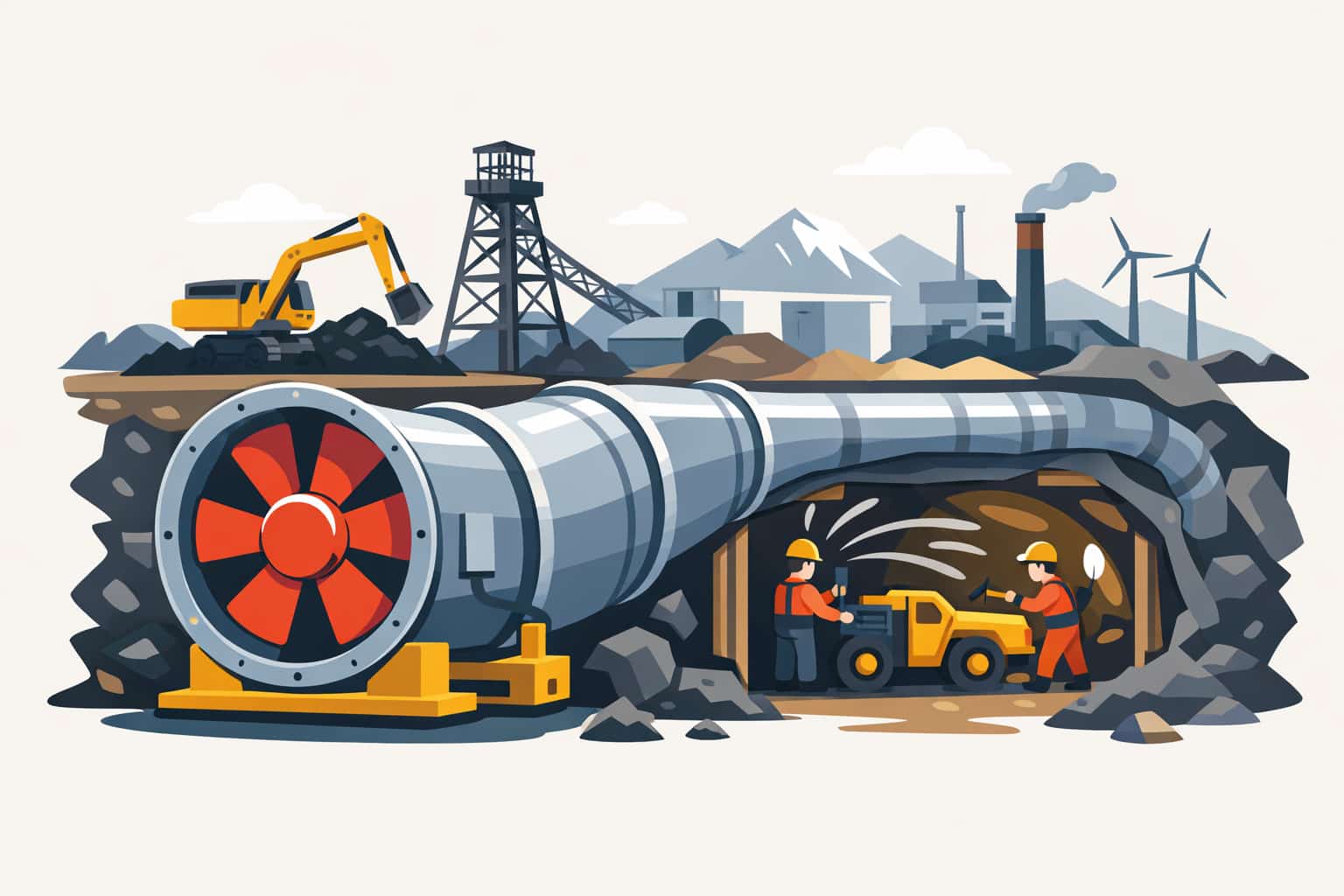
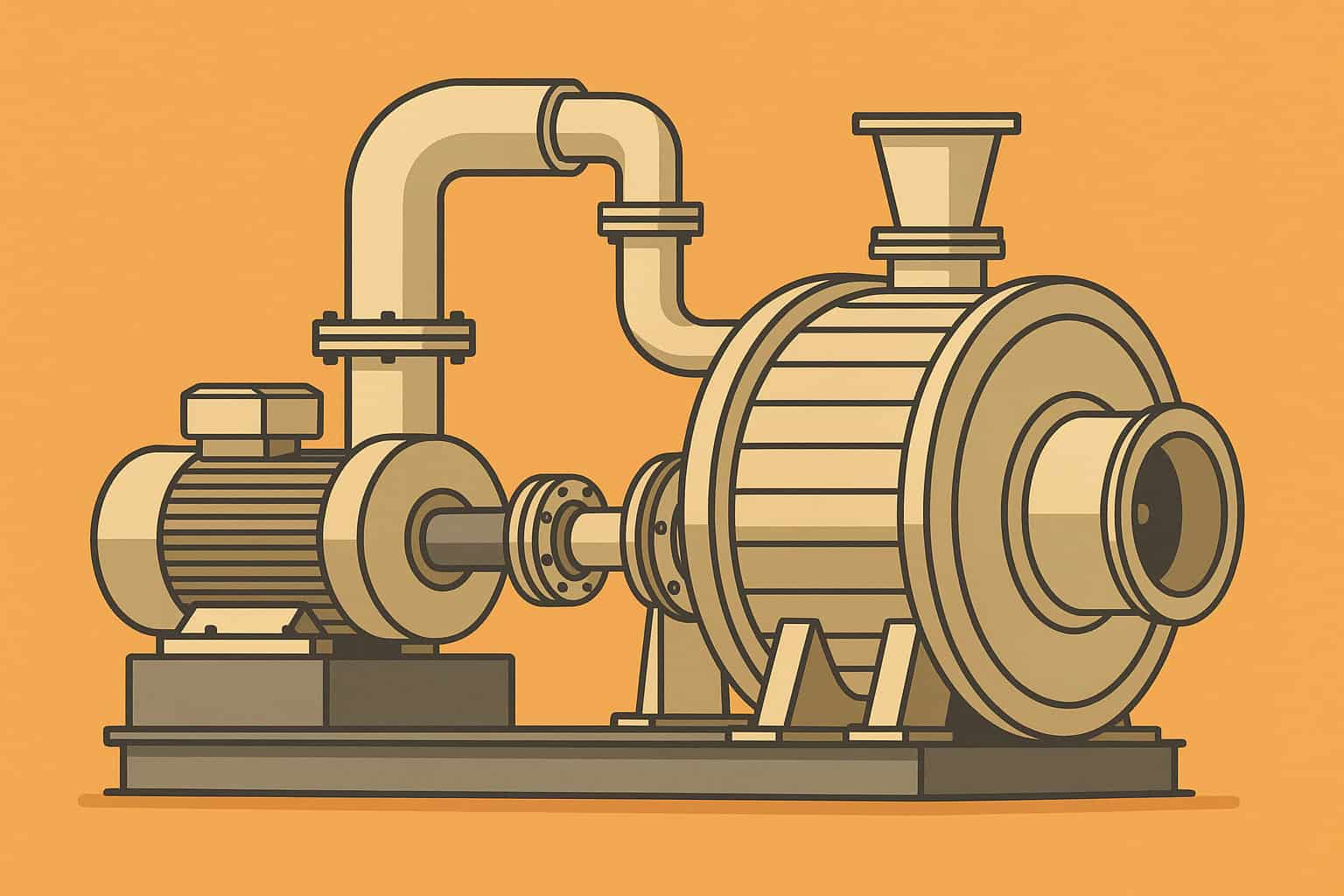

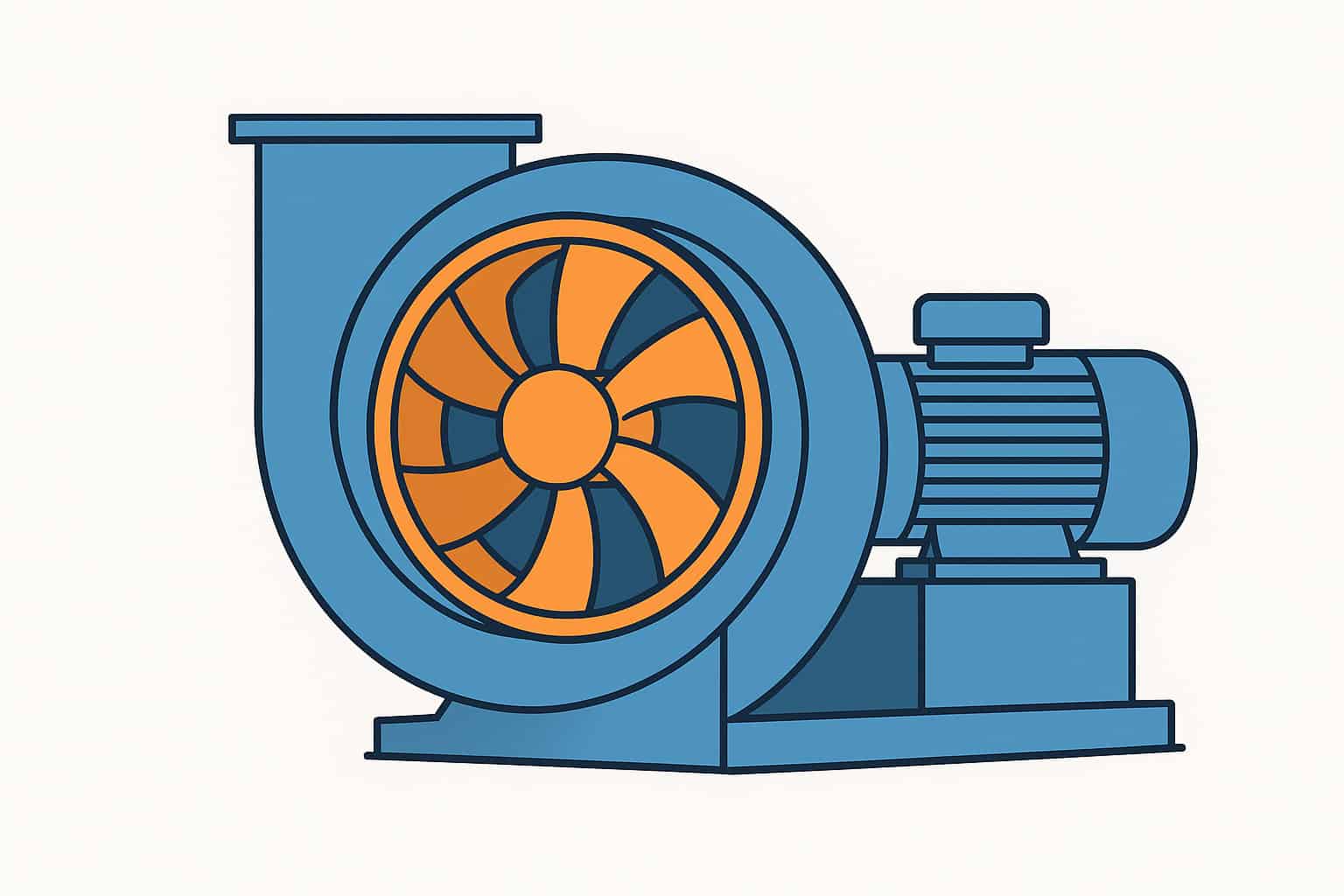
Neither axial nor centrifugal fans are universally better; each is better for specific types of ventilation duties. The right choice depends on airflow, pressure, air quality, layout and control requirements in your industrial plant or mine.
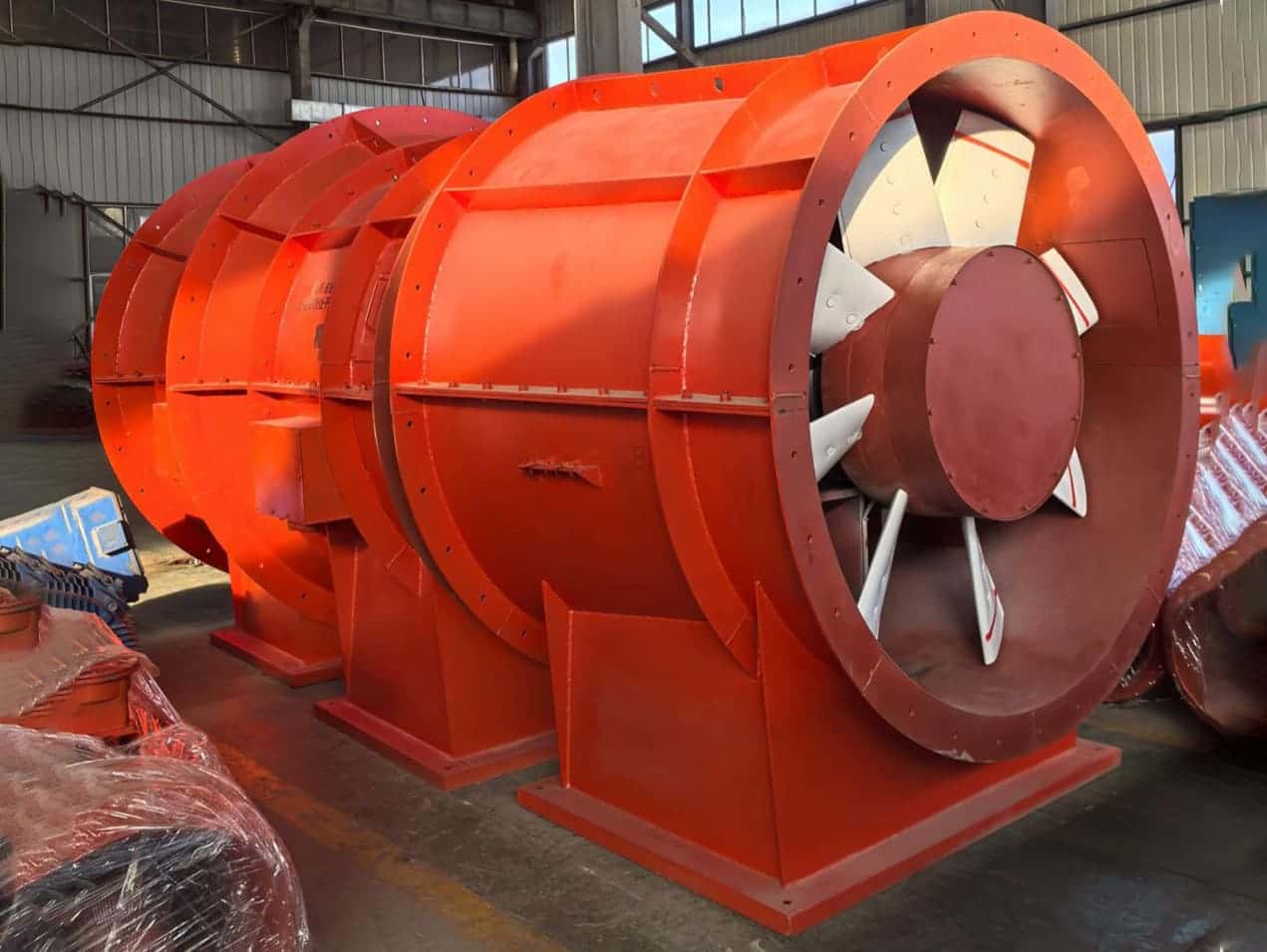
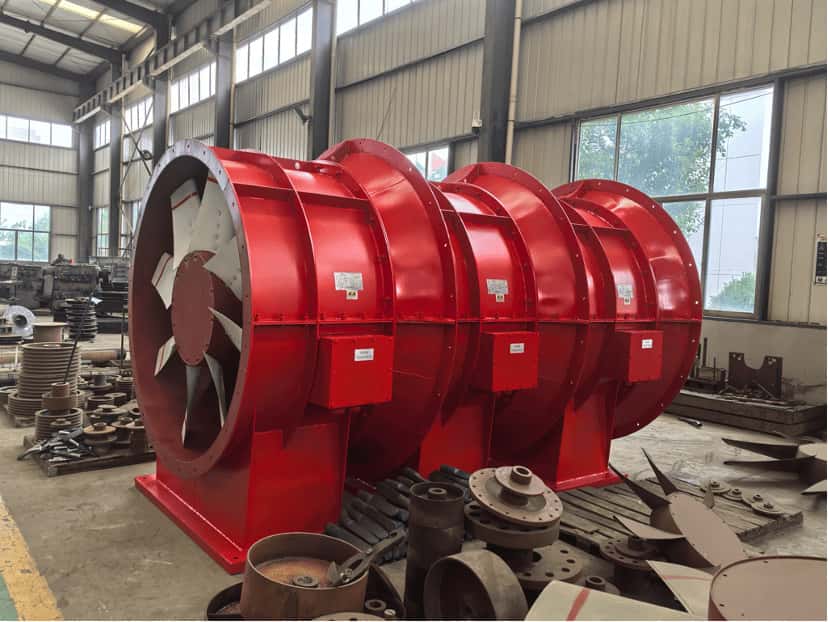
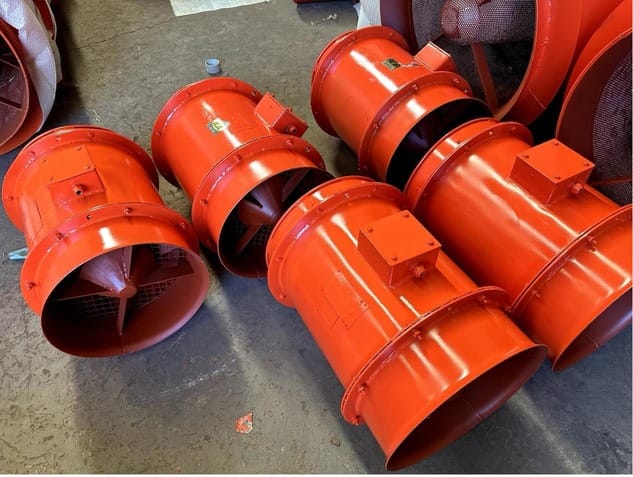
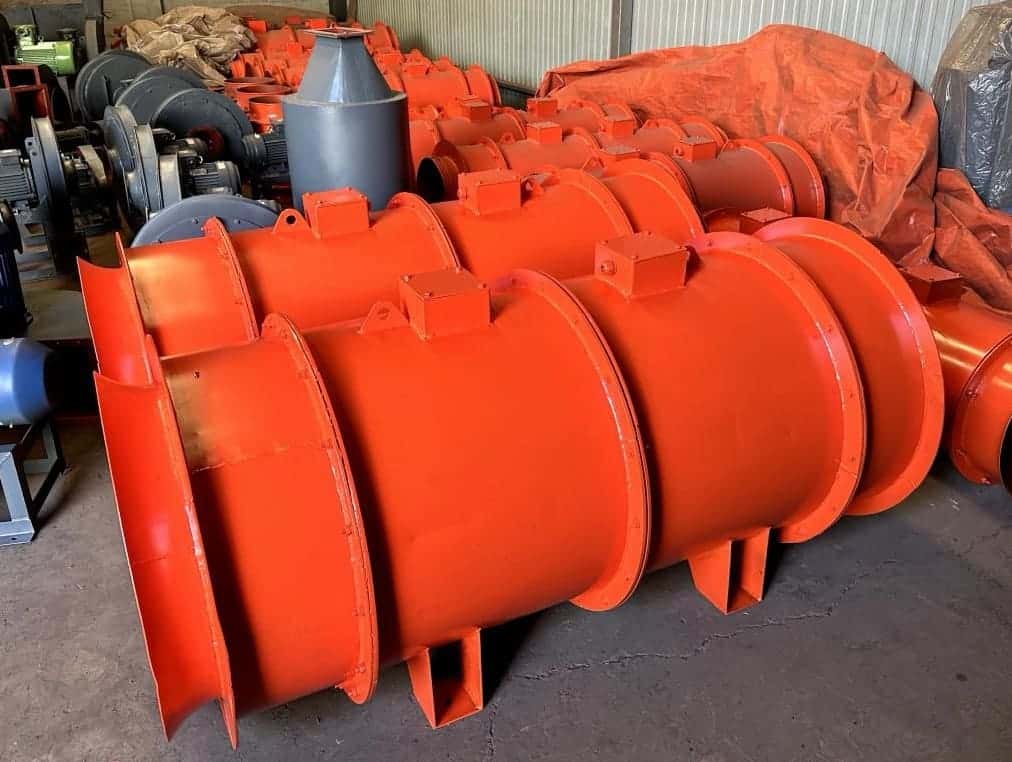
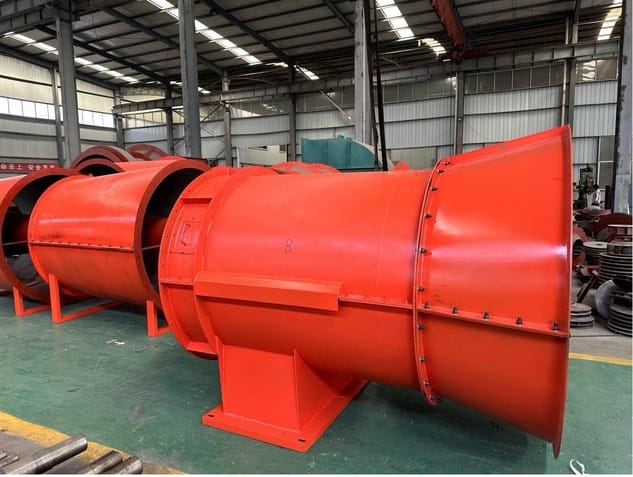
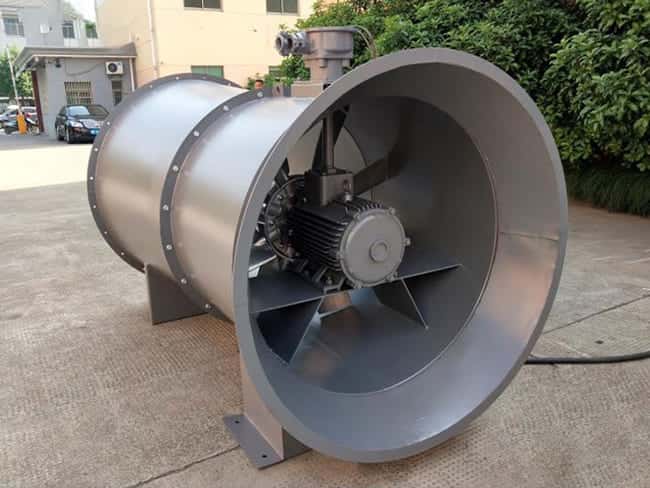
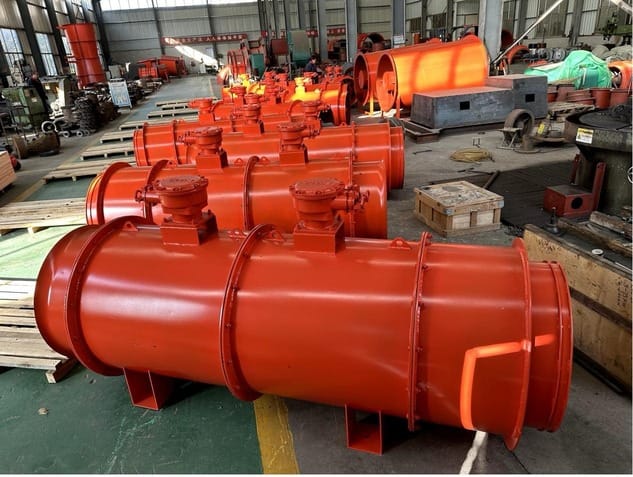
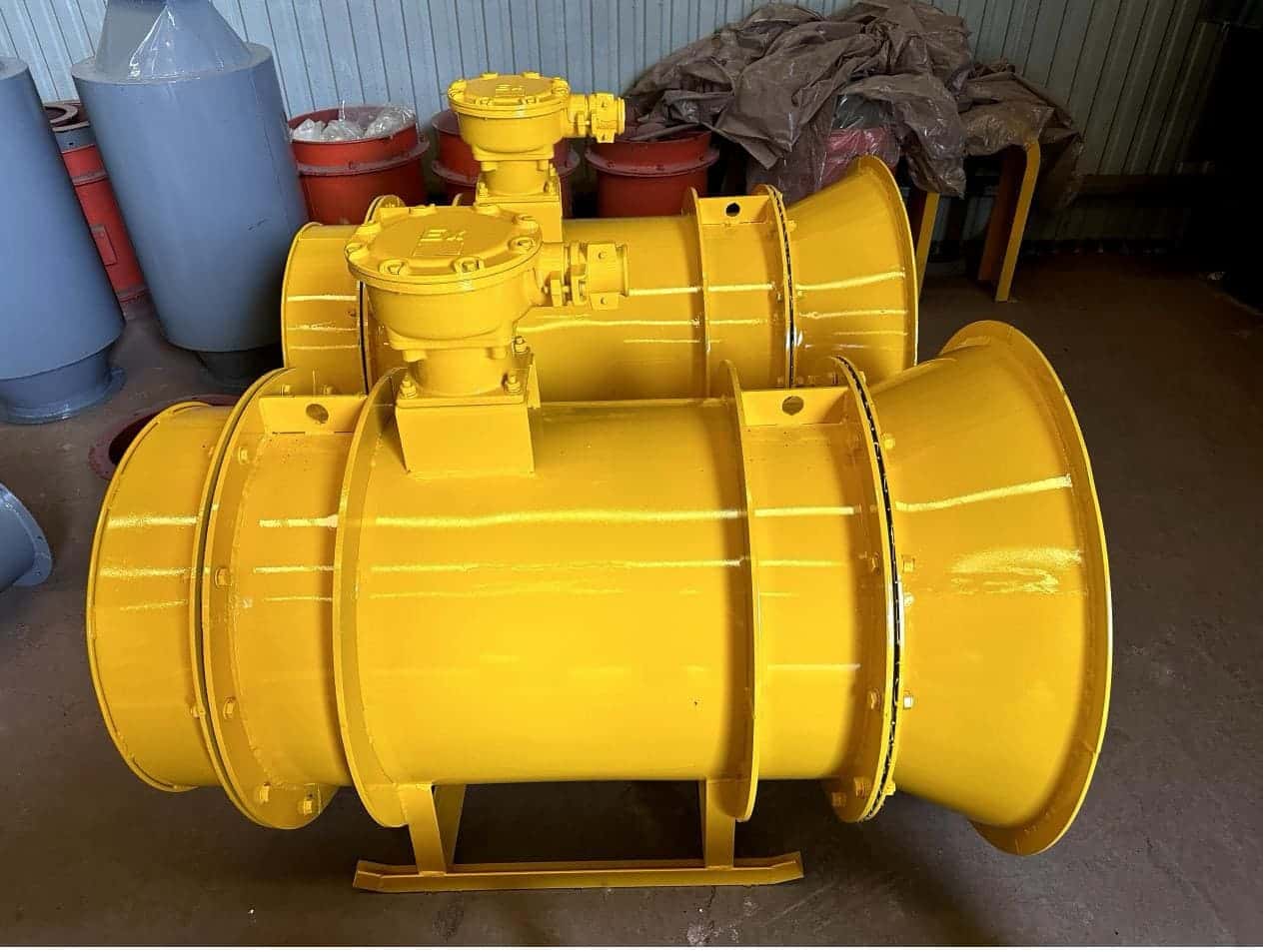
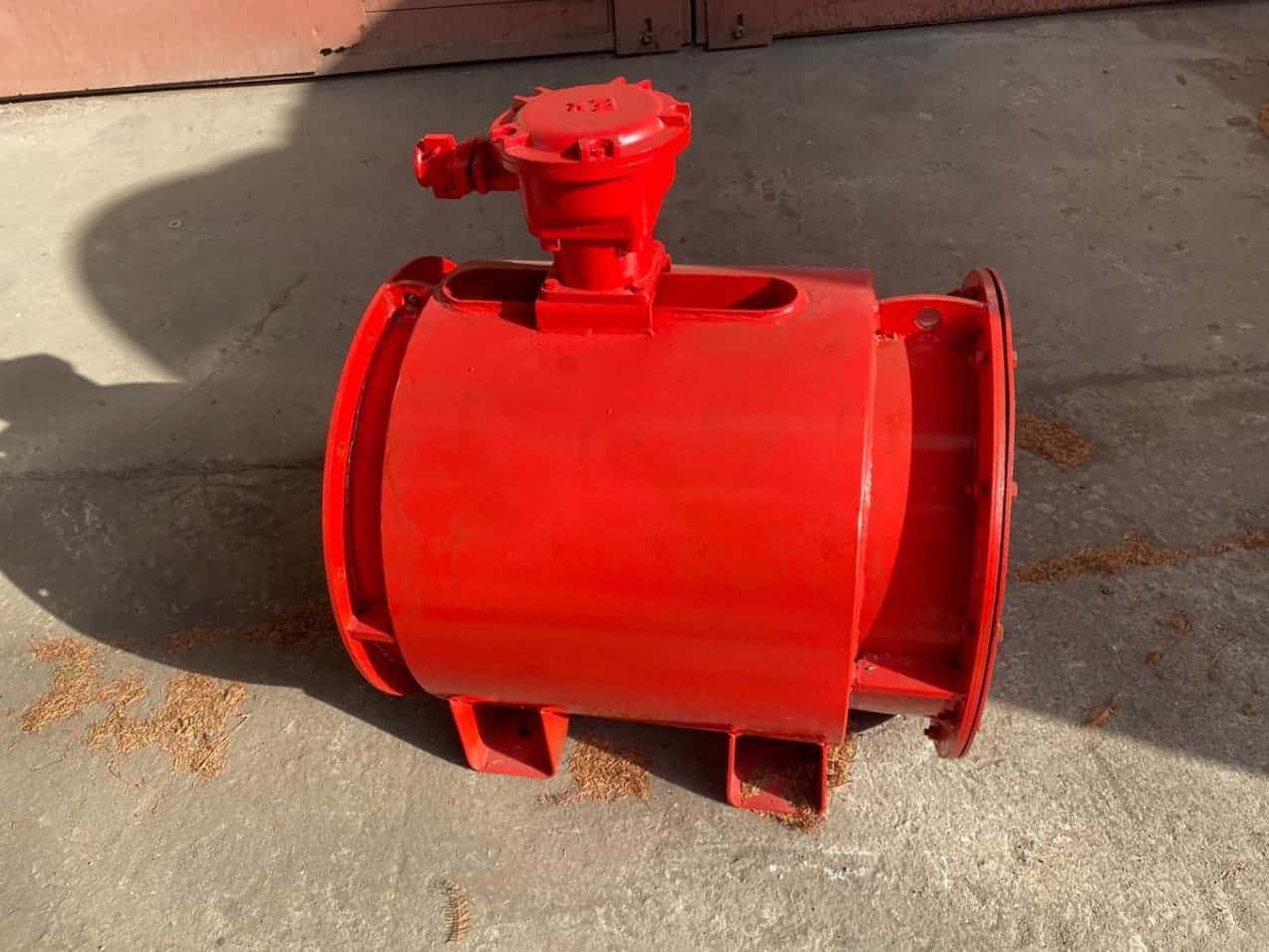
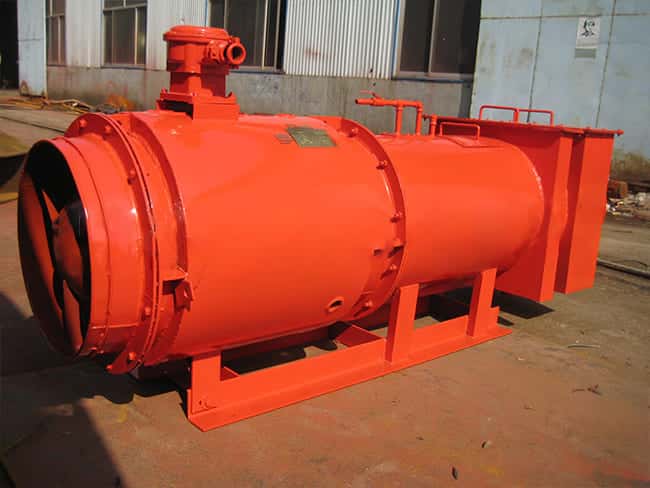
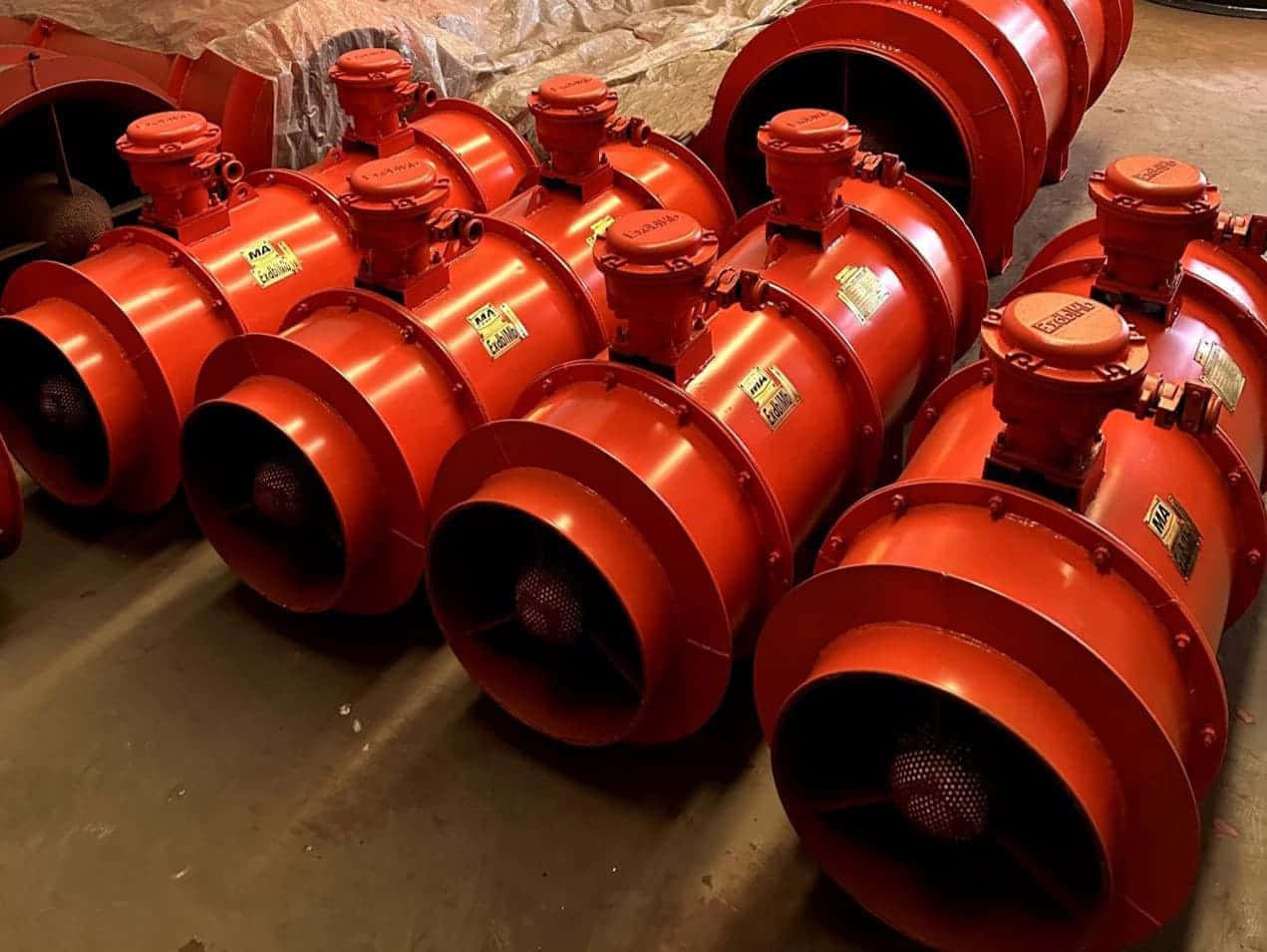
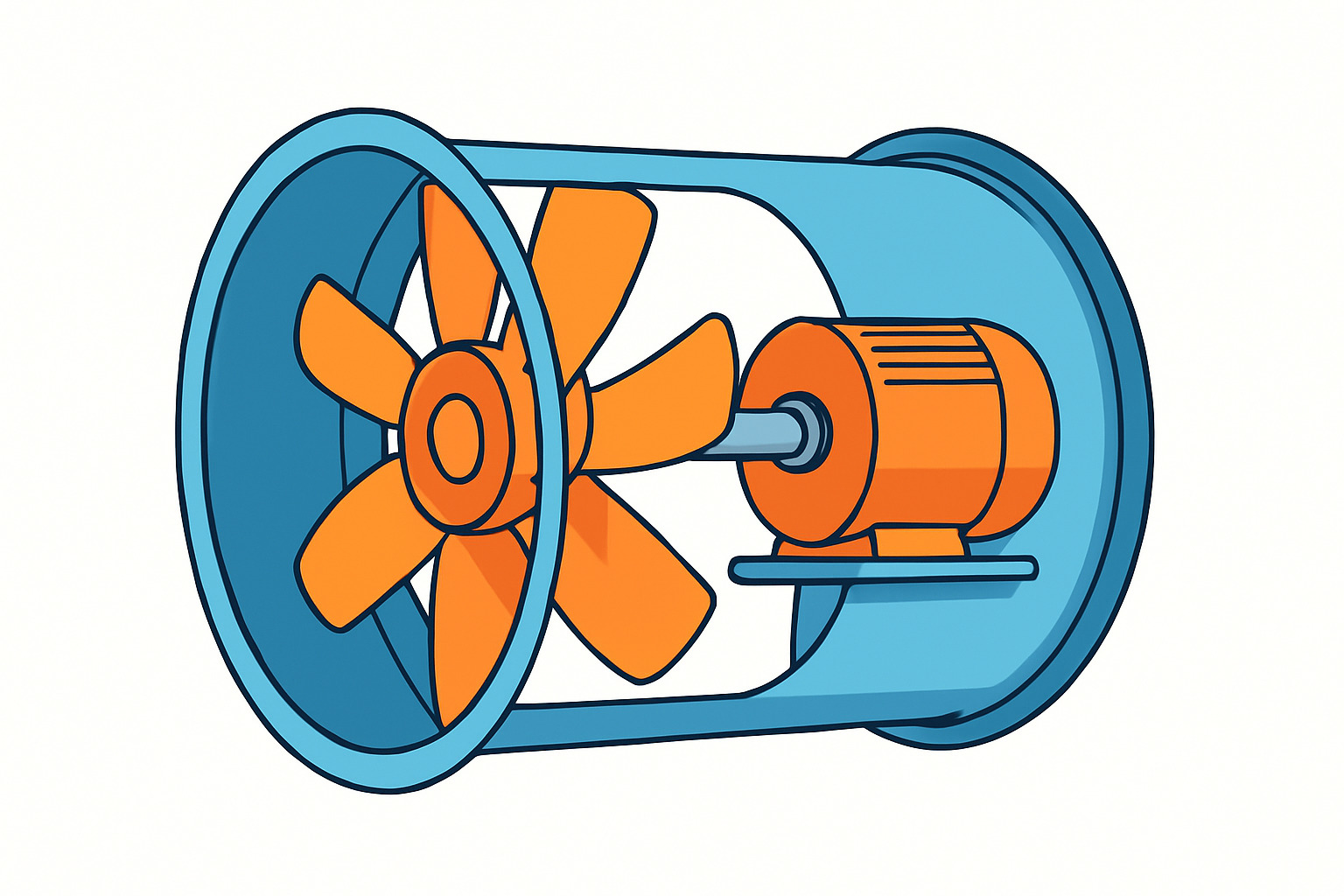
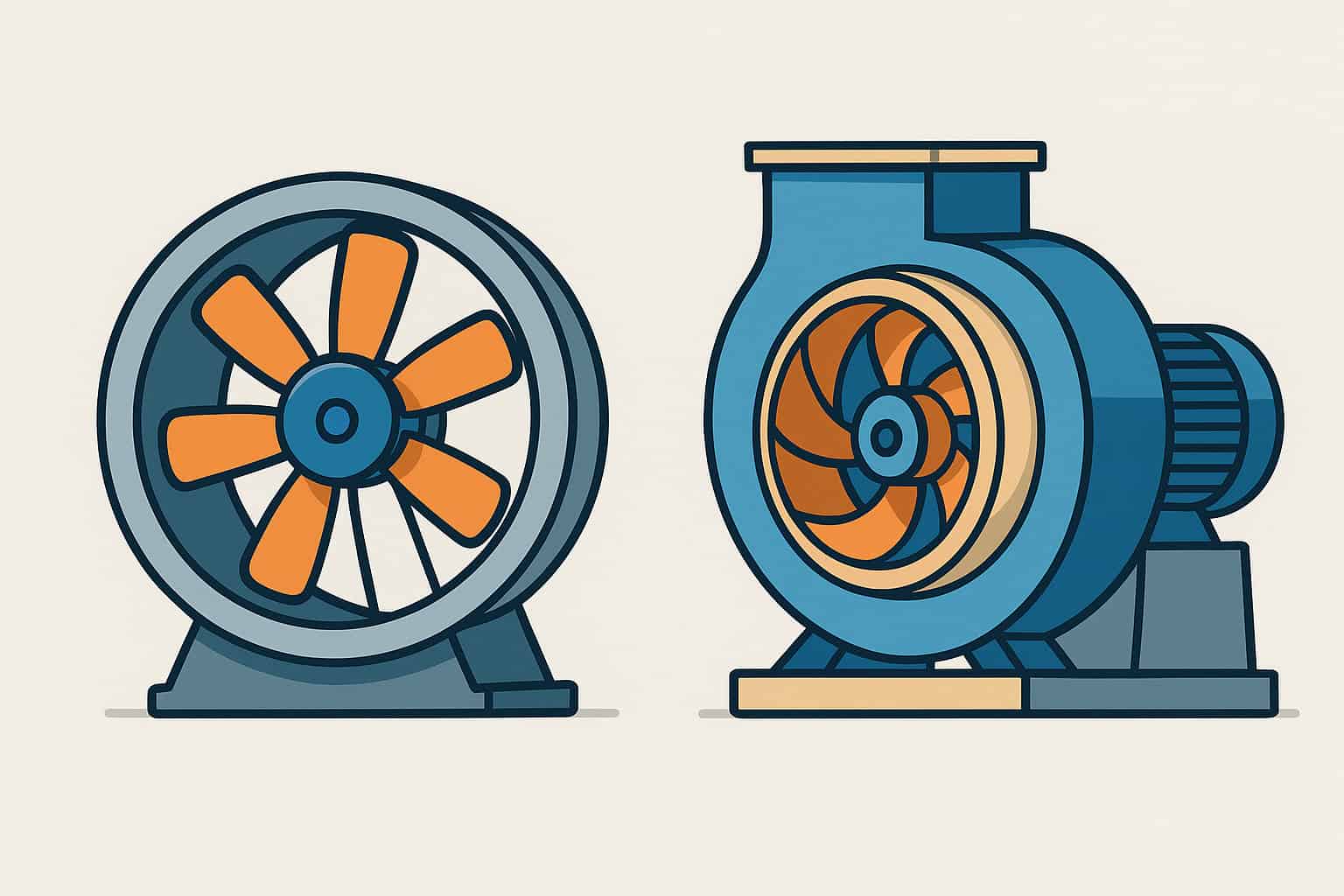
Axial fans move air parallel to the shaft, like a propeller. They are generally more compact for the same airflow and are very effective for high-volume, low-pressure applications. Typical uses include tunnel ventilation, main mine ventilation in relatively low-resistance shafts and drifts, cooling towers, condenser fans and large building exhaust systems. When system resistance is low and you simply need to move a lot of air, axial fans are often the more efficient and economical choice.
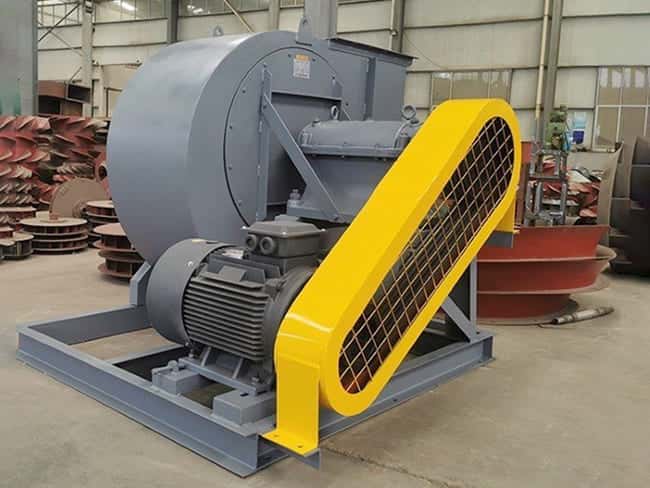
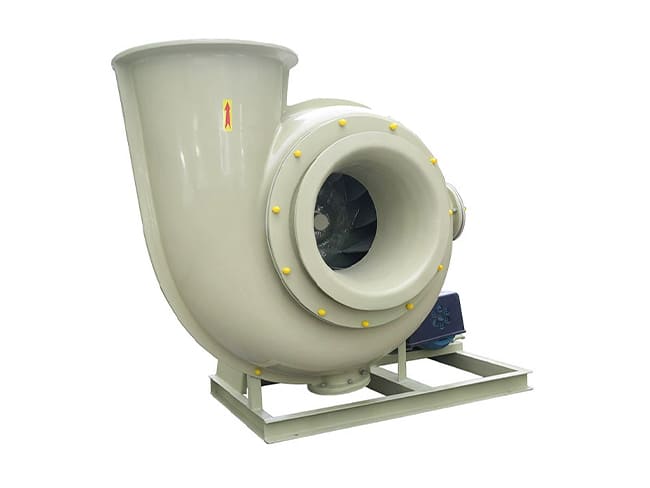
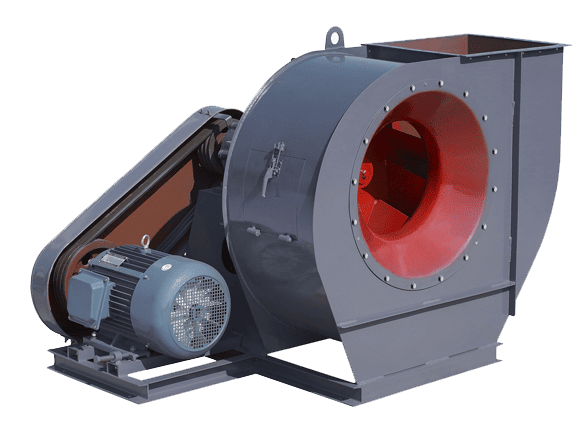
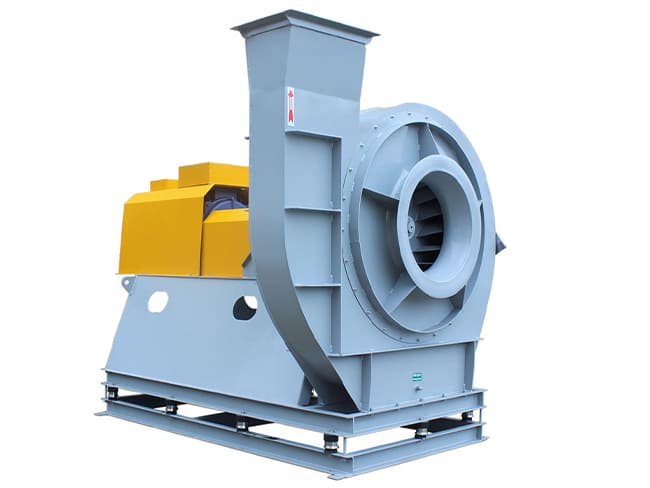
Centrifugal fans draw air in axially and discharge it radially into a scroll housing, converting velocity into static pressure. This design allows them to generate higher static pressure, which is essential in systems with long ducts, filters, scrubbers, heat exchangers and tight bends. They are widely used for dust collection, furnace and kiln exhaust, process ventilation, local mining exhaust near crushers and loading points, and auxiliary ventilation systems where resistance is significant.
Air quality is another key factor. Radial-blade centrifugal fans handle dust and particles better than most axial fans, making them suitable for material-handling and very dirty exhaust streams. Axial fans can be used with dirty air, but erosion and imbalance can be more problematic unless carefully designed and protected. For very clean or lightly dusty air, high-efficiency backward-curved centrifugal fans and well-designed axial fans can both deliver excellent performance.
System layout and control also influence which is better. Axial fans are often used in-line with ducts, taking up less space in the direction of flow. Centrifugal fans generally require more room for the scroll and discharge orientation, but they offer flexibility in turning the airflow and connecting to complex duct systems. With variable-frequency drives, both axial and centrifugal fans can be speed-controlled for energy savings, but centrifugal fans are particularly effective when pressure regulation is important.
Noise considerations are similar: high tip speed in either fan type increases noise, but a larger, slower axial or centrifugal fan with silencers can be relatively quiet. Ultimately, acceptable noise levels depend on careful selection and system design rather than fan type alone.
In summary, axial fans are usually better for high-volume, low-pressure, relatively clean and open ventilation paths, such as tunnels and large shafts. Centrifugal fans are better for higher-pressure, dusty or complex ducted systems in industrial plants and mines. The best fan is the one whose type, size and speed match your specific ventilation duty.