
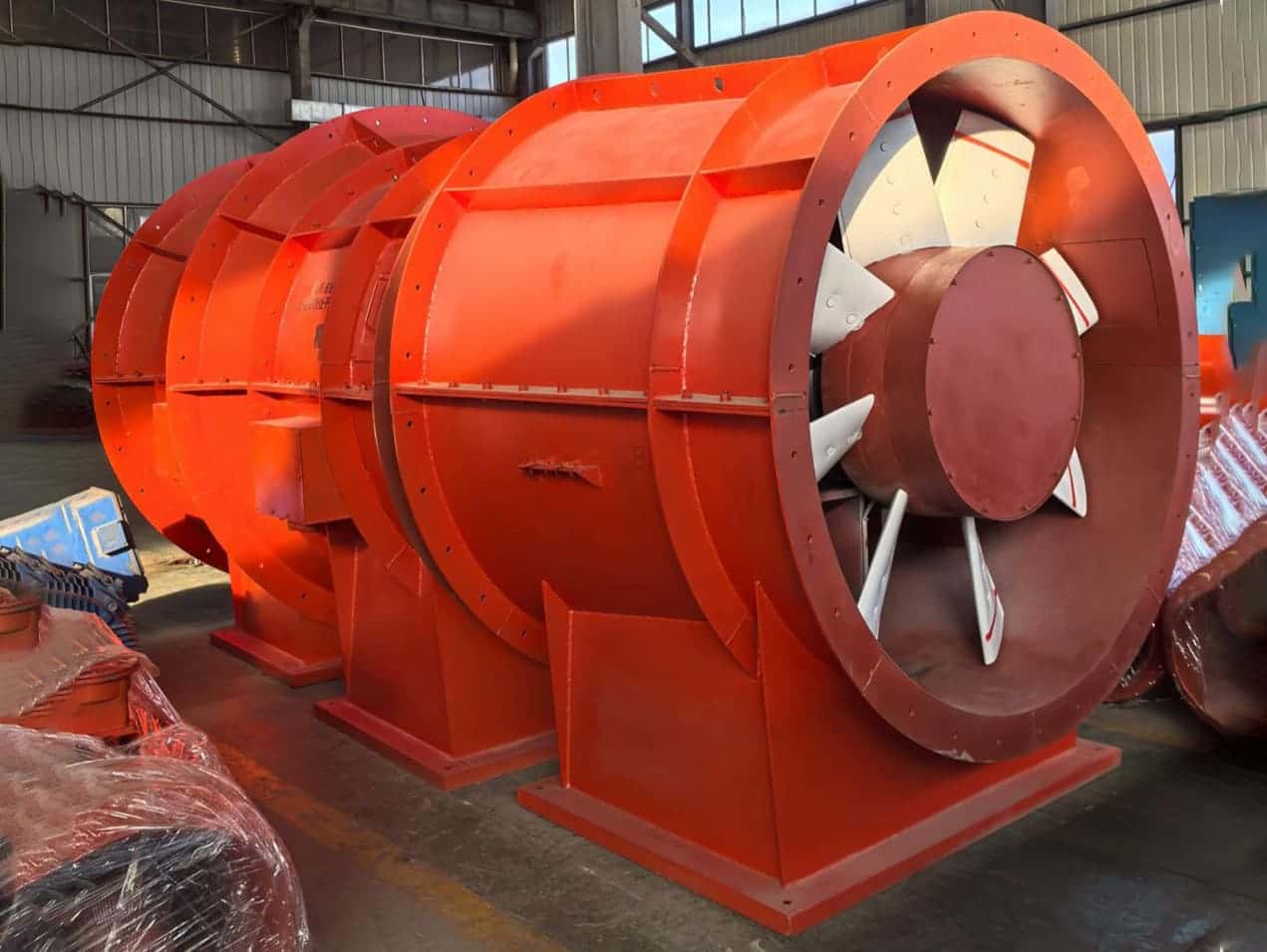
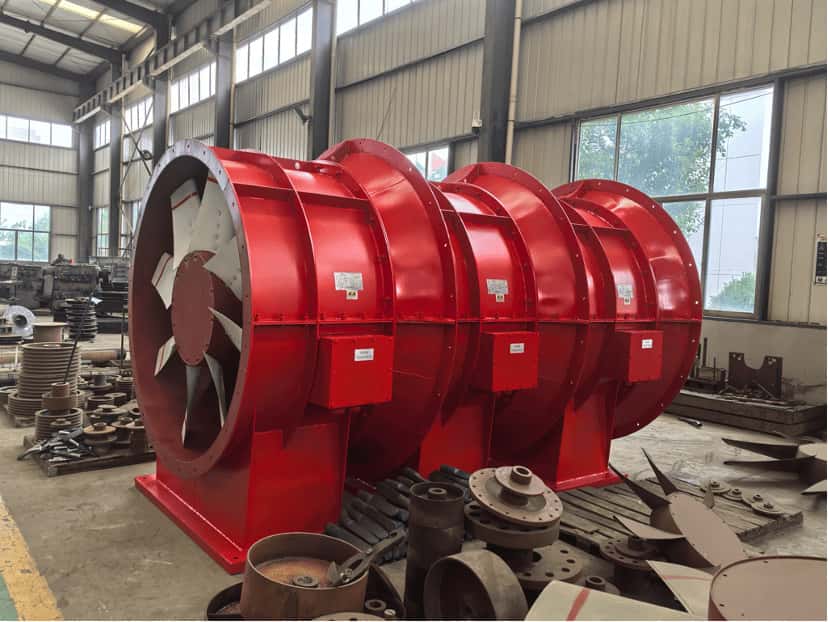
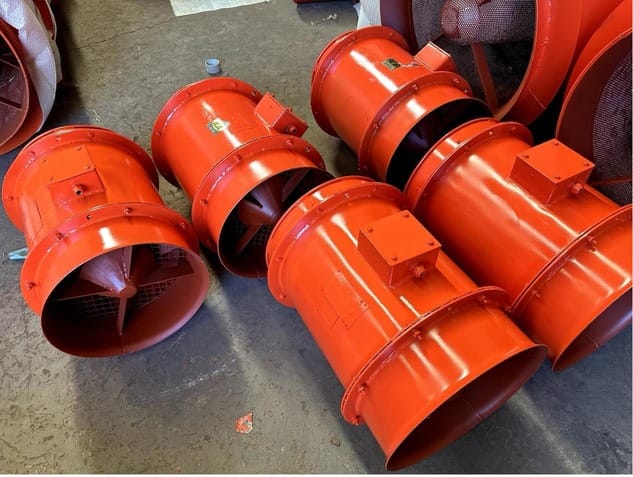
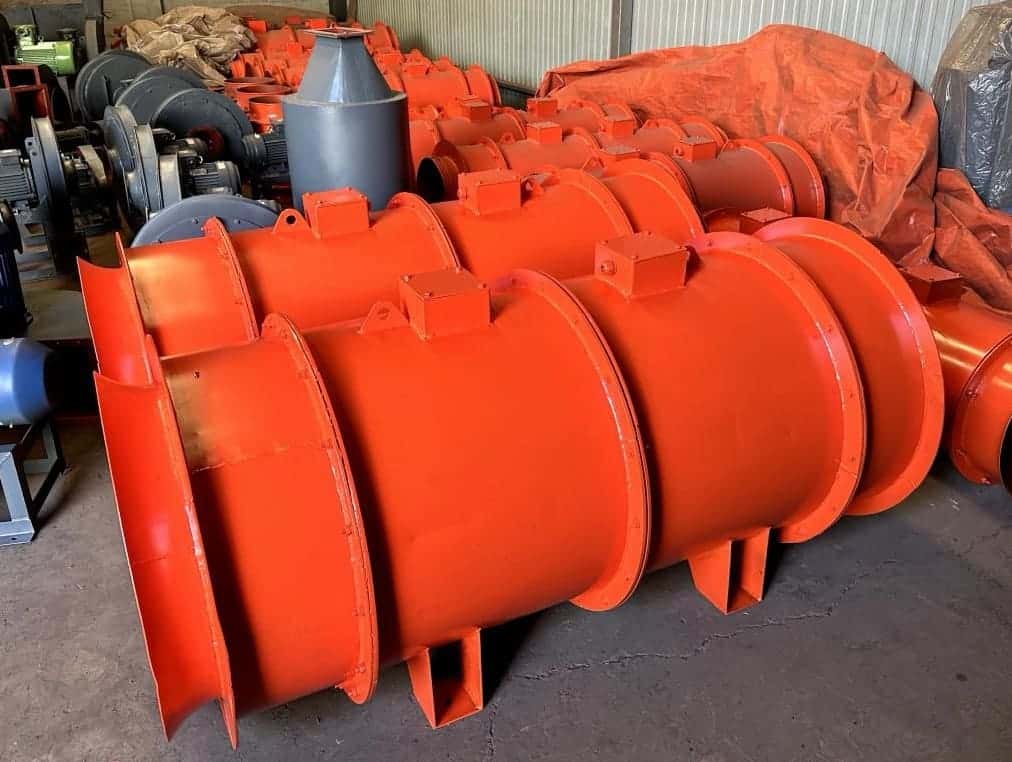
Yes, an exhaust fan can be very effective, but only when it is correctly selected, installed and maintained for the job it has to do. In homes, small commercial buildings, factories and underground mines, the real effectiveness of an exhaust fan is measured by how well it removes heat, moisture, odours, fumes or dust from the space and how reliably it keeps air quality within acceptable limits.
In a simple bathroom or kitchen, a well-chosen exhaust fan draws moist or greasy air out of the room, preventing condensation, mould growth and lingering smells. It is effective because it creates a slight negative pressure, pulling fresh air in from doors and other openings as stale air is discharged outdoors. If the fan is too small, clogged with dirt or vented into a ceiling void instead of outside, its effectiveness drops sharply. The principle is the same in industrial and mining applications, only on a larger and more critical scale.
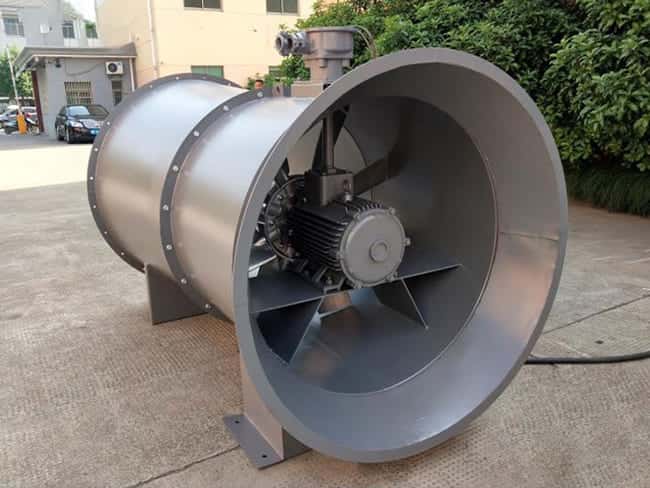
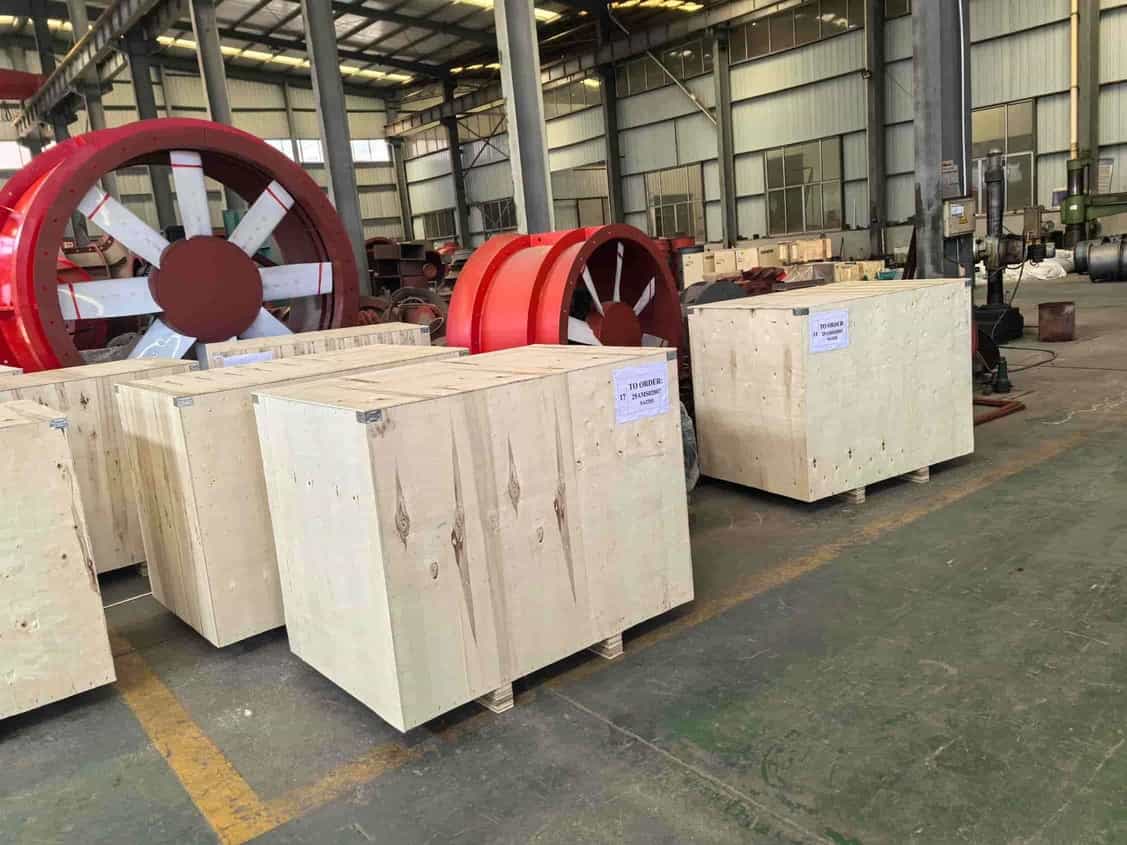
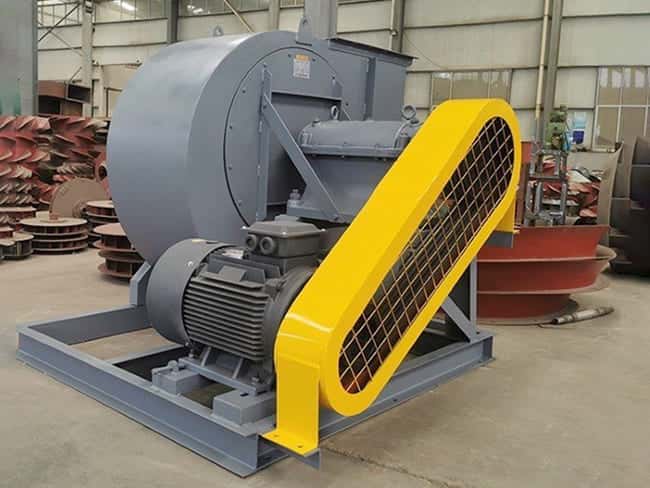
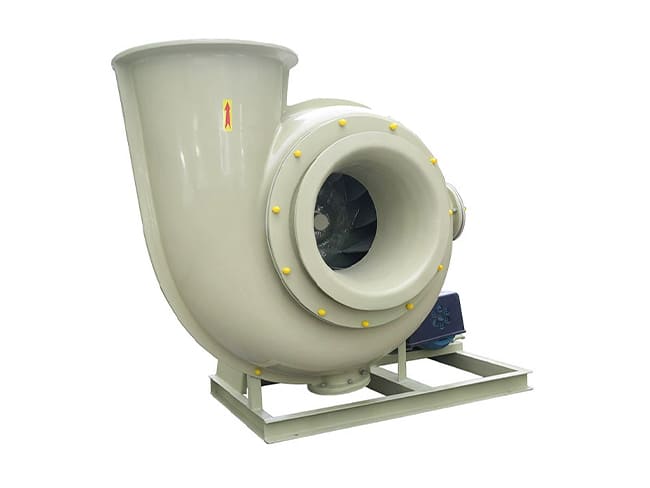
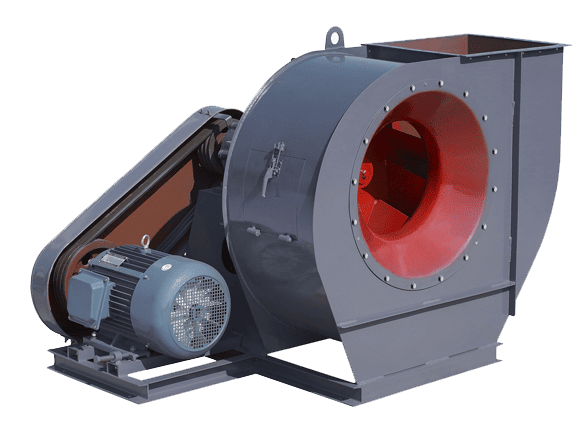
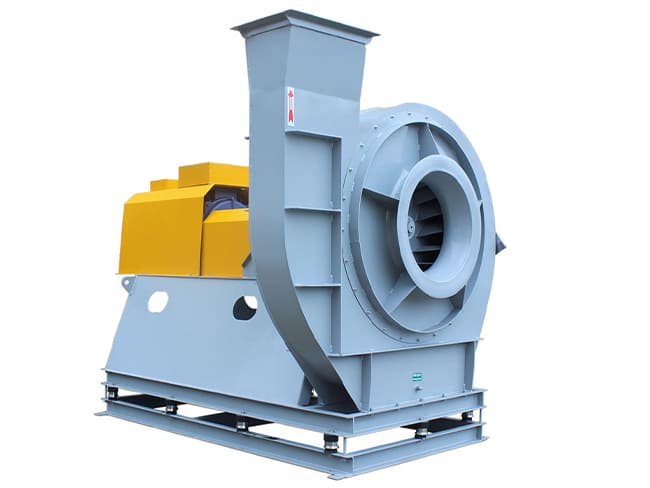
In factories and workshops, industrial exhaust fans remove process heat, welding fumes, solvent vapours and general contaminants. Their effectiveness depends on three main factors: air volume, pressure and capture. The fan must be sized to move enough air to dilute and carry away contaminants; it must be able to overcome duct and filter resistance; and hoods or capture points must be located close enough to the source. A powerful exhaust fan with poor hood design or badly arranged ductwork may still leave fumes in the breathing zone, while a properly engineered system with a modest fan can be highly effective.
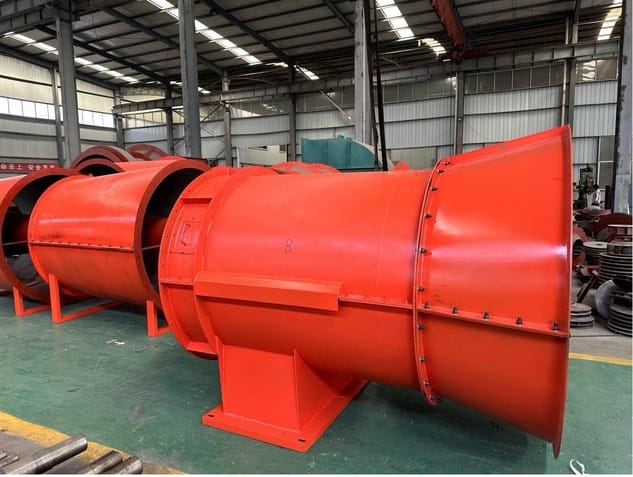
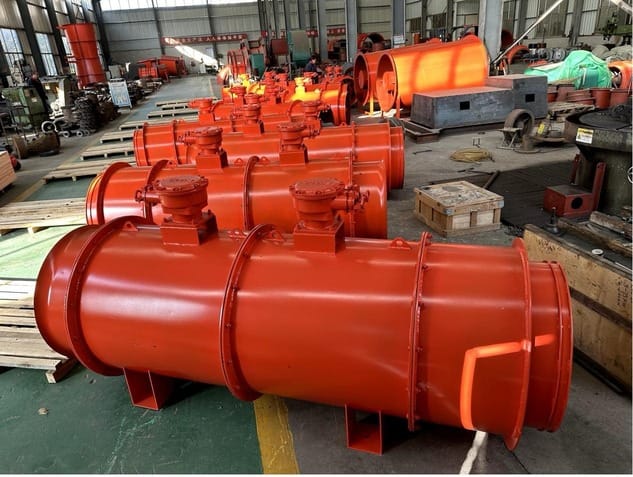
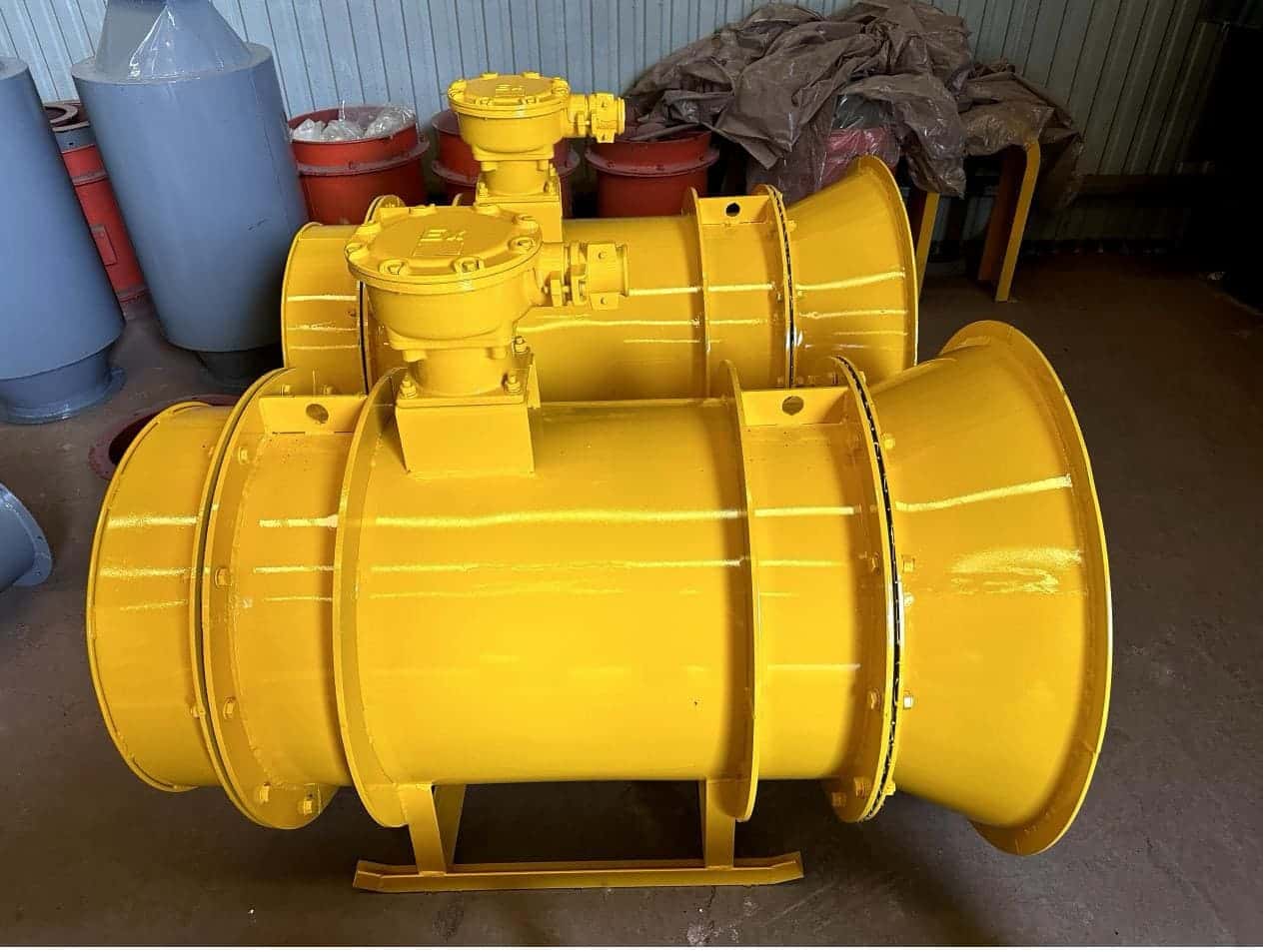
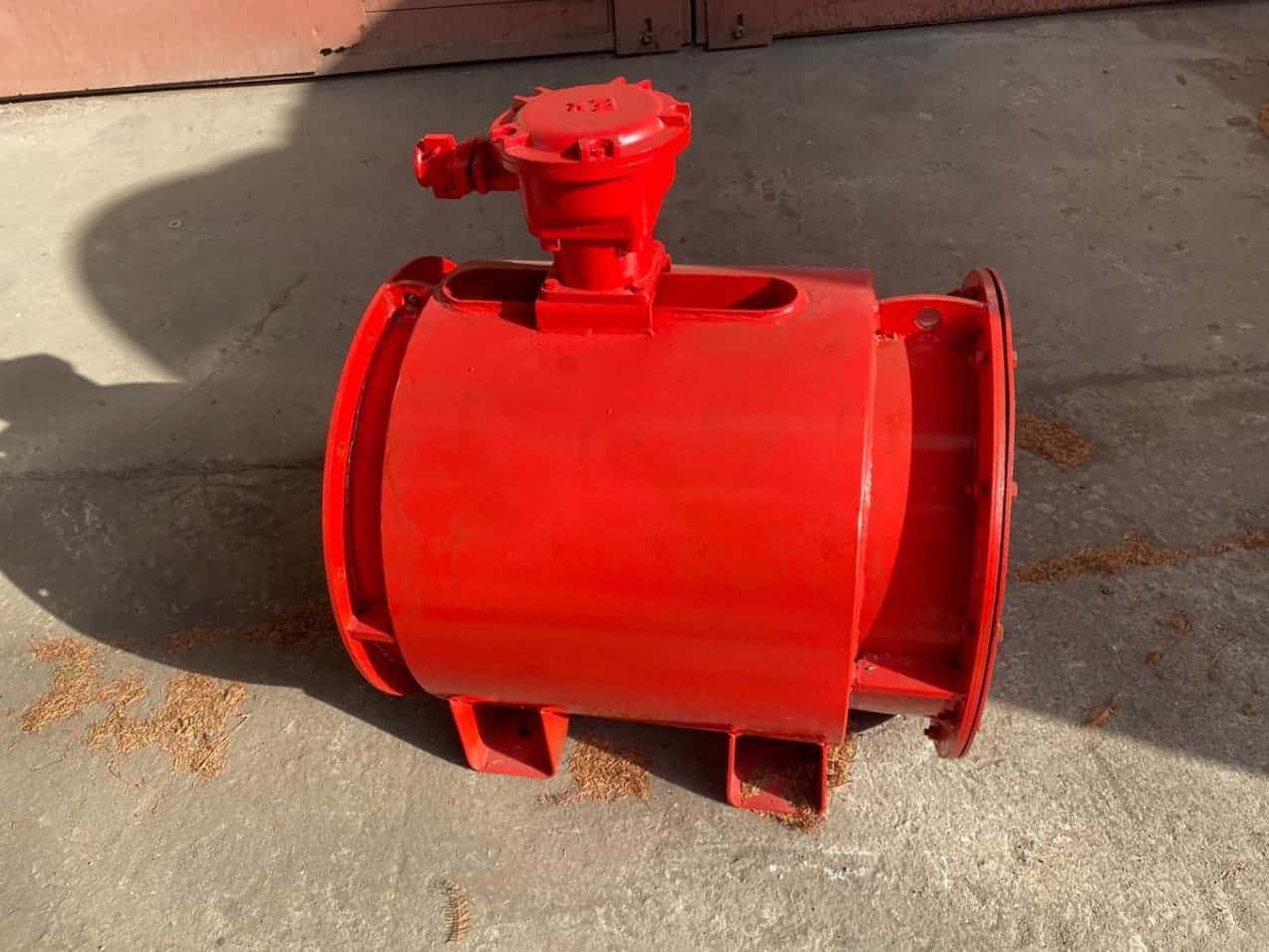
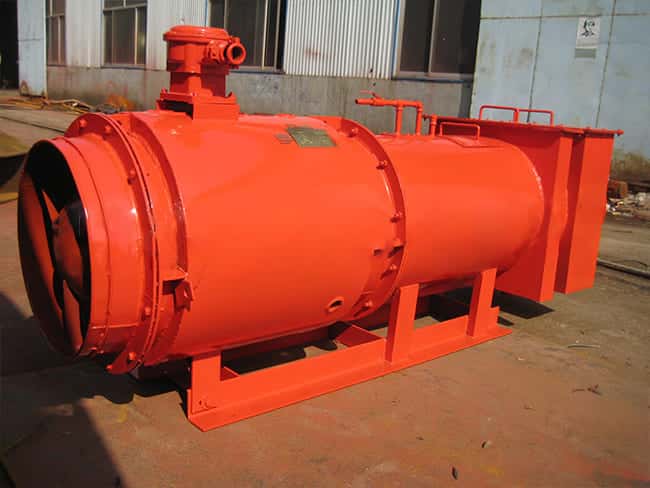
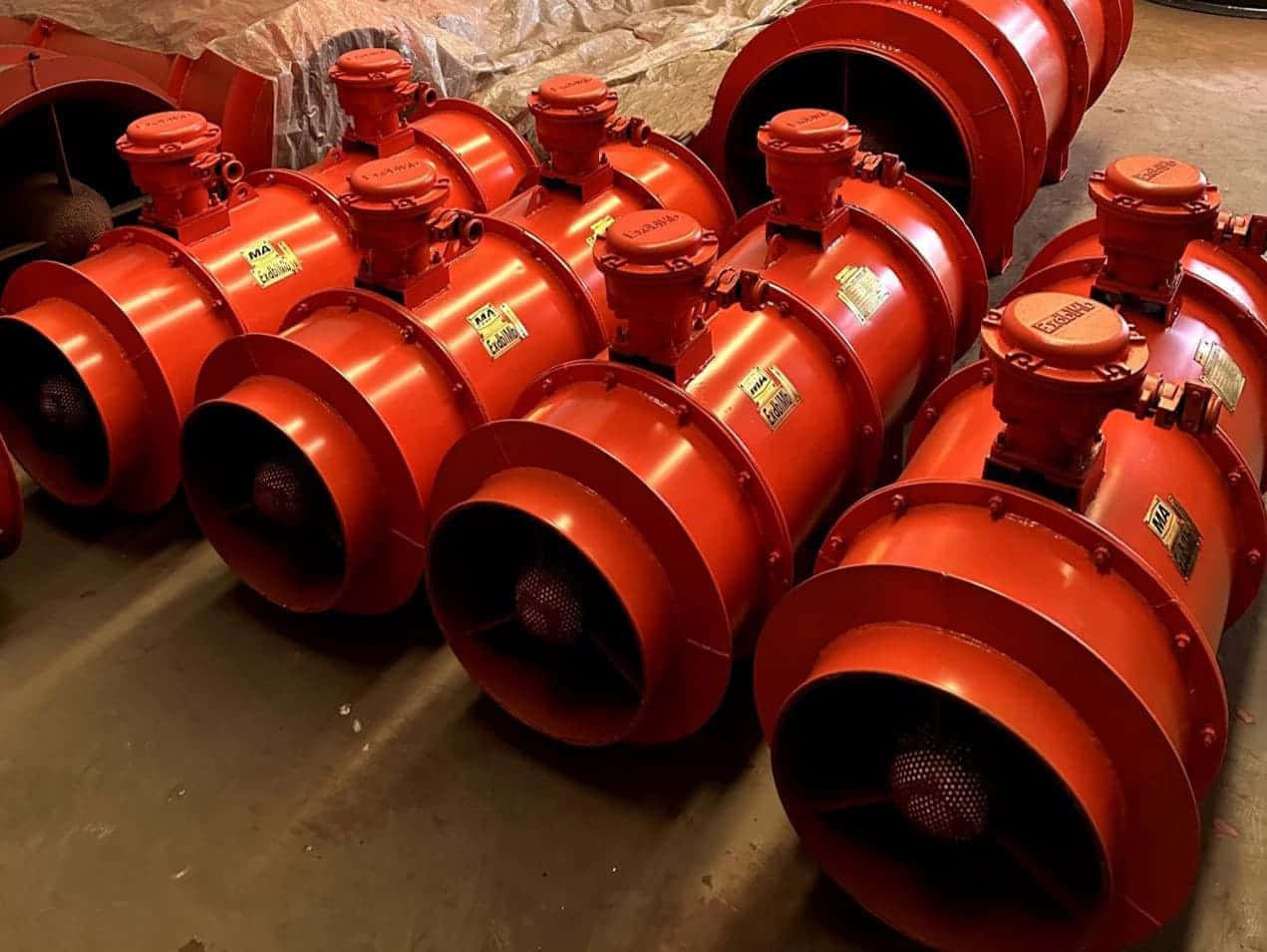
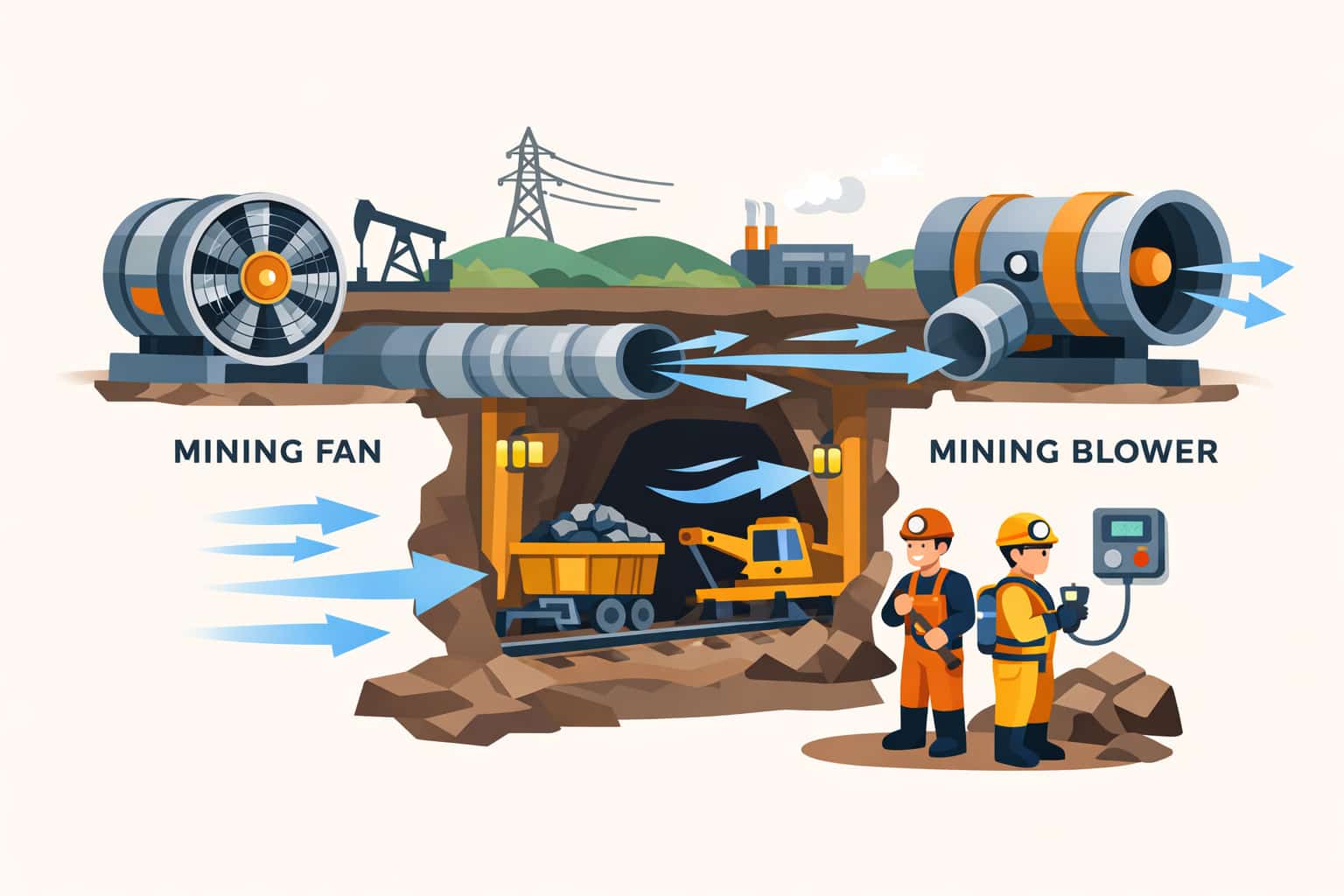
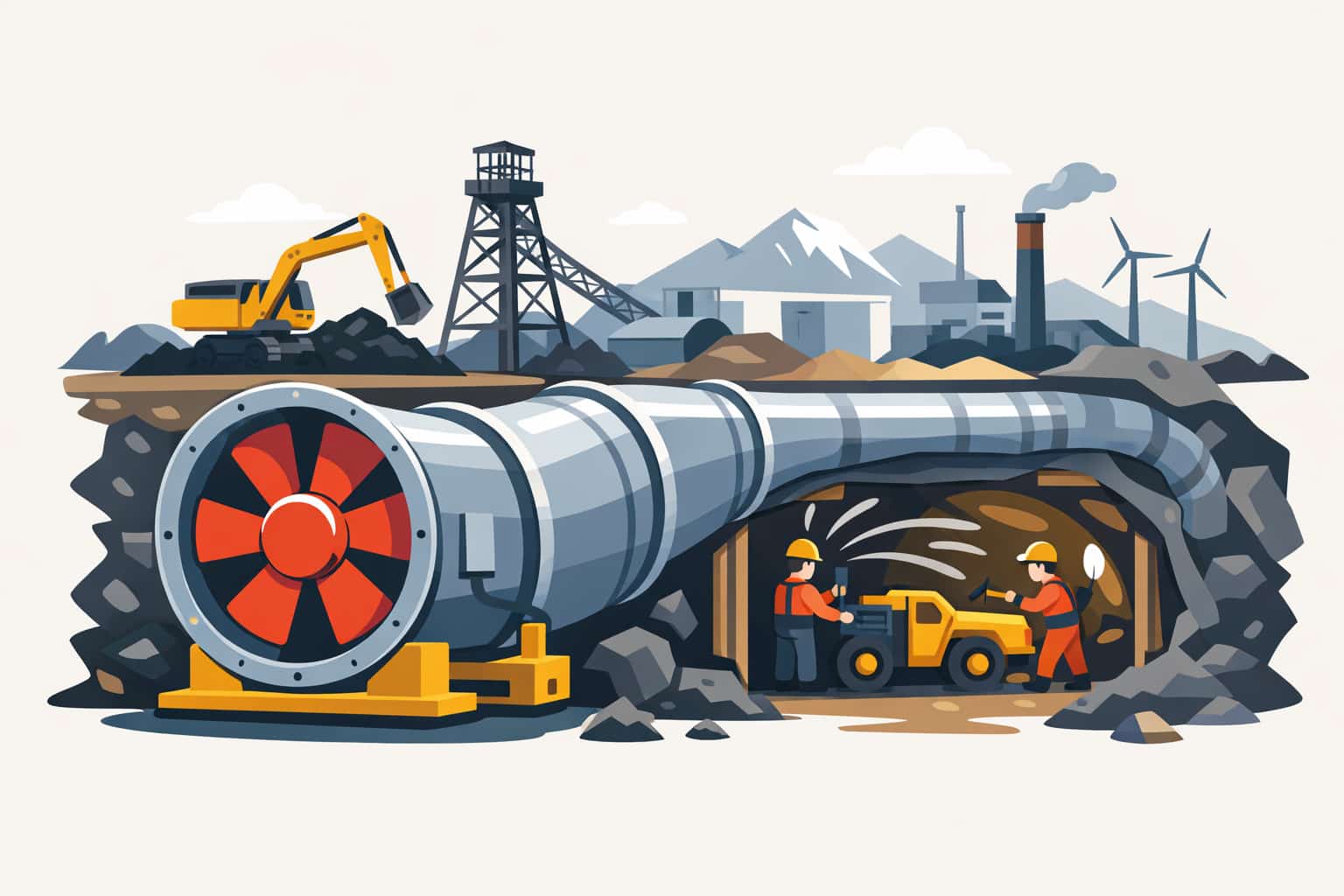
In underground mines and tunnels, exhaust fans are used to pull contaminated air out of headings, return airways or localized work areas. Here, effectiveness is directly tied to safety. The exhaust fan must handle dust and diesel fumes, withstand continuous duty and be coordinated with intake air so that fresh air always flows past workers before entering the exhaust. When these conditions are met, exhaust fans are a key part of a reliable ventilation system that keeps gas and dust levels within regulatory limits.
Maintenance also plays a big role in effectiveness. Dirty blades, blocked filters, damaged ducts and worn belts all reduce airflow. Regular inspection, cleaning and balancing help keep an exhaust fan working at its rated performance. If you can feel strong airflow at hoods and outlets, see that contaminants are quickly cleared, and confirm that measured concentrations stay low, then your exhaust fan is doing its job effectively.
In short, an exhaust fan is really effective when it is correctly sized, properly installed, supplied with good ductwork and maintained over time. A poorly chosen or neglected fan, by contrast, may use power and make noise but contribute little to real ventilation.
