
Higher static pressure is not automatically better for fans. What matters is that the fan can deliver the required airflow at the static pressure demanded by the system. Extra pressure beyond what the ductwork or mine airway needs usually increases cost, noise and energy use without giving any real benefit.
Static pressure represents the resistance of the system: friction in ducts, filters, heat exchangers, dampers, bends, nozzles and, in mining, long drifts and raises. For a given airflow, there is a specific amount of static pressure that must be overcome. If a fan cannot develop enough static pressure at the desired flow, the process will be under-ventilated and air quality or temperature may fall outside acceptable limits.
However, once the fan can meet this requirement, additional pressure capability does not improve ventilation unless the system is modified. A high-pressure fan connected to a low-resistance system will simply move more air until a new balance is reached, which might cause draughts, noise and unnecessary energy consumption. If dampers are then throttled to bring the airflow back down, the fan operates at high pressure but with much of that pressure wasted across the dampers as heat.
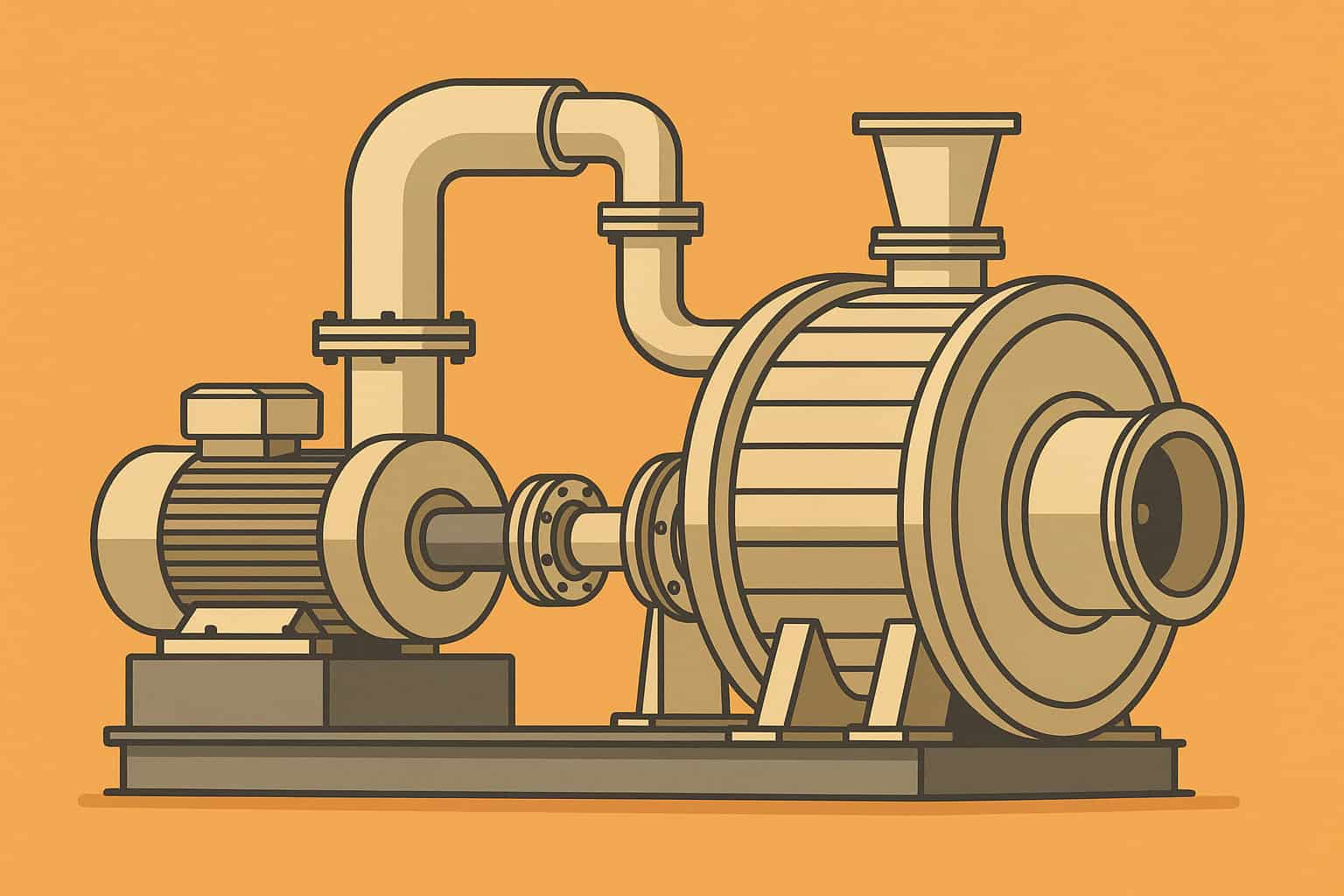
From a design perspective, the goal is to select a fan whose pressure–flow curve intersects the system curve near the required duty, ideally in the region of good efficiency. Higher static pressure capability than needed usually means a larger or faster fan, a bigger motor and more robust casing and foundations. All of these add capital cost without offering better performance if the system itself does not require that pressure.
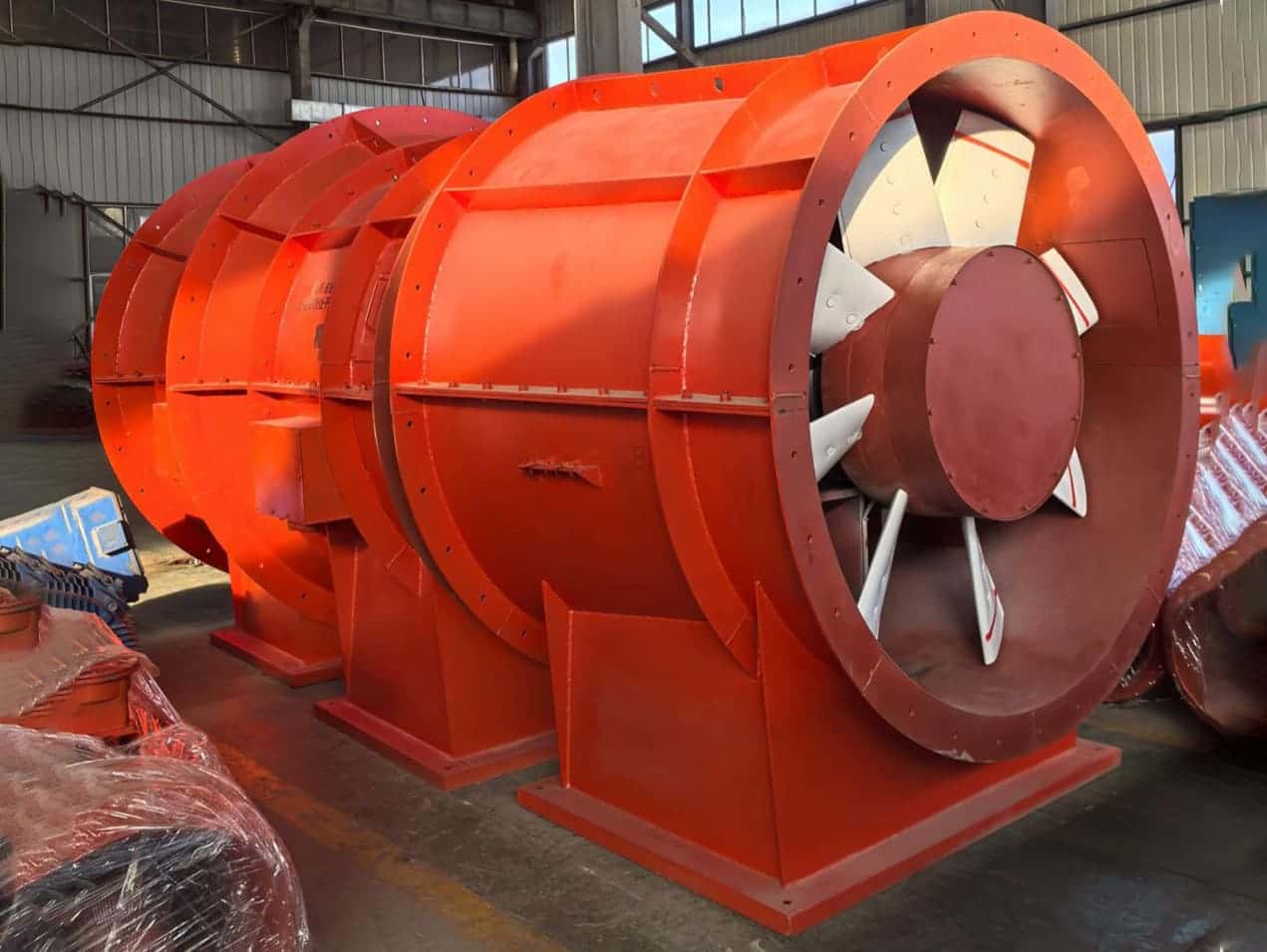
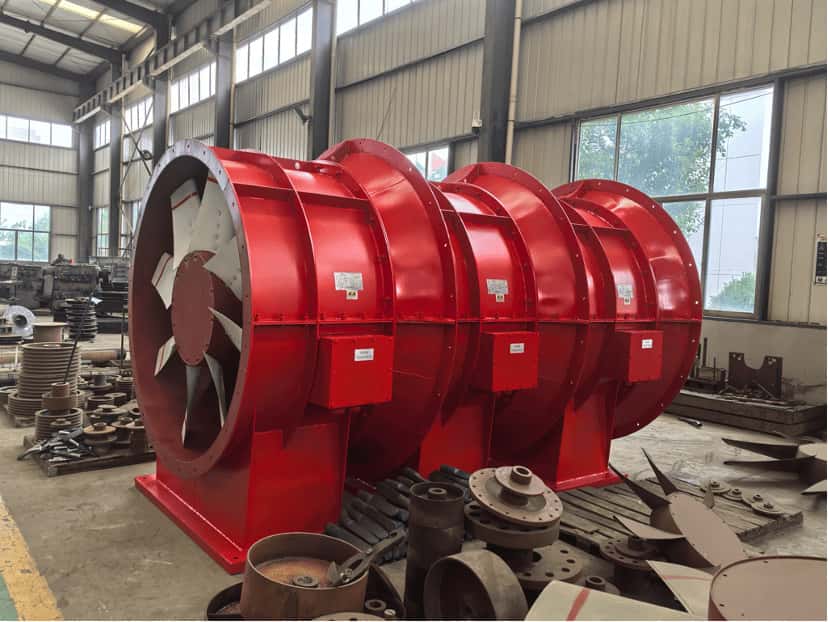
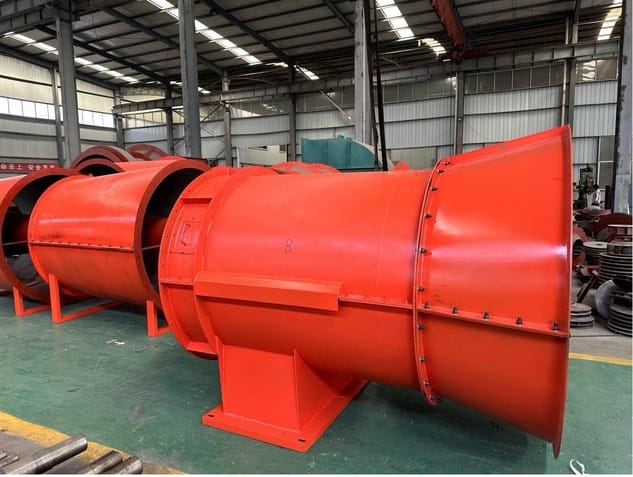
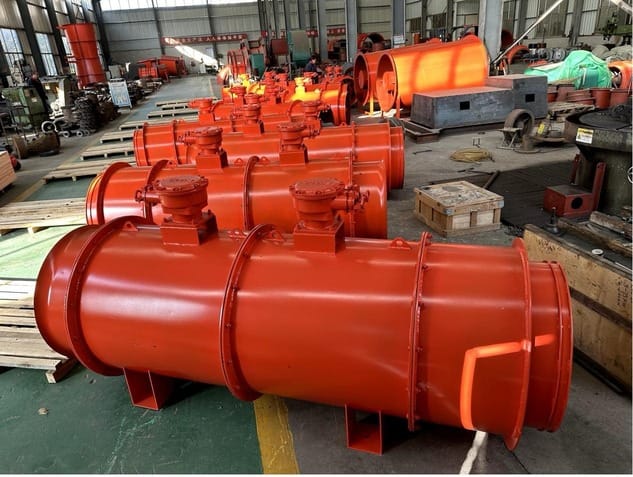
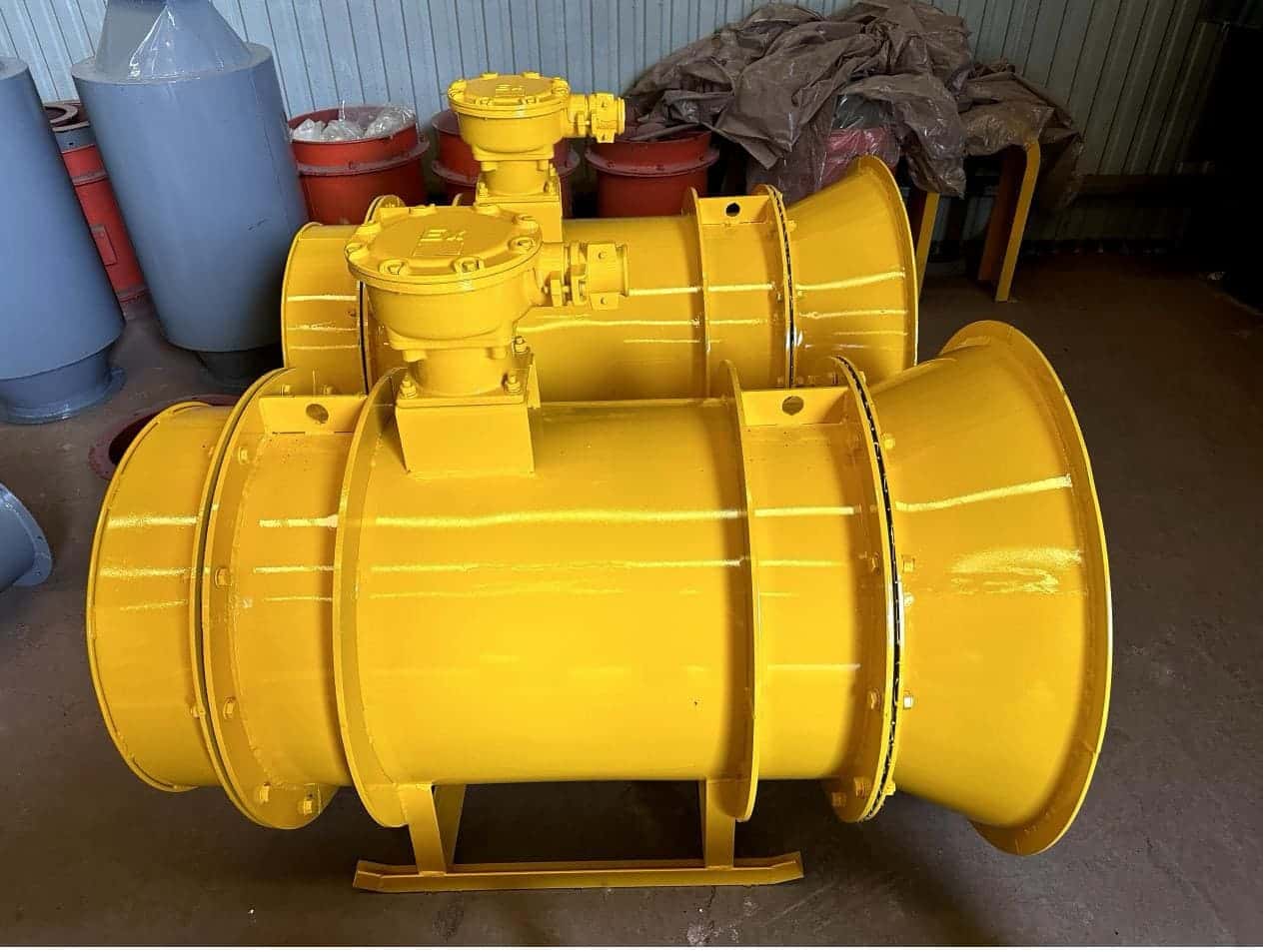
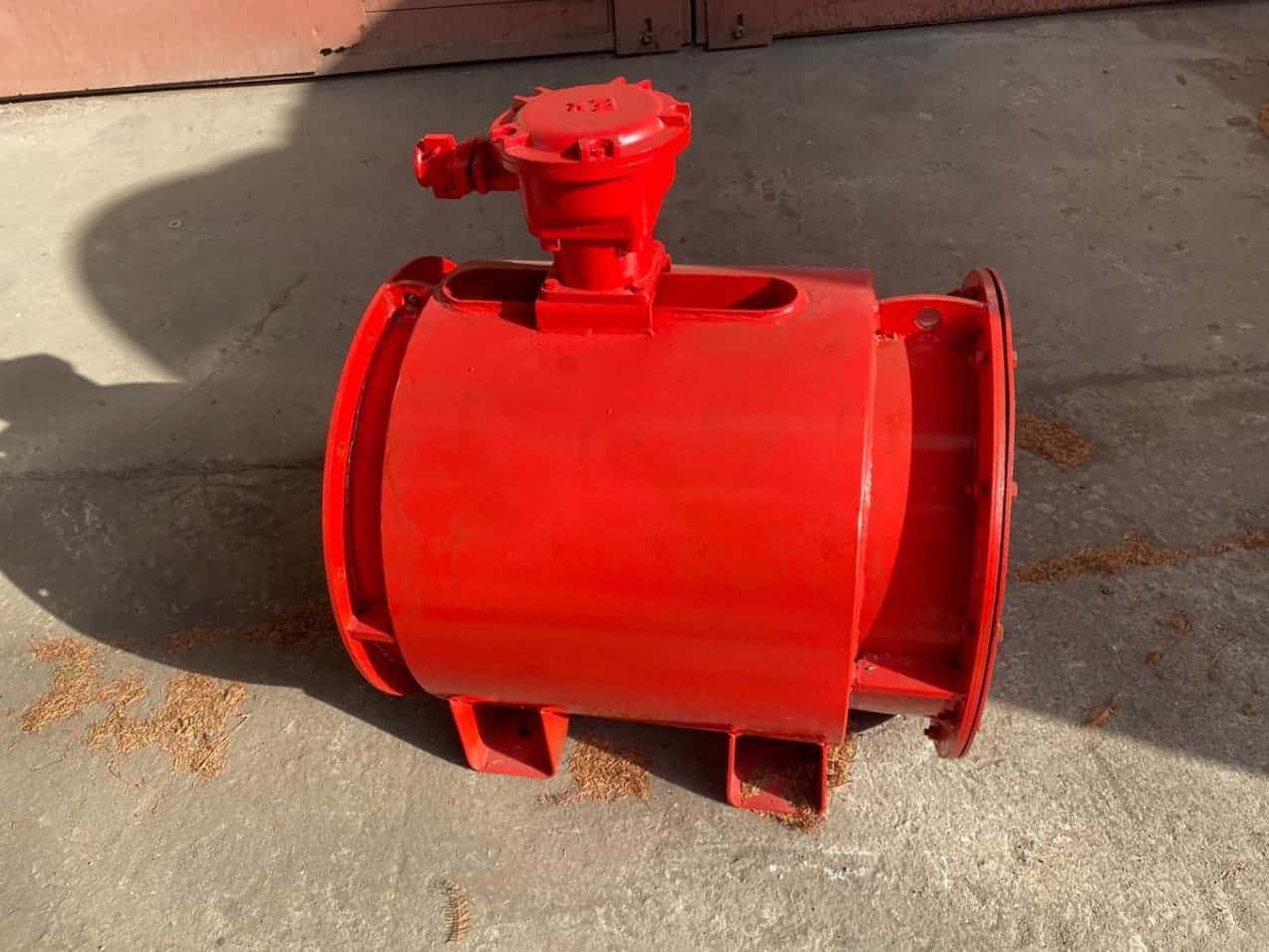
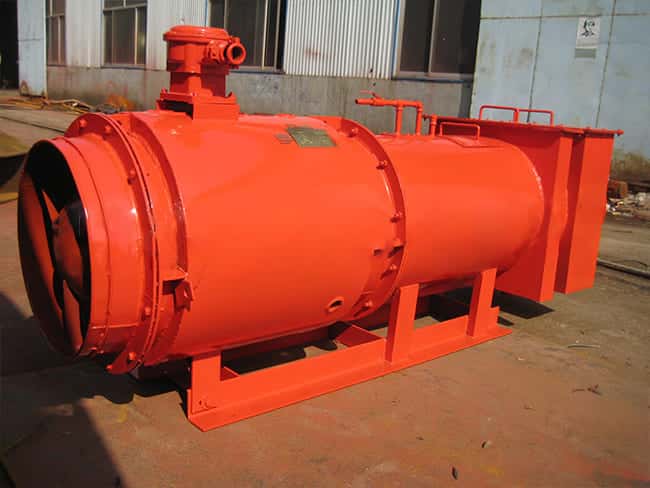
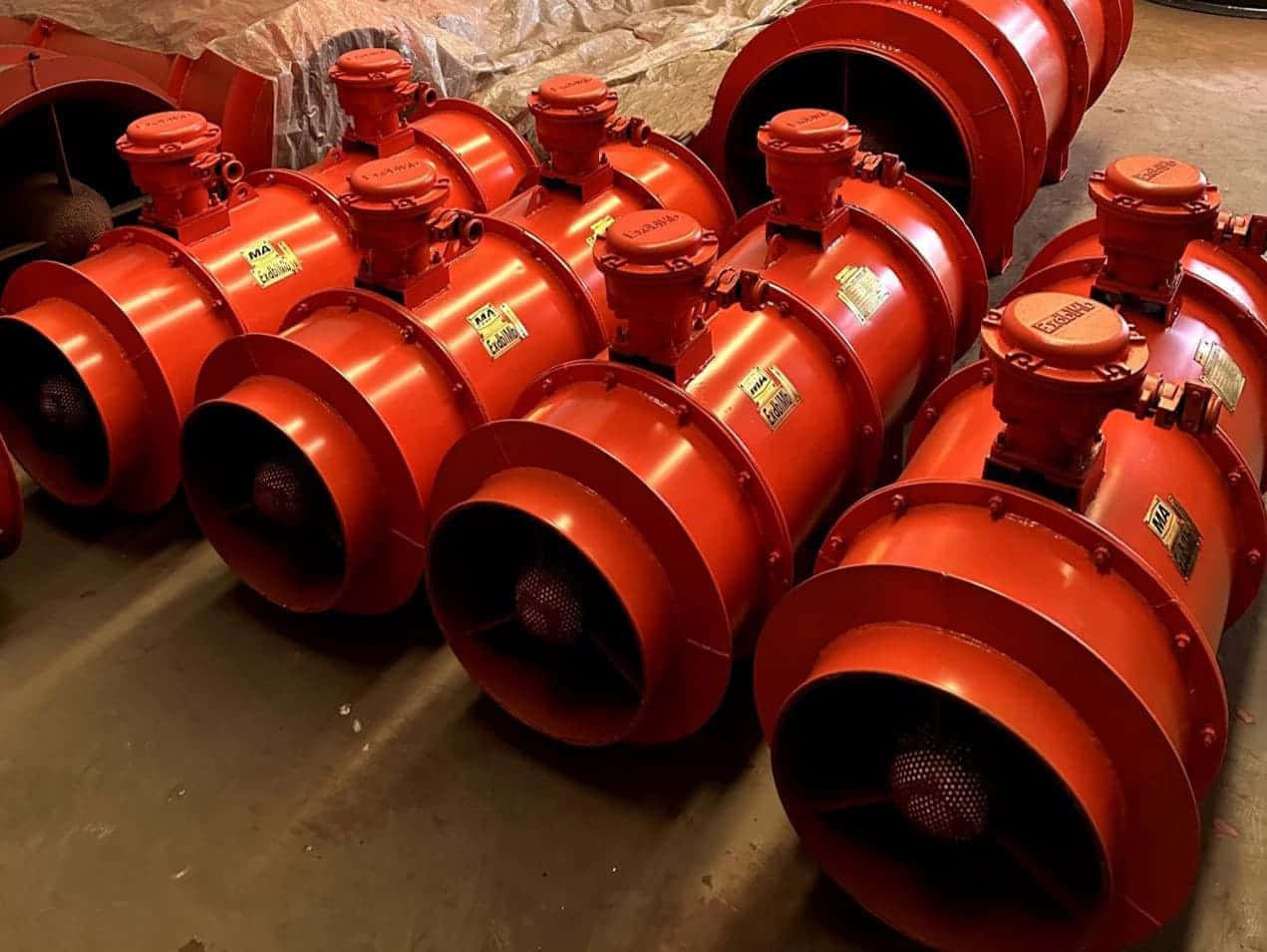
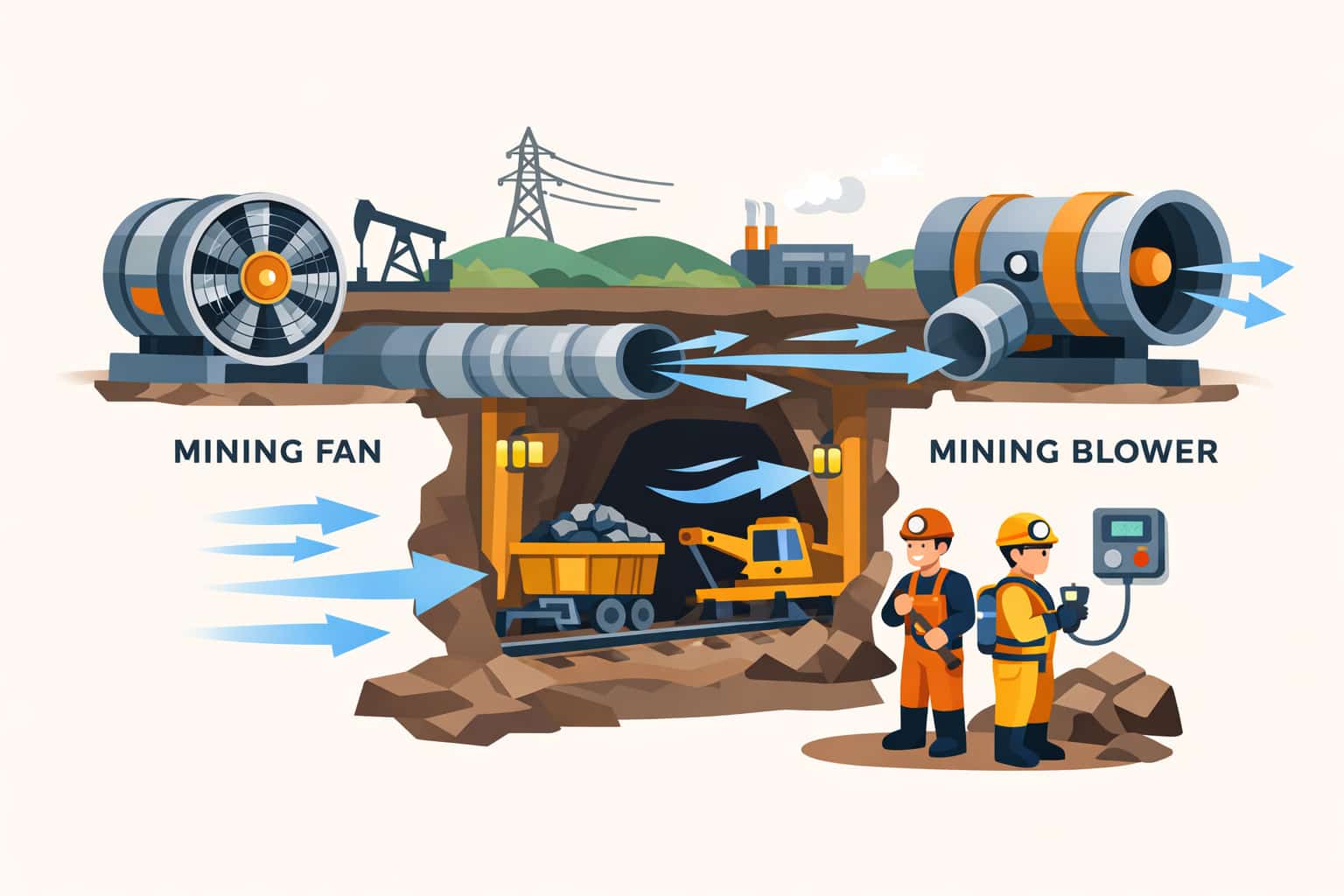
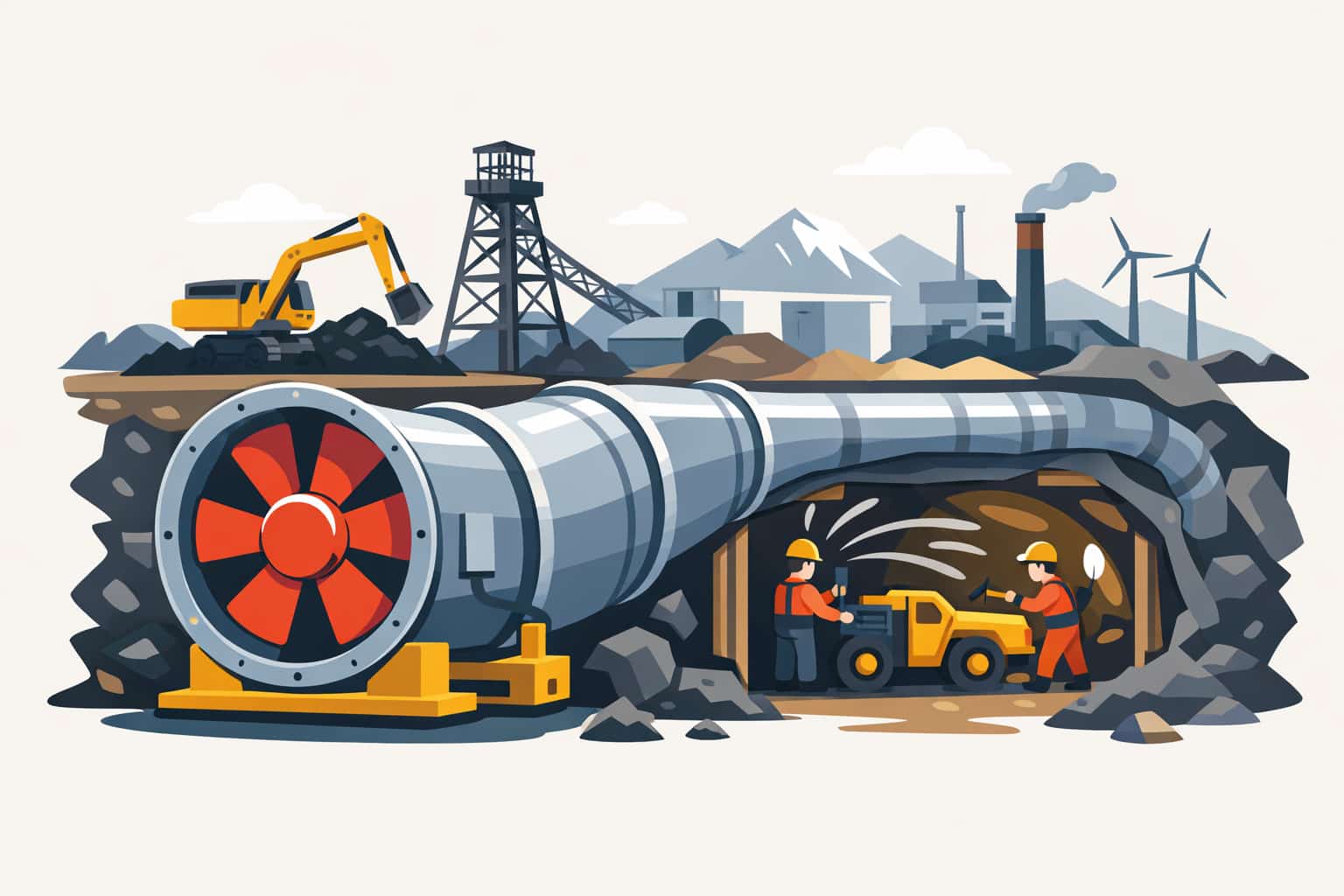
In mining ventilation, high static pressures are common because of long airways and regulators. Here, choosing a fan with insufficient static pressure would be a serious mistake. But even in mines, choosing a much higher pressure fan than necessary can result in excessive power demand and operating costs. Ventilation engineers therefore carefully calculate system resistance and choose fans that provide “enough, with margin”, not simply the highest pressure available.
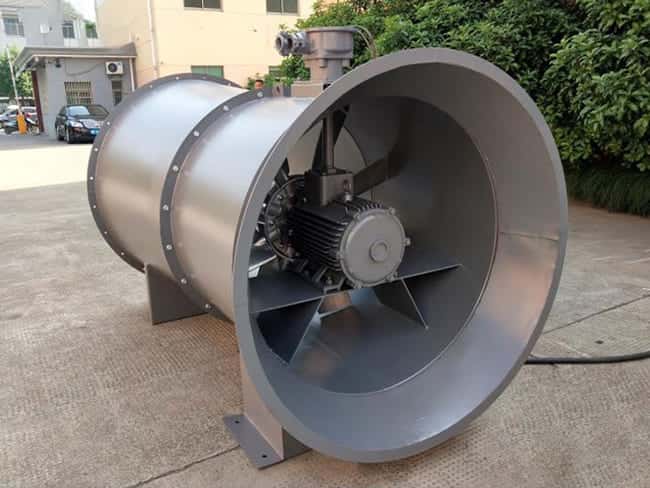
There are also noise and mechanical considerations. Higher static pressure operation often goes hand in hand with higher tip speeds, which can increase aerodynamic noise and place greater stresses on impellers, bearings and structures. Designing to the real pressure requirement helps keep noise and mechanical loading under control.
In summary, higher static pressure is only better if your system actually needs it. The best fan is one that delivers the required airflow at the required static pressure with good efficiency and acceptable noise—not one that produces the highest static pressure on paper.