
Whether it is better to have your fan higher or lower depends on what you are trying to achieve with the ventilation system. Fan height and position strongly influence how air moves through a room, industrial hall or underground heading. The key is not simply “high” or “low”, but whether the fan location creates a clear airflow path through the occupied or working zone and connects intakes with exhausts effectively.
In many industrial buildings, large wall or column-mounted fans are installed at mid to high level. Mounting fans higher helps them avoid obstructions such as machines, racks and vehicles, giving a clearer path for air to move across the space. Warm air also tends to accumulate near the roof, so high-mounted exhaust fans can remove this hot air and reduce temperature stratification. However, if all air movement is trapped near the ceiling, workers at floor level may feel little benefit. In such cases, combining high-level exhaust with lower-level supply or circulation fans can improve comfort.
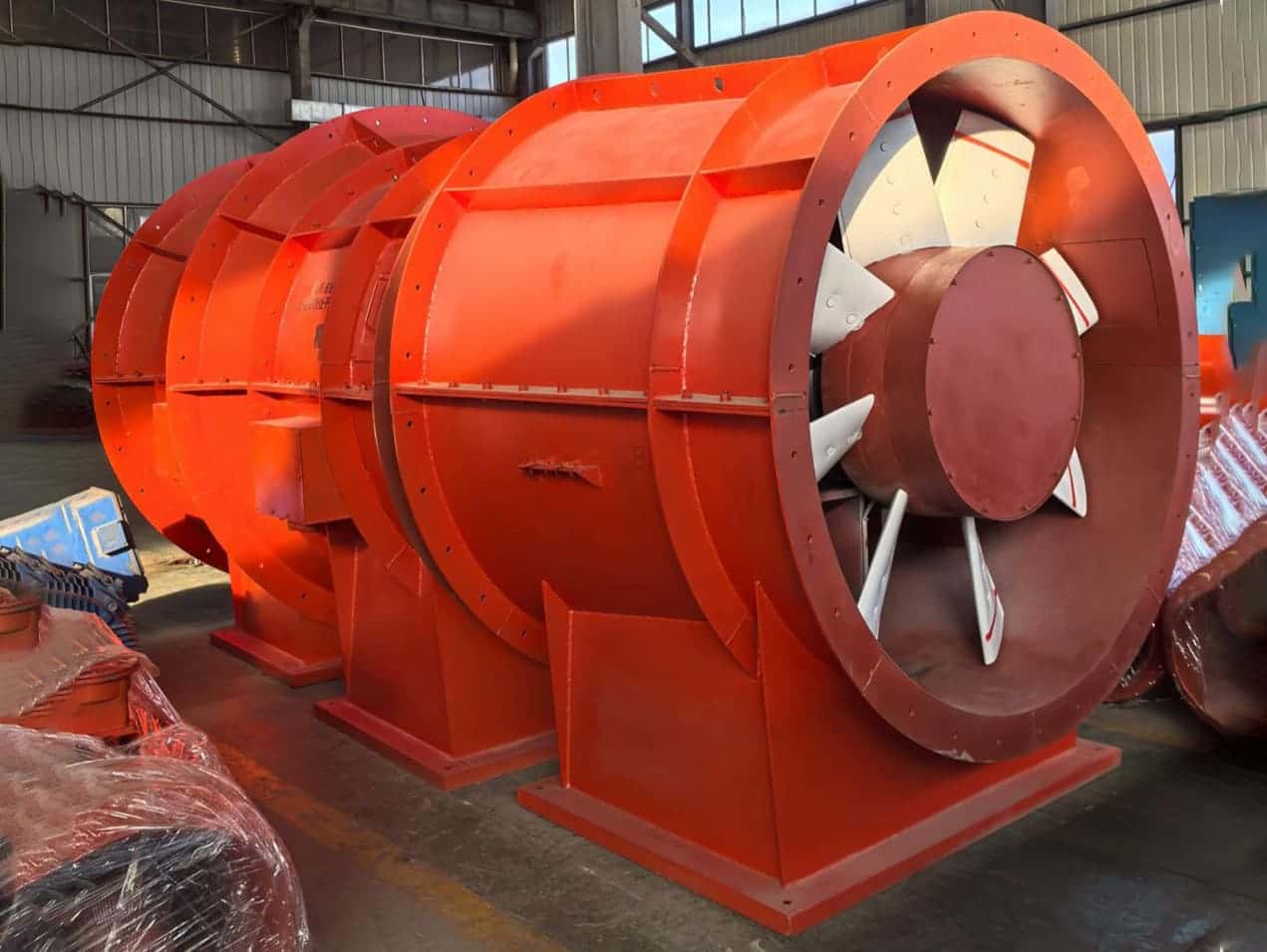
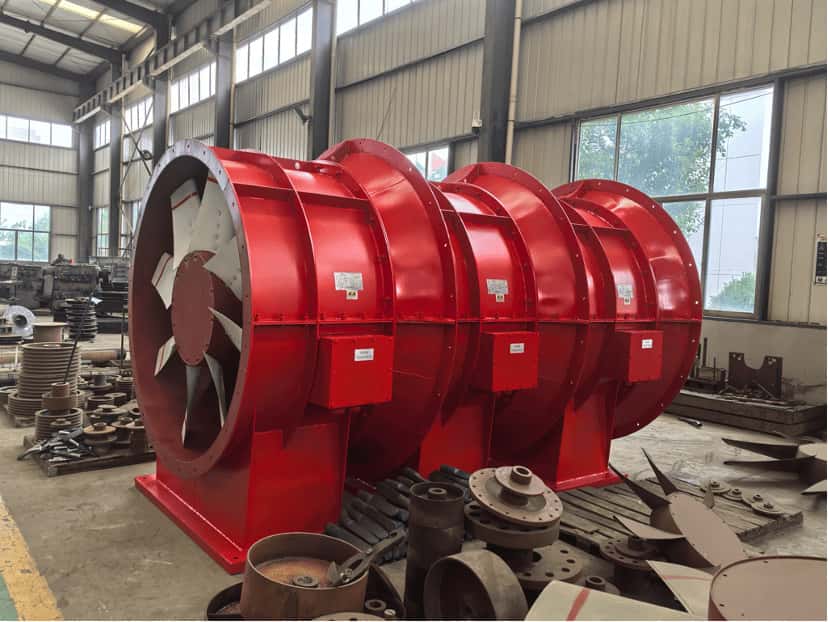
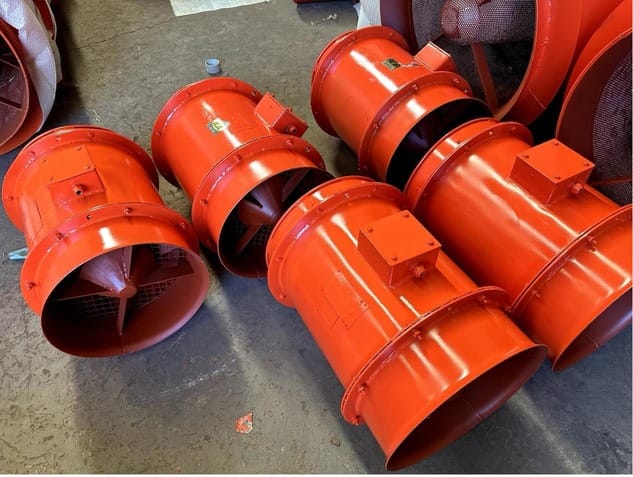
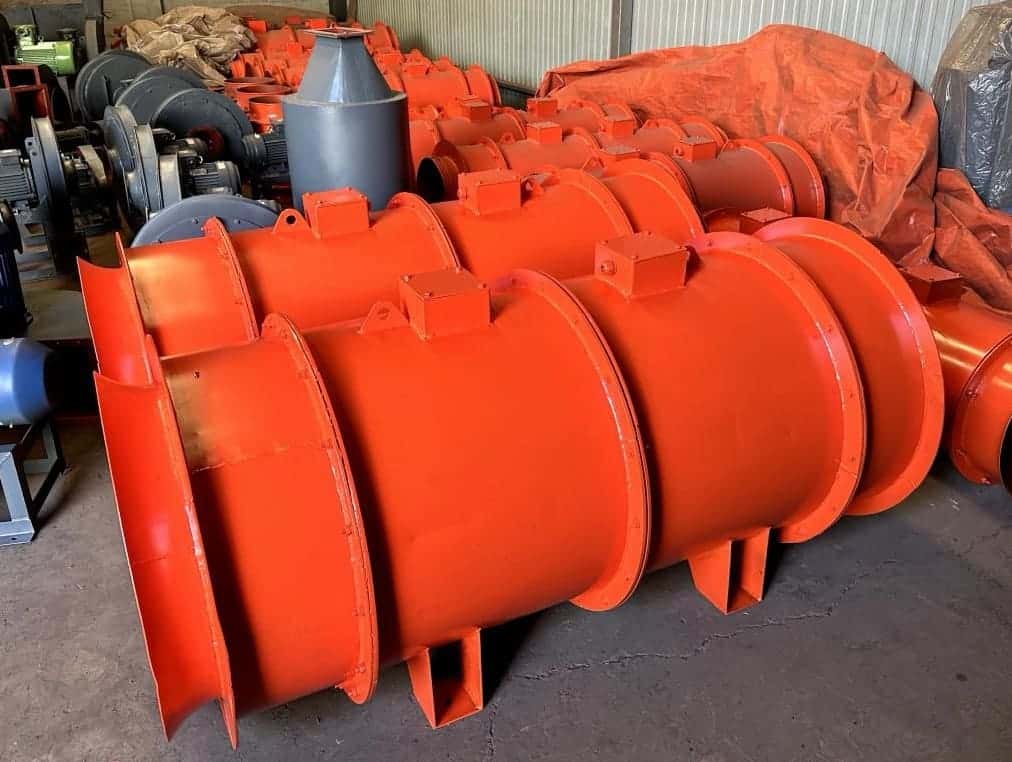
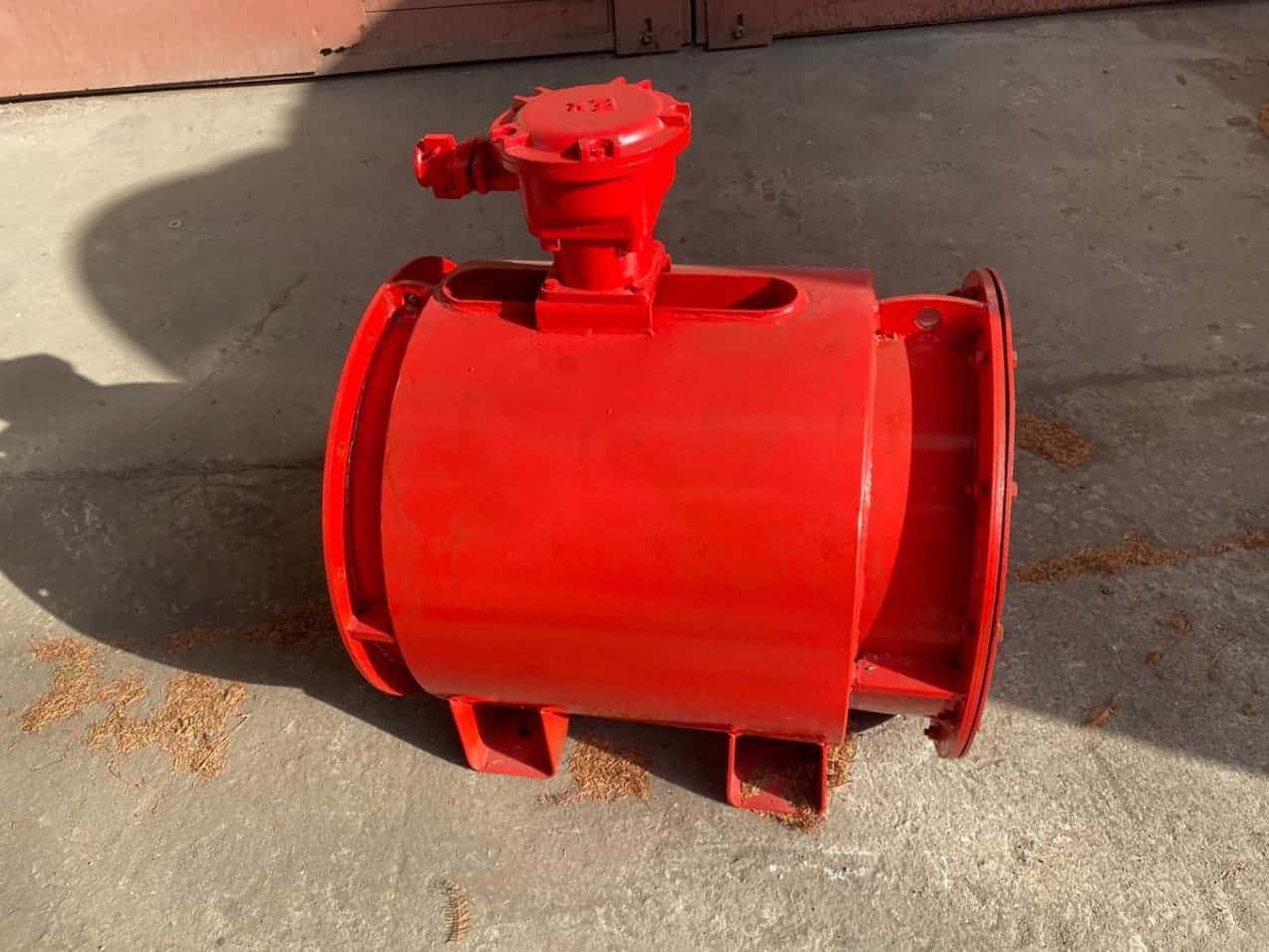
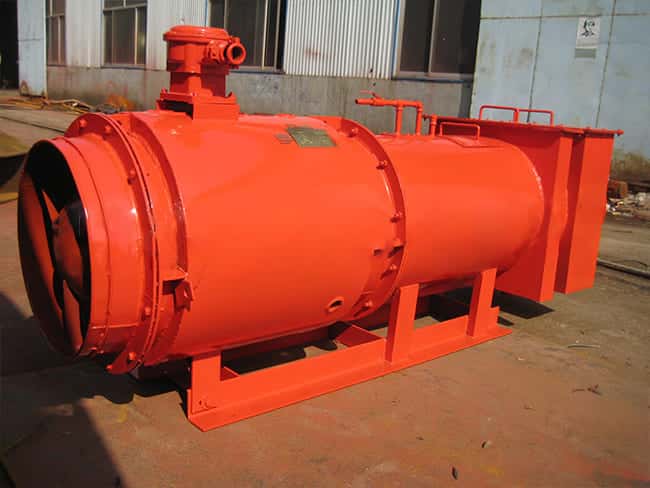
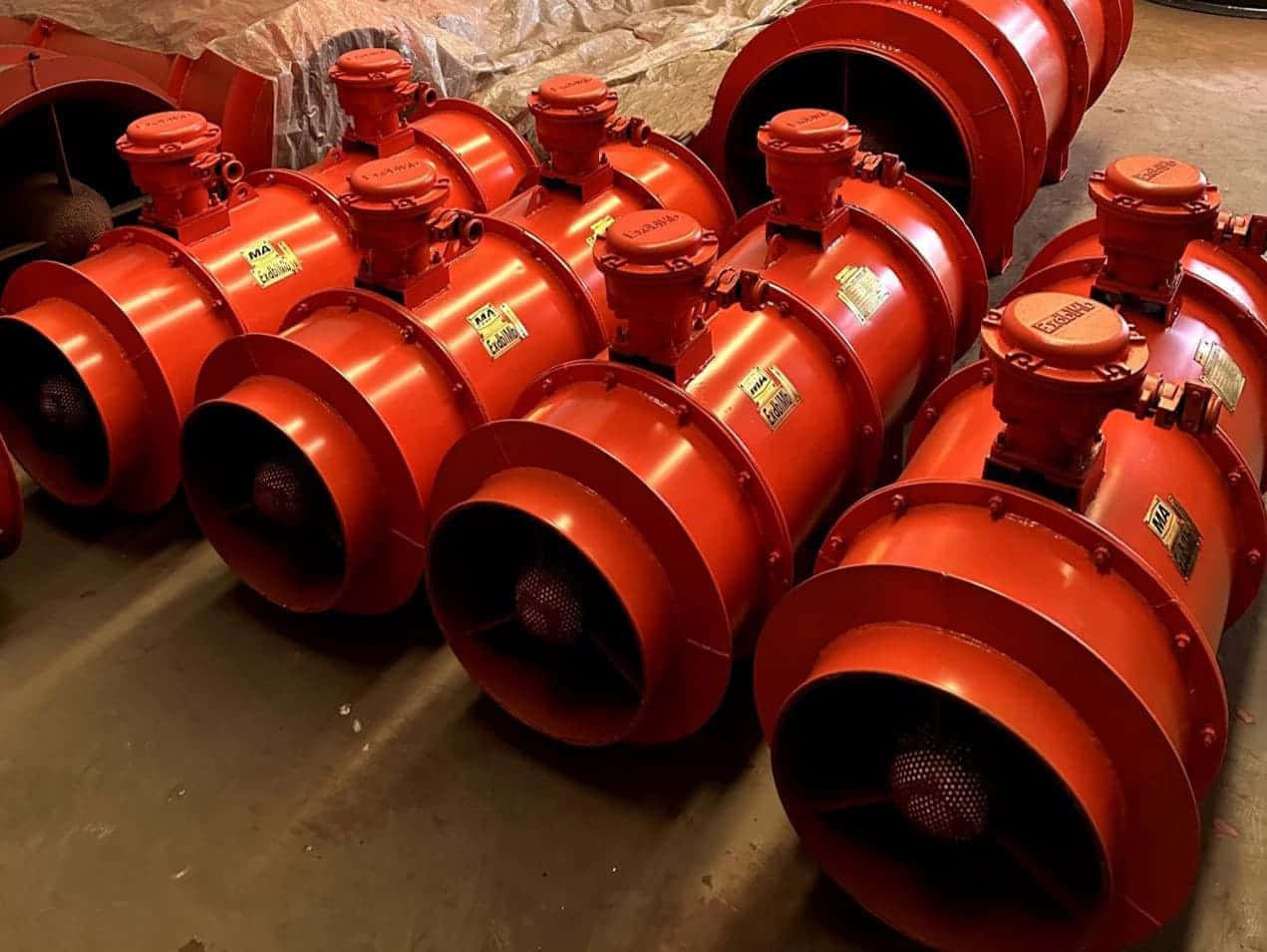
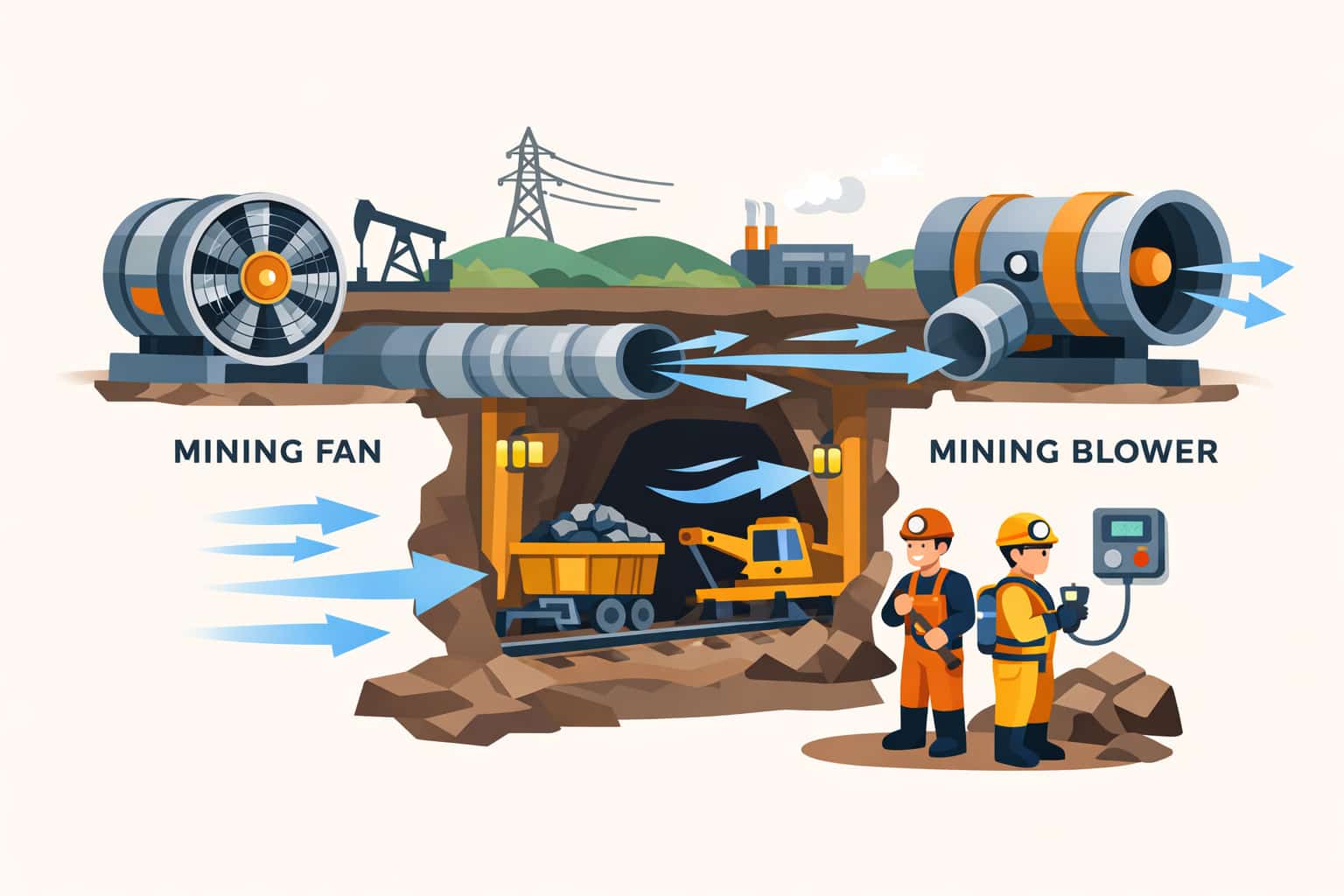
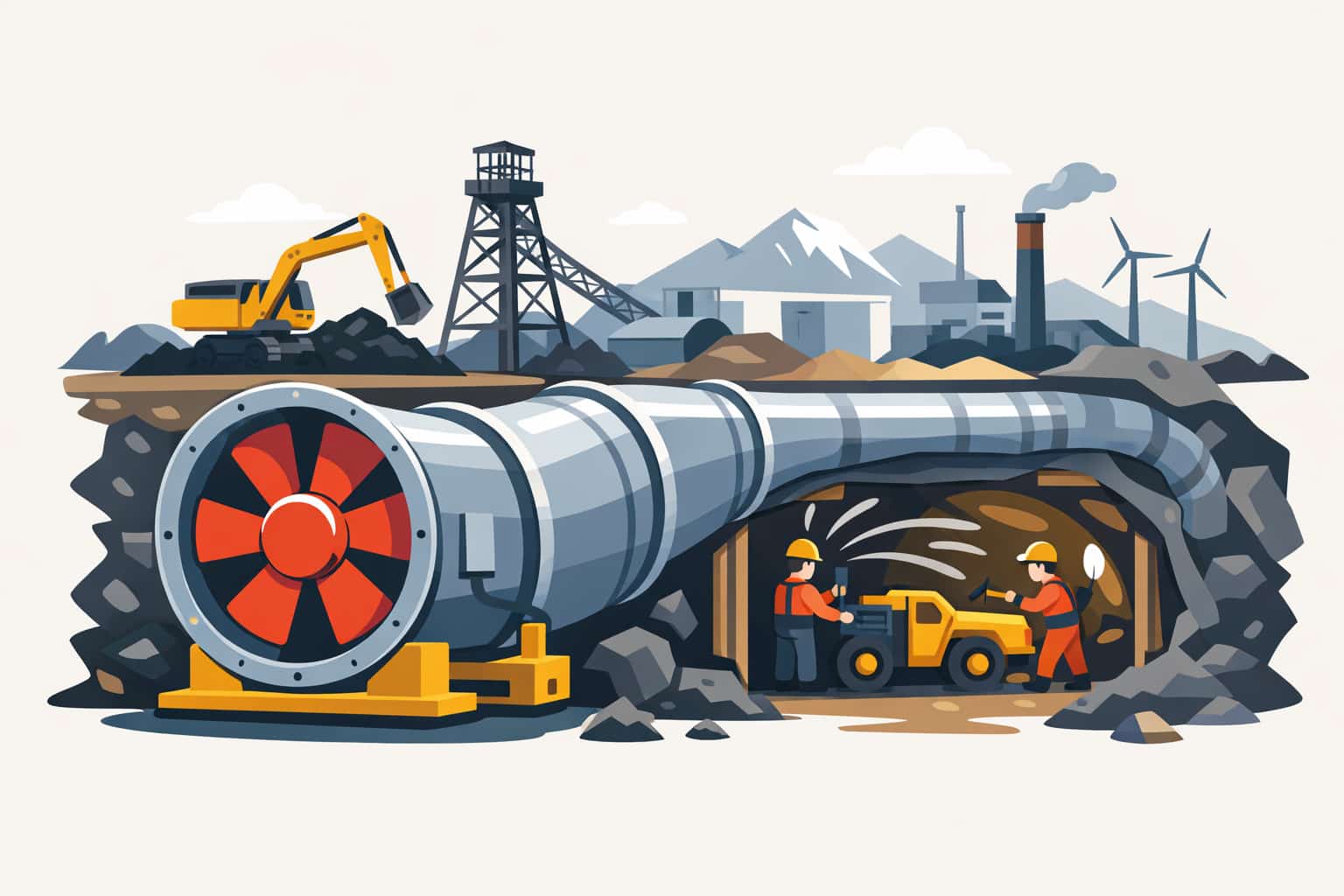
In underground mines, auxiliary fans are often installed near the roof to keep ducts out of the way of vehicles and equipment. The fan pushes air into flexible ducts which then discharge closer to the face, typically at mid-height so that fresh air flows through the breathing zone and across diesel equipment. If the discharge is too high or too low, air may short-circuit above or below workers, leaving pockets of poor ventilation. Here, the combination of fan height, duct routing and discharge location matters more than the fan’s elevation alone.
For general building ventilation, supply air is commonly introduced at a higher level and allowed to mix and descend, while exhaust may be taken from mid or high level, depending on contaminants and heat sources. Where heavy gases or dusts are present, lower-level extraction can be more effective. In offices and workshops, fans placed too low can cause uncomfortable drafts, while fans placed very high may only stir the hottest air near the ceiling. A balanced design often uses diffusers or grilles at heights that deliver air gently into the occupied zone.
Safety and practicality also influence the choice. High-mounted fans are less likely to be damaged by forklifts, explosives or moving equipment, and they can free up floor space. But higher mounting can complicate maintenance access and cleaning, especially in dusty industrial and mining environments where fan blades and guards must be inspected regularly.
In summary, there is no universal rule that higher or lower is always better. The best fan height is the one that provides the desired airflow pattern: fresh air entering from clean areas, moving through the breathing zone or process area, and leaving via planned exhaust points, without creating dead zones or uncomfortable drafts. Proper engineering assessment of the space, heat sources and contaminants is more important than following a simple “high vs. low” rule.