
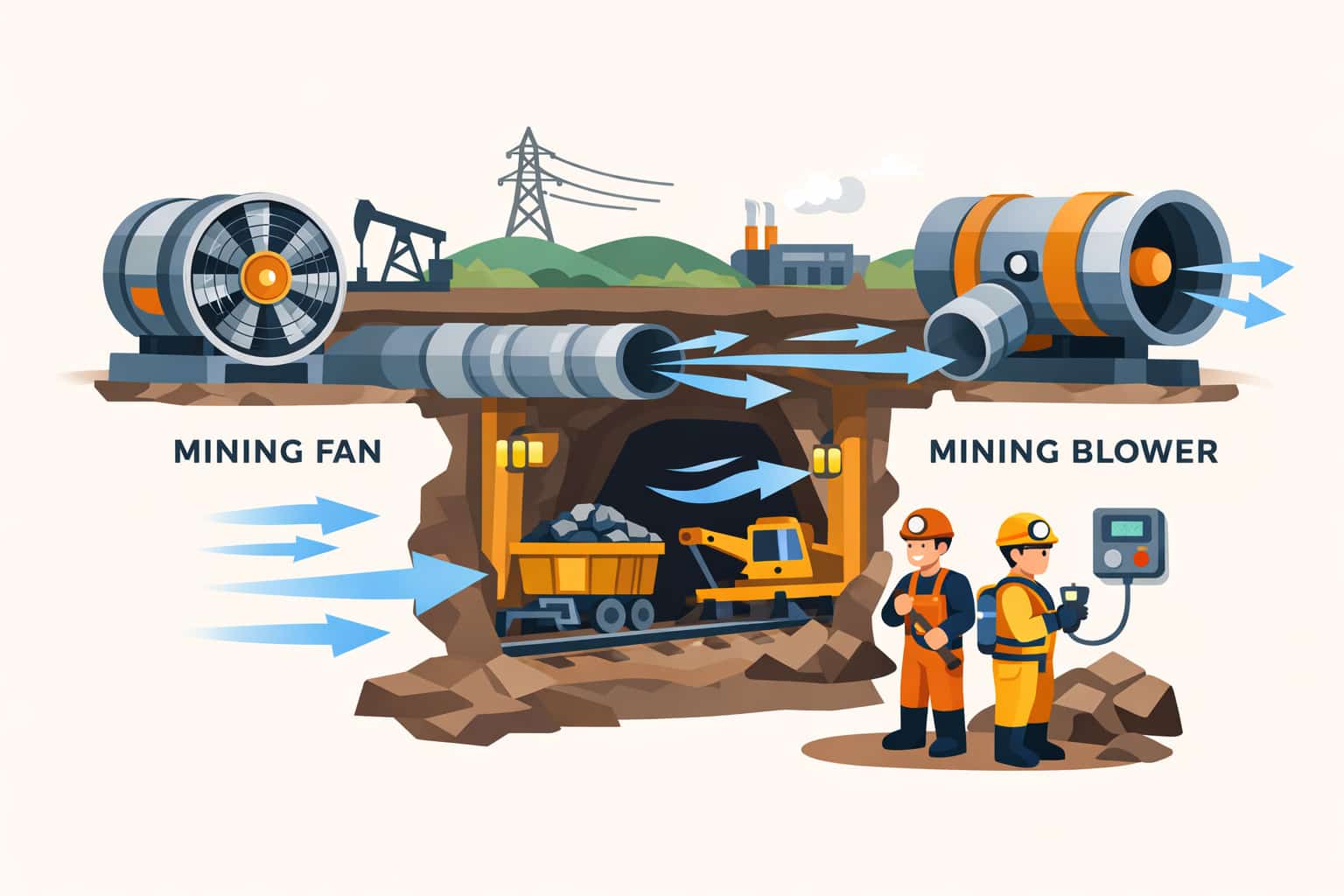
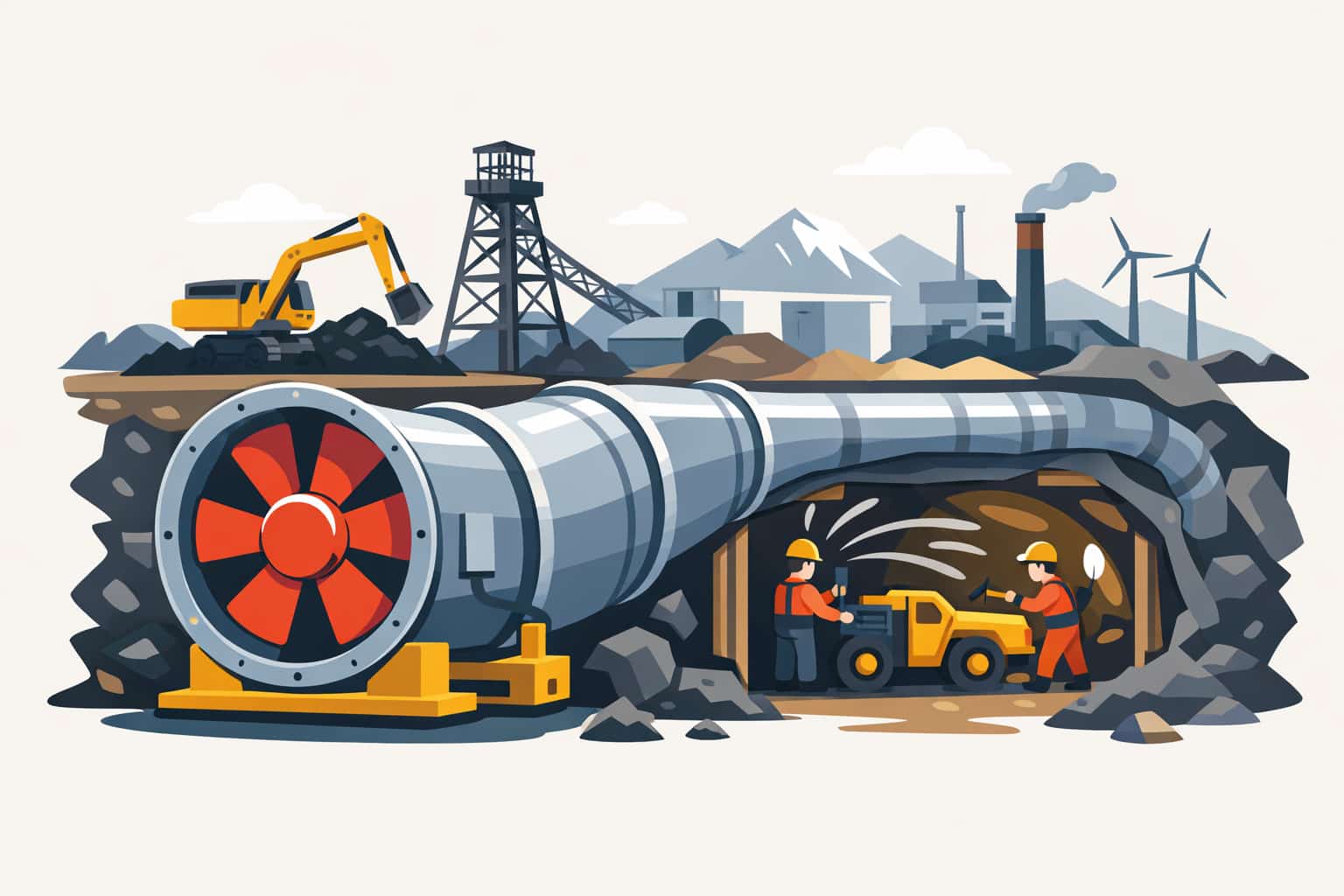

Metal housing is not always better than FRP (fiber-reinforced plastic) for ventilation fans; the best choice depends on environment, temperature, corrosion and mechanical loads. In many industrial plants and mines, both steel and FRP fan housings are used successfully for different duties.
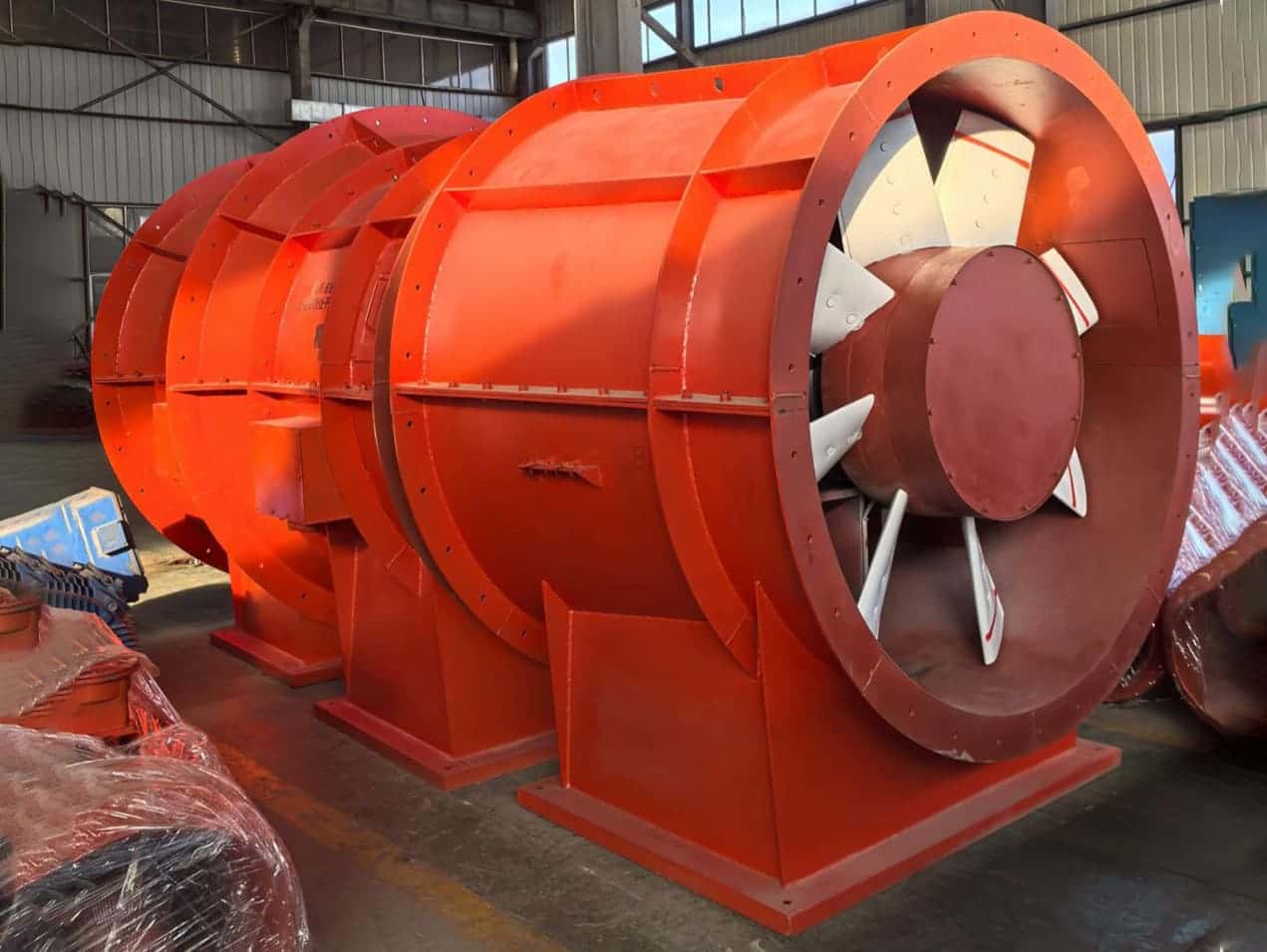
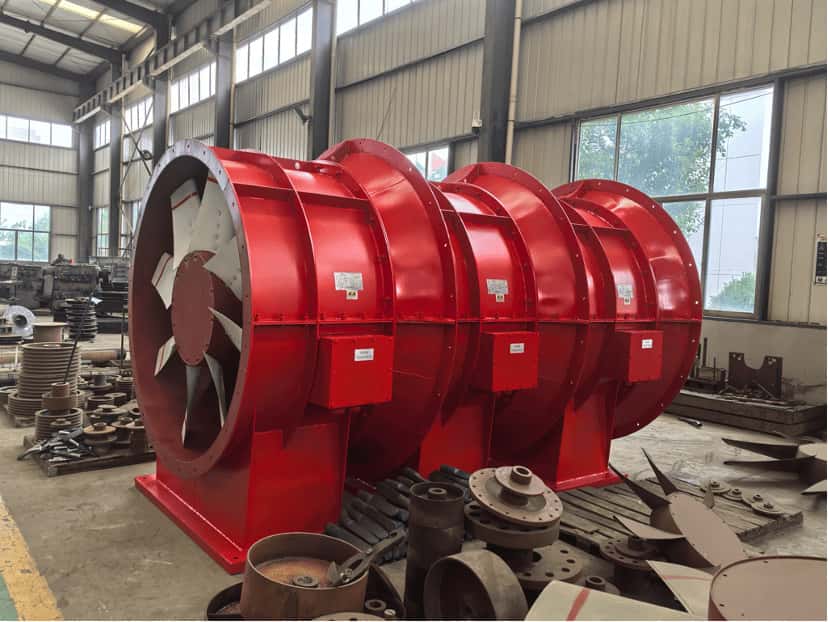
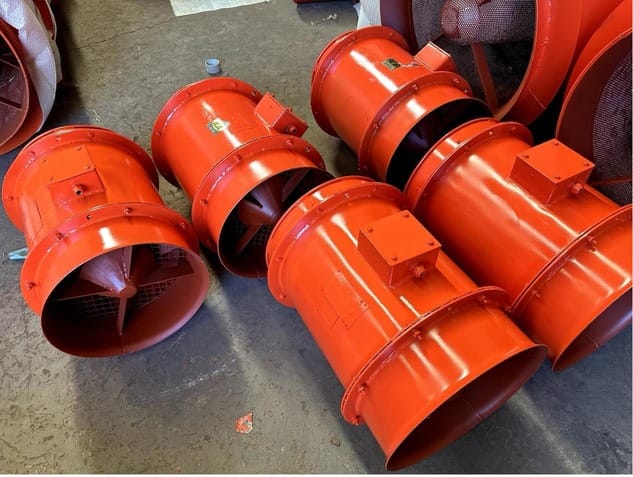
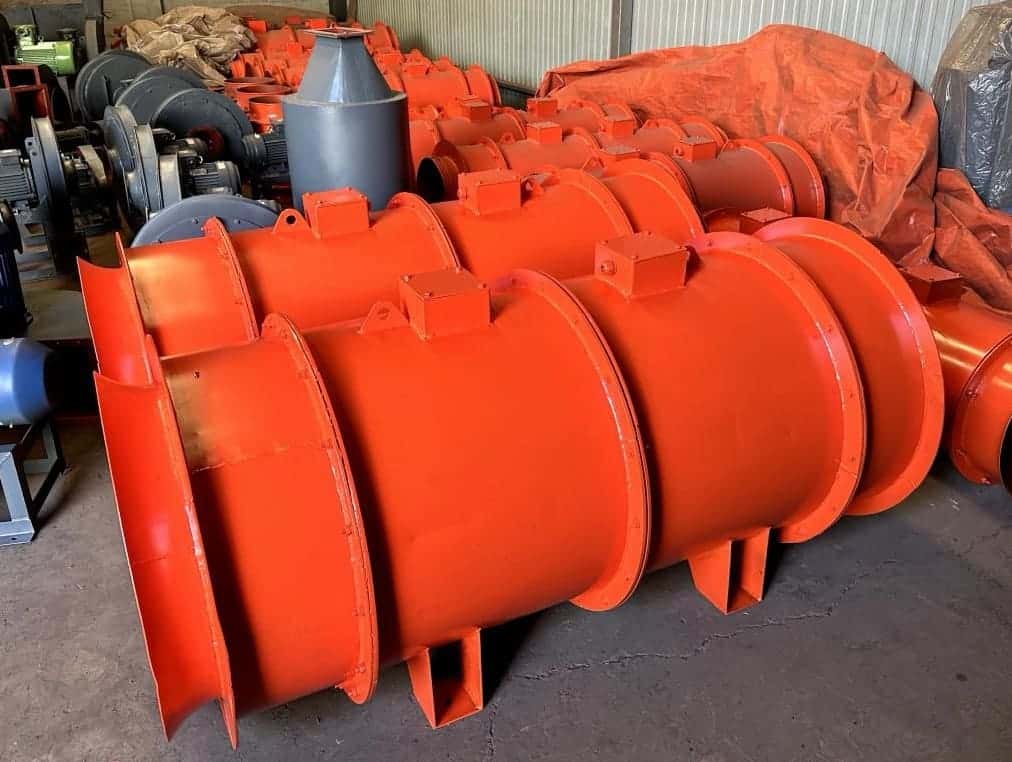
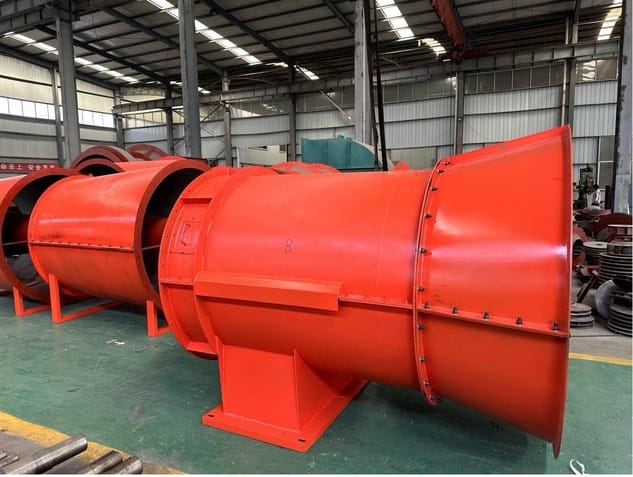
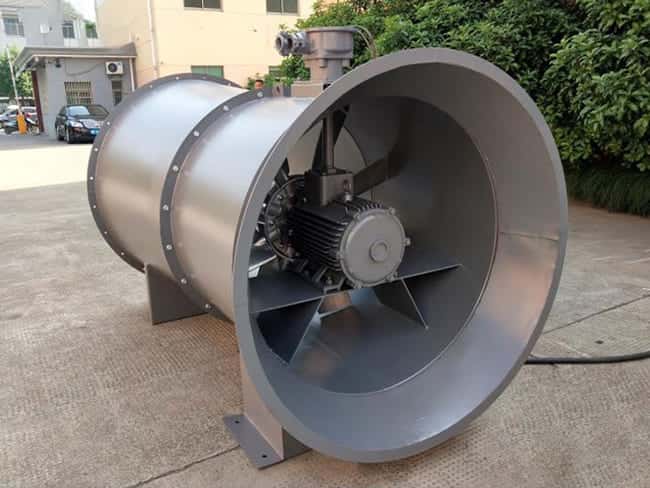
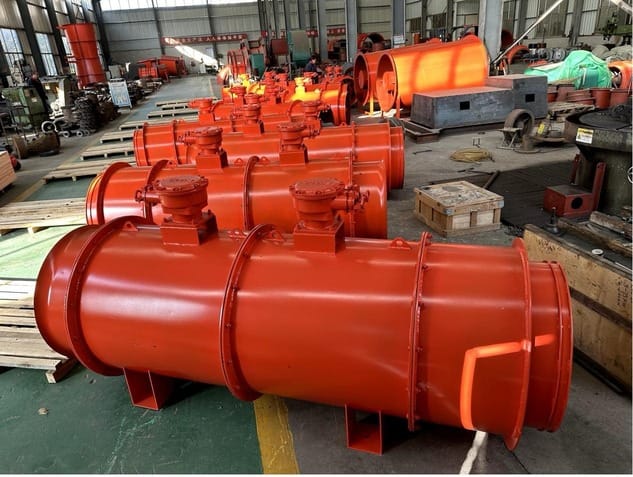
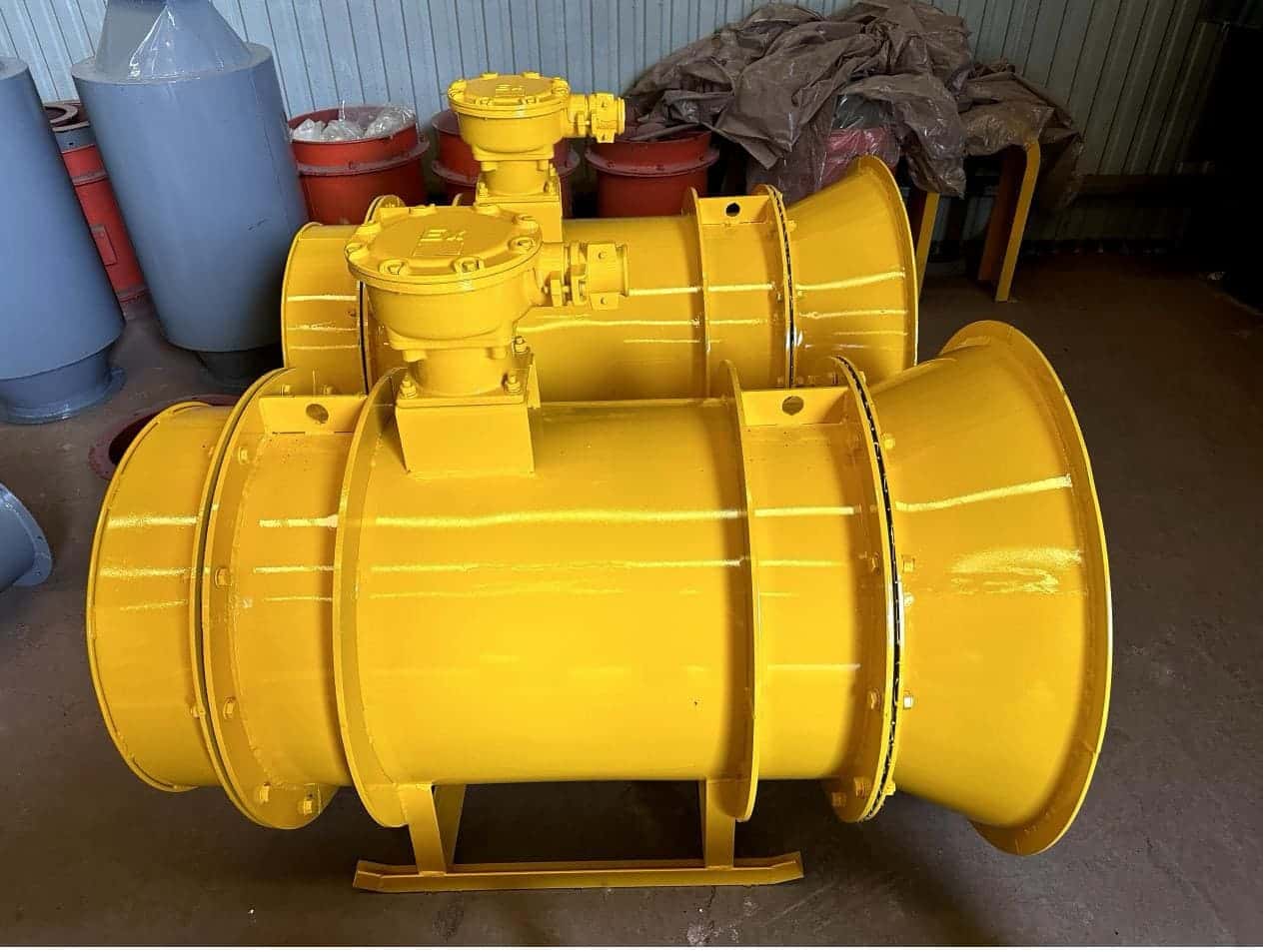
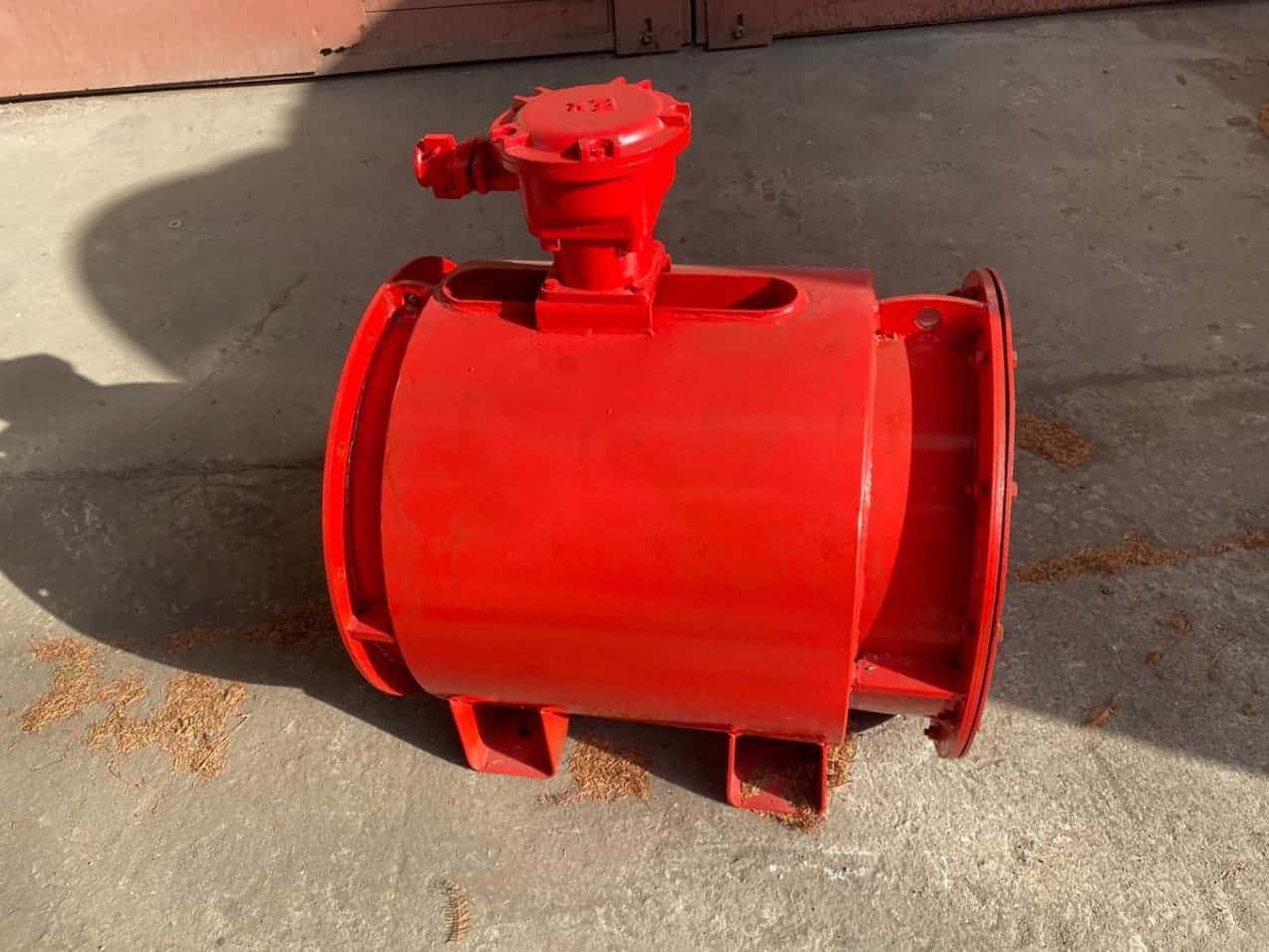
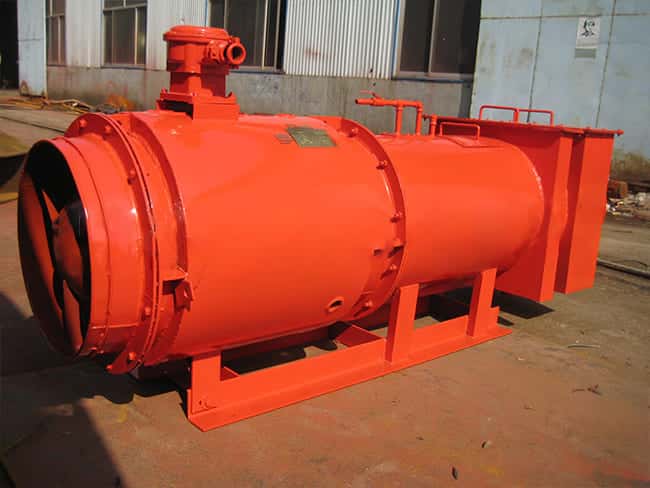
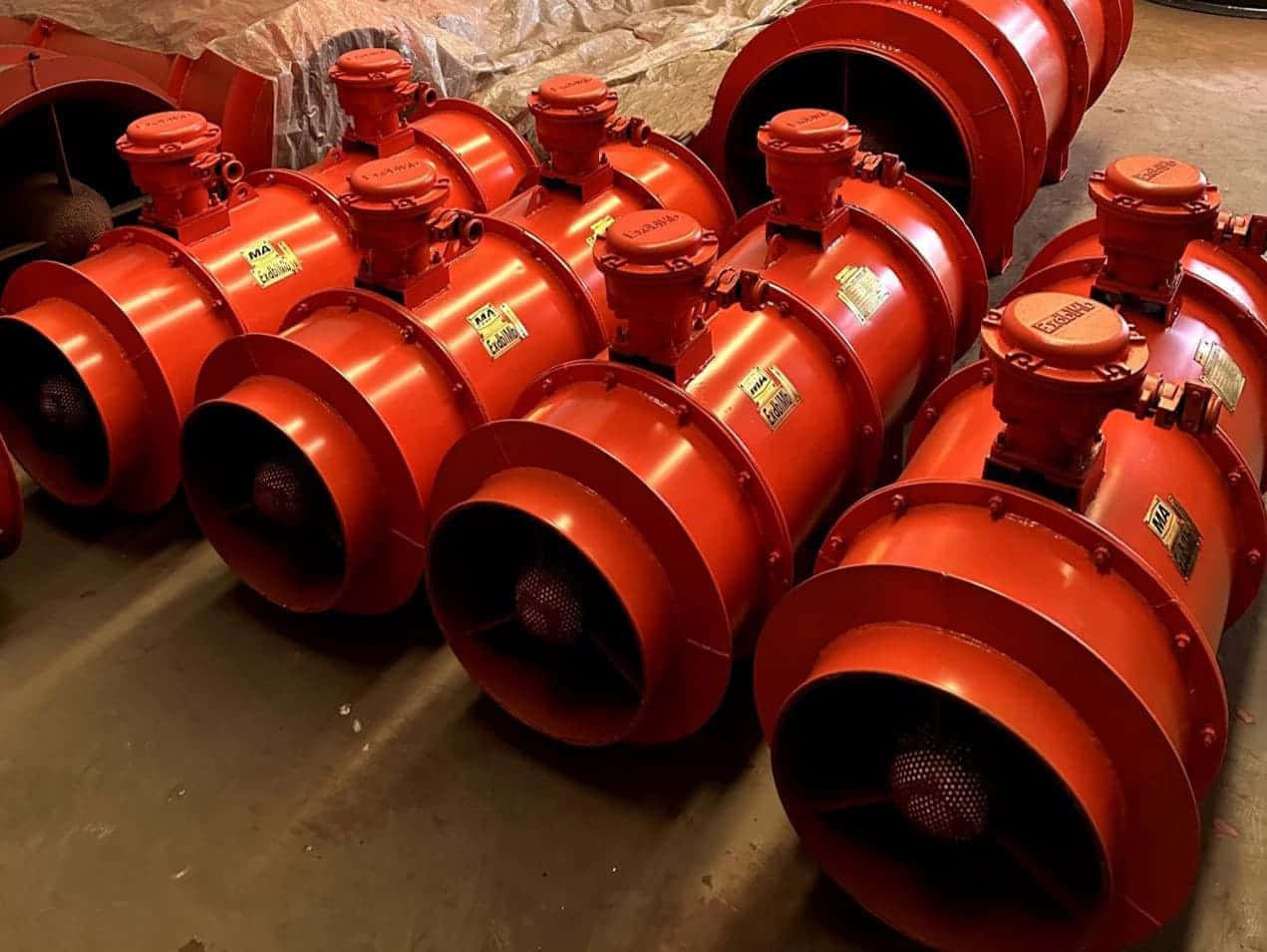
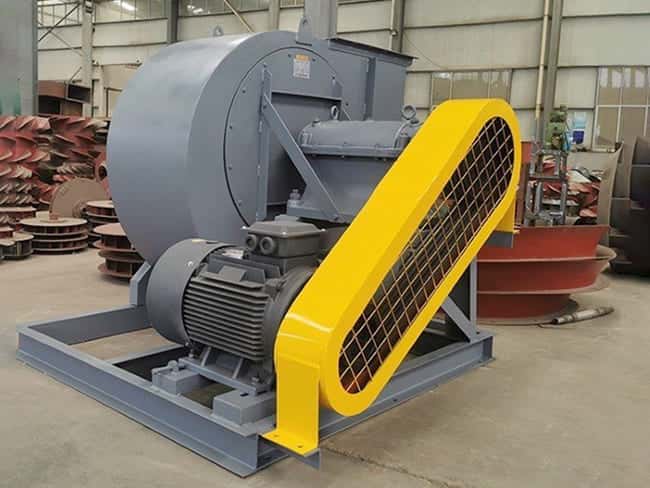
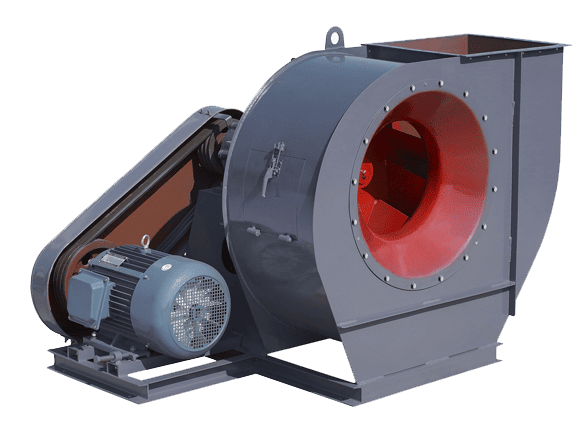
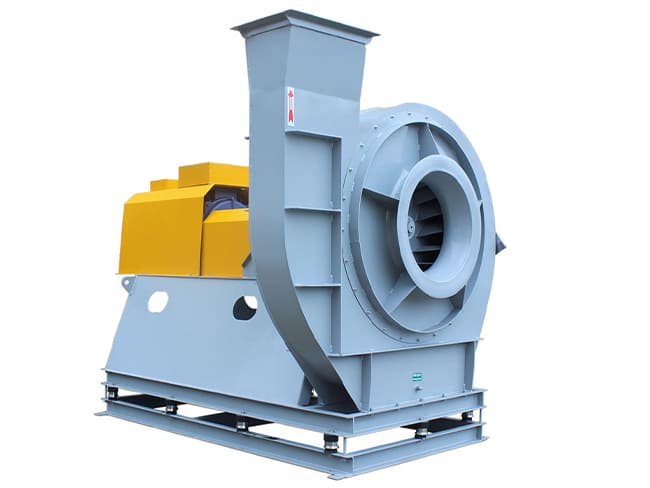
Metal fan housings are typically made from carbon steel, stainless steel or sometimes aluminium. Steel casings are very strong, resist impact and are well suited to high-pressure or high-speed fans where structural integrity is critical. They also tolerate higher temperatures than most standard FRP formulations, which is important for hot process gases, high ambient temperatures or fire scenarios considered in design. For explosion-proof and flameproof applications, metal housings are usually required to meet the necessary enclosure standards.
However, steel is vulnerable to corrosion in aggressive environments, such as chemical plants, fertilizer production, desalination, coastal locations and certain mine atmospheres. Even with coatings or galvanizing, there is a long-term risk of rust, pitting and reduced wall thickness if maintenance is inadequate. Stainless steel improves corrosion resistance, but material and fabrication costs are significantly higher.
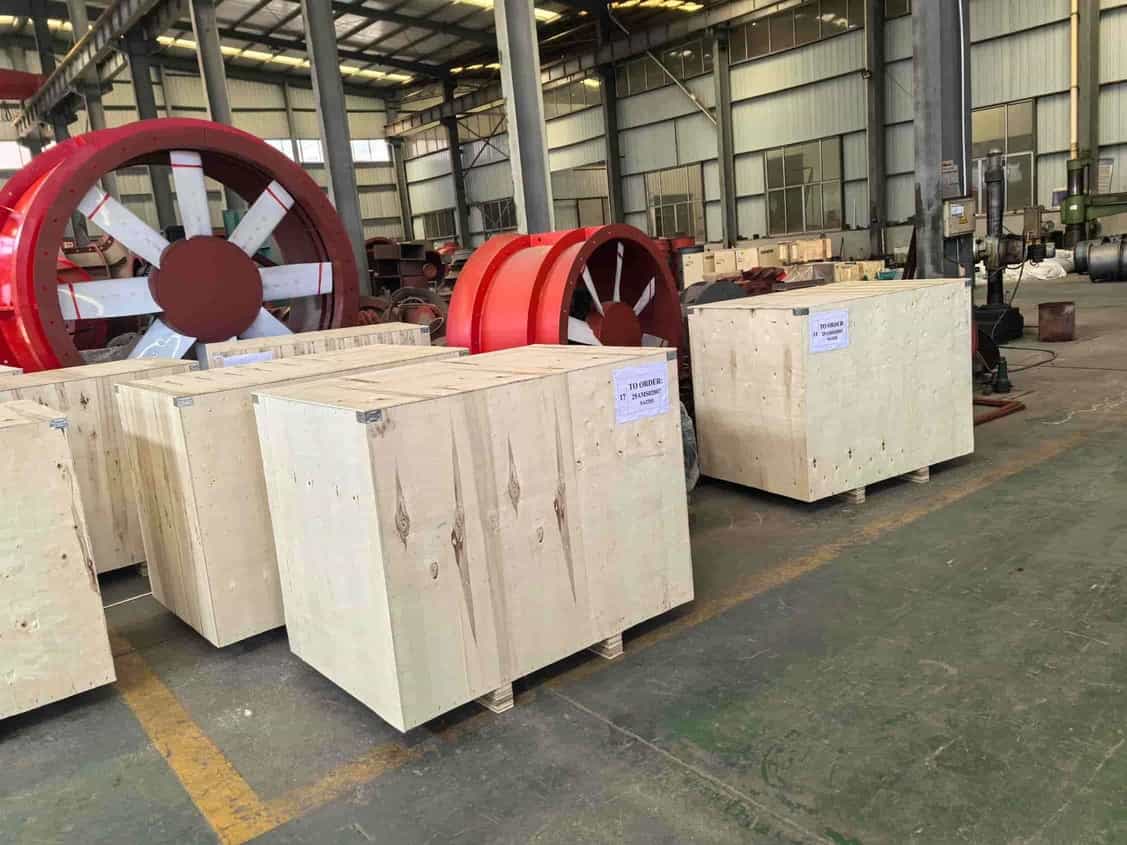
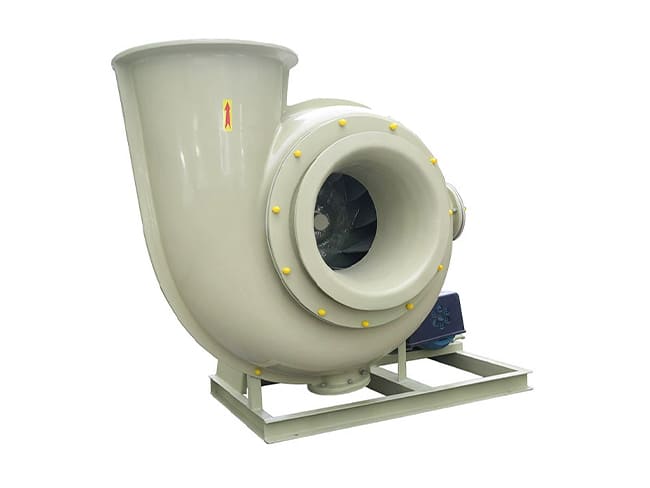
FRP fan housings are made from glass fibers embedded in a resin matrix. Their main advantages are excellent corrosion resistance and low weight. FRP casings perform well in many chemical, marine and wastewater environments where steel would corrode rapidly. The lighter weight simplifies handling and reduces load on supports and foundations, which is useful for rooftop installations, duct-mounted fans and certain mining or tunnel applications where access is difficult.
FRP has limitations. Standard FRP materials have lower allowable temperatures than steel, so they are not suitable for very hot gases or high fire-resistance requirements unless special resins and fire-retardant systems are used. FRP is also more brittle than steel; while it has good tensile strength, it may crack under severe impact, point loads or improper installation. Repairs require correct composite techniques rather than simple welding.
From a lifecycle point of view, the choice between metal and FRP depends on total cost of ownership. In mildly corrosive or neutral environments with moderate temperature, a coated or stainless steel housing may be the most economical and robust option. In strongly corrosive environments, an FRP housing can offer much longer life with less maintenance, even if the initial purchase price is higher. For underground mines, external corrosion is often less critical than mechanical strength and temperature, so metal housings are more common, while FRP is sometimes used for duct fans and special corrosive duties.
In summary, metal housing is better where high strength, temperature resistance and explosion-proof requirements dominate, while FRP housing is better where corrosion resistance and low weight are more important. Good fan selection matches the housing material to the specific industrial or mining ventilation environment rather than assuming one material is always superior.