
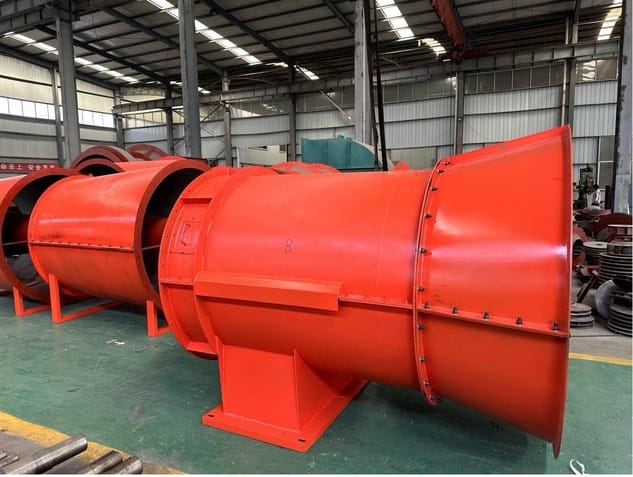
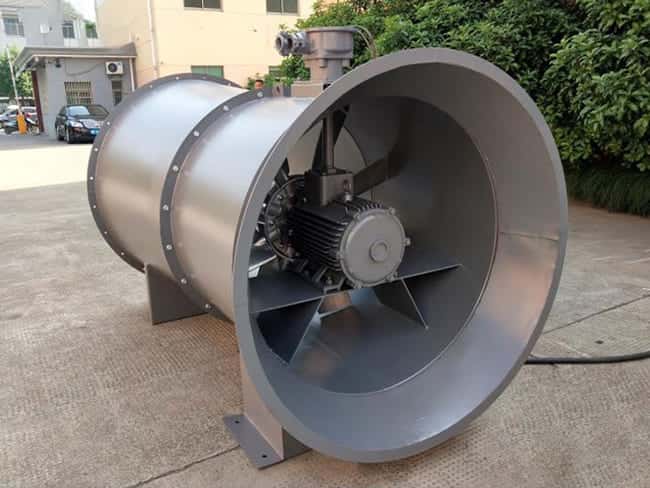
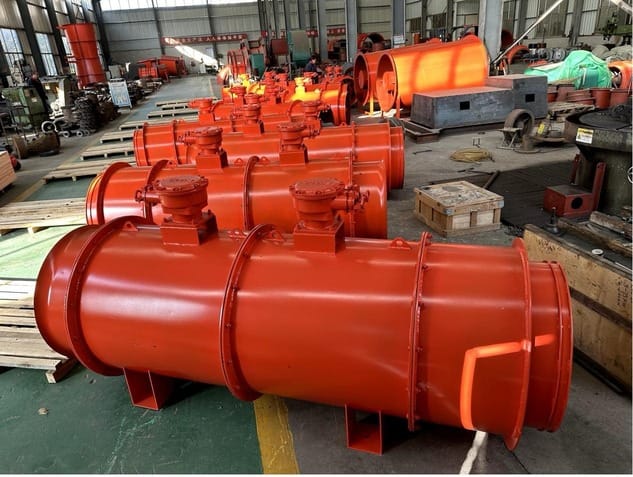
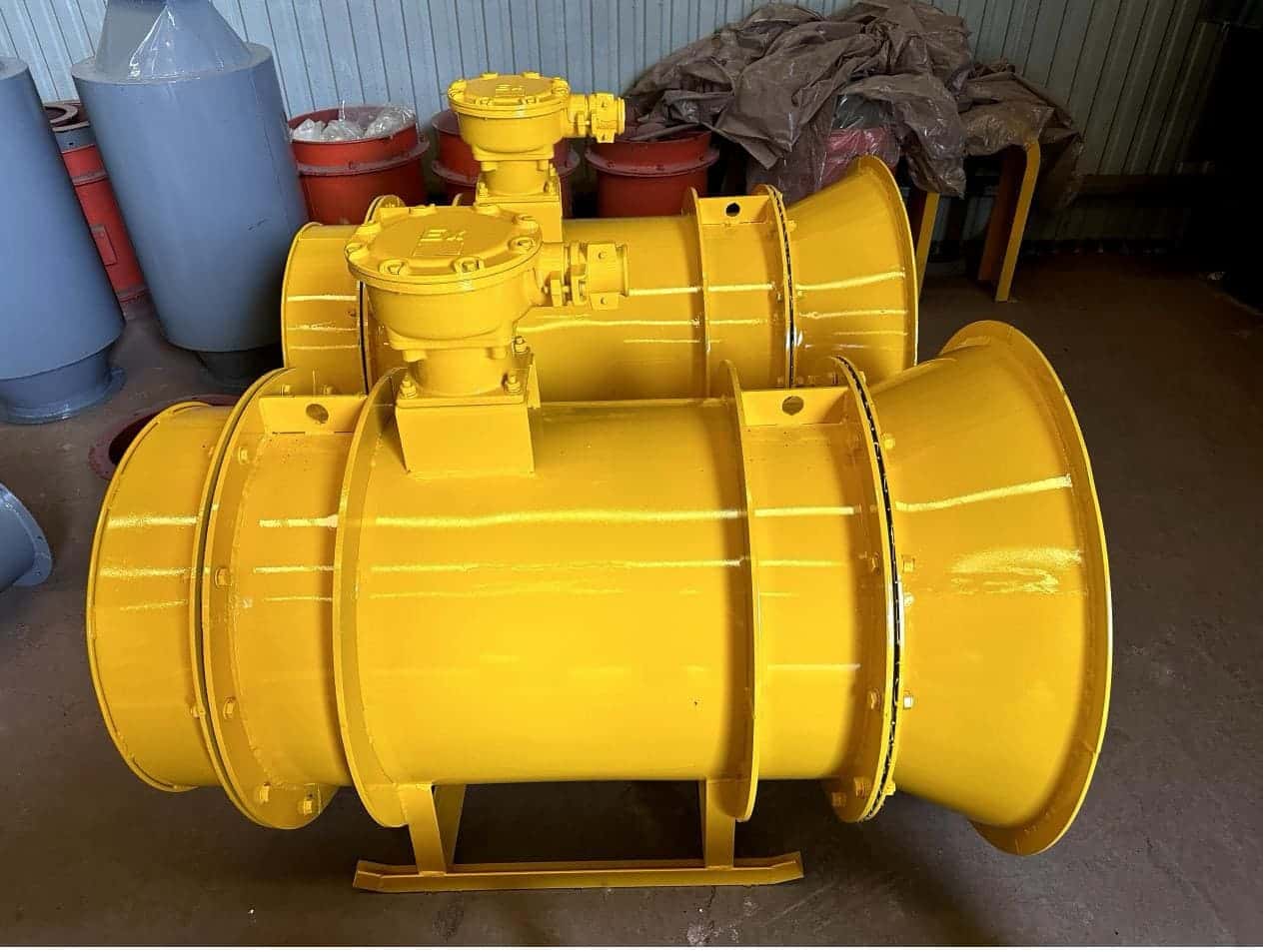
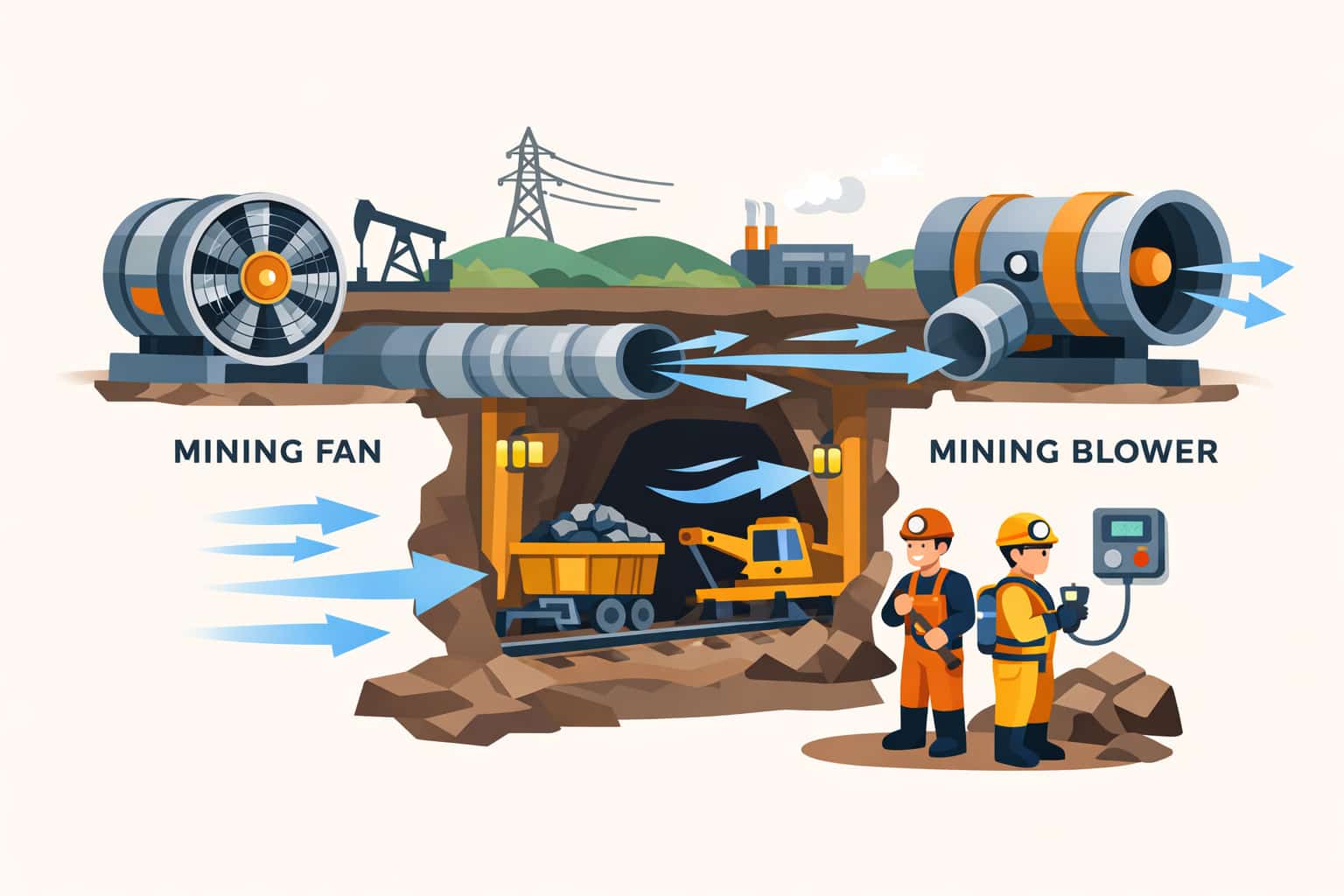
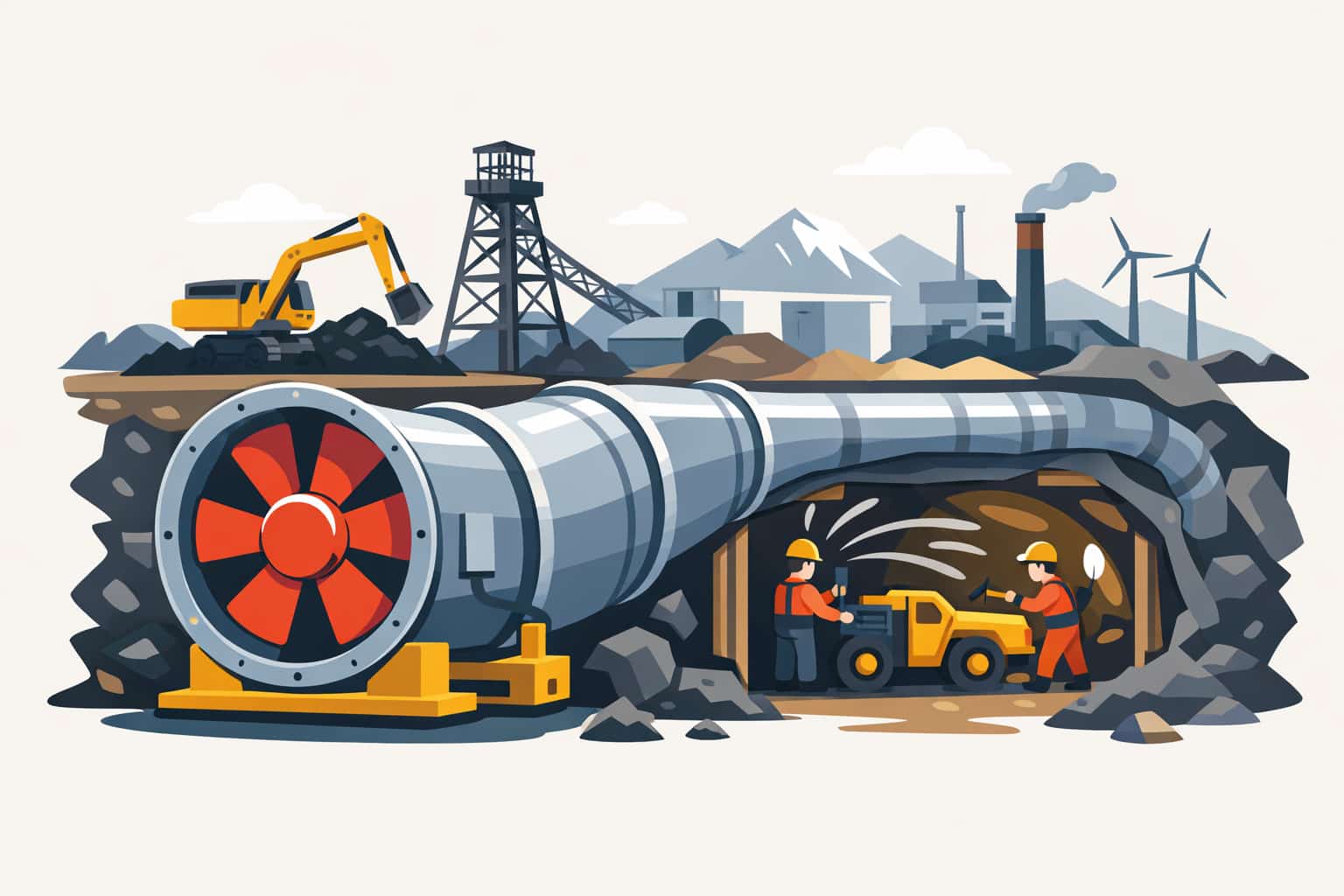
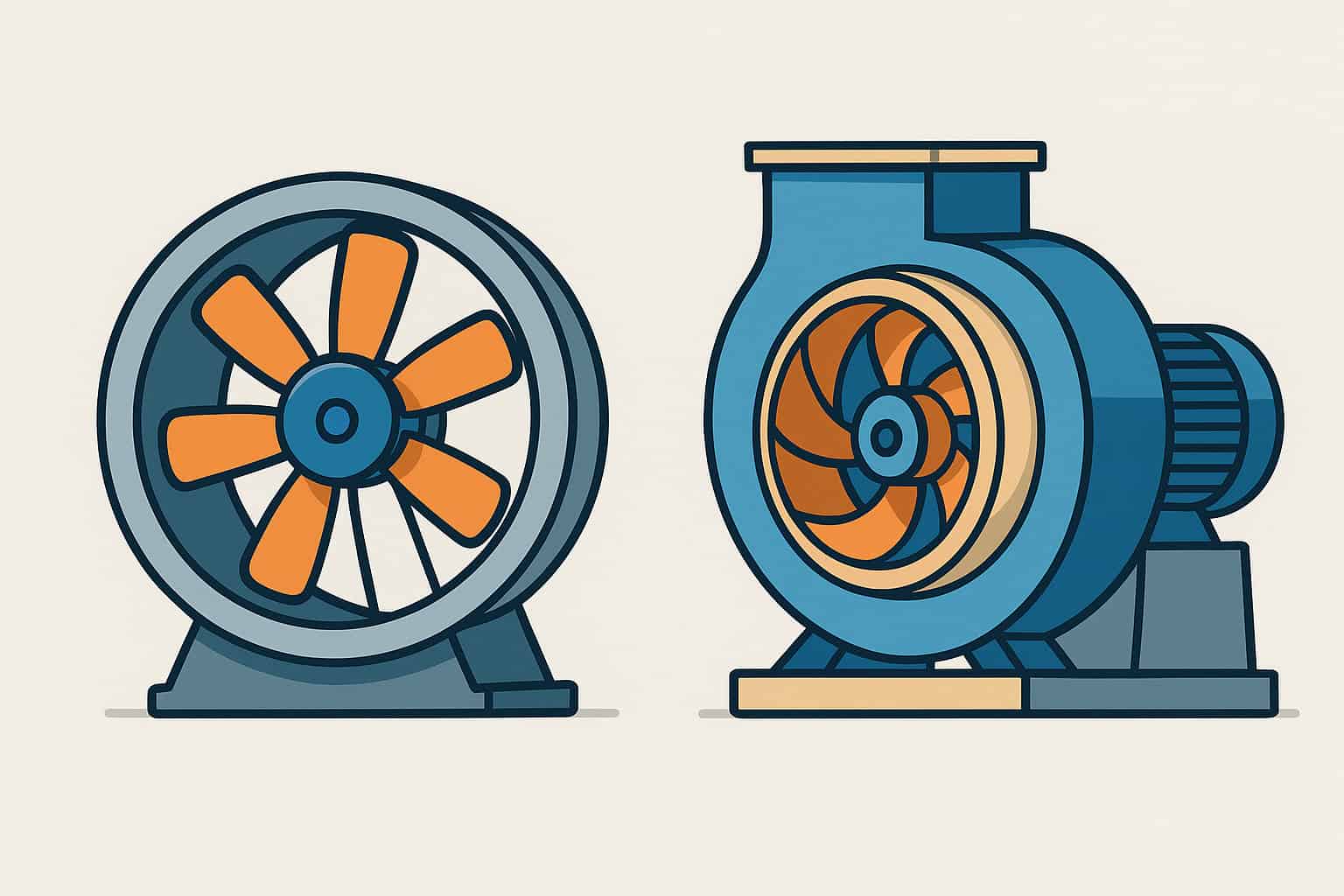
Choosing between an axial fan and a centrifugal fan for mine cooling ventilation requires a clear understanding of your airflow, pressure and cooling needs, as well as space, noise and efficiency constraints. Both fan types are widely used in mining, and each has advantages for particular duties and layouts. There is no universal right answer; the best choice is the one that delivers the required cooling airflow safely, reliably and efficiently in your specific mine.
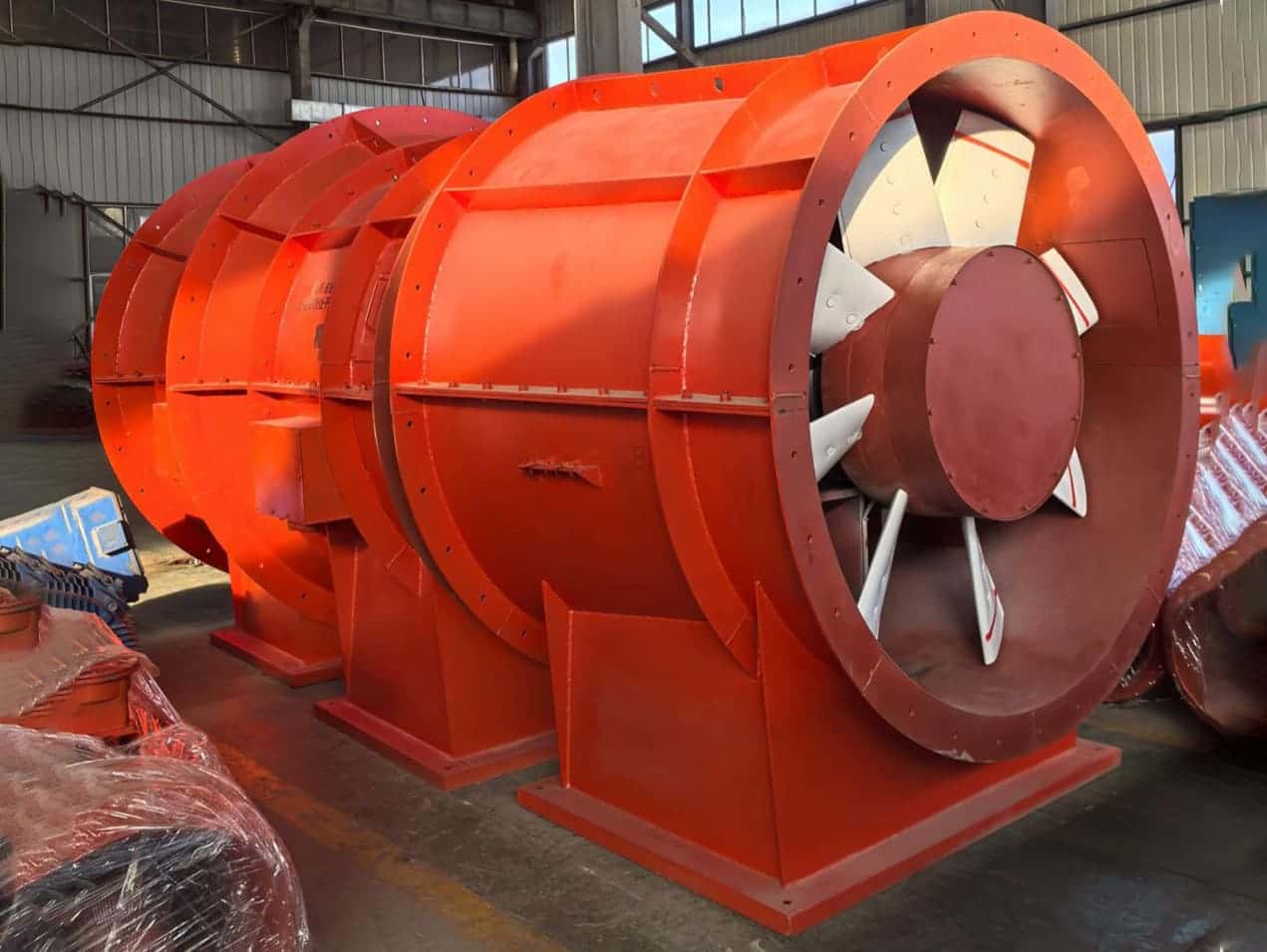
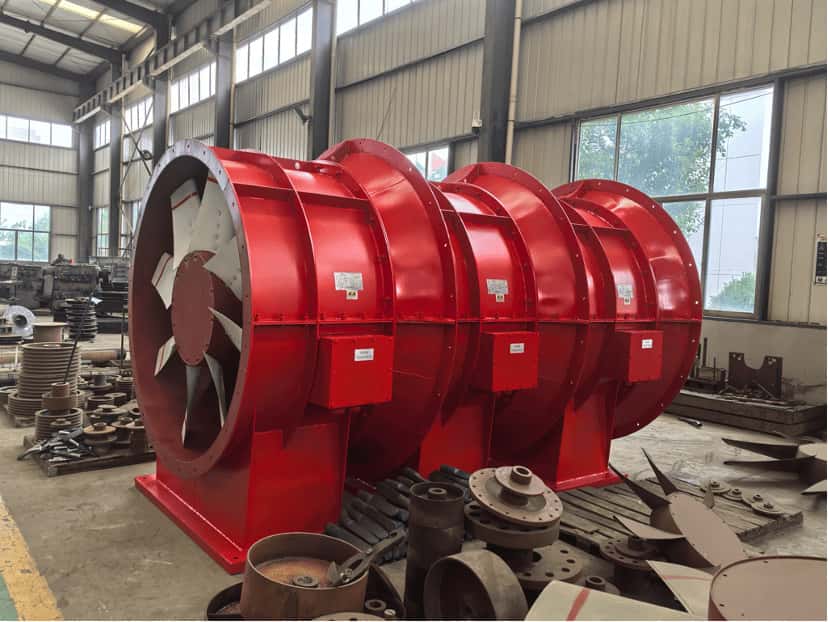
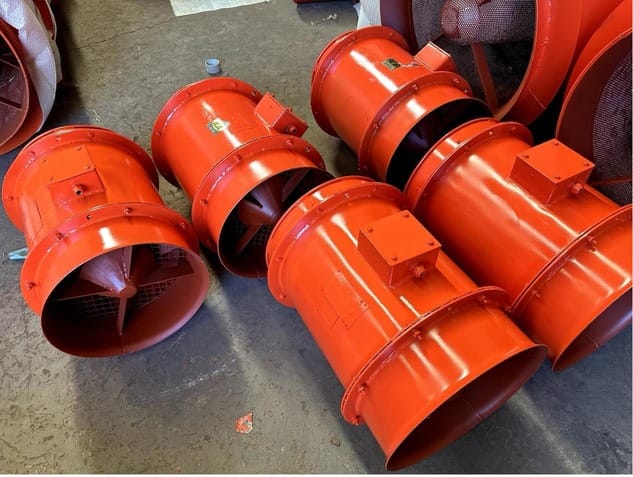
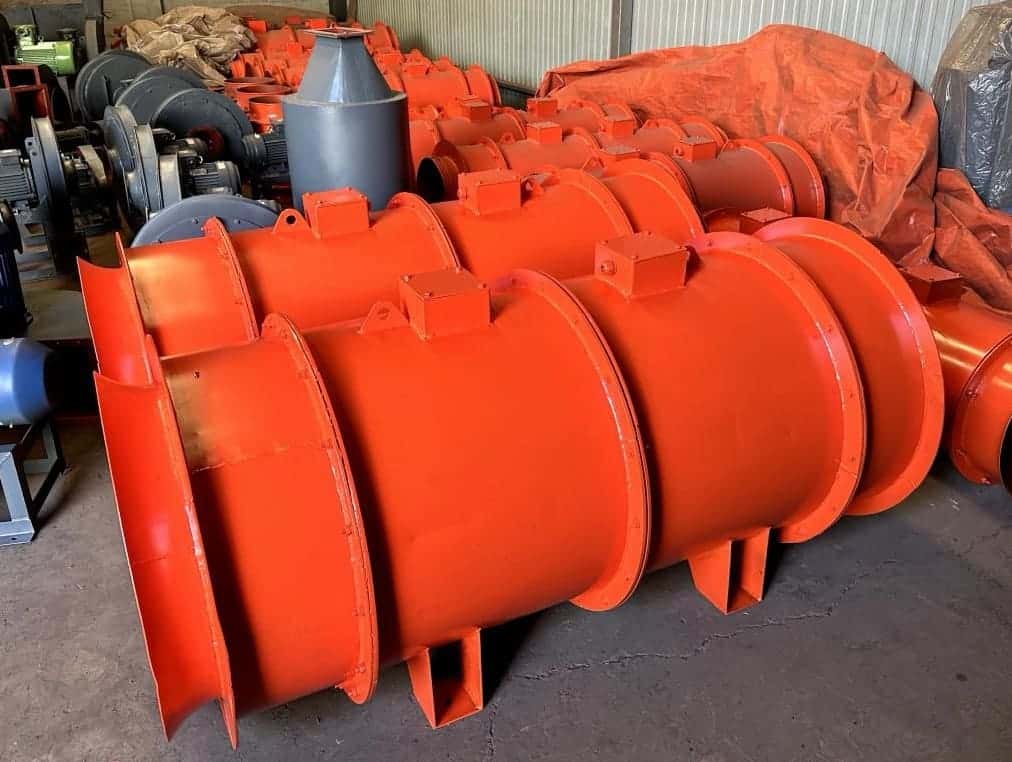
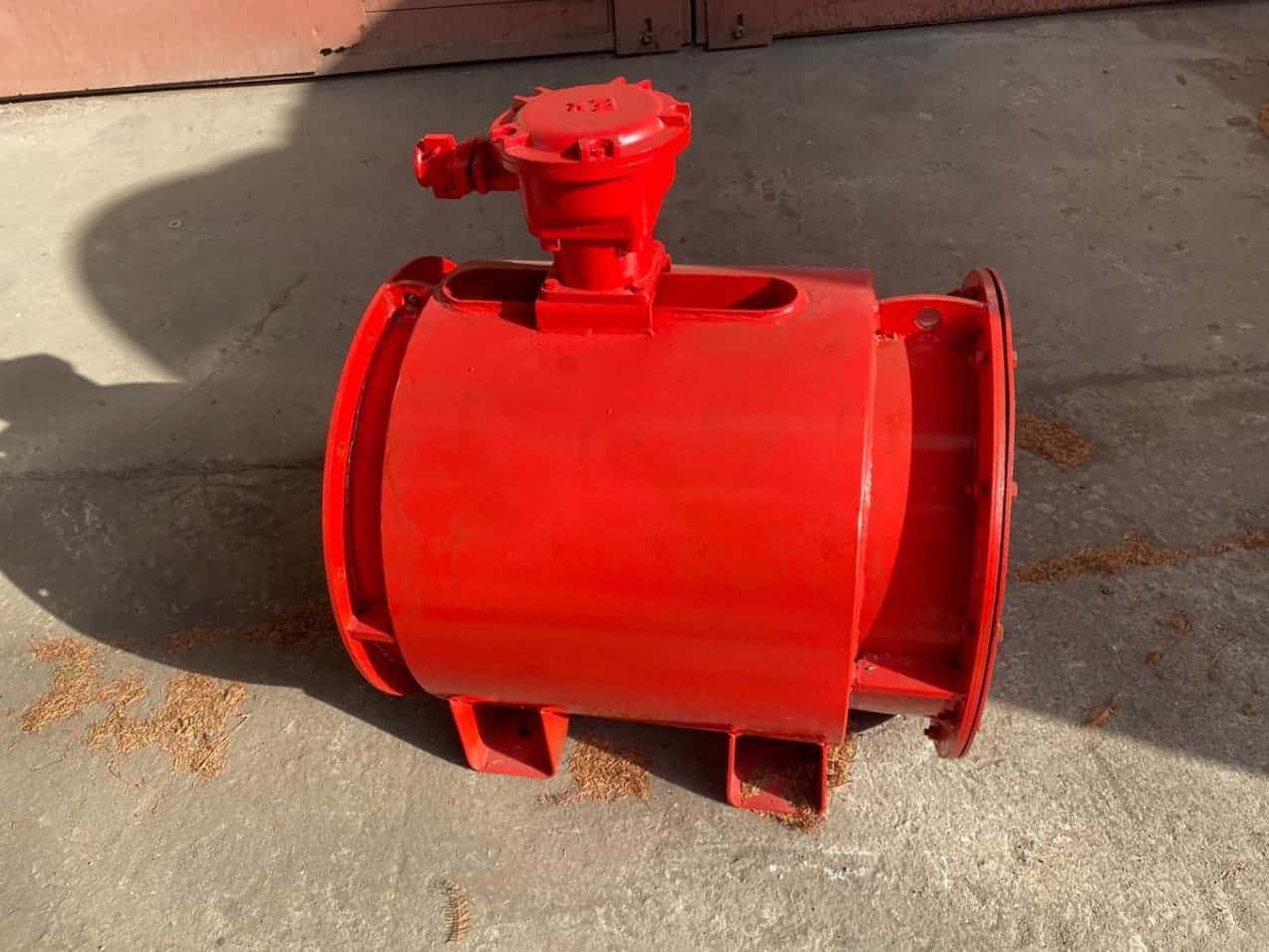
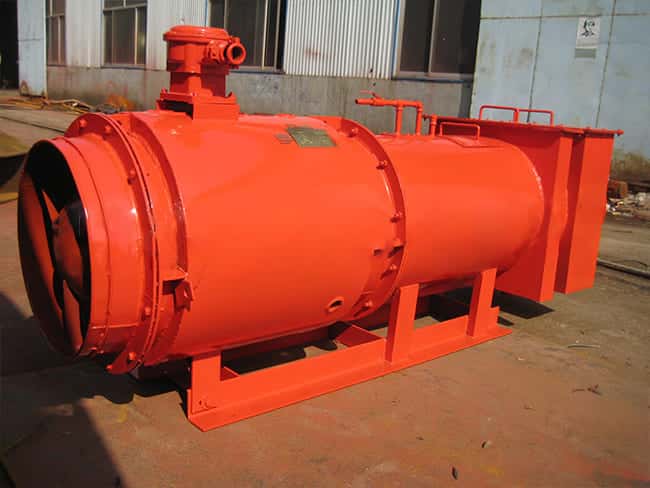
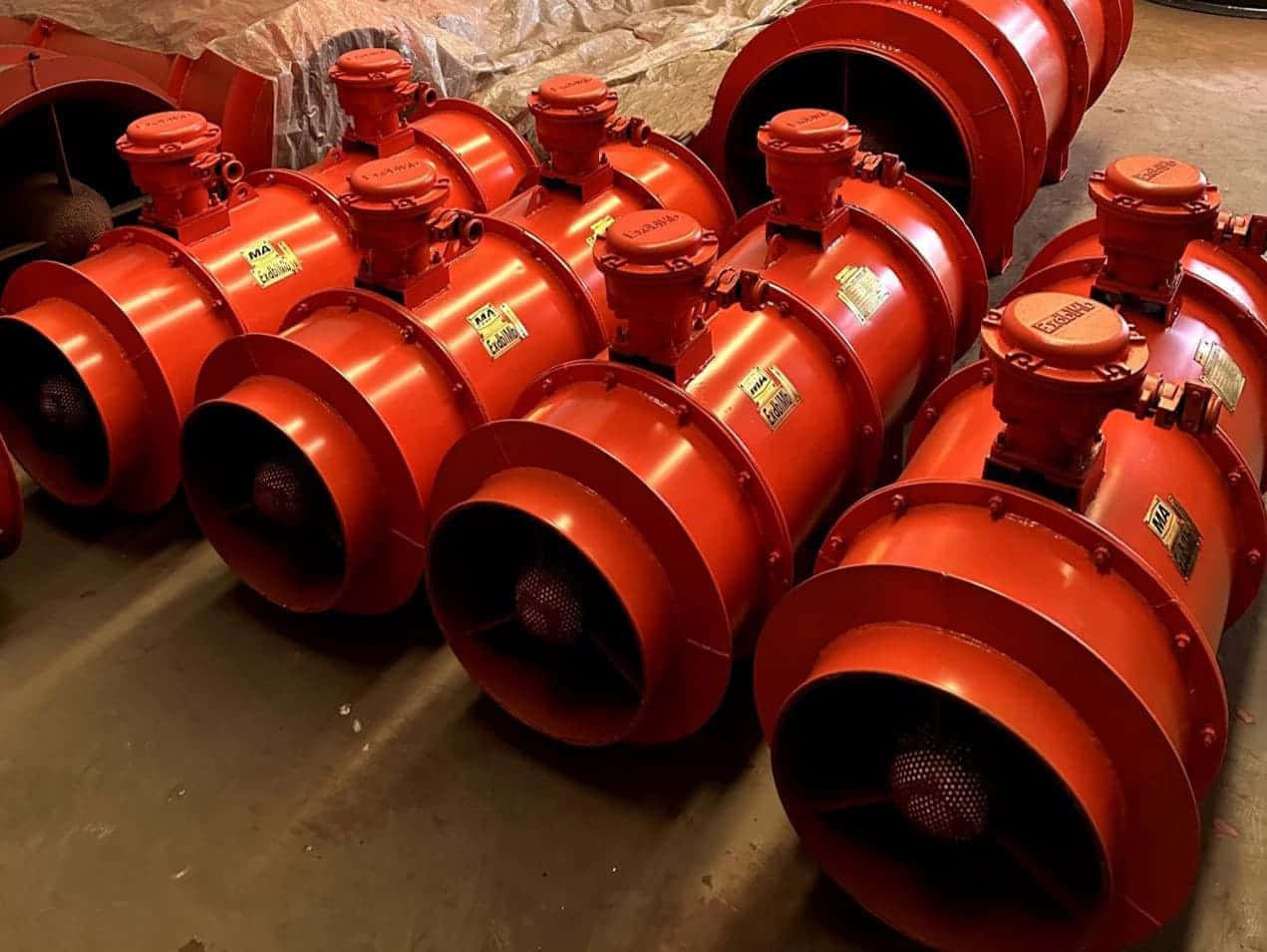
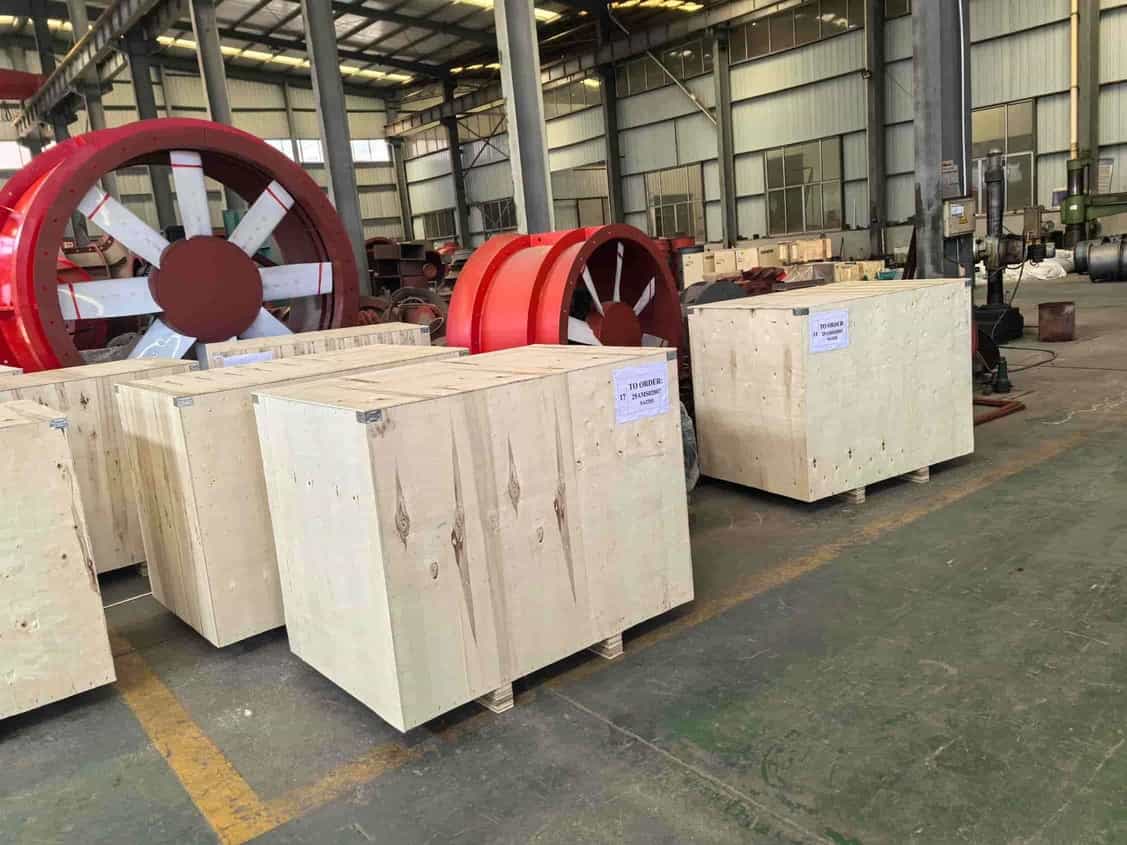
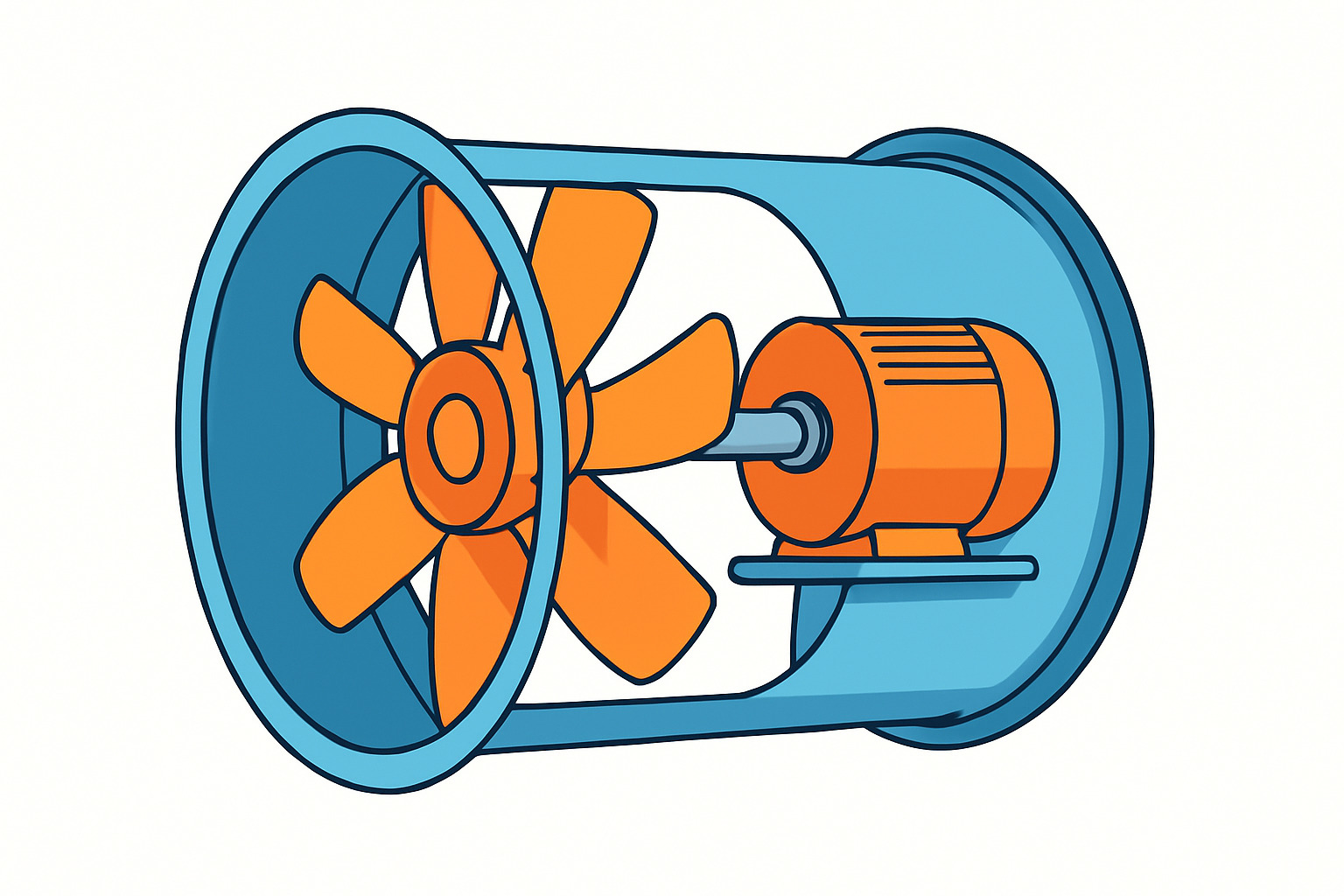
Axial fans move air parallel to the shaft and are typically used for high-volume, relatively low-to-medium-pressure duties. They are common as main mine ventilation fans, including for cooling, because large-diameter axial units can deliver hundreds of cubic metres per second with good efficiency. Axial fans tend to be more compact in the airflow direction, which is useful for surface fan stations and for some underground booster or auxiliary installations. Adjustable-pitch axial blades also allow fine tuning of performance as ventilation requirements change over time.
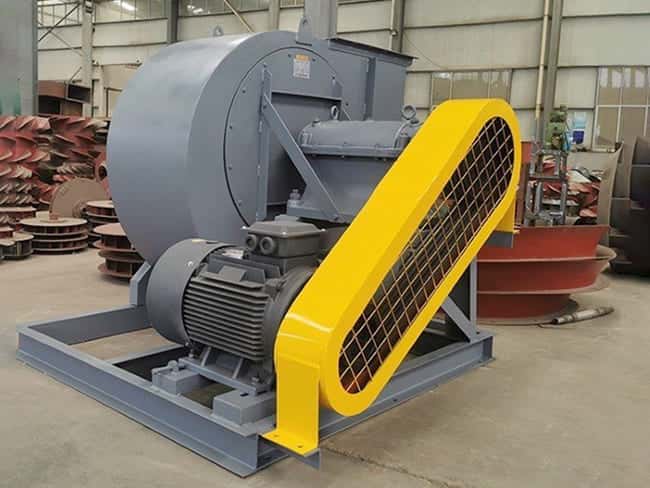
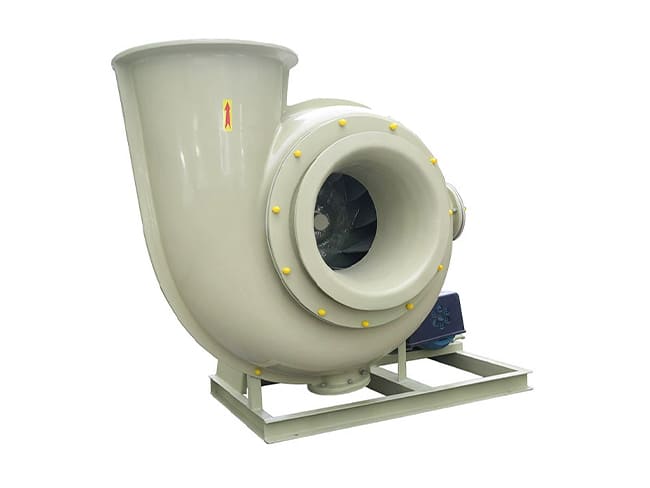
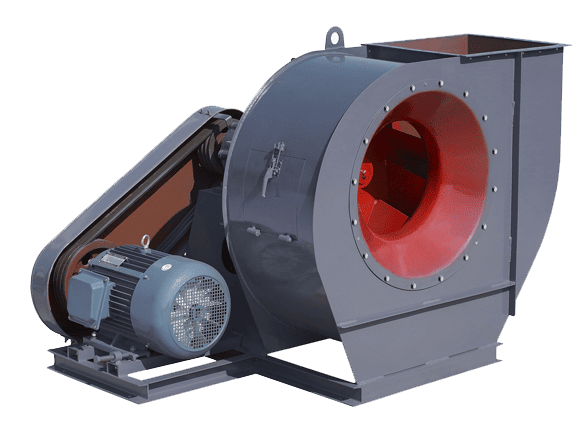
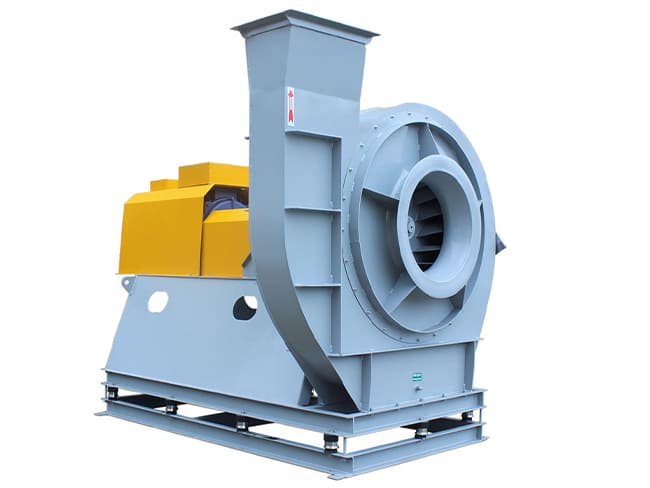
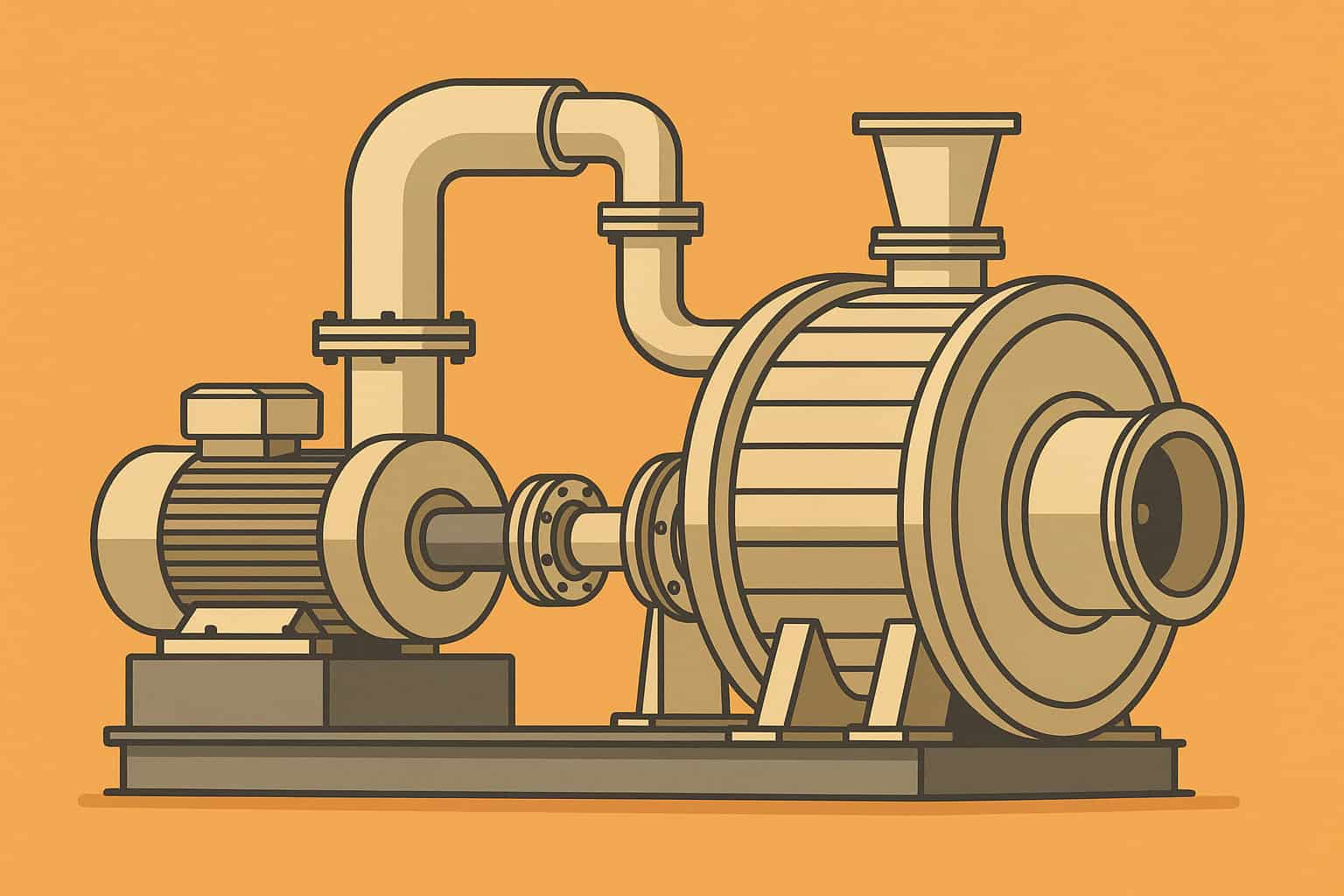
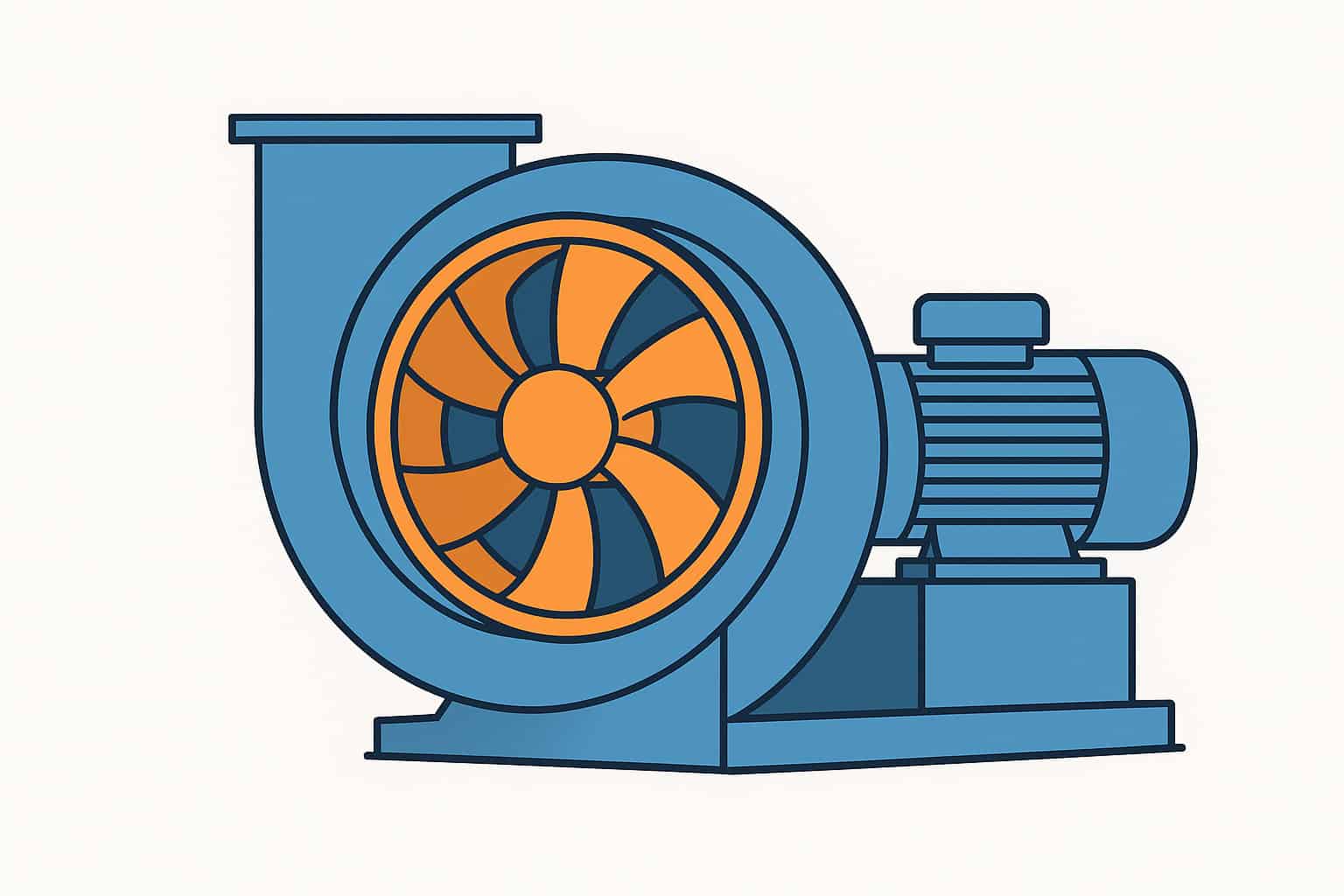
Centrifugal fans move air radially and are generally selected for higher pressure duties or where a stable performance curve is required. In mine cooling ventilation, centrifugal fans are often used to drive air through high-resistance networks, such as long duct runs, bulk air coolers, spray chambers or heat-exchange coils. They can generate higher static pressures than axial fans of similar size and can be less sensitive to system changes, making them suitable where airflow and resistance may vary during operations.
When cooling is a major objective, the fan must often work together with bulk air coolers and refrigeration systems. If air must pass through dense coil banks or mist eliminators with significant pressure drop, a centrifugal fan may be advantageous. If the cooling system is relatively low resistance and the main task is moving large volumes of air from cool intake shafts to hot districts, a large axial fan may be more efficient and cost-effective.
Other important factors include space, noise and maintenance. Axial fans usually require a straight run of duct or airway at inlet and outlet to perform well, while centrifugal fans may need more floor area for their volutes and motor mounts but can accept changes in direction more easily. Noise characteristics differ: high-tip-speed axial fans can produce strong tonal noise, whereas centrifugal fans may generate more broadband noise. Maintenance access to blades, bearings and motors must also be considered, especially for underground installations.
Energy efficiency cannot be ignored. For a given duty point (airflow and pressure), there may be both axial and centrifugal options with similar efficiencies, but operating off the design point will reduce performance for any fan. Using proper selection software, engineers compare fan curves, efficiency, power and noise for both types and then choose the fan that fits the mine cooling ventilation strategy and lifecycle cost targets.
In summary, you should choose an axial fan for mine cooling ventilation when you need very high airflow at moderate pressure with compact installation and adjustable pitch, and a centrifugal fan when you need higher pressure, stable performance through high-resistance cooling equipment or greater tolerance of system changes. A detailed duty analysis and comparison of alternatives is the best way to make the final selection.