
When people ask whether you should wire fans in parallel or series, they are usually mixing two different ideas: electrical wiring and airflow arrangements. From an electrical point of view, almost all industrial, commercial and mining fan motors are supplied at full rated voltage and are effectively wired in parallel with other loads. Series electrical wiring of fan motors is rare and generally not recommended except in very special, engineered situations.
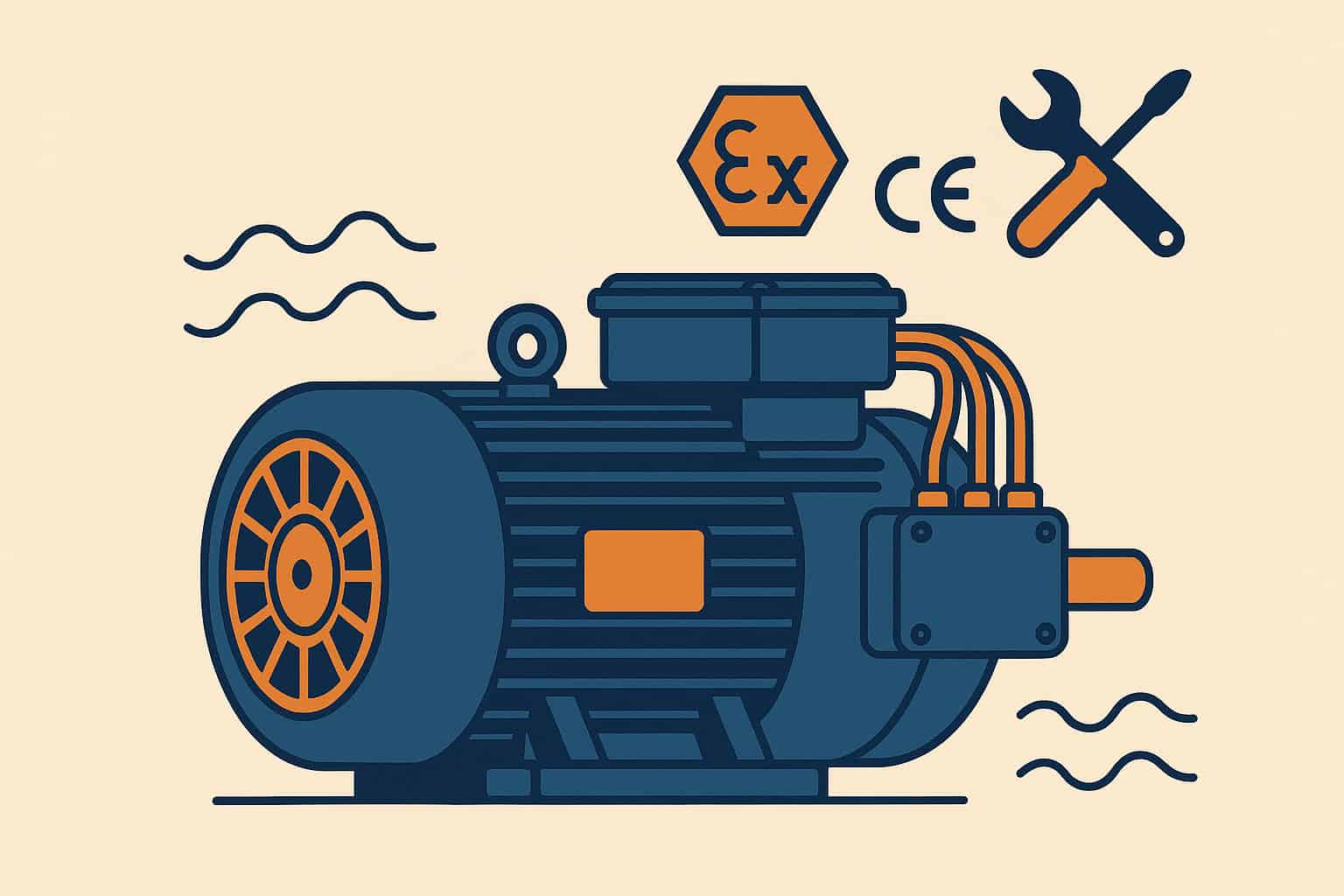
With standard mains supplies, motors are designed to operate at a specific voltage and frequency. If you connect motors in series on the same supply, the voltage across each motor becomes unpredictable and can cause overheating, poor starting, torque problems and unsafe operation. For this reason, the safe and normal practice is to wire each fan motor to receive its full rated voltage through its own starter, breaker or contactor, all fed from a common bus. This is what people mean when they say motors are wired in parallel.
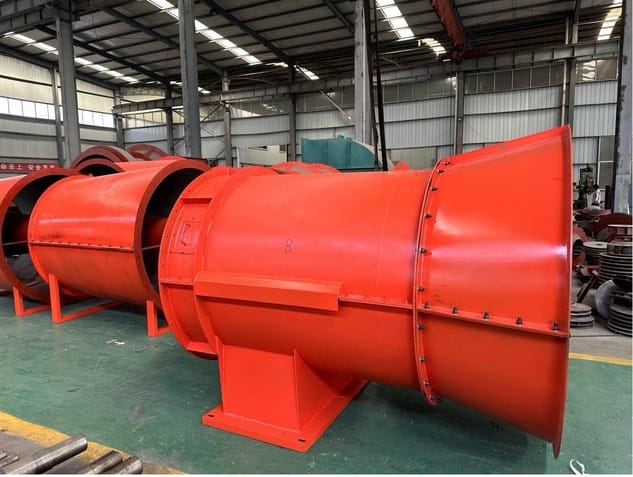
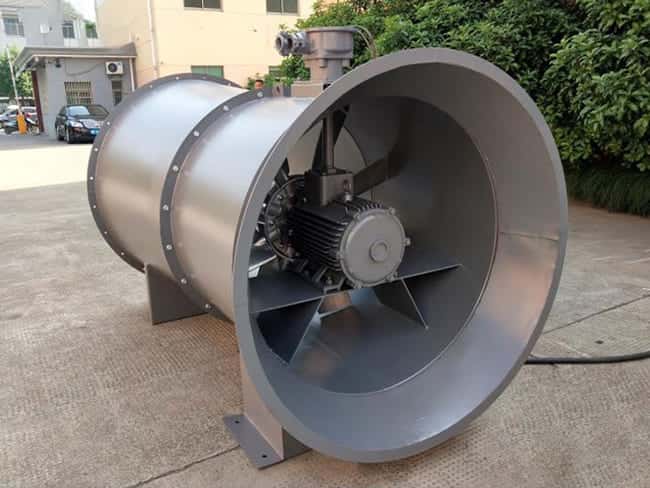
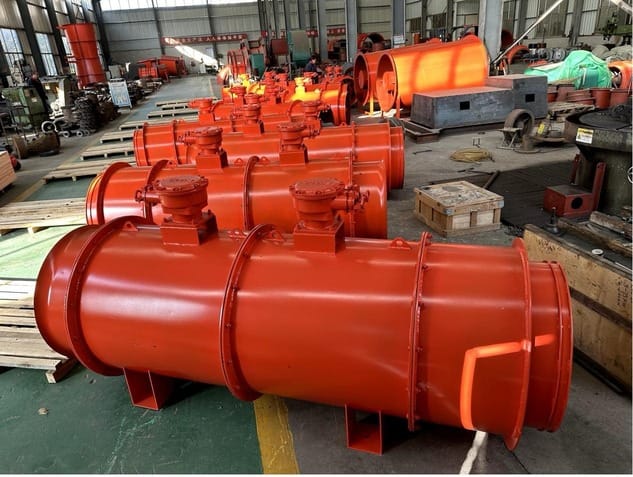
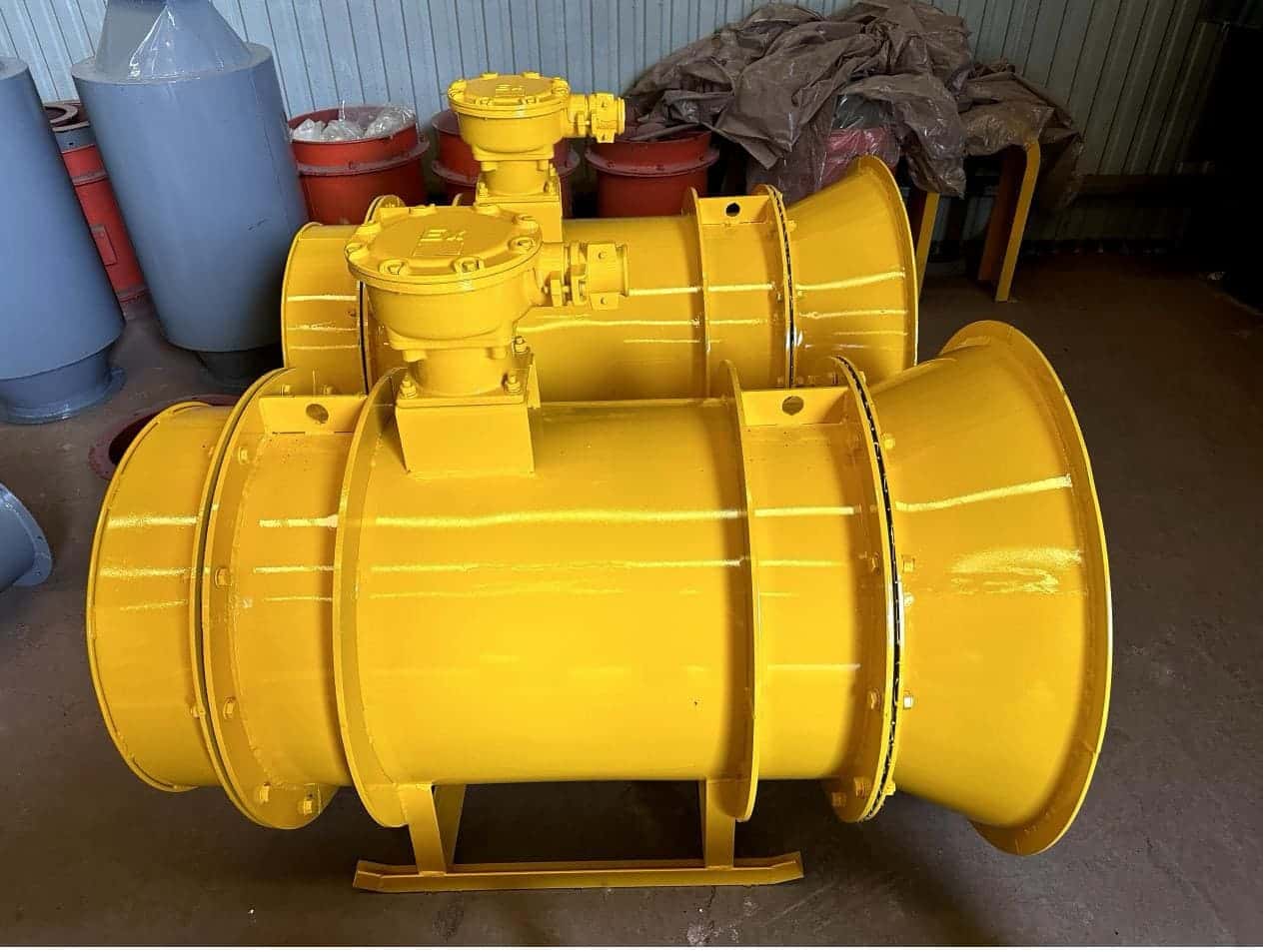
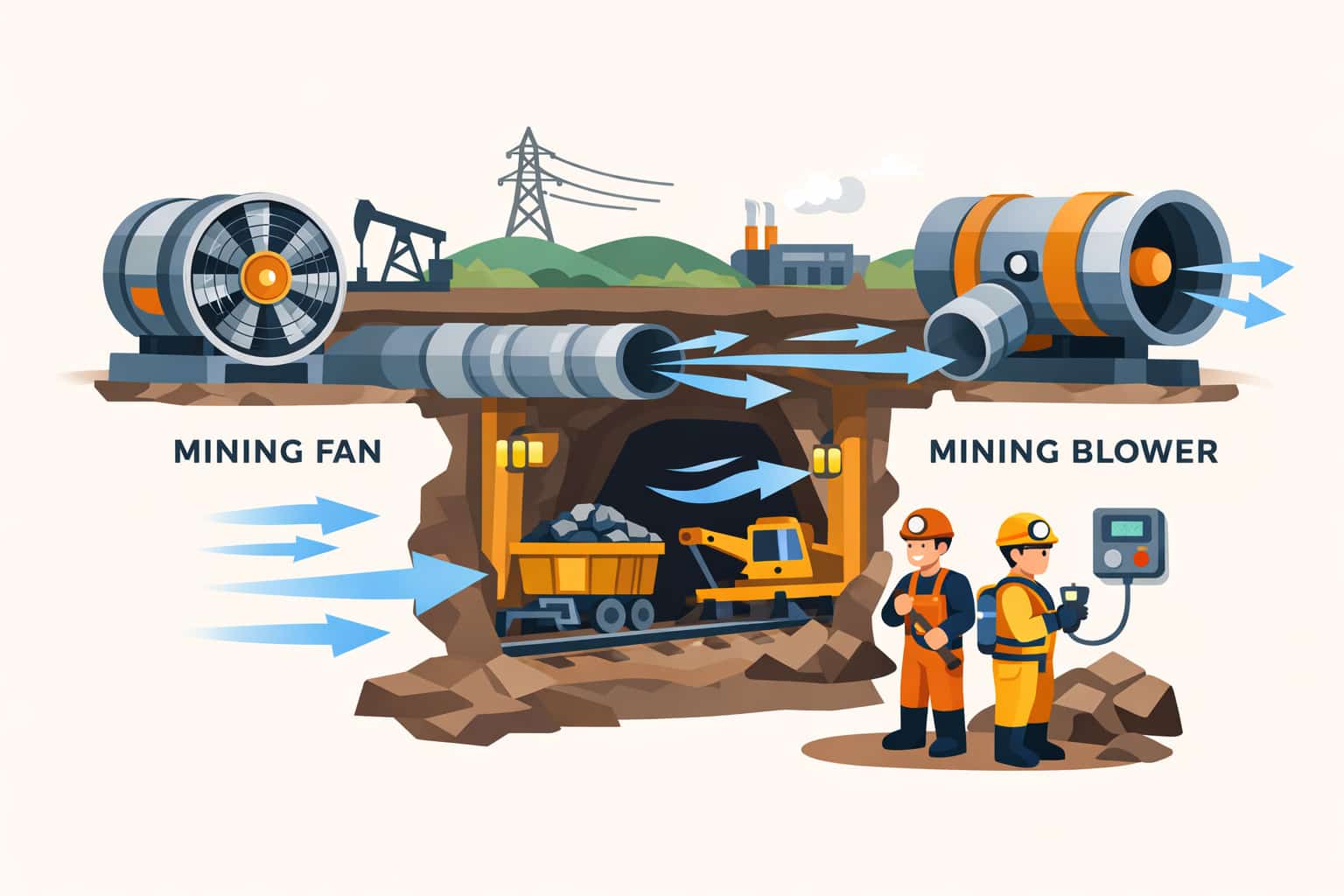
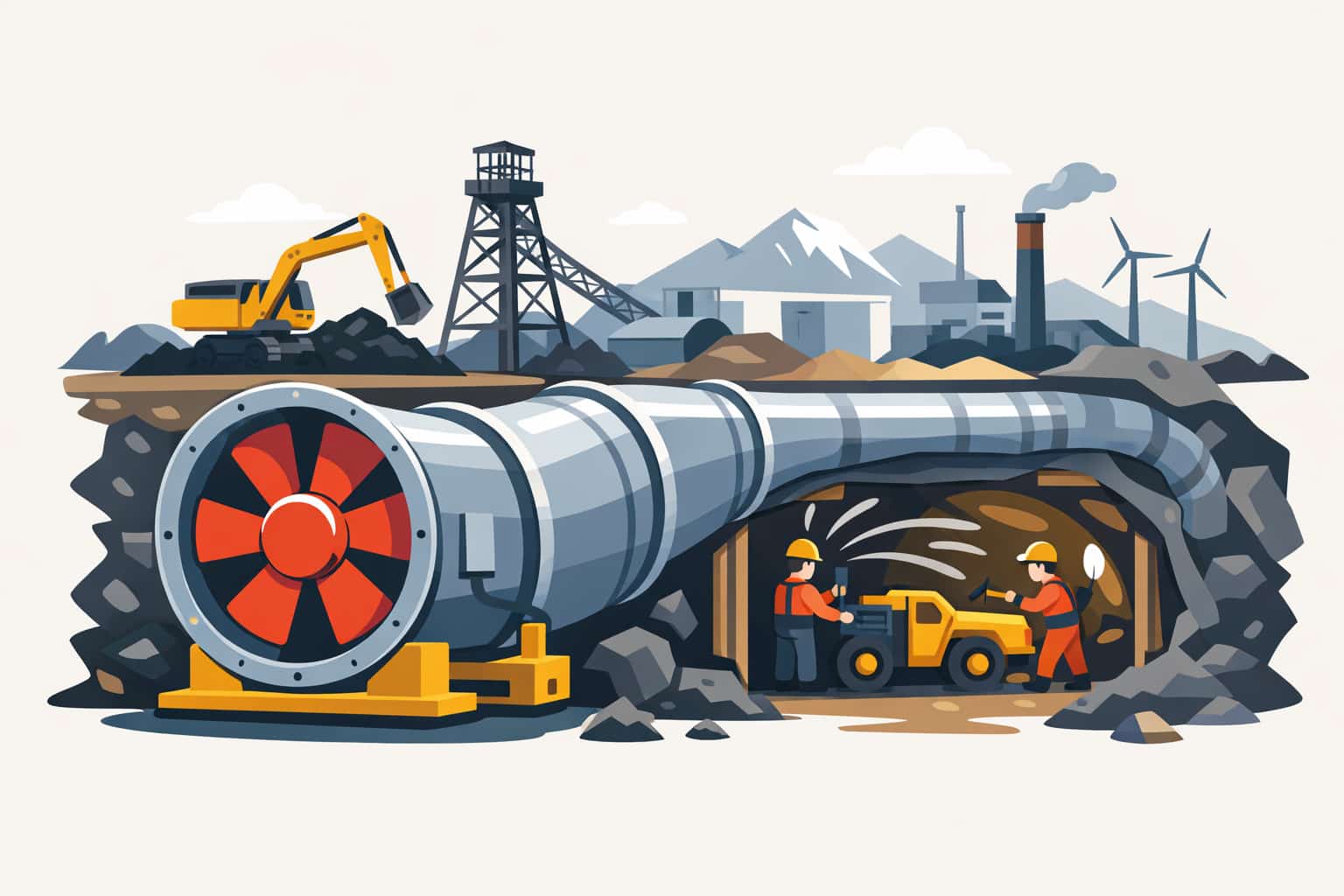
In industrial and mining ventilation systems, you may indeed use multiple fans in parallel or series from a fluid-flow point of view to increase airflow or pressure, but the motors powering those fans are still connected to the electrical system according to their nameplate ratings. Each motor has its own protection devices, such as overload relays, fuses and circuit breakers, to ensure safe starting and running currents.
If there is a need to adjust fan speed or share load between multiple fans, engineers do not normally wire motors in electrical series; they use variable-frequency drives, soft starters, automatic controls and appropriate fan arrangements. These methods allow airflow and pressure to be controlled without creating unsafe voltage or current conditions in the motors.
Because electrical work on fan motors involves shock, fire and explosion hazards, particularly in underground mines or hazardous industrial areas, it should only be carried out by qualified electricians or engineers following local codes and standards. Attempting experimental series wiring of mains-powered fan motors without proper design is dangerous and can damage equipment.
In summary, from an electrical perspective fans should almost always be wired in parallel at their rated voltage with proper protection. Parallel or series arrangements of fans to control airflow and pressure are a separate design issue and do not require series electrical wiring of the motors themselves.