
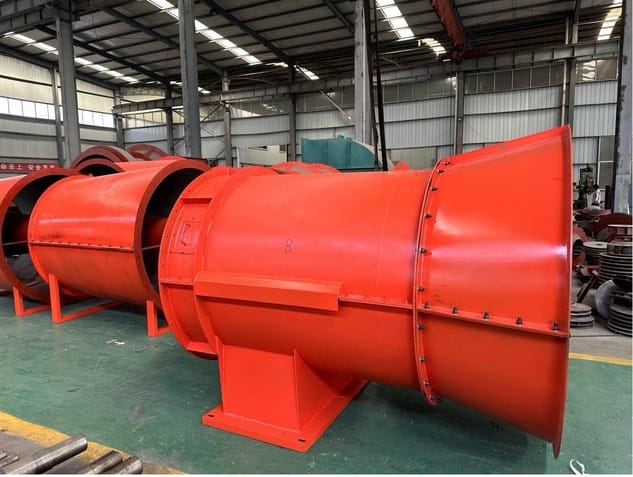
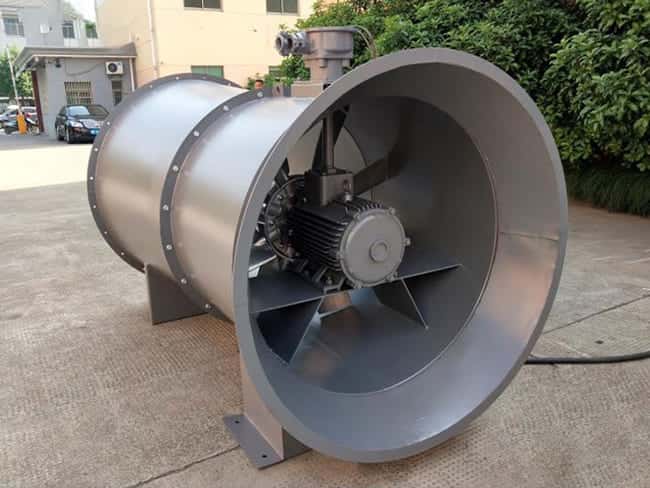
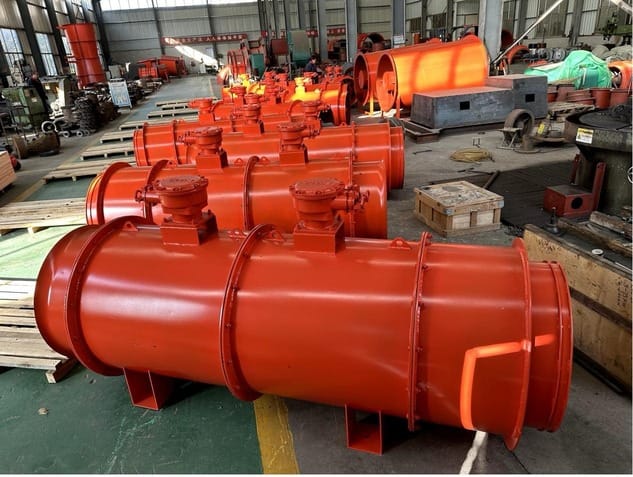
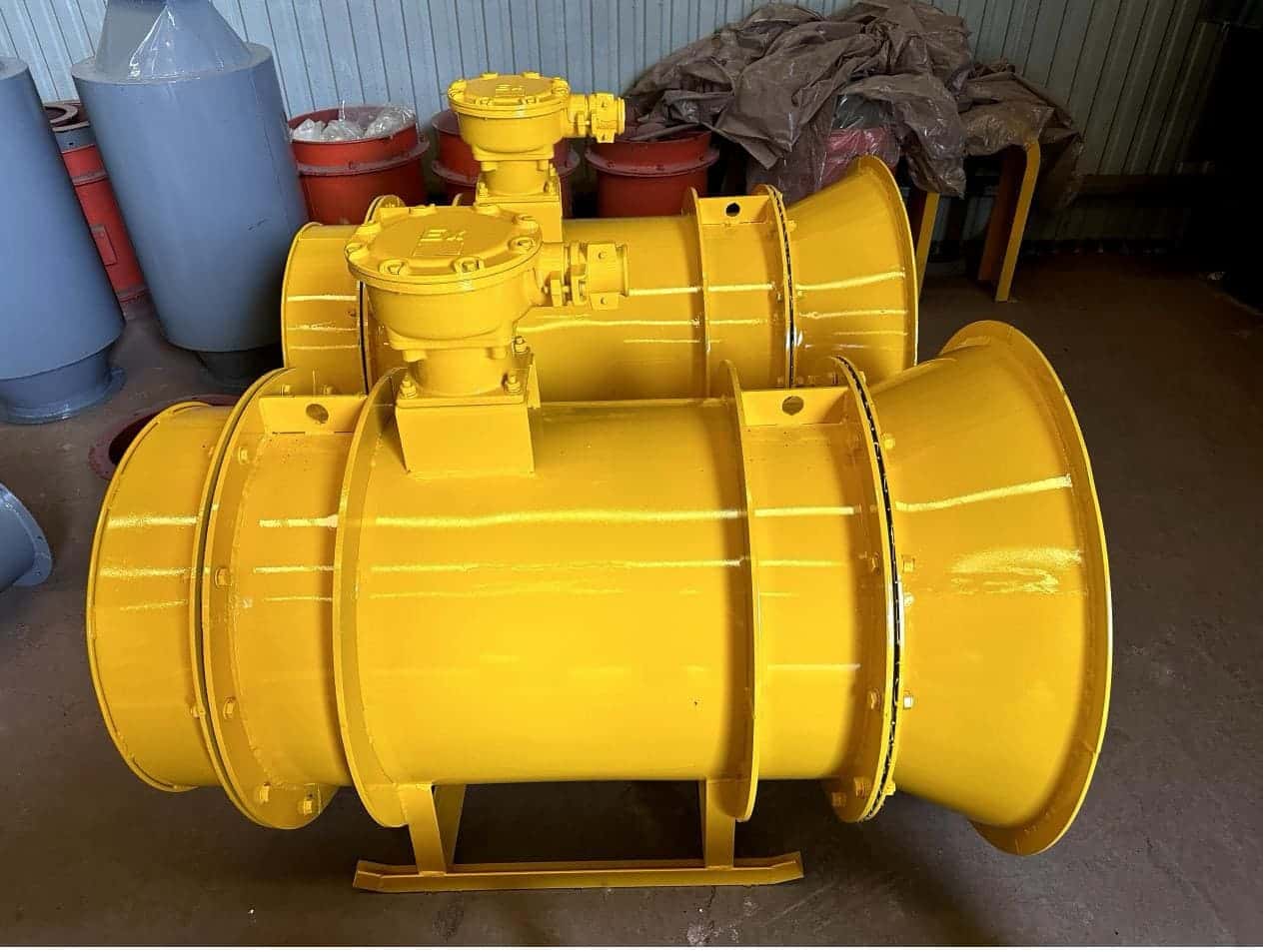
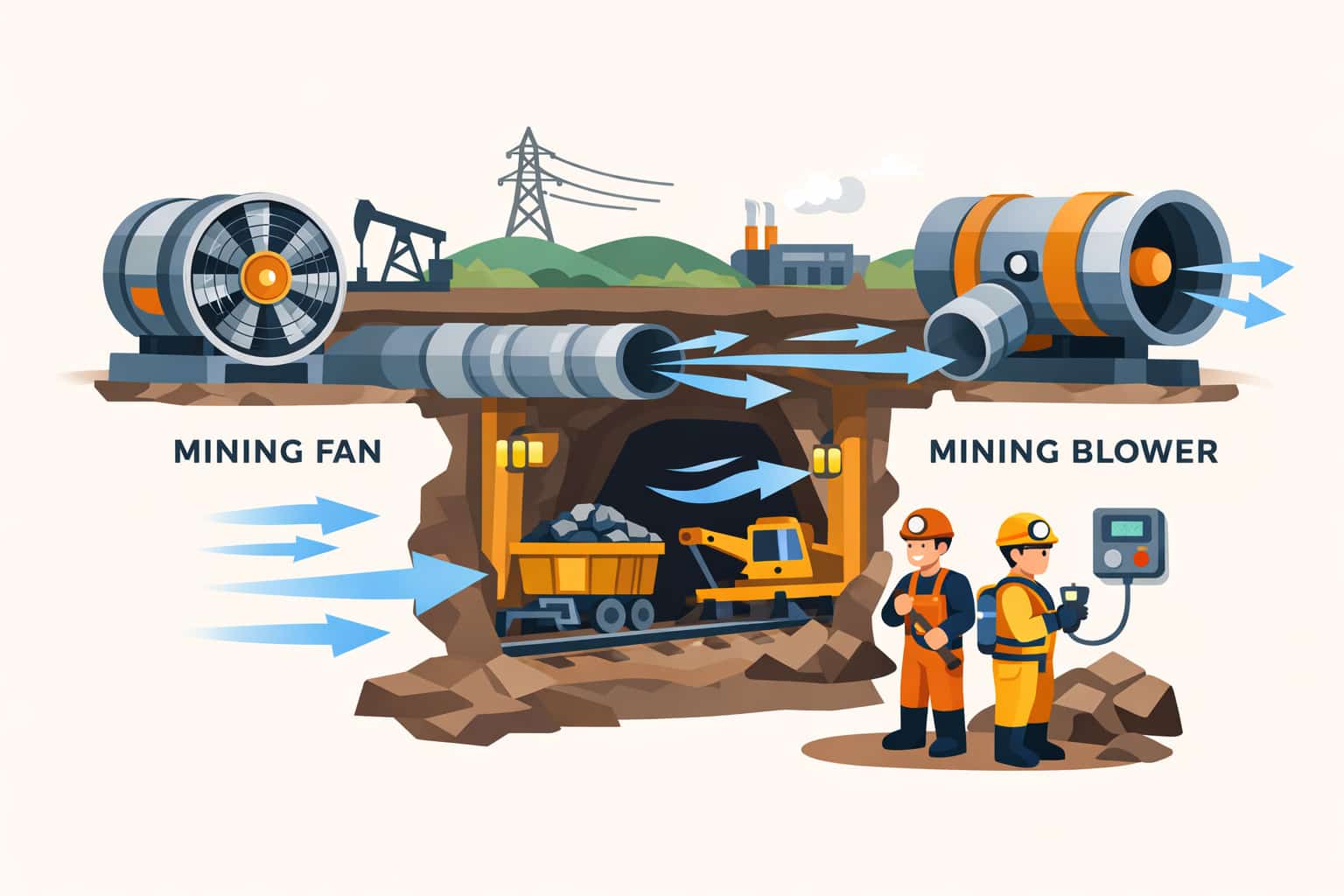
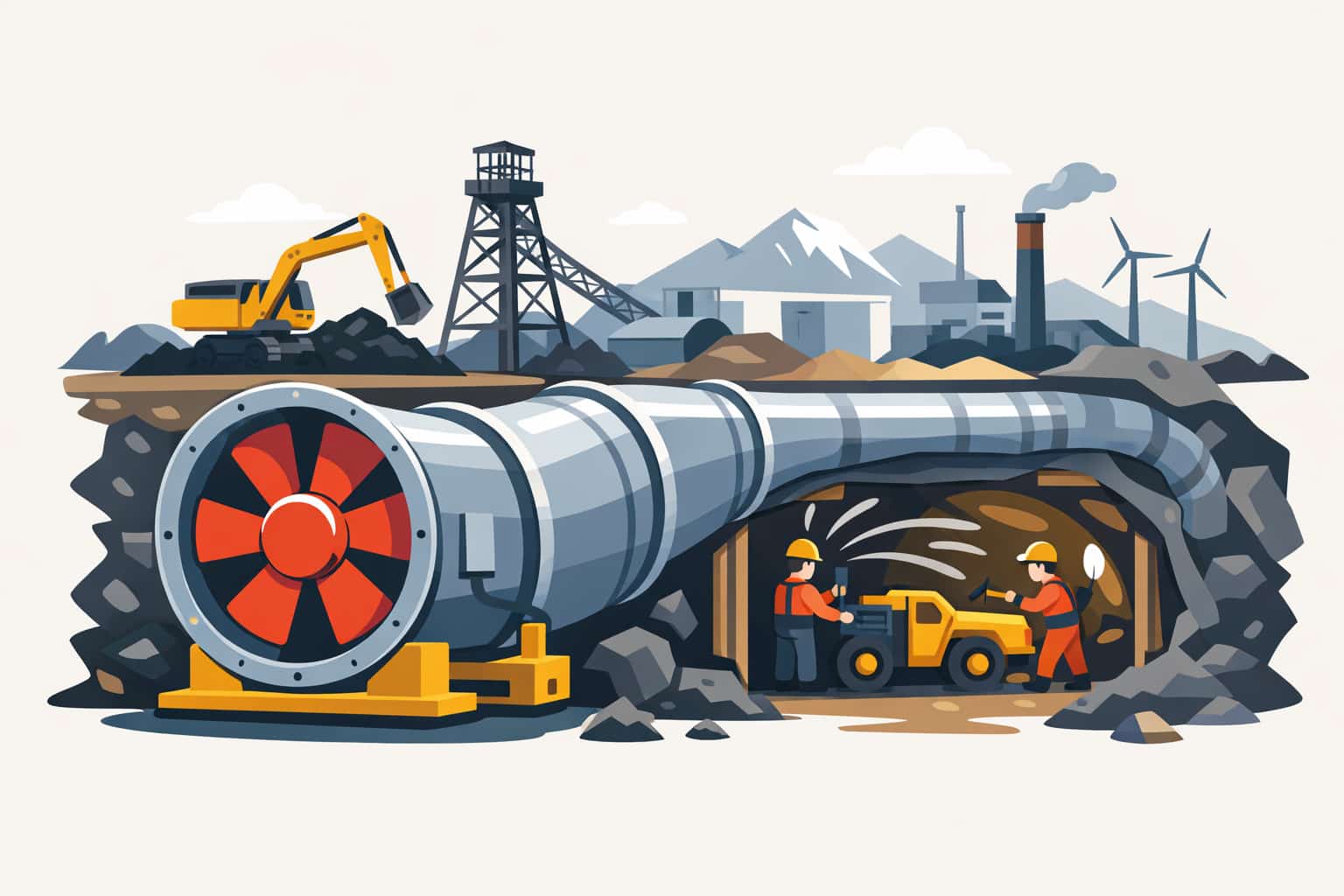
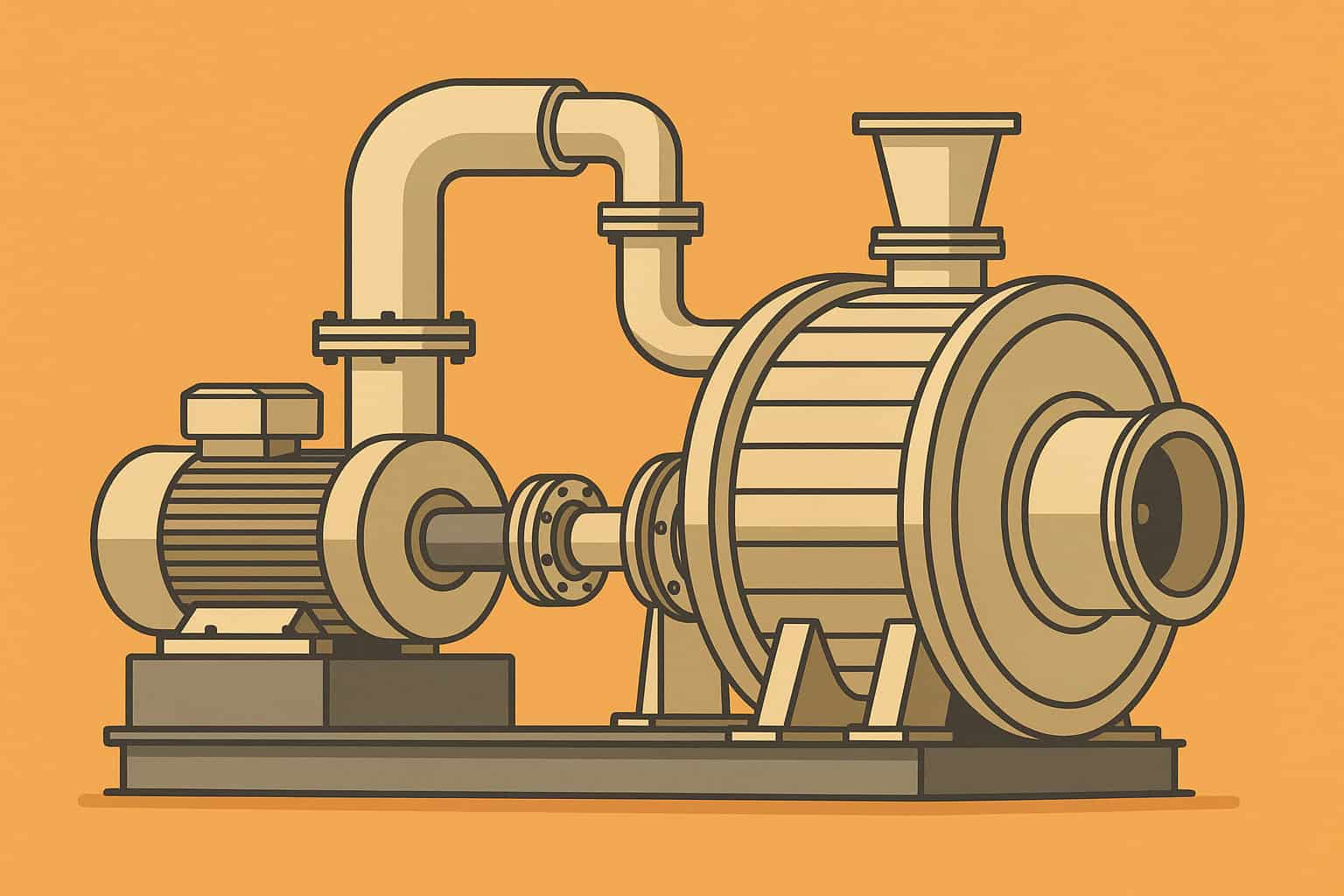

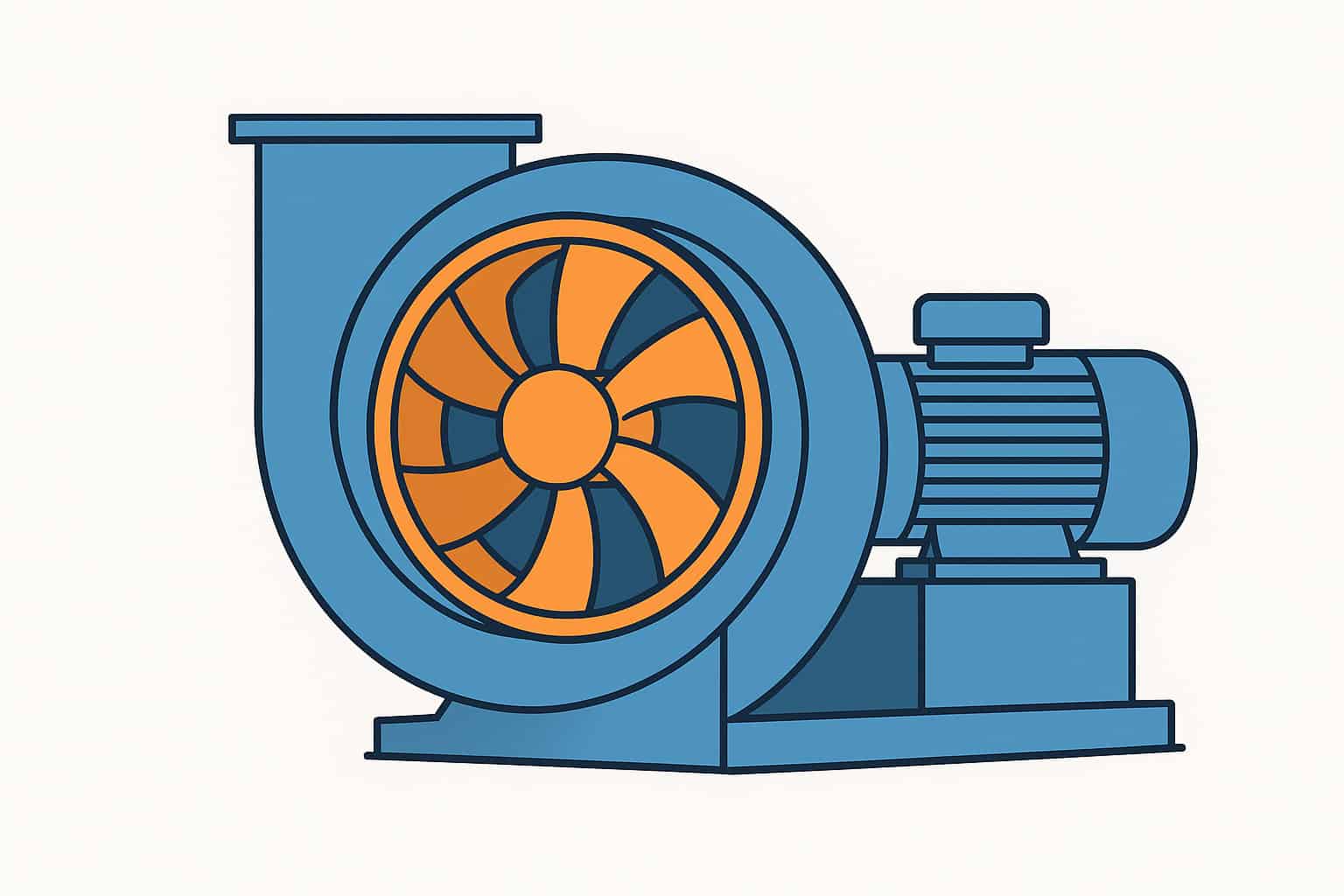
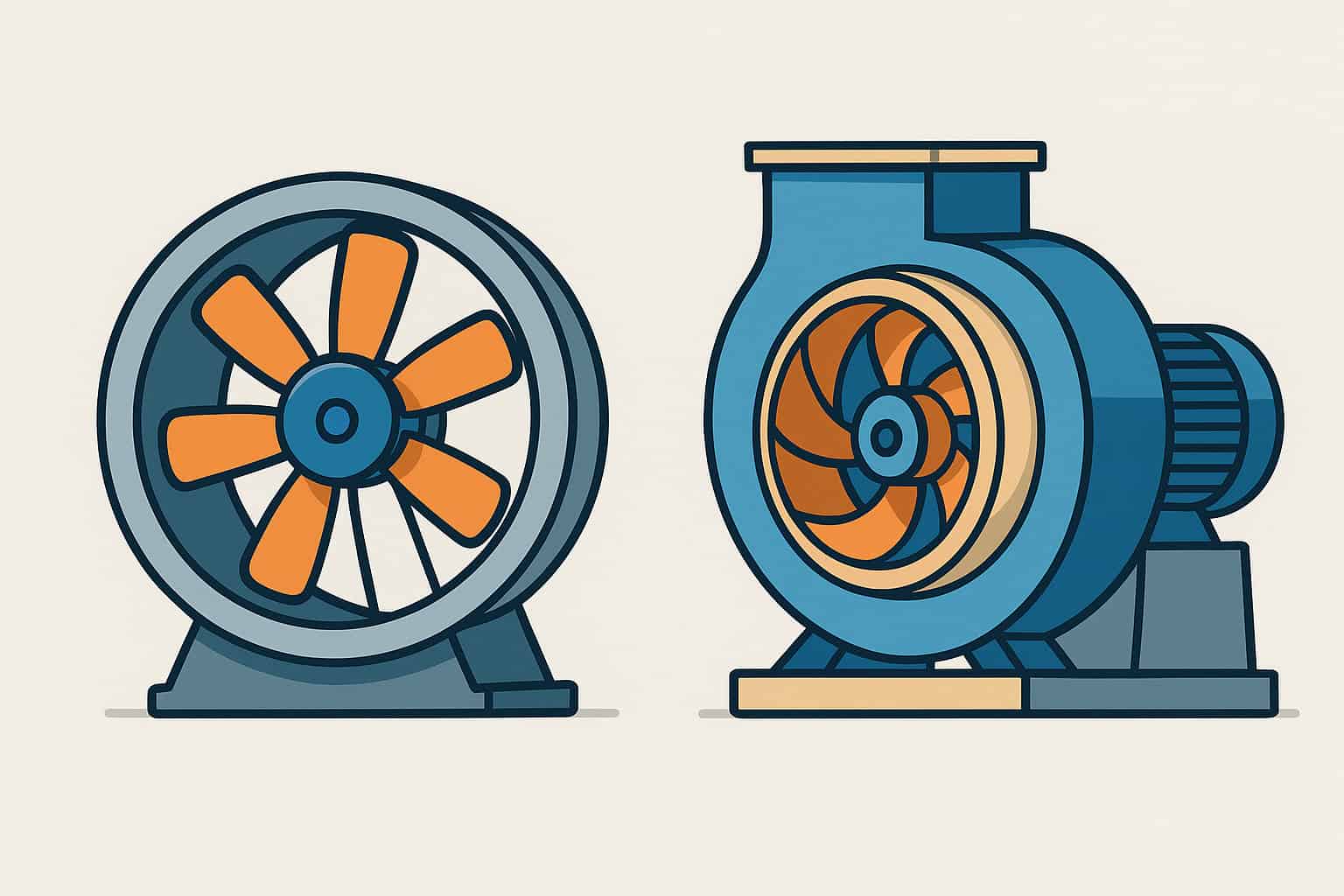
There are many different types of fans used in mining, tunnelling and industrial ventilation, and they can be classified both by how they move air and by the role they play in the system. At the aerodynamic level, the three fundamental fan types are axial fans, centrifugal fans and mixed-flow fans. At the application level, they appear as main fans, booster fans, auxiliary fans, tunnel jet fans, ID/FD fans, process fans and exhaust fans.
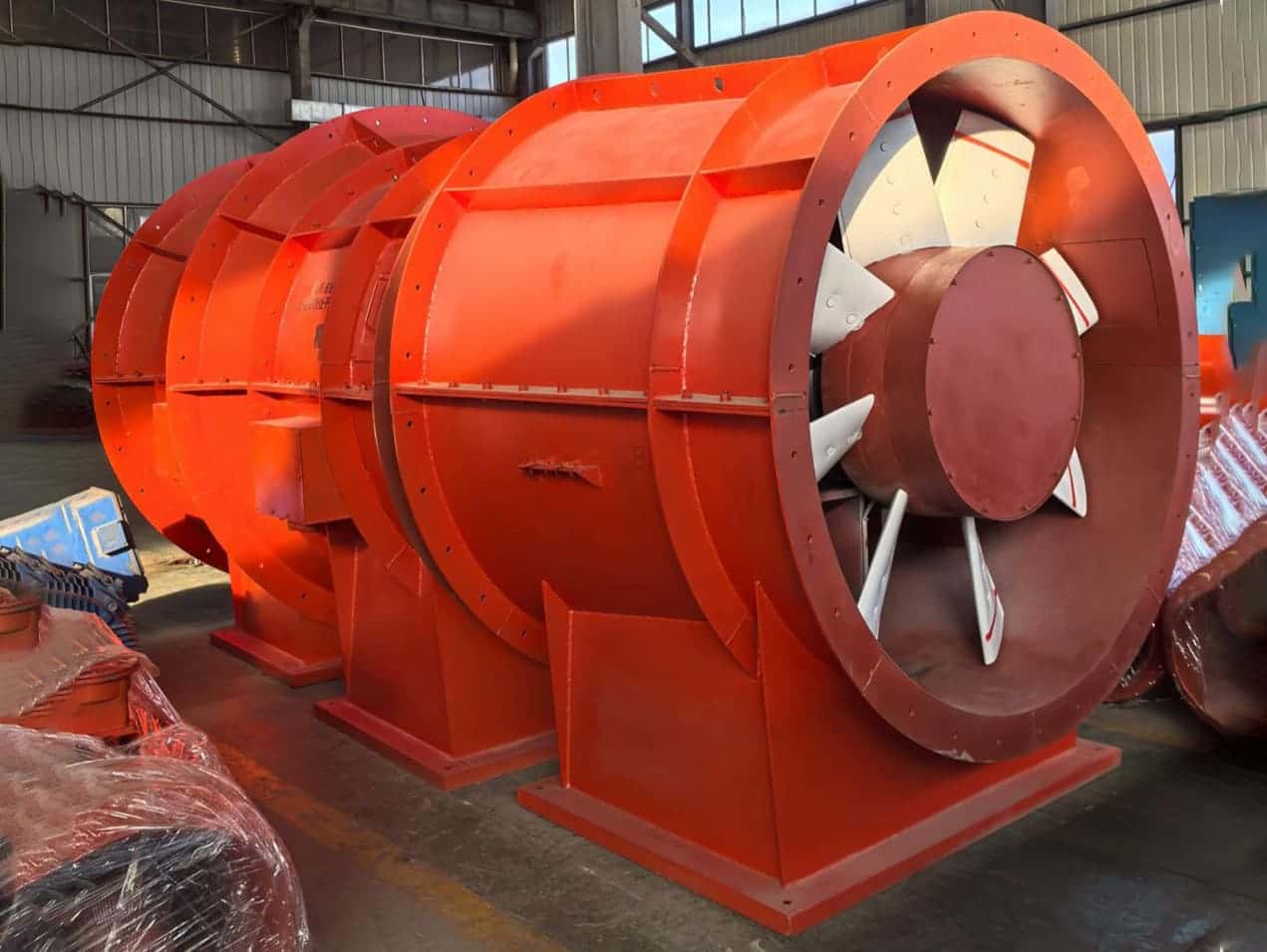
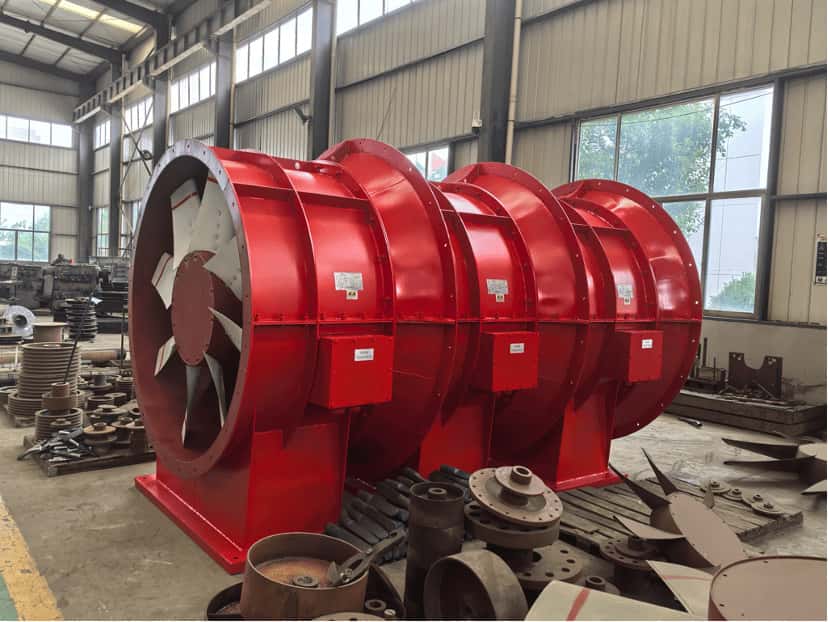
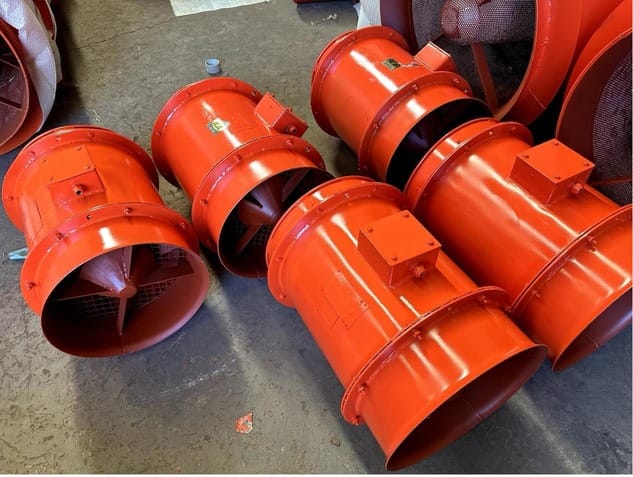
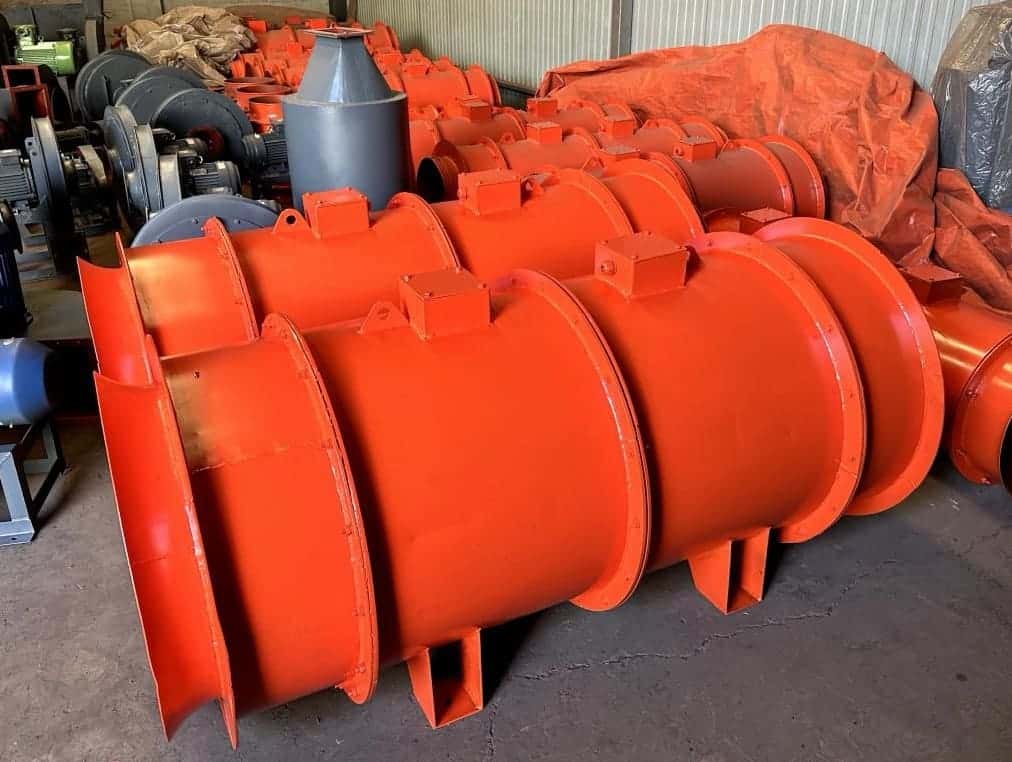
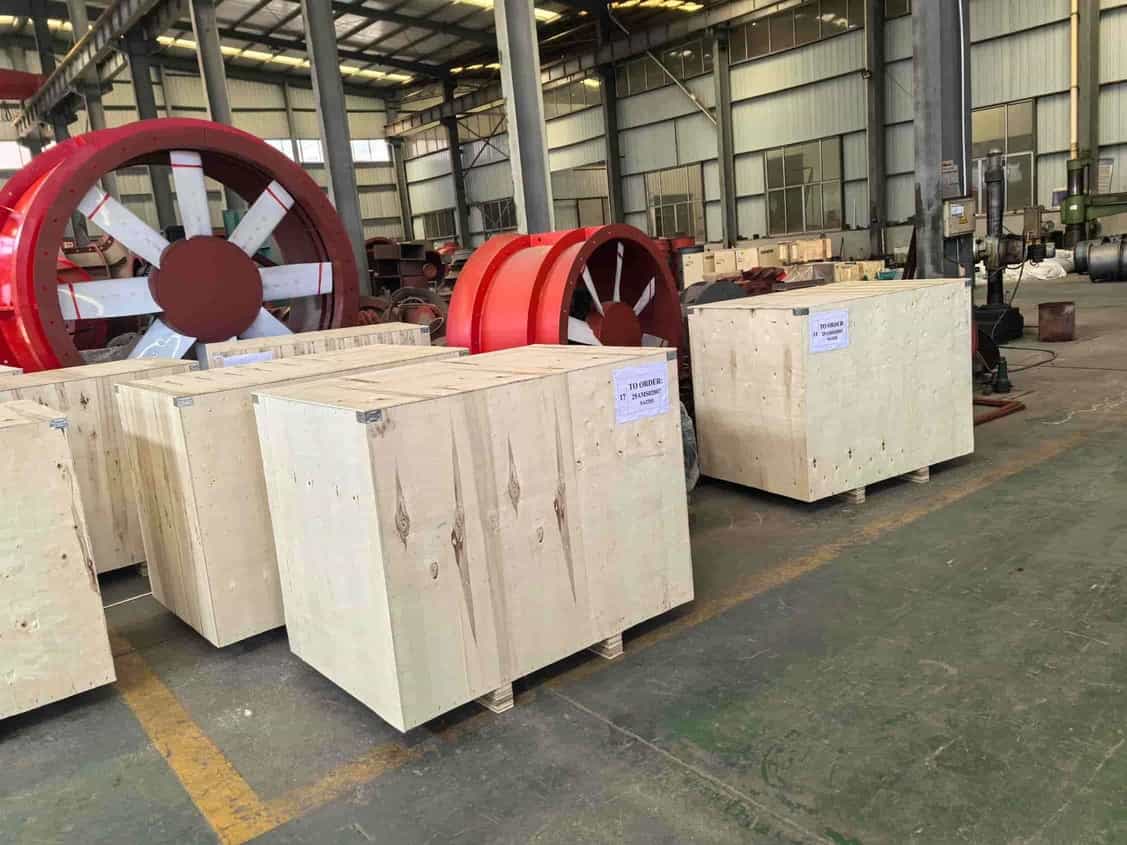
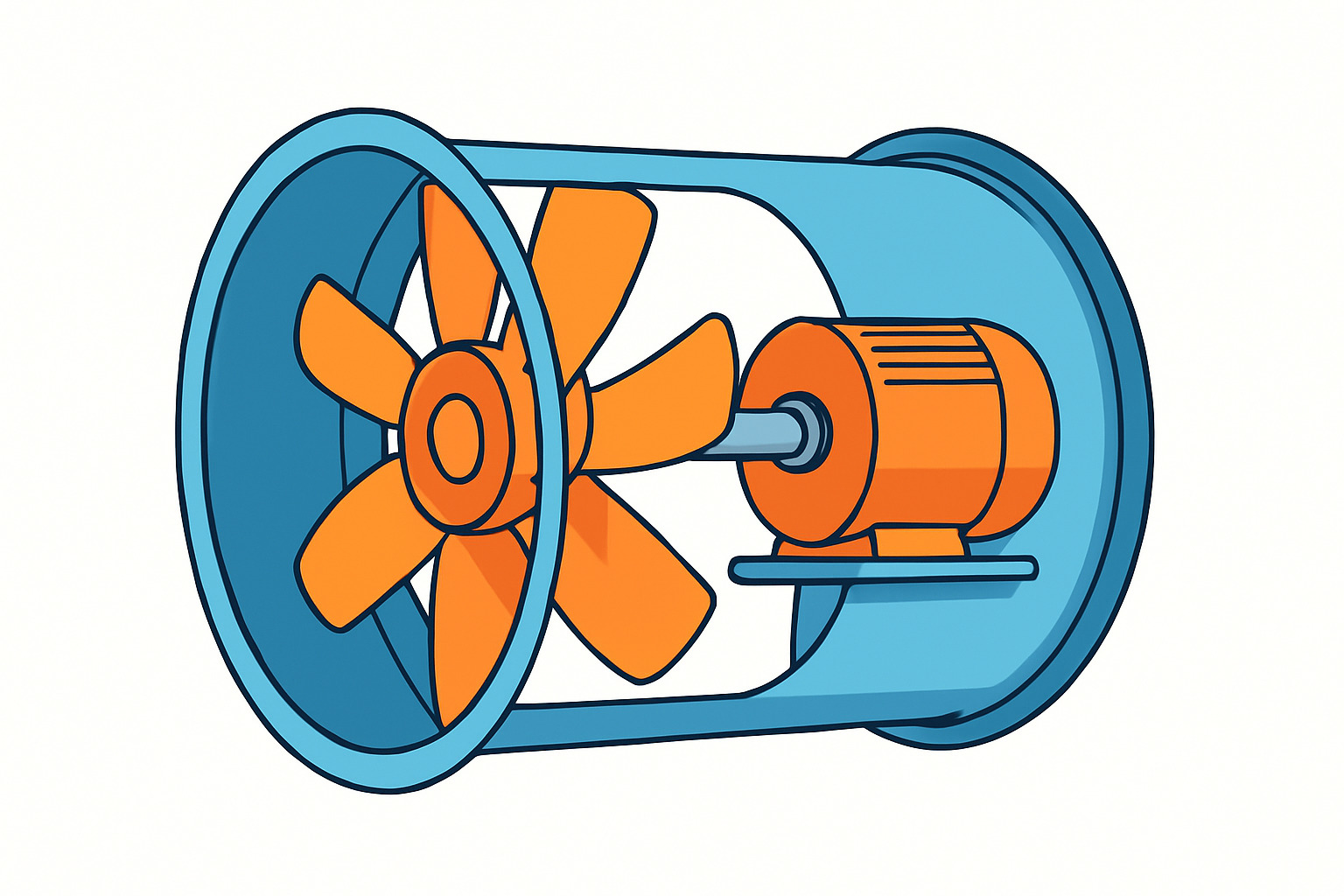
Axial fans move air parallel to the rotating shaft. Within the axial family, there are propeller fans for low-pressure general ventilation, tube-axial fans for ducted systems and vane-axial fans for higher pressure and efficiency. These types are commonly used as main mine ventilation fans, tunnel ventilation fans, industrial exhaust fans and auxiliary fans on ducts. Adjustable-pitch axial fans allow operators to tune airflow and pressure over the life of the mine or plant.
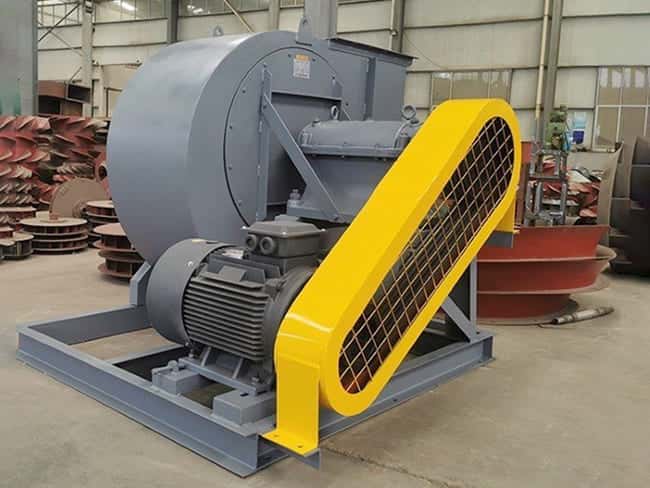
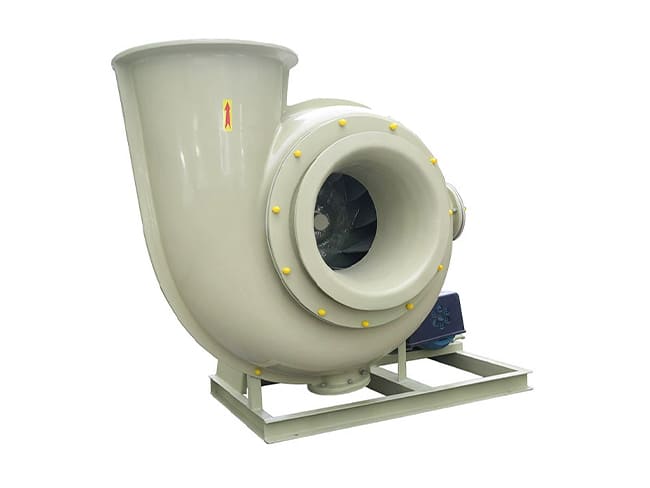
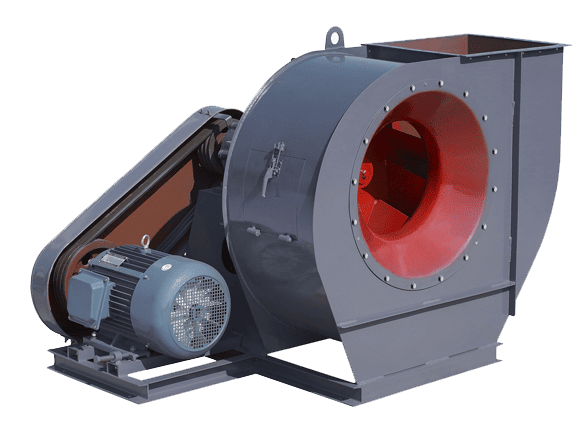
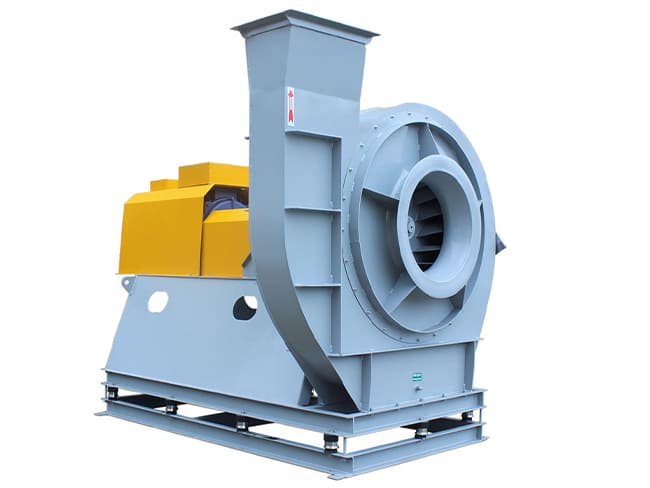
Centrifugal fans draw air in axially and discharge it radially. Key subtypes include forward-curved, backward-curved, backward-inclined, radial-blade and airfoil-blade fans. Forward-curved designs appear in low-pressure HVAC systems, while backward-curved and airfoil fans are used for high-efficiency industrial ventilation. Radial-blade fans are chosen for abrasive or dust-laden gas streams, such as those in cement plants, mineral processing and some mining exhaust duties.
Mixed-flow fans occupy the middle ground: air enters axially and leaves at an intermediate angle between axial and radial. These fans provide higher pressure than simple axial fans, but in a more compact package than many centrifugal designs. They are used in tunnels, underground facilities and industrial plants where space is limited but medium pressure and good efficiency are required.
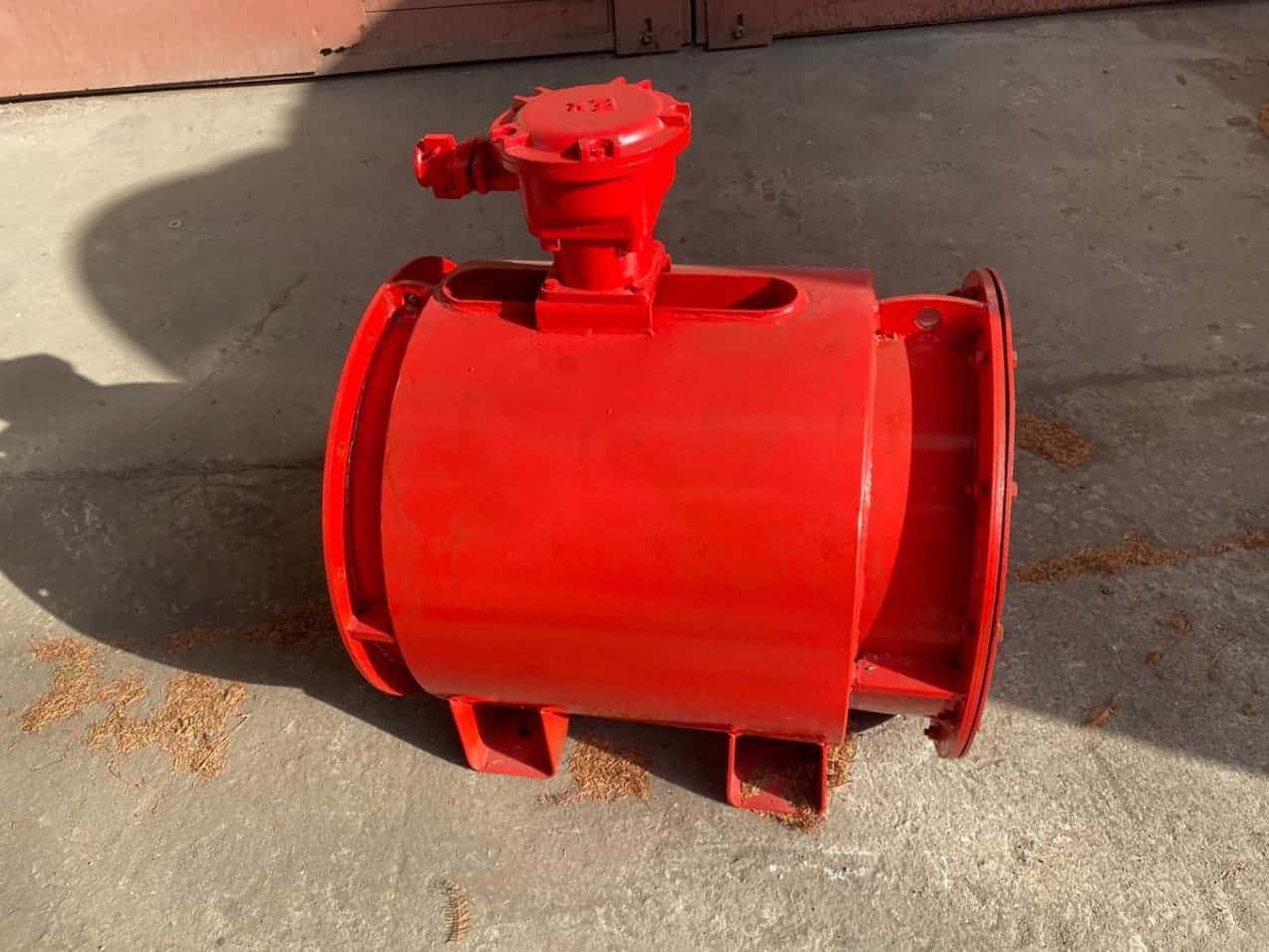
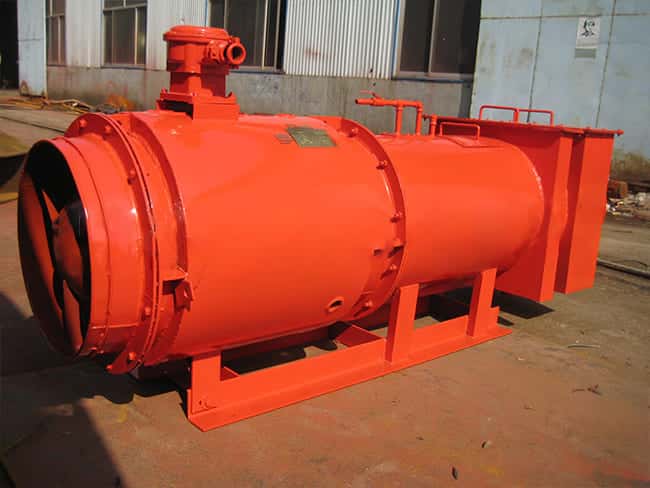
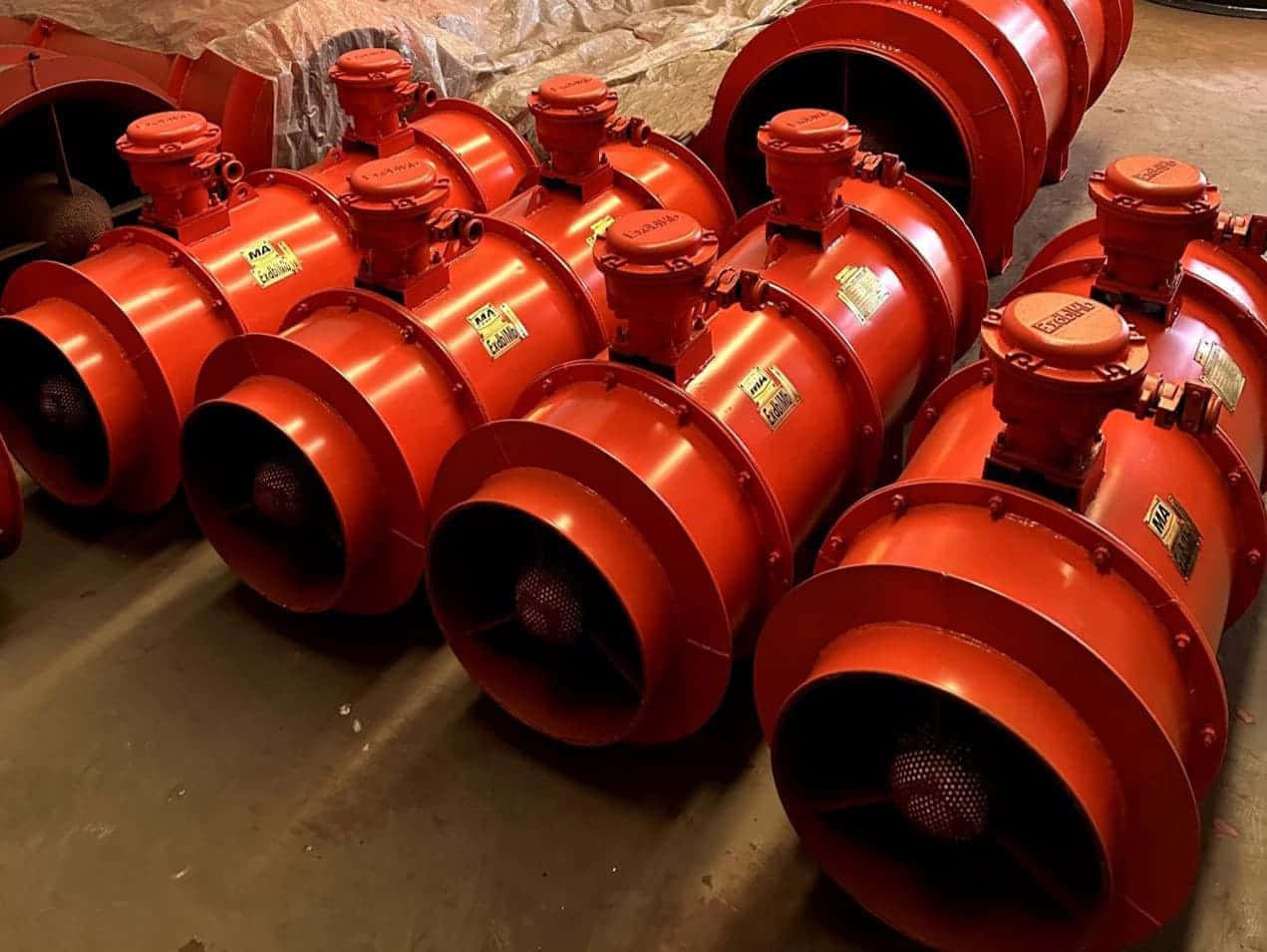
From a system perspective, different types of fans are named according to their function. Main fans provide primary ventilation for the whole mine or tunnel. Booster fans are installed in specific branches to increase pressure and airflow to distant or deep areas. Auxiliary fans are ducted fans that ventilate blind headings and local workplaces. Jet fans mounted in tunnels create longitudinal flow without large ducts. ID and FD fans control draft around boilers and furnaces, while process fans are integrated directly into industrial processes such as kilns, dryers or cooling systems.
In buildings and light industry, additional fan types appear: roof exhaust fans, wall-mounted propeller fans, high-volume low-speed (HVLS) ceiling fans and small inline duct fans. Although smaller and less demanding than mining fans, they are based on the same axial and centrifugal principles.
In summary, different types of fans include axial, centrifugal and mixed-flow designs and a wide range of application-specific configurations such as main, booster, auxiliary, jet, ID/FD and process fans. Correctly identifying and selecting among these types is essential for designing safe, efficient mining and industrial ventilation systems.