
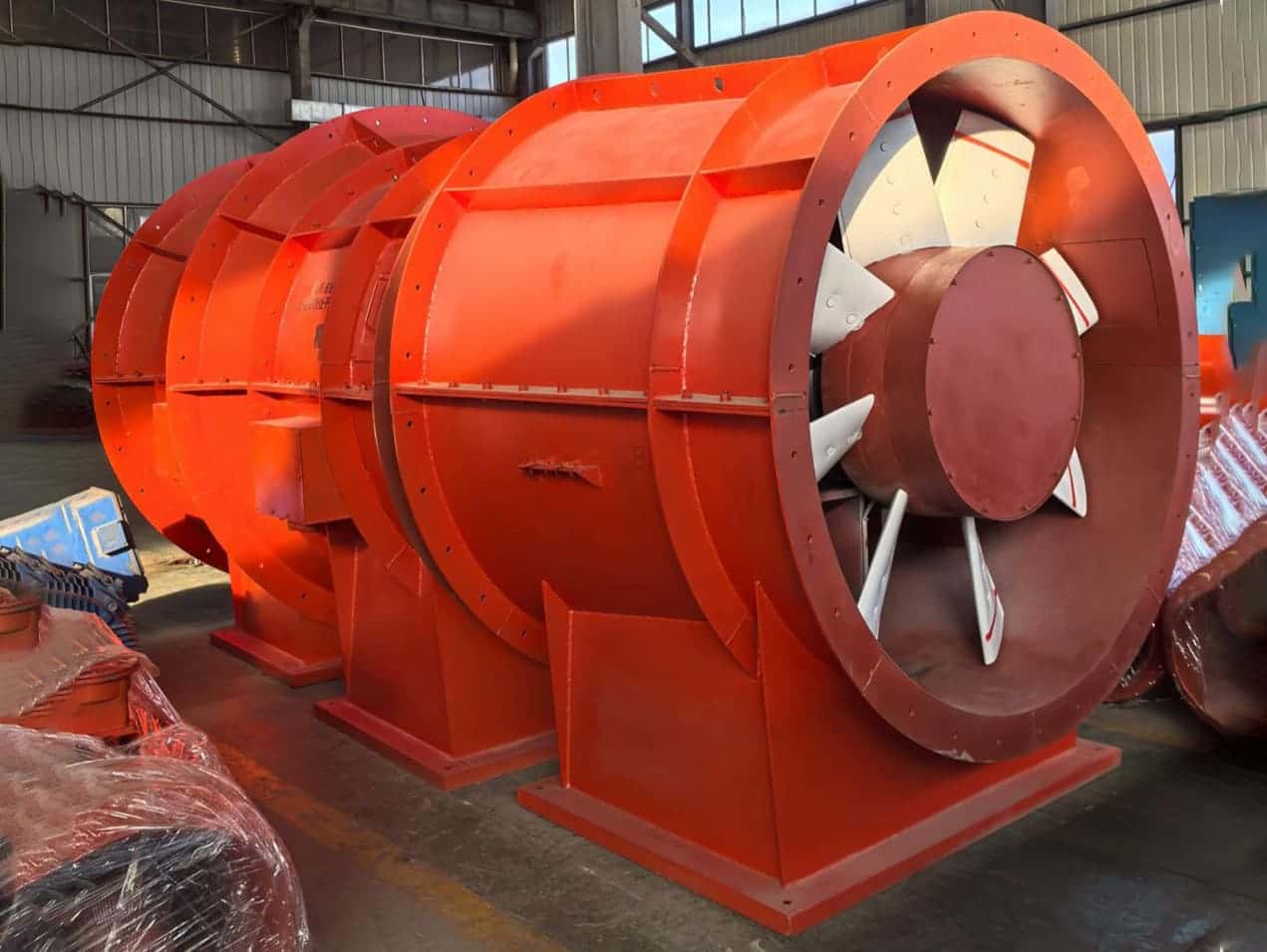
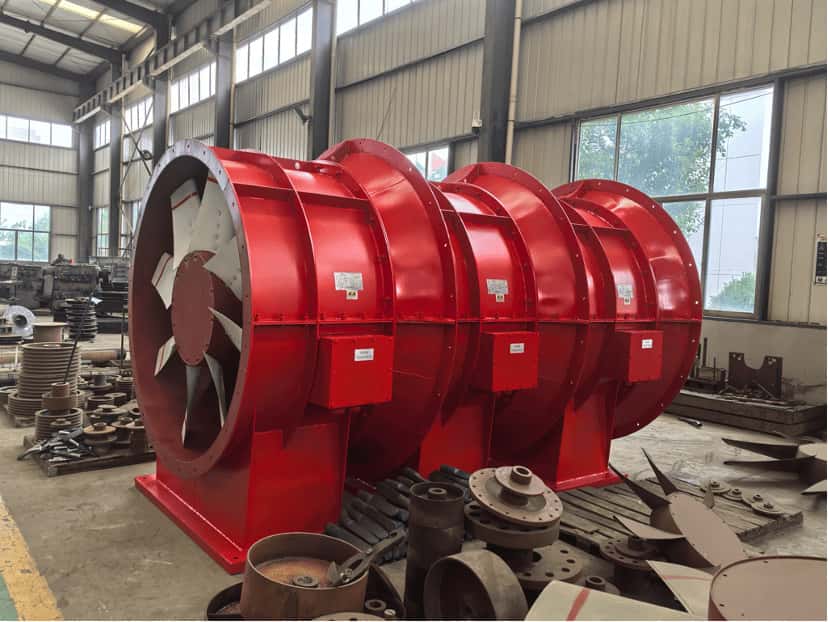
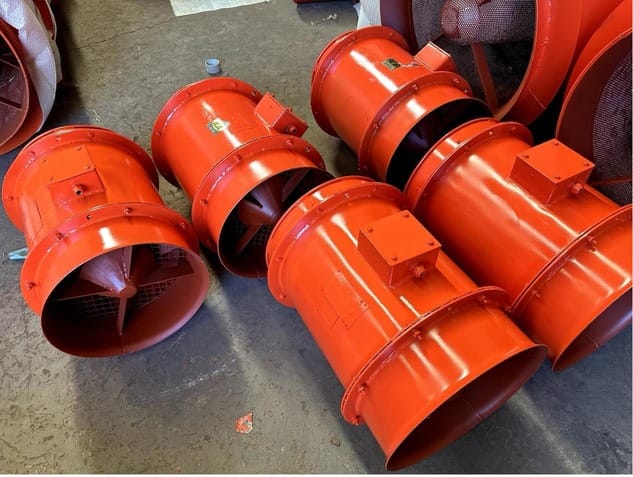
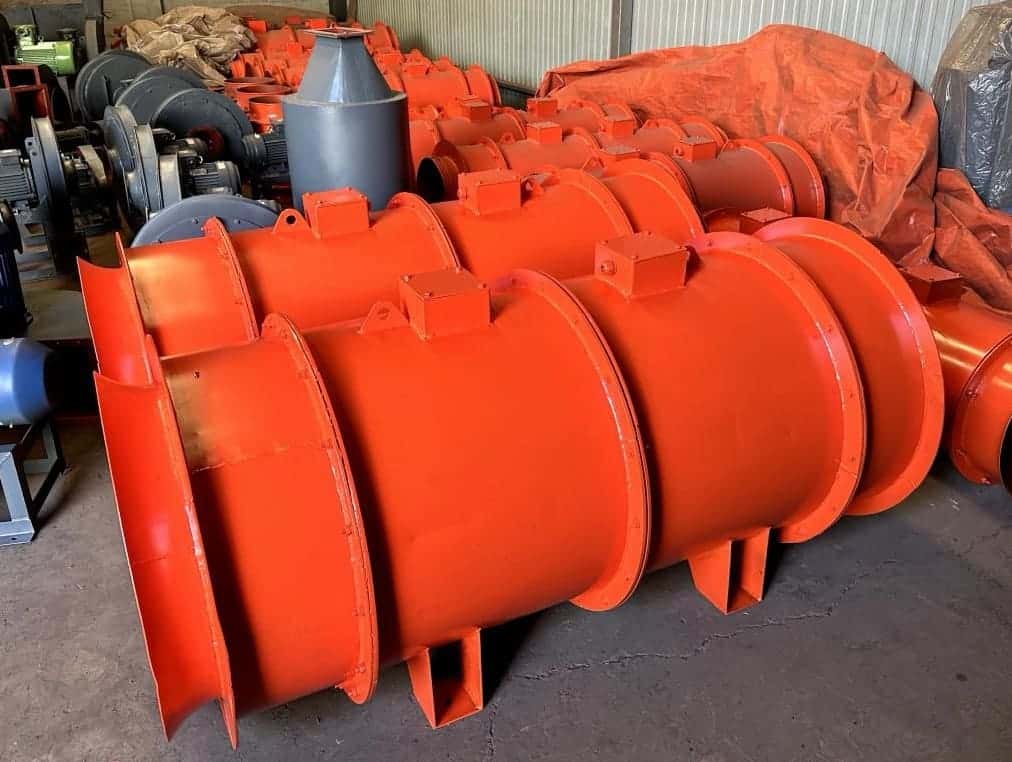
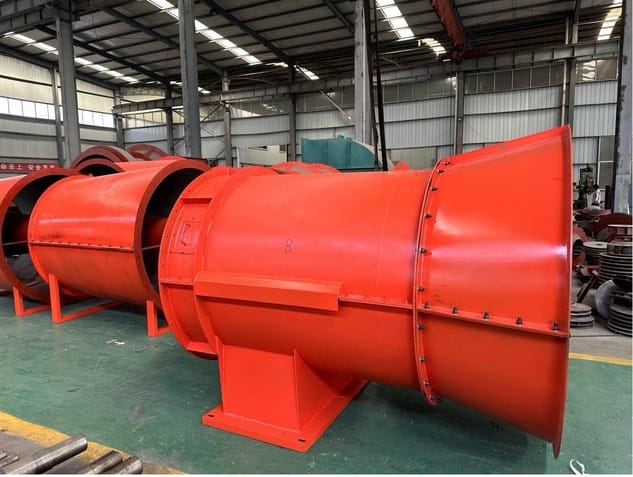
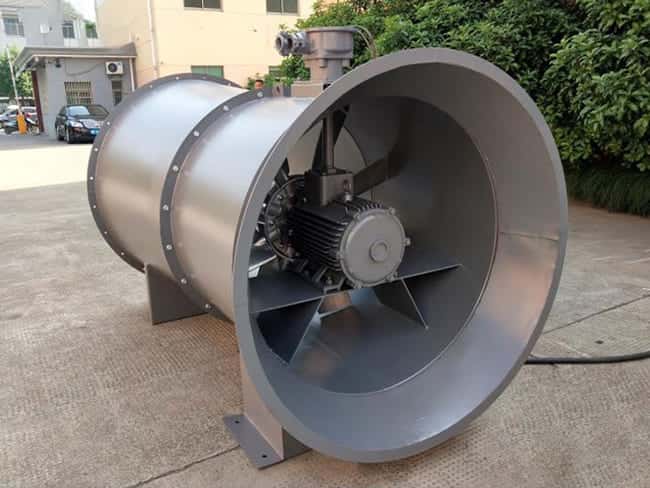
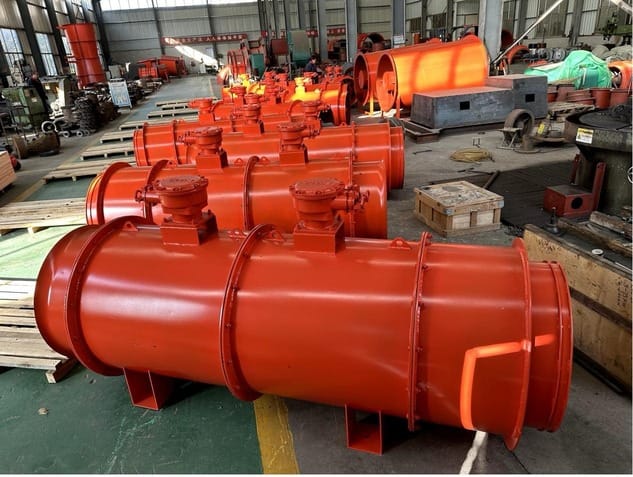
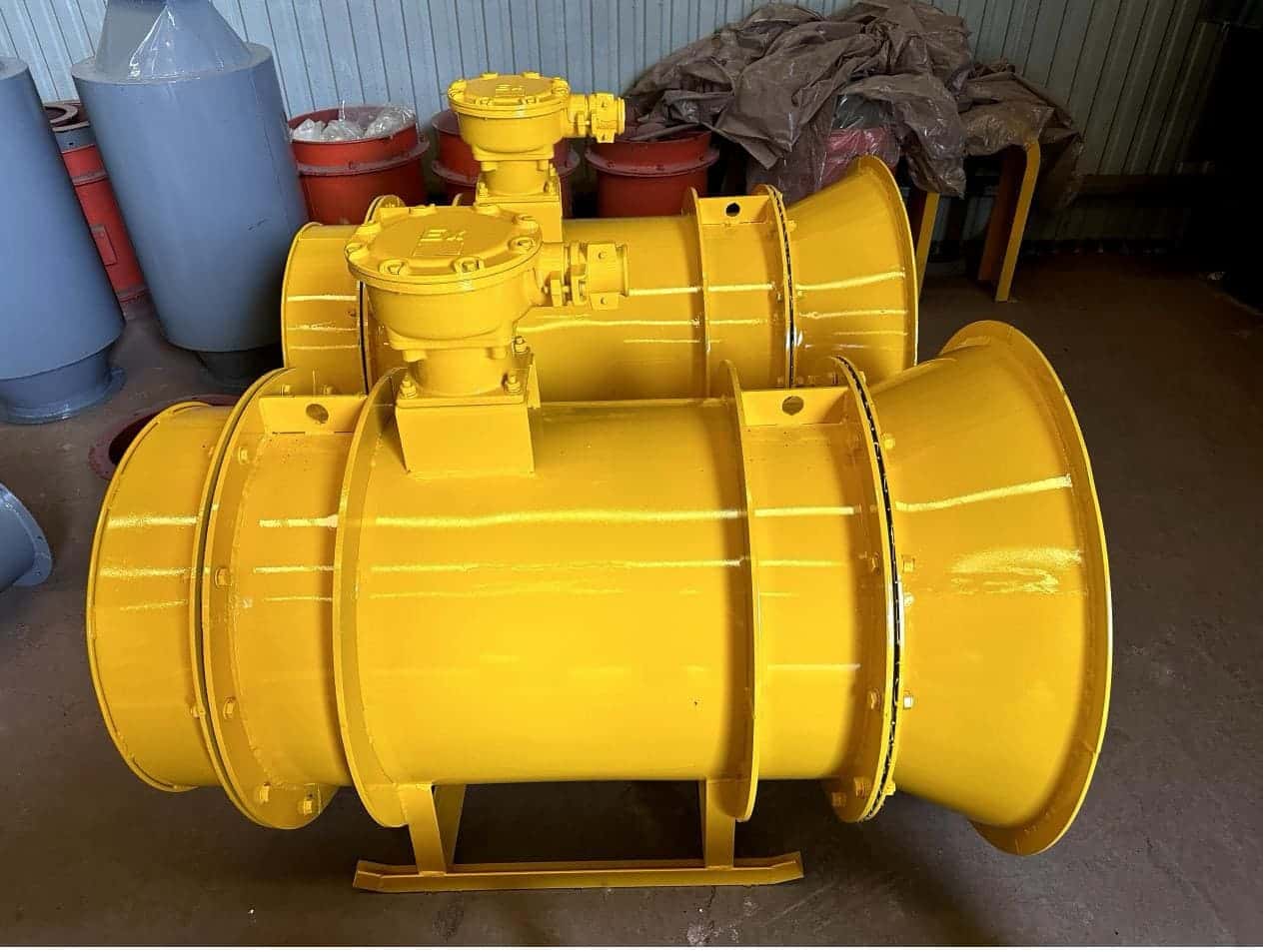
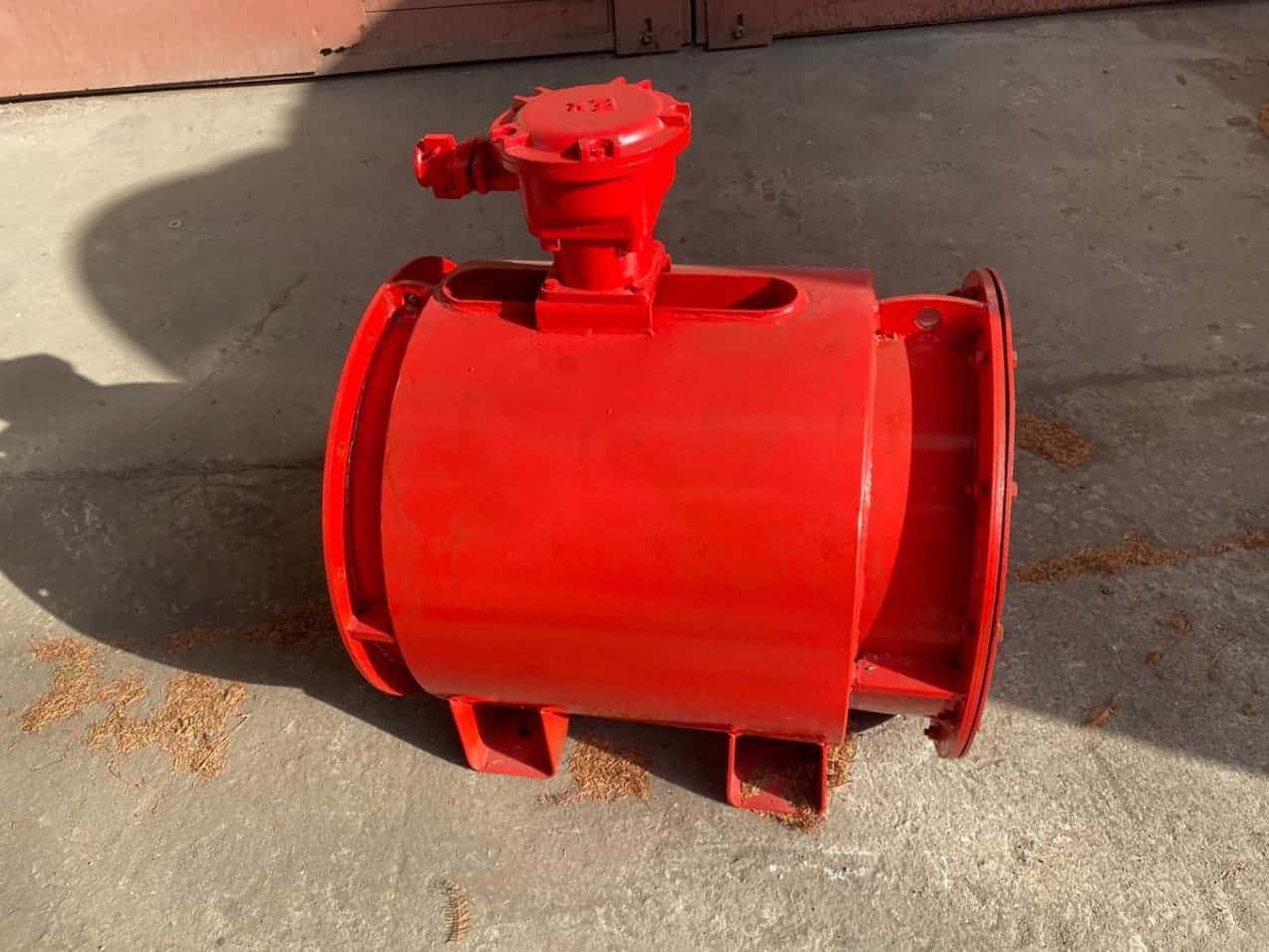
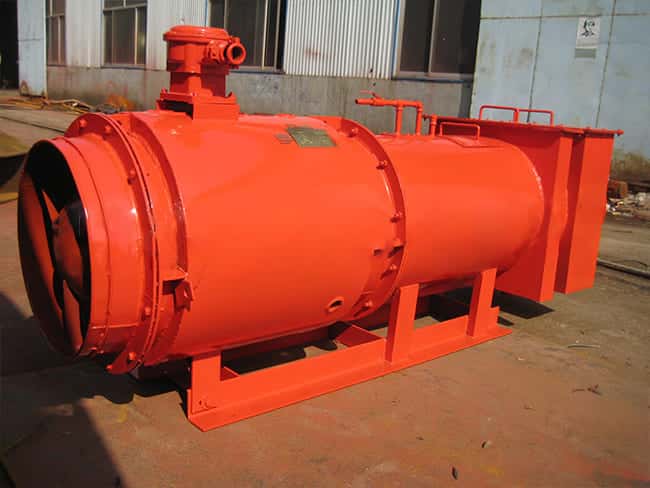
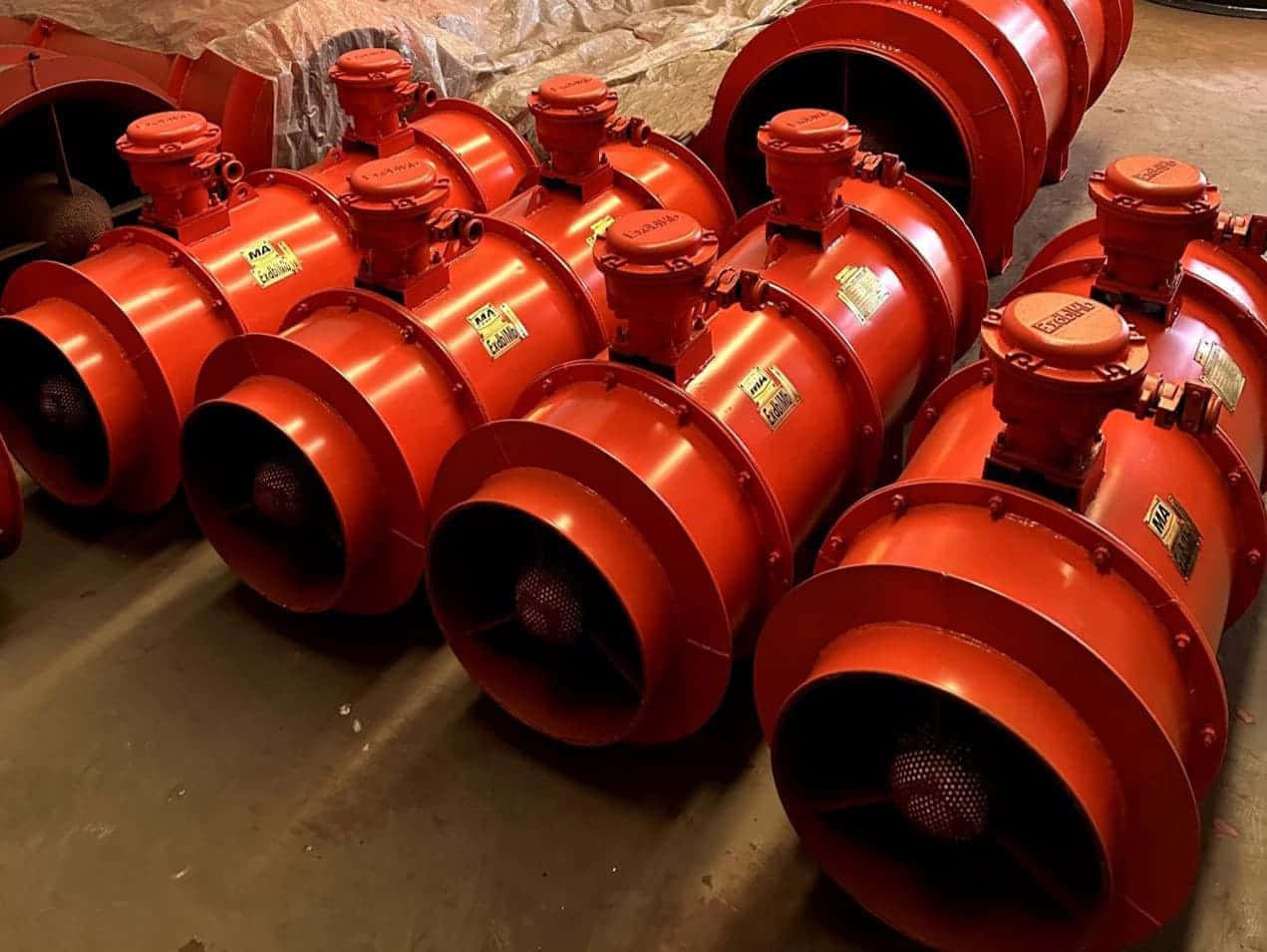
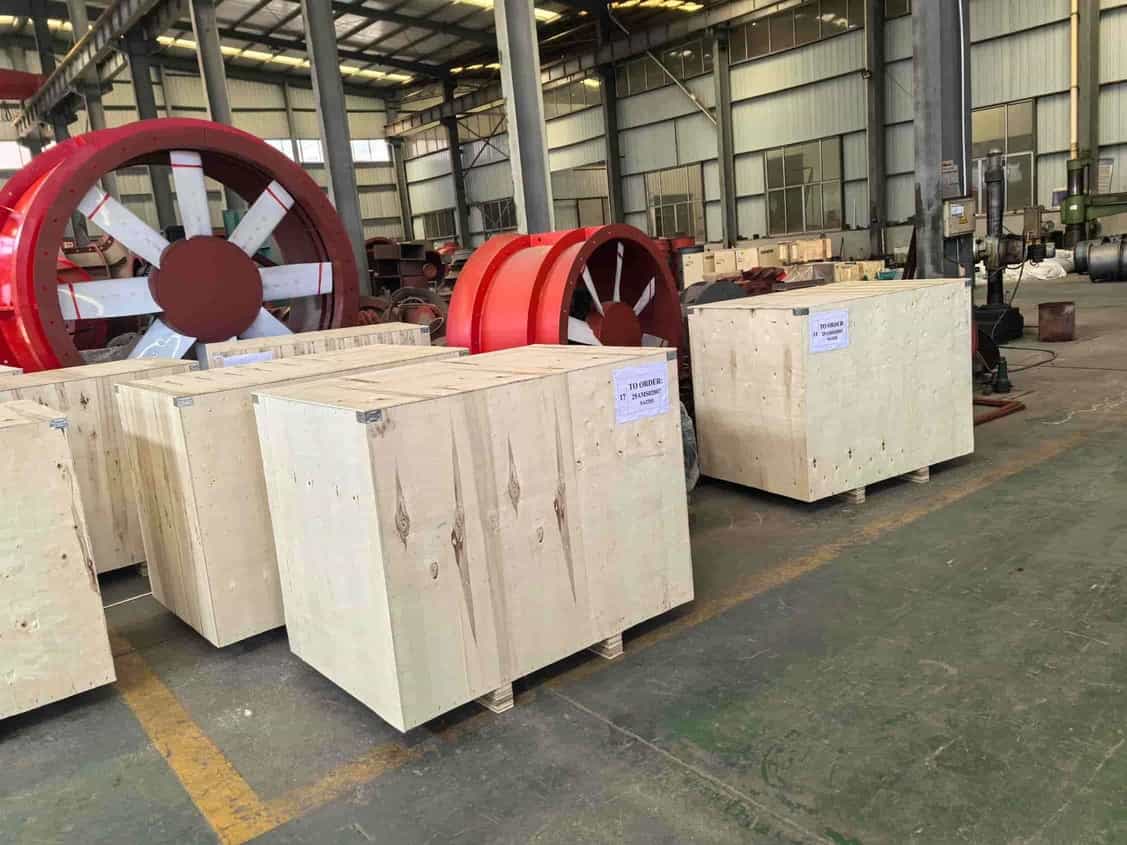
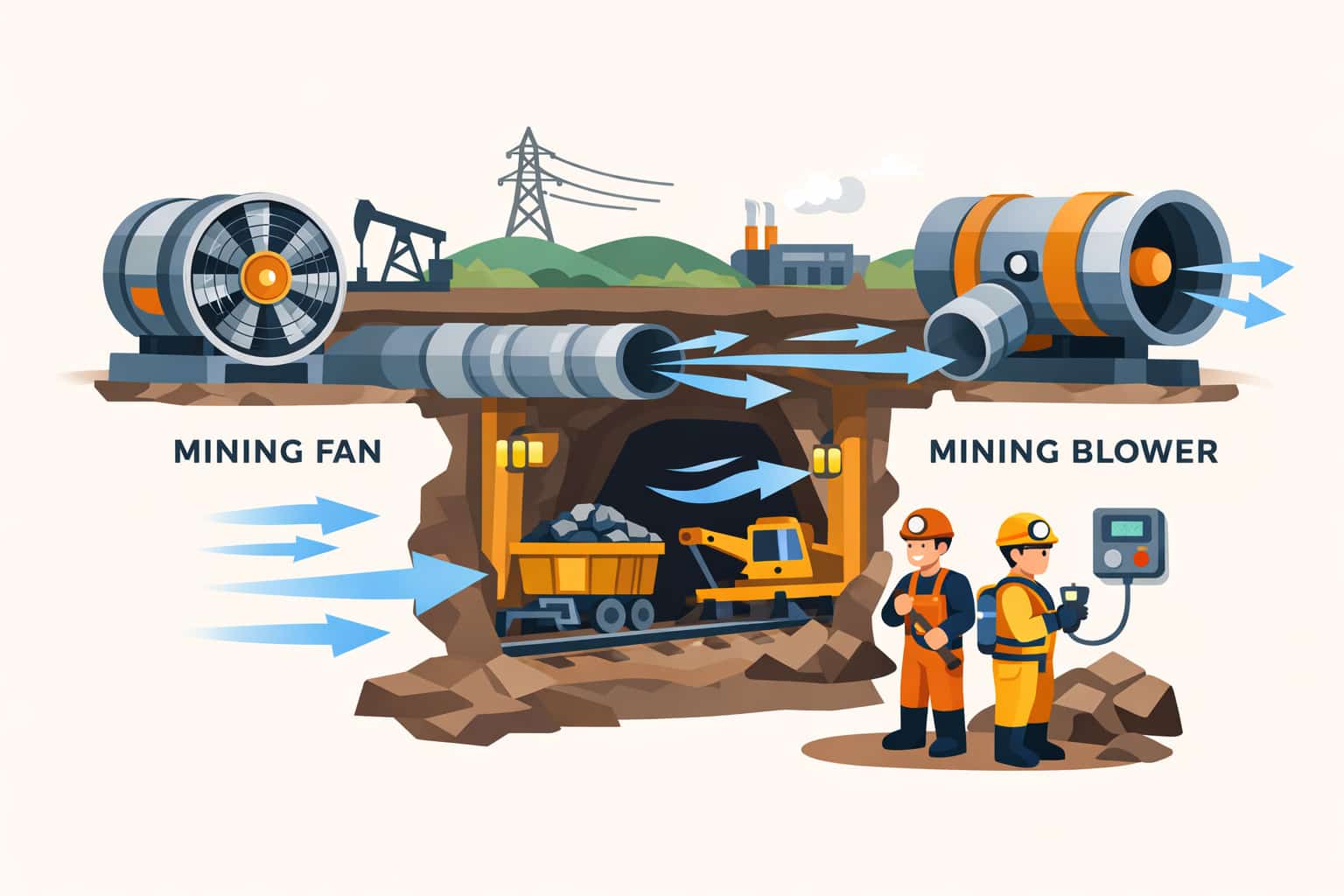

When people ask what industrial fans are called, they are usually trying to understand the technical names used for the large ventilation fans they see in factories, plants, tunnels and mines. In professional engineering language, industrial fans are normally classified by the way they move air and by the role they play in the ventilation system. The main aerodynamic families are axial fans, centrifugal fans and mixed-flow fans. Within those families, the same machines may be described as exhaust fans, supply fans, process fans, main fans, booster fans or auxiliary fans depending on how they are used.
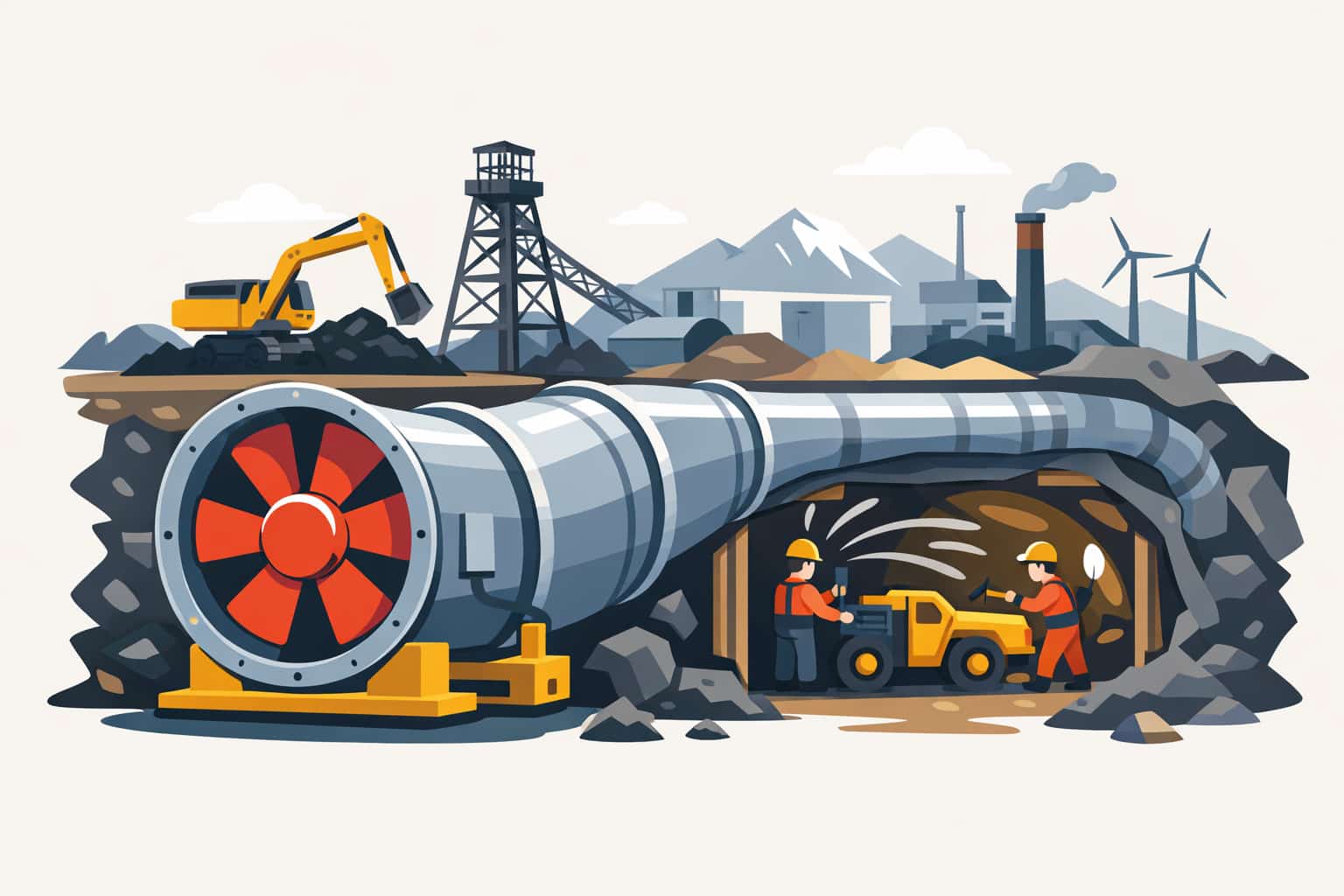
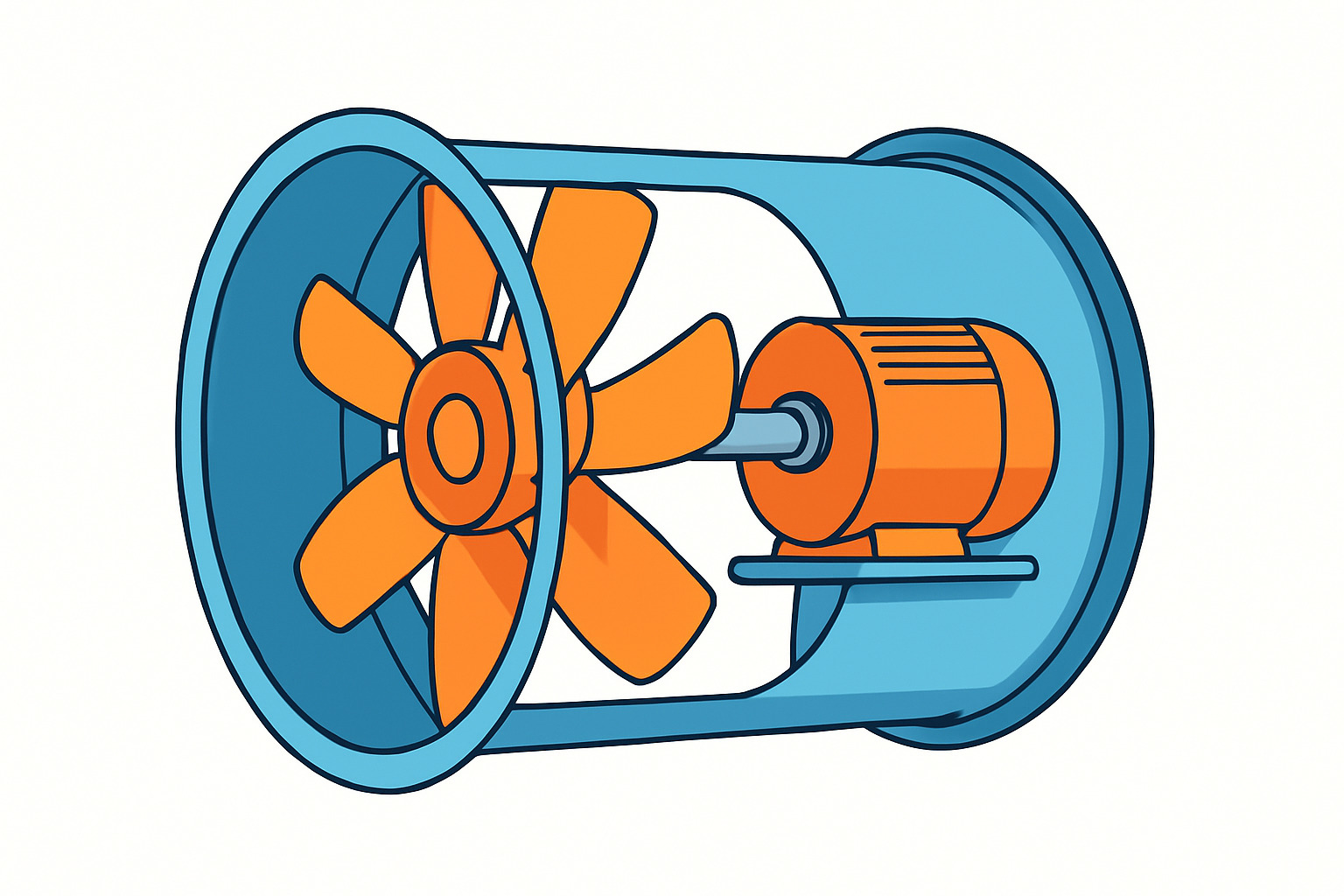
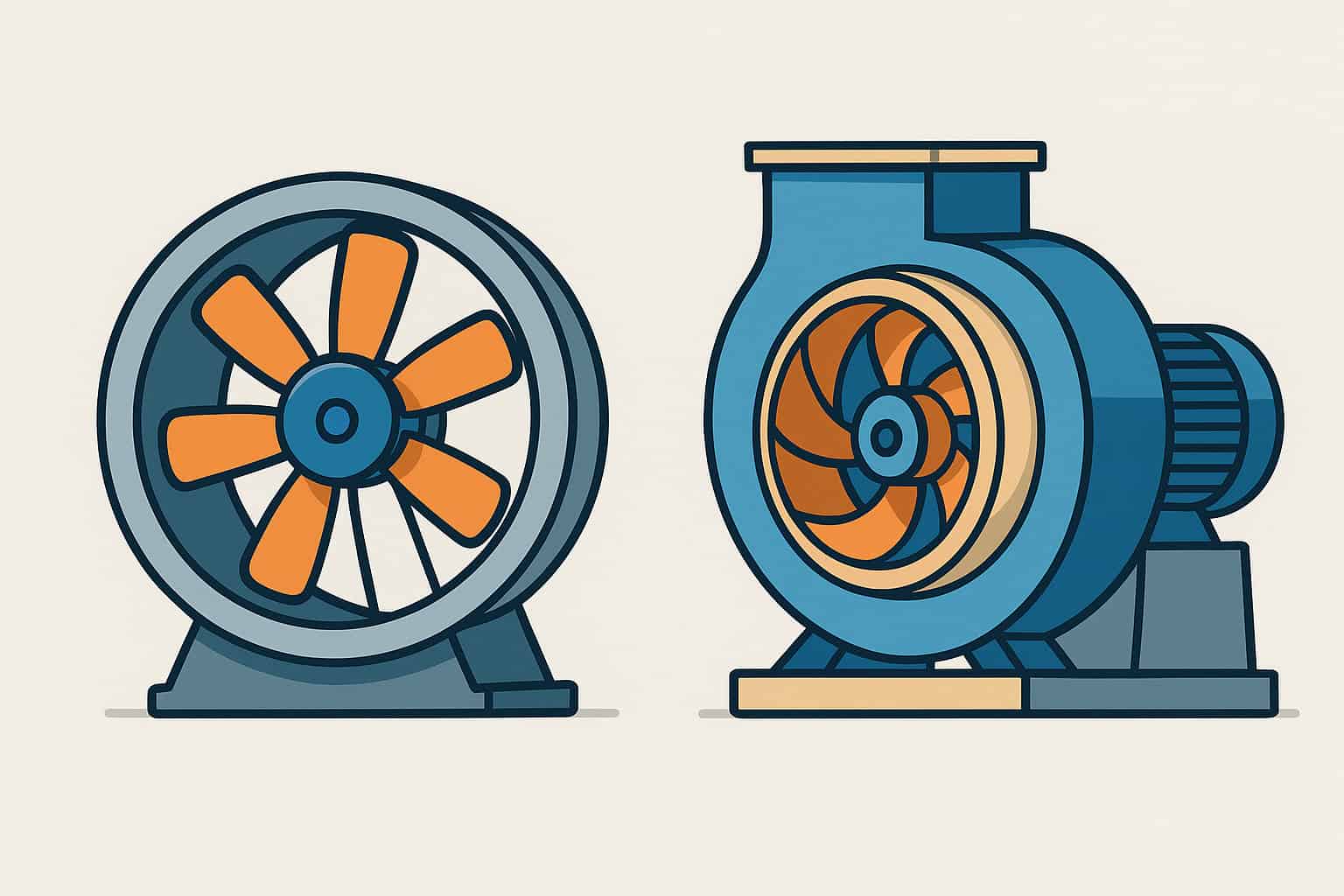
Axial industrial fans are sometimes simply called axial fans or axial flow fans. They move air parallel to the fan shaft, like a propeller. In mining, tunnelling and heavy industry they are often referred to as main ventilation fans, tunnel jet fans or auxiliary axial fans when installed on flexible ducts. These industrial fans are chosen where high airflow at low to medium pressure is required, for example to ventilate large workshops, conveyor galleries, access tunnels and underground headings.
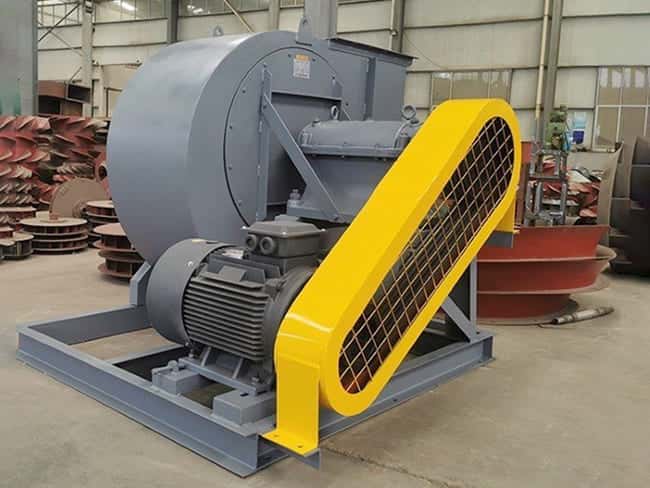
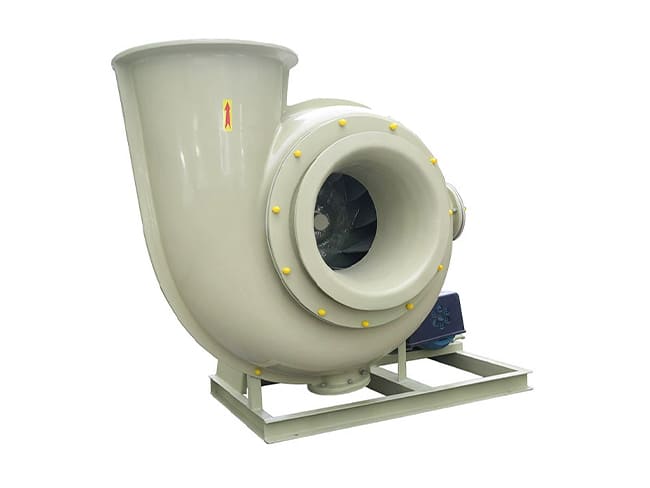
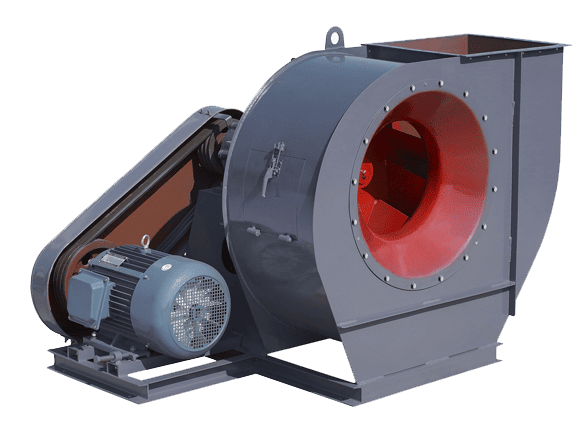
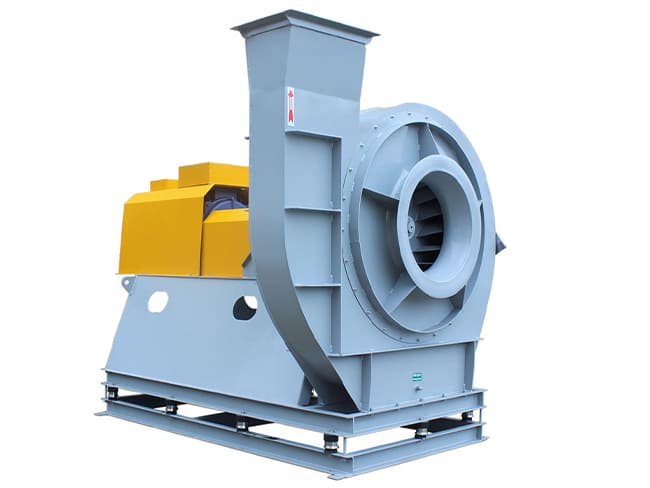
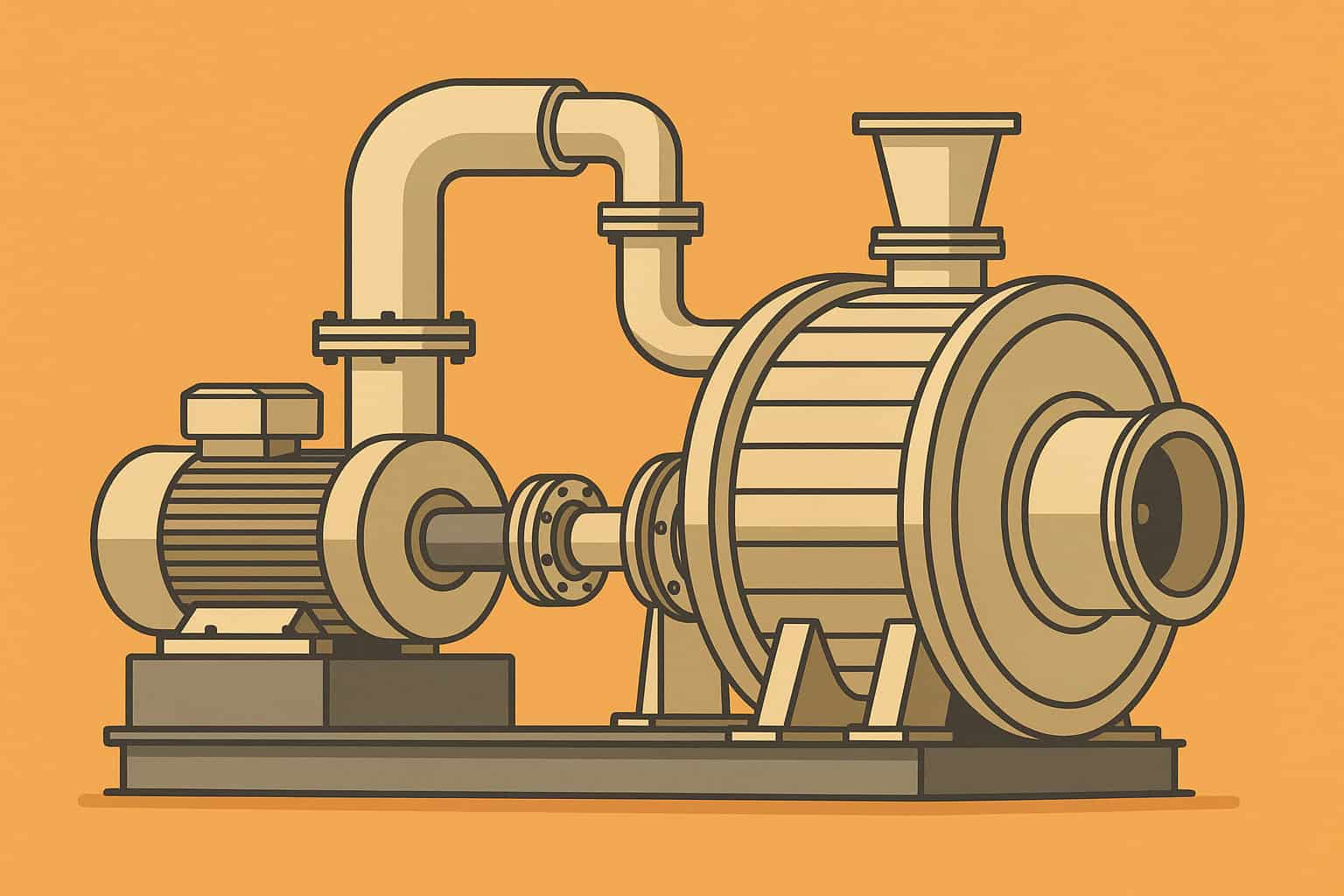
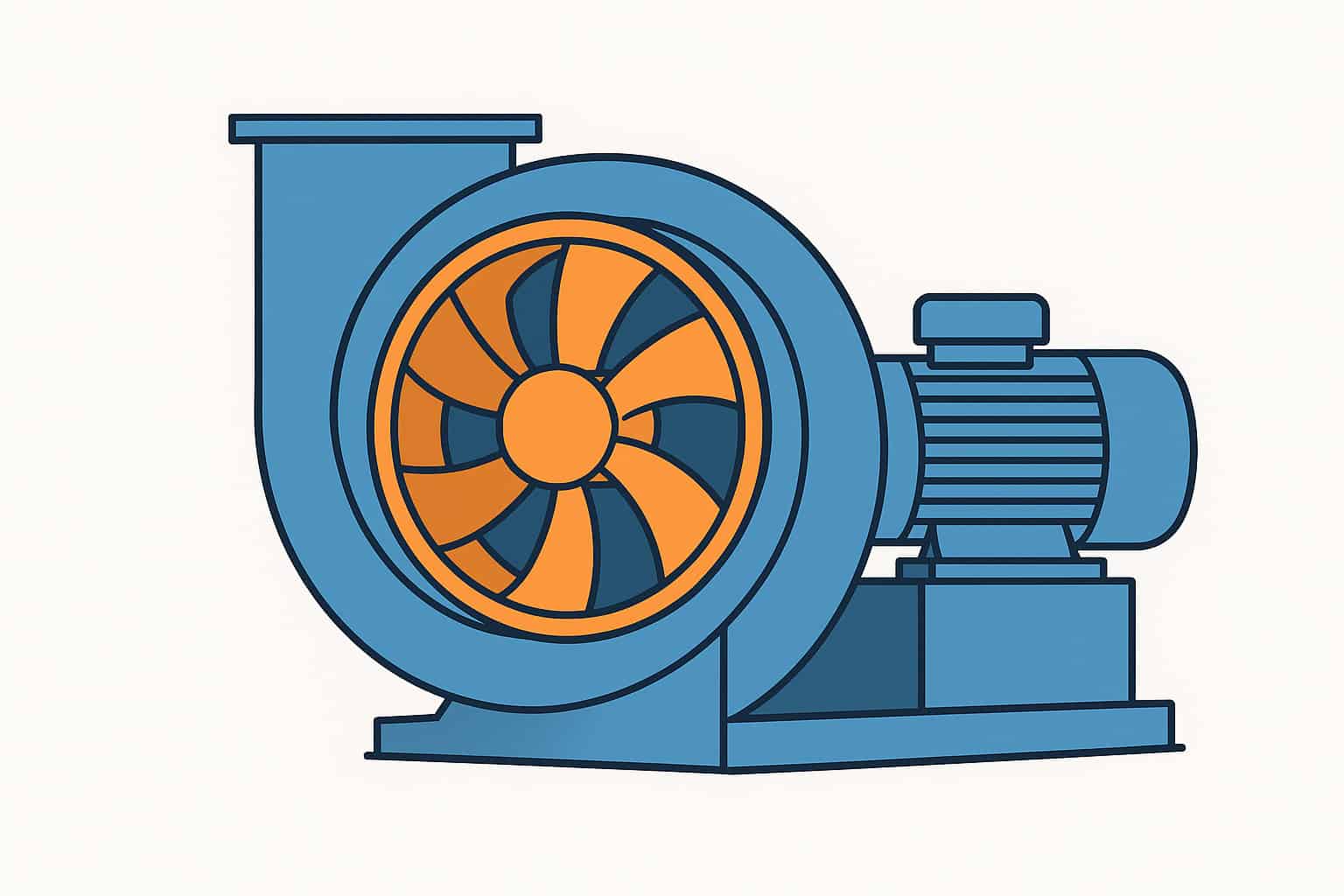
Centrifugal industrial fans are commonly called centrifugal fans or industrial blowers. They draw air in along the shaft and discharge it radially. In specifications and catalogues, you may see names such as backward-curved centrifugal fan, radial-blade blower or high-pressure centrifugal exhaust fan. These fans are widely used in dust extraction systems, boiler draft systems (as ID and FD fans), high-resistance duct networks and some mine ventilation circuits that demand higher static pressure.
In practical applications, industrial ventilation equipment is often named according to its function in the system. For example, a large fan on a mine shaft may be called a main mine fan or shaft exhaust fan, even though it is technically an axial or centrifugal fan. Smaller units located underground to reinforce airflow are called booster fans. Portable, ducted fans that provide air to faces and headings are called auxiliary fans. In factories and warehouses, wall-mounted or roof-mounted units are known as industrial exhaust fans or industrial roof ventilators.
Suppliers and manufacturers also use commercial names such as high-volume low-speed (HVLS) fans for very large-diameter slow-running ceiling fans, process fans for fans connected directly to kilns or furnaces, and cooling tower fans for fans installed on air-cooled condensers or cooling towers. All of these are industrial fans, but their names reflect where they are installed and what they do rather than changing the underlying aerodynamic classification.
In summary, industrial fans are most correctly called axial, centrifugal or mixed-flow fans, and in mining and industrial ventilation practice they are further described as main fans, booster fans, auxiliary fans, exhaust fans or process fans depending on their role in the system.