
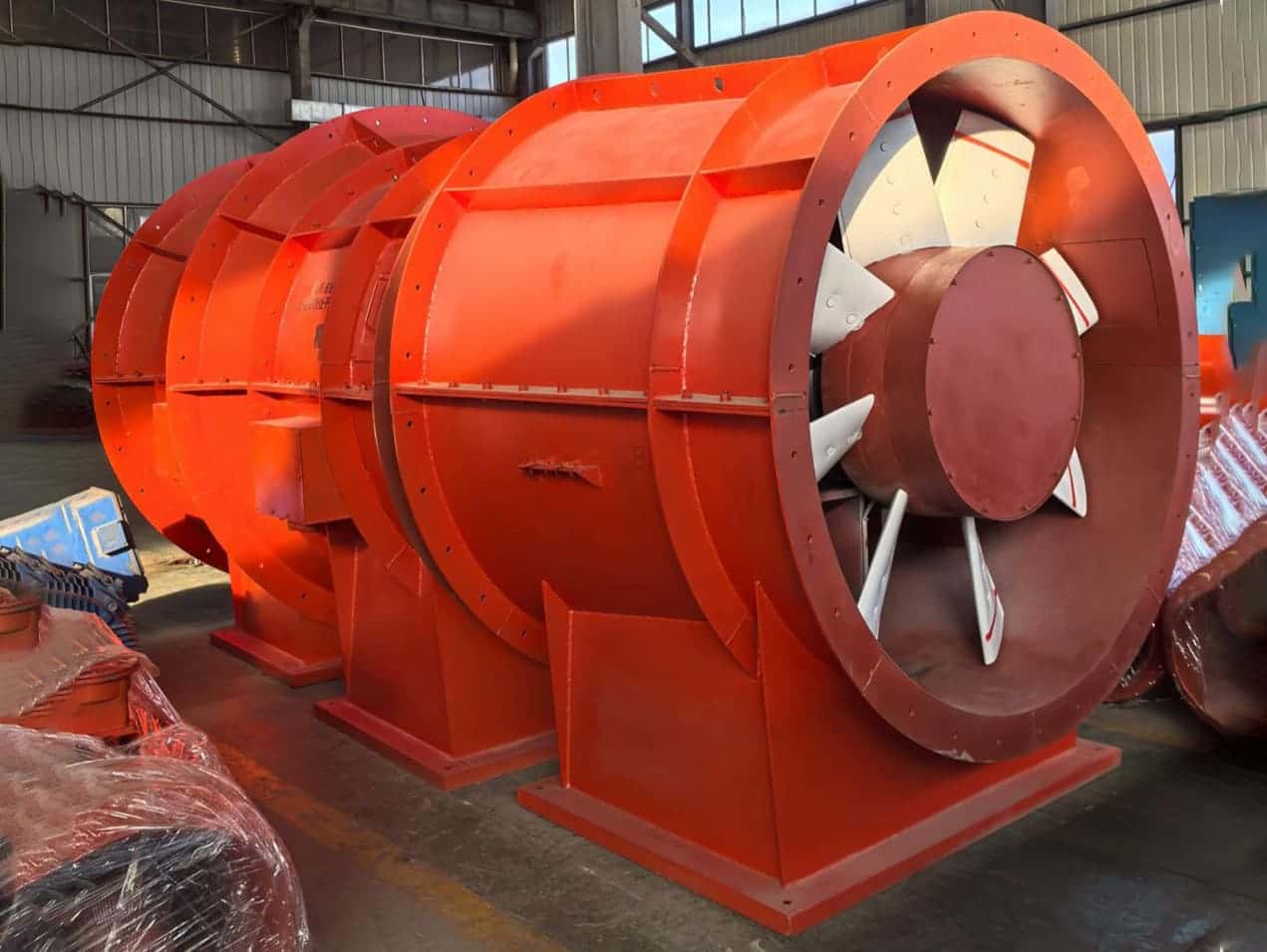
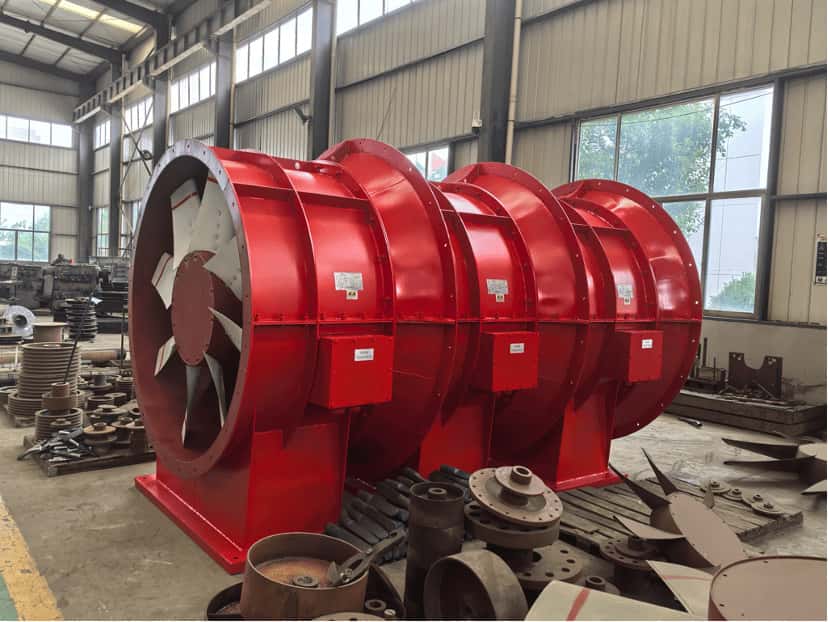
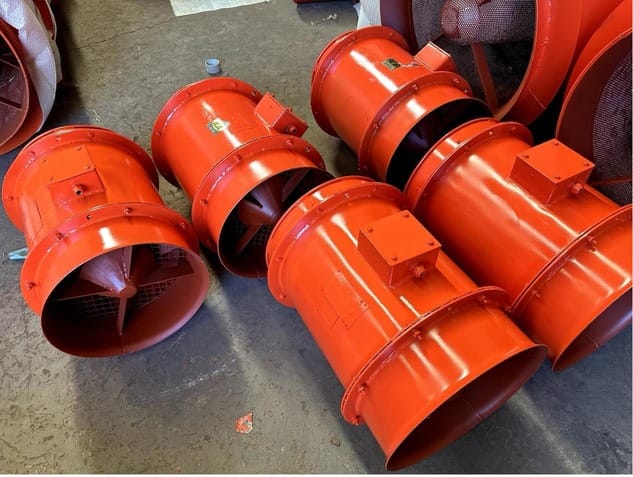
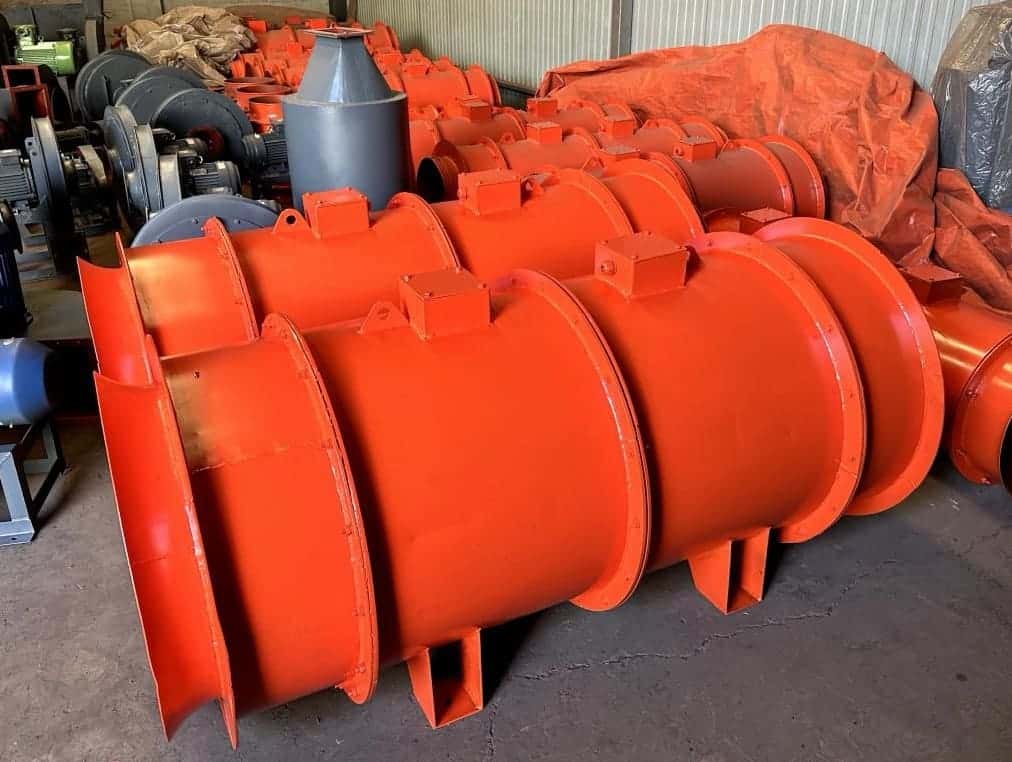
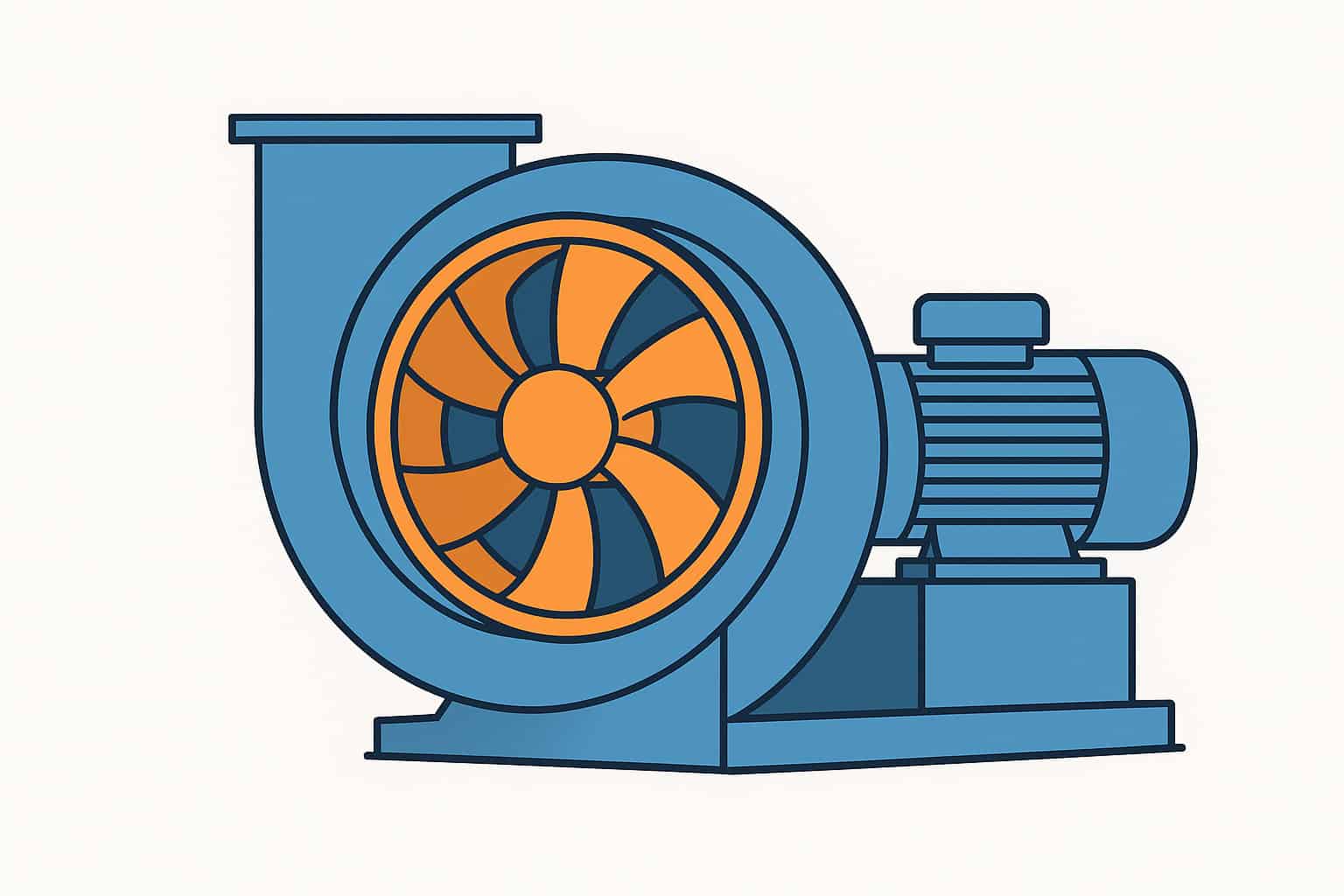
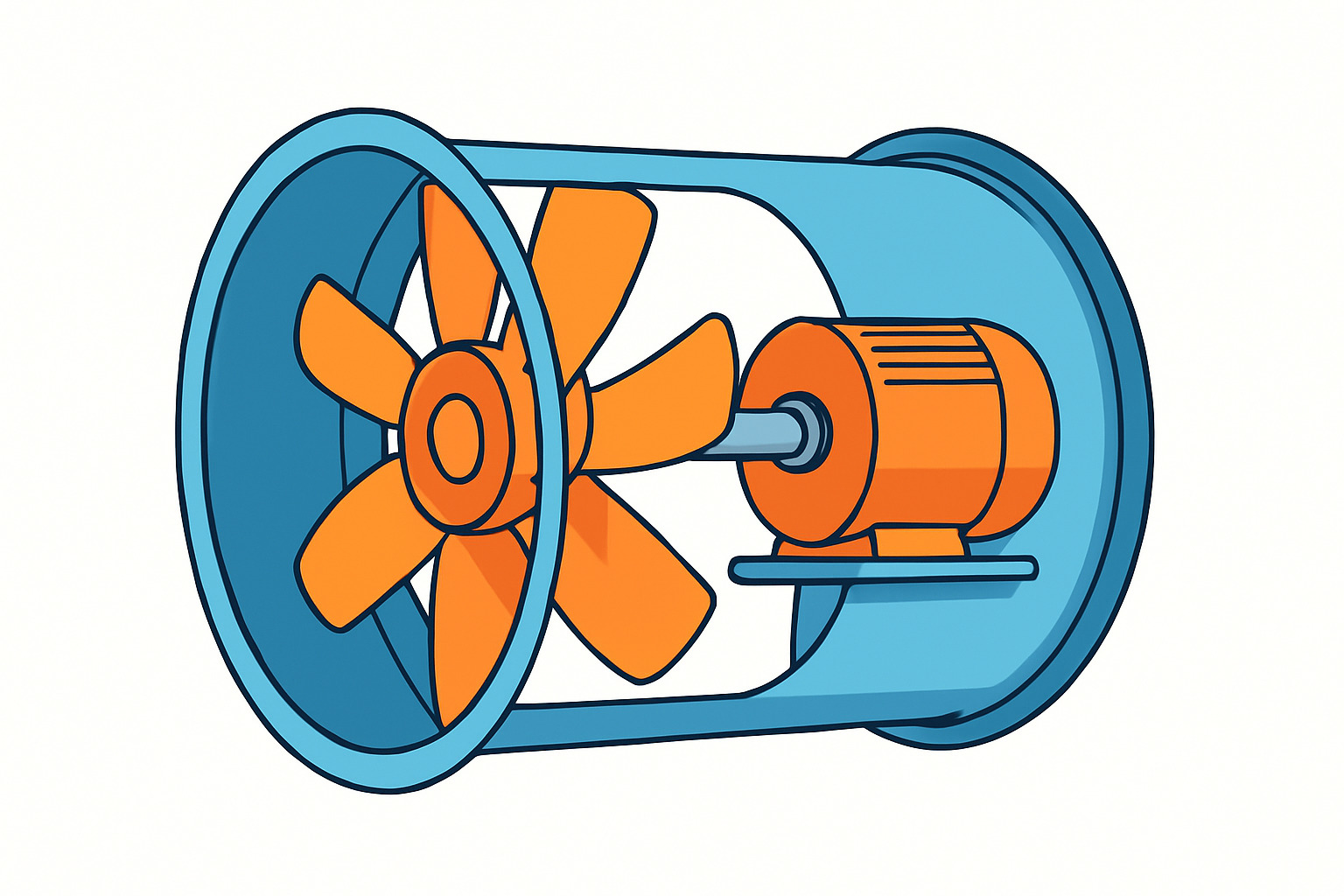
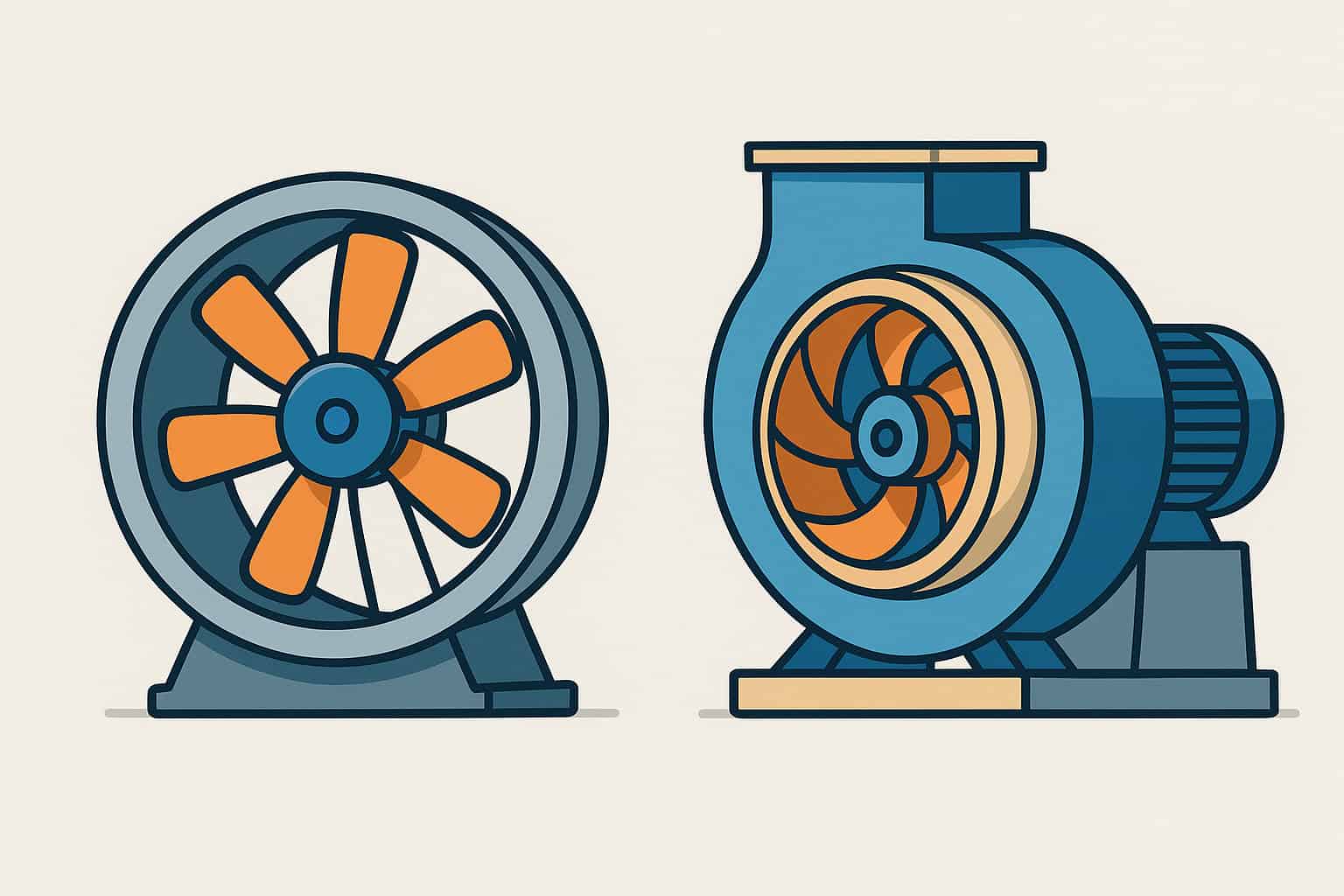
When people refer to the 4 modes of ventilation, they usually mean the main ways in which air can be moved into and out of a building, tunnel or underground working. In industrial and mining practice, it is useful to distinguish between natural ventilation, mechanical supply, mechanical exhaust and balanced or mixed-mode ventilation. Each mode has its own advantages and limitations, and many real systems combine them.
1. Natural ventilation relies on wind and thermal (stack) effects rather than fans. Air enters and leaves through openings such as windows, vents, shafts or doors. In buildings, warm air rises and escapes at high points while cooler air enters at lower points, creating flow. In some shallow mines and small tunnels, natural ventilation can provide a basic flow, especially when there is a temperature difference between surface and underground. However, natural ventilation is difficult to control, depends on weather and is usually insufficient for modern industrial or deep mining operations.
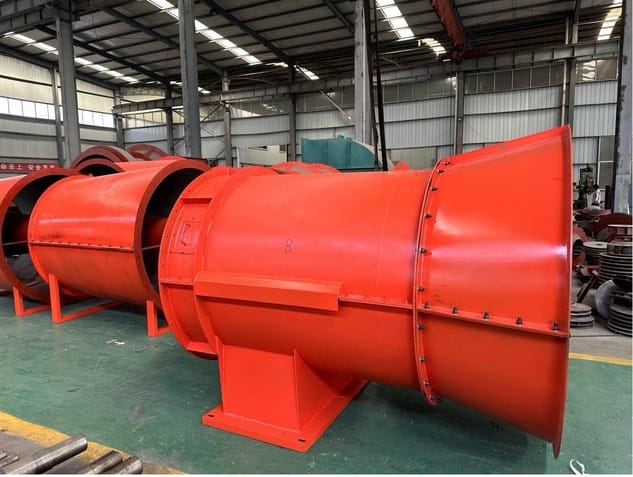
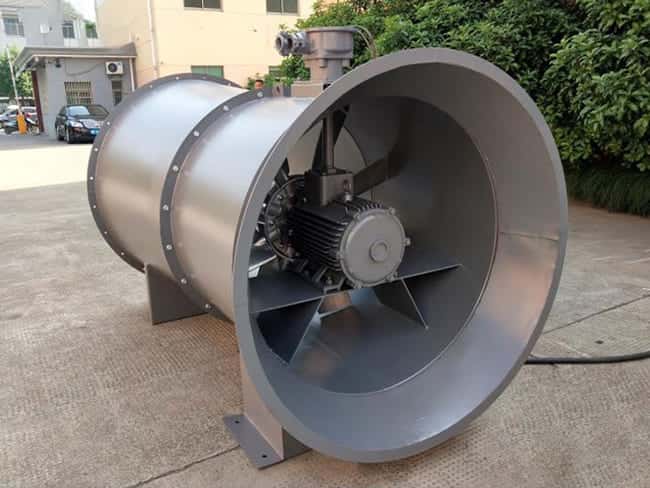
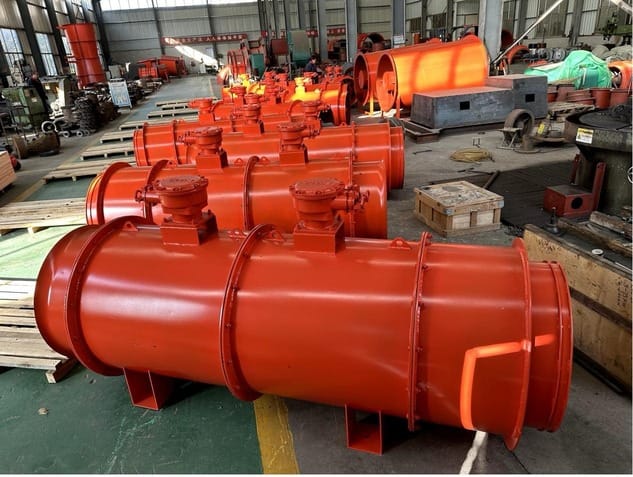
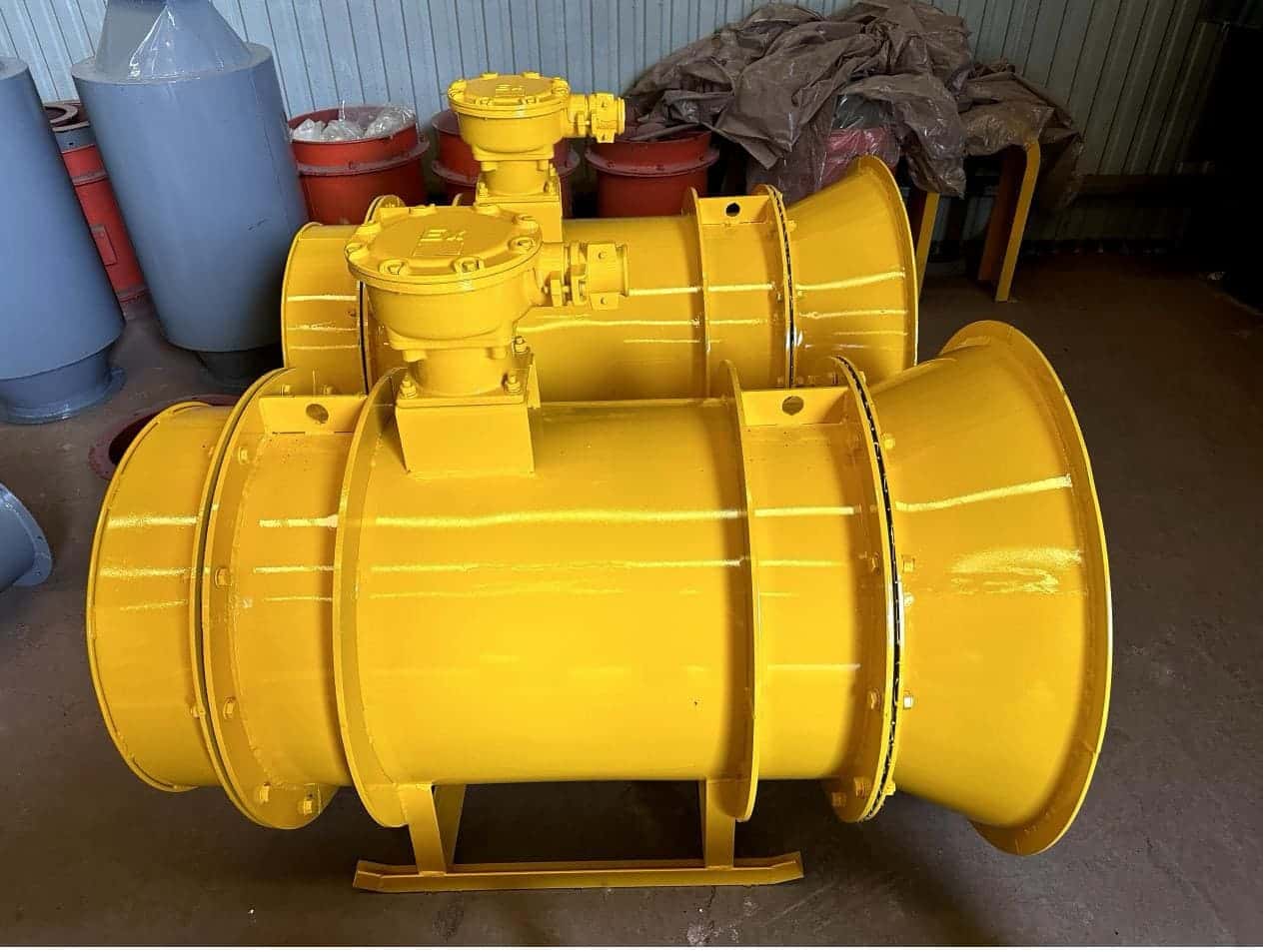
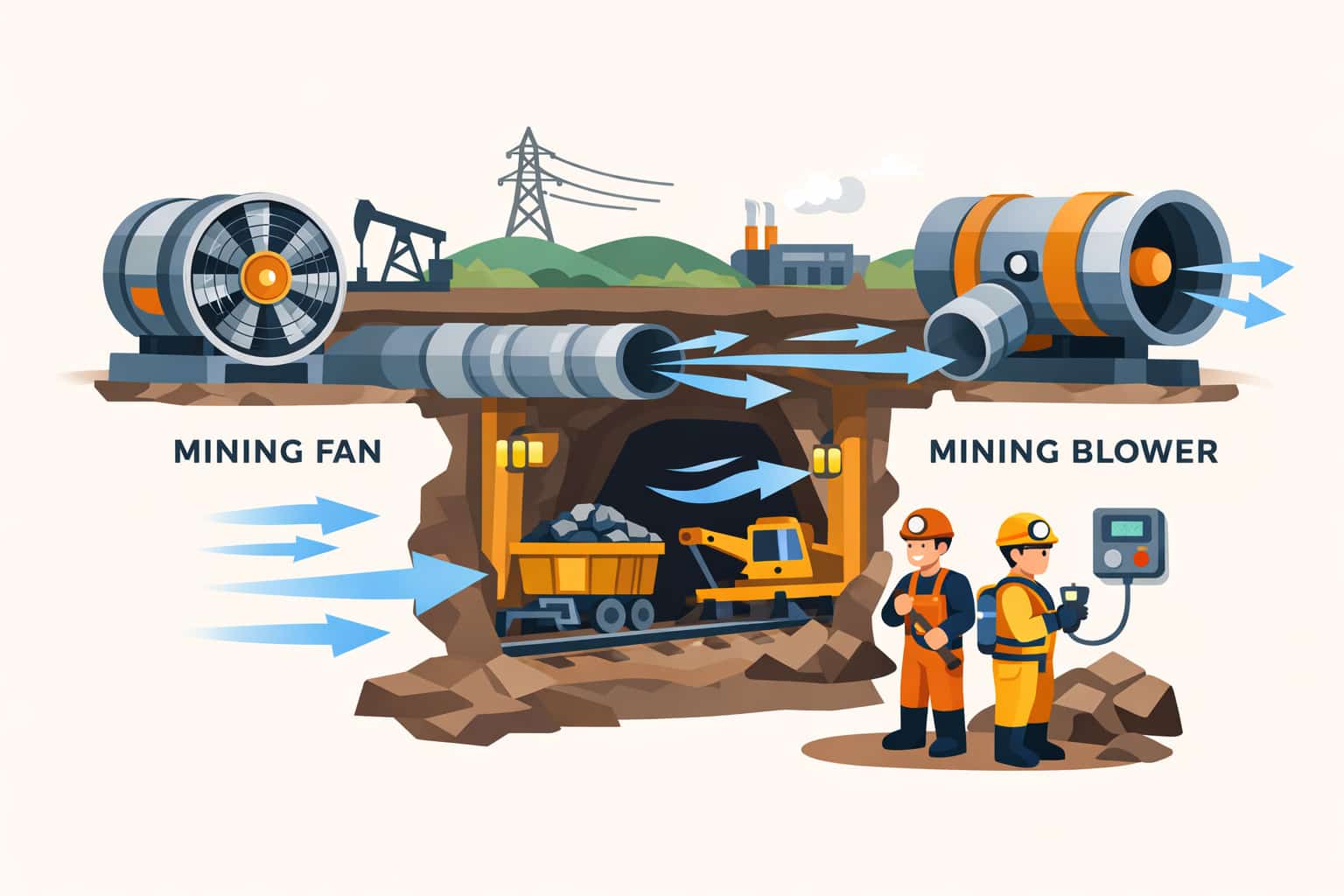
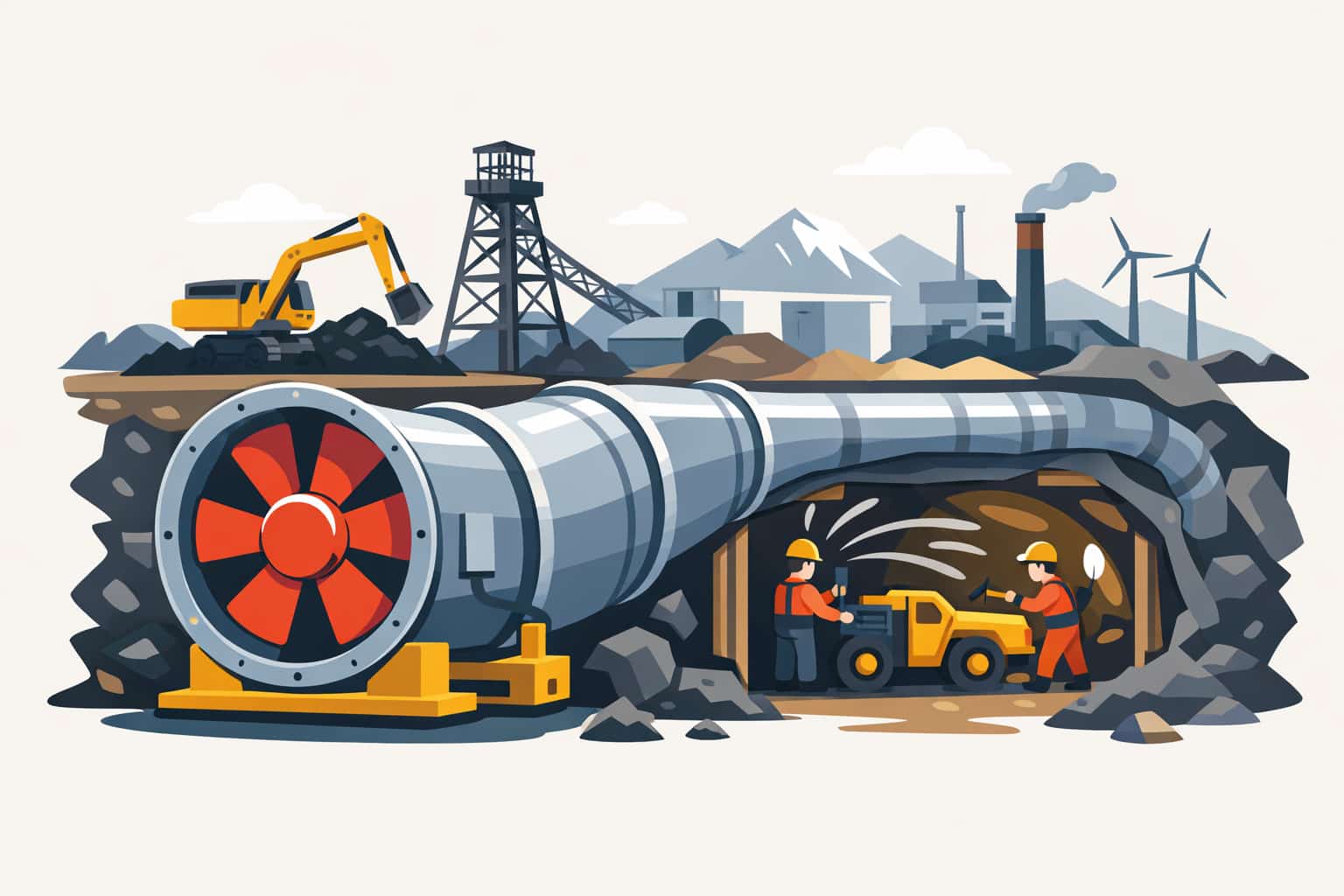
2. Mechanical supply ventilation uses fans to push fresh air into a space, creating a slight positive pressure relative to the outside. Supply fans draw in outdoor air, filter and sometimes condition it, then distribute it through ducts or roadways. This mode is useful where you want to ensure a clean, pressurised environment, such as control rooms, substations, clean manufacturing areas or certain parts of an underground mine. Positive pressure helps prevent contaminants from leaking in from surrounding areas.
3. Mechanical exhaust ventilation uses fans to pull air out of a space, creating a slight negative pressure that draws air in through inlets and leaks. Exhaust fans are commonly used over processes that generate fumes, heat or dust, such as welding bays, paint booths, chemical tanks, crushers and transfer points. In mining, exhaust systems remove contaminated air from headings or localized work areas. This mode is effective for removing contaminants but must be designed carefully so that make-up air enters from clean sources, not from more polluted areas.
4. Balanced or mixed-mode ventilation combines mechanical supply and exhaust to control both airflow in and airflow out. Supply and exhaust fans are sized so that overall pressure is close to neutral or slightly positive or negative depending on the design goal. This mode allows precise control of air distribution, pressure zones and contaminant flows. Many modern HVAC systems in buildings and many mine ventilation networks are effectively balanced systems, where intake fans and return or exhaust fans work together, sometimes supplemented by natural effects or local fans.
In practice, industrial and mining ventilation systems often use these modes in combination: natural forces assist mechanical fans; supply and exhaust fans work together; and local exhaust devices capture contaminants at the source while general ventilation provides dilution. Understanding the four modes—natural, mechanical supply, mechanical exhaust and balanced/mixed-mode—helps engineers choose the right strategy for safe, efficient ventilation in each project.
