
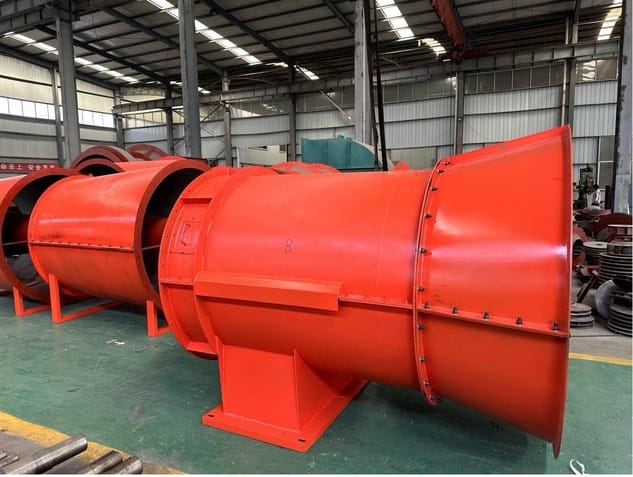
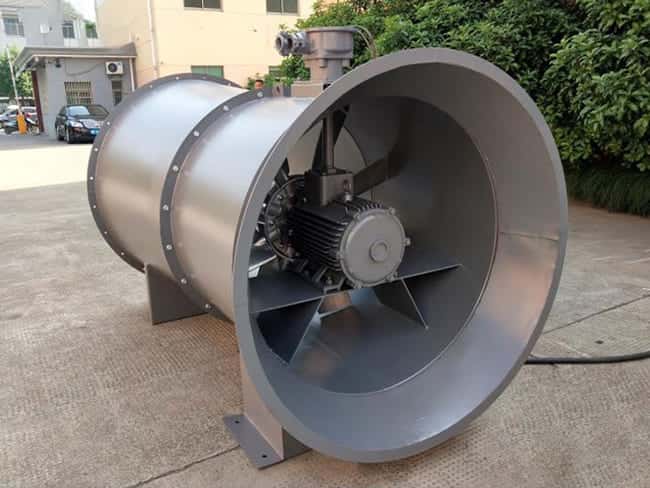
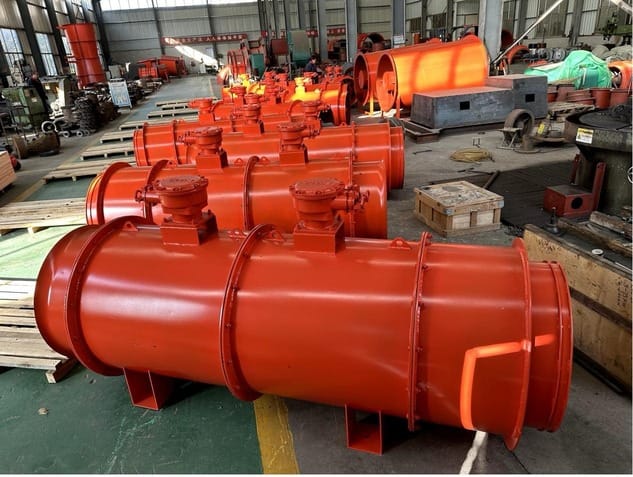
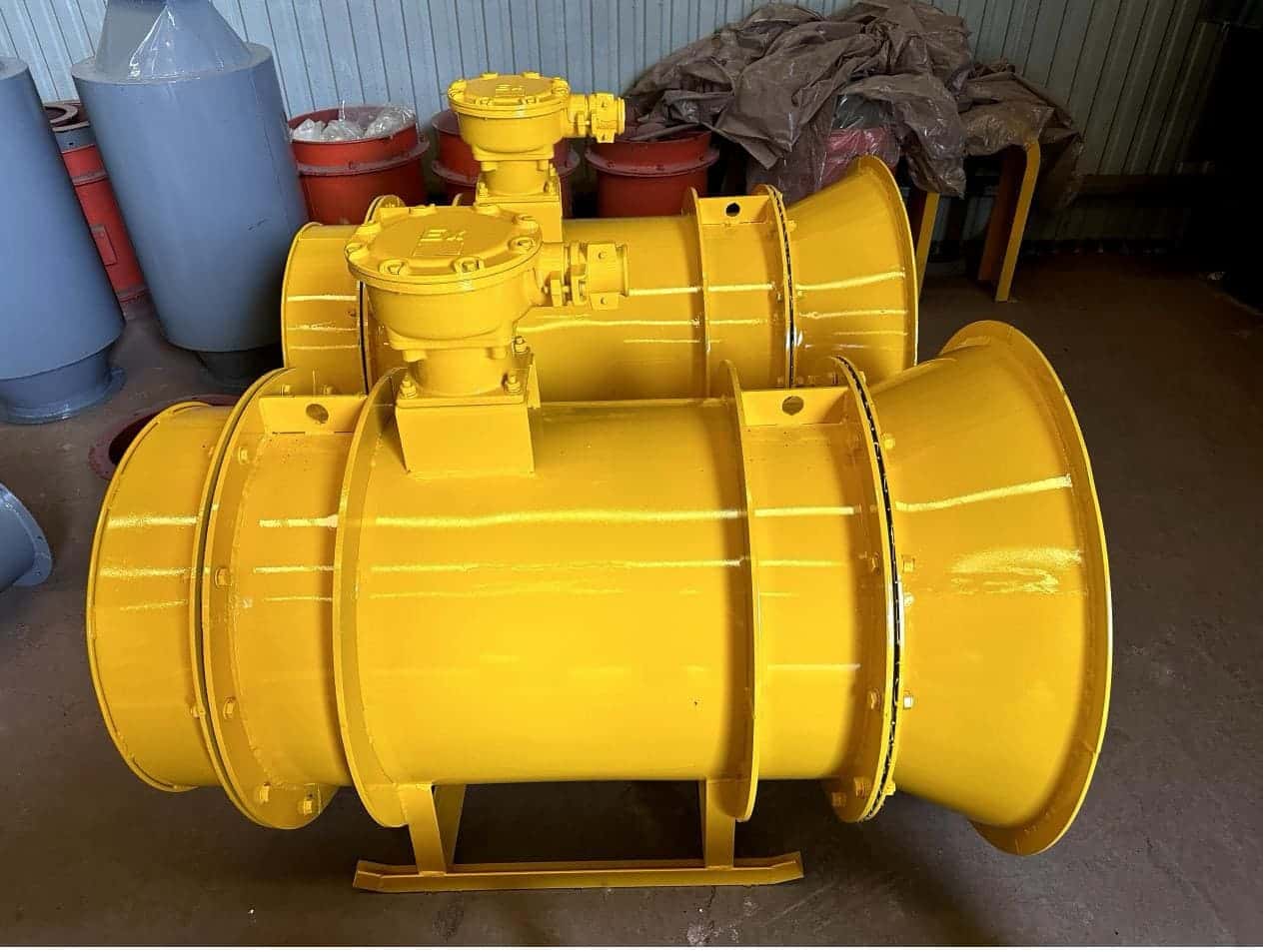
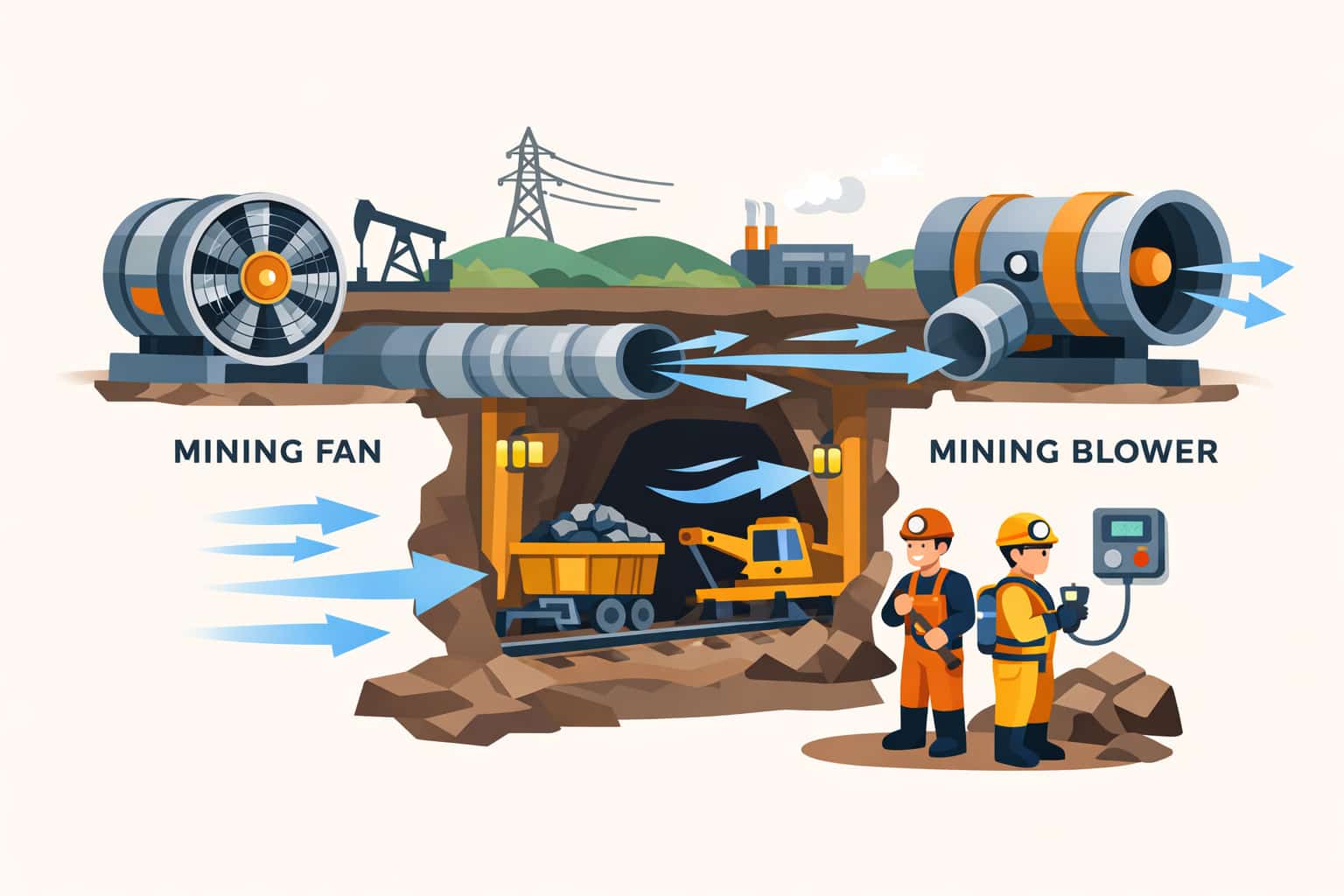

Good ventilation brings many advantages to any workplace, but in factories, tunnels and underground mines its benefits are especially significant. While there are many positive effects, you can think of five main benefits of good ventilation that matter most for mining and industrial environments.
1. Improved air quality and safety. The first and most important benefit is better control of gases, dust and fumes. Effective ventilation systems bring in fresh air and remove contaminants generated by diesel engines, blasting, welding, cutting, chemical handling and bulk material processing. This keeps concentrations below exposure limits, reduces the risk of explosions in gassy mines and provides clean air for workers to breathe.
2. Better thermal comfort and less heat stress. Good ventilation helps control temperature and humidity by carrying heat away from rock surfaces, machinery and process equipment. In deep mines or hot industrial plants, this can be the difference between an unbearable workplace and one where people can work productively and safely. Lower heat stress reduces fatigue, errors and the likelihood of heat-related illnesses.
3. Higher productivity and work quality. When workers have clean, cool air, they tend to concentrate better, make fewer mistakes and maintain a steady work rate. Dust and fumes can reduce visibility and cause eye or throat irritation, all of which hurt performance. By maintaining a healthy environment, good ventilation supports higher output, better quality and fewer unplanned stoppages.
4. Longer equipment life and lower maintenance costs. Many types of equipment, especially electrical and electronic systems, are sensitive to heat, dust and corrosive atmospheres. Proper ventilation helps keep these systems within their temperature limits and reduces the amount of dust and moisture settling on components. This extends service life, reduces failures and can significantly cut maintenance and replacement costs over the life of a mine or plant.
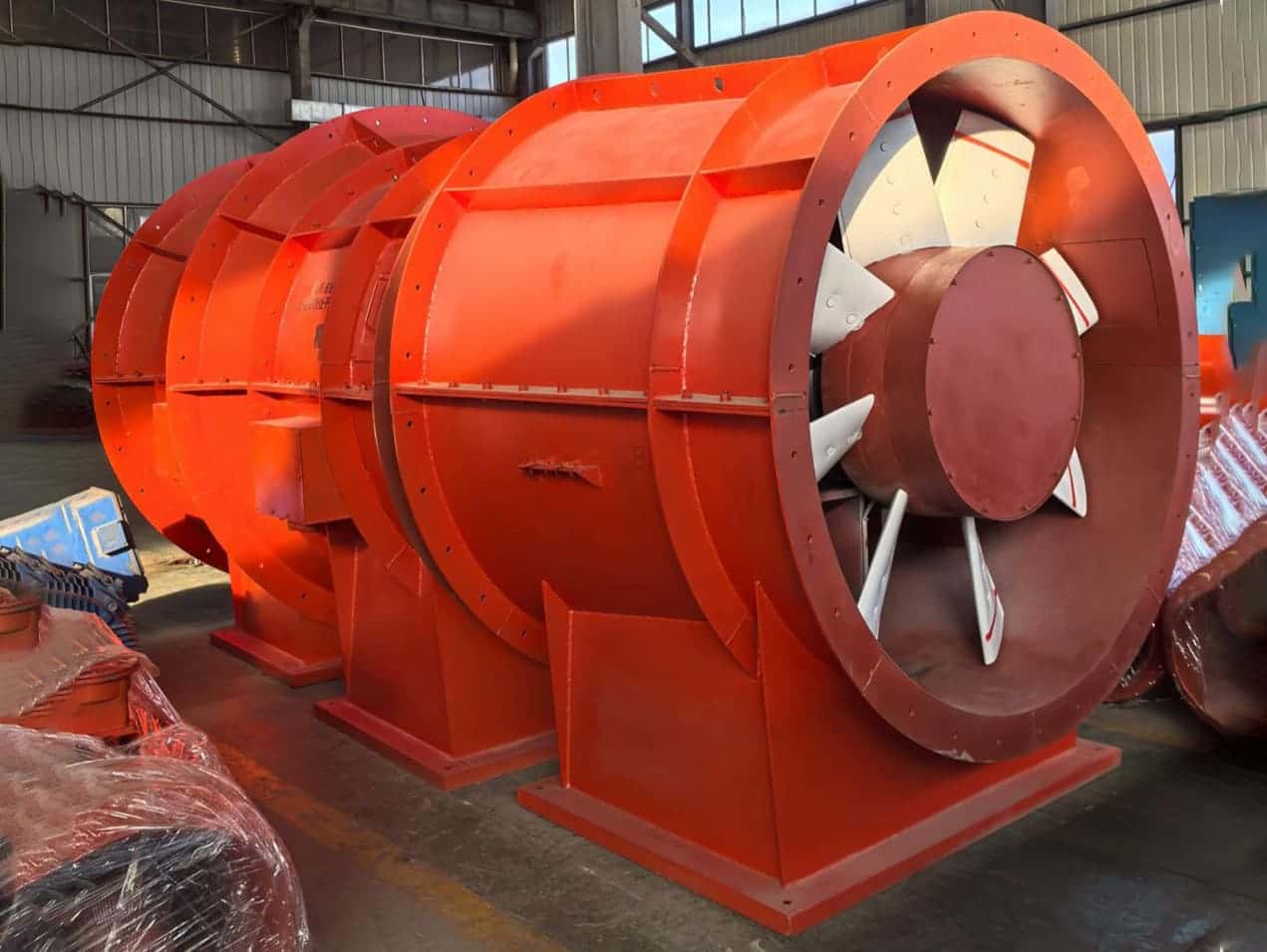
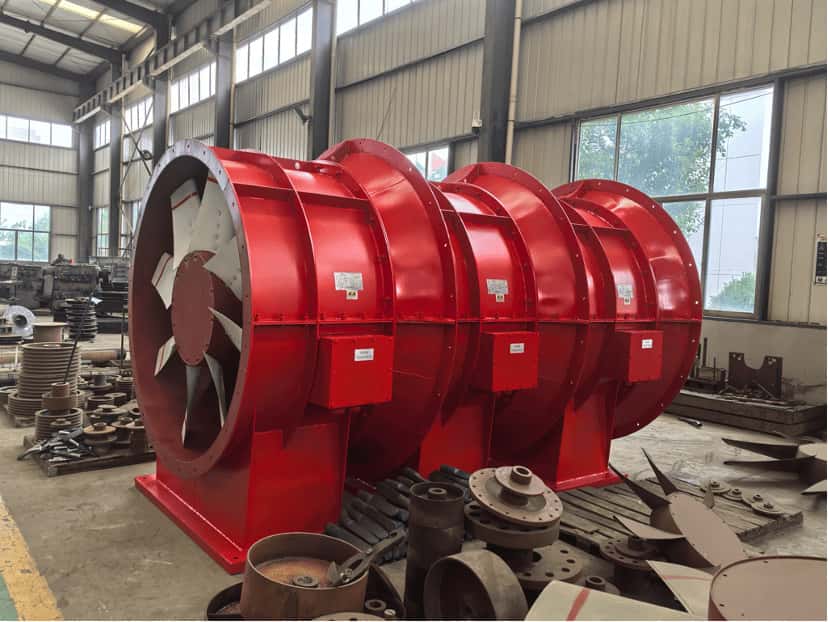
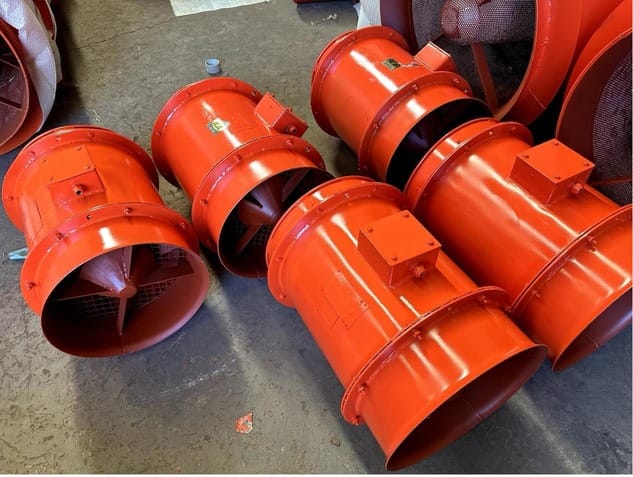
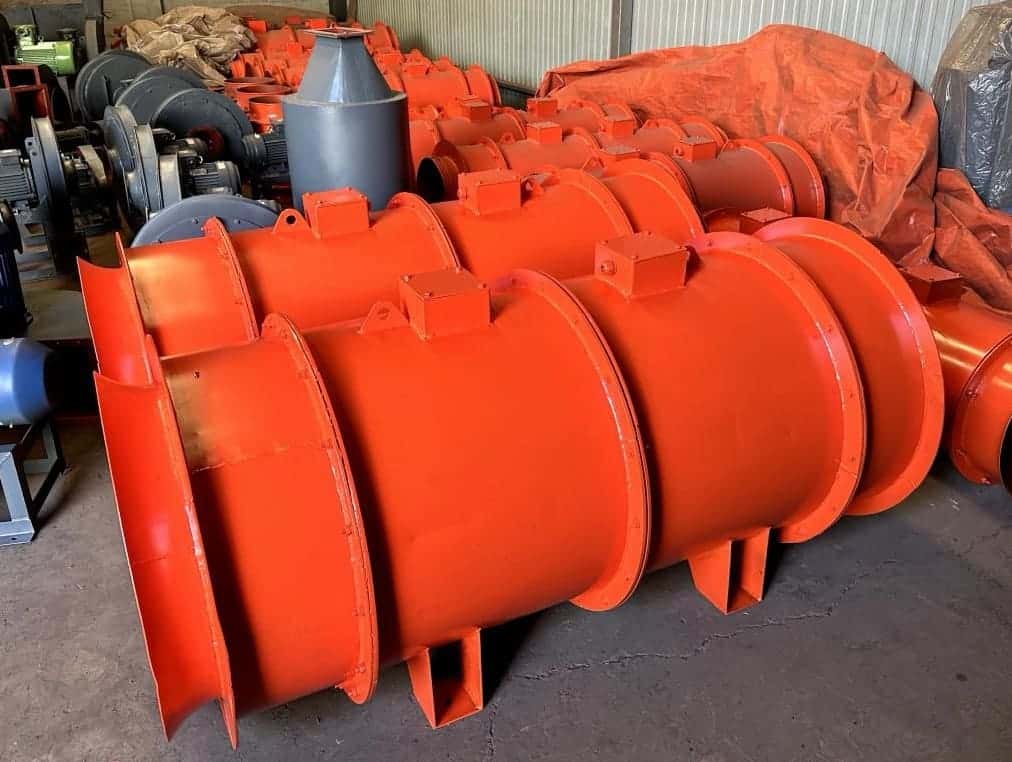
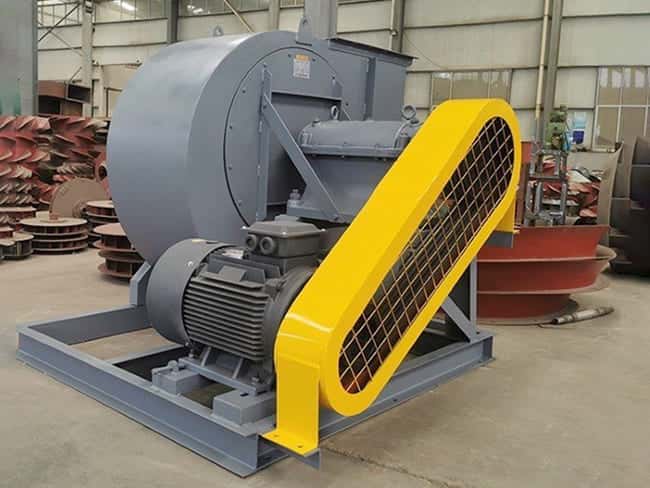
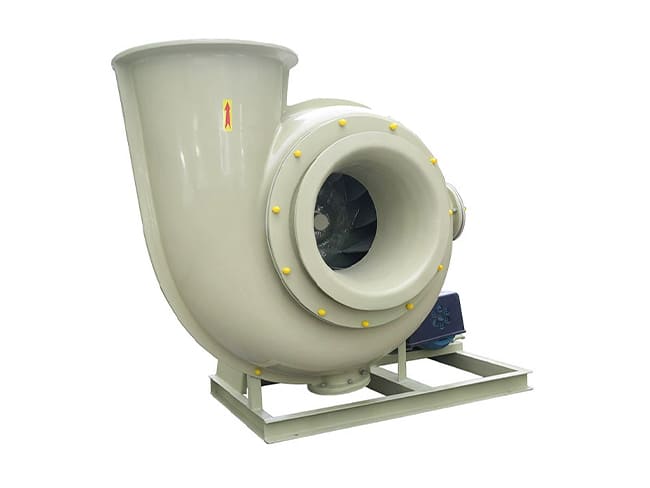
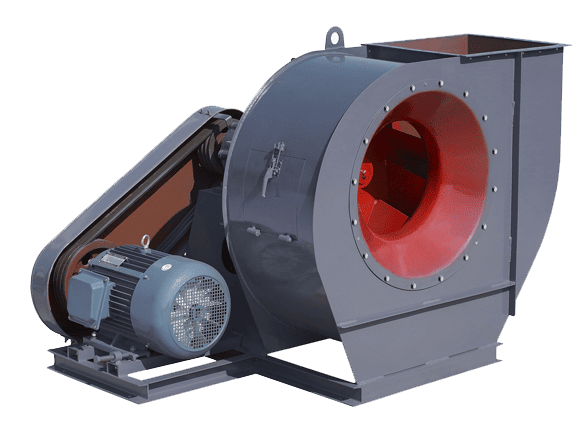
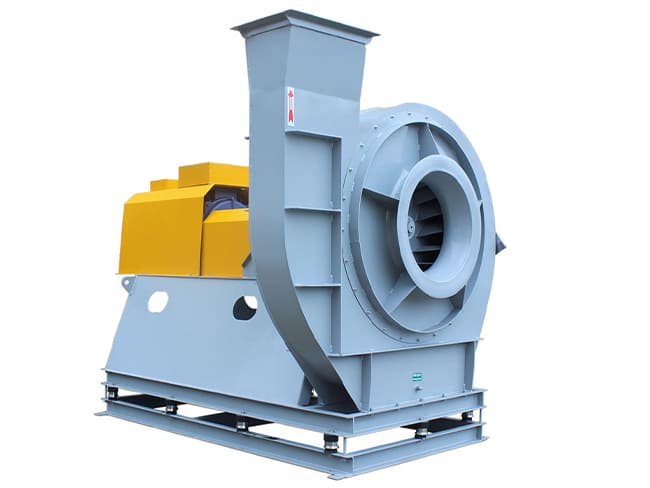
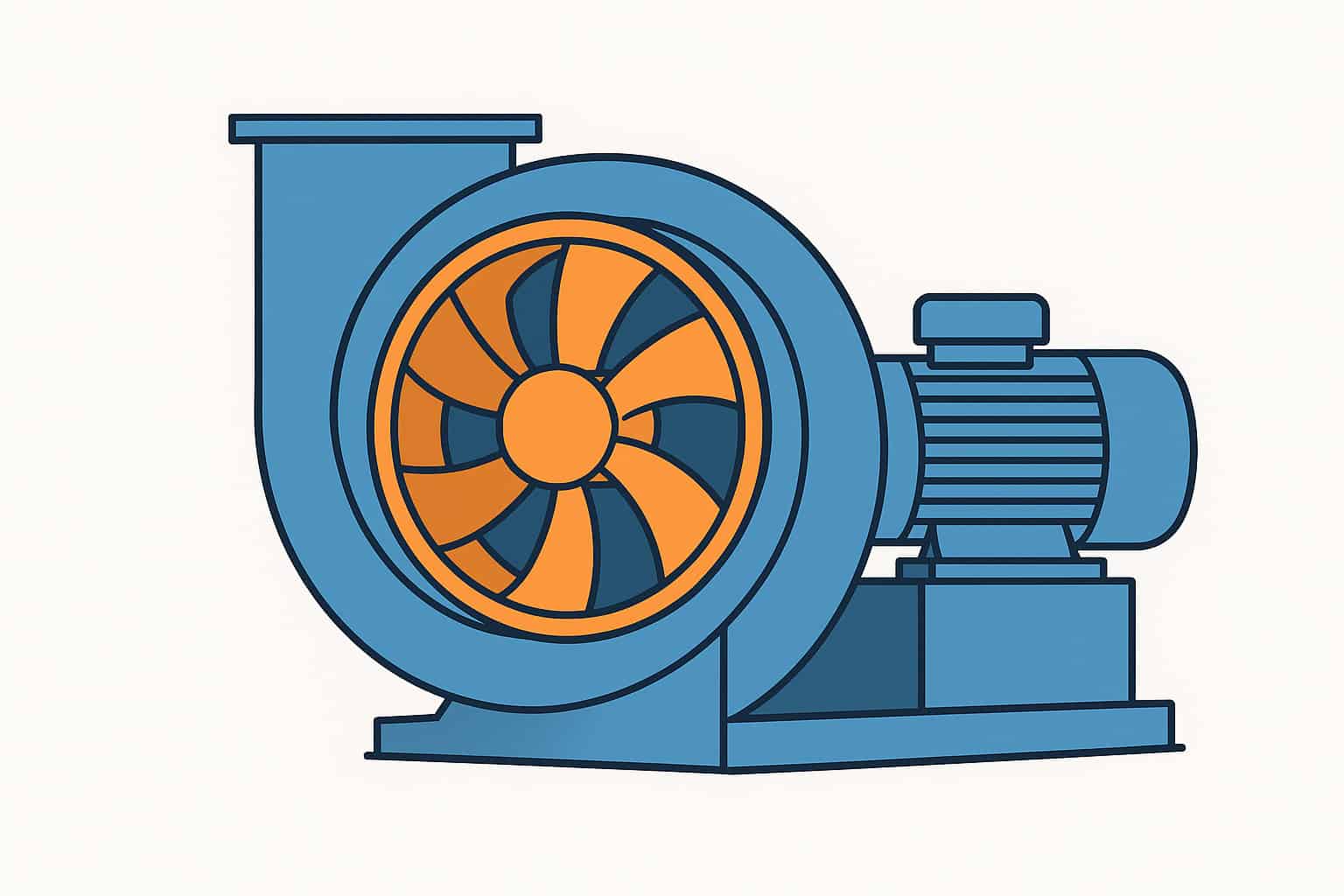
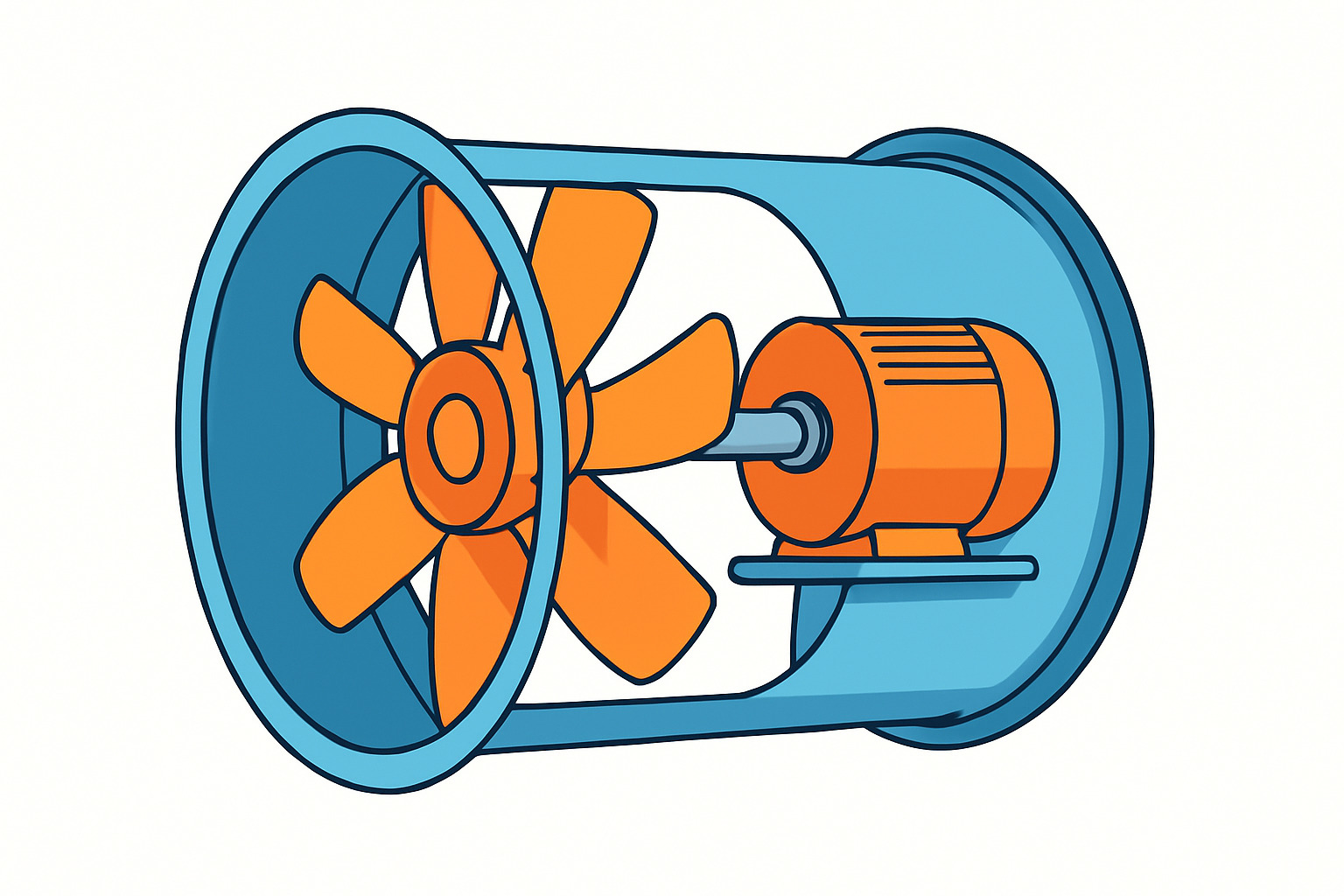
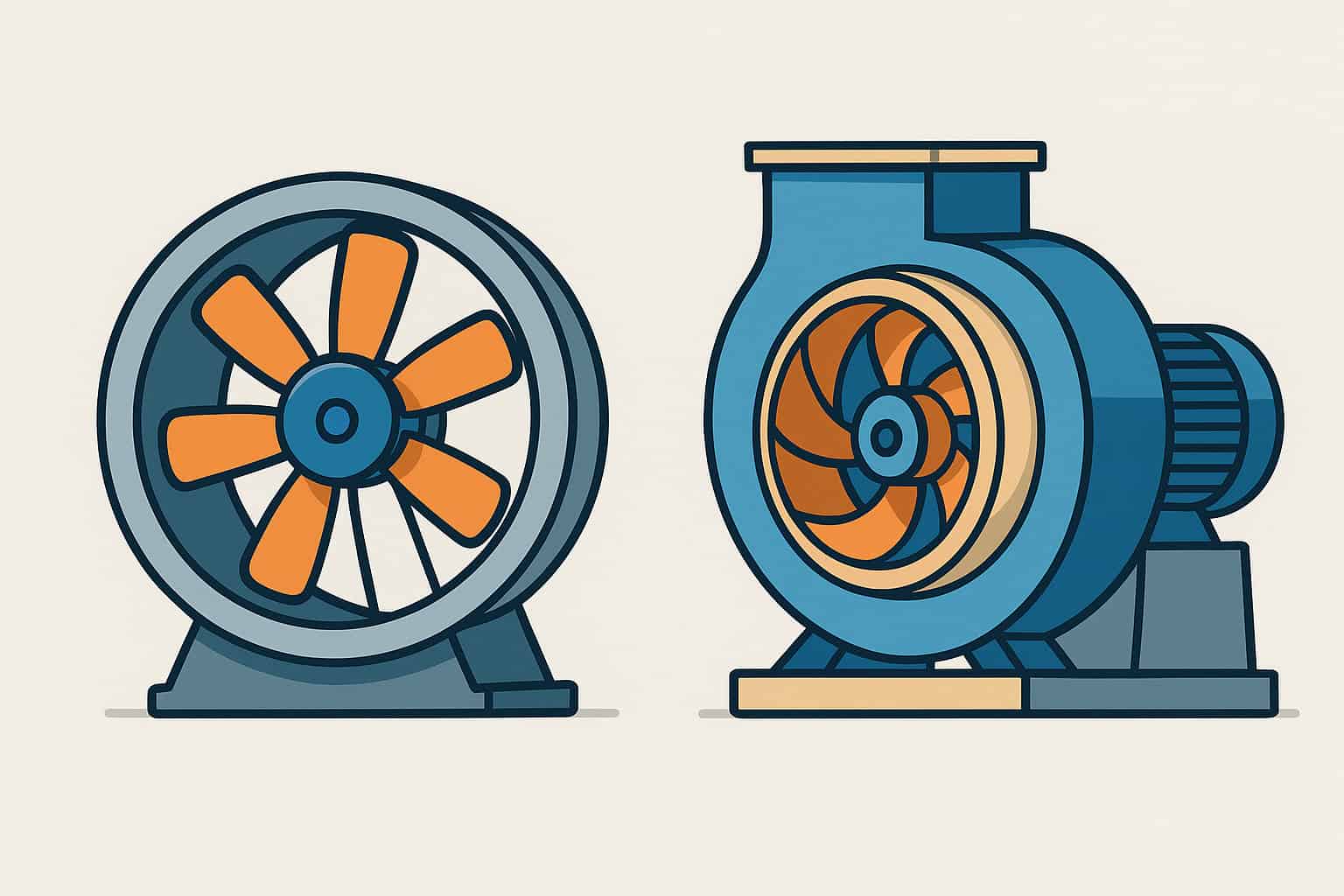
5. Easier compliance and energy optimisation. Good ventilation makes it easier to comply with health and safety regulations that specify minimum airflow, maximum contaminant levels and acceptable working conditions. When a system is well designed, with correctly selected axial and centrifugal fans, it can also be operated efficiently using controls and ventilation-on-demand strategies. This reduces energy waste and helps owners demonstrate that they are managing both safety and operating costs responsibly.
In summary, the five key benefits of good ventilation are safe air quality, better comfort, higher productivity, improved equipment reliability and smoother regulatory compliance with the potential for energy savings. Together, these benefits make proper ventilation one of the most important investments in any industrial or mining operation.
