
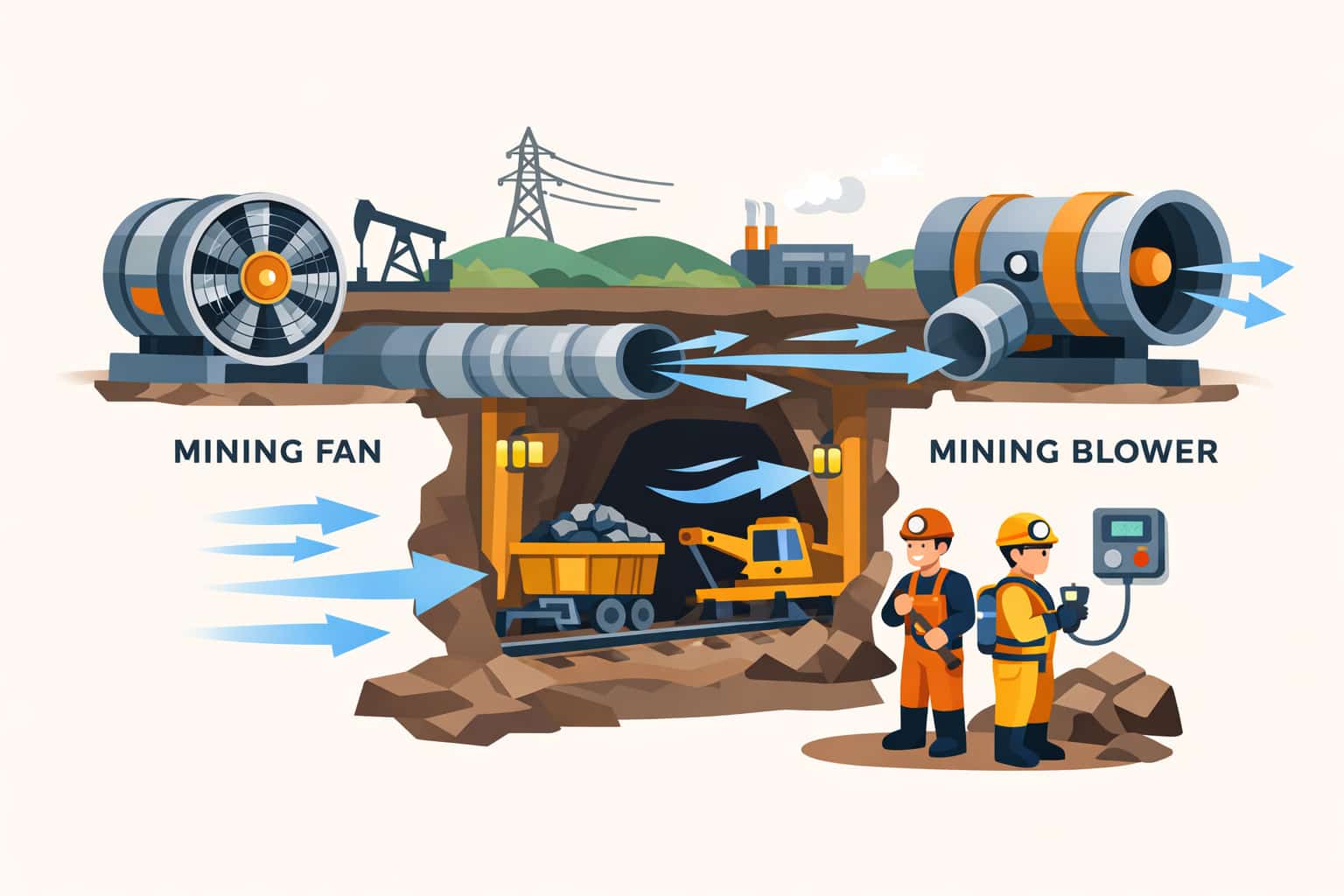
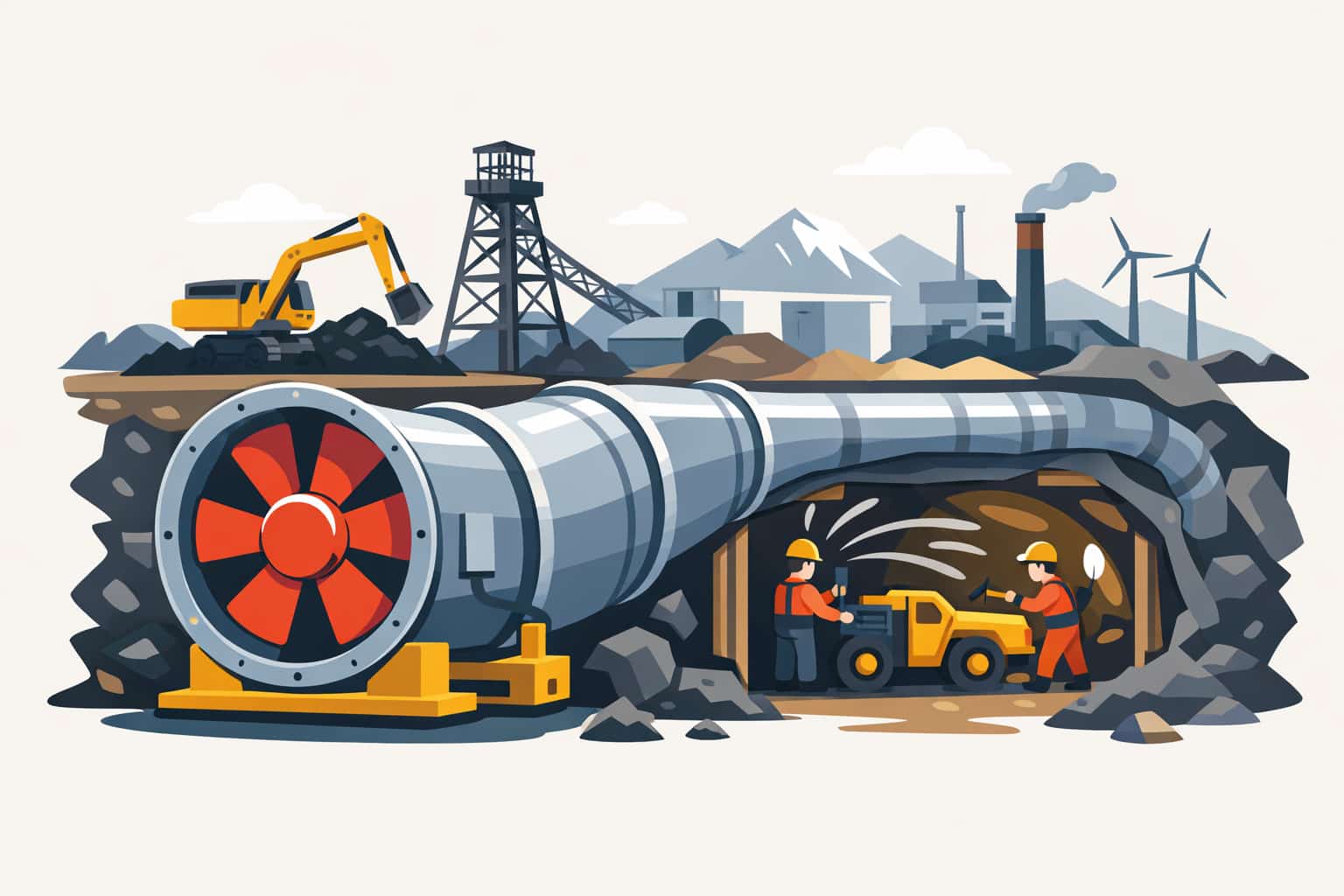
When people ask about the best types of fans, the honest answer is that no single fan type is best for every situation. The “best” fan is the one that delivers the required airflow and pressure safely, efficiently and reliably for a specific application. In industrial plants and mines, several fan types are commonly used, each with its own strengths.
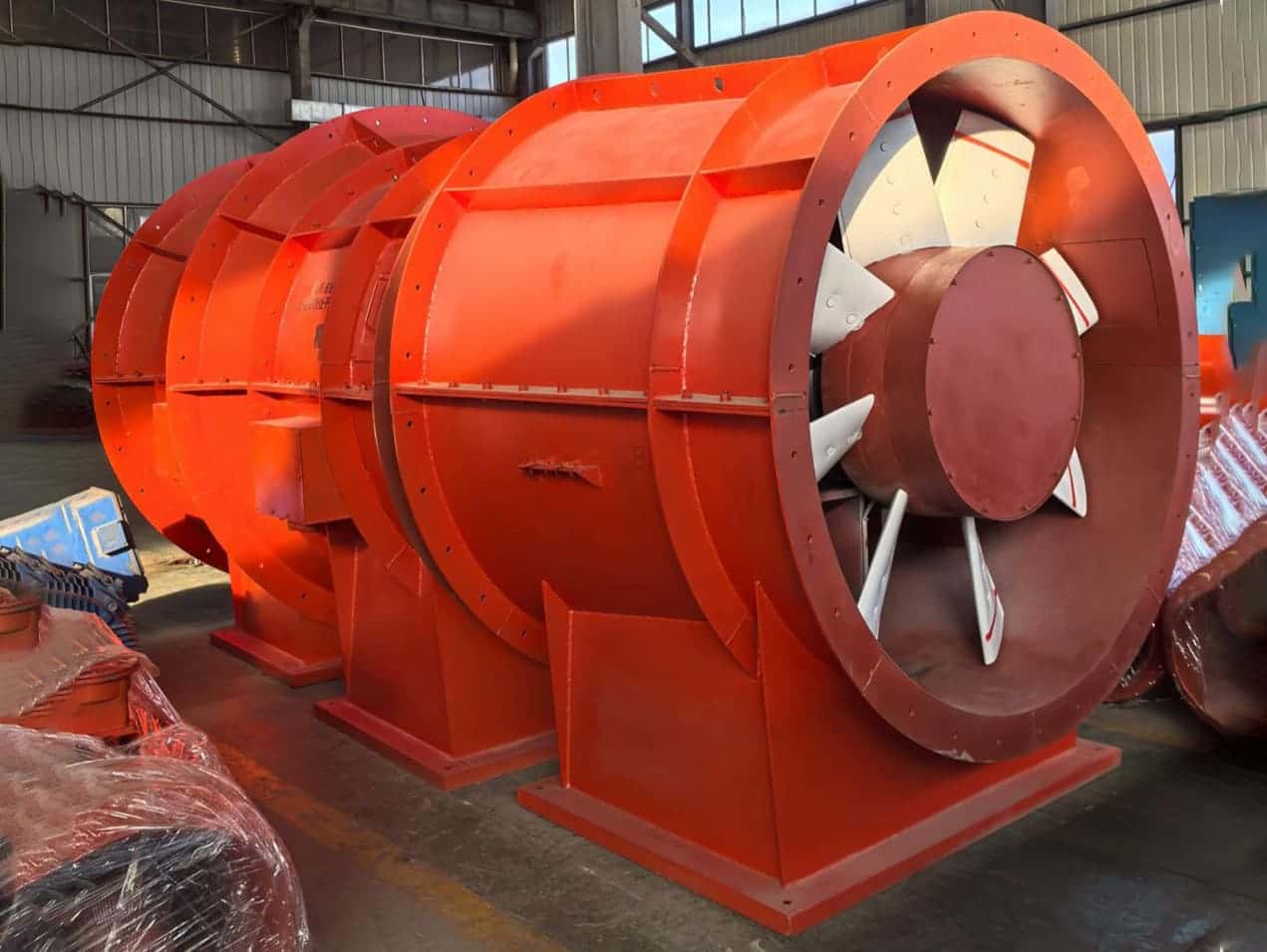
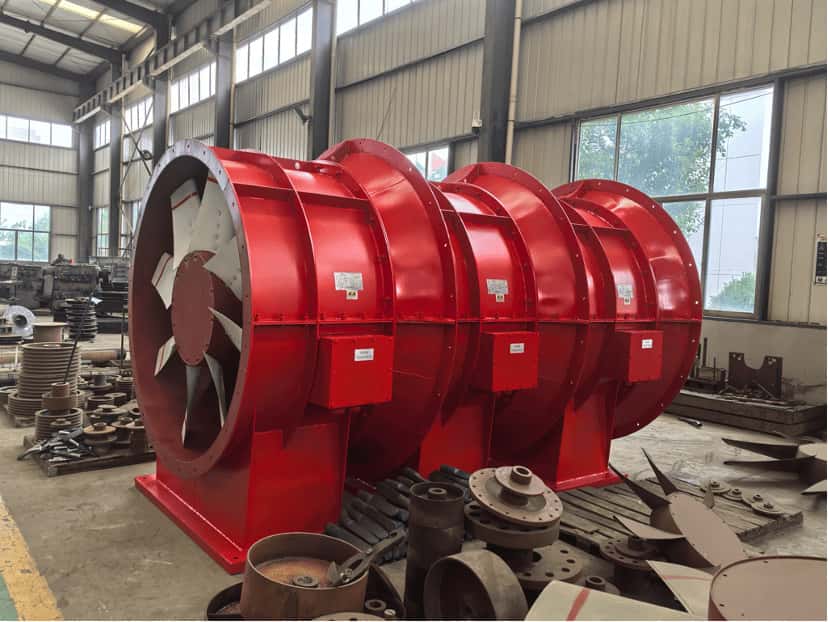
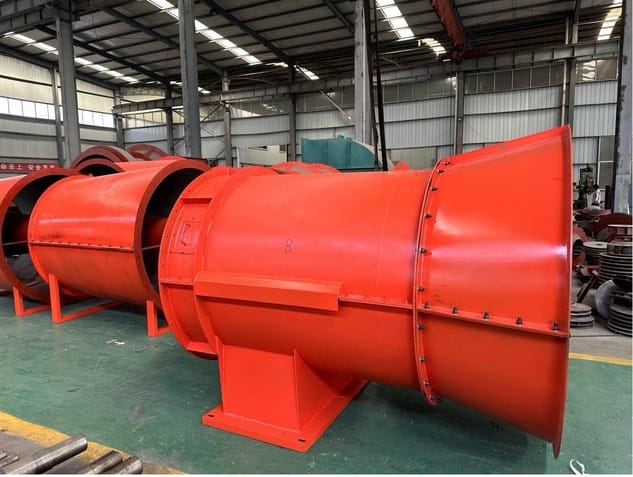
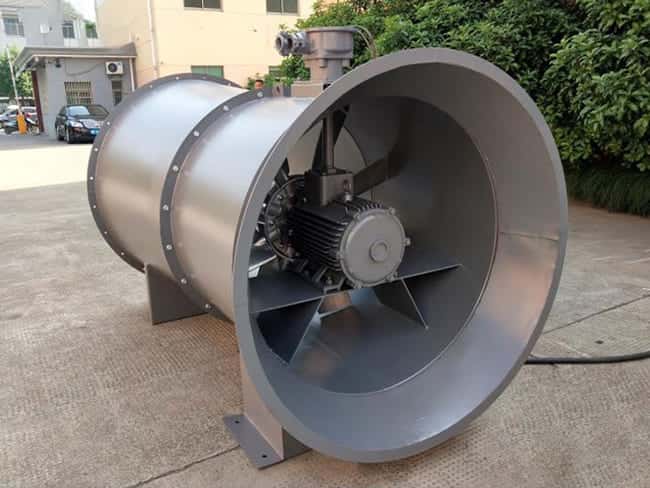
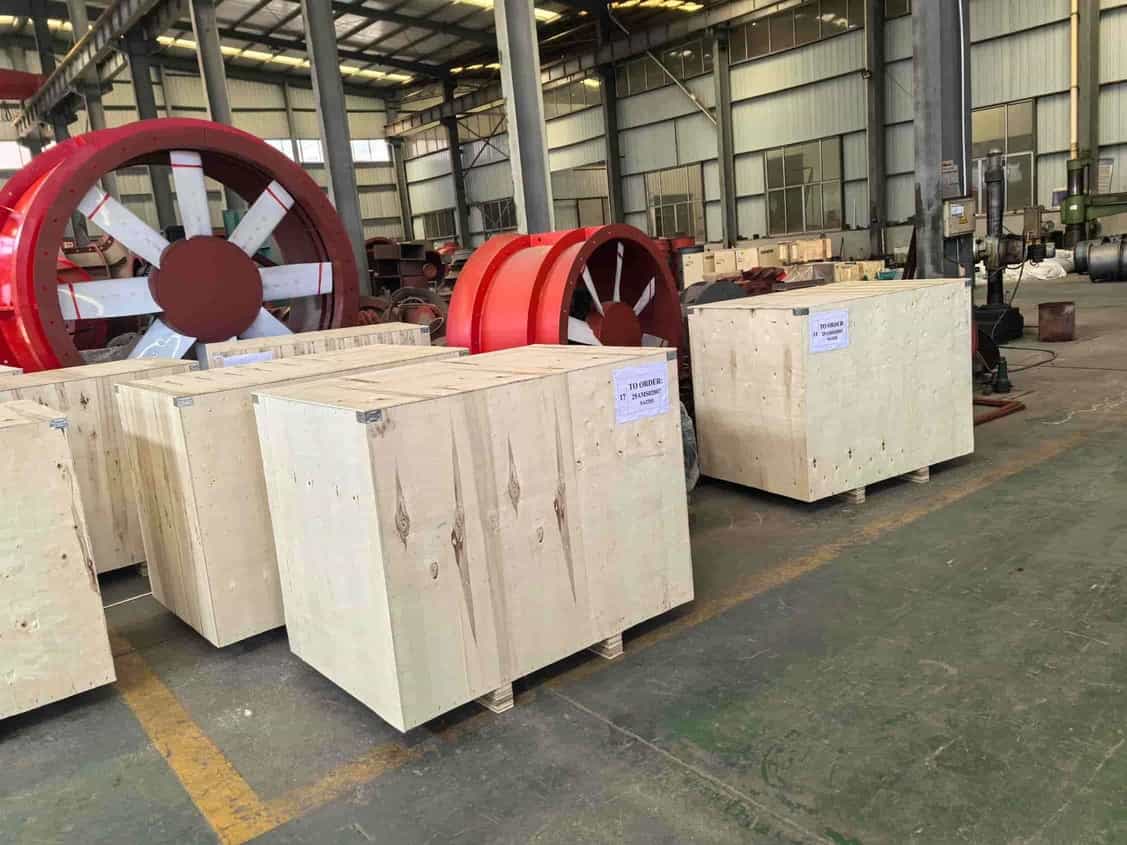
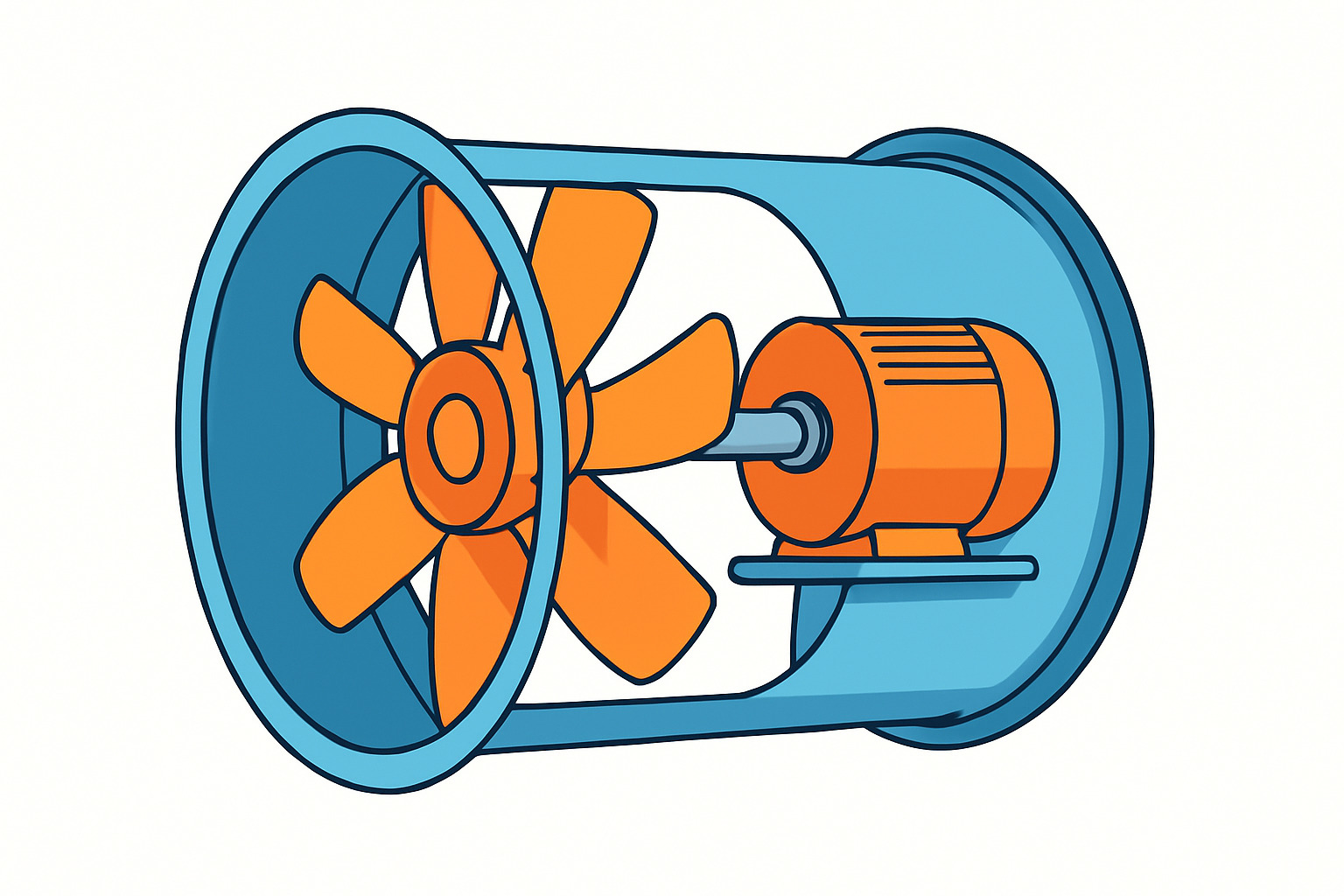
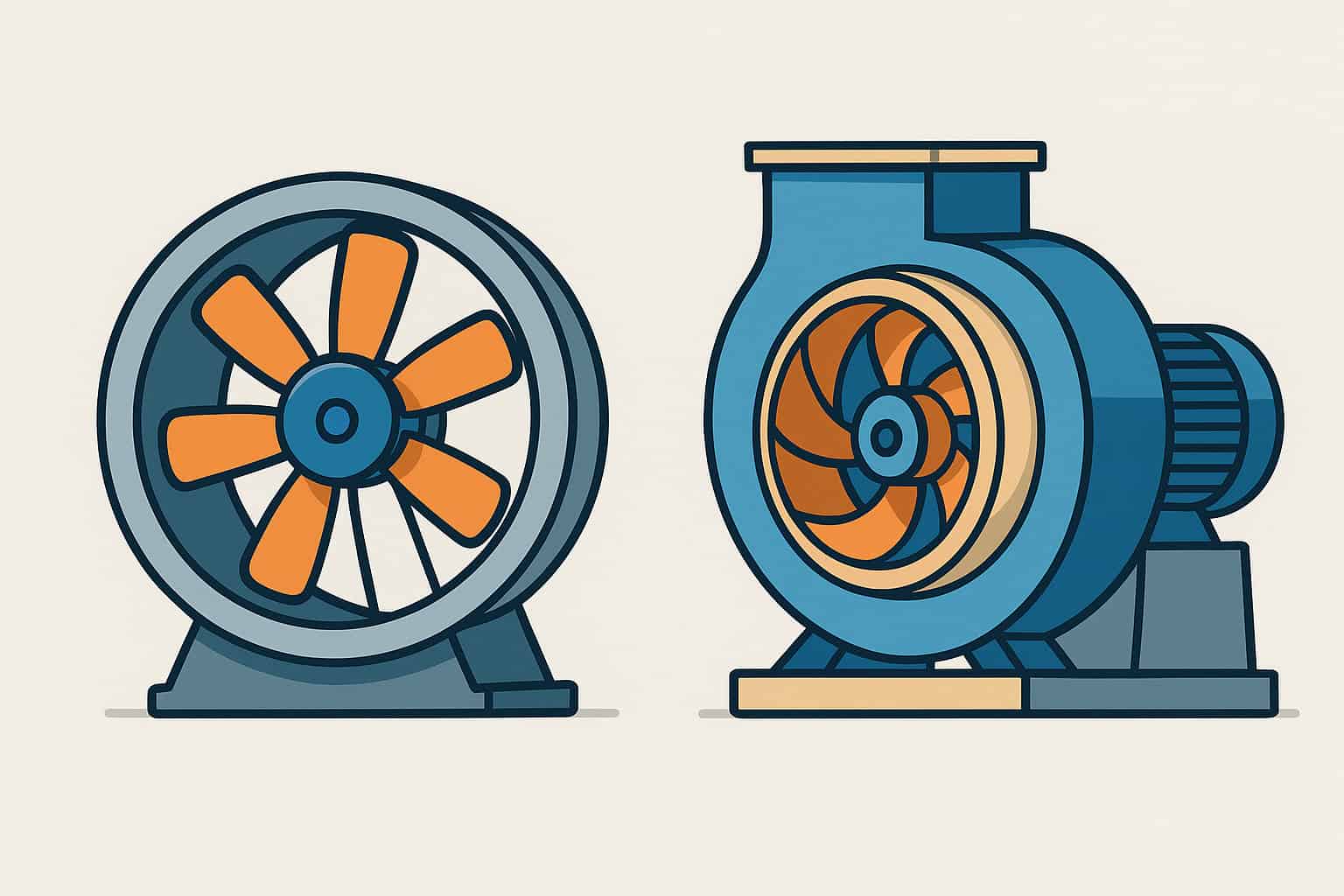
Axial fans move air in a straight line along the shaft, like a propeller. They are usually the best choice for high-volume, low to medium pressure duties such as main mine fans, tunnel ventilation, large building supply air and general exhaust where resistance is moderate. Axial fans are relatively compact for the airflow they provide and can be very efficient when selected properly.
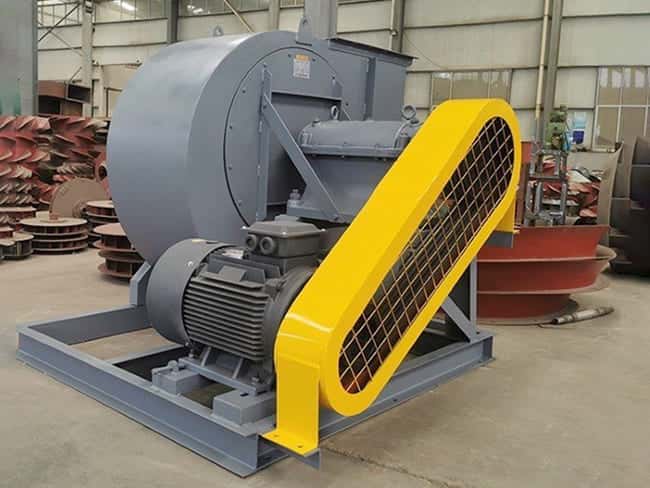
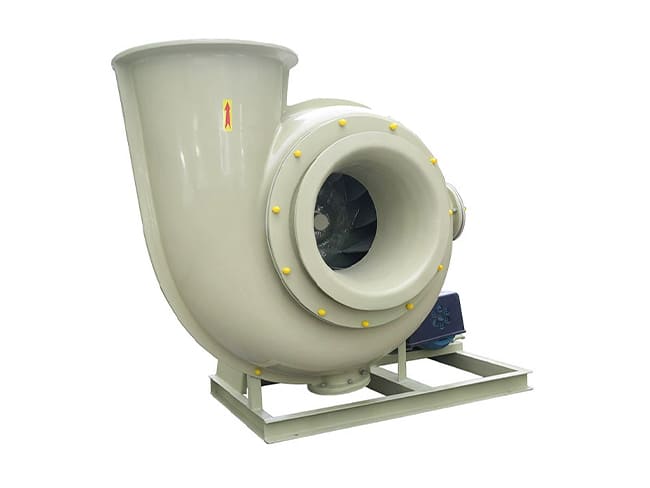
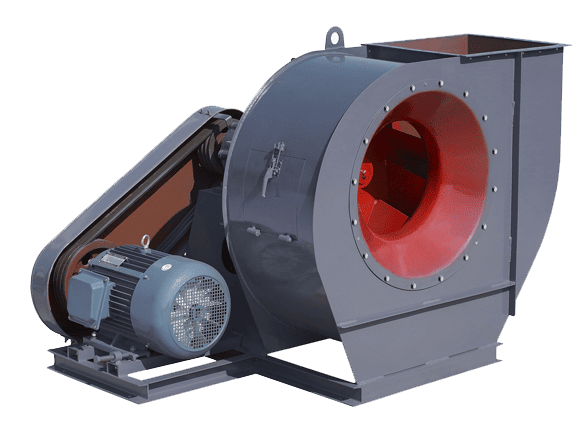
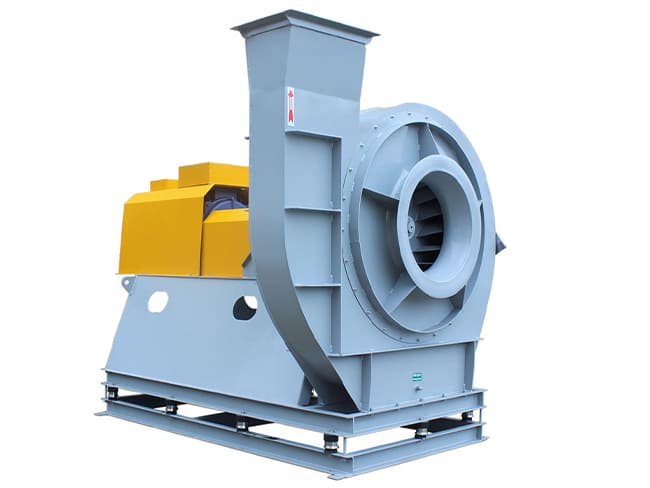
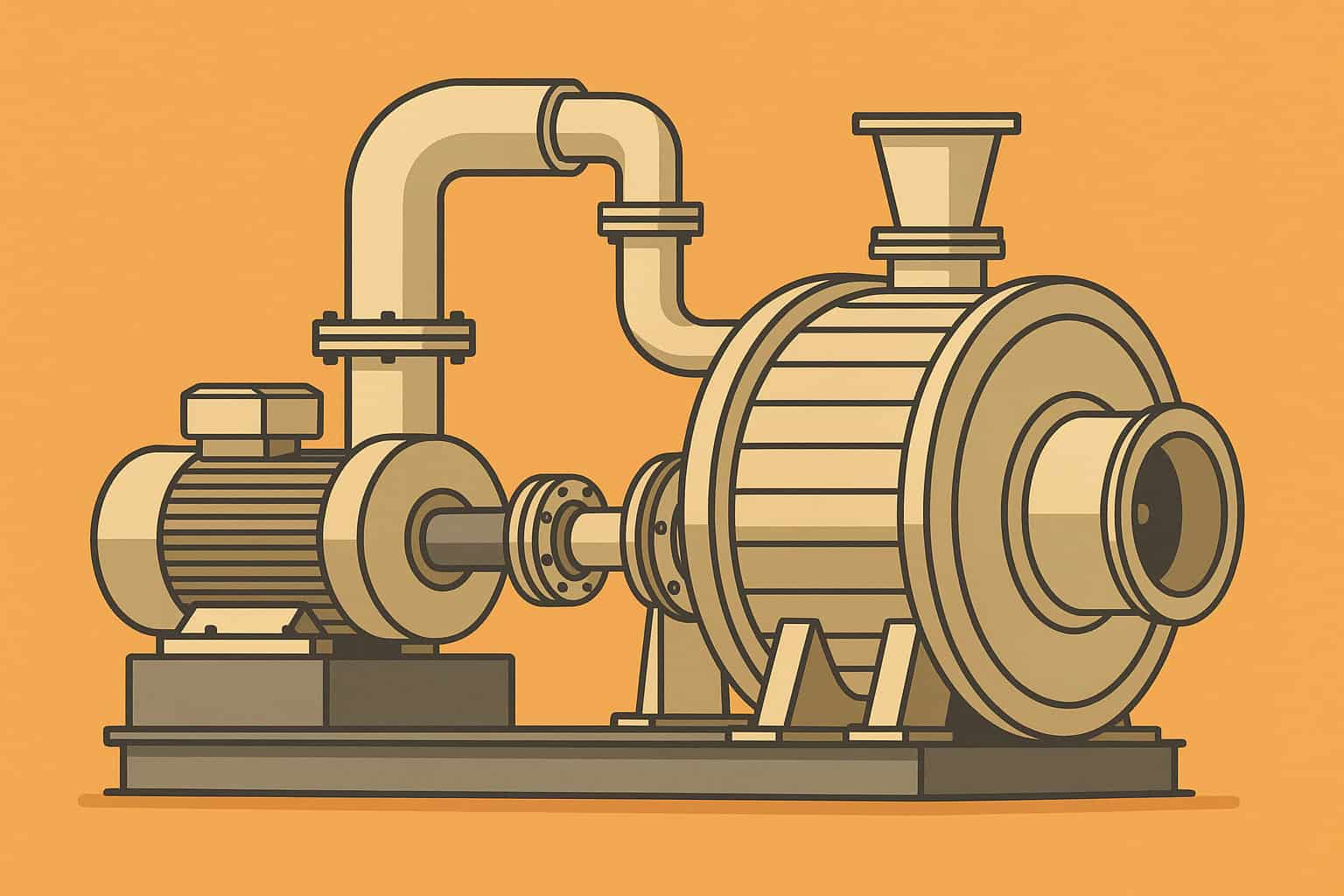
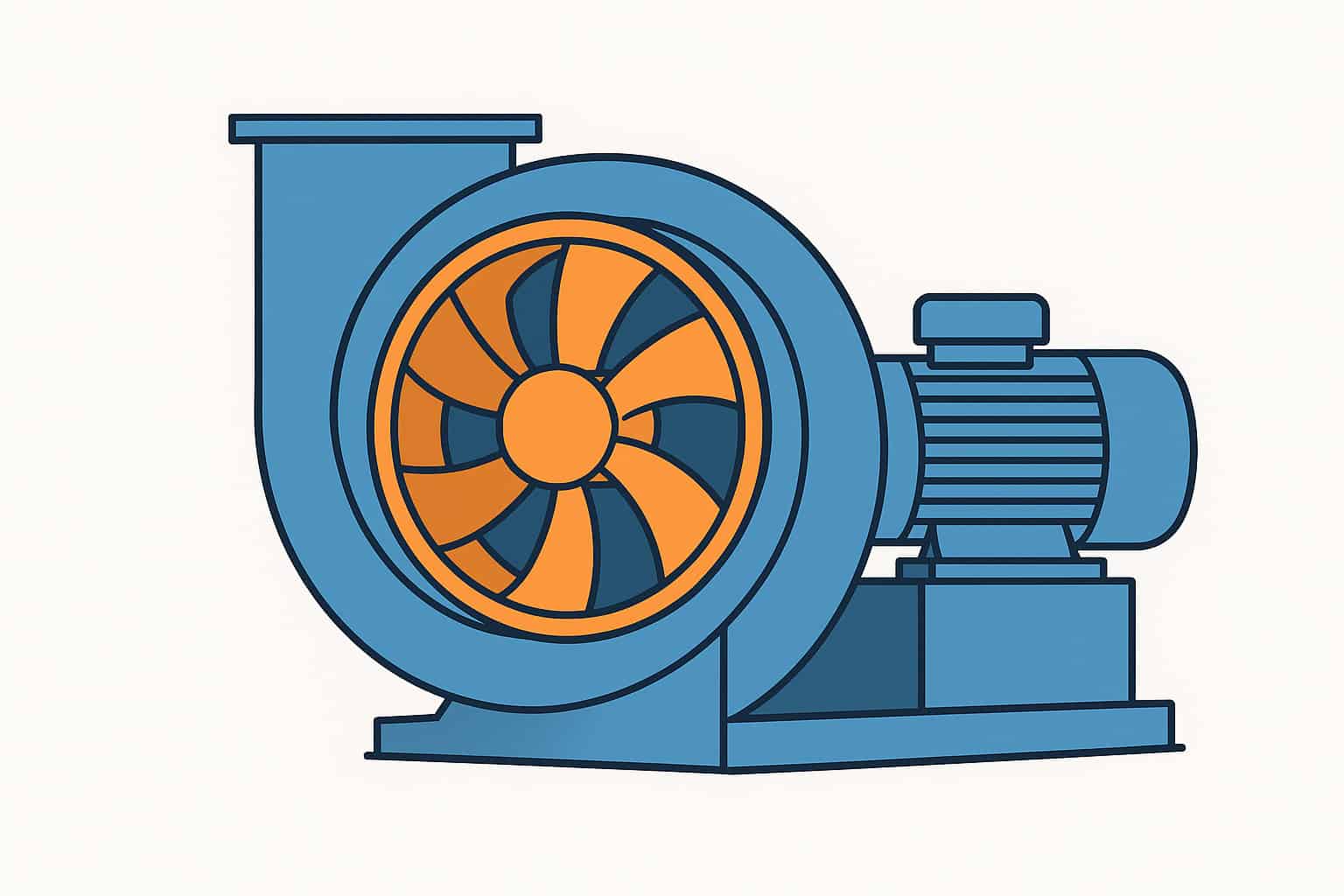
Centrifugal fans (or blowers) draw air in near the shaft and discharge it radially. They are often the best option when the system includes high resistance from long ducts, filters, heat exchangers, cyclones or scrubbers. Different impeller designs—backward-curved, forward-curved and radial-blade—are available for clean, dusty or abrasive air. In dust collection, process exhaust and many industrial systems, centrifugal fans are the preferred solution.
Mixed-flow fans combine characteristics of axial and centrifugal designs. The airflow path is partly axial and partly radial, which allows mixed-flow fans to deliver higher pressures than pure axial fans while remaining more compact than some centrifugal units. They can be the best choice where space is limited but moderate to high pressure is required, for example in certain ducted industrial or underground applications.
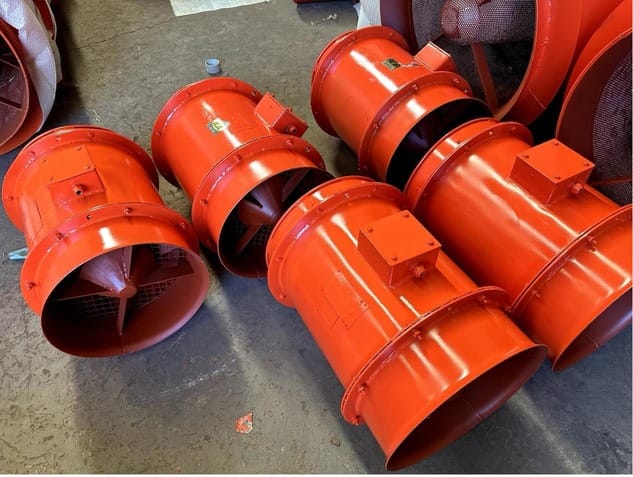
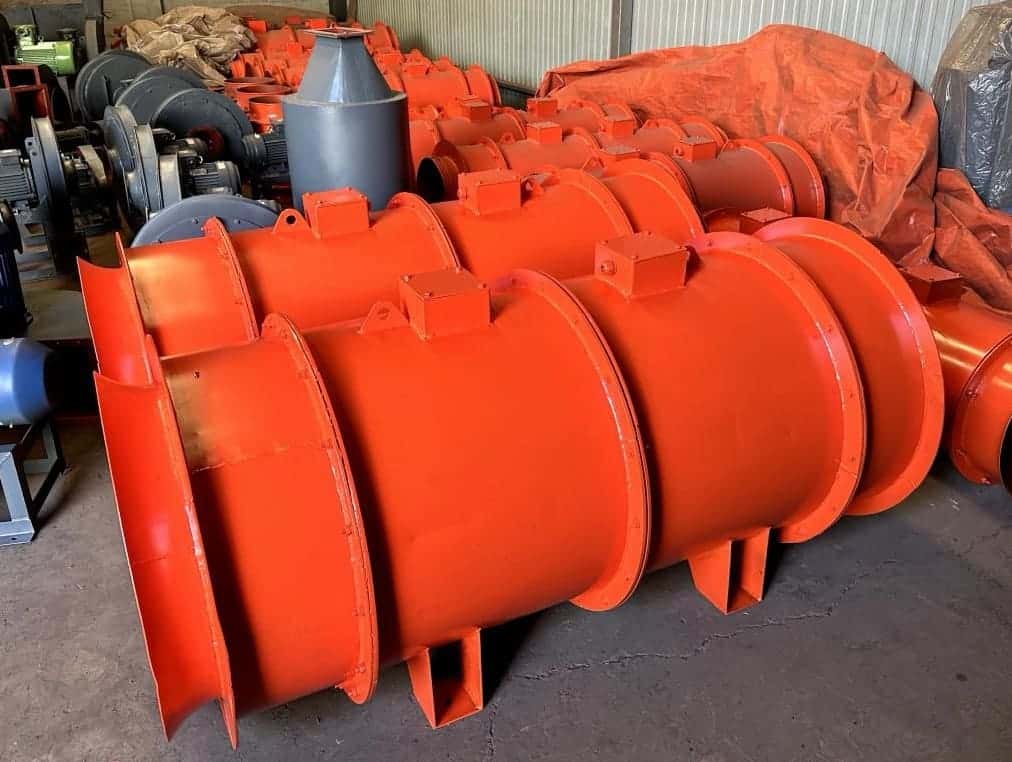
Inline duct fans are installed directly inside circular or rectangular ducts. They may be axial or mixed-flow and are useful when you need to boost airflow in long duct runs without adding large external housings. In some mine and tunnel systems, inline booster fans are used inside ducts or pipes to extend ventilation to remote areas.
For large open spaces such as warehouses, loading halls or workshops, high-volume low-speed (HVLS) fans are often the best type for air circulation and comfort. These are large-diameter, slow-turning ceiling fans that move a lot of air gently, improving temperature uniformity and perceived cooling without creating strong drafts.
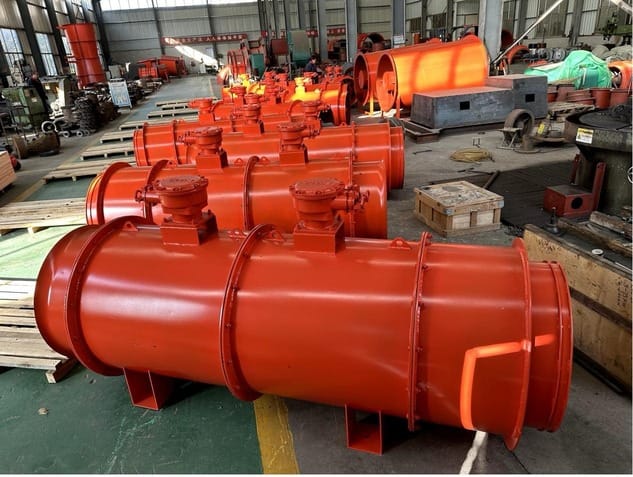
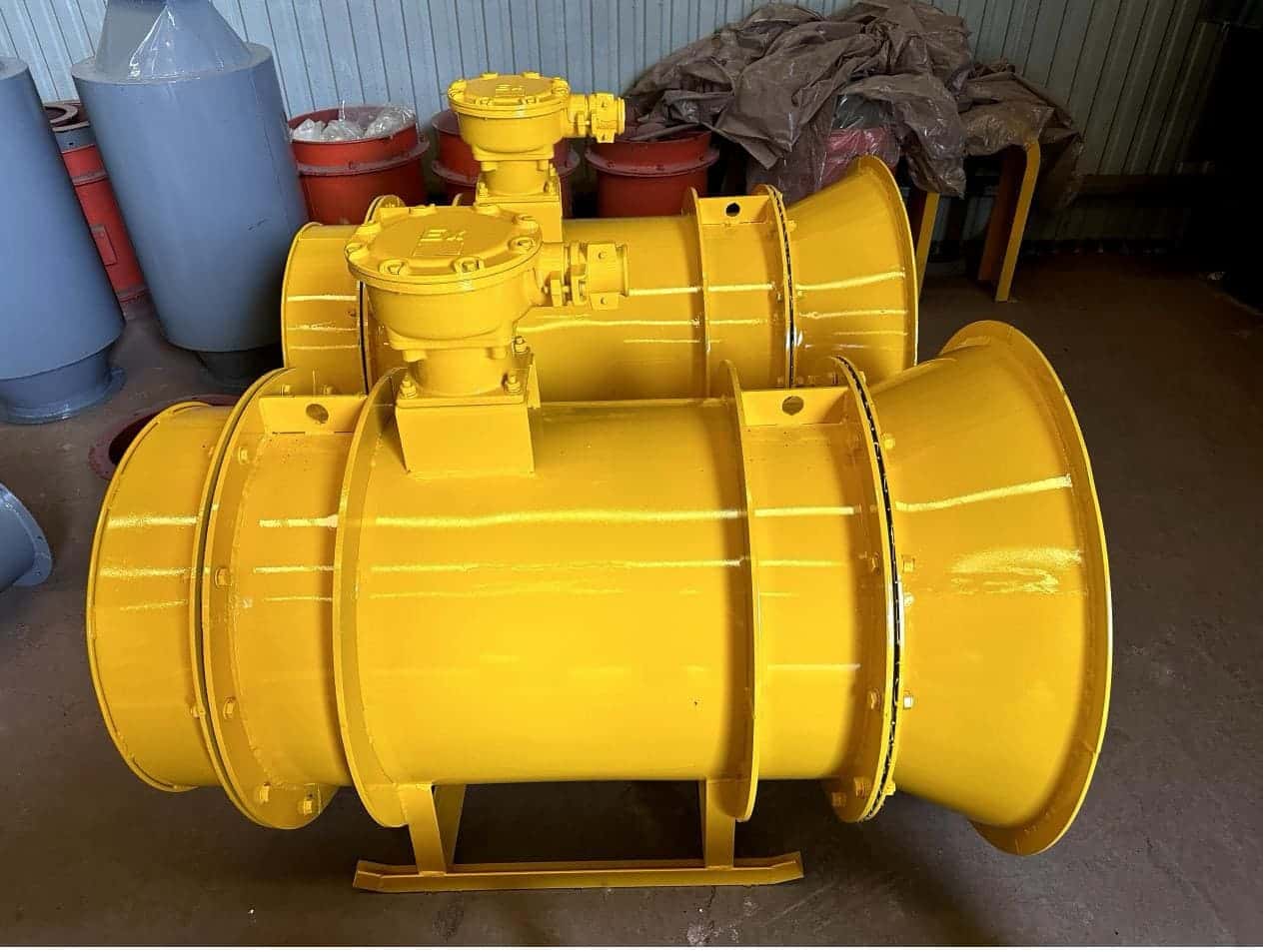
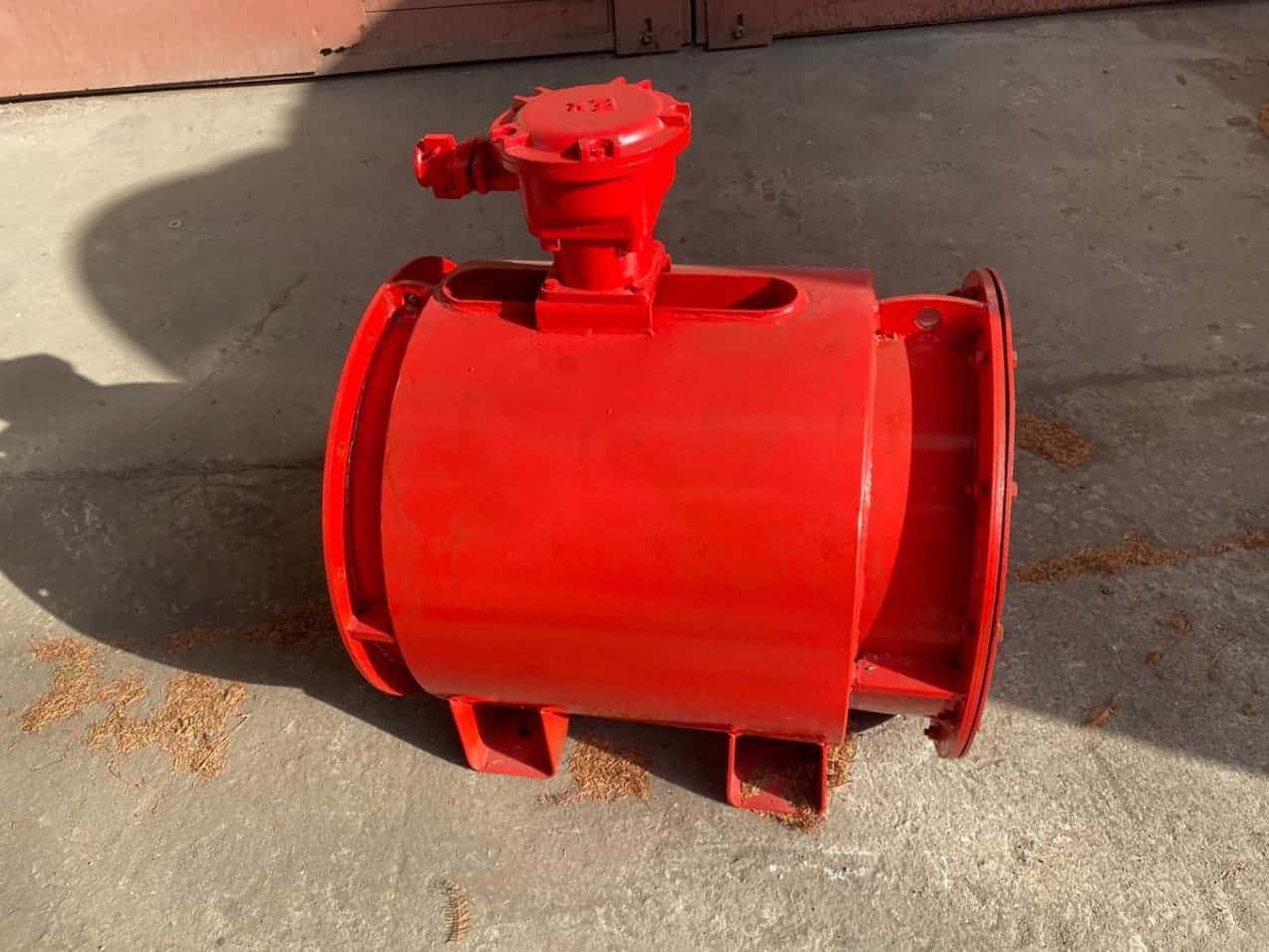
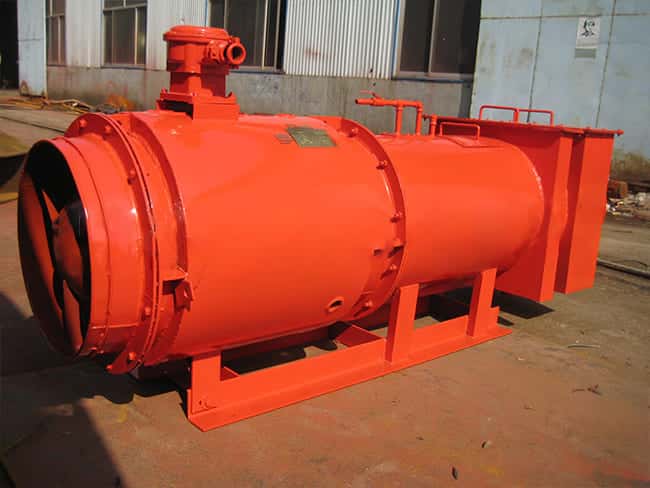
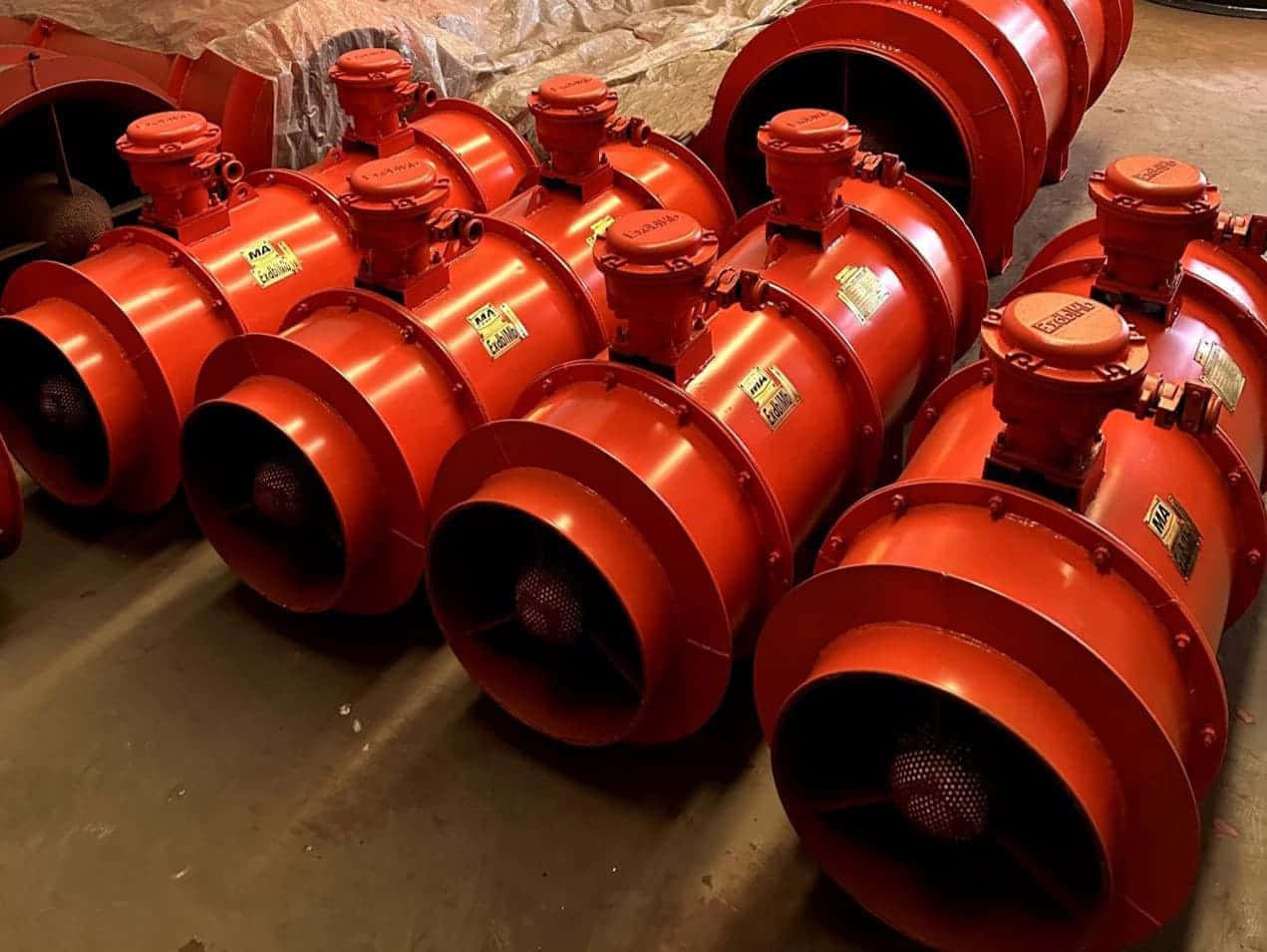
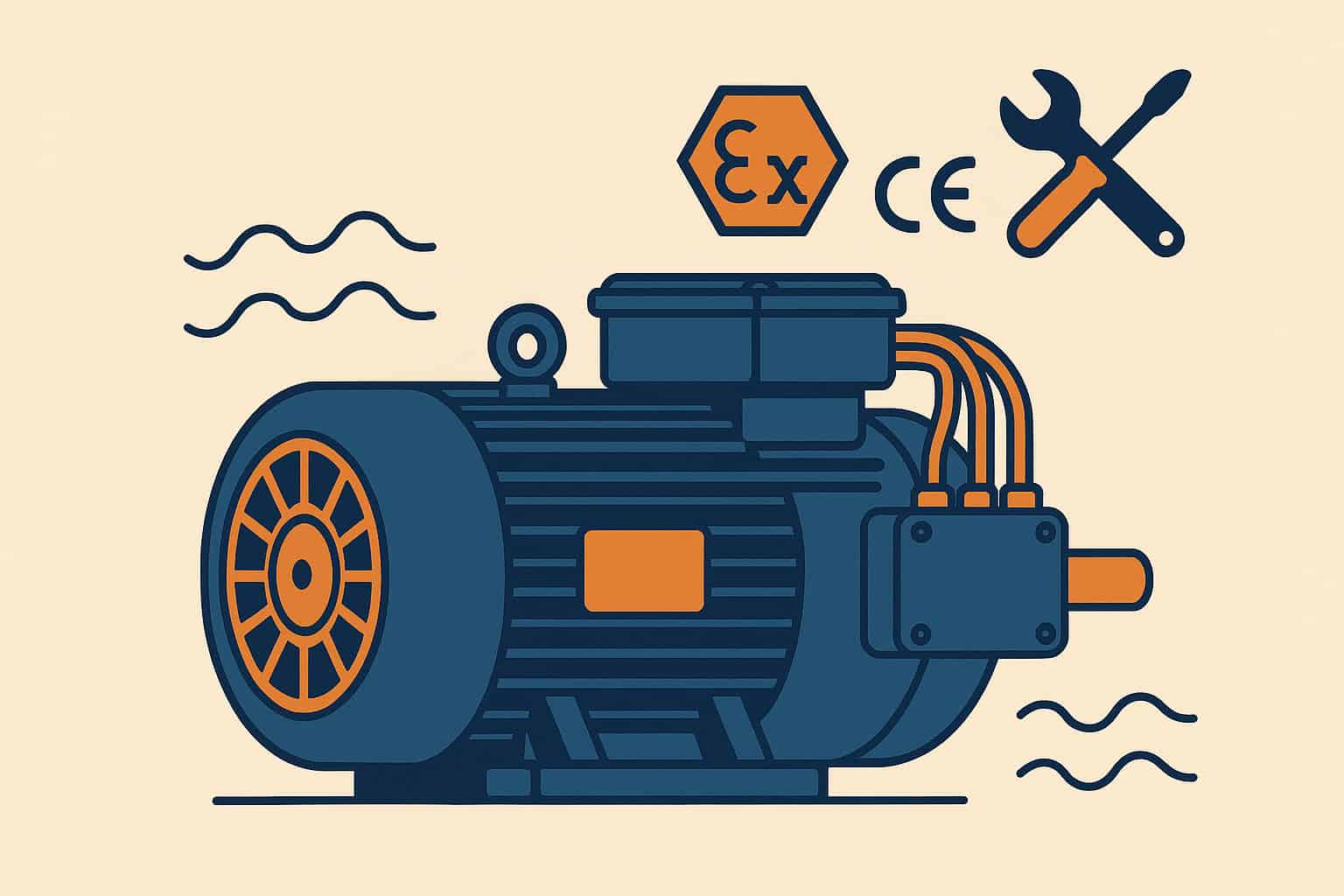
In hazardous or corrosive environments, the best fan type is one that meets safety and material requirements: ATEX or explosion-proof fans for flammable gases and dust, corrosion-resistant fans for chemical fumes, and high-temperature fans for ovens and smoke control systems. Within each category, the best fan is still the one whose performance, efficiency, noise level and build quality match the project’s needs.
In summary, axial, centrifugal, mixed-flow, inline duct and HVLS fans can all be the “best” type, depending on whether the application demands high volume, high pressure, long duct runs, gentle air movement or strict safety and material standards.