
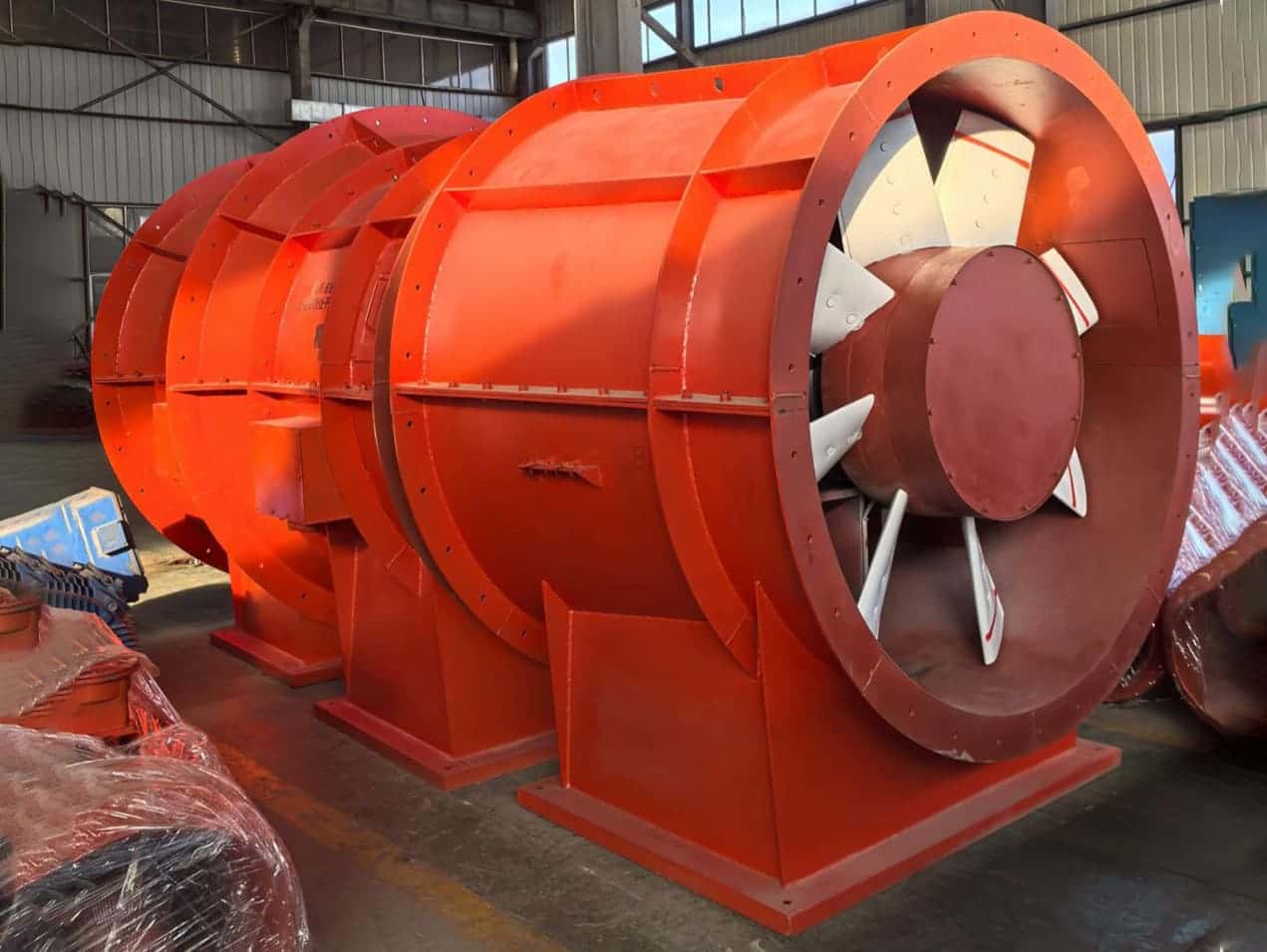
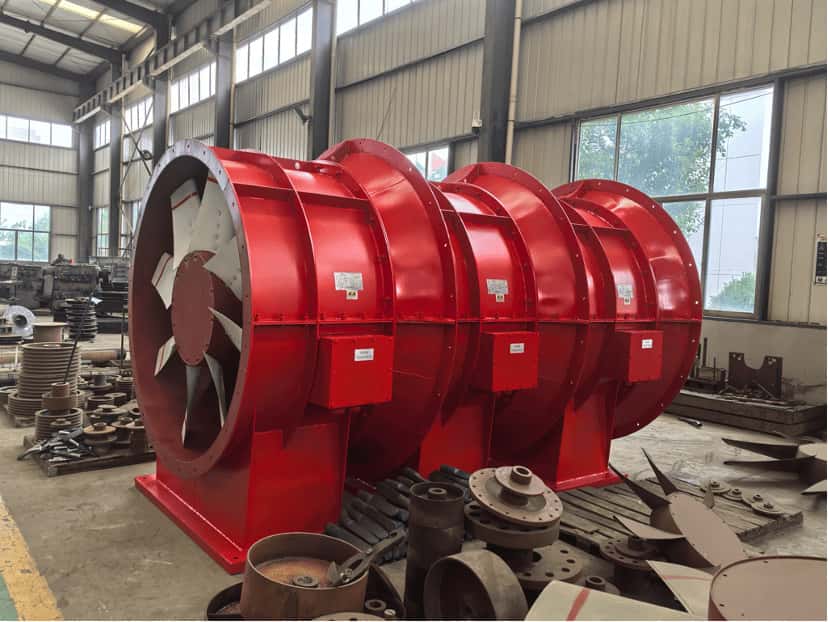
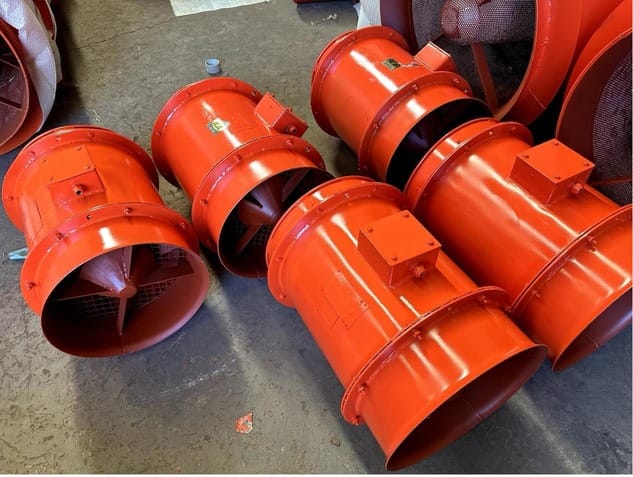
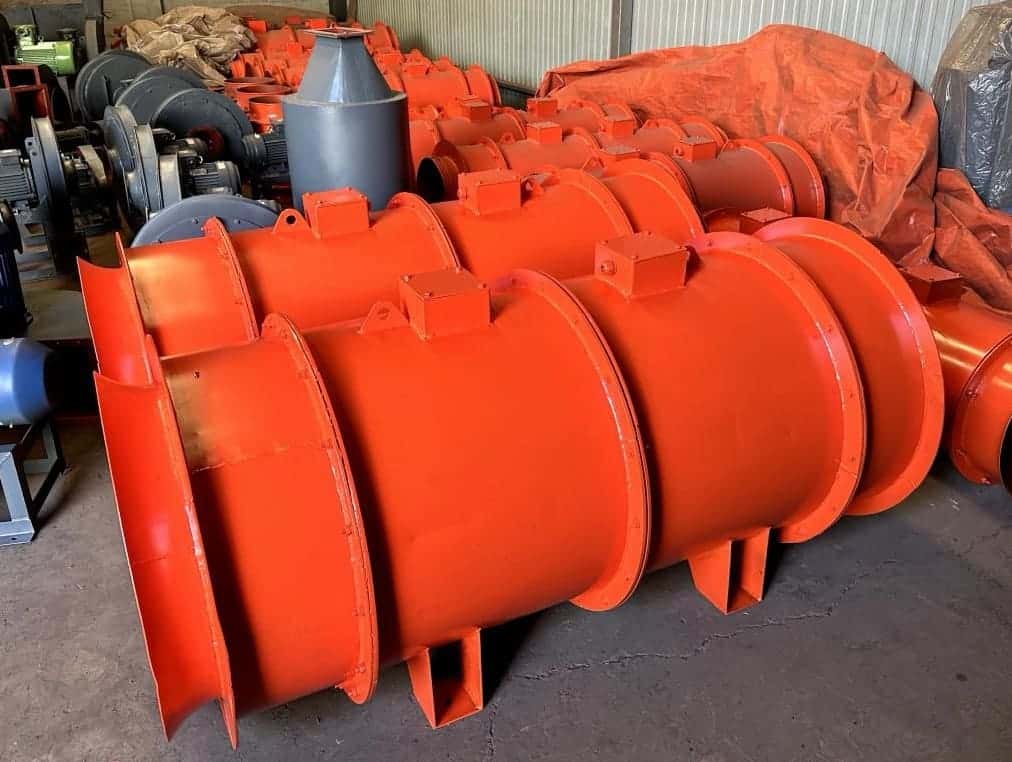
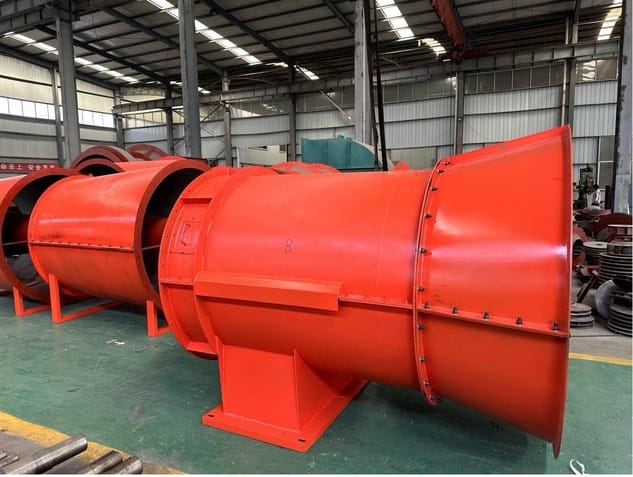
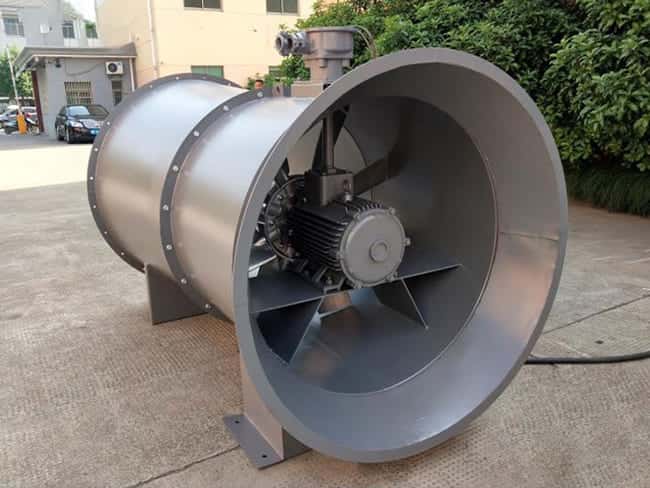
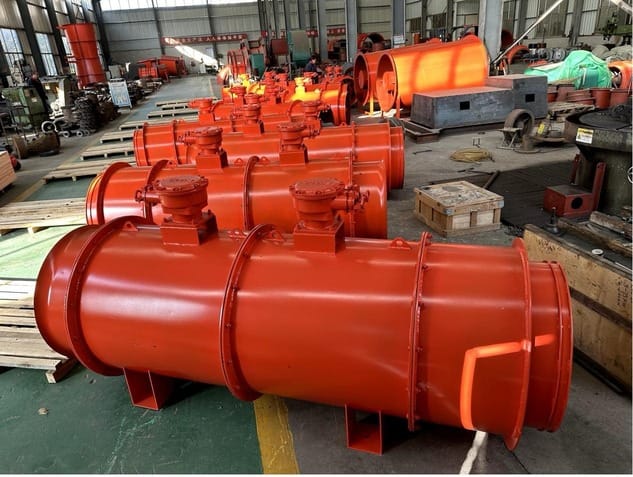
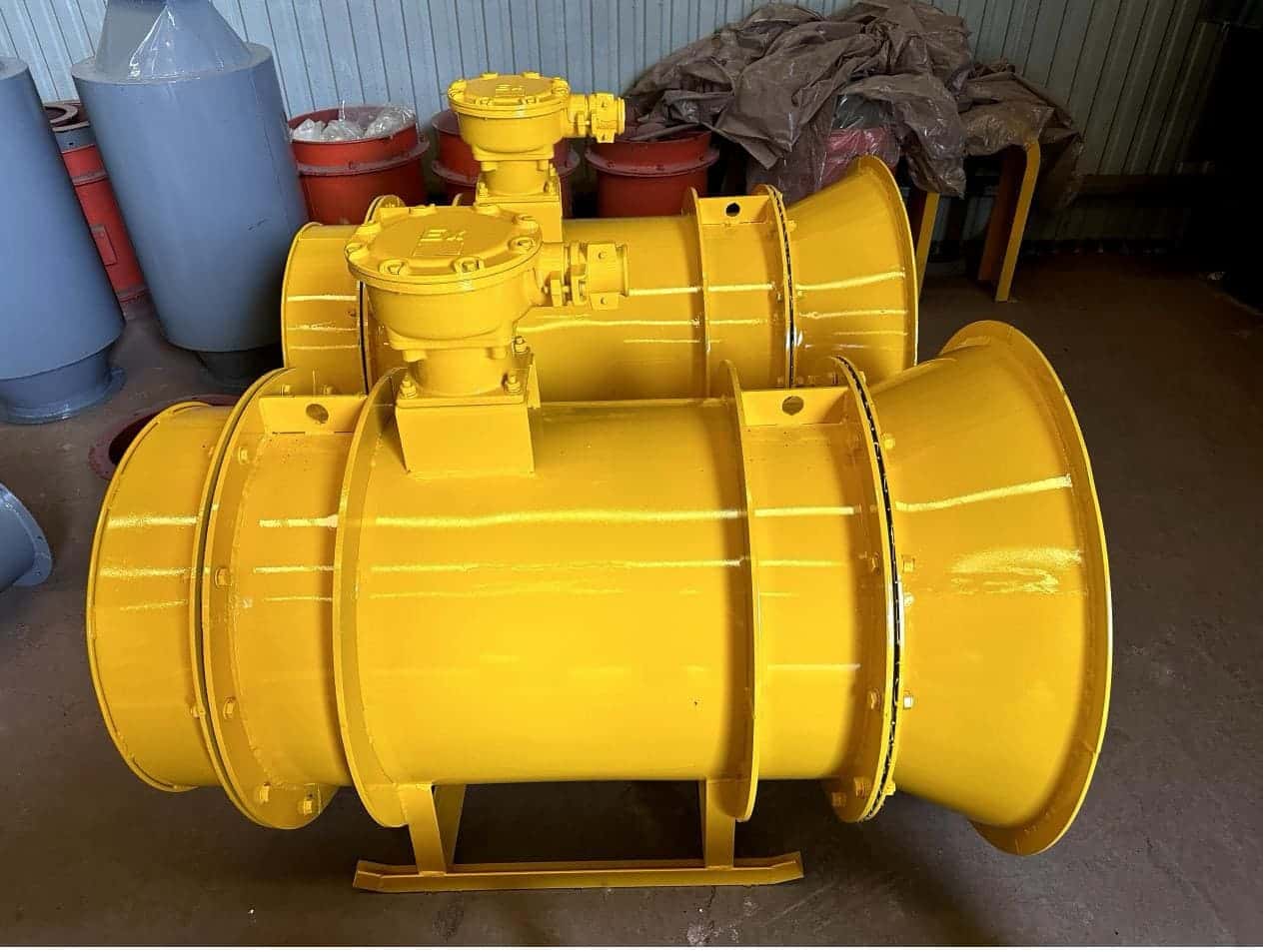
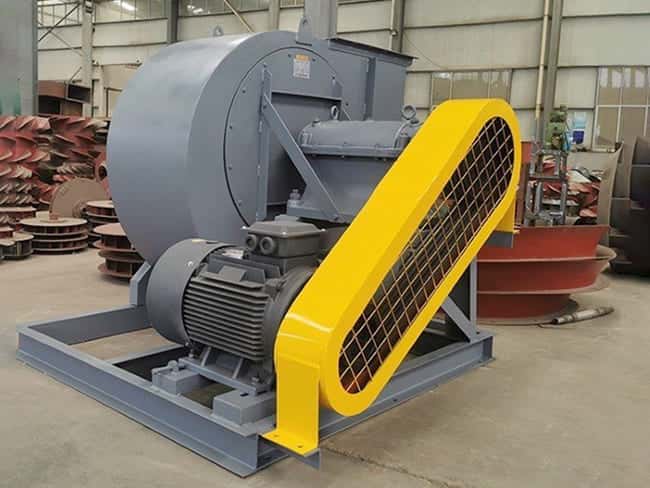
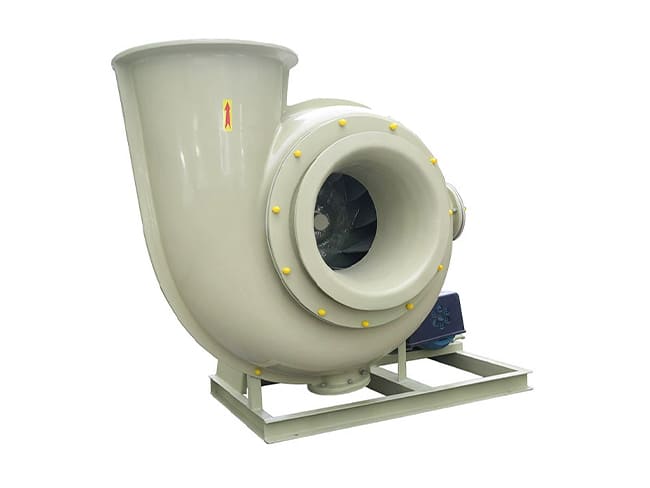
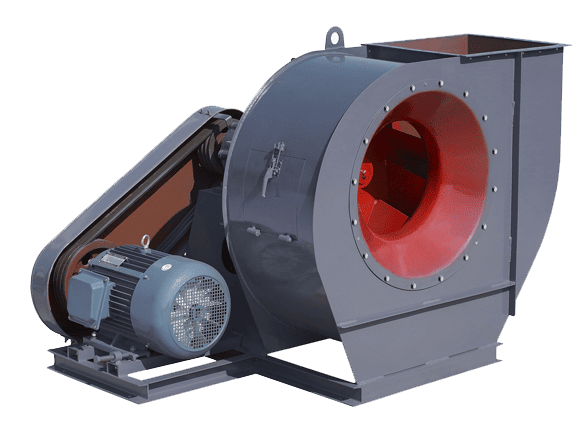
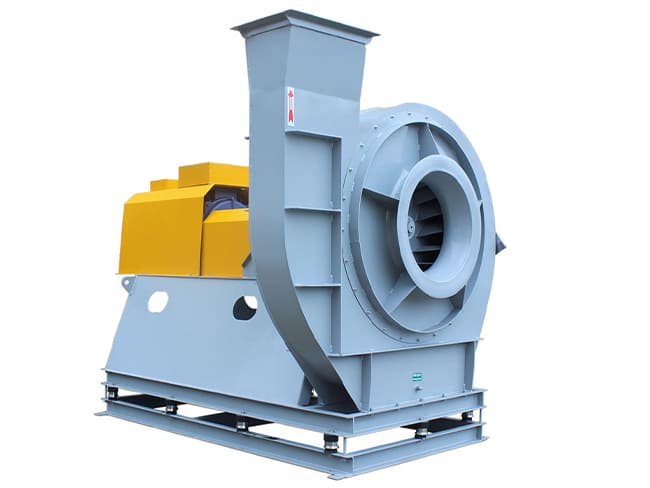
A fan motor is the heart of any industrial or mining ventilation fan. Its main job is to convert electrical energy into mechanical rotation, which drives the fan impeller. To do this reliably in demanding environments, a fan motor is built from several key components, each with a specific function. Understanding these components helps with selection, maintenance and troubleshooting of ventilation equipment.
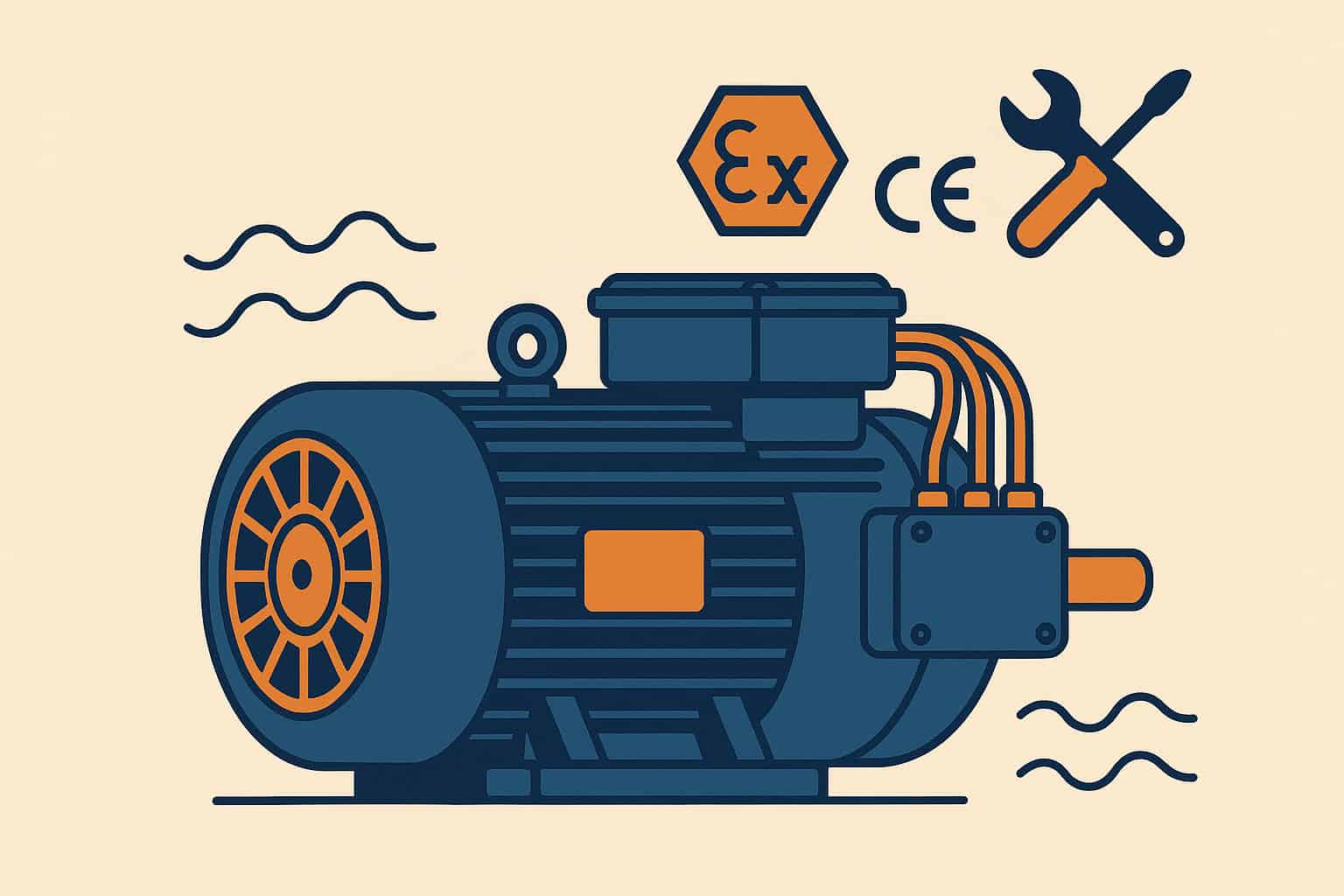
At the core of an electric fan motor are the stator and rotor. The stator is the stationary part, consisting of a laminated steel core and electrical windings. When alternating current flows through these windings, it creates a rotating magnetic field. The rotor sits inside the stator and is mounted on the motor shaft. In an induction motor, the rotor is usually a squirrel-cage design made of conductive bars and end rings embedded in a laminated core. The interaction between the stator’s rotating magnetic field and the rotor produces torque that turns the shaft.
The windings in the stator are made of insulated copper or aluminium wire arranged in slots. Their configuration determines the motor’s voltage, frequency and speed characteristics. In single-phase motors used for smaller fans, additional components such as a starting capacitor and auxiliary winding are used to generate starting torque. In three-phase motors, the symmetrical winding arrangement provides smooth rotation and higher efficiency, which is common for larger industrial and mining ventilation fans.
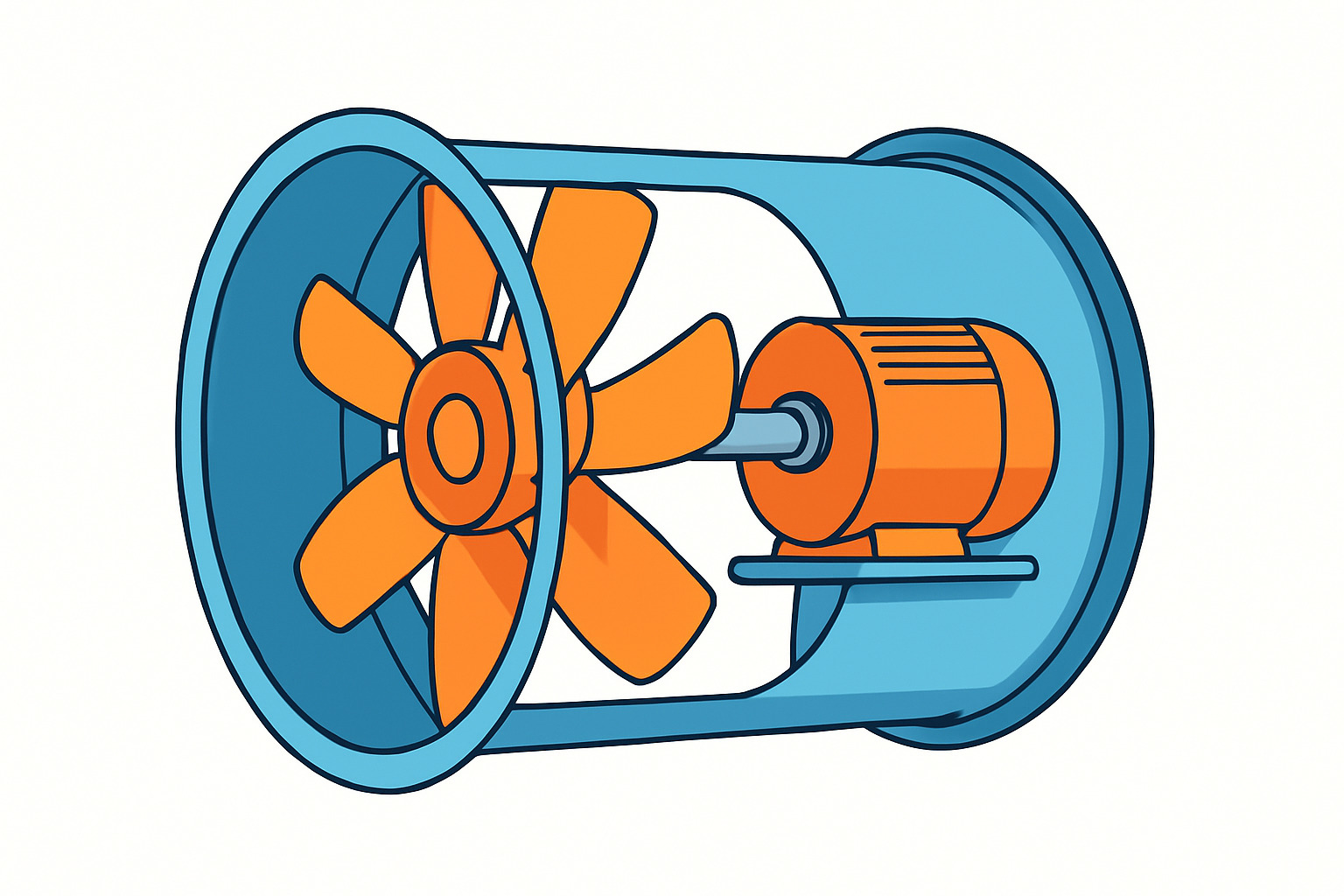
The shaft and bearings form the mechanical support system. The motor shaft transmits torque from the rotor to the fan impeller, either directly (direct drive) or through a coupling or belt drive. Bearings—either rolling element (ball or roller) or sleeve types—support the shaft and allow it to rotate with minimal friction. In heavy-duty fans, bearings are critical components that must handle radial and axial loads from the impeller and withstand dust, vibration and temperature.
The housing or frame provides mechanical protection, supports the stator and helps dissipate heat. It may be totally enclosed or open, depending on the environment and cooling method. Many fan motors include an integral cooling fan on the shaft that blows air over the frame to remove heat from the windings. The terminal box on the motor provides a protected location for electrical connections and often contains terminals that allow voltage or wiring configuration changes.
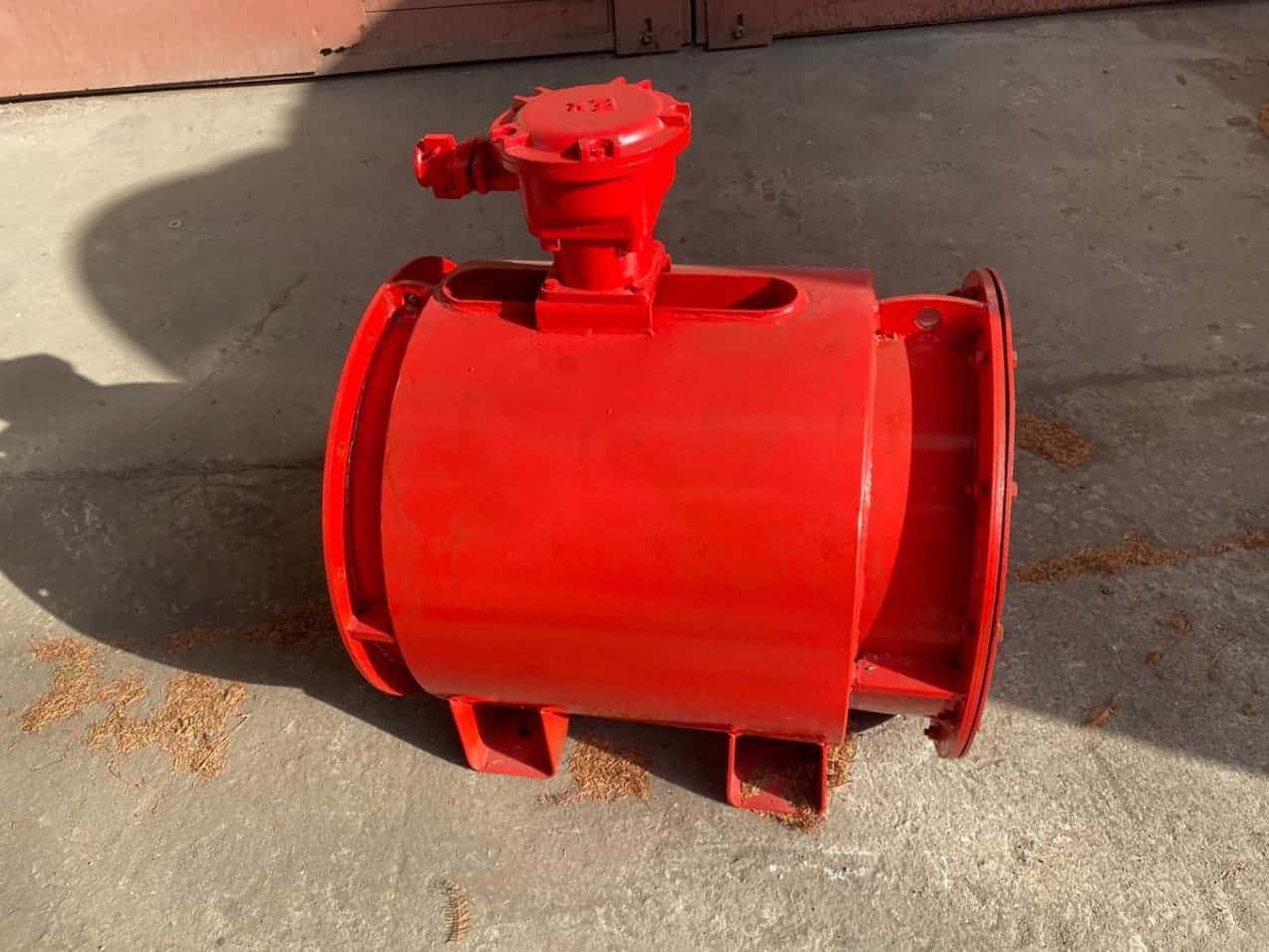
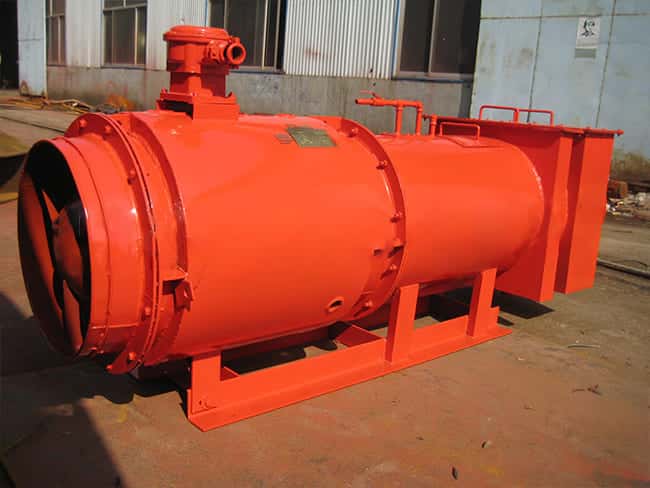
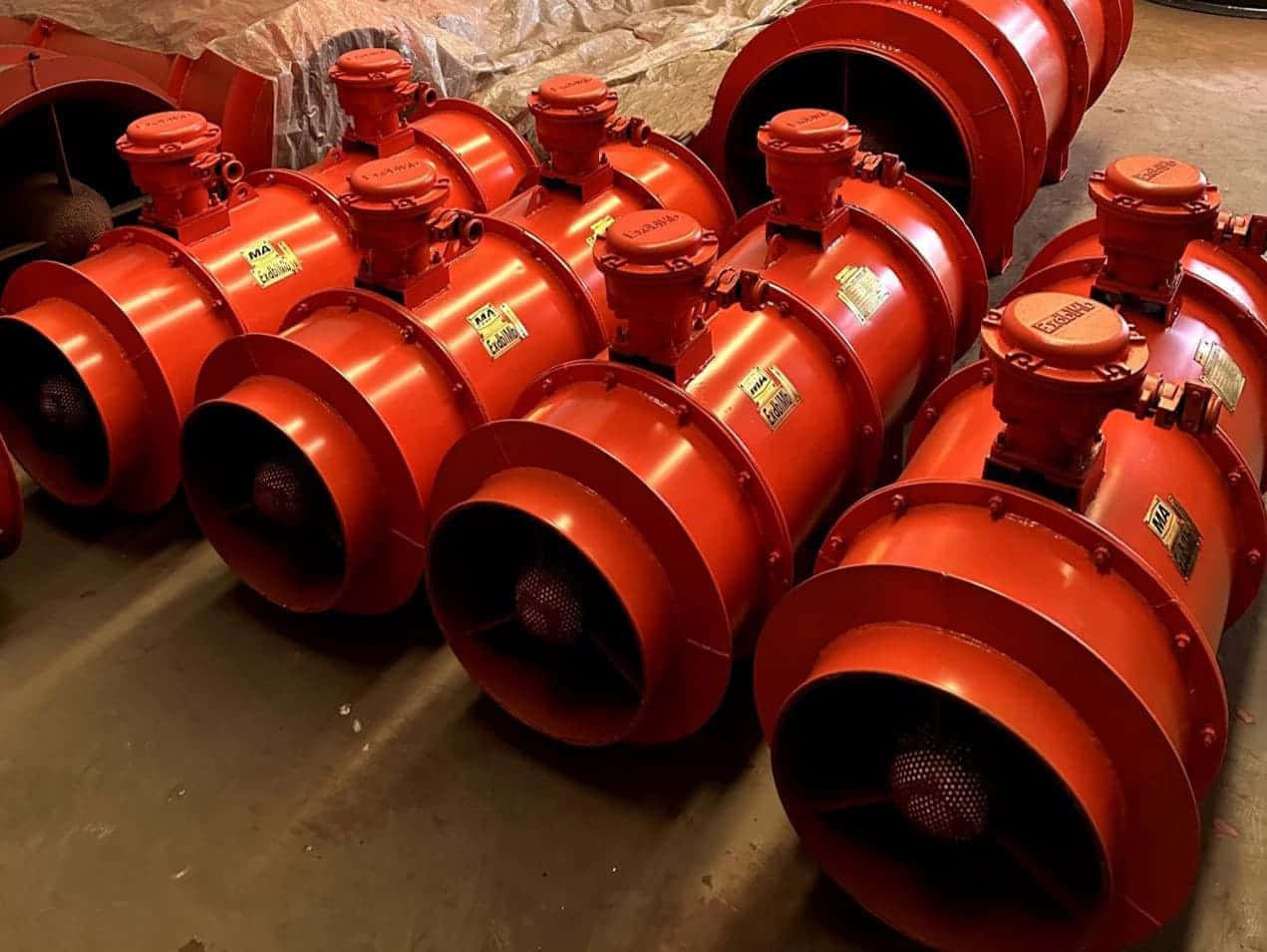
Additional components may include end shields, seals, cable glands, thermal protection devices and, in hazardous area motors, flameproof enclosures or other explosion-protection features. All of these parts work together to ensure that the motor can start, run and withstand the mechanical and environmental stresses of industrial and mining ventilation service.
In summary, the main components of a fan motor are the stator, rotor, windings, shaft, bearings, frame or housing, cooling fan and terminal box, with optional capacitors and protection devices depending on the type and application.