
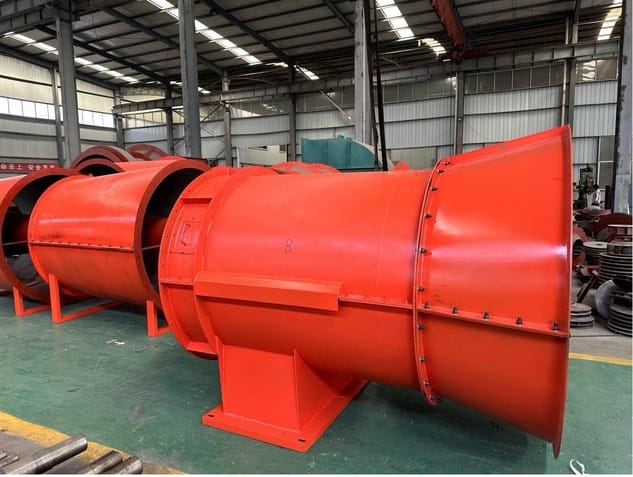
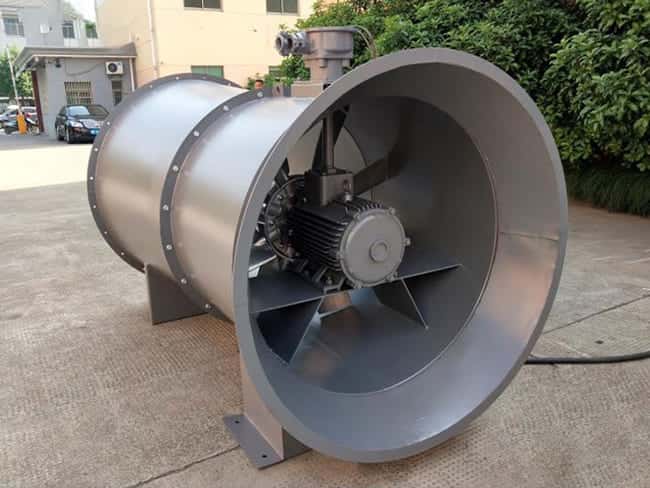
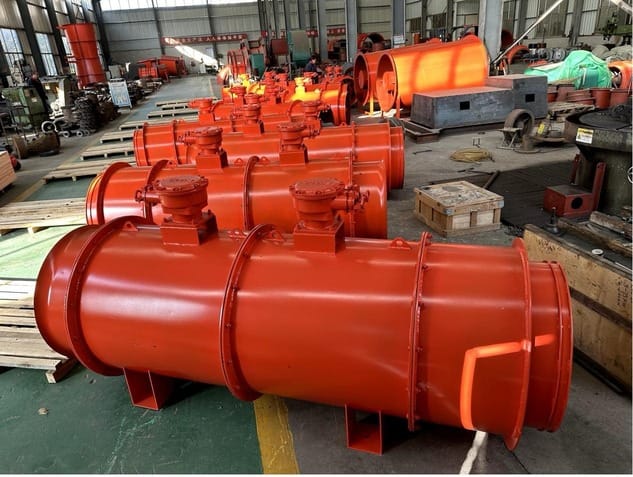
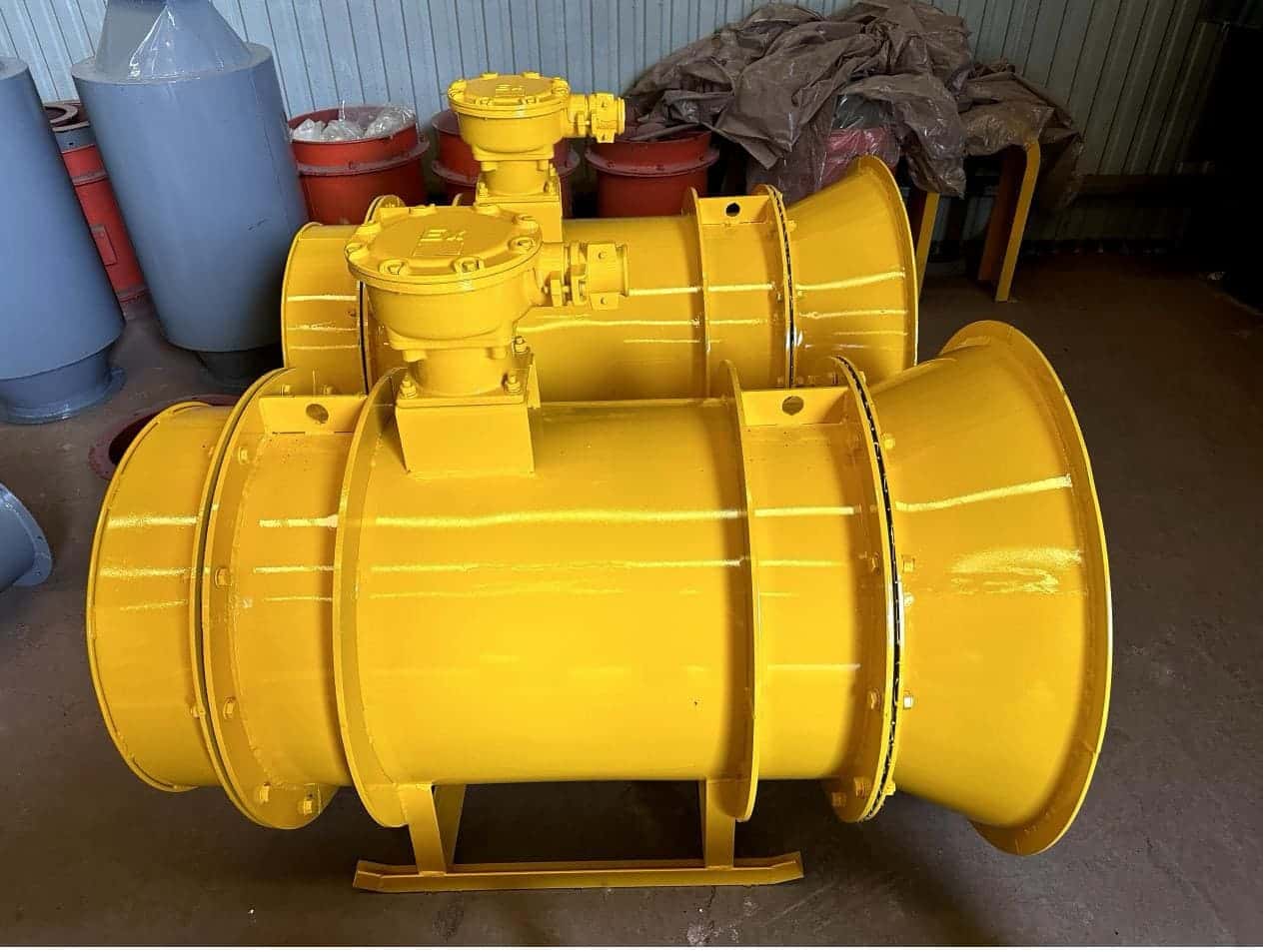


A fan regulator (or fan speed controller) is the device that allows you to adjust how fast a fan runs. In homes it is often a small wall unit controlling a ceiling fan, while in industrial and mining applications fan speed is more commonly controlled by variable speed drives. Whether simple or advanced, a fan regulator is built from several key components that together vary the voltage, current or frequency supplied to the motor.
In traditional household and light commercial installations, the regulator is usually a step-type or electronic controller mounted in a switch box. The visible part is the housing and control knob. The housing holds the internal components, provides electrical insulation and mounts to the wall. The knob or slider allows the user to select different speed settings and is mechanically linked to a rotary switch or potentiometer inside.
Inside a basic step-type regulator you will find resistors, capacitors or an inductor (choke), plus a multi-position switch. In resistor-based designs, different combinations of resistors drop part of the voltage, reducing the power reaching the fan motor and lowering its speed. In capacitor-based regulators, different capacitance values change the phase relationship between voltage and current, adjusting the torque of the single-phase induction motor and thus its speed. Choke-based regulators use an inductor to limit current and reduce flicker compared with simple resistors.
Modern electronic regulators often replace large resistors or chokes with a semiconductor switching circuit. Typical components include a triac or thyristor, a diac, resistors, capacitors and sometimes a small control IC. By rapidly switching the AC waveform on and off (phase control), the circuit effectively reduces the average voltage delivered to the fan. This allows smoother speed control and higher efficiency than simple resistor-based designs, although some electrical noise and harmonics are introduced.
All fan regulators also have connection terminals and safety components. Terminals or screw connectors provide secure attachment points for live and neutral wires. The printed circuit board or internal wiring links the power input, switching elements and output to the fan. Insulation barriers, creepage distances and sometimes small fuses or thermal protection devices help prevent failures or overheating. The regulator’s faceplate and knob are designed so live parts are inaccessible during normal use.
In industrial and mining ventilation, the role of a “fan regulator” is usually played by a variable frequency drive (VFD) or soft starter, which is a more complex electronic system containing rectifiers, DC bus capacitors, IGBT modules, control circuits and protection functions. Although very different internally from a domestic wall regulator, the basic purpose is the same: to control fan speed safely and efficiently.
In summary, the components of a fan regulator include the housing and control knob, switching mechanism, resistors, capacitors or inductors (or power electronics in modern designs), connection terminals and safety and heat-dissipating parts. Together they allow the user or control system to adjust fan speed to meet ventilation requirements.